Inspiration
Picture this. It is 2 AM in a busy hospital in Indore. A patient has pressed the call button. A nurse walks to the pharmacy, collects the medication, walks back to the ward, delivers it — then returns to her station. The entire round takes 20 minutes. In a 12-hour shift, she might do this 15 to 20 times. That is nearly four hours of her shift spent walking corridors and carrying things. 'I kept asking myself the same question,' says Deepak Jain, sitting in his office in Indore. 'Why is a trained nurse - someone who studied for years to provide patient care - spending a third of her shift doing courier work?'
What it does
Botriq solves logistics inefficiency across India's hospitals, hotels and manufacturing units — where repetitive, labour-intensive tasks drive high costs, staffing shortages and workplace injuries. Imported robots are unaffordable and unoptimised for India. Botriq provides purpose-built, India-optimised autonomous robots through a RaaS model from ₹25,000/month with zero upfront investment.
## How we built it Our robots integrate advanced technologies including 3D SLAM (Simultaneous Localization and Mapping) navigation, edge AI on GPU, multi-sensor fusion combining LiDAR, 3D cameras, IMU and ultrasonic sensors, in-house developed firmware and custom PCB design. The entire hardware software stack is developed in-house from mechanical body design and 3D printing to proprietary navigation algorithms and fleet management software. With an in-house research lab, manufacturing facility and proprietary software stack. Botriq offers flexible commercial models — an outright purchase option for enterprises seeking full ownership and a Robot-as-a-Service subscription for those preferring a monthly per-robot fee without upfront capital investment.
Challenges we ran into
We designed every circuit board ourselves. We wrote every line of firmware. We built our own navigation software from scratch. 'Nothing was imported. Nothing was licensed from a foreign company. Every component of our robots is Indian intellectual property. One of the biggest challenges was making the robots work in actual Indian buildings - not the standardised spaces of a German hospital or a Chinese hotel chain. Indian hospital corridors are narrower. Floors are often uneven. Lighting conditions vary dramatically. Elevators come in all shapes and sizes. Standard navigation technology fails in our buildings. Our robots had to be designed specifically for these conditions. We spent months just testing navigation in real hospital corridors in Indore before we were satisfied.
Accomplishments that we're proud of
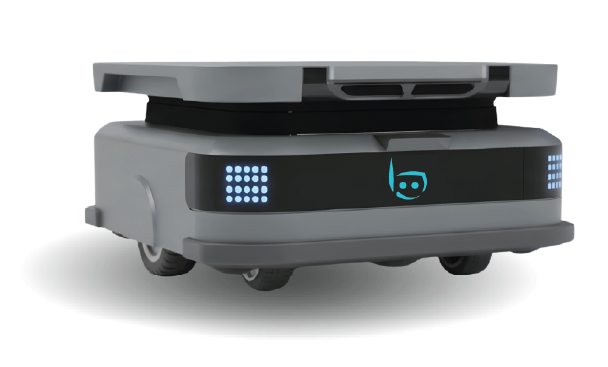
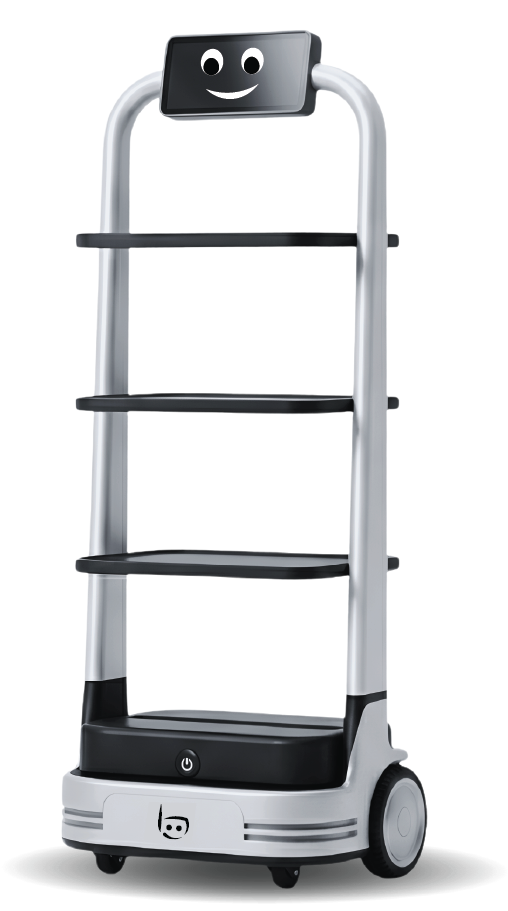
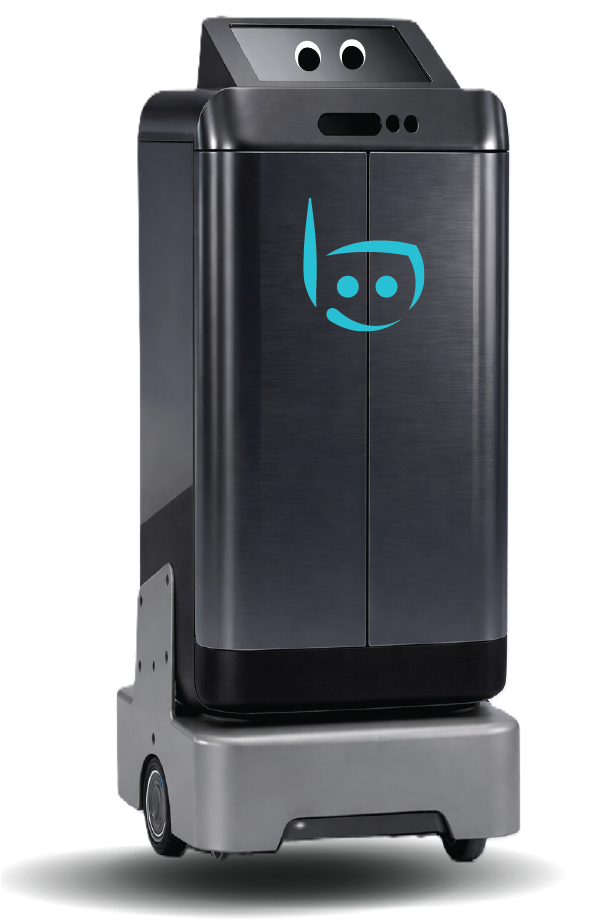
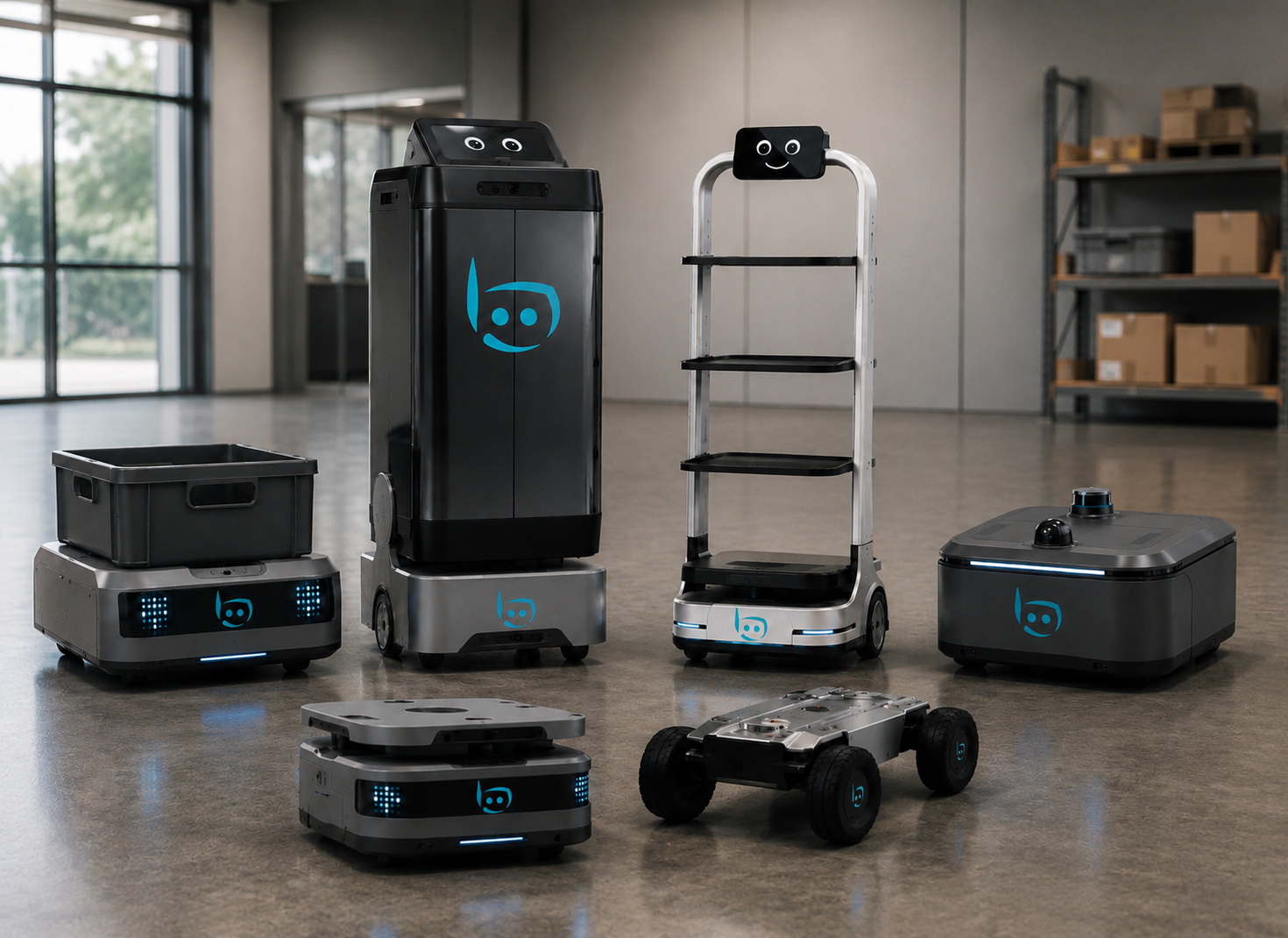
The Botriq's uniqueness: proprietary India-tuned SLAM, full offline edge AI, indigenous PCBs and firmware, 6 purpose-built robot models, markerless 3D navigation requiring zero infrastructure changes, India's first RaaS model from ₹25,000/month with 2-4 week deployment — outperforming imports on cost, support and adaptability.
What we learned
India's TAM for autonomous service robots across Botriq's three sectors is Rs. 2,300 to 3,100 crore by 2028 at 15 to 25 percent CAGR. Healthcare Robotics: Rs. 500 to 750 crore by 2028. India has 70,000 plus hospitals with less than 1 percent using autonomous logistics. Global hospital logistics robot market at USD 3.2 billion by 2028, India at 6 to 8 percent of Asia-Pacific share. Hospitality Robotics: Rs. 200 to 350 crore by 2028. Global market at USD 1.3 billion by 2028 at 24.72 percent CAGR. India's 50,000 plus hotels face acute staffing challenges with less than 1 percent adoption. Warehouse Automation AMR: Rs. 1,600 to 2,000 crore by 2028. India AMR market at USD 234 million by 2028 at 15 percent CAGR. Botriq's serviceable market is Rs. 400 to 600 crore by 2028. Revenue target of Rs. 36.6 crore by Year 5 represents 6 to 9 percent serviceable market share — realistic for an indigenously manufactured RaaS product.
What's next for Botriq
Botriq scales across five levers simultaneously. Geographic: Beachhead in Indore, expanding to Mumbai, Pune, Hyderabad and Delhi NCR by Year 2 via hub-and-spoke deployment. Pan-India across 15 cities by Year 3. Export to ASEAN, Middle East and Africa from Year 3. Product: Three platforms scale to broader portfolio using the same indigenous technology stack at low incremental R&D cost. Manufacturing: Current 20 robots per month scales to 100 per month within 18 months, reducing per-unit cost by 30 percent through PCB fabrication economies and bulk procurement. Revenue: RaaS creates compounding recurring revenue — monthly recurring revenue grows from Rs. 3 lakh in Year 1 to Rs. 2.8 crore by Year 5 as fleet scales from 10 to 700 robots. Each deployment adds permanent revenue with no proportional cost increase. Channel: Direct sales in Year 1, adding system integrators and hospital procurement agencies from Year 2. GeM portal provides zero-infrastructure access to government procurement
Revenue model : Botriq has a five-stream revenue model with Robot-as-a-Service as the primary and strategically dominant stream.
Robot-as-a-Service (RaaS) — Primary Revenue: Monthly subscription at Rs. 25,000 to Rs. 35,000 per robot per month covering deployment, maintenance, software updates and support. This is Botriq's core strategic focus. As the deployed fleet scales from 10 robots in Year 1 to 700 robots by Year 5, monthly recurring revenue compounds from Rs. 3 lakh to Rs. 2.8 crore, creating a high-margin, predictable income stream with no proportional increase in operational cost.
Direct Robot Sales: Outright purchase at Rs. 5 to Rs. 7.5 lakh per unit for enterprises preferring asset ownership. Provides upfront capital inflow and serves clients with existing capex budgets such as large hospital chains and government institutions procuring through GeM.
Annual Maintenance Contracts: Post-warranty AMC at 15 to 20 percent of hardware value annually, generating a stable long-term service revenue layer on top of the installed base as it grows.
Fleet Management Software Subscription: SaaS-based subscription for multi-location enterprise clients requiring centralised robot monitoring, task management, telemetry analytics and performance reporting across large deployments from a single dashboard.
System Integration and Consulting: One-time and recurring fees for custom integration with client ERP, Hospital Management Information Systems and Warehouse Management Systems, enabling seamless embedding of Botriq robots into existing enterprise workflows.
Five year revenue projection: Year 1 Rs. 46 lakh, Year 2 Rs. 2.22 crore, Year 3 Rs. 7.05 crore, Year 4 Rs. 17.46 crore, Year 5 Rs. 36.6 crore. The RaaS model ensures revenue visibility, investor confidence and long-term client retention simultaneously.
Built With
- ai
- ai-inference
- custom-firmware-and-pcb-design.-removing-or-replacing-any-of-these-with-alternatives-would-either-make-the-robot-non-functional-or-eliminate-the-operation-capability
- indian-adaptability-and-price-performance-advantage.-the-technology-is-not-a-feature
- multi-sensor-fusion
- multisensor
- ros
- slam

Log in or sign up for Devpost to join the conversation.