-
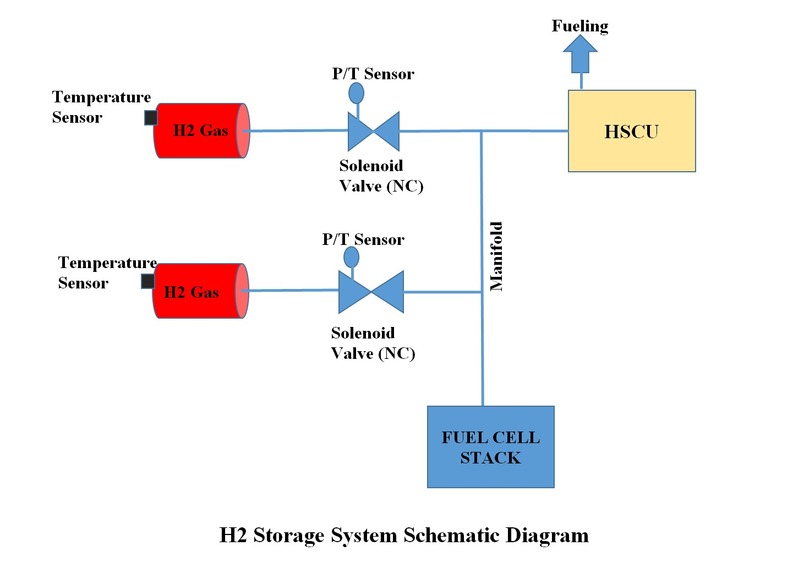
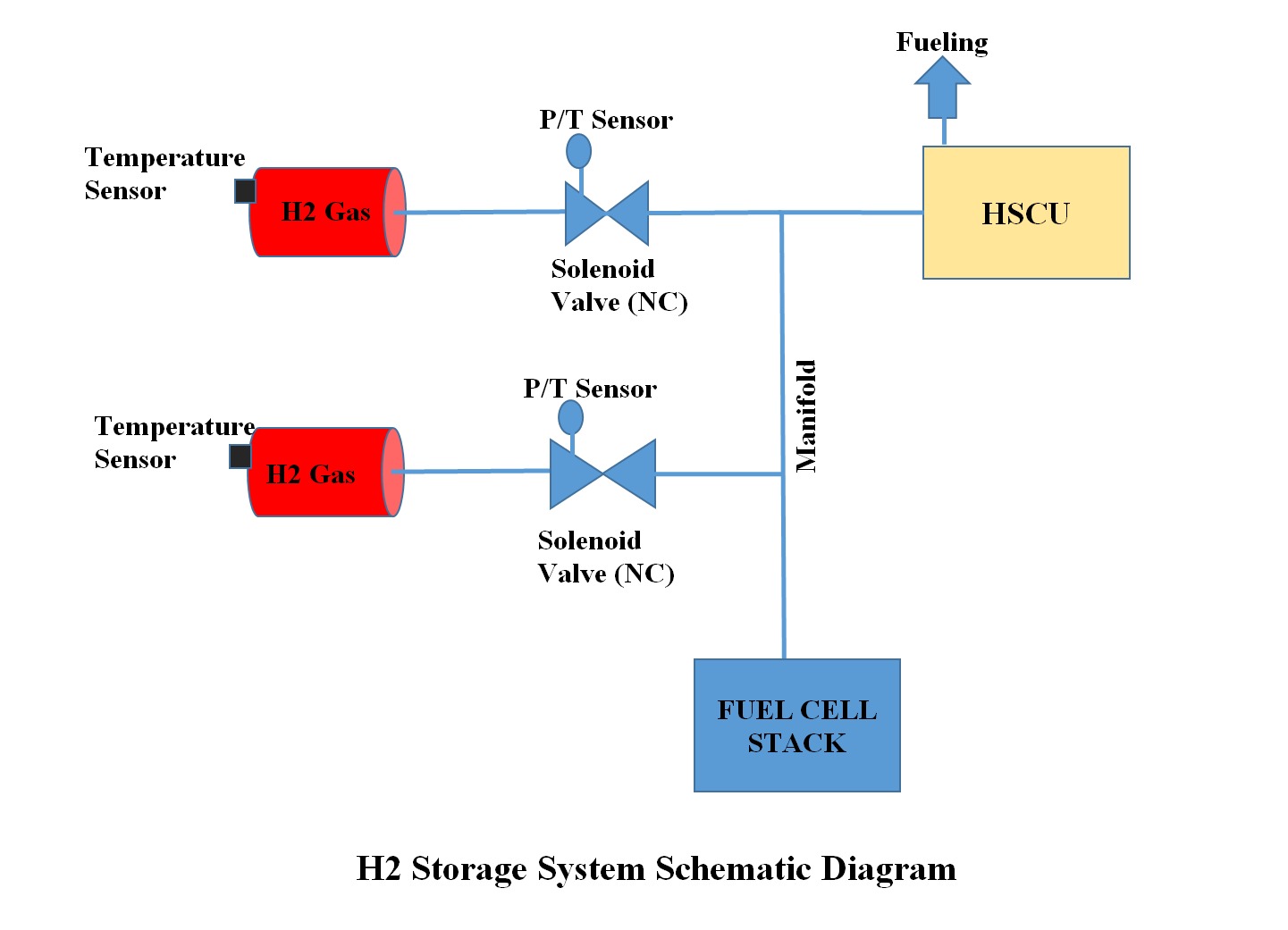
Original diagram on which improvements are introduced.
-
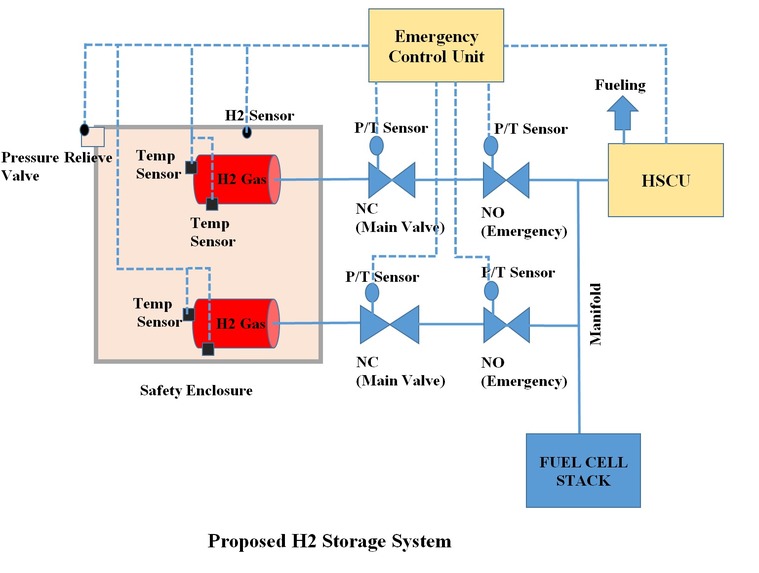
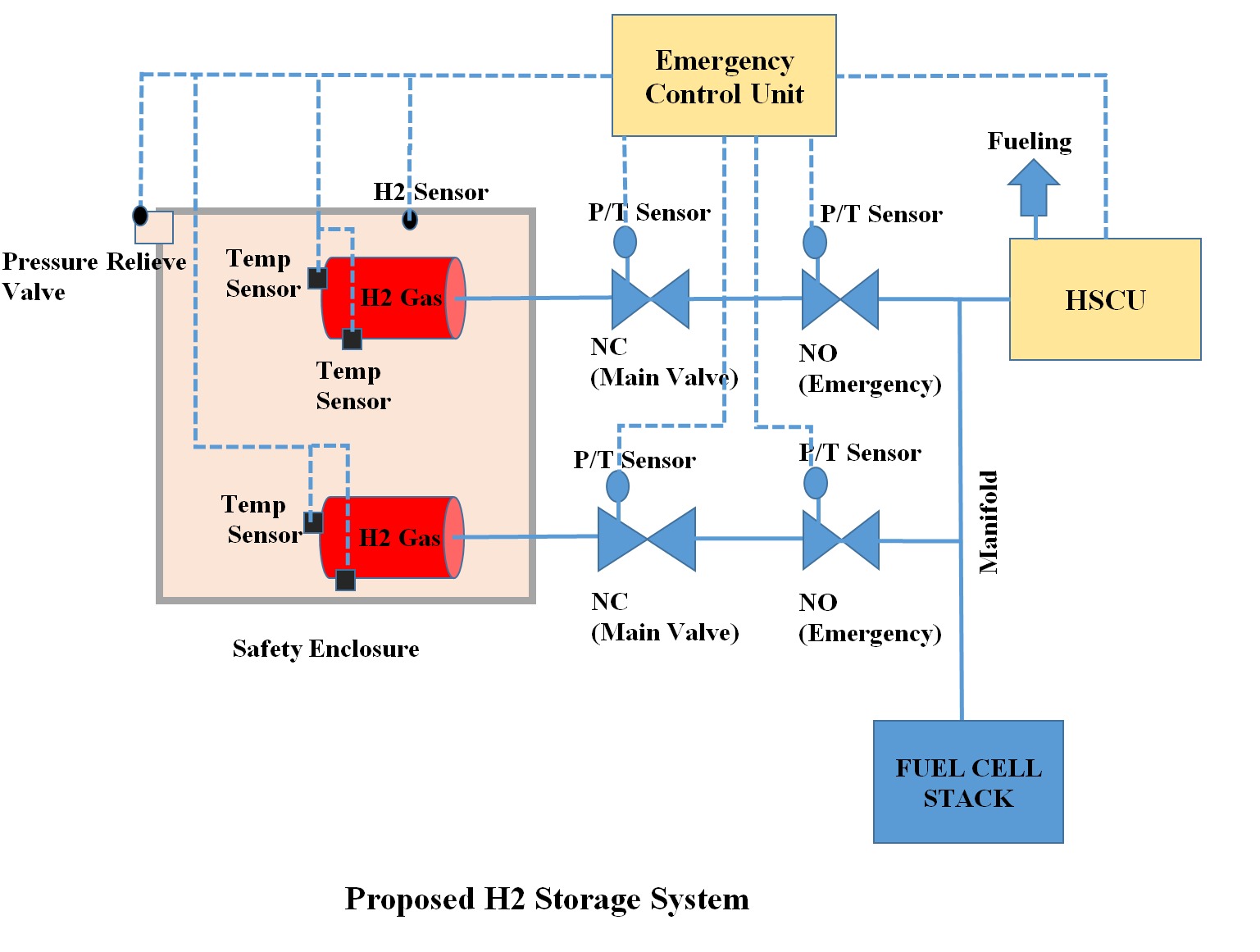
Improved design diagram of the original diagram.
-
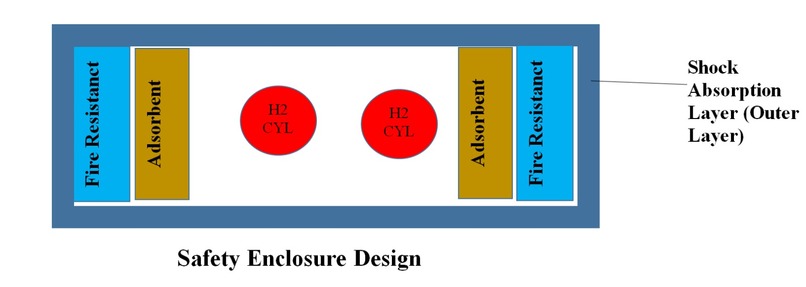
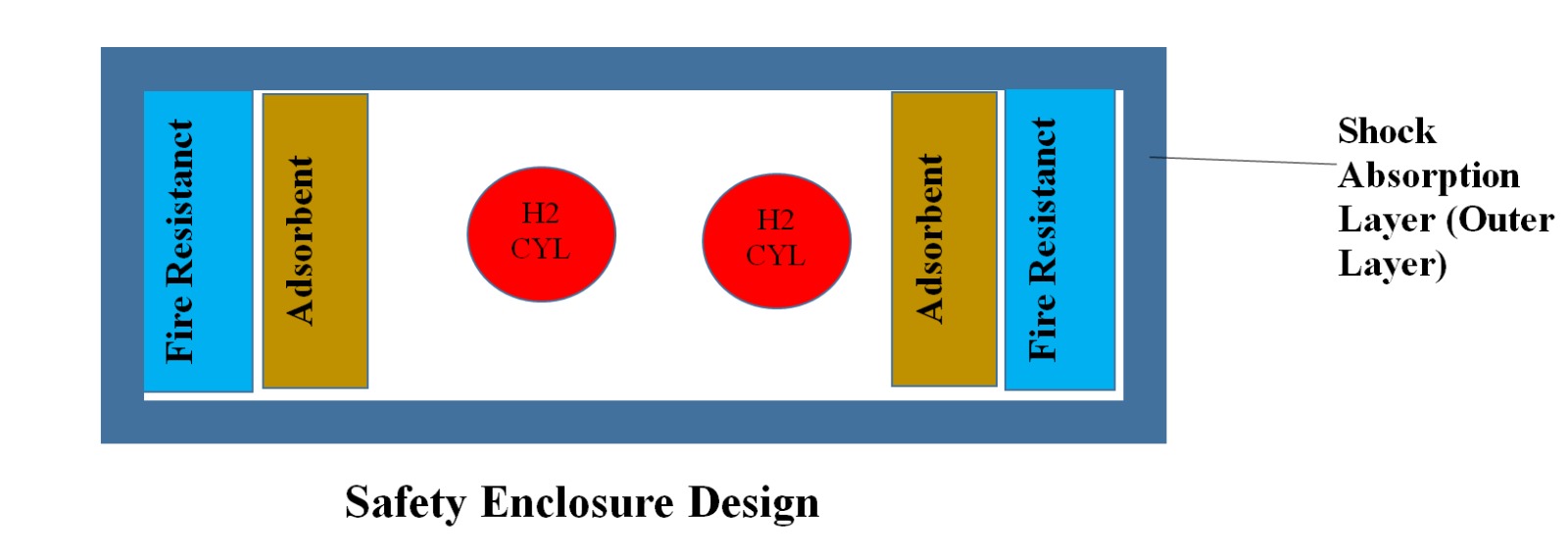
Safety enclosure design.
-

Safety enclosure details.

Inspiration
What inspired us to tackle this hackathon project was our passion for solving problems and making a difference in the world. The challenge of creating an innovative solution for increasing safety for hydrogen-powered vehicles really resonated with me. My team and I share a common vision to create a solution that not only addresses the problem but has a real impact on society. We're excited to be a part of this hackathon and can't wait to see what we can accomplish together.
What it does: We are working on the automotive powered by clean hydrogen gas which produces 0 emission as the only byproduct is water. we aim to make it a safer solution for hydrogen powered automotive and heavy load vehicles.
How we built it: We try to identify the most vulnerable and high-risk parts of the system, and try to make it safer for use.
Challenges we ran into :
- Deficiency of the knowledge of the technologies already in place
- Data for the current vehicles that could have helped to confirm our hypothesized solution
- Exploring the vast pool of technology available and matching the best tech with least effect as per our requirement
- Containing the risk of hydrogen tank leakage.
- Selecting appropriate materials for the outer gas tank so as to minimize physical and thermal shock on the hydrogen storage tanks.
Accomplishments that we're proud of:
- We came up with an innovative idea to handle the valve fault.
- We also came up of an emergency unit to handle any sensor errors. This unit works in tandem with the HSCU and also works as a fail-safe for it.
- We also came up with a way of protecting the hydrogen cannisters from physical and thermal shock.
What we learned:
- The working of a hydrogen powered vehicle.
- Future of clean resources.
- Working of different valves.
- Learning about different sensors and control systems.
- Learning about different types of materials used for gas tanks.
What's next for Bosch Hydrogen Fuel Storage Challenge:
- Testing and implementing such improvements in real-time to find values for tolerances for various parameters in the emergency unit.
- Making a working prototype for such improvements.


Log in or sign up for Devpost to join the conversation.