-
-
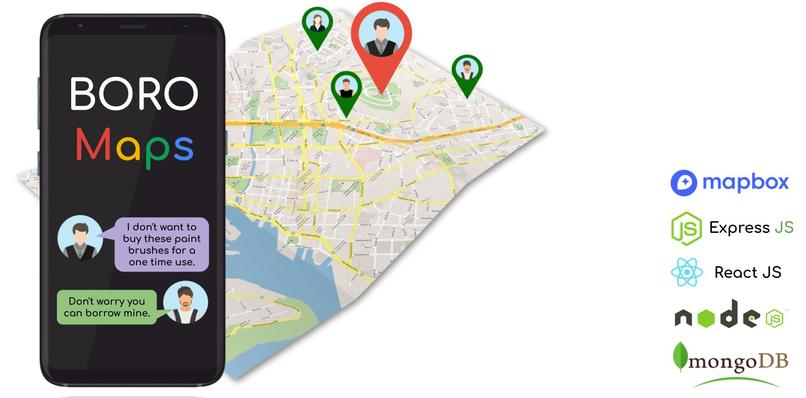
Boro Maps
-
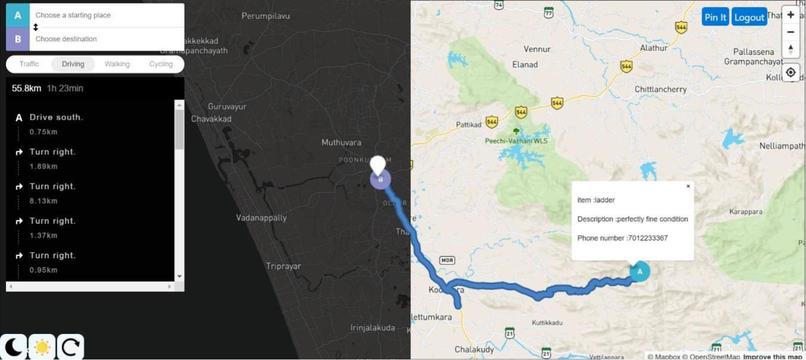
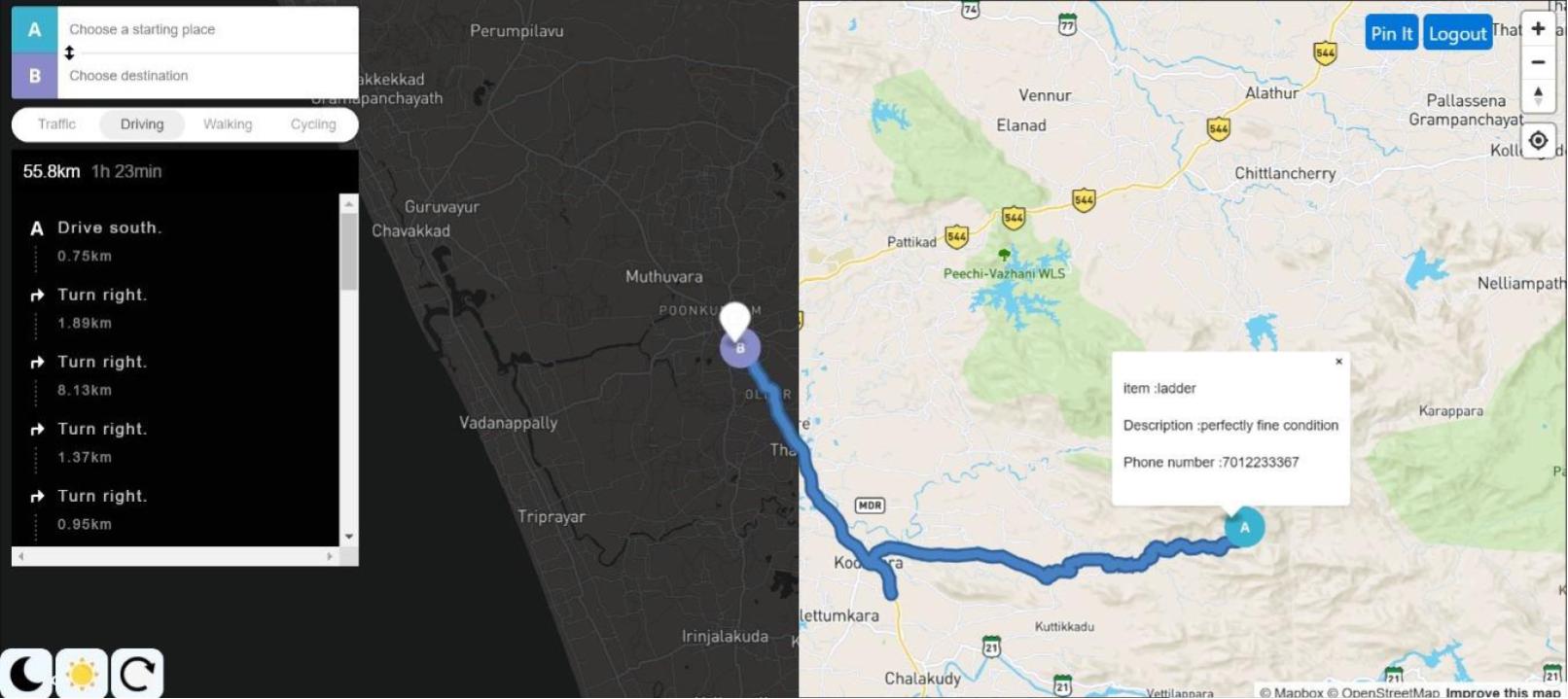
Light and Dark Mode
-
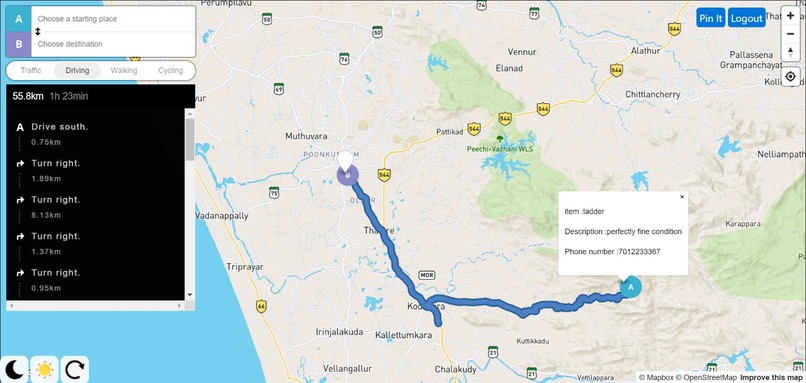
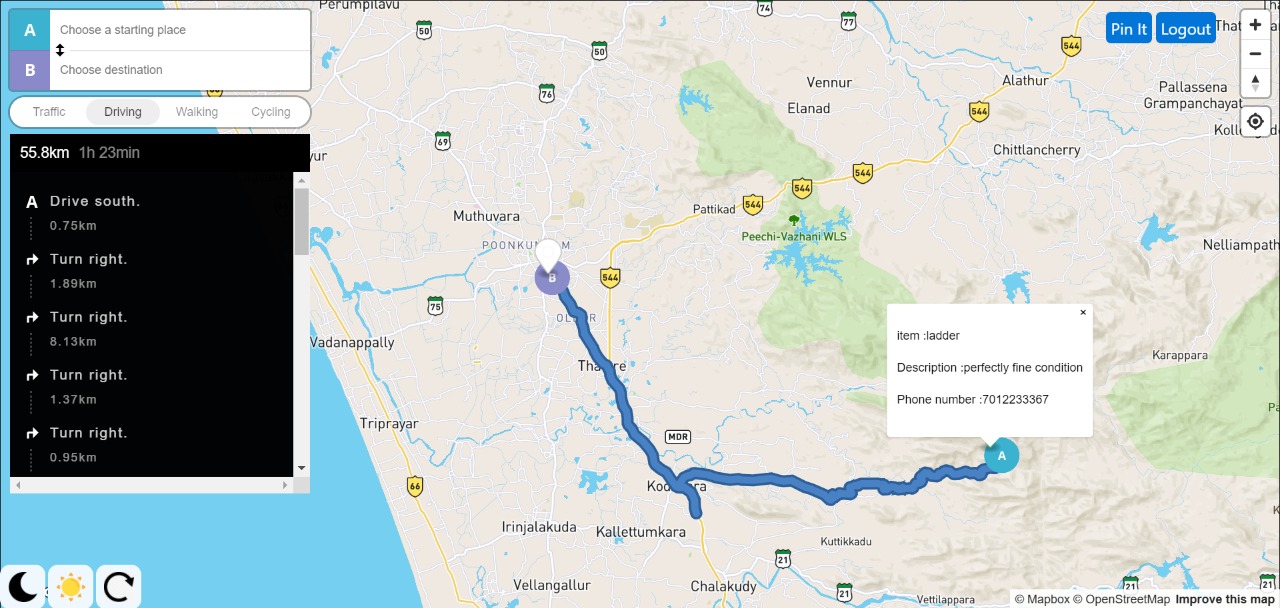
Find the way to reach them...
-
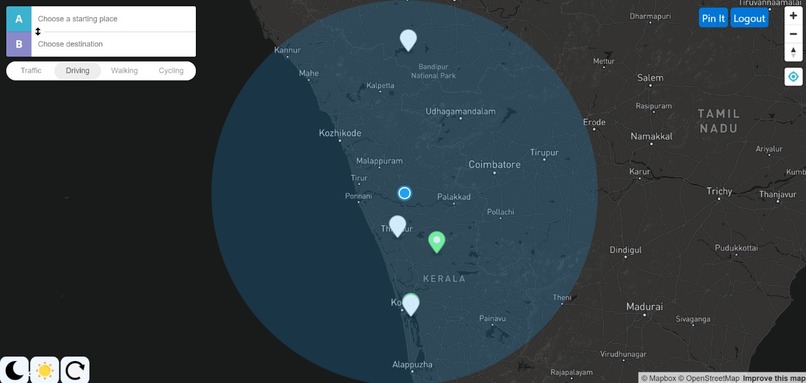
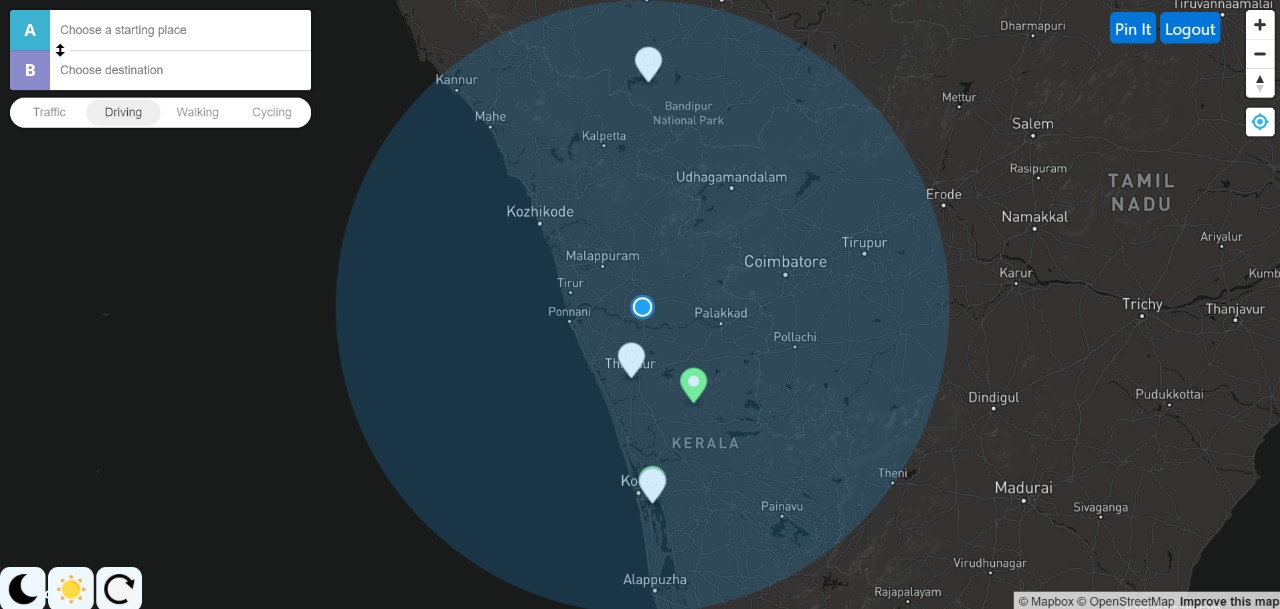
See the borrowers near you.
-
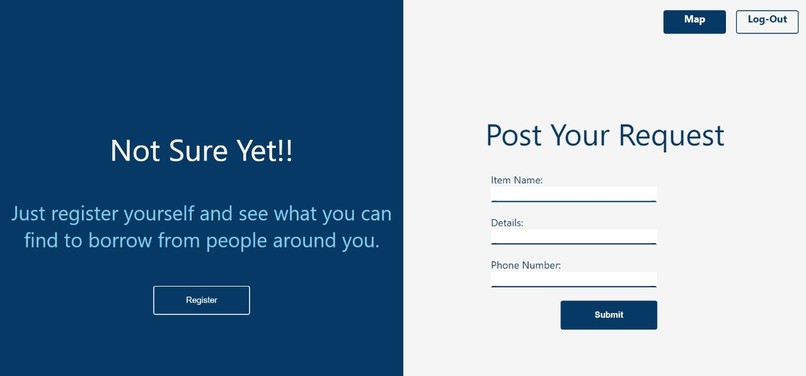
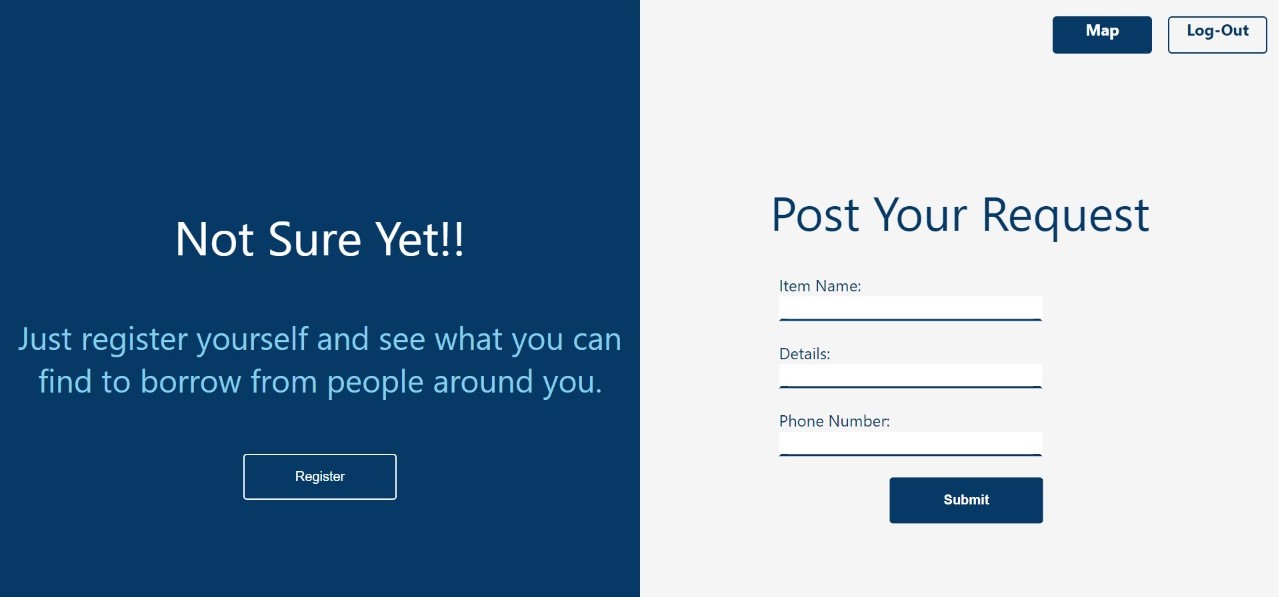
Dashboard
-
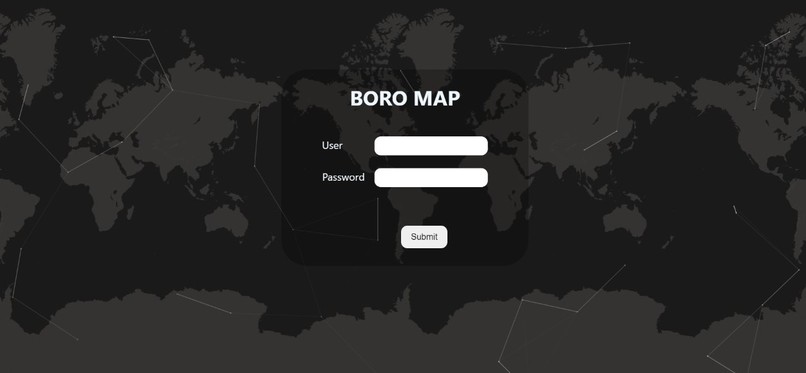
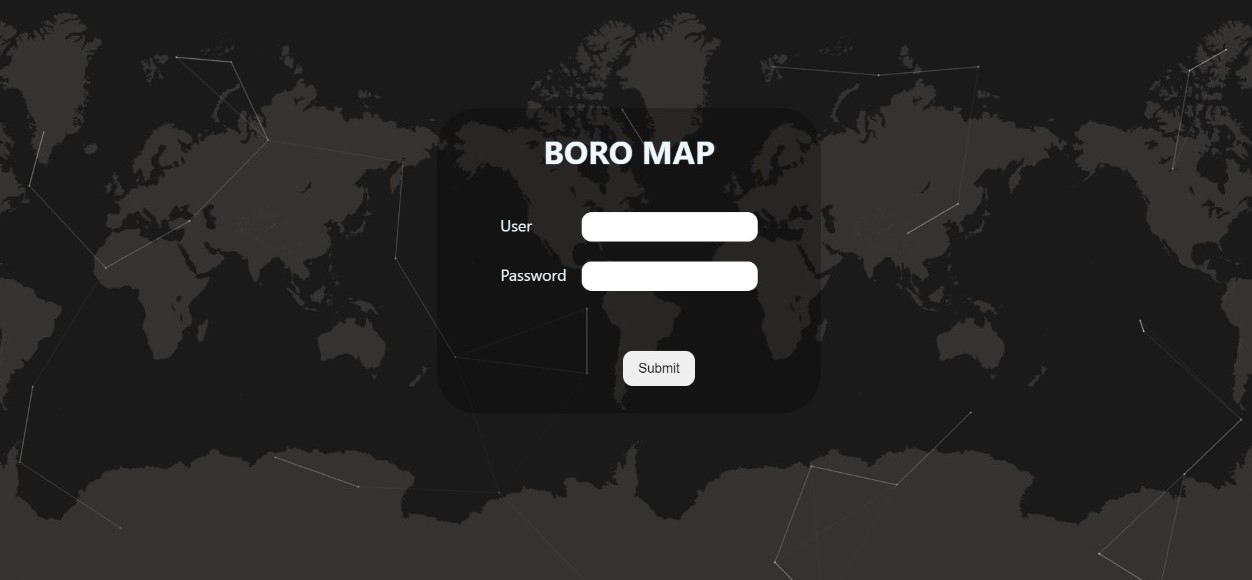
Login Page
Inspiration
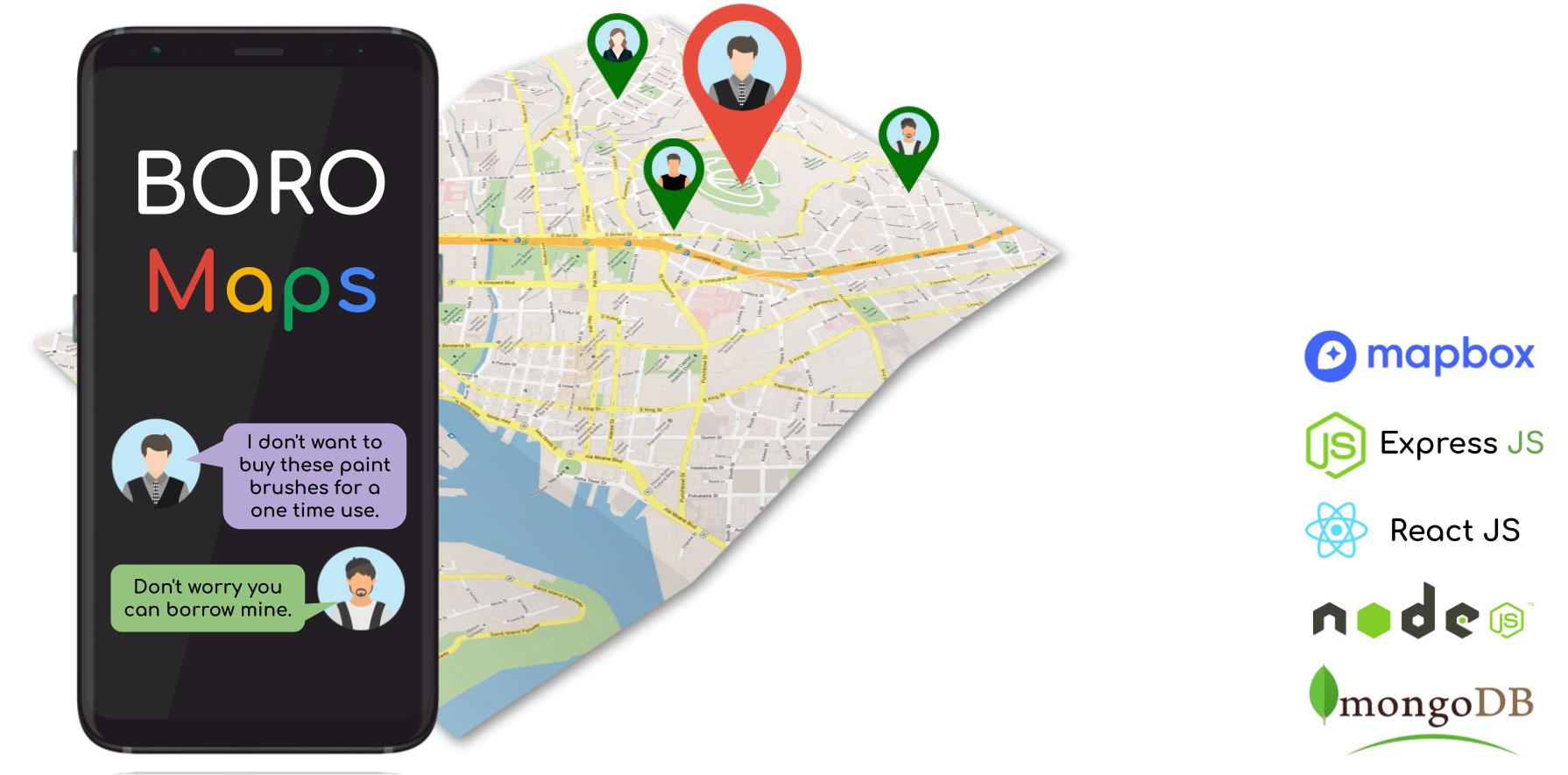
We can see that we have a lot of stuff around us which we don't use every day and after a few years those things turn into junk. For instance, if in a society of 50 houses, each house has a lawnmower and we don't use it every day so after 10 years we will have 50 junk lawnmowers but if one house has a lawnmower and other houses borrow it from them then after 10 years, we will have 49 fewer junk lawnmowers and thus handling the waste on a very large scale and could also help in managing plastic waste.
What it does
Our project helps the user to place the things they want to lend others in their locality or you can also borrow from others.
How we built it
Framework Used:
- React JS: Hooks, Axios
- A JavaScript library called MapboxGL
- Node JS, Express JS.
Database Used:
- MongoDB
Challenges we ran into
- Making use of MapboxGL in react hooks due to limited tutorials
- Making sure the data is always up and running so that it doesn't just go on every refresh
- Stopping the infinite looping of fetching data from a HTTP req when using Axios
Accomplishments that we're proud of
- Made a fully functionally MERN Stack Application.
- Provided an affordable easy to use solution for the world's waste management problem.
- Found and used an alternative for Google Maps (as they have started charging money for using Maps).
- This uses the ‘haversine’ formula to calculate the great-circle distance between two points.
What we learned
- Use of different types of hooks in React
- Handling MapboxGL
- Using Routes
- Handling HTTP requests
What's next for BORO Maps
Adding more features like:
- Asking the user to verify the address with an admin user interaction
- Allowing users to add more than one items
- Making an easy-to-use dashboard
- Keeping it affordable and reaching out to the people
- Adding more map functions
- Better search algorithms
- Better user-account system





Log in or sign up for Devpost to join the conversation.