Inspiration
Standard x86 desktop computers offer universal OS booting—you can plug in a USB drive and easily boot Linux onto virtually any PC. Mobile devices, however, are walled gardens locked down by vendor bootloaders, fragmented Android trees, and restrictive ecosystems. We were inspired to bring that same seamless desktop-style booting and testing experience to the mobile world.
What it does
BootUp provides a high-performance mobile OS simulation environment. It allows developers, security researchers, and enthusiasts to run, test, and preview pure Mobile Linux on a desktop without risking bricked hardware, flashing firmware, or dealing with vendor lock-in.
How we built it
BootUp provides a high-performance mobile OS simulation environment. It allows developers, security researchers, and enthusiasts to run, test, and preview pure Mobile Linux on a desktop without risking bricked hardware, flashing firmware, or dealing with vendor lock-in.
Challenges we ran into
Terminal & Tooling Complexity: Navigating low-level pmbootstrap build flags and chroot environments required precise package management.
Display & Graphics Performance: Resolving DRI2 render issues and Wayland compositor glitches within QEMU virtual display adapters (virtio-gpu).

Storage Constraints: Managing tight root filesystem allocations during the initial disk image generation process.
Accomplishments that we're proud of
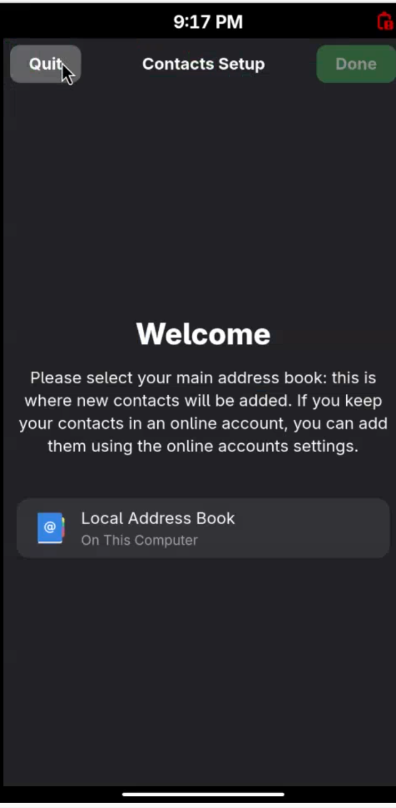
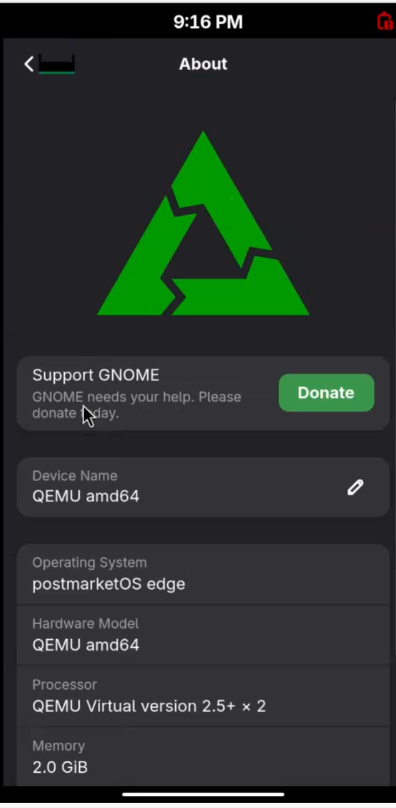
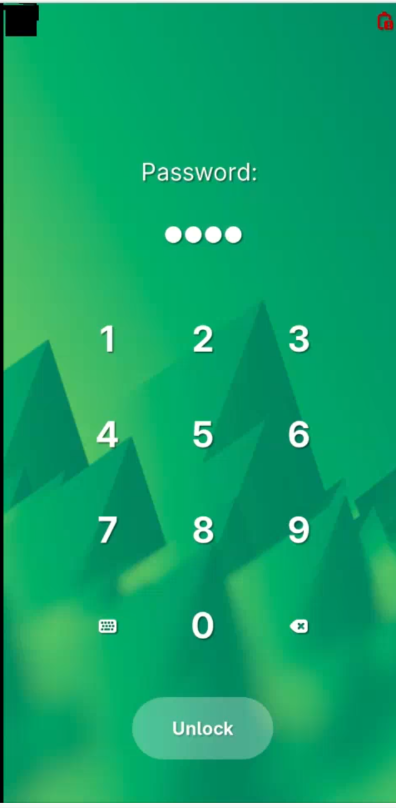
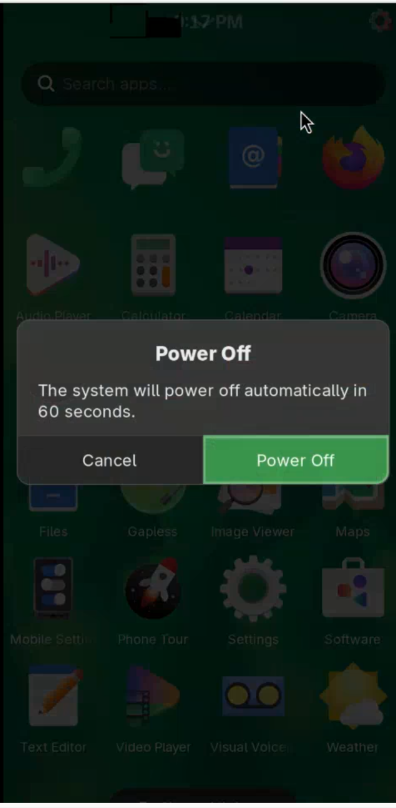
Successfully booted a responsive, touch-navigable Mobile Linux system inside QEMU.
Achieved full UI interactivity—demonstrating PIN authentication, app drawer access, system diagnostics, and soft-power shutdown sequences.
Eliminated the high barrier to entry for mobile OS testing by removing the physical device requirement.
What we learned
The fundamental architectural differences in how boot sequences operate between unified x86 systems and fragmented ARM-based mobile SoCs.
How Wayland compositors (like Phoc/Phosh) interact with virtualized GPU drivers inside QEMU.
Cross-compilation workflows and containerized build pipelines with pmbootstrap.
What's next for Bootup
Universal Device Compatibility: Expand device tree templates to streamline porting postmarketOS to physical hardware across multiple chipset families (Snapdragon, MediaTek, Exynos).
On-Device AI Diagnostics: Integrate a lightweight local anomaly detection engine to monitor system telemetry and resource usage directly within the mobile OS.
Post-Quantum Security: Implement NIST-standardized Post-Quantum Cryptography (PQC) libraries (liboqs) for quantum-safe mobile data transmission.

Log in or sign up for Devpost to join the conversation.