Inspiration
We were inspired by the growing tension between tourism and local communities around the world. While travel can be a powerful force for cultural connection and economic support, it can also unintentionally contribute to rising housing costs, environmental degradation, and the erosion of local customs. We wanted to design a platform that doesn't just help people explore new places—but helps them do so thoughtfully and conscientiously. Our goal was to encourage travel that respects the rhythms, values, and voices of the communities being visited.
What it does
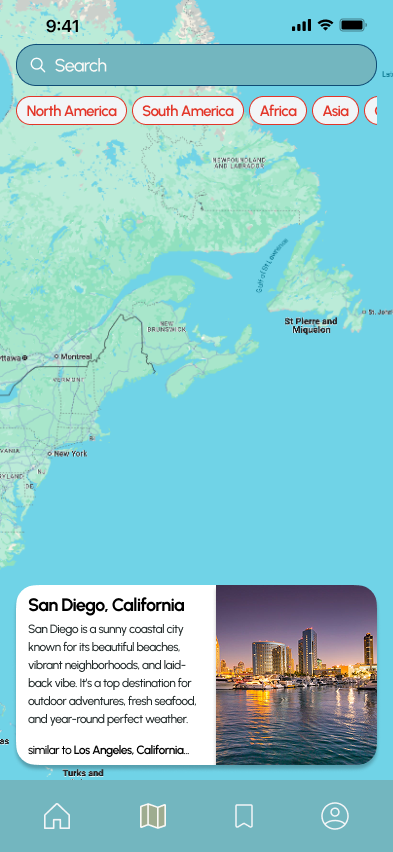
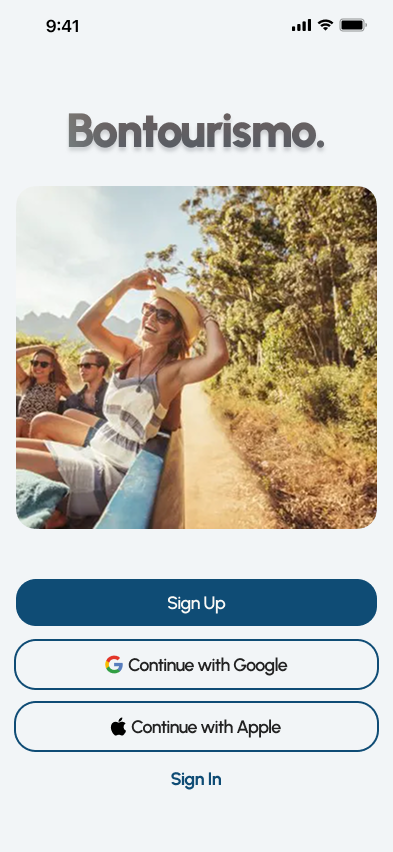
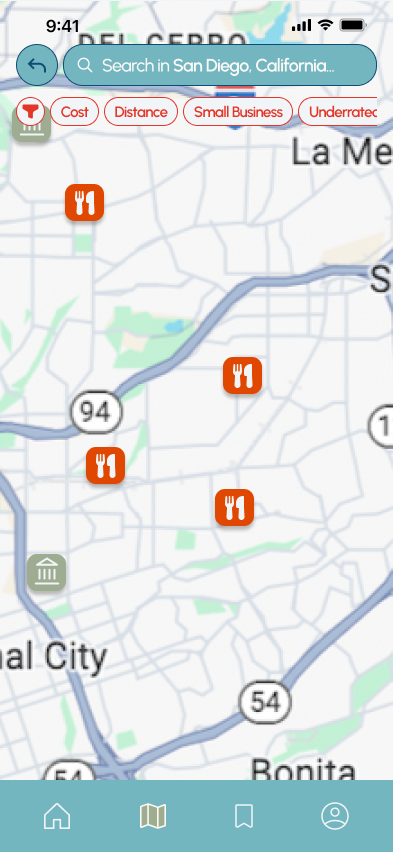
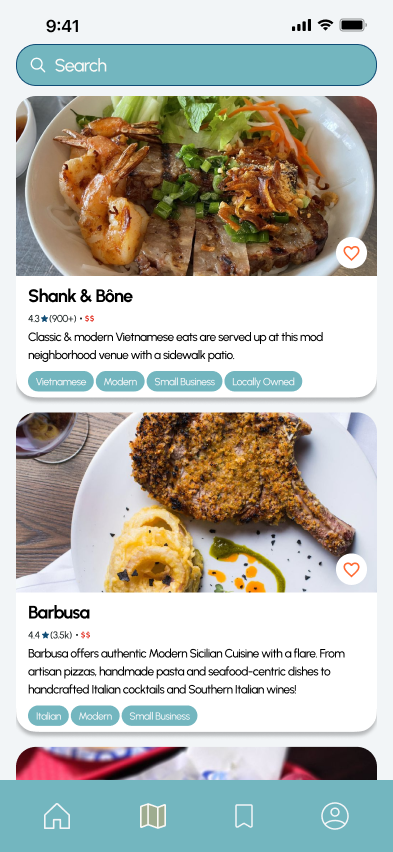
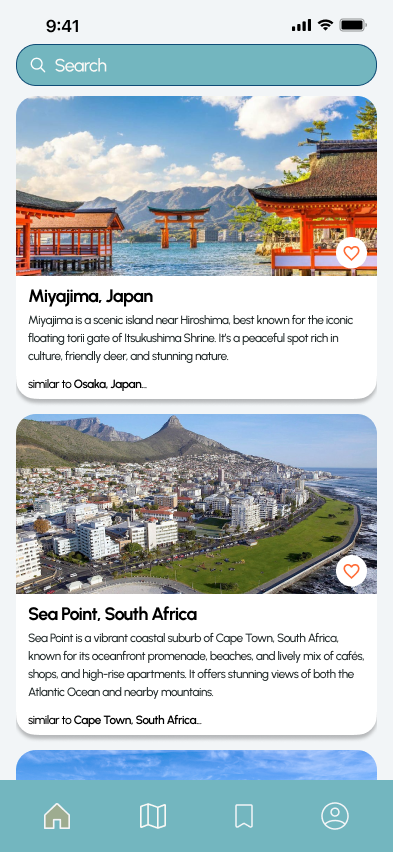
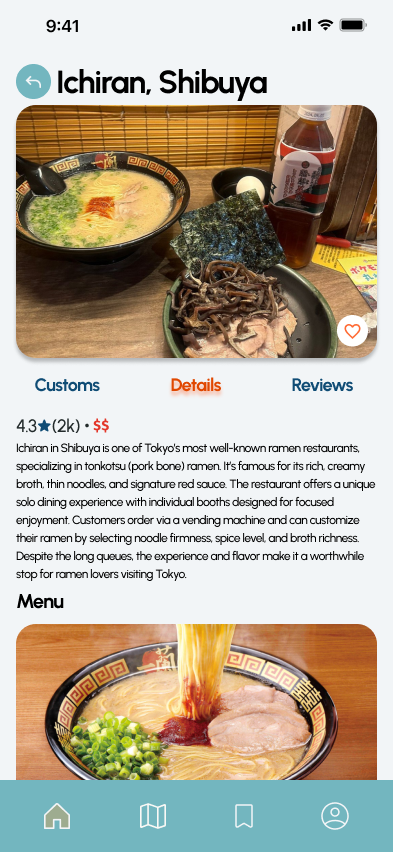
Bontourismo is a travel companion app that connects travelers with locally informed insights to help them engage with destinations more respectfully. Features include:
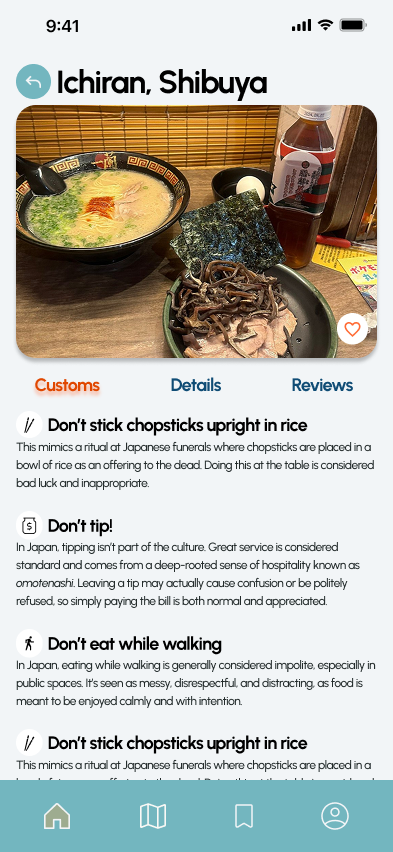
- Cultural customs and etiquette guides (e.g., dining practices, tipping norms)
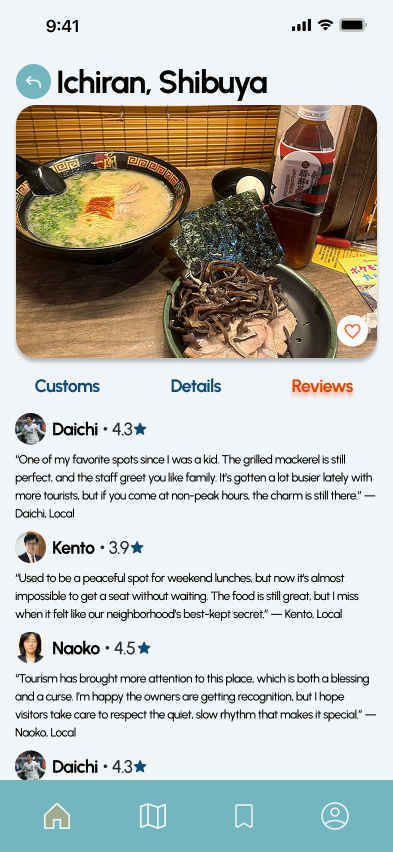
- Verified local reviews that share how tourism is impacting communities
- Travel recommendations that highlight under-visited or alternative destinations
- Time-based tips (e.g., when to visit Machu Picchu with less environmental impact)
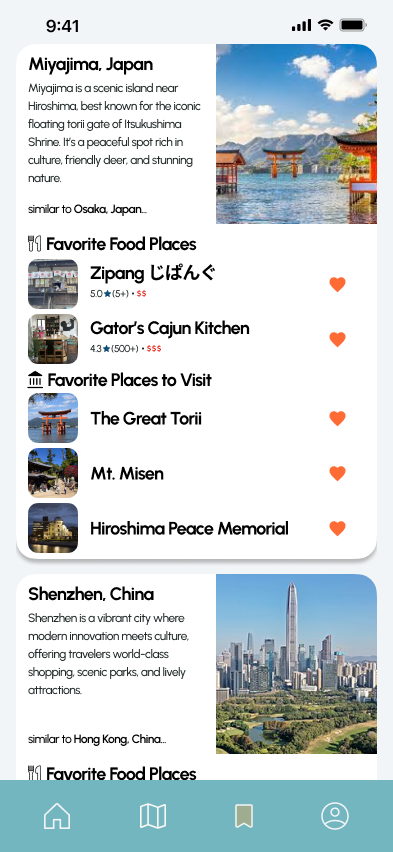
- Food discovery tools that promote local cuisine and culturally sensitive dining
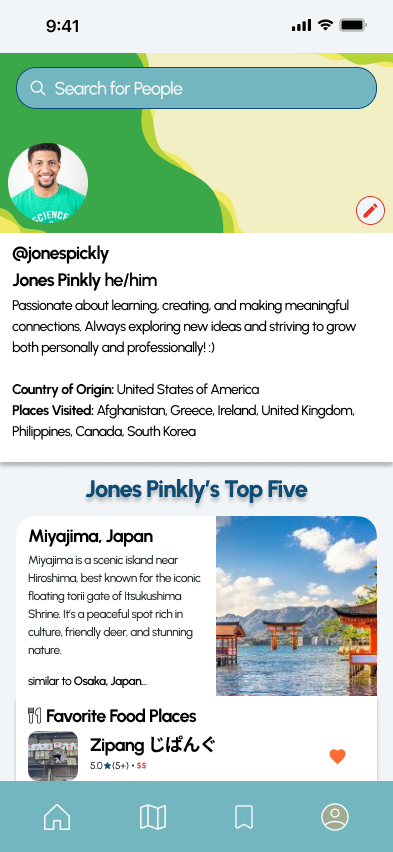
- User profiles that tailor suggestions based on individual preferences and favorite cuisines
How we built it
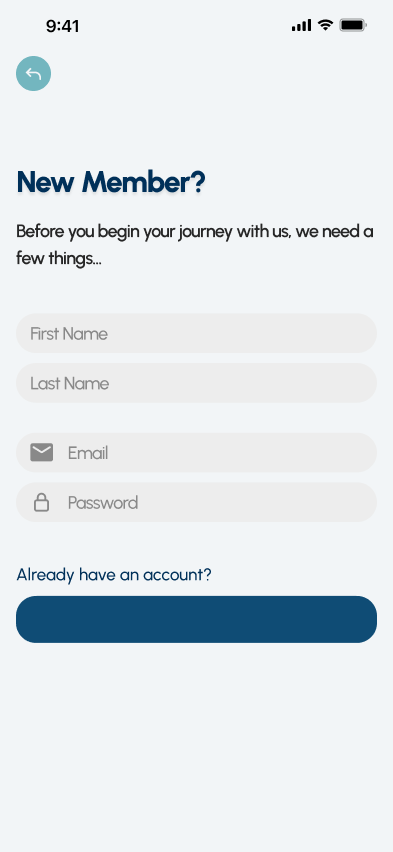
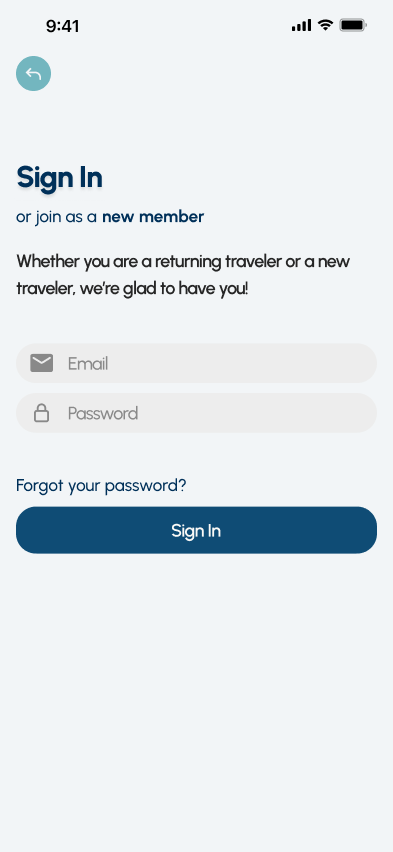
We used Figma to design a high-fidelity interactive prototype, focusing on intuitive navigation and an aesthetic that balances warmth with clarity. Our process involved:
- Mapping out feature priorities from a “traveler meets local” lens
- Wireframing key screens like home, map search, food customs, and profiles
- Incorporating user stories into visual design flows
- Using Auto Layout and components to simulate interactivity and responsiveness
- Creating modular cards and scroll behaviors for dynamic content areas
Challenges we ran into
- Balancing rich information with a clean, usable UI was a challenge—we wanted to educate without overwhelming.
- Designing for both tourists and locals required thinking through two very different user perspectives.
- Simulating complex interactions like map zoom, custom filters, and search overlays within Figma’s limitations took some workarounds.
- Translating nuanced cultural behaviors (like food customs) into concise, digestible tips meant lots of careful wording.
Accomplishments that we're proud of
- Creating a system that bridges travel with empathy and local context.
- Designing thoughtful features like local testimonials and alternative travel suggestions.
- Producing a cohesive visual experience that reflects our values of sustainability, cultural appreciation, and inclusion.
- Staying aligned with the goal of transforming tourism into a more mindful exchange—not just a transaction.
What we learned
- Designing for ethical impact requires more than just good intentions—it requires thoughtful structure, tone, and feature hierarchy.
- People want to do the right thing when traveling, but they often lack tools or guidance. UI/UX can fill that gap.
- Cultural respect can be designed into digital products—through the right touchpoints, prompts, and narratives.
What's next for Bontourismo
- Expanding our local review system to be verified through community partners or local organizations.
- Developing a recommendation engine that weighs environmental, cultural, and seasonal factors.
- Adding language support and accessibility features to make cultural tips more universally available.
- Integrating real-time alerts (e.g., over-tourism warnings, local protests, closures).
- Exploring partnerships with ethical travel agencies or local food directories.
Built With
- figma

Log in or sign up for Devpost to join the conversation.