Bonelytics: Advanced Bone Age Assessment
Inspiration
The inspiration for Bonelytics came from the critical need to modernize and improve the accuracy of bone age assessment in pediatric healthcare. Traditional methods often rely on subjective interpretations of X-rays, leading to potential inconsistencies in diagnoses. By leveraging artificial intelligence and deep learning, we aimed to create a more reliable, efficient, and accessible tool for healthcare professionals.
What it does
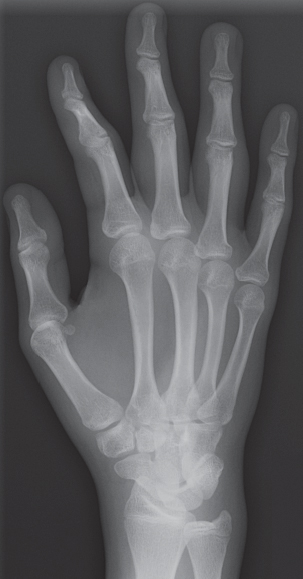
Bonelytics is an advanced web-based platform that utilizes artificial intelligence to assess bone age from hand and wrist X-rays. Key features include:
- Automated bone age assessment using deep learning models
- Support for both DICOM and standard image formats
- Real-time analysis and instant results
- User-friendly interface for healthcare professionals
- Secure and private processing of medical images
- Comprehensive analysis report with confidence scores
How I built it
The application was built using a modern tech stack:
- Backend: Flask (Python) for the web server
- Frontend: HTML5, CSS3, and JavaScript for a responsive interface
- Deep Learning: Custom CNN model based on ResNet50 architecture
- Image Processing: OpenCV and scikit-image for preprocessing
- Medical Imaging: PyDICOM for handling medical image formats
- Data Augmentation: TensorFlow/Keras for model training
- Security: Implemented secure file handling and data privacy measures
Challenges I ran into
- Model Training: Balancing accuracy with processing speed for real-time analysis
- Image Preprocessing: Handling various image formats and qualities
- DICOM Integration: Implementing support for medical imaging standards
- Model Optimization: Adapting deep learning models for deployment on different hardware
- Cross-platform Compatibility: Ensuring consistent performance across different systems
Accomplishments that I'm proud of
- Successfully implemented a hybrid approach combining deep learning with traditional reference-based assessment
- Achieved high accuracy in age estimation within the 0-18 year range
- Created an intuitive and professional user interface
- Developed a scalable architecture that can handle multiple assessment methods
- Implemented robust error handling and validation
What I learned
- Deep learning model architecture and optimization techniques
- Medical imaging standards and processing
- Best practices in healthcare software development
- Importance of user experience in medical applications
- Challenges in deploying AI models in healthcare settings
- Integration of multiple AI assessment methods
What's next for Bonelytics
Future development plans include:
- Expanding the training dataset for improved accuracy
- Adding support for additional skeletal assessment regions
- Implementing automated reporting features
- Developing a mobile application for increased accessibility
- Integration with hospital information systems (HIS)
- Adding multi-language support for international usage
- Implementing advanced analytics and tracking features
Technical Requirements
- Python 3.10+
- TensorFlow 2.15.0
- Flask 2.0+
- OpenCV
- PyDICOM
- scikit-image


Log in or sign up for Devpost to join the conversation.