-
-
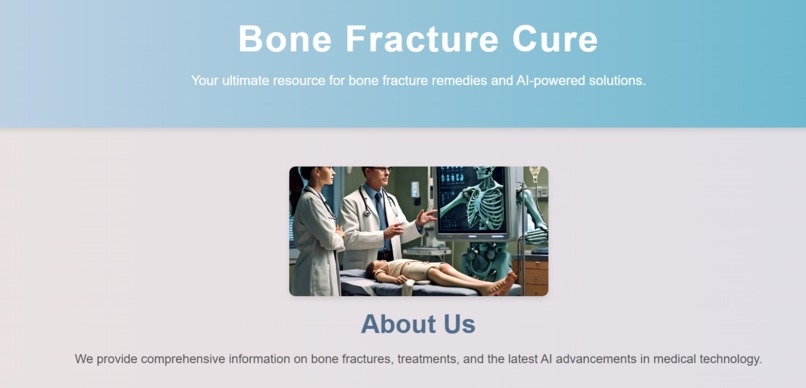
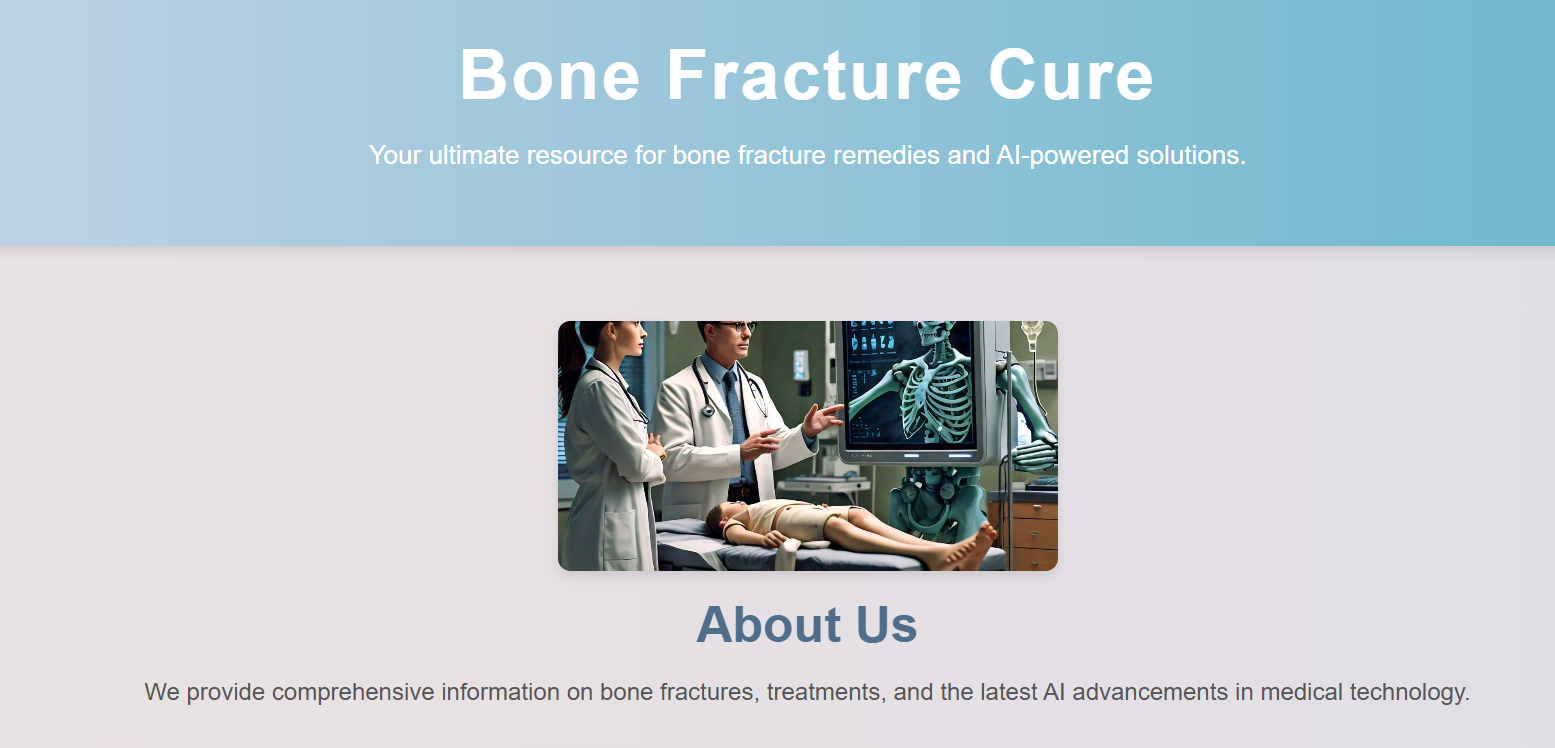
Home Section
-
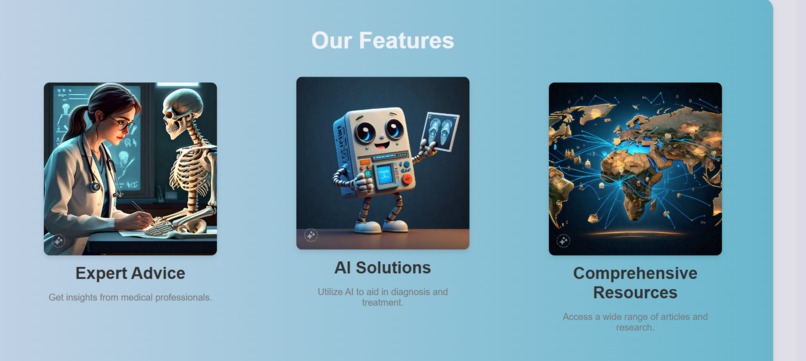
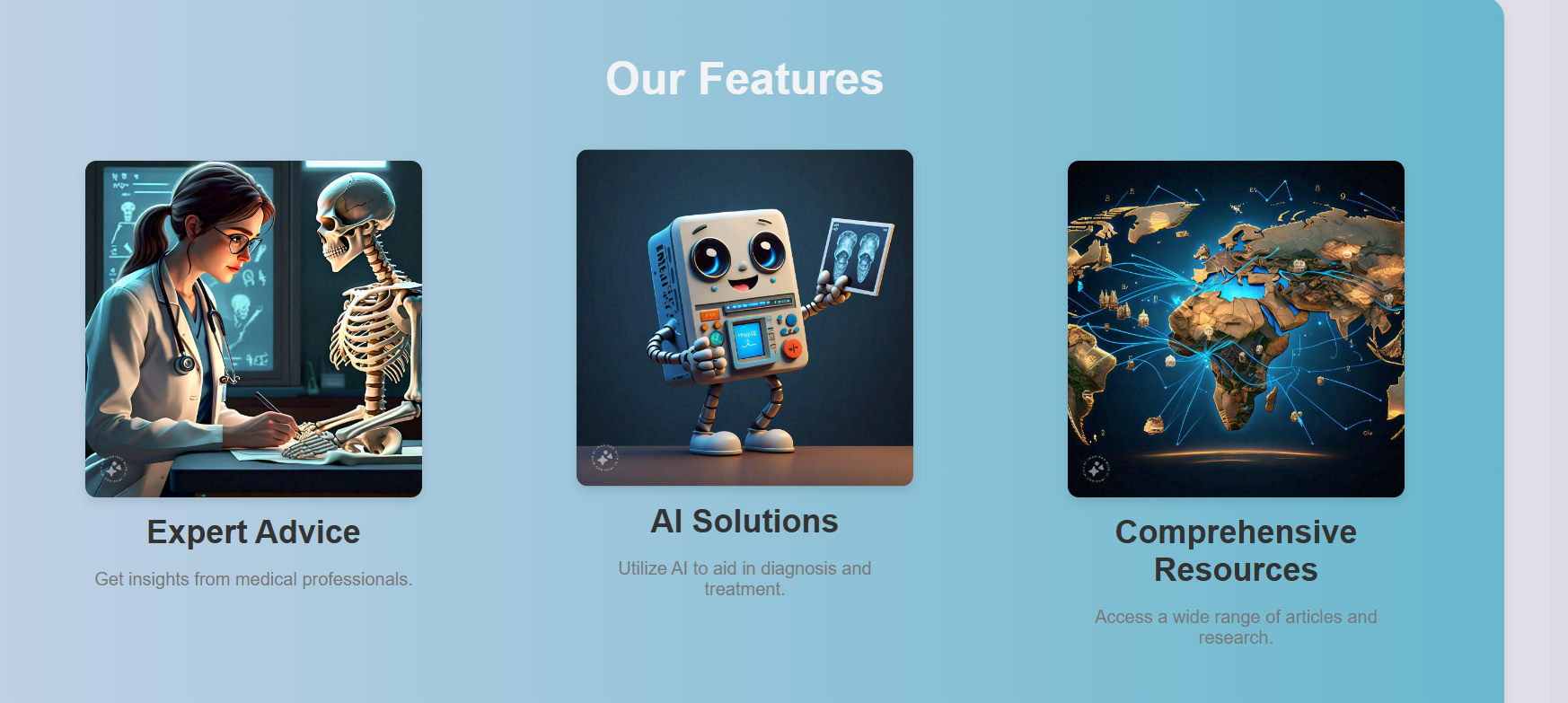
MY Features
-
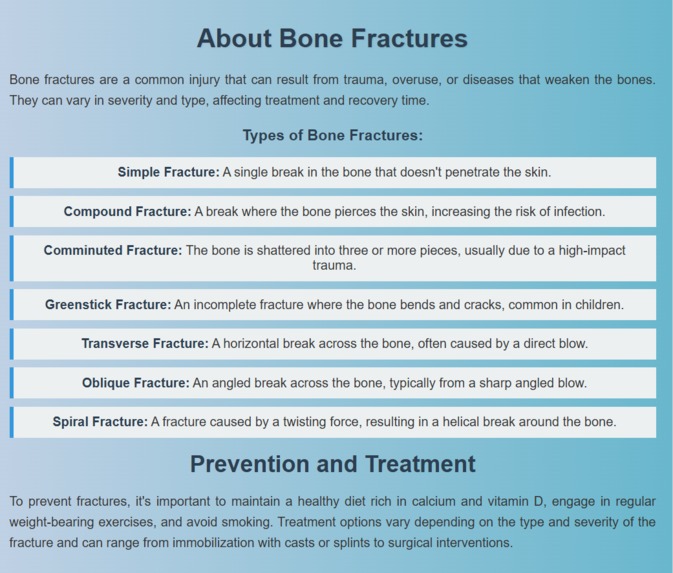
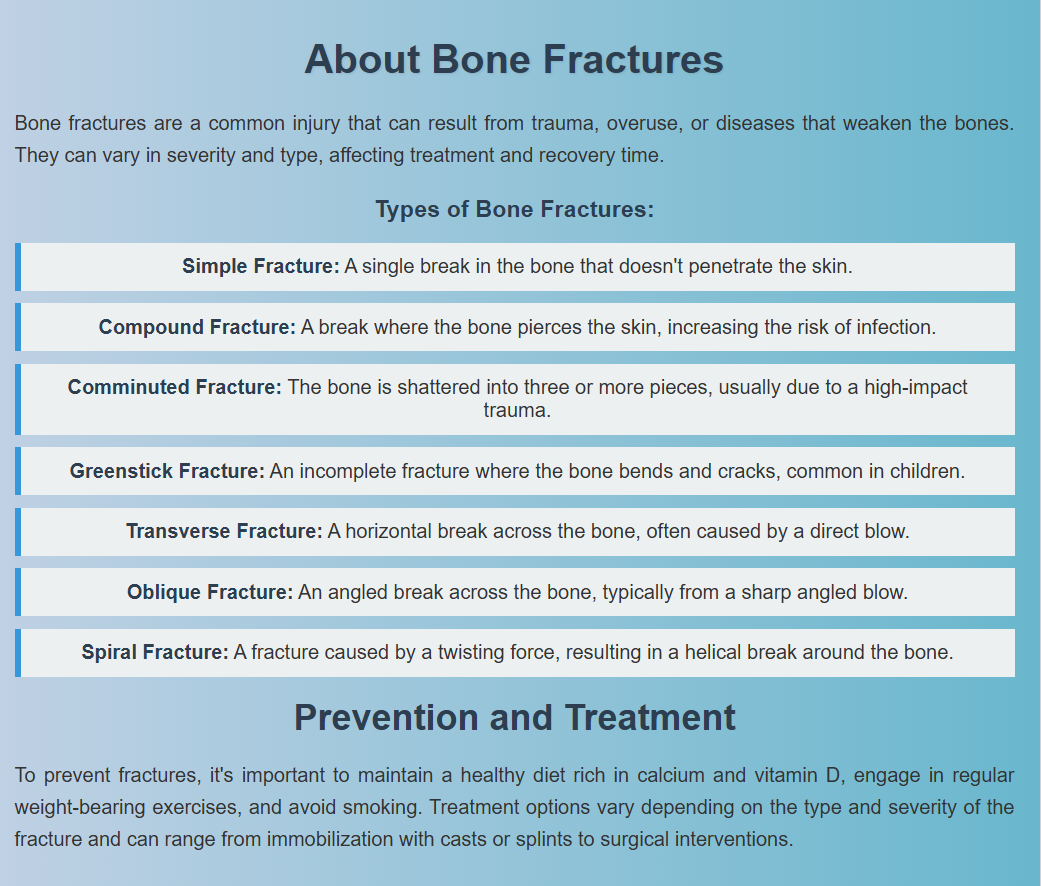
About Bone Fracture
-
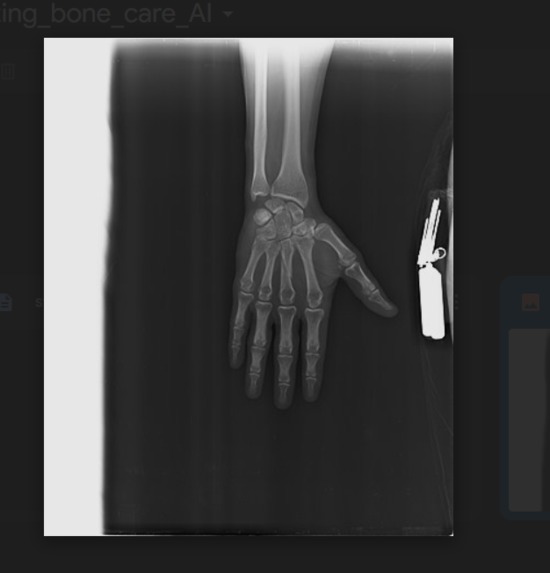
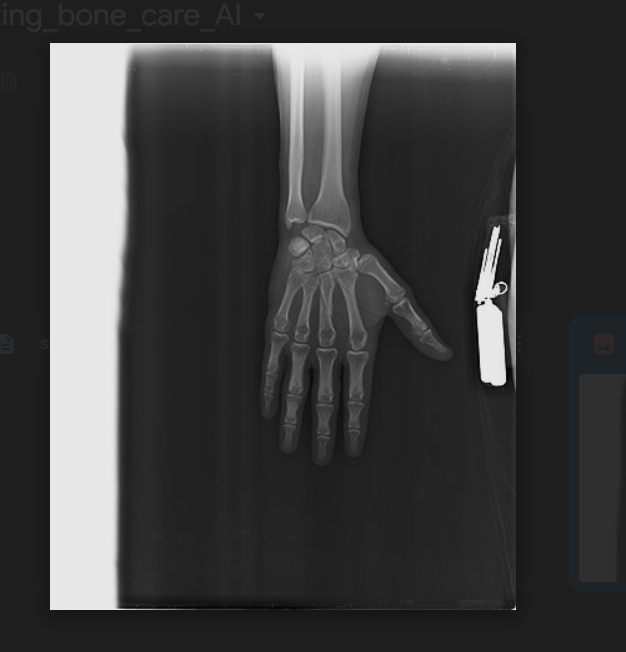
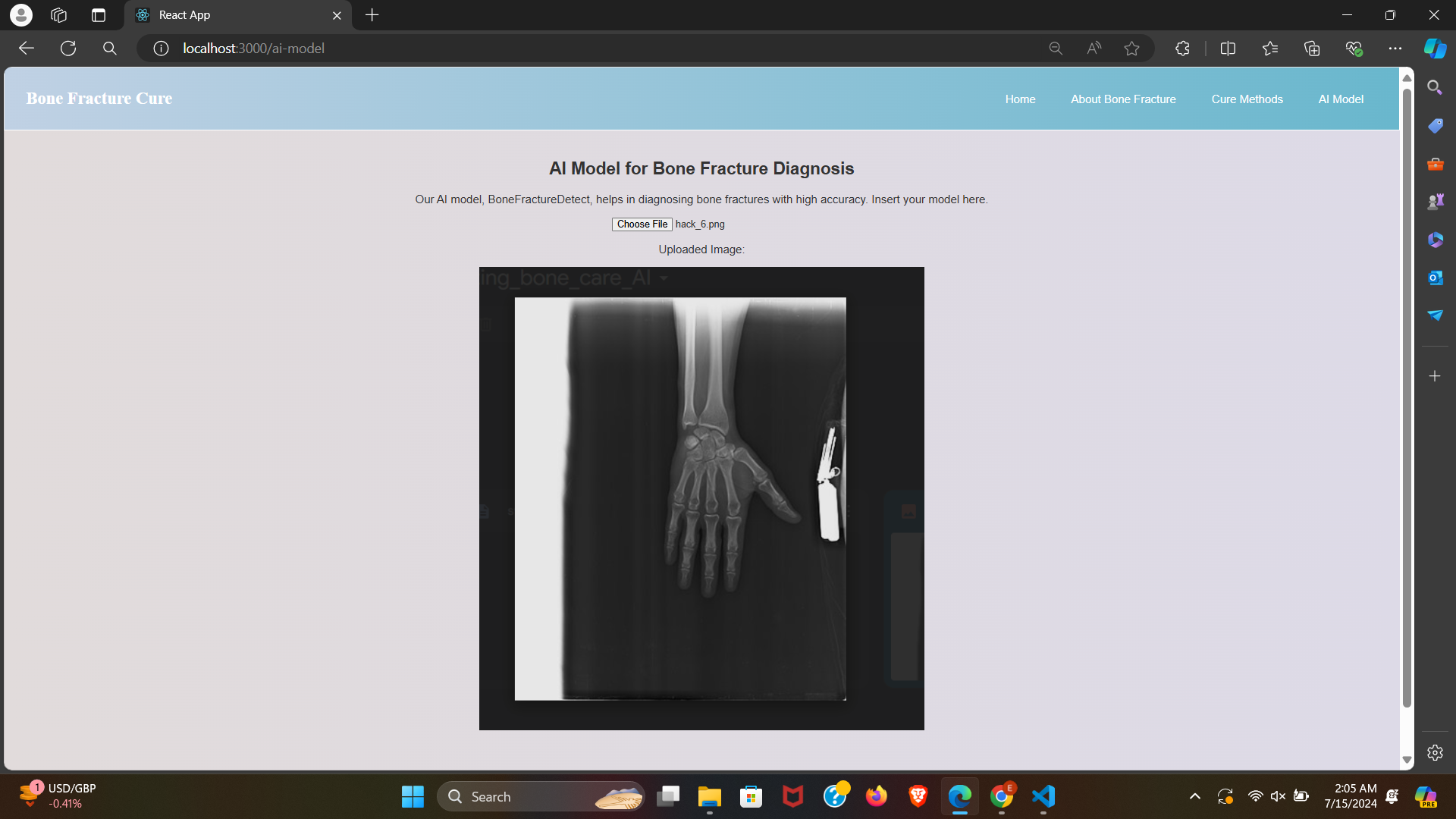
This is a Fractured Image Now I am Giving to my BONECAREAI
-
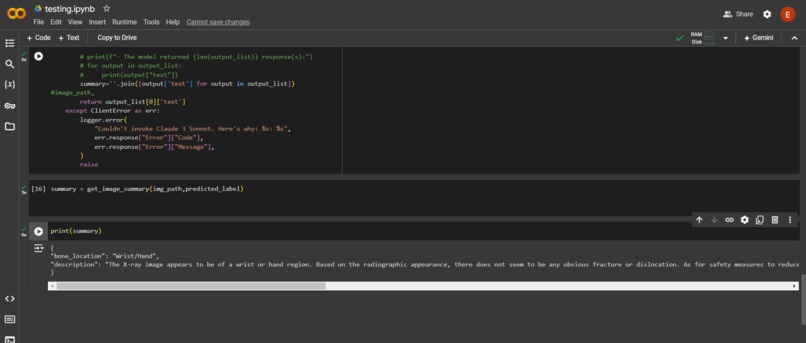
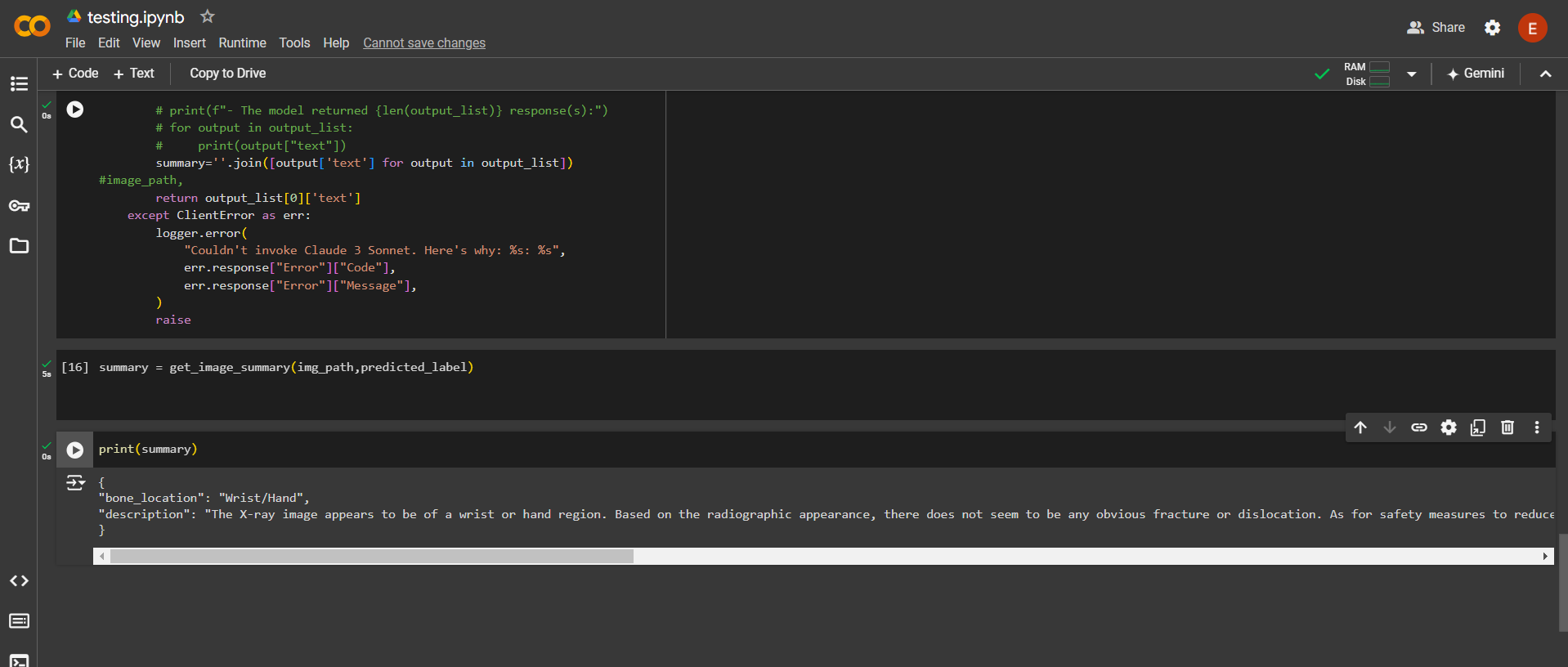
Summary for that image also
-
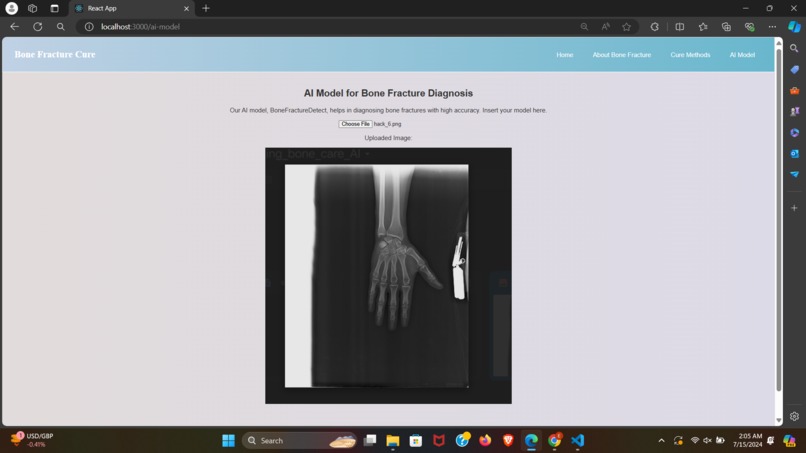
After adding this to my BONECAREAI
-
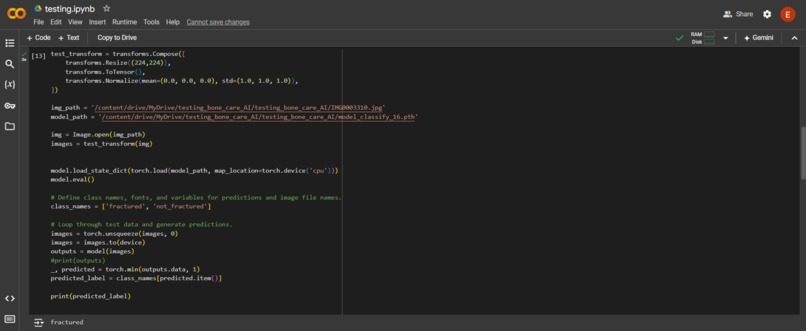
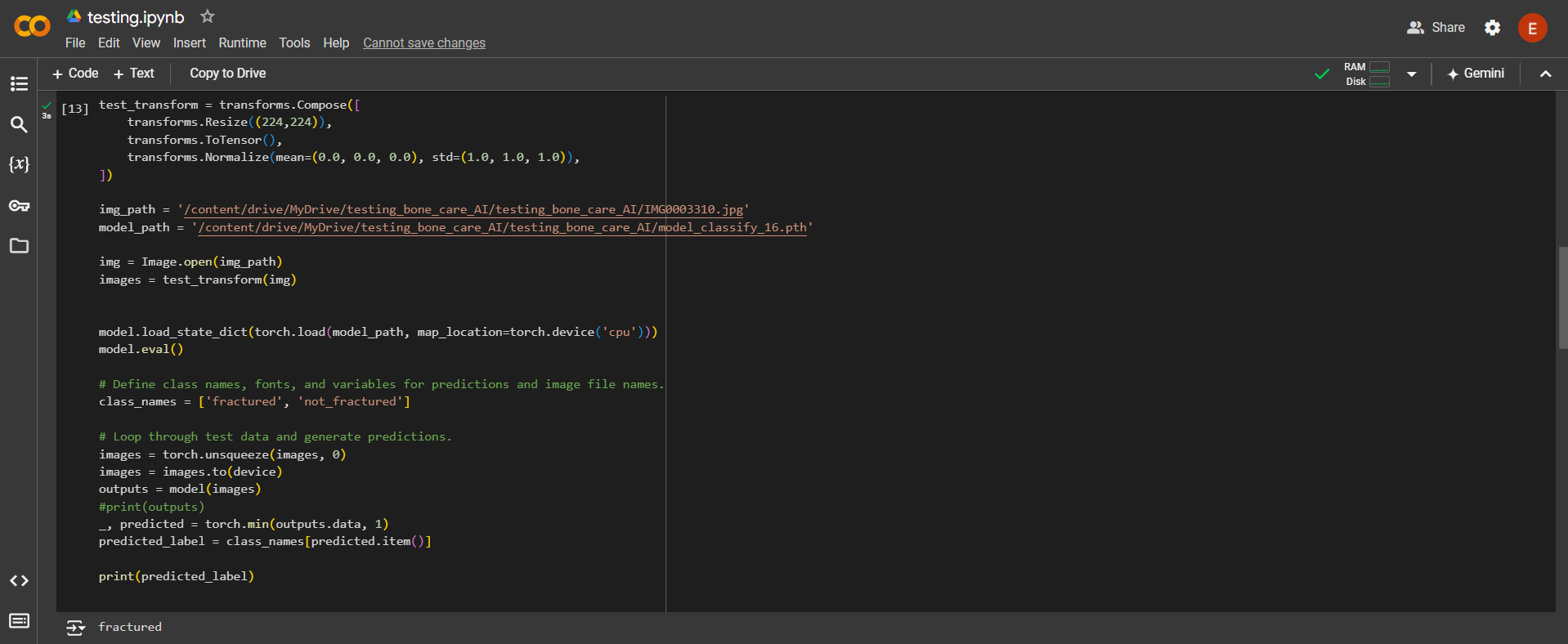
Output of a Fractured image it predicted correctly
-
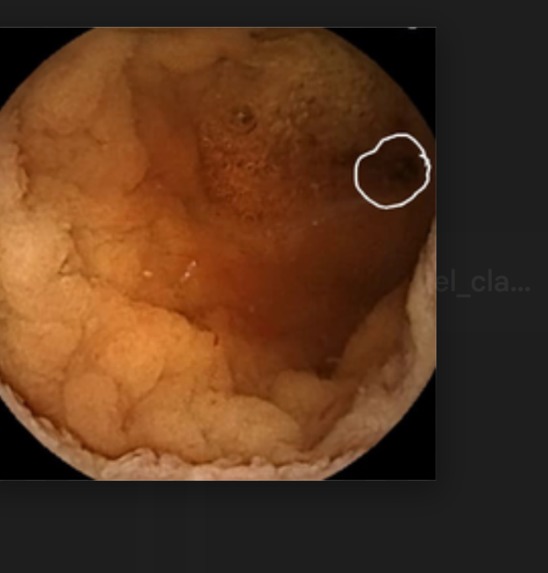
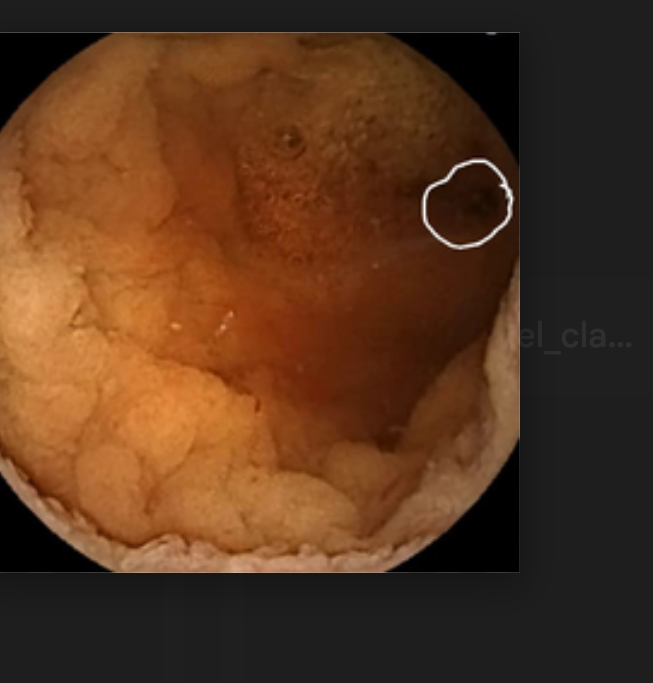
Additional that Bleeding image in the that i am working
Inspiration
Bone fractures are painful and traumatic experiences that impact millions of individuals worldwide, leaving them vulnerable and in dire need of treatment. The road to rehabilitation can be lengthy and difficult, sometimes necessitating specialised medical knowledge that is not widely available. We were strongly inspired to design Bonecare AI after witnessing patients' and families' pain and concern. Our aim arose from a deep desire to lessen the agony and uncertainty that accompany bone fractures. We envisioned a tool that provides prompt, accurate, and compassionate assistance, bridging the gap between immediate requirements and expert treatment, and offering hope and relief to individuals in need.
What it does
Bonecare AI is a complete platform for diagnosing and managing bone fractures. Using a deep learning model, the platform can analyse photos to detect whether a bone is broken and offer a full report of the results. This tool allows users to immediately spot fractures and respond appropriately based on the AI's advice.
In addition to fracture identification, Bonecare AI provides pain management summaries to assist reduce the suffering associated with fractures. The platform has information about various types of fractures, typical symptoms, and suggested treatments, making it an invaluable resource for both patients and healthcare providers. The user-friendly layout allows anybody to quickly explore the website and get the information they need.
How we built it
We developed Bonecare AI employing a variety of modern technologies and frameworks. The deep learning model at the heart of our platform was built with TensorFlow and PyTorch, allowing us to design a strong neural network capable of properly recognising fractures from medical photos. We trained the model on a wide range of x-ray and MRI images to assure its accuracy and dependability.
We developed the website's front-end using React, delivering a responsive and dynamic user experience. Tailwind CSS was used for style, which resulted in a modern and clean look. We linked the AI model with the website Reliefweb API and Google API, allowing for smooth communication between the front and back ends. As a consequence, the platform is coherent and efficient, providing users with important insights and support.
Challenges we ran into
One of the most difficult issues we faced was getting a big and varied dataset for training our deep learning model. Medical photographs are frequently protected by privacy restrictions, making it difficult to obtain the required information. We had to work with medical institutes and search public databases to get enough photos to train our model adequately. Another problem was ensuring the model's accuracy across various fracture types, which necessitated significant testing and fine-tuning.
Another challenge was integrating the deep learning model with the website in a way that ensured smooth and fast performance. Handling large image files and processing them in real-time required optimizing both the front-end and back-end components. We had to address issues related to server load, response times, and user experience to create a platform that is both reliable and user-friendly.
Accomplishments that we're proud of
We are proud to have created a deep learning model that can effectively detect bone fractures from medical photographs and also generate summaries to that images Up to 90.3% accuracy . Our model's high accuracy and dependability are major milestones that demonstrate AI's promise in enhancing medical diagnostics. This result demonstrates our team's devotion and experience in both artificial intelligence and medical imaging.
What we learned
During the creation of Bonecare AI, we learnt a lot about the complexity of medical picture processing and the value of data quality. Working with medical imaging necessitates a thorough grasp of both the technical components of AI and the clinical implications of the data. We learned a lot about how to preprocess and supplement medical photos to boost the performance of our deep learning models.
We also discovered the significance of user-centered design in developing a healthcare platform. Ensuring that our website is straightforward and simple to use was critical in making Bonecare AI accessible to a diverse spectrum of people. We realised that excellent communication between the technical and design teams is critical for delivering a smooth and efficient user experience.
What's next for BONECAREAI
The next stage for Bonecare AI is to broaden its deep learning model to detect bone-related illnesses other than fractures. We intend to improve the model's ability to detect other orthopaedic disorders, such as dislocations, sprains, and degenerative bone diseases. This addition will bring even more value to consumers while also improving the diagnostic capabilities of our platform.
NEW V2 OF MY WORK IS FINDING BLEEDING AND NON BLEEDING IN THE DIGESTIVE SYSTEM ALONG WITH THE UPGRADTION OF BONECAREAI IN FUTURE
Additionally,We are also working on predicting bleeding and non-bleeding in the digestive tract with the same SwinTransformer model. This new model, which we have already constructed, will be included in the future release of Bonecare AI. Along with these developments, we intend to add improved reporting tools, personalised treatment suggestions, and real-time consultation with medical specialists. By continually enhancing and expanding our platform, we hope to make Bonecare AI a vital tool in bone health and overall medical diagnosis.


Log in or sign up for Devpost to join the conversation.