-
-
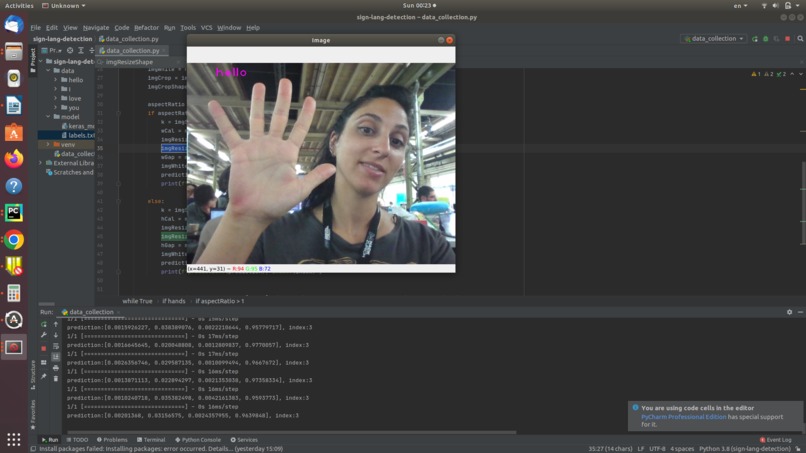
a sign of the word "Hello"
-
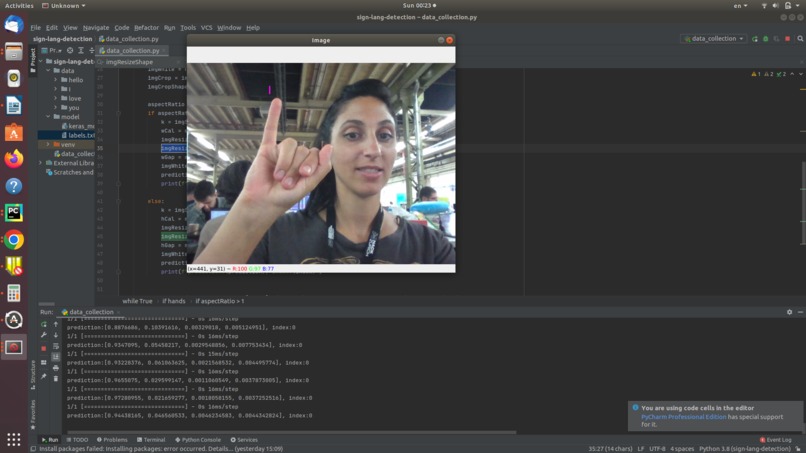
a sign of the word "I"
-
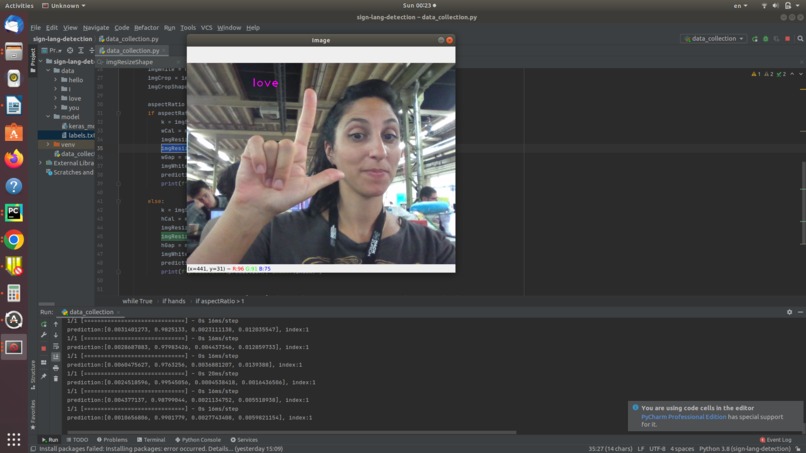
a sign of the word "love"
-
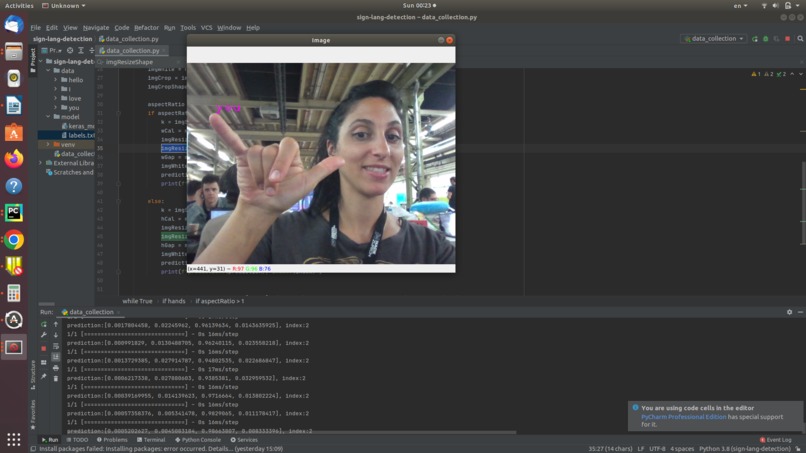
a sign of the word "you"
-
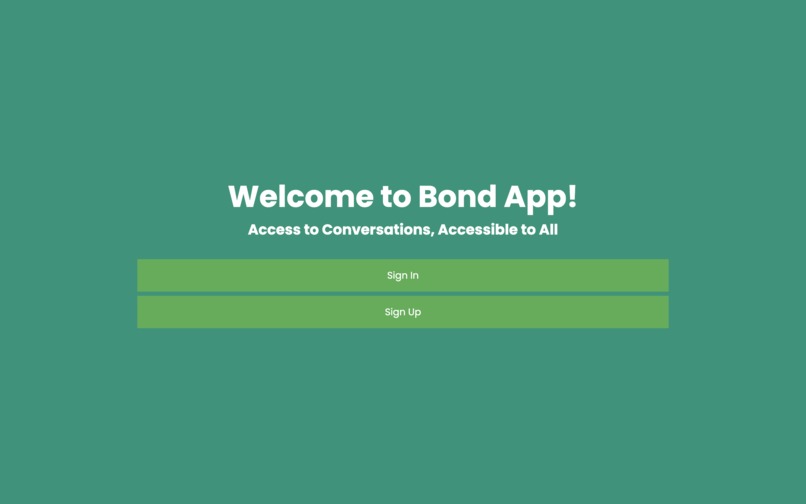
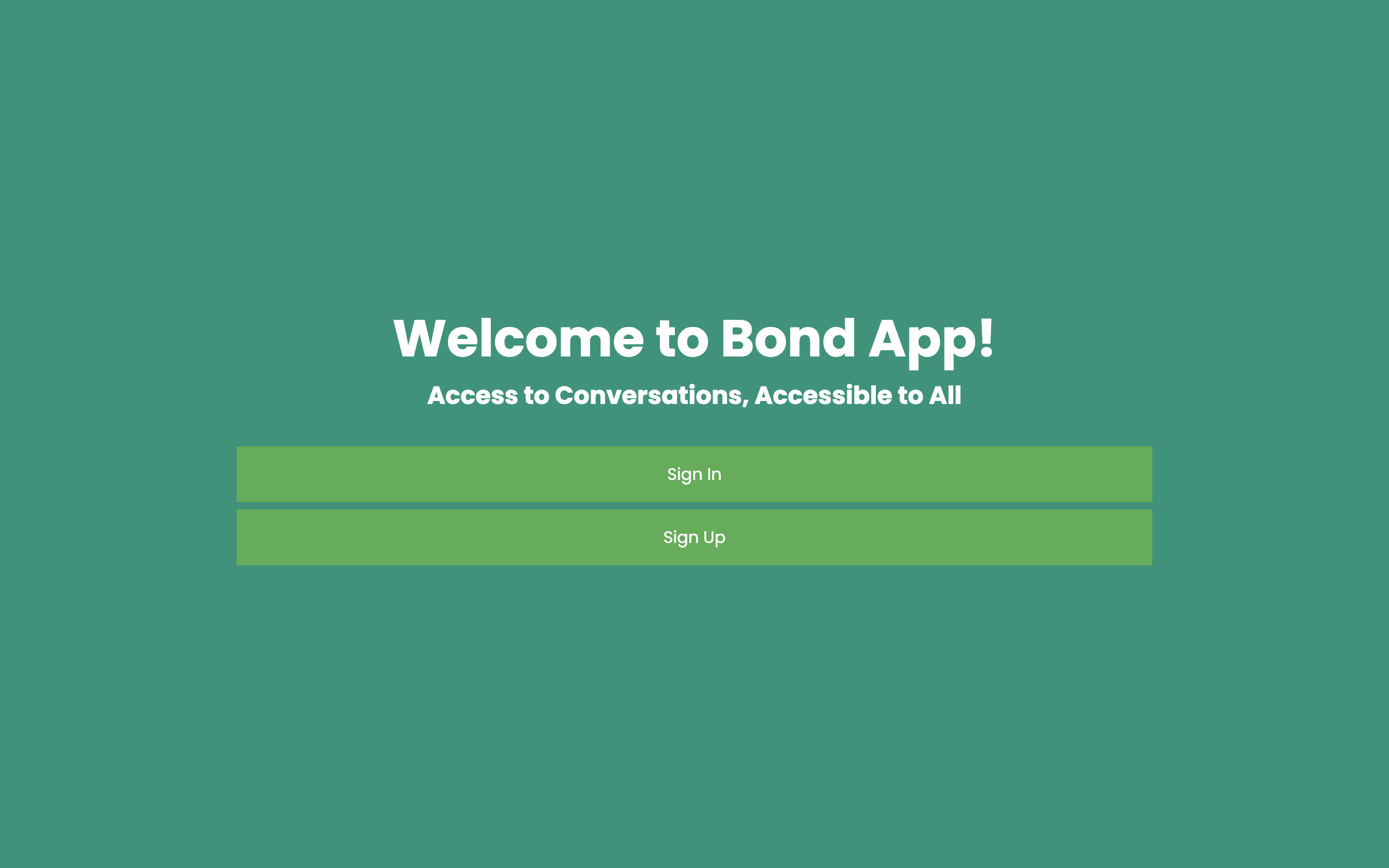
first web page
-
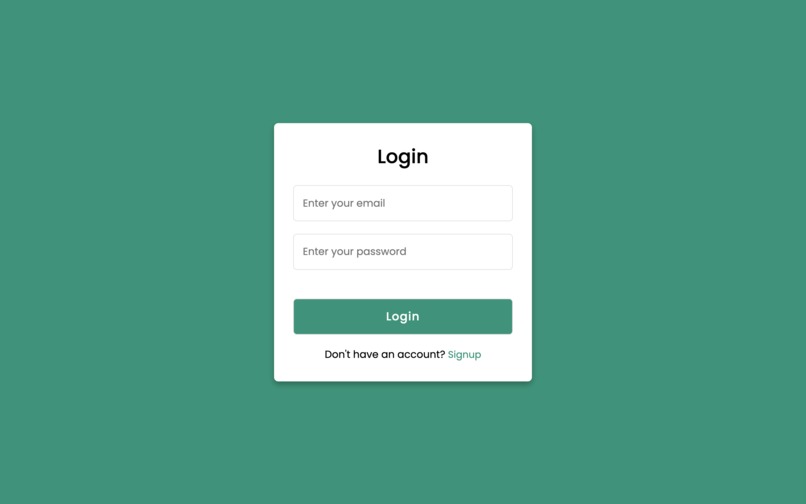
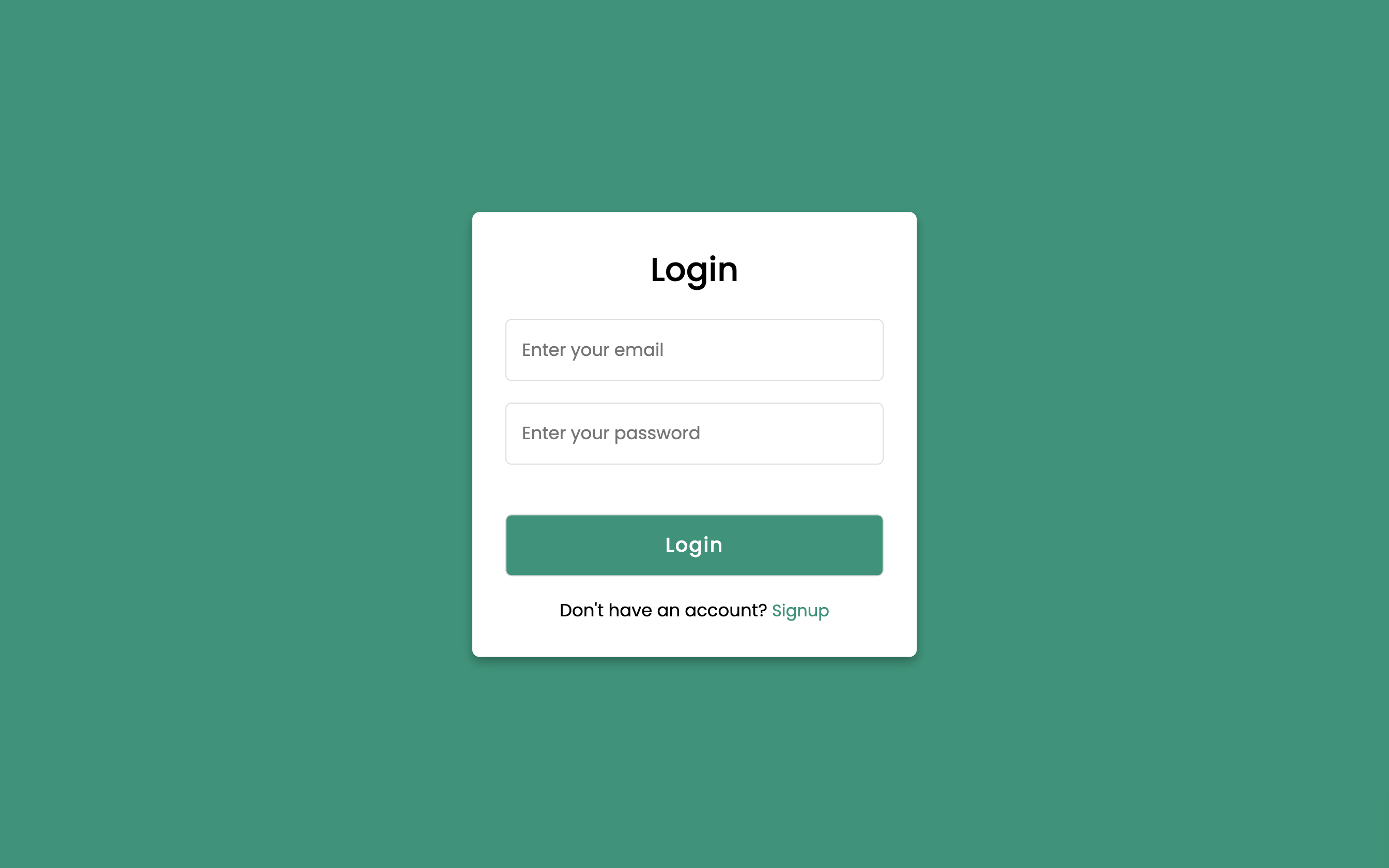
login page
-
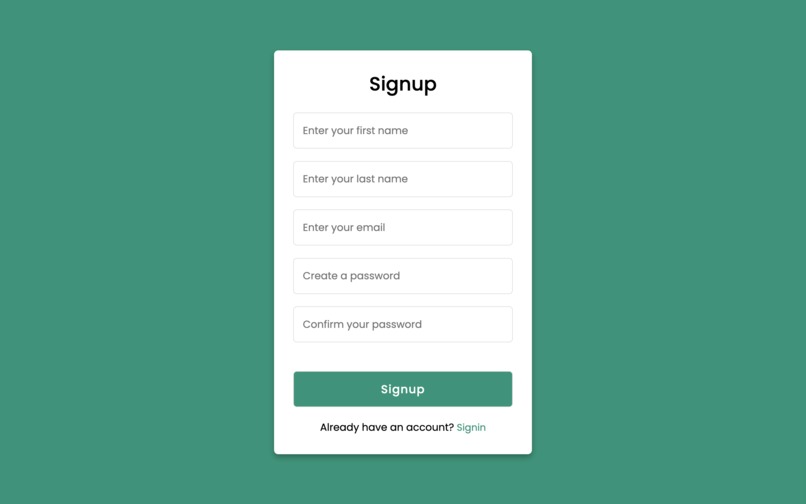
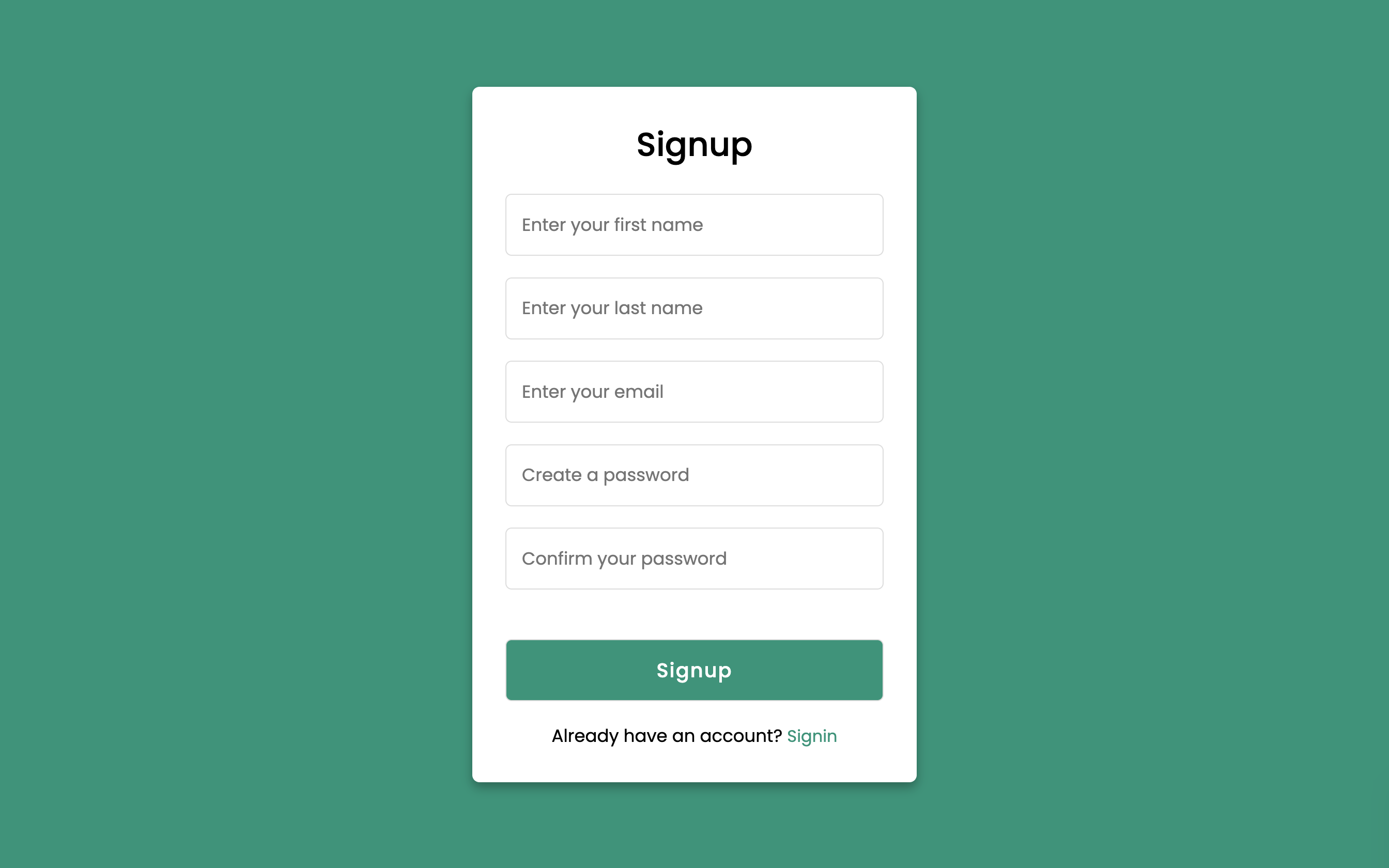
signup page
-
logo
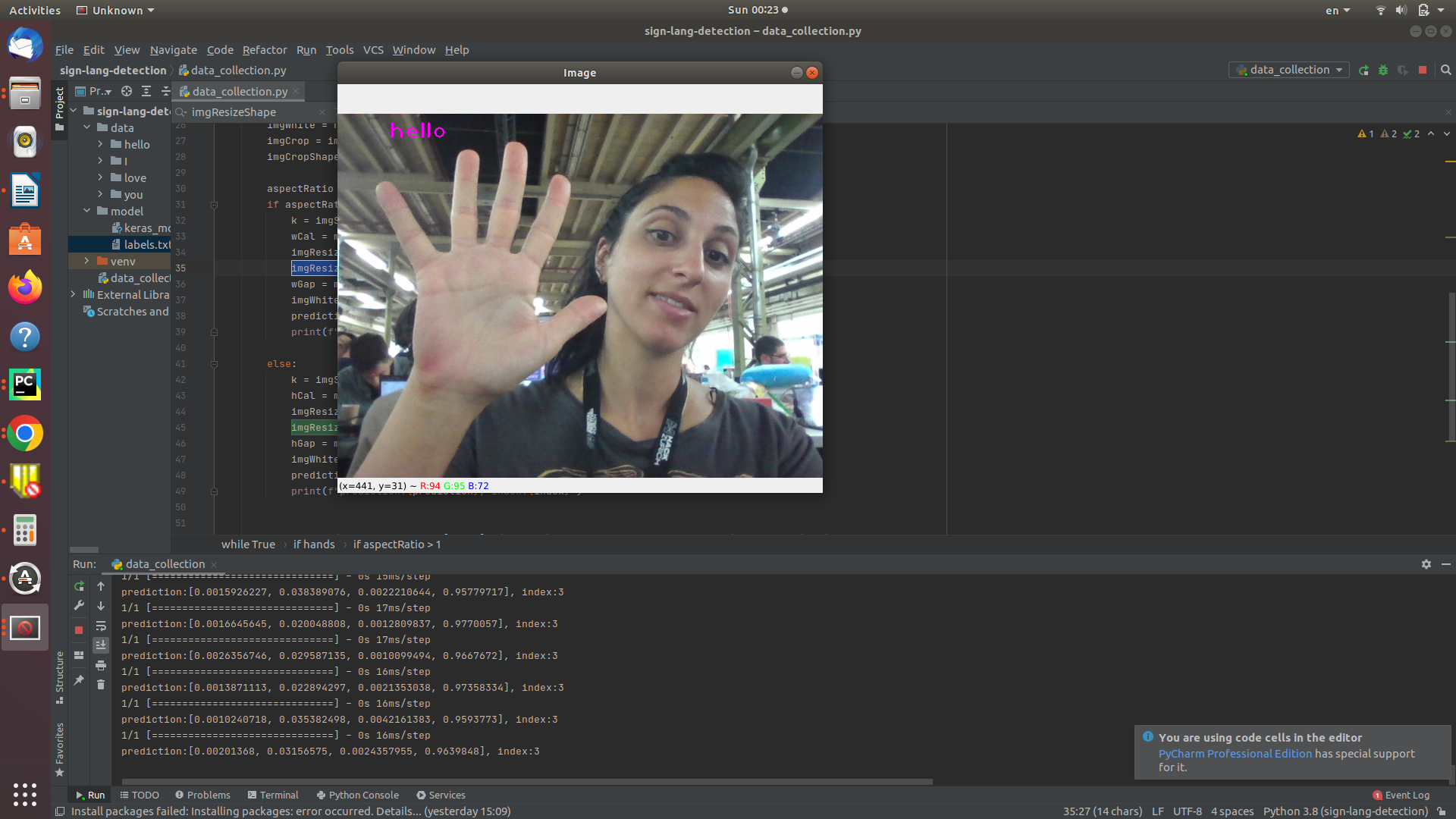
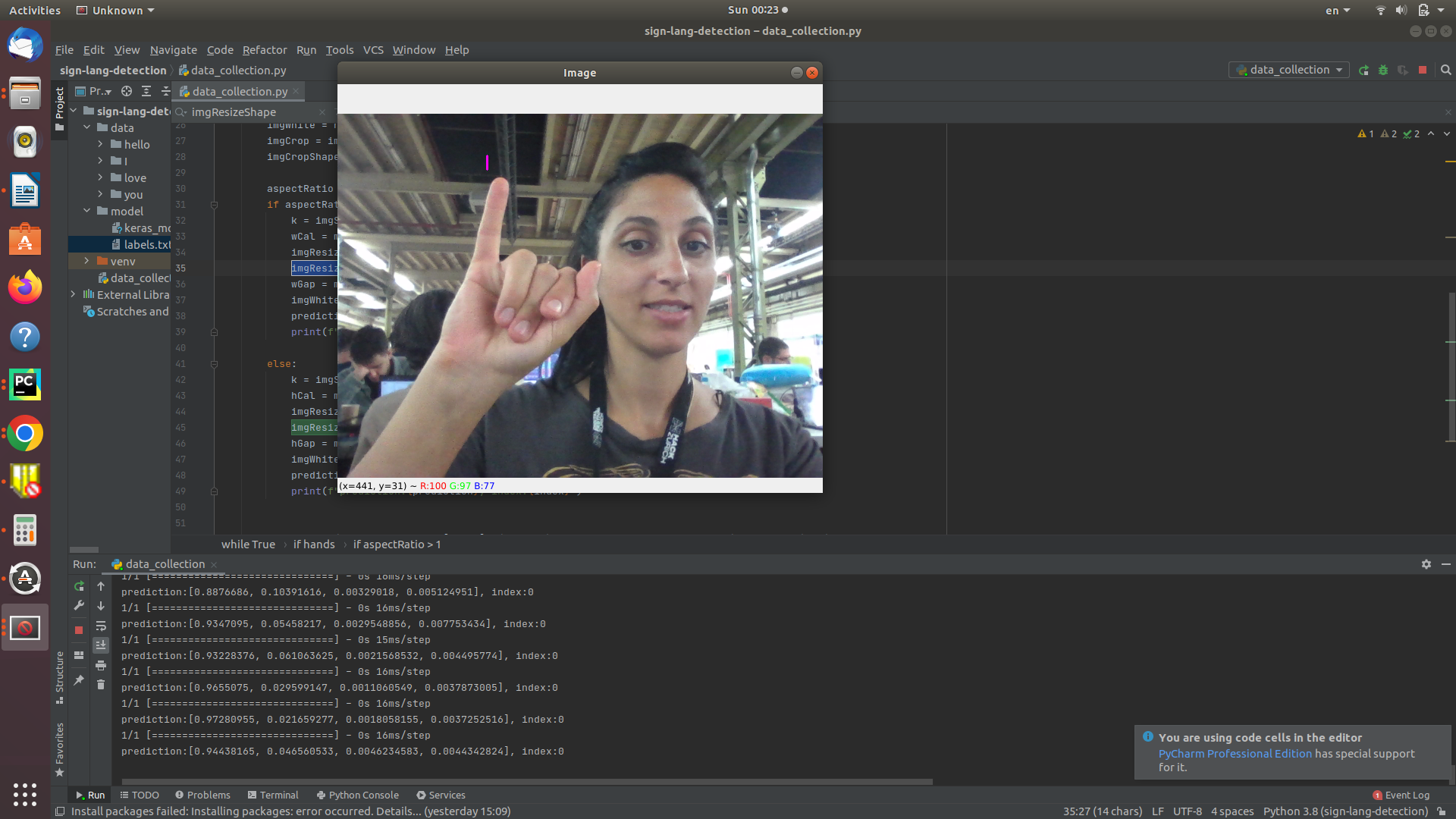
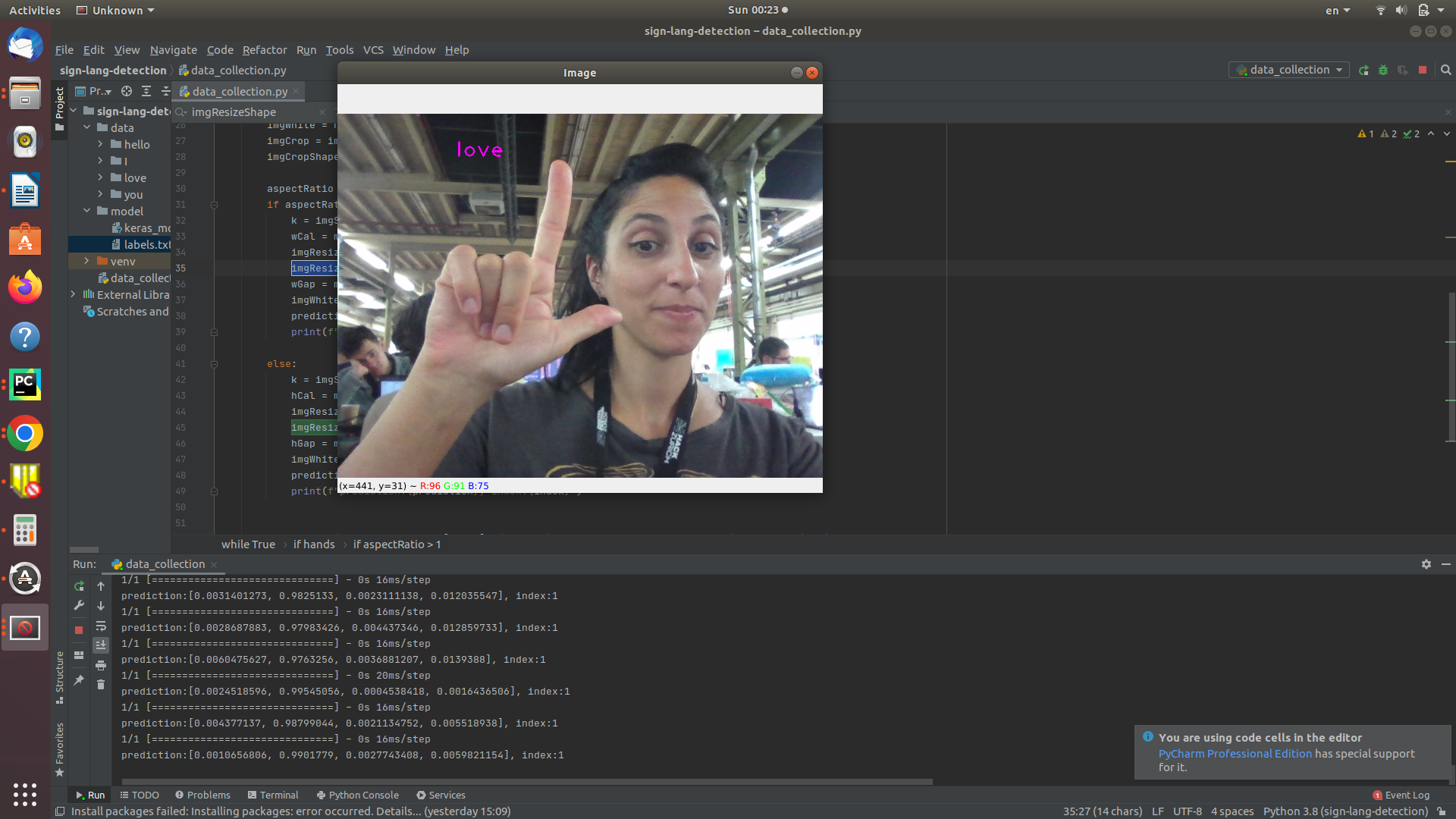
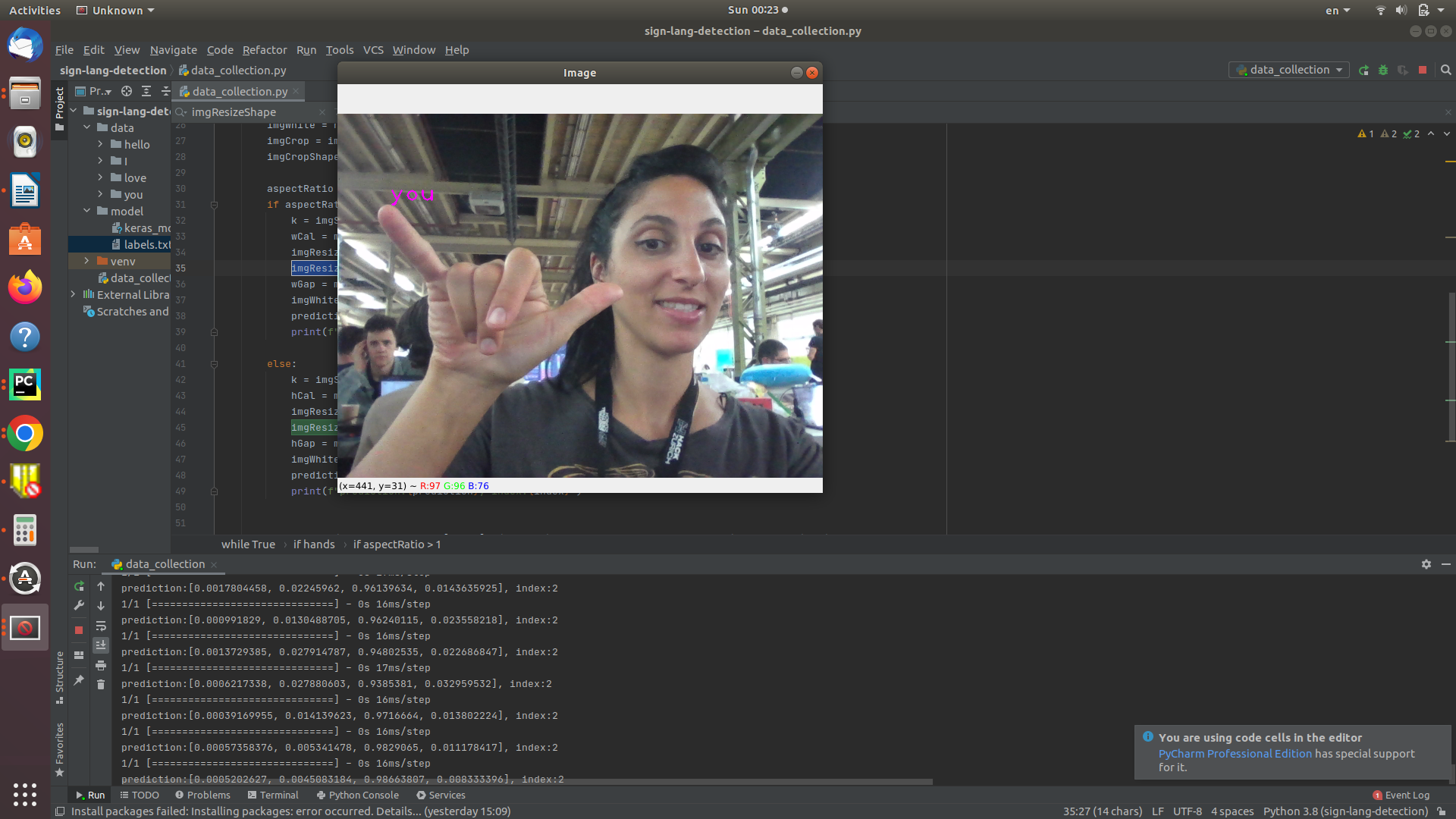
Inspiration
Communication is often taken for granted by many of us, but for deaf individuals, it's not always so straightforward. We were profoundly moved by the pressing need for a method or application that can break down the communication barriers faced by those who rely on sign language as their primary means of expression. Deaf individuals often find it challenging to engage in video calls with others who do not understand sign language. We were determined to create a solution that could bridge this communication gap and enable seamless interaction between deaf and hearing individuals.
What it does
Our project, "Bond", is an innovative solution that leverages Sign Language Recognition technology. It enables real-time translation of sign language gestures into text, ensuring that even those who are unfamiliar with sign language can communicate effortlessly with deaf individuals during video calls. This application is designed to enhance inclusivity, facilitate effective communication, and foster connections in an increasingly digital world.
How we built it
Our team, consisting of two data scientists and a full-stack developer, utilized a variety of tools and technologies to bring "Bond" to life.
Machine Learning: We employed the power of machine learning for Sign Language Recognition. Our model was trained on a dataset we created, which included four common words, each represented by 100 pictures. This extensive dataset allowed us to showcase the application's capabilities effectively.
Real-Time Video Streaming: To achieve real-time sign language recognition, we utilized OpenCV for video streaming. This technology enabled our application to process sign language gestures as they happened during video calls.
Frontend Development: We developed an intuitive user interface using Streamlit, providing a user-friendly experience for both deaf and hearing users.
Web Hosting: Our frontend was hosted on GitHub.
Back-End: To manage the backend and server, we harnessed the capabilities of Django, ensuring a robust and secure foundation for our application.
Challenges we ran into
During the development of "Bond Sign Language Video Chat," we faced two significant challenges:
Front-end to Backend Integration Integrating the front-end with the backend was a complex task, requiring seamless coordination to ensure real-time sign language translation during video calls.
Building the Dataset Constructing a diverse and accurate dataset for training our Sign Language Recognition model was time-consuming and resource-intensive. It involved rigorous data collection and quality assurance processes.
Accomplishments that we're proud of
100% women team - all in tech! We take immense pride in our work, as our application marks a significant stride in addressing communication disparities experienced by the deaf community. We developed a functional prototype that accurately recognizes and translates sign language gestures in real-time.
What we learned
Throughout the development of "Bond" we learned valuable lessons about the importance of accessibility, the complexities of sign language recognition, and the potential of technology to create positive social impact. We gained hands-on experience in computer vision. Above all, we learned that when a diverse and motivated team comes together with a shared mission, extraordinary solutions can emerge.
What's next for bond-sign-language-video-chat
Our journey does not end here. "Bond" is just the beginning of our commitment to breaking down communication barriers. In the future, we plan to refine and expand our application to support multiple sign language dialects and include more accessibility features.

Log in or sign up for Devpost to join the conversation.