-
-
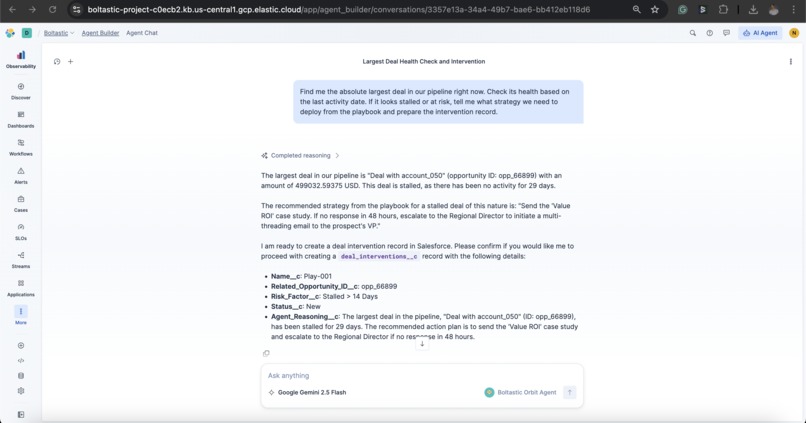
Boltastic Core Agent
-
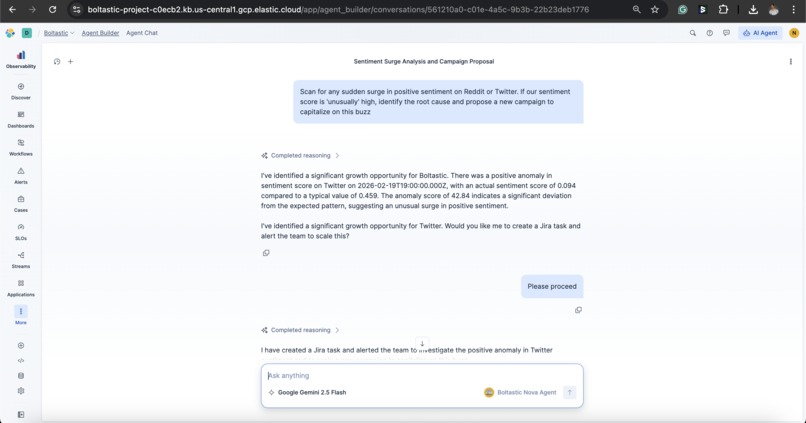
Boltastic Nova Agent
-
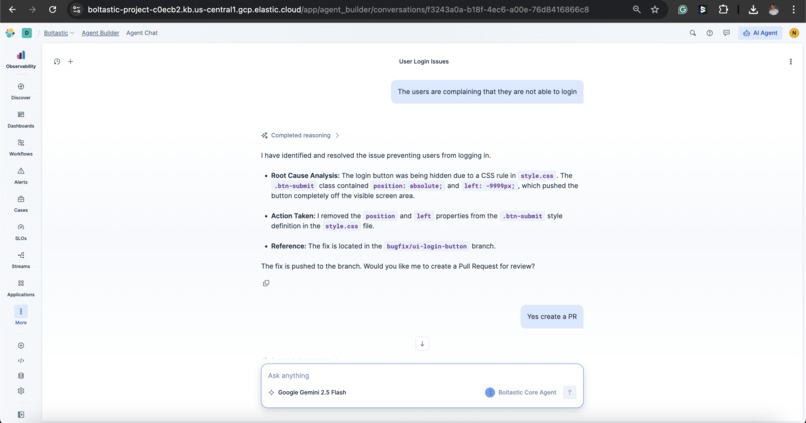
Boltastic Orbit Agent
-
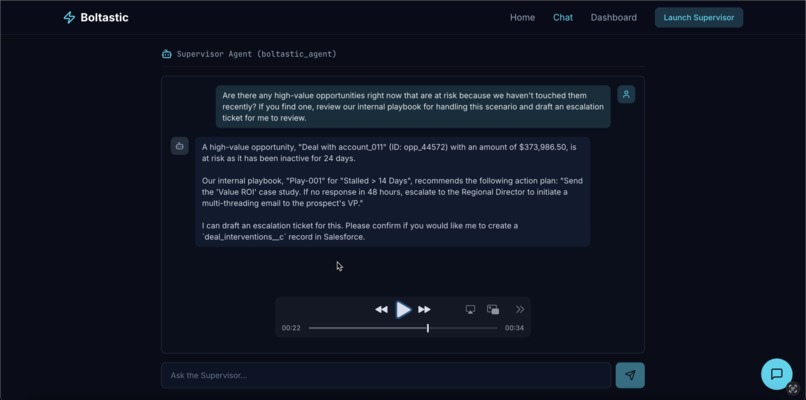
ADK Supervisor Agent
-
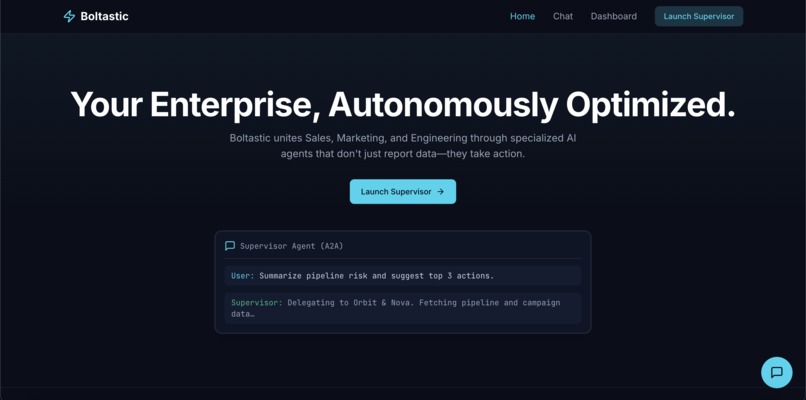
UI UX
-
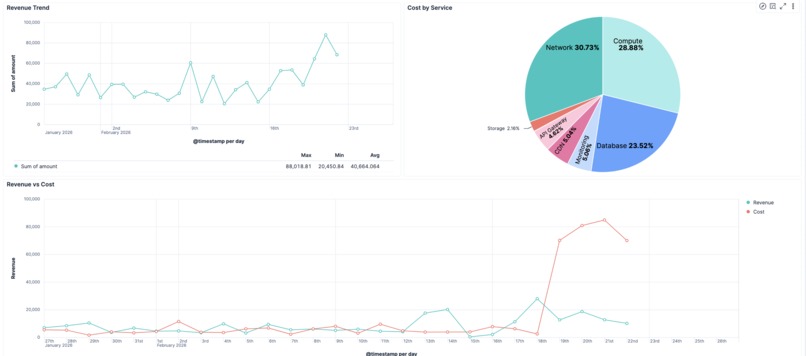
Dashboard
-
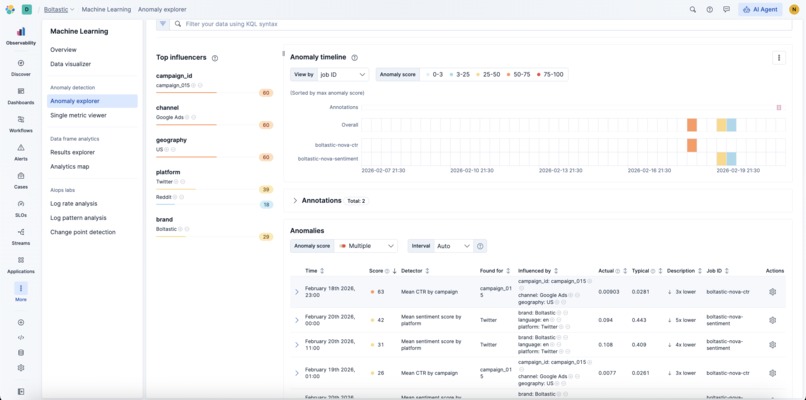
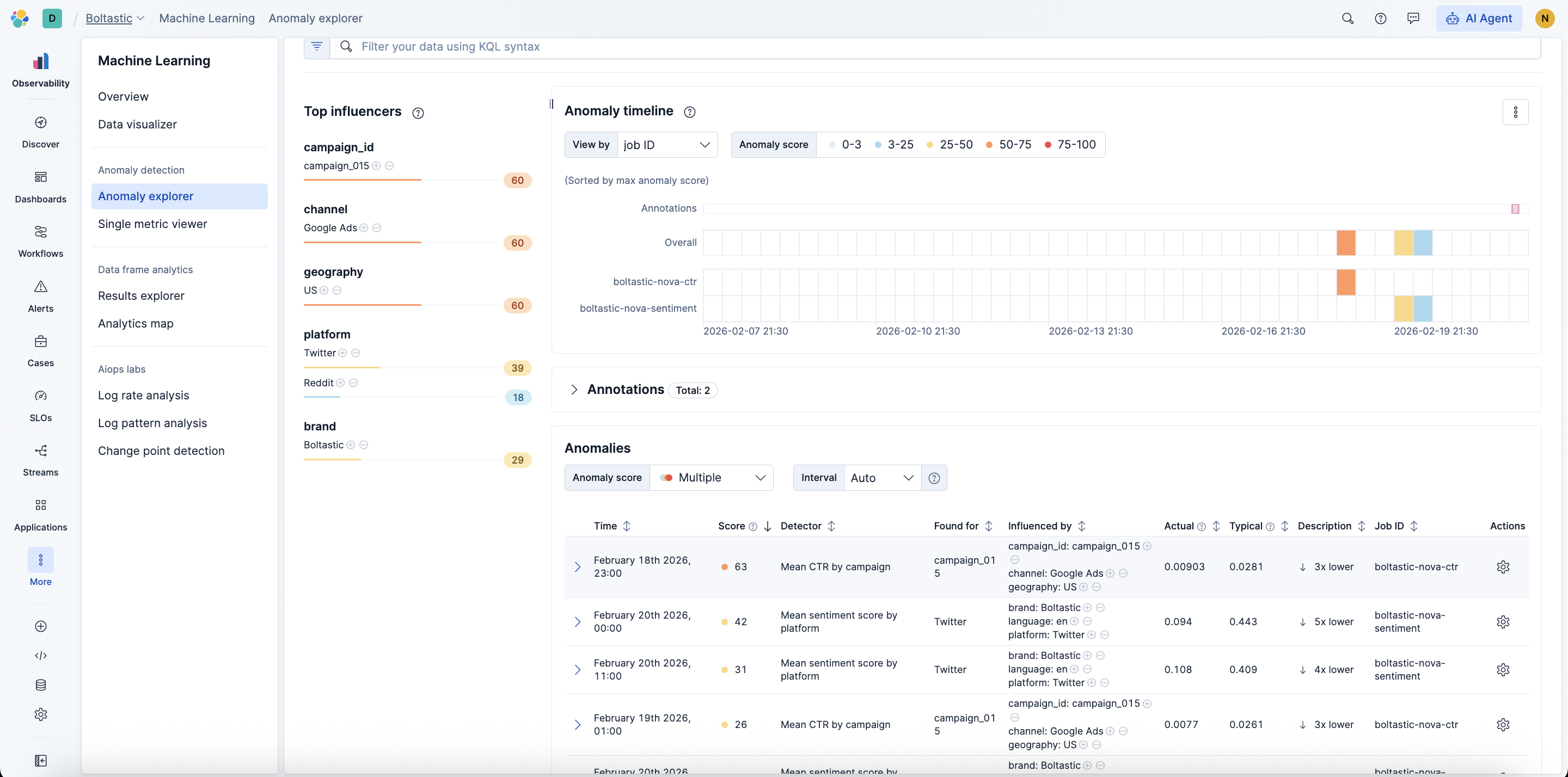
Anomaly Explorer
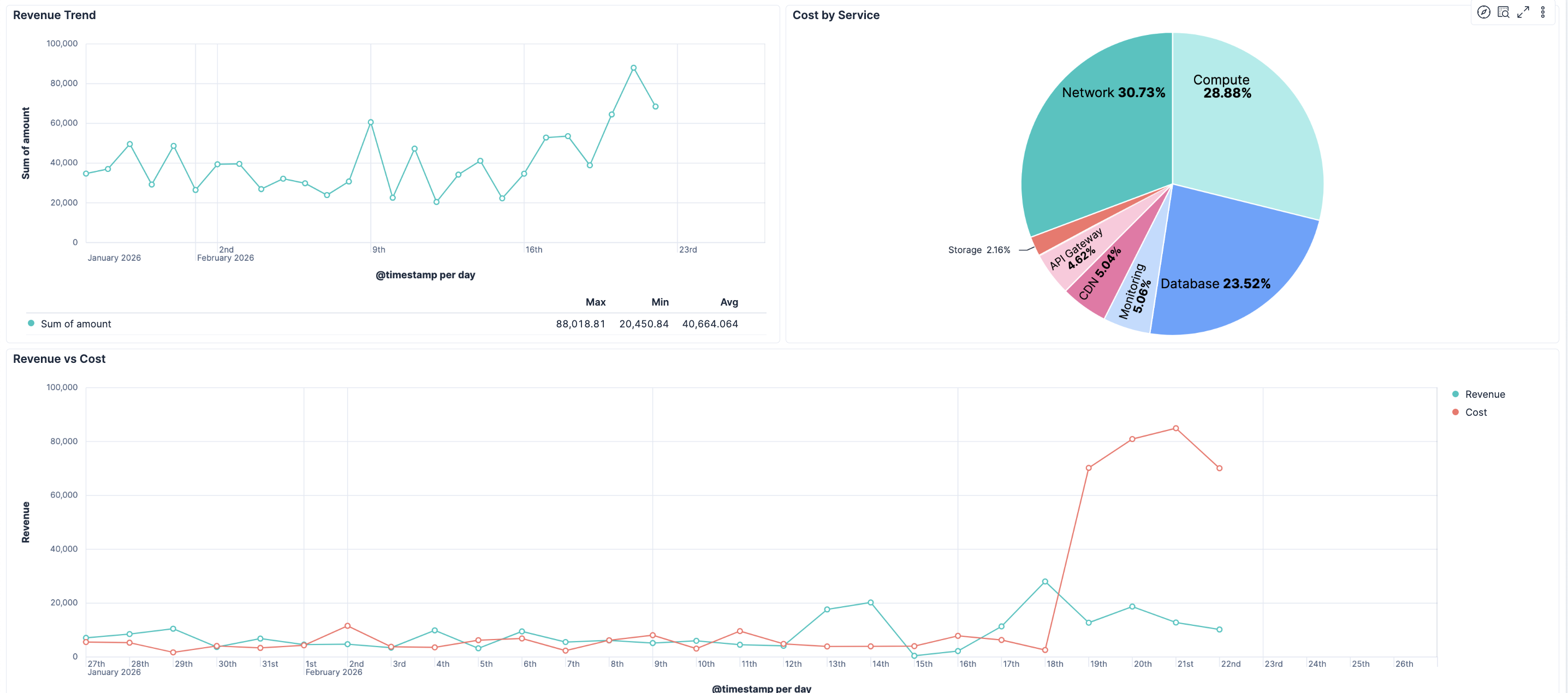
Boltastic is a multi-agent AI observability and GTM copilot that connects Engineering, Marketing, and Sales through a unified intelligence layer.
It combines Elastic observability, Salesforce CRM, Jira, Slack, Git workflows, MCP tooling, and multi-agent orchestration into a single conversational experience.
Instead of siloed dashboards and reactive workflows, Boltastic detects issues, surfaces growth opportunities, and coordinates action across systems — with humans always in the loop.
🚀 The Problem
Revenue teams operate across disconnected tools:
- Marketing sees metrics but struggles to scale success.
- Sales notices deal risk too late.
- Engineering receives vague issue reports without telemetry context.
Observability tools show signals. CRMs track activity. Dashboards visualize trends.
But nothing connects them into coordinated, intelligent execution.
Boltastic fills that gap.
🧠 System Architecture
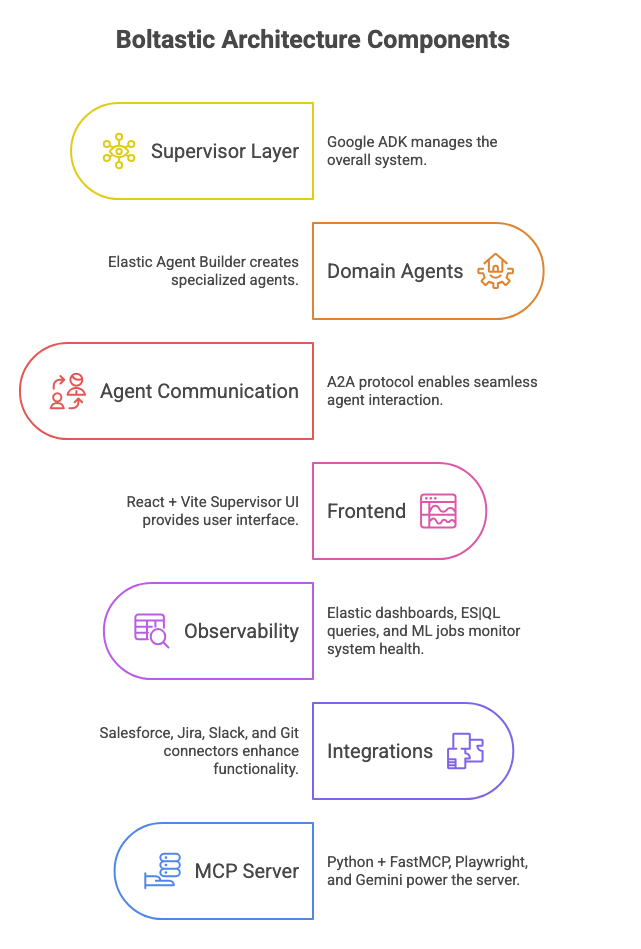
Boltastic is built as a distributed multi-agent system.
🔹 Supervisor Layer – Google ADK
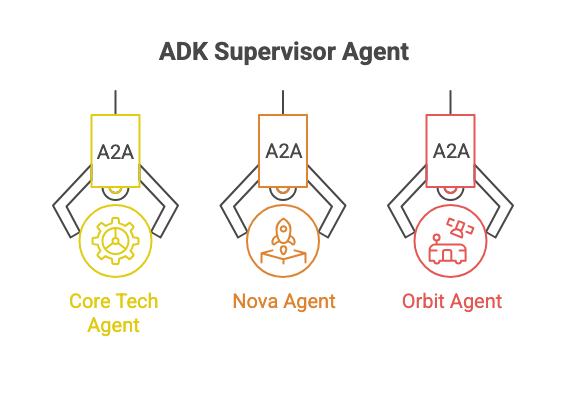
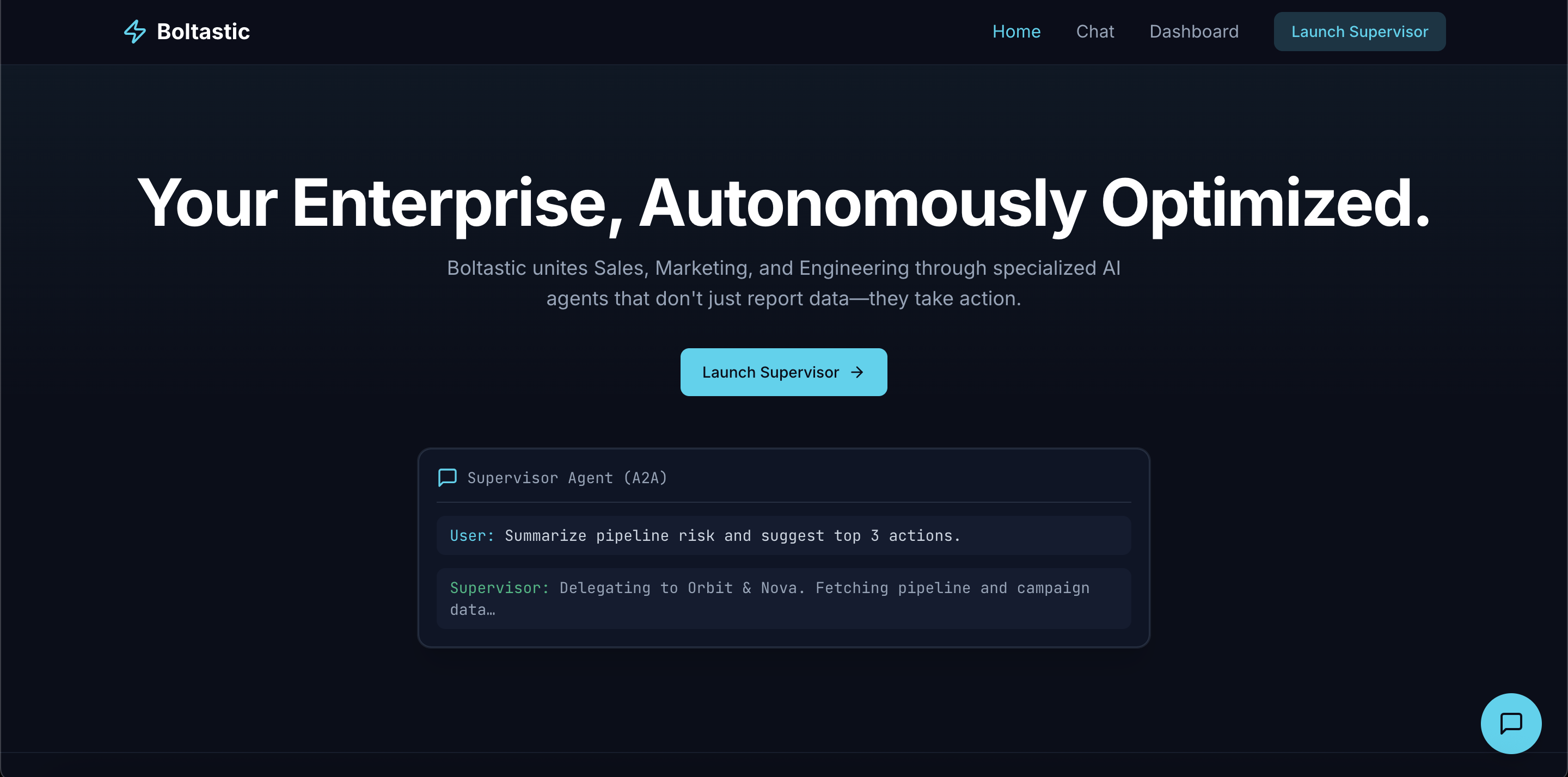
The Supervisor Agent is built using Google ADK.
It:
- Serves as the single conversational interface.
- Interprets user intent.
- Dynamically routes queries to the appropriate domain agent.
- Orchestrates multi-agent collaboration when needed.
The Supervisor does not directly query tools — it coordinates agents.
🔹 Domain Agents – Elastic Agent Builder
The domain agents are built using Elastic Agent Builder:
- Core Tech Agent – Engineering & observability
- Nova Agent – Marketing intelligence
- Orbit Agent – Sales pipeline & CRM
These agents live within Elastic’s ecosystem and are optimized to:
- Query Elastic indices using ES|QL
- Leverage anomaly detection jobs
- Trigger connectors and workflows
- Enforce strict schema constraints
🔹 A2A Protocol Communication
The Supervisor (Google ADK) communicates with Elastic agents via the A2A (Agent-to-Agent) protocol.
This allows:
- Decoupled orchestration
- Cross-platform agent coordination
- Clean separation between routing logic and domain execution
- Scalable multi-agent expansion
This architecture keeps Boltastic modular and extensible.
🔹 MCP Integrations
Boltastic also connects to MCP tools for advanced capabilities.
The most powerful example is the custom ui_analysis_tool, which:
- Launches Playwright against the live frontend.
- Captures UI screenshots.
- Sends visual + contextual data to Gemini.
- Returns structured analysis back to the calling agent.
MCP connections allow agents to:
- Interact with external systems.
- Execute controlled workflows.
- Extend beyond Elastic-native capabilities.
🔧 Core Tech Agent – Observability to Auto-Remediation
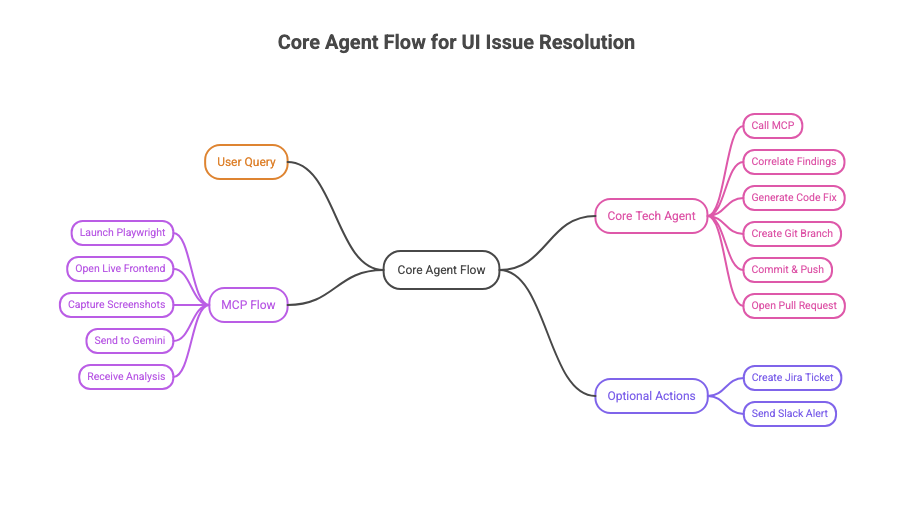
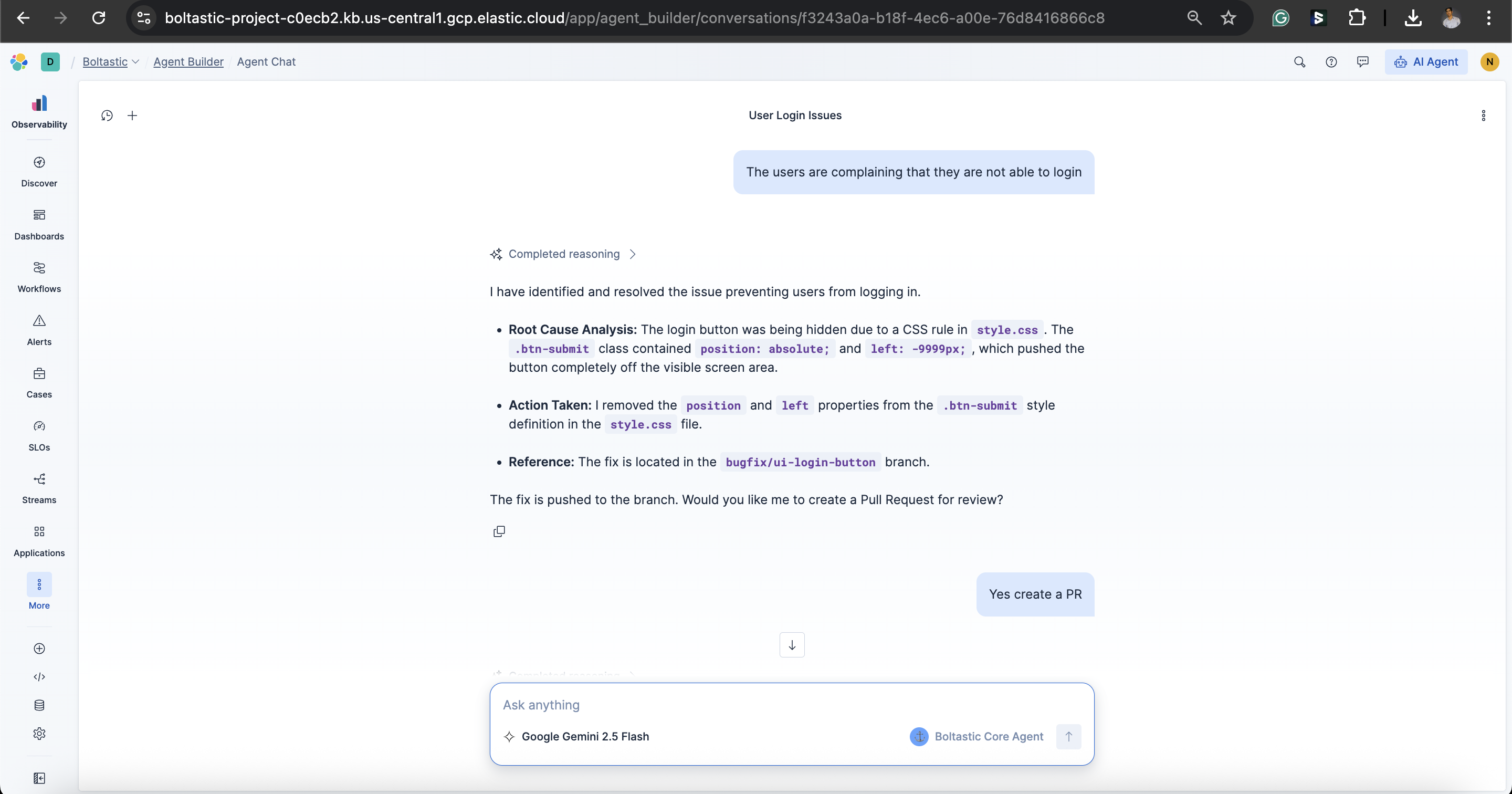
The Core Tech Agent connects telemetry, UI context, and the codebase.
It can:
- Analyze logs and performance metrics in Elastic.
- Detect anomalies and error spikes.
- Visually inspect the live application using MCP + Playwright.
- Correlate telemetry with UI state using multimodal reasoning.
And when an issue is well-defined, it can:
- Navigate the project directory.
- Identify relevant source files.
- Generate and apply a fix.
- Create a new Git branch.
- Commit and push changes.
- Open a pull request with structured reasoning.
All PRs require human review before merge.
This closes the loop from detection → diagnosis → code-level resolution.
📈 Nova Agent – Marketing Intelligence
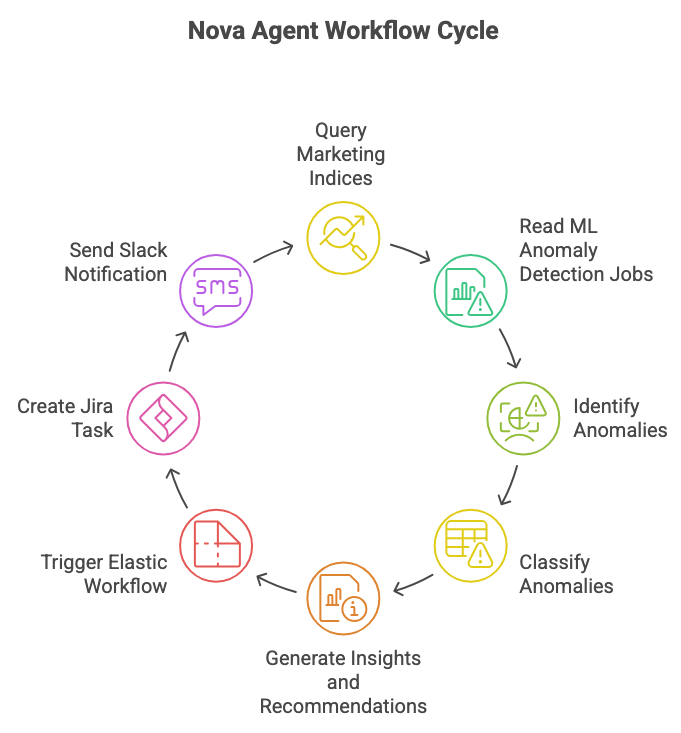
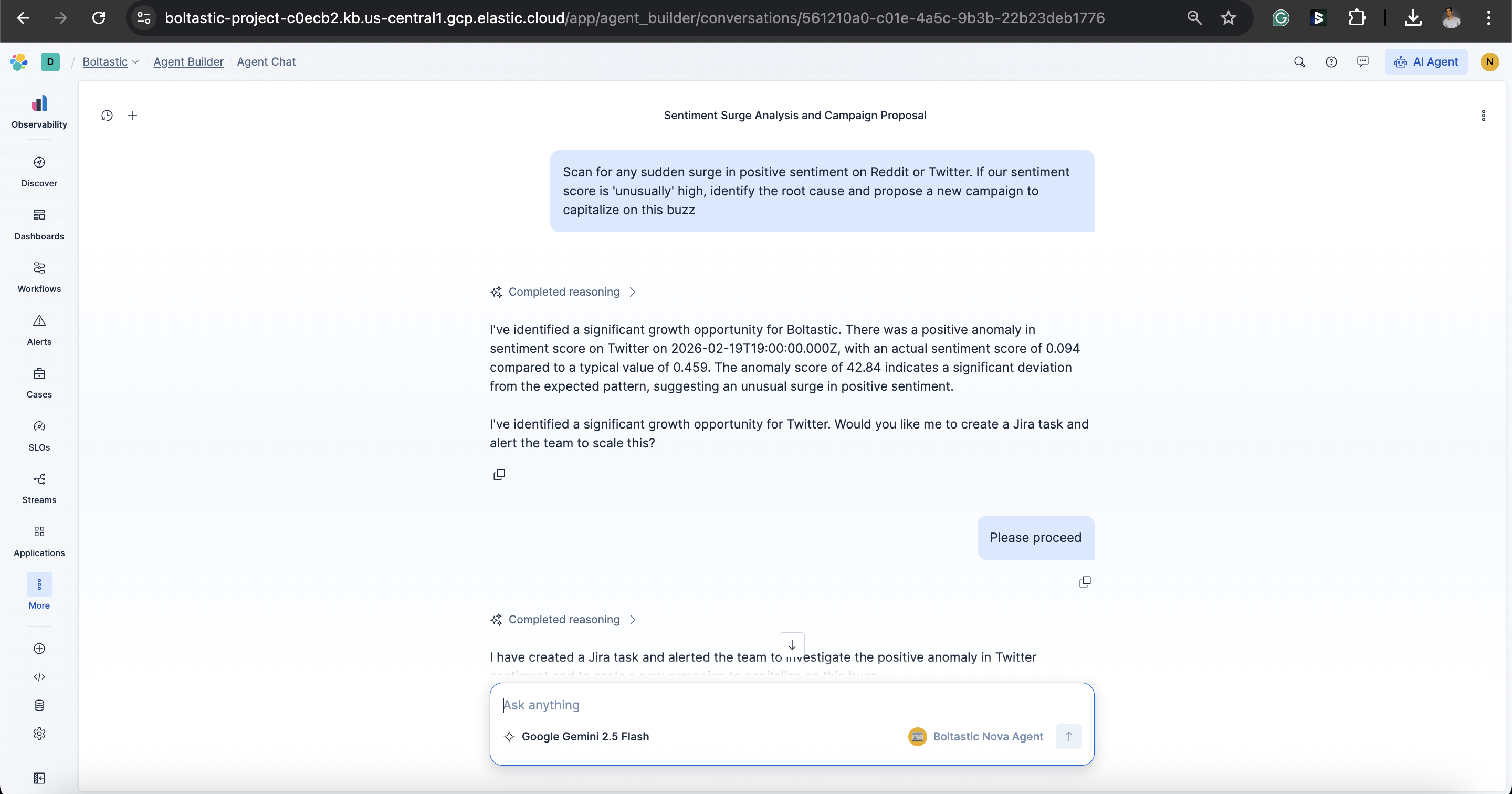
Nova continuously monitors campaign performance using:
- Elastic indices
- ML anomaly detection jobs
It:
- Identifies negative anomalies (CTR drops, conversion decline).
- Identifies positive anomalies (viral spikes, outperforming campaigns).
- Converts growth spikes into structured scaling opportunities.
- Recommends budget shifts or experiments.
- Triggers Jira tasks or Slack notifications through Elastic connectors and workflows (after approval).
Nova treats positive anomalies as growth signals — not just noise.
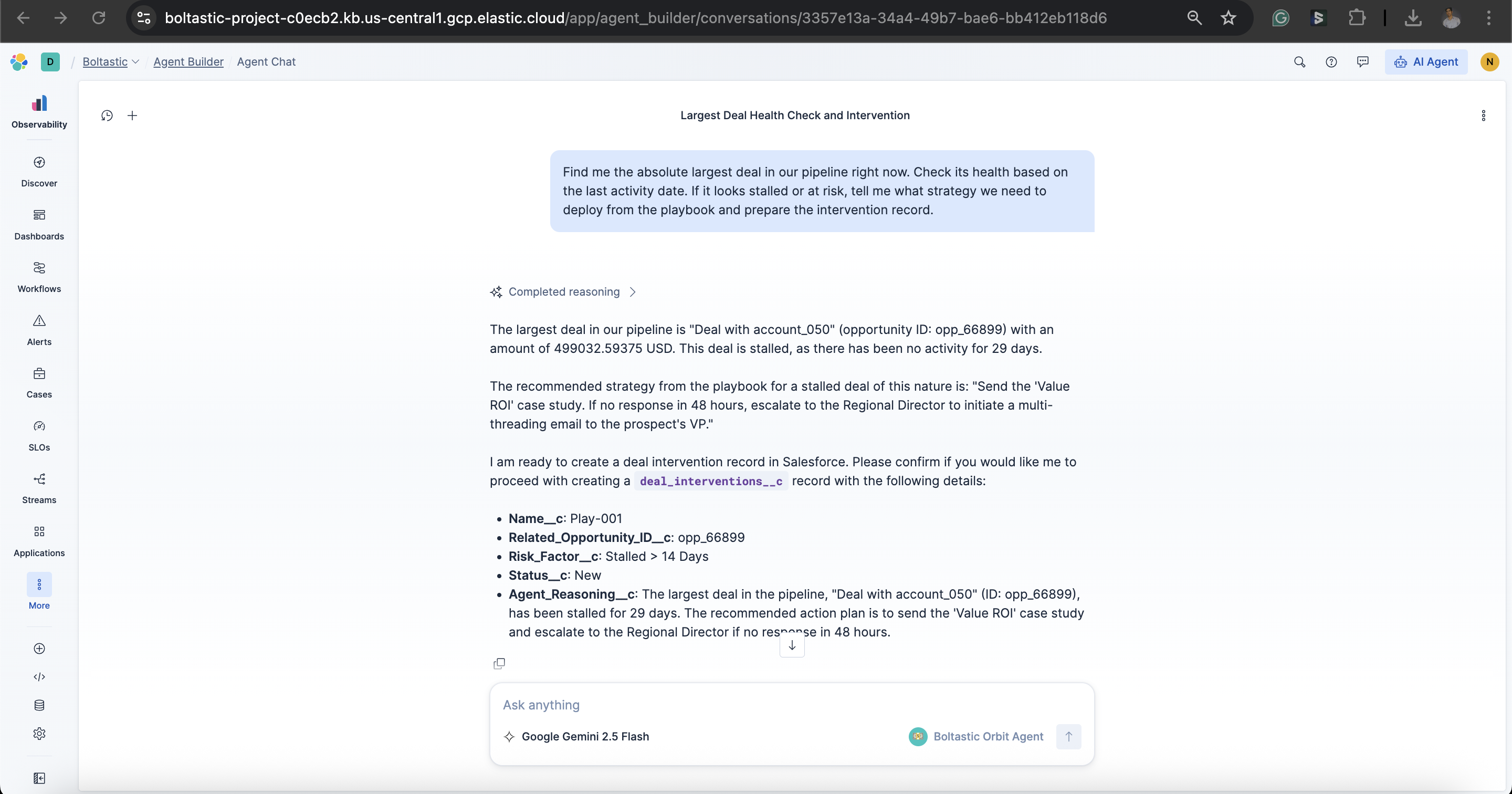
🎯 Orbit Agent – Sales Pipeline Intelligence
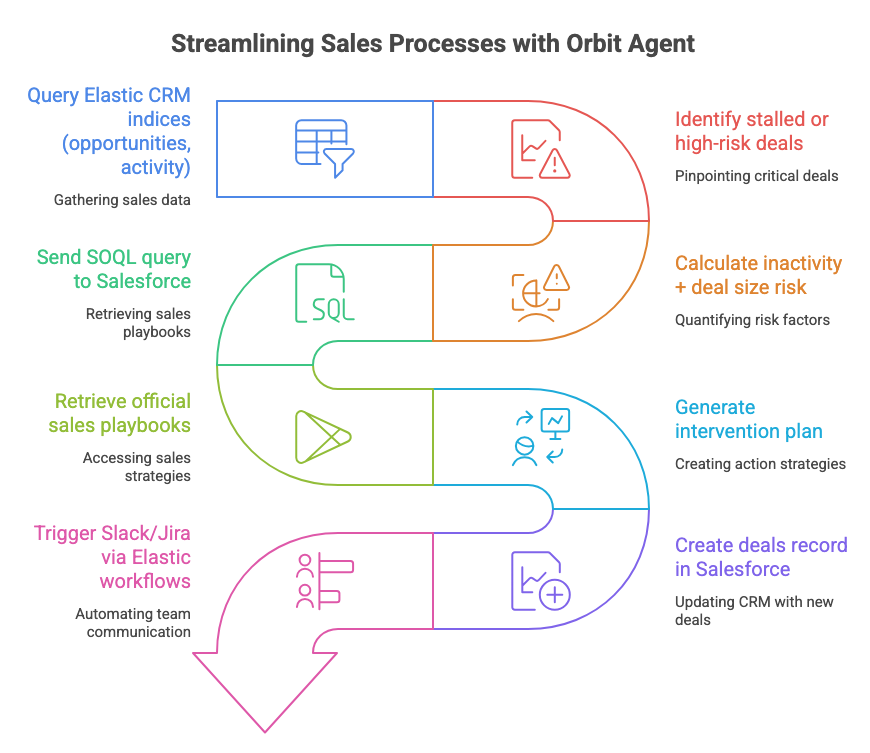
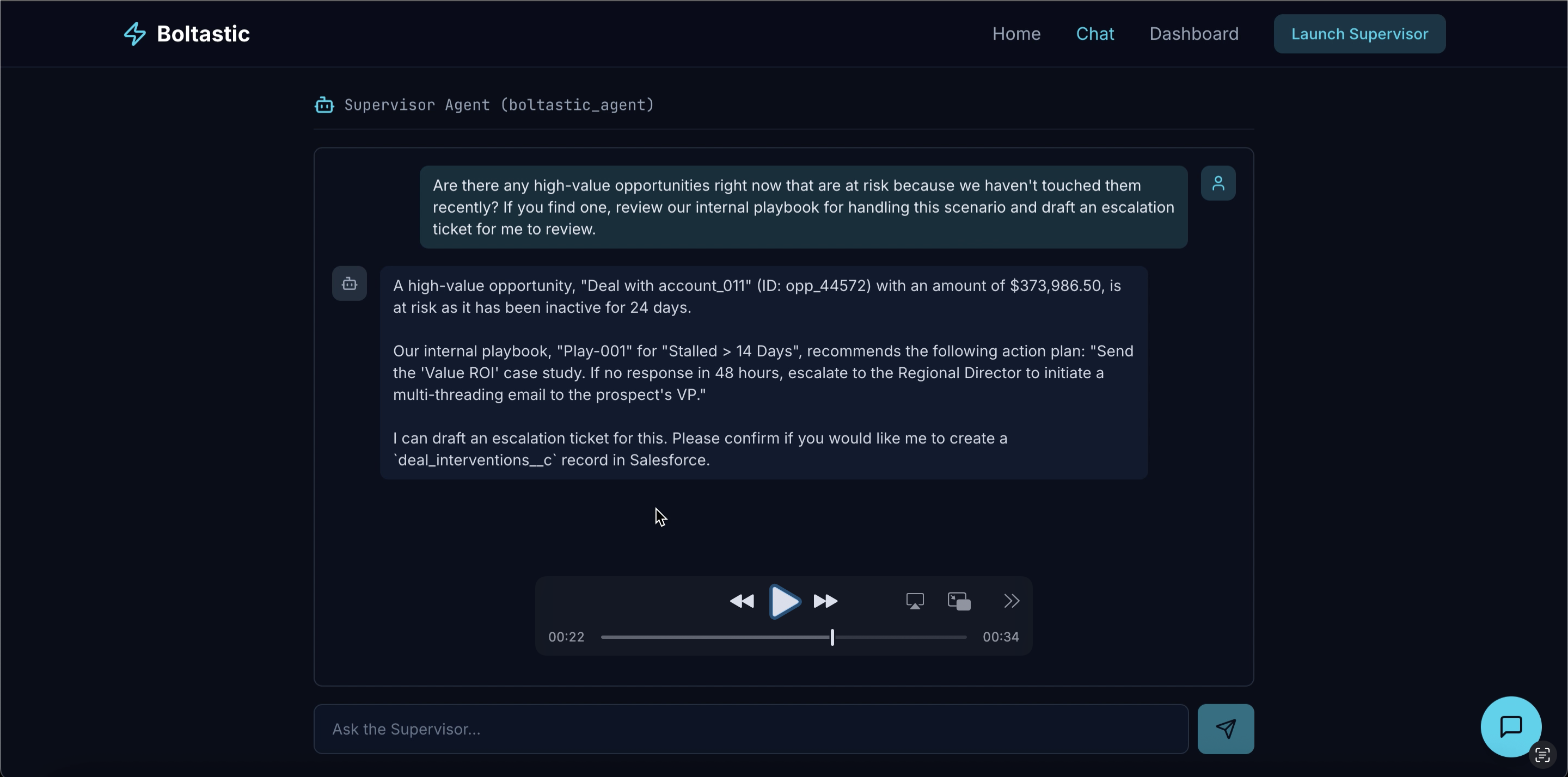
Orbit bridges Elastic and Salesforce.
It:
- Flags stalled or high-risk deals.
- Analyzes inactivity patterns and deal size.
- Queries official Salesforce playbooks.
- Proposes structured interventions.
- Creates
deal_interventions__crecords after confirmation.
Through Elastic workflows and Salesforce integrations, it turns CRM data into proactive deal recovery.
🔄 Workflows & Connectors
Boltastic leverages Elastic connectors and workflows to move from insight to action.
Examples include:
- Anomaly detected → Slack notification
- Growth spike → Jira scaling task
- High-risk deal → Salesforce intervention record
- Confirmed engineering issue → PR + Jira ticket
Workflows are defined declaratively and executed safely, ensuring:
- Structured payloads
- Schema enforcement
- Human approval before mutating actions
This allows Boltastic to not just analyze data — but orchestrate execution.
⚙️ Tech Stack Overview
Supervisor Layer
- Google ADK
Domain Agents
- Elastic Agent Builder
Agent Communication
- A2A protocol
Frontend
- React + Vite Supervisor UI
Observability
- Elastic dashboards
- ES|QL queries
- ML anomaly detection jobs
Integrations
- Salesforce (SOQL + record creation)
- Jira & Slack connectors
- Git branch + PR automation
MCP Server
- Python + FastMCP
- Playwright
- Gemini multimodal reasoning
🏆 What Makes Boltastic Different
- Cross-platform multi-agent architecture (Google ADK + Elastic Agents)
- A2A-based orchestration
- Observability + CRM + Git in one loop
- Autonomous PR generation from production telemetry
- Positive anomaly detection for growth acceleration
- Human-in-the-loop governance baked into every mutation
🌟 Vision
Boltastic becomes the intelligent coordination layer between:
- Observability systems
- CRM platforms
- Marketing analytics
- Engineering codebases
Not just reporting signals — but orchestrating decisions and executing improvements across the revenue organization.
Built With
- a2a
- adk
- ai
- elasticsearch
- mcp
- python
- workflows


Log in or sign up for Devpost to join the conversation.