-
-
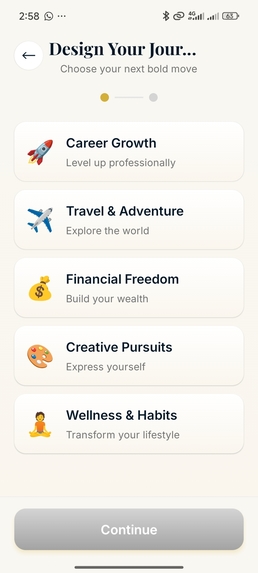
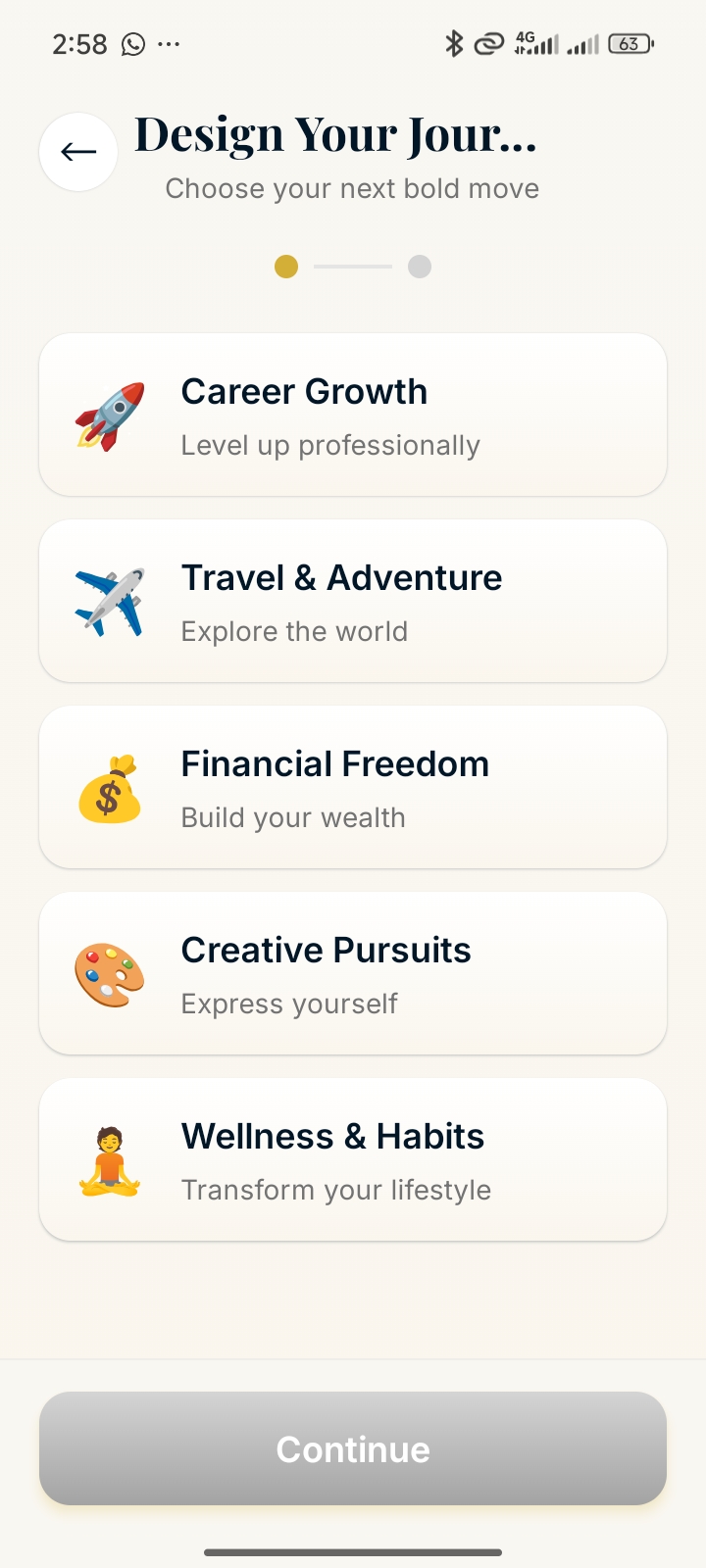
Define your journey
-
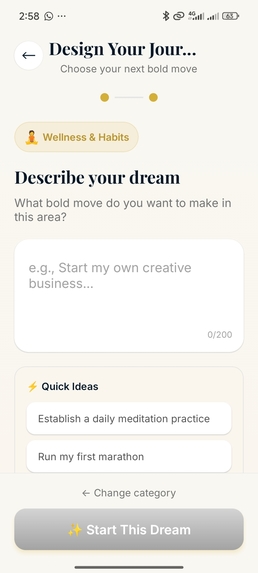
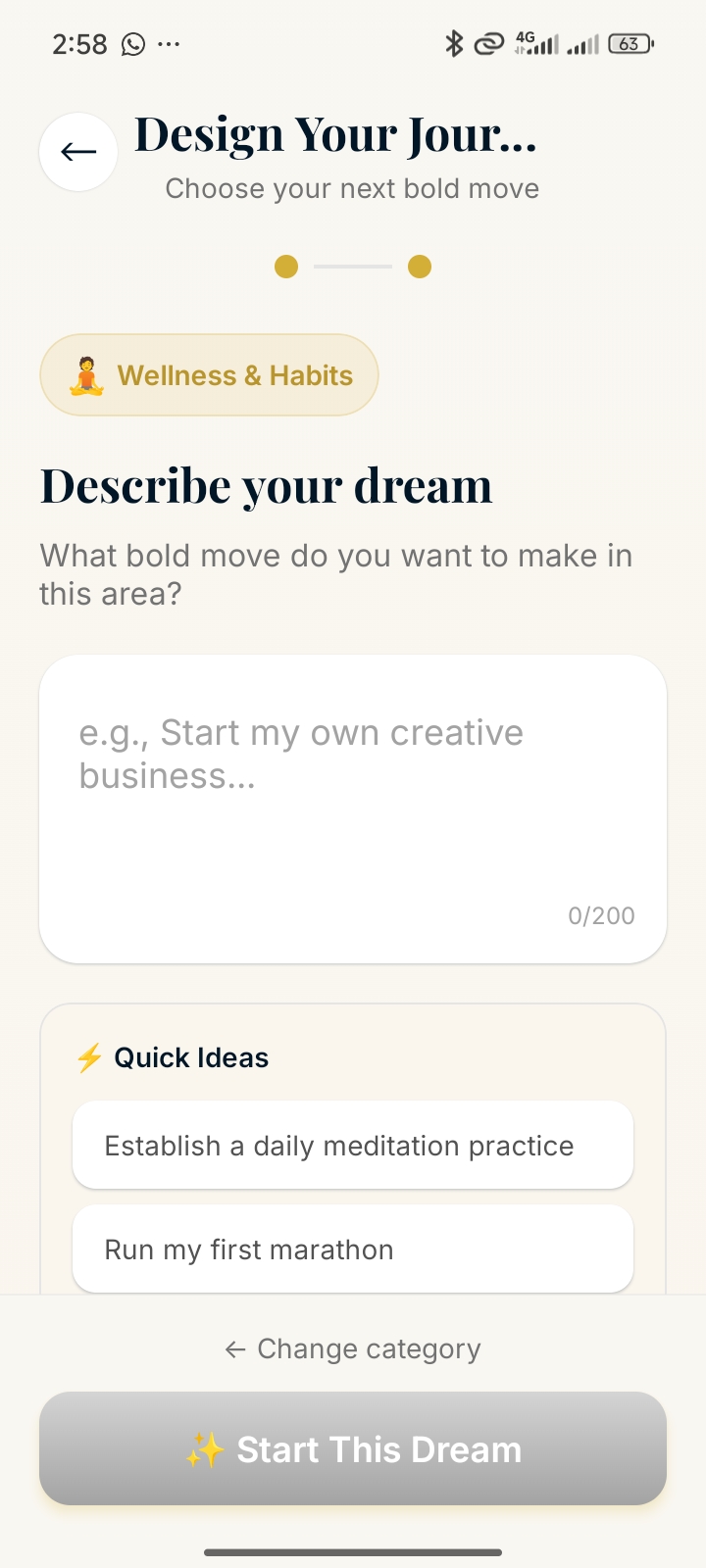
Be specific with your dream
-
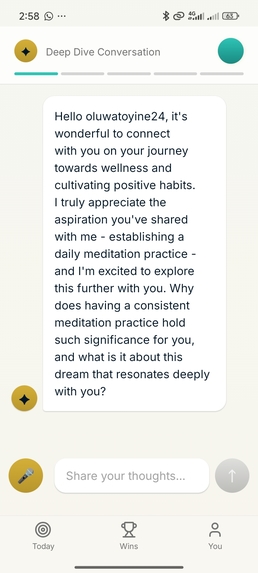
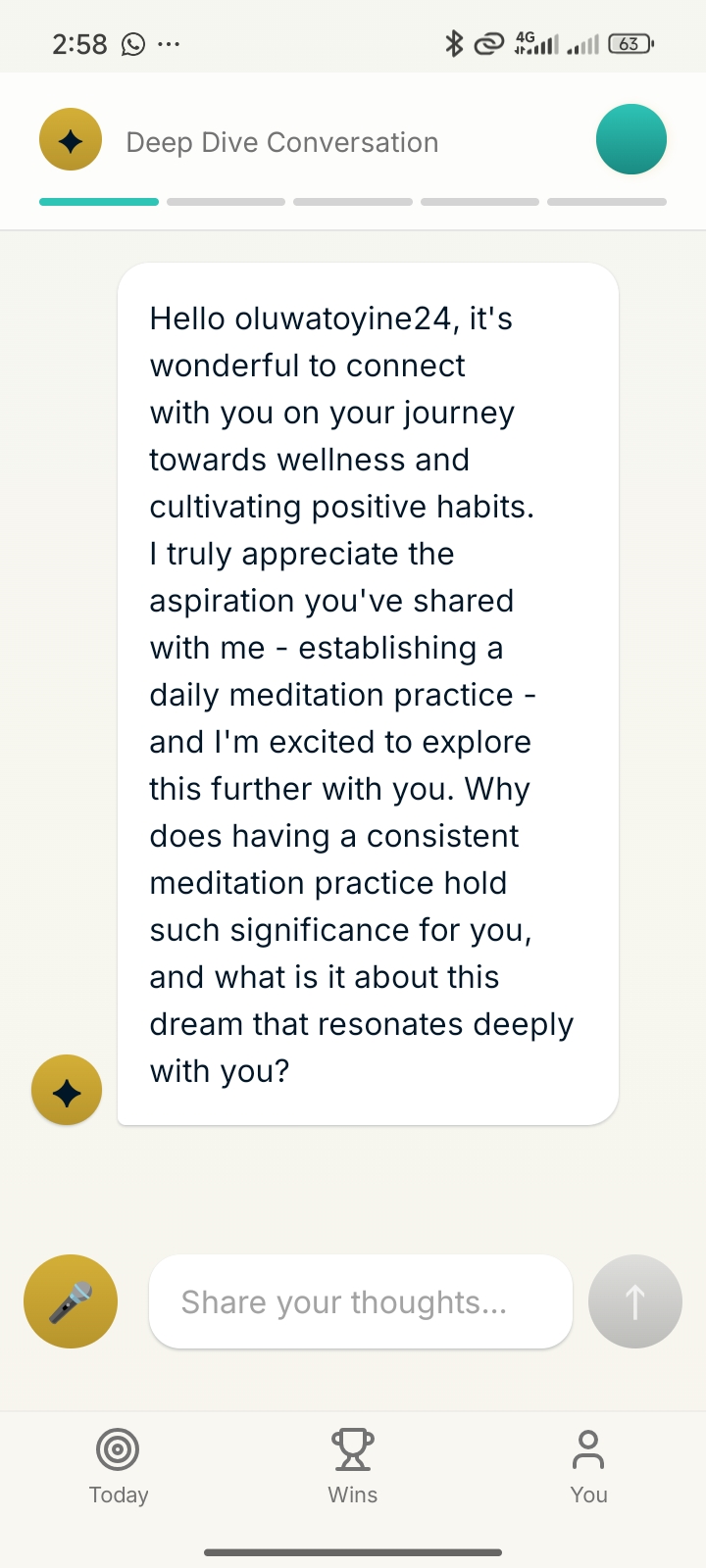
chat with AI
-
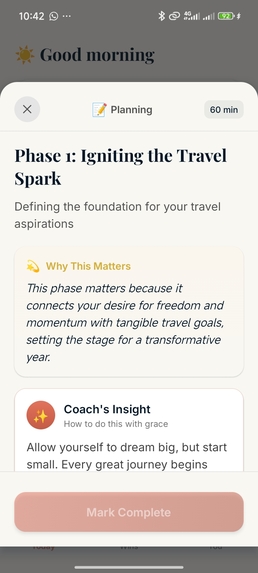
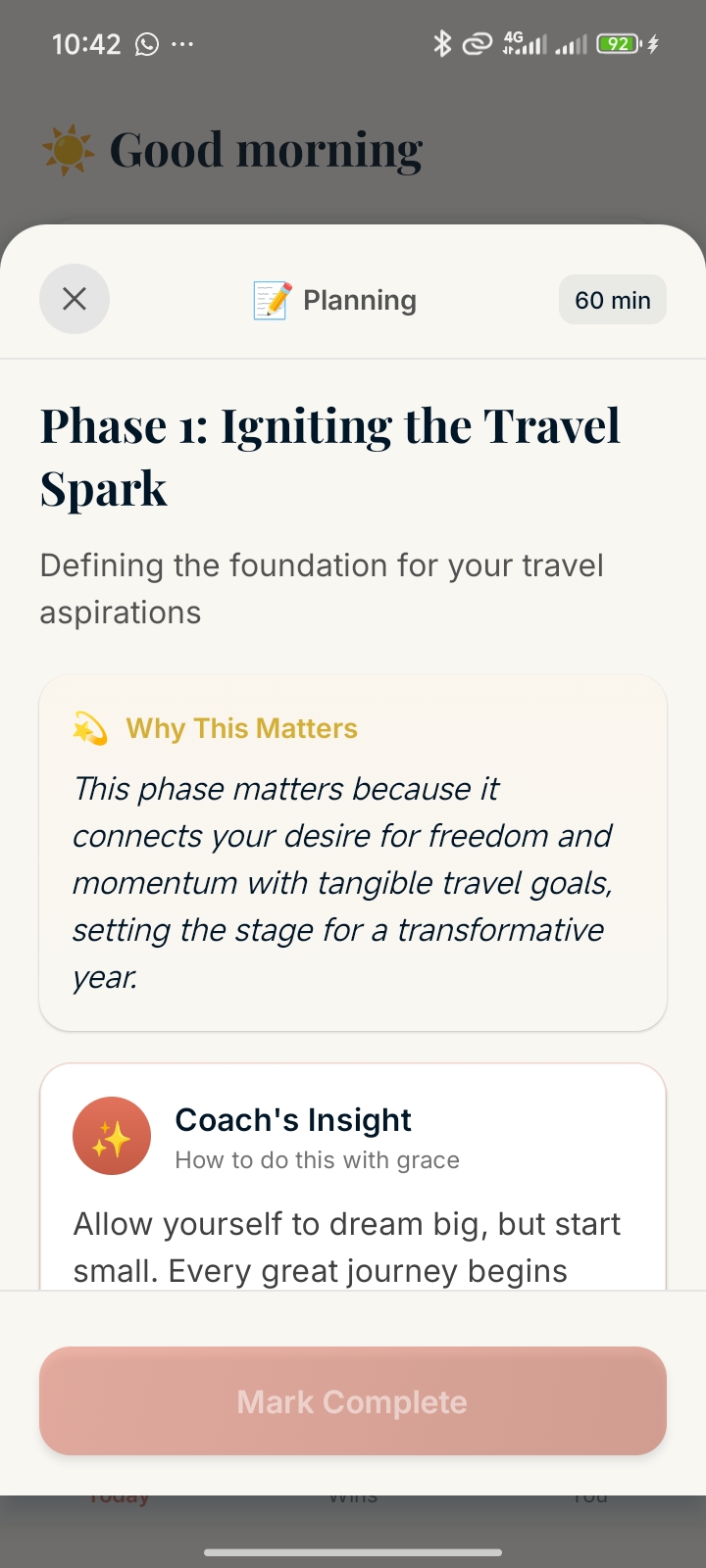
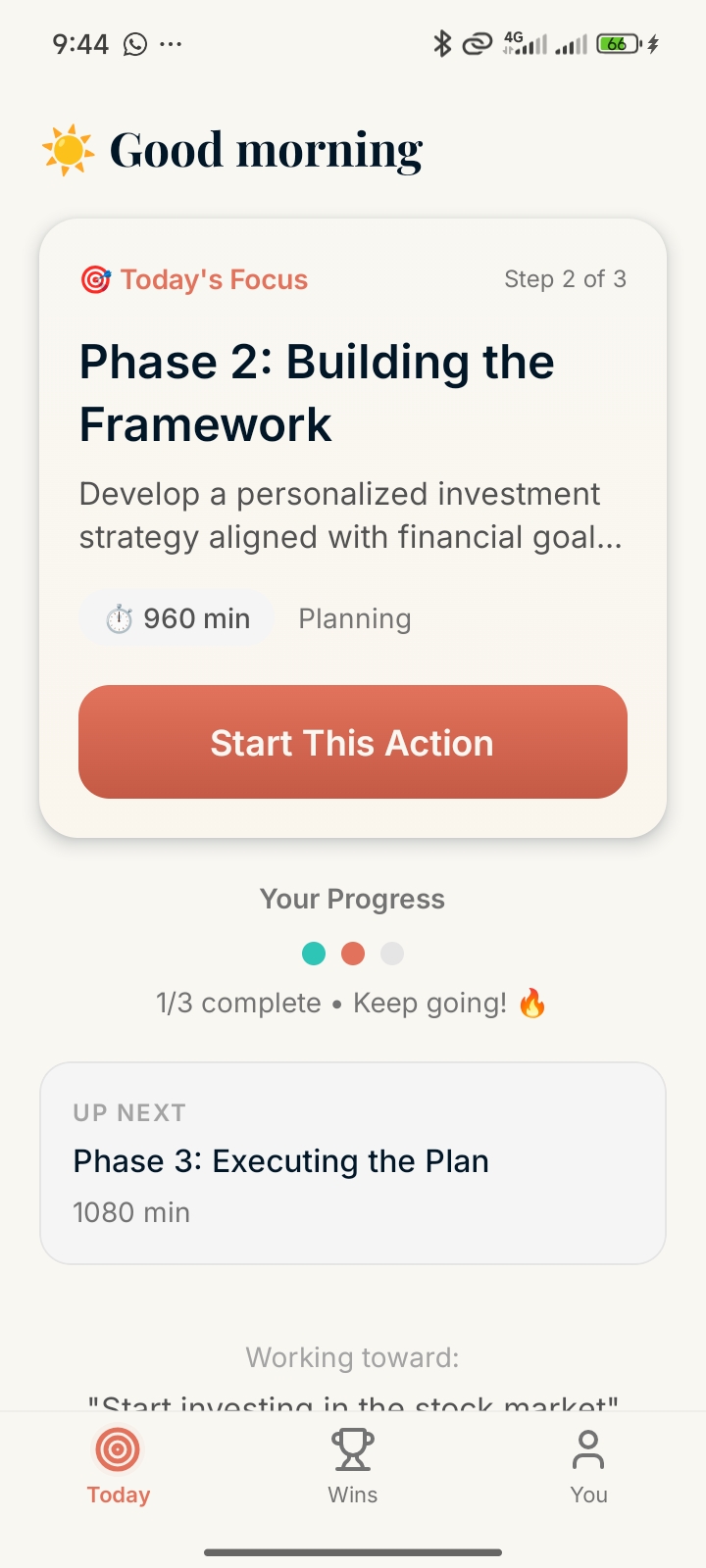
Get your personalized roadmap to success
-
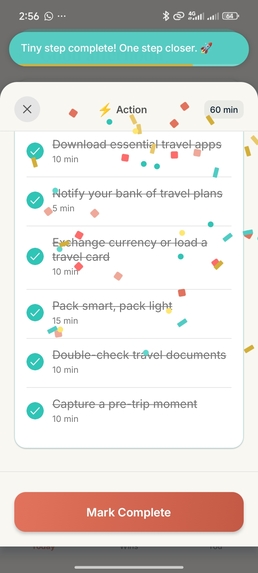
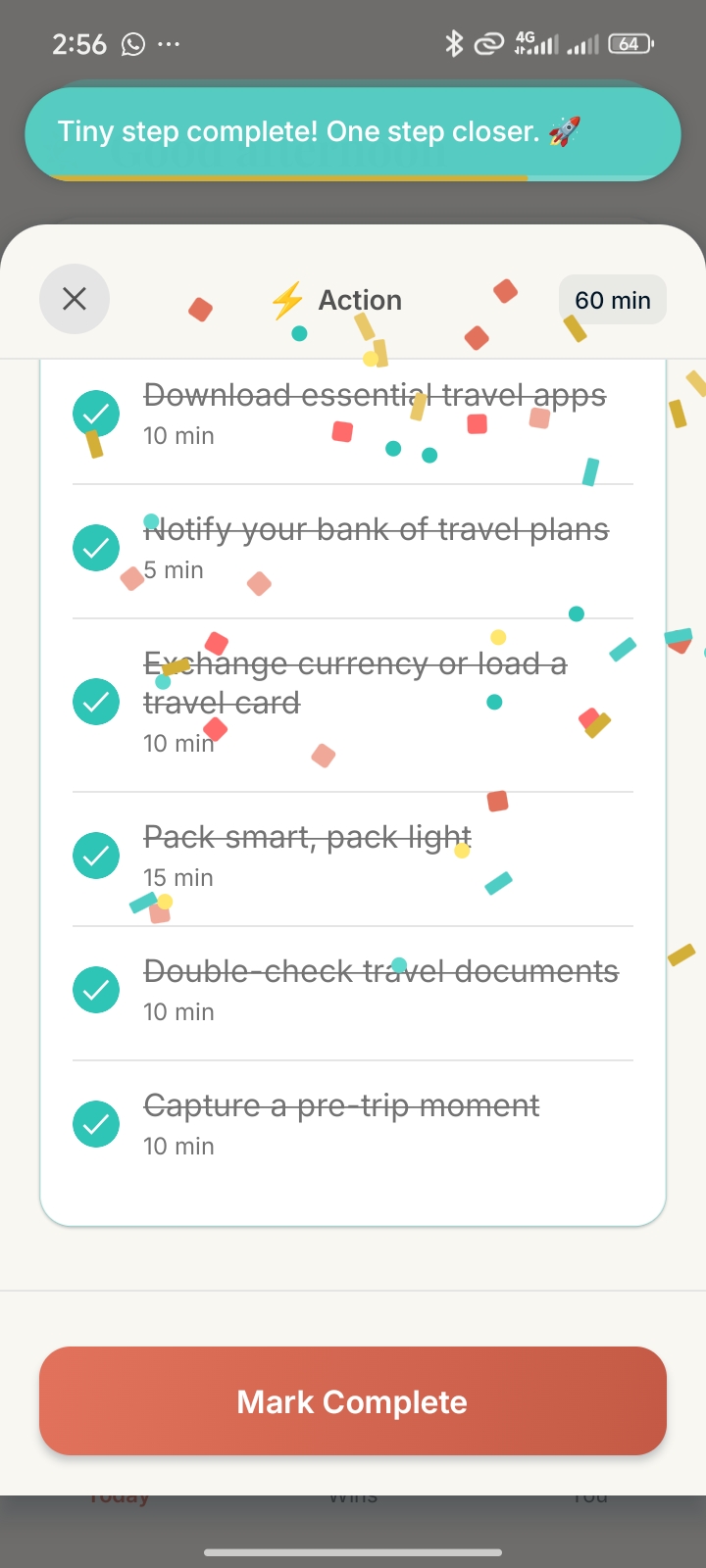
complete simple steps toward your goal
-
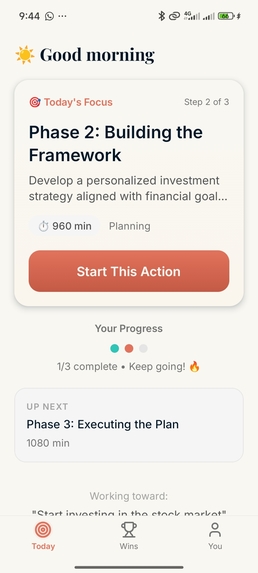
Take the next steps
-
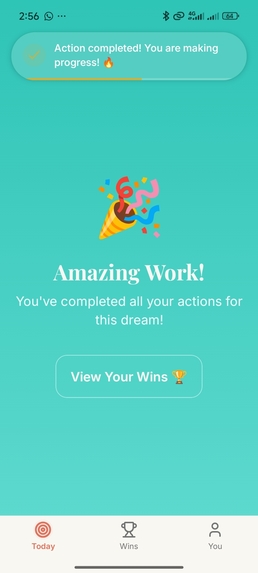
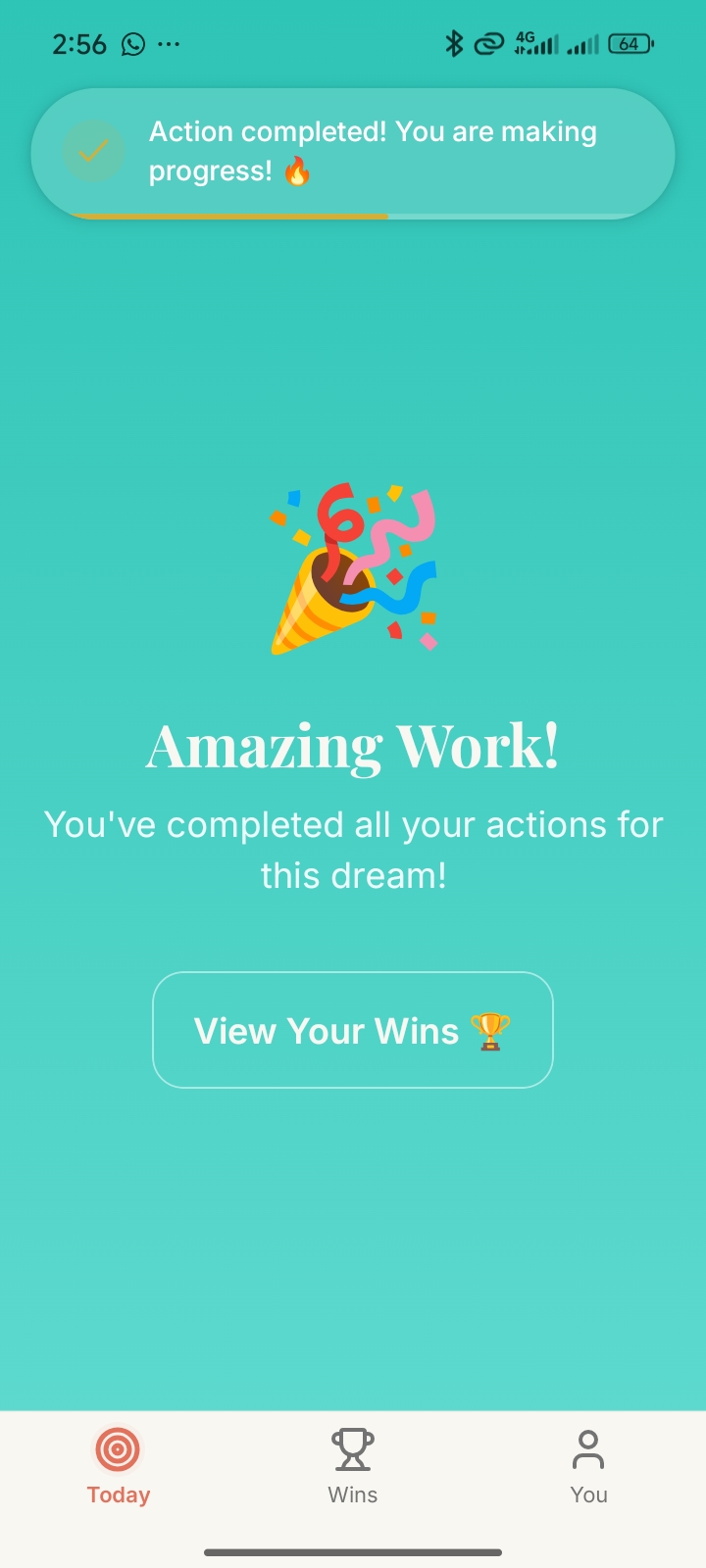
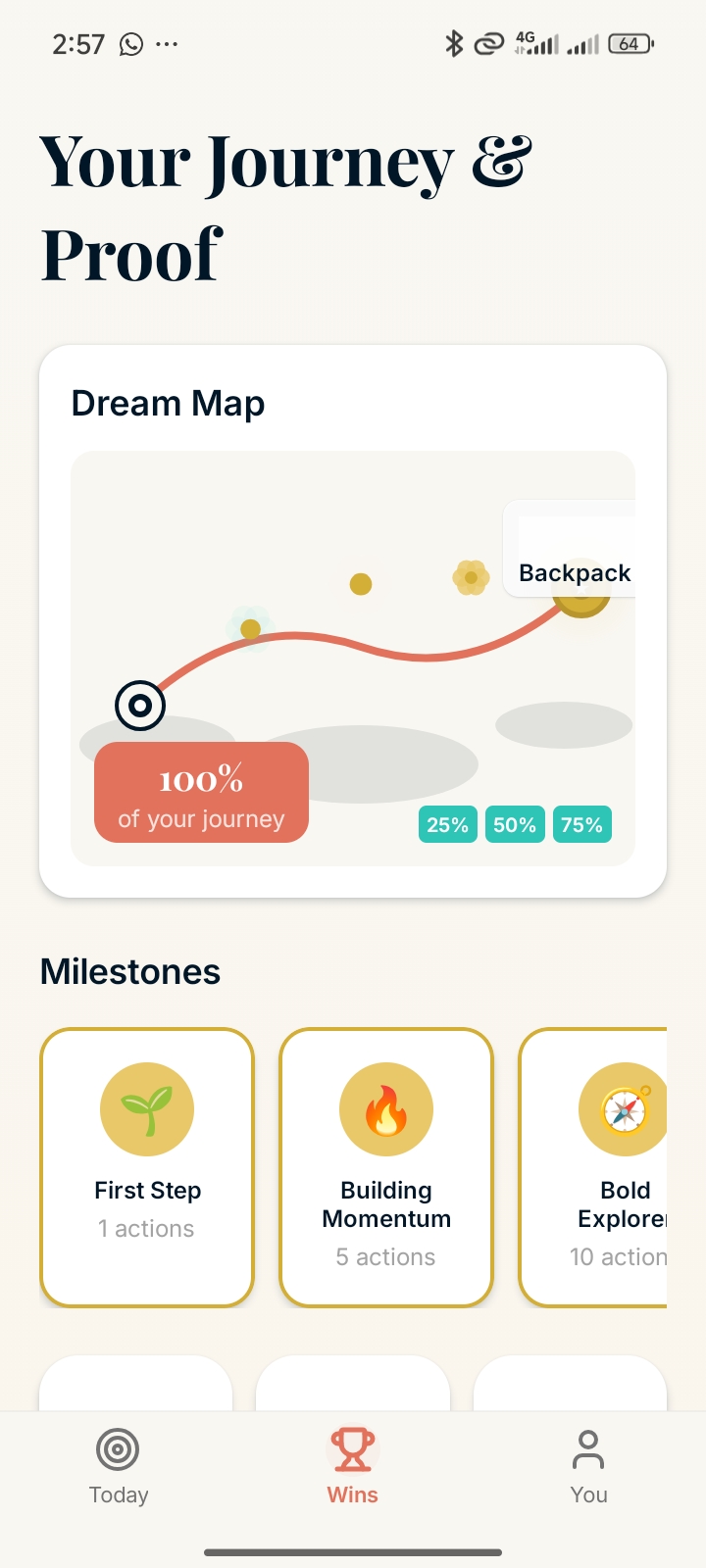
Congratulations you just completed a milestone
-
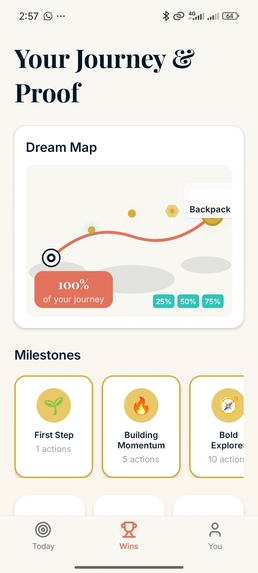
See your wins
-
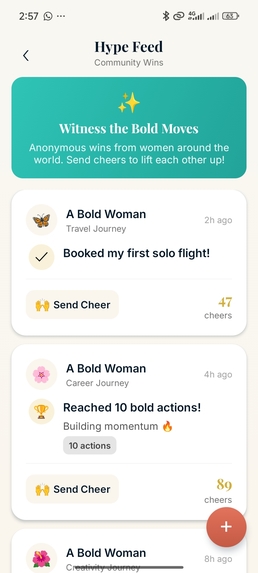
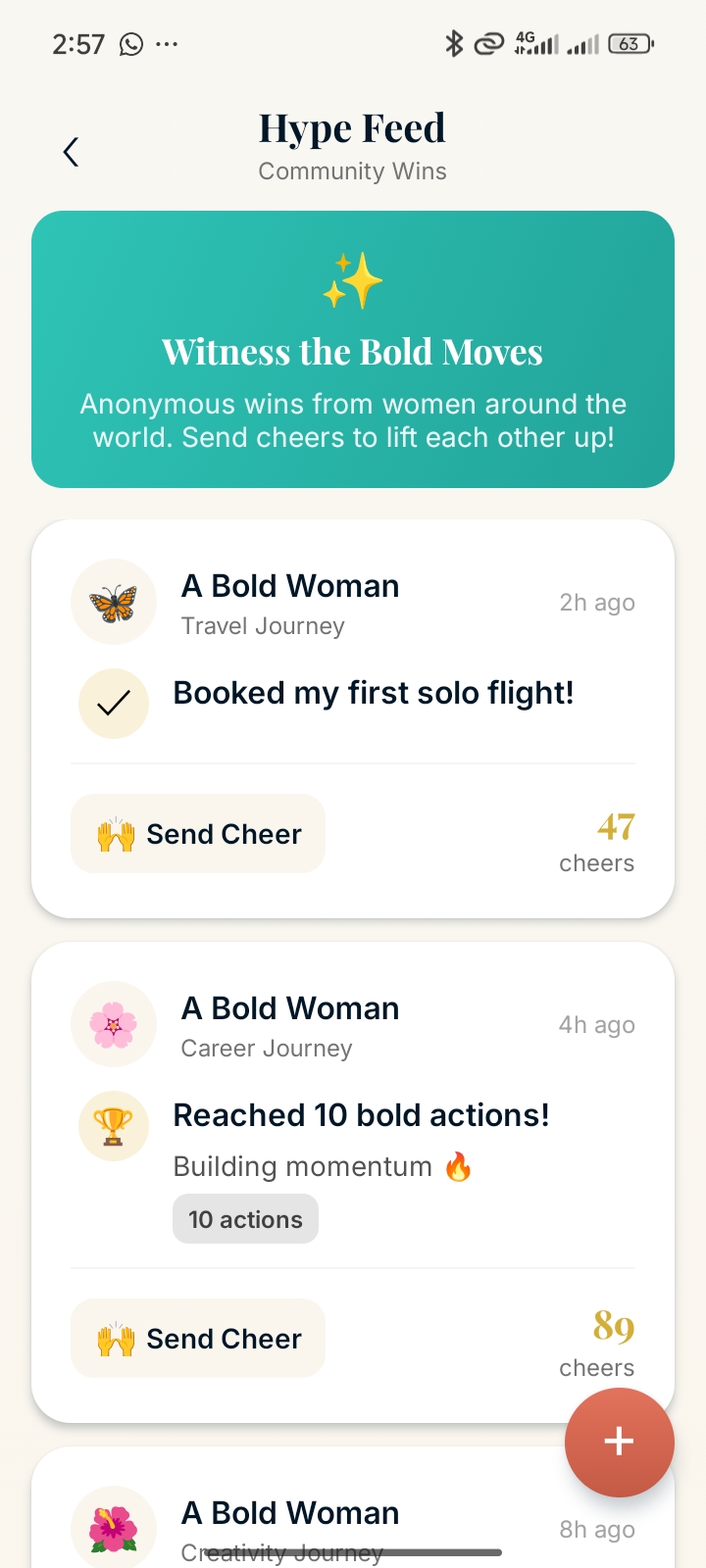
Share your wins and celebrate with others like you.
The PaxGo Story: Turning "Someday" into "Today"
Building PaxGo wasn't just a technical exercise; it was an attempt to solve the code-level manifestation of a universal human problem: procrastination caused by overwhelming scale.
1. The Inspiration
The spark for PaxGo came from observing a common pattern in high achievers. We have huge, world-changing ideas (The "Big Dreams"), but we often freeze because the gap between where we are and where we want to be feels like an unbridgeable chasm.
We realised that current "productivity" apps are just digital versions of paper checklists. They don't help you think or process the fear. We wanted to build something that felt like a coach—not just a list.
2. How We Built It
We chose a stack that allowed for rapid iteration without sacrificing performance:
- Expo & React Native: For a sleek, "luxury dark" native experience across iOS and Android.
- Supabase: To handle the heavy lifting of real-time data sync and secure authentication.
- Groq AI (Llama 3): This is the brain of PaxGo. We spent weeks refining the prompts to ensure the AI didn't just give generic advice, but provided concrete, "micro" steps that anyone could start in 15 minutes.
- RevenueCat: Seamlessly integrated to handle the bridge between a free "taste" of the app and a premium global coaching experience.
3. Challenges Faced
No project is without its scars. Along the way, we hit several walls:
- The "Context Gap": Getting an AI to remember the "Why" behind a user's dream while generating 30 individual sub-actions required complex context management.
- Native Hurdles: We faced a critical "scheme mismatch" in our authentication library during production builds that took a multi-hour deep dive into Android manifests and Babel configurations to resolve.
- The "Over-Engineering" Trap: At one point, our roadmaps were too detailed. We had to pivot back to simpler, "micro-action" focused flows to keep users from feeling overwhelmed by the help itself.
4. What We Learned
The biggest lesson was that simplicity is the ultimate sophistication. We learned that:
- Moving the user just one millimetre forward is more valuable than giving them a 100-page plan they'll never read.
- "Psychology-first" design creates more stickiness than "Feature-first" design.
- The community aspect (The Hype Feed) is the "secret sauce" that keeps users coming back when their own internal motivation dips.
5. The Future
PaxGo is now ready for the Play Store. It stands as a testament to the fact that with the right AI orchestration and a focus on human psychology, we can build tools that don't just organise our lives, but actually change them.
PaxGo: Small steps. Big Dreams. Real progress.
Built With
- expo.io
- groq
- react-native
- revenuecat
- supabase


Log in or sign up for Devpost to join the conversation.