-
-
proposal page 3
-
proposal page 11
-
proposal page 6
-
proposal page 2
-
proposal page 9
-
proposal page 1
-
proposal page 14
-
proposal page 4
-
proposal page 16 (references)
-
proposal page 15 (references)
-
proposal page 12
-
proposal page 13 (product timeline)
-
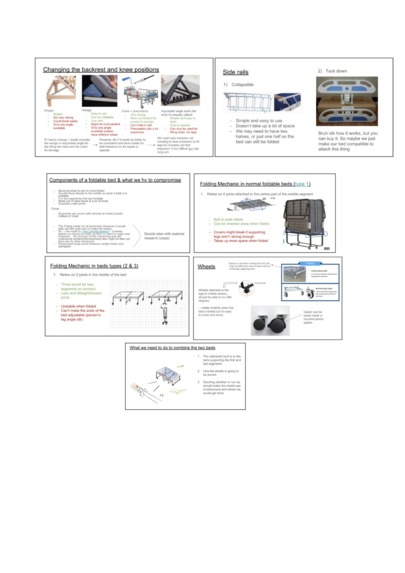
proposal page 7
-
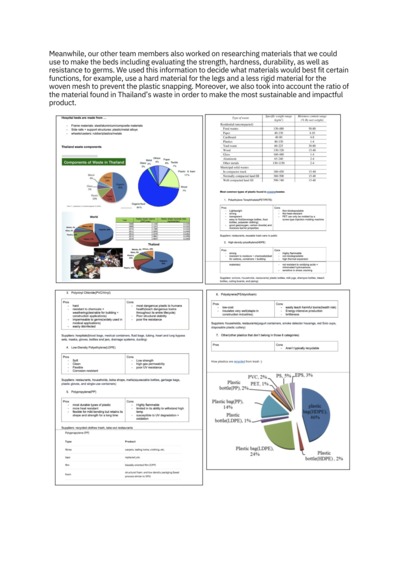
proposal page 8
-
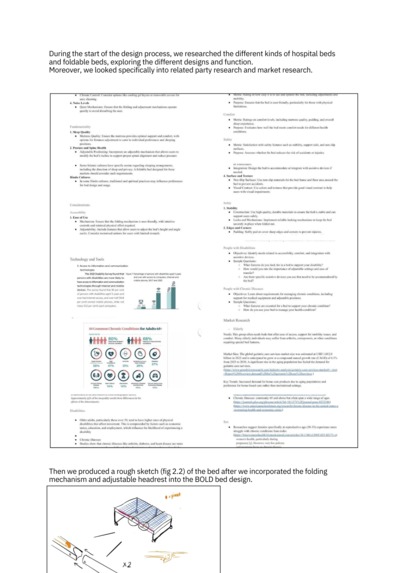
proposal page 10
-
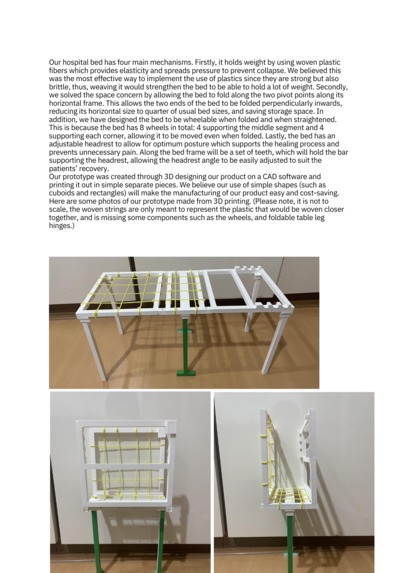
proposal page 5


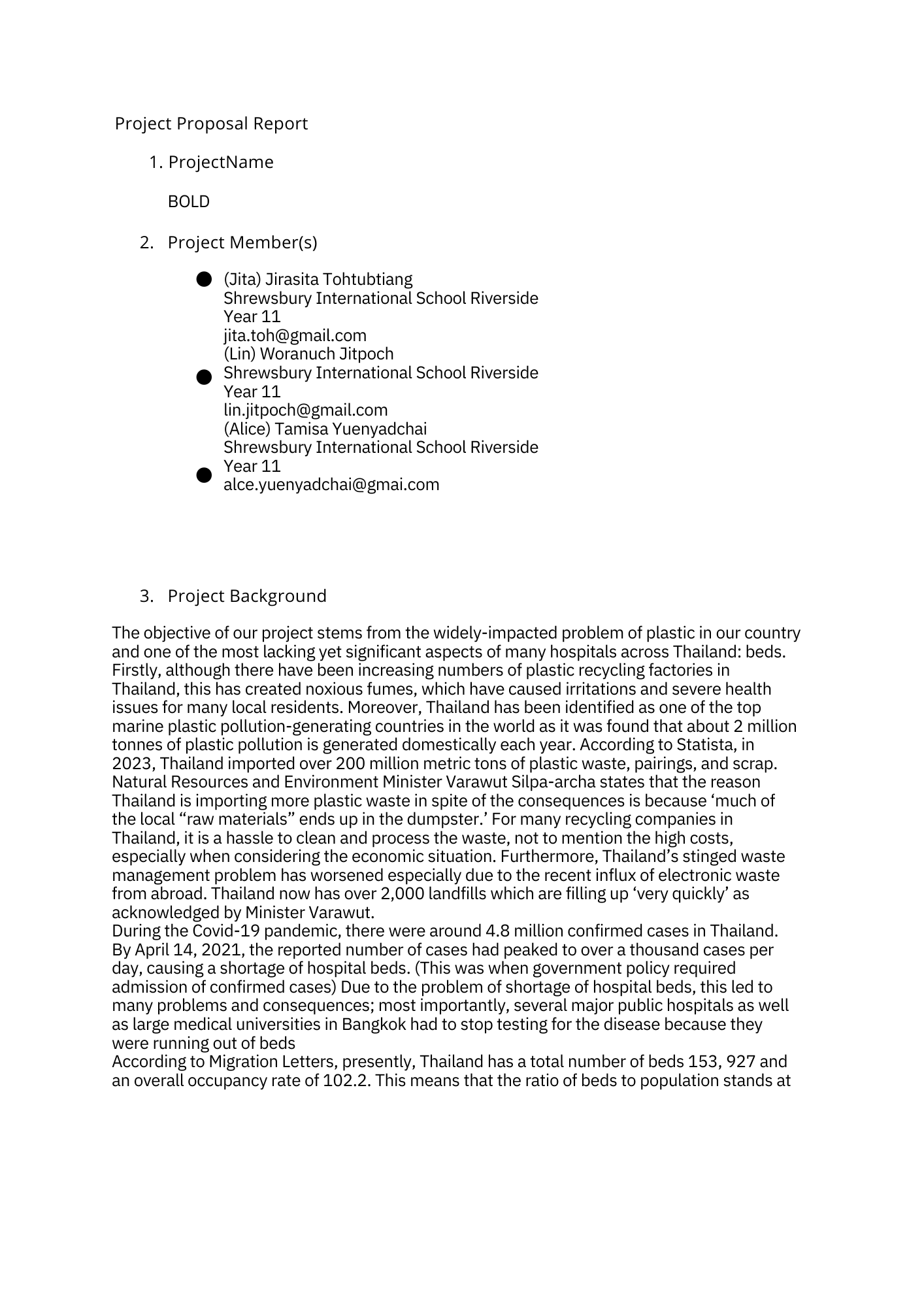
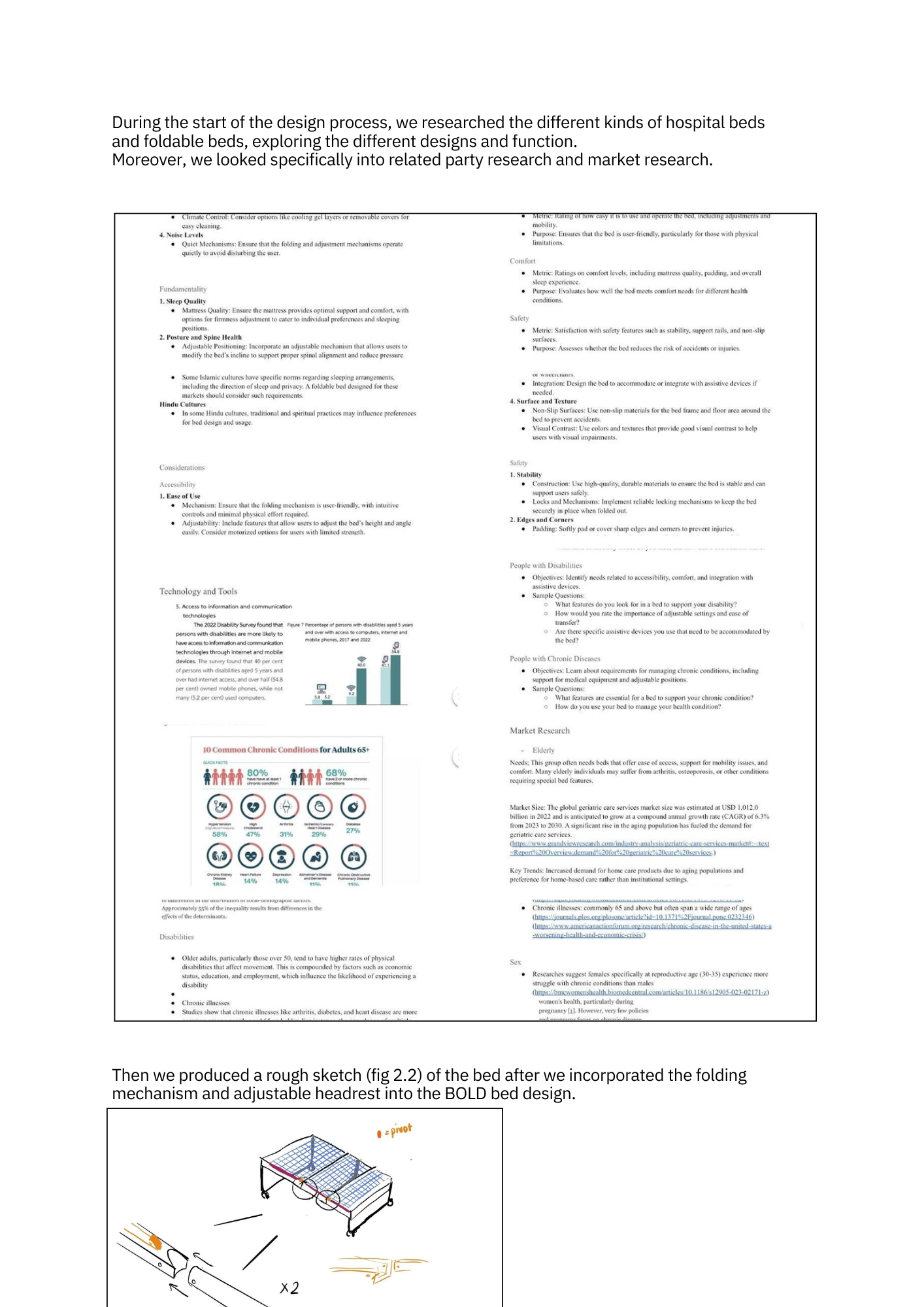
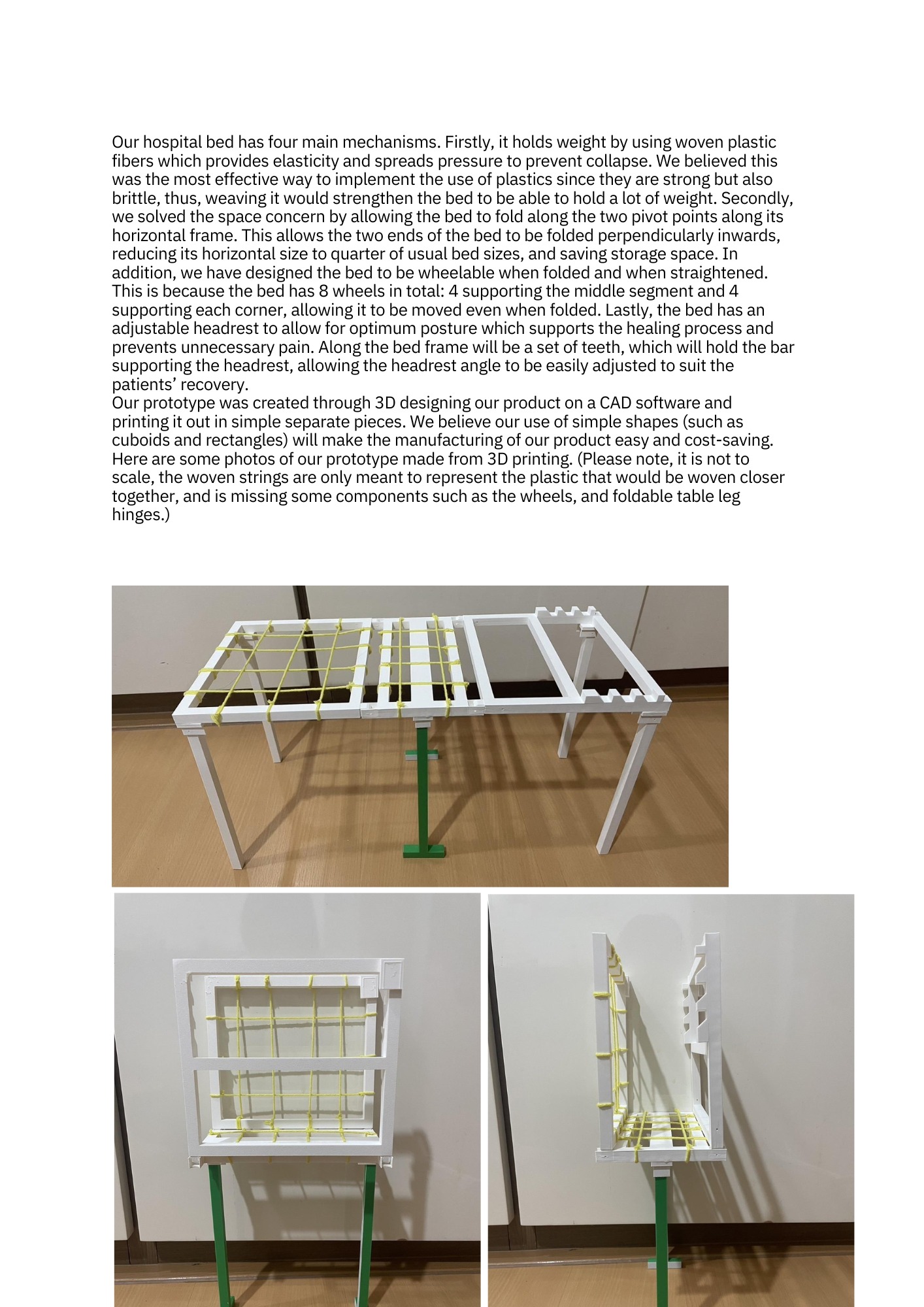
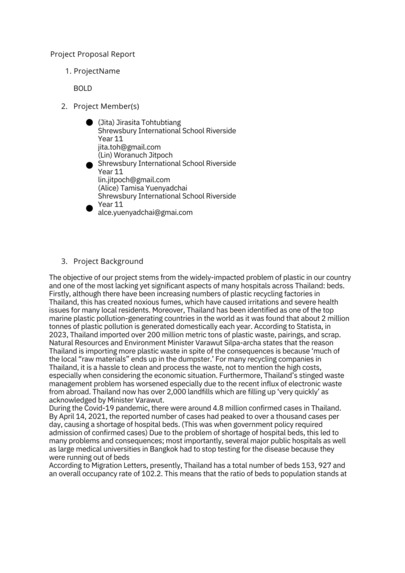
The objective of our project stems from the widely-impacted problem of plastic in our country and one of the most lacking yet significant aspects of many hospitals across Thailand: beds.
Firstly, although there have been increasing numbers of plastic recycling factories in Thailand, this has created noxious fumes, which have caused irritations and severe health issues for many local residents. Moreover, Thailand has been identified as one of the top marine plastic pollution-generating countries in the world as it was found that about 2 million tonnes of plastic pollution is generated domestically each year. According to Statista, in 2023, Thailand imported over 200 million metric tons of plastic waste, pairings, and scrap.
Natural Resources and Environment Minister Varawut Silpa-archa states that the reason Thailand is importing more plastic waste in spite of the consequences is because ‘much of the local “raw materials” ends up in the dumpster.’ For many recycling companies in Thailand, it is a hassle to clean and process the waste, not to mention the high costs, especially when considering the economic situation. Furthermore, Thailand’s stinged waste management problem has worsened especially due to the recent influx of electronic waste from abroad. Thailand now has over 2,000 landfills which are filling up ‘very quickly’ as acknowledged by Minister Varawut.
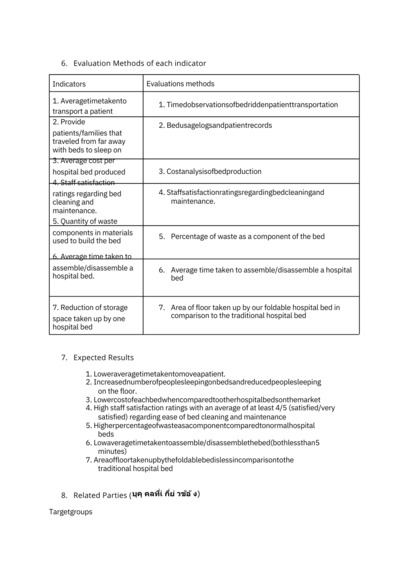
During the Covid-19 pandemic, there were around 4.8 million confirmed cases in Thailand. By April 14, 2021, the reported number of cases had peaked to over a thousand cases per day, causing a shortage of hospital beds. (This was when government policy required admission of confirmed cases) Due to the problem of shortage of hospital beds, this led to many problems and consequences; most importantly, several major public hospitals as well as large medical universities in Bangkok had to stop testing for the disease because they were running out of beds
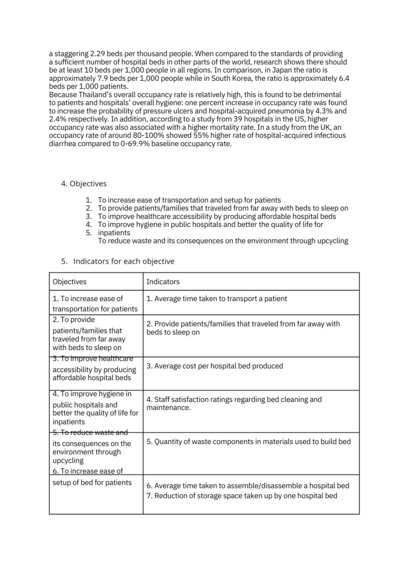
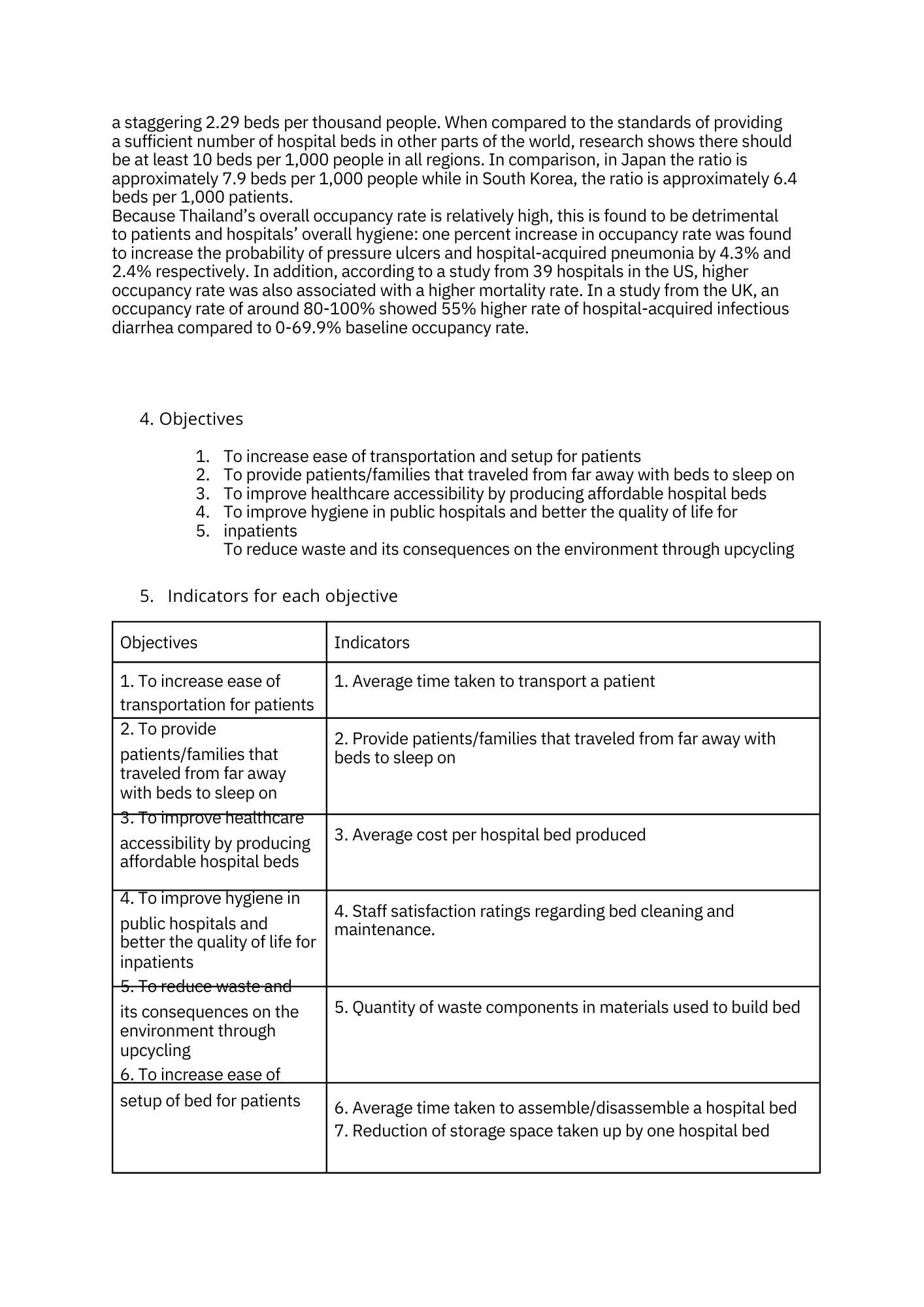
According to Migration Letters, presently, Thailand has a total number of beds 153, 927 and an overall occupancy rate of 102.2. This means that the ratio of beds to population stands at a staggering 2.29 beds per thousand people. When compared to the standards of providing a sufficient number of hospital beds in other parts of the world, research shows there should be at least 10 beds per 1,000 people in all regions. In comparison, in Japan the ratio is approximately 7.9 beds per 1,000 people while in South Korea, the ratio is approximately 6.4 beds per 1,000 patients.
Because Thailand’s overall occupancy rate is relatively high, this is found to be detrimental to patients and hospitals’ overall hygiene: one percent increase in occupancy rate was found to increase the probability of pressure ulcers and hospital-acquired pneumonia by 4.3% and 2.4% respectively. In addition, according to a study from 39 hospitals in the US, higher occupancy rate was also associated with a higher mortality rate. In a study from the UK, an occupancy rate of around 80-100% showed 55% higher rate of hospital-acquired infectious diarrhea compared to 0-69.9% baseline occupancy rate.
Find out more in the links below (proposal and our presentation)
Built With
- bambu
- canva
- procreate
- shaper3d

Log in or sign up for Devpost to join the conversation.