-
-
-
-
-
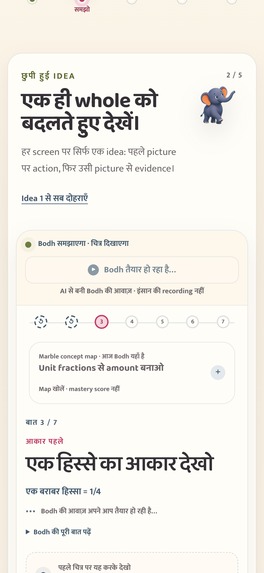
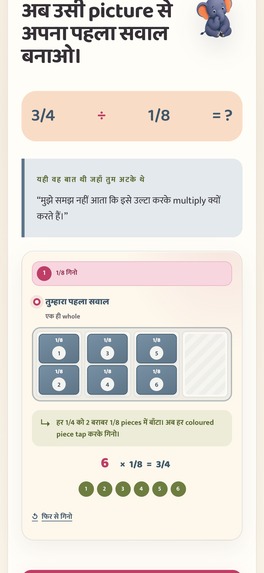
Letting the kid build the idea
-
-
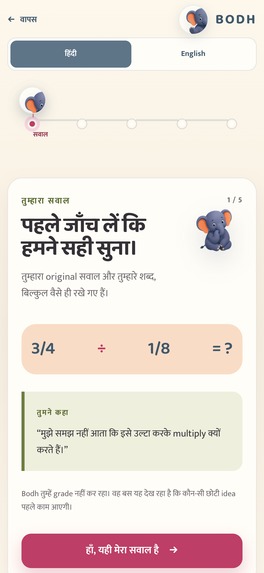
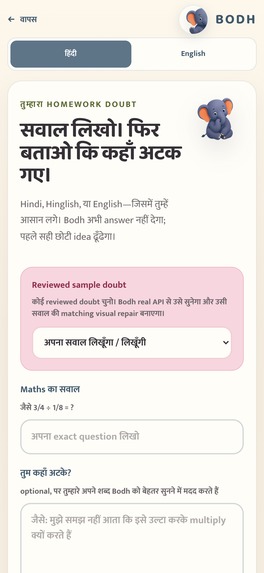
the listening phase
-
-
-
-
-
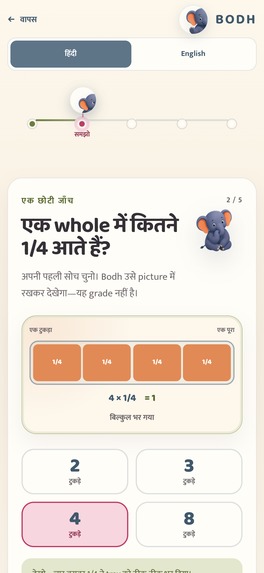
Checking where to start from
-
-
-
-
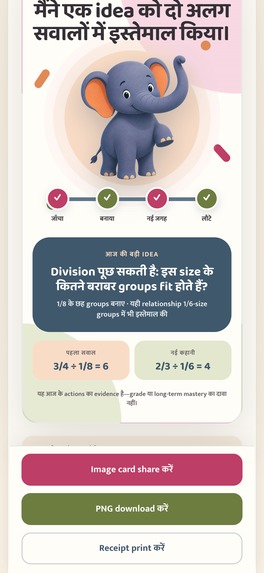
The child's reciept of knowledge
Inspiration
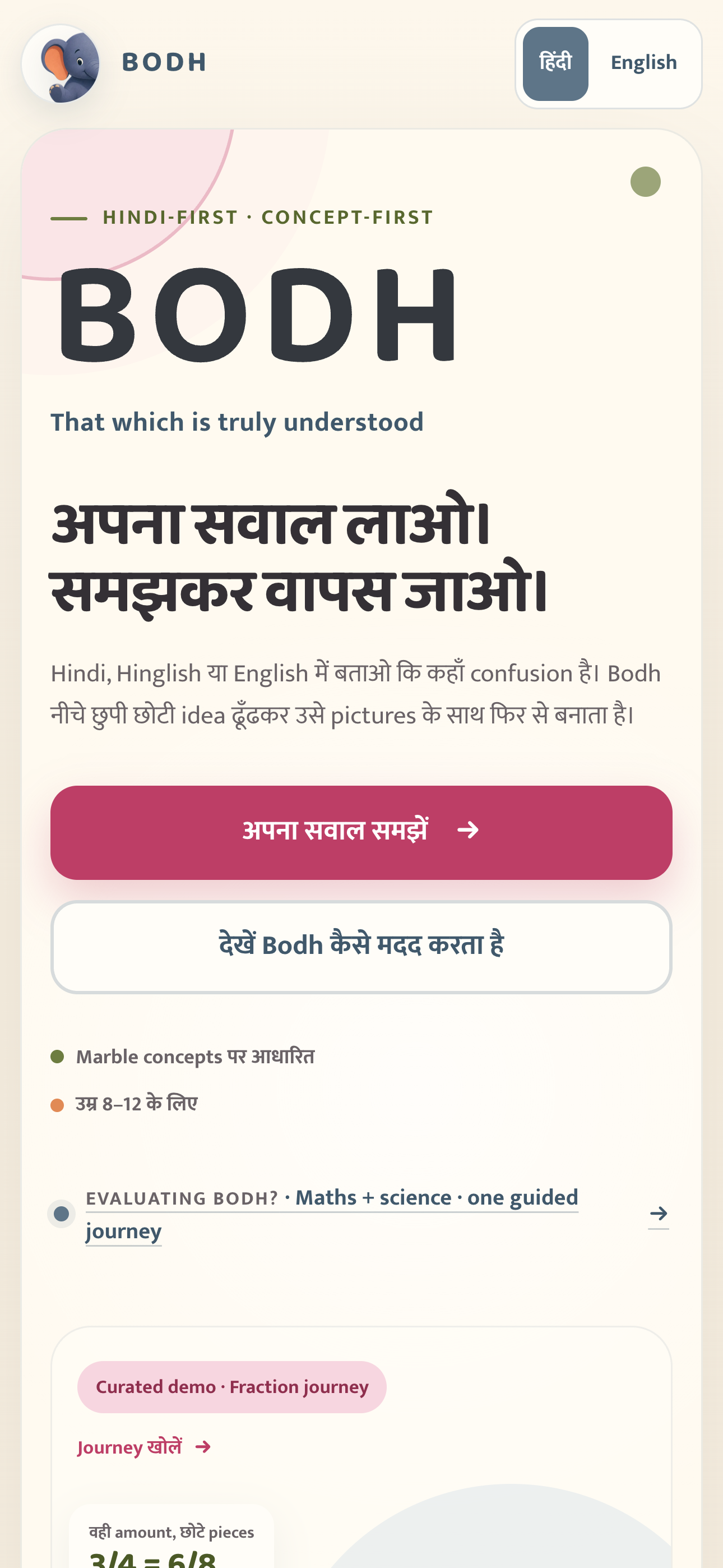
I am currently raising a baby girl who is 15 months and have always wondered how we can leverage the power of AI to enhance the future or education and understanding, so that she is able to learn and build her knowledge through doing and understanding, not just by mugging up solutions. This thought inspired me to look at building 'Bodh: that which is truly understood'
What it does
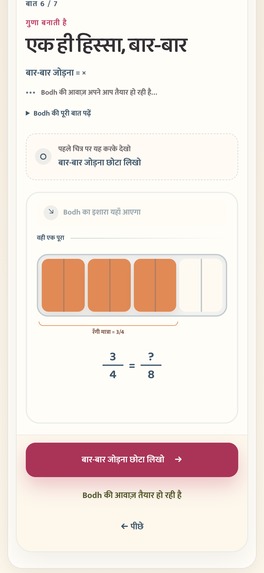
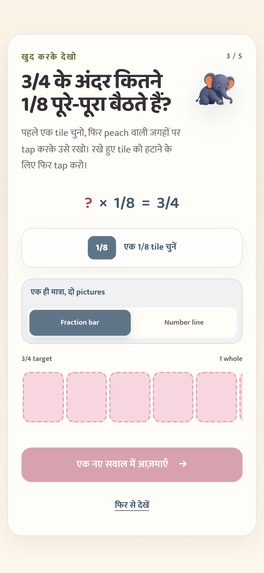
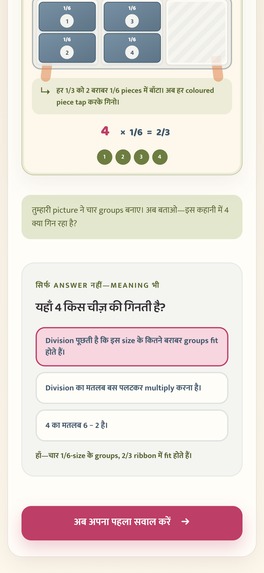
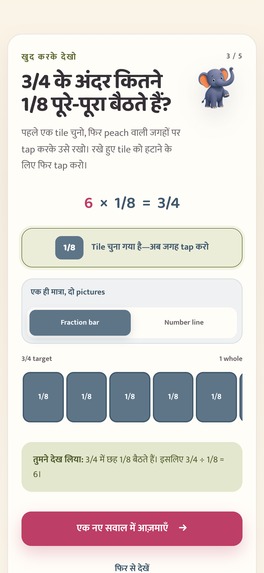
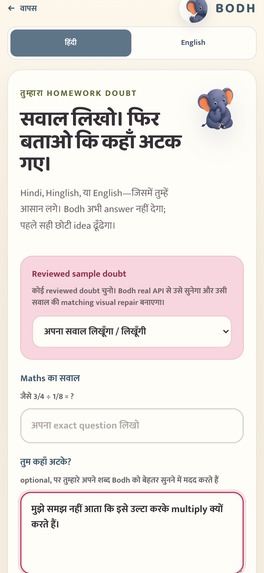
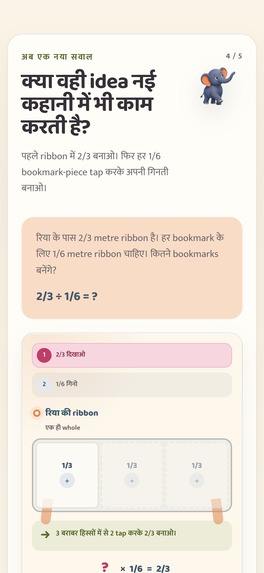
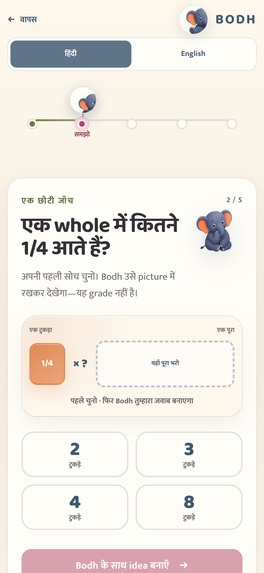
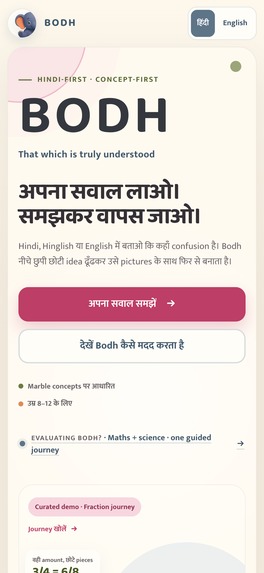
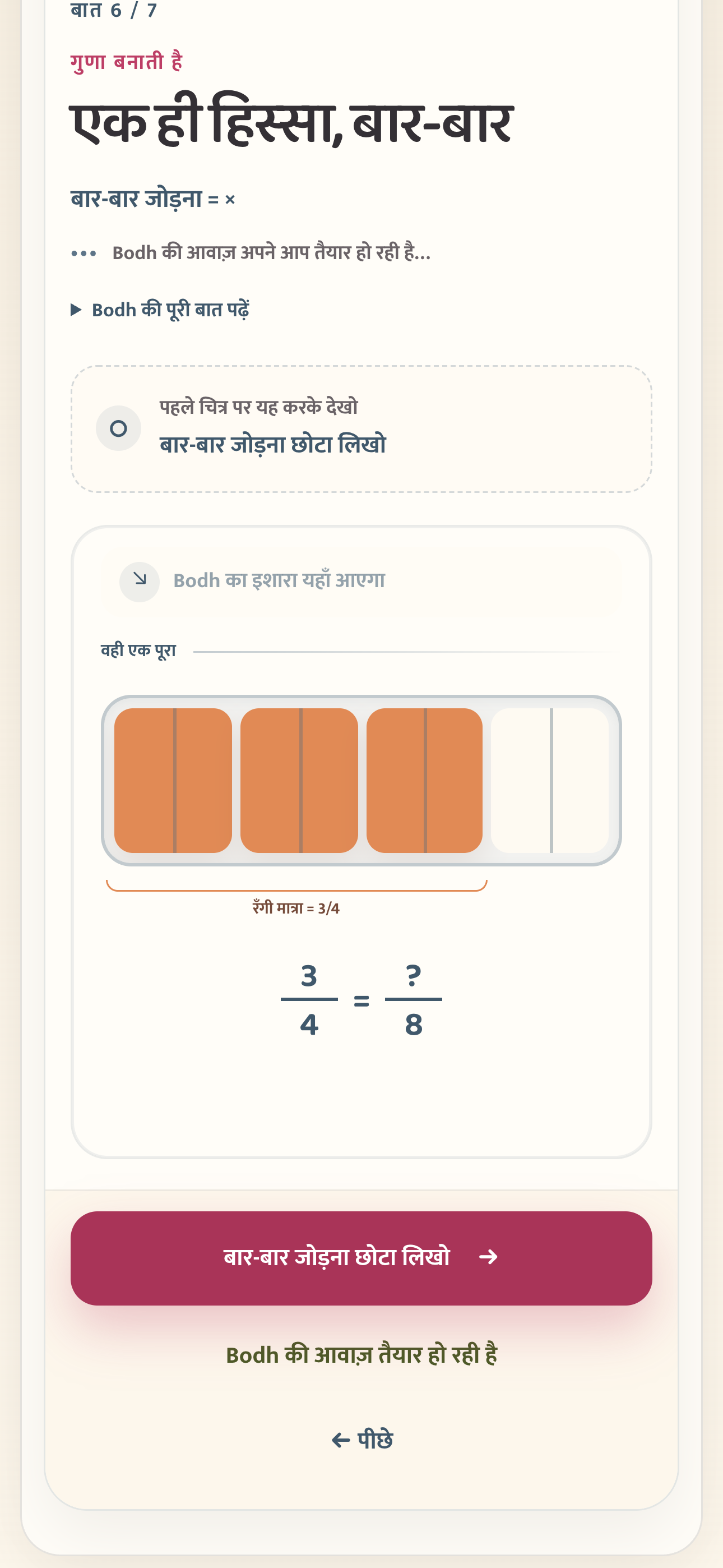
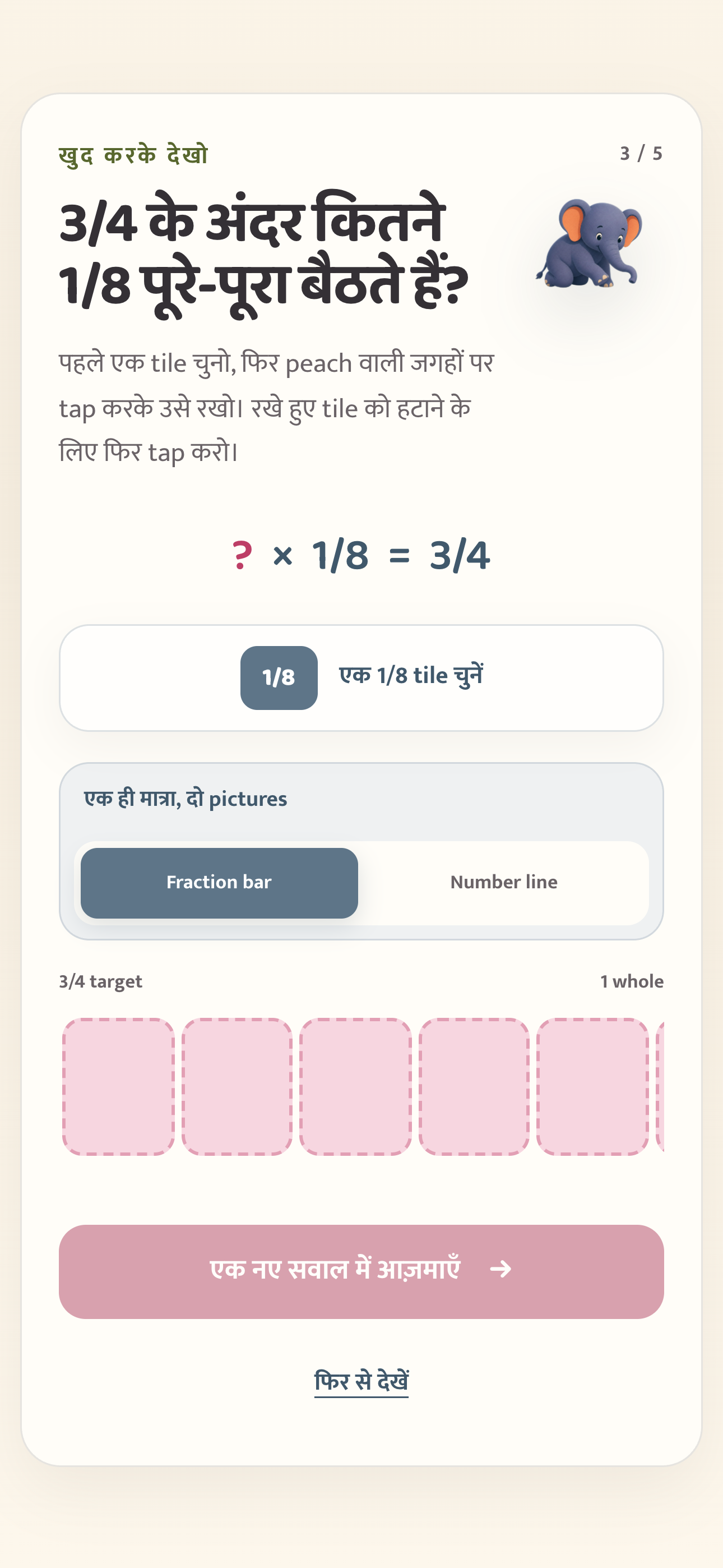
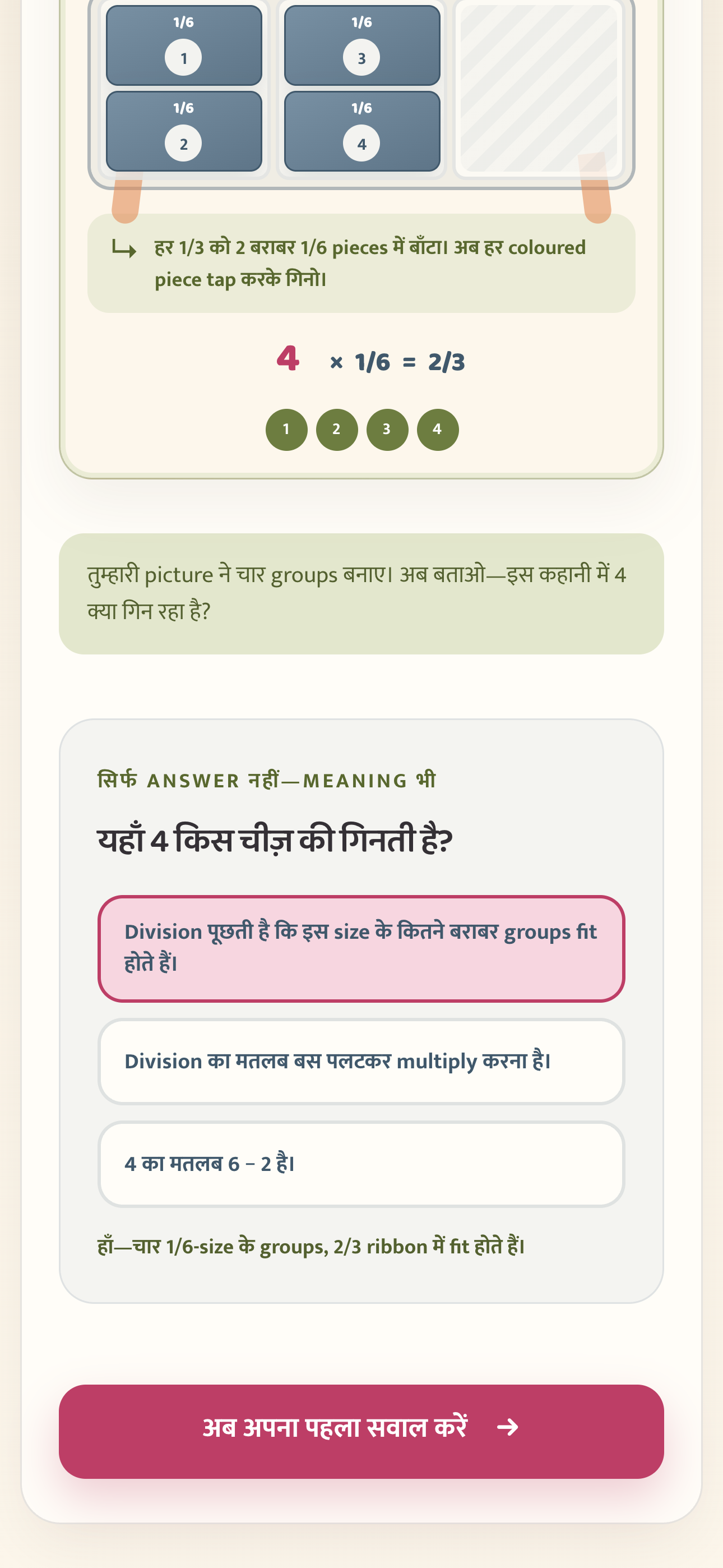
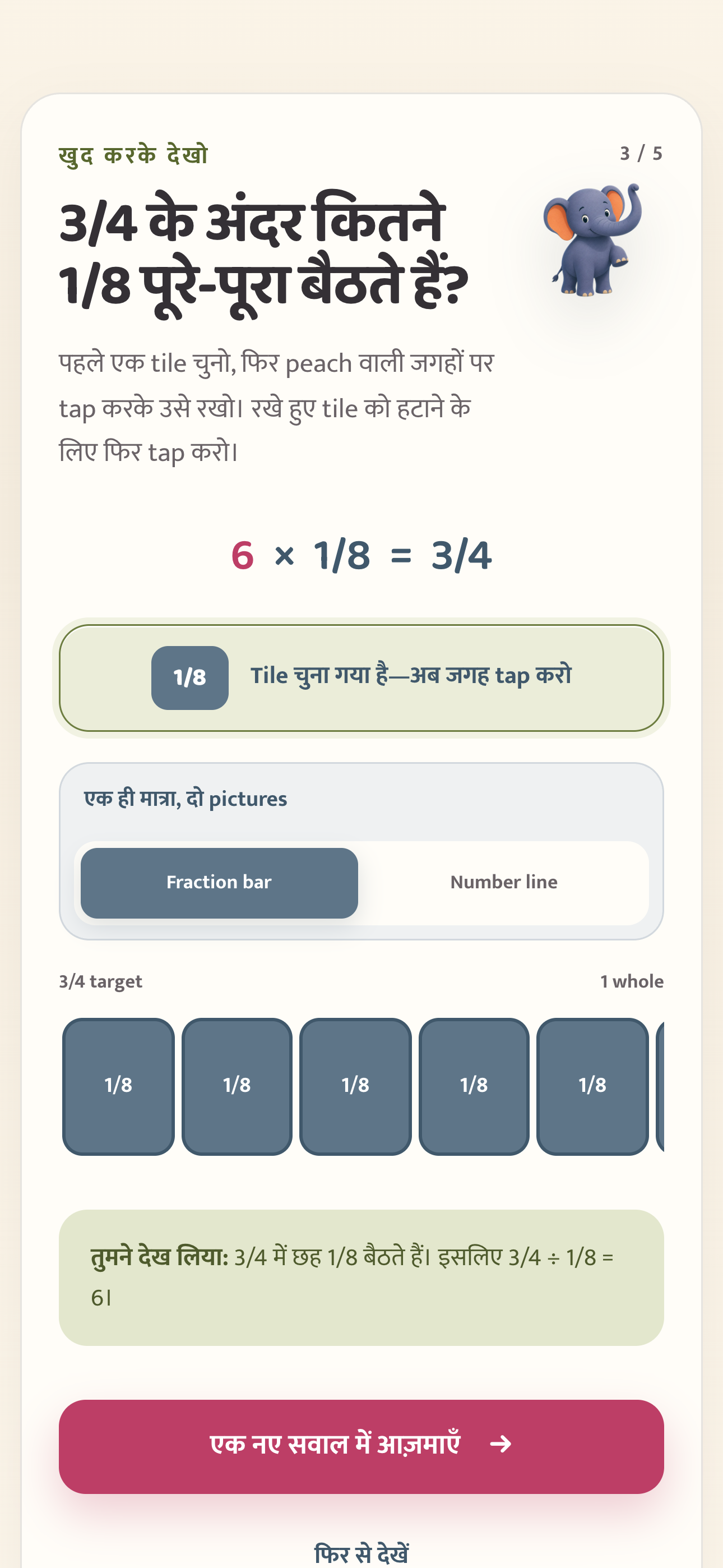
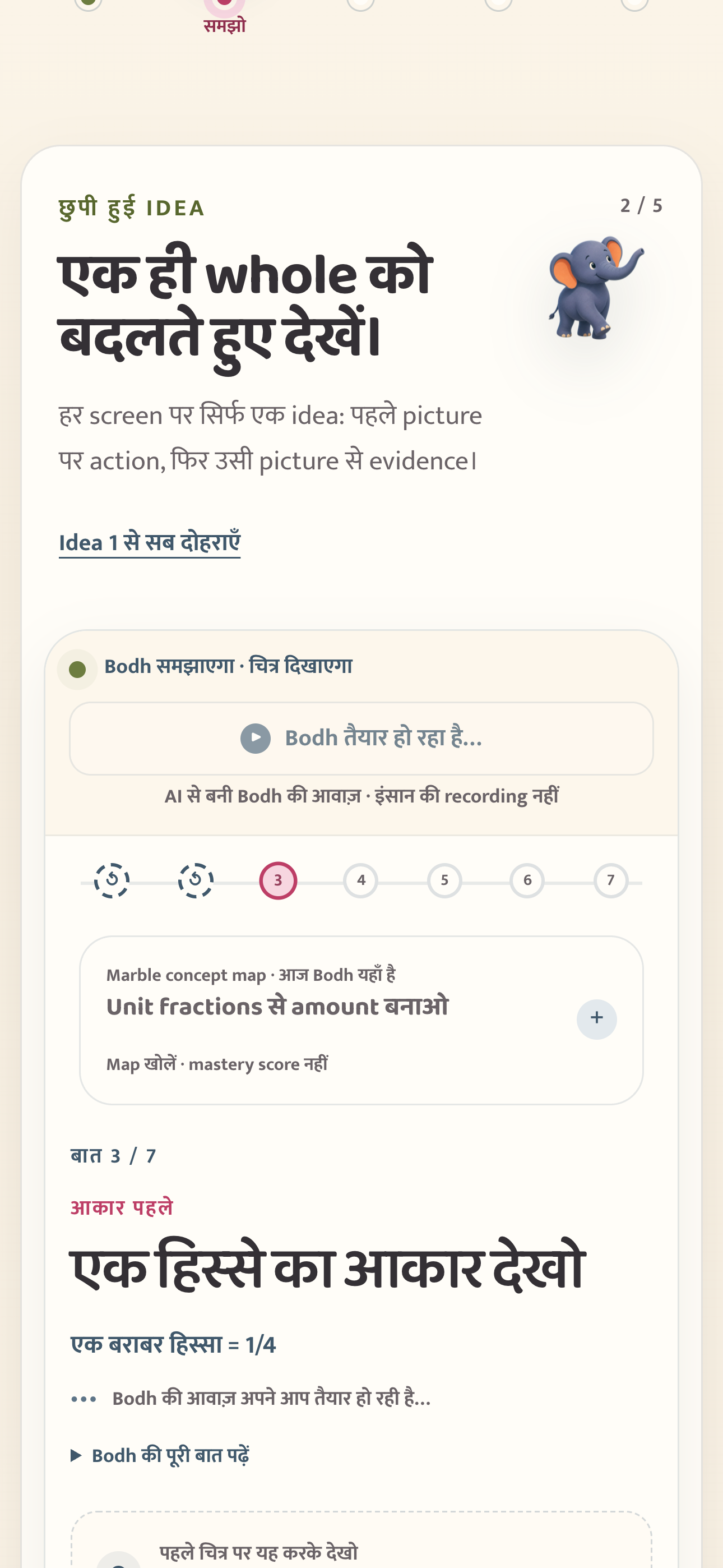
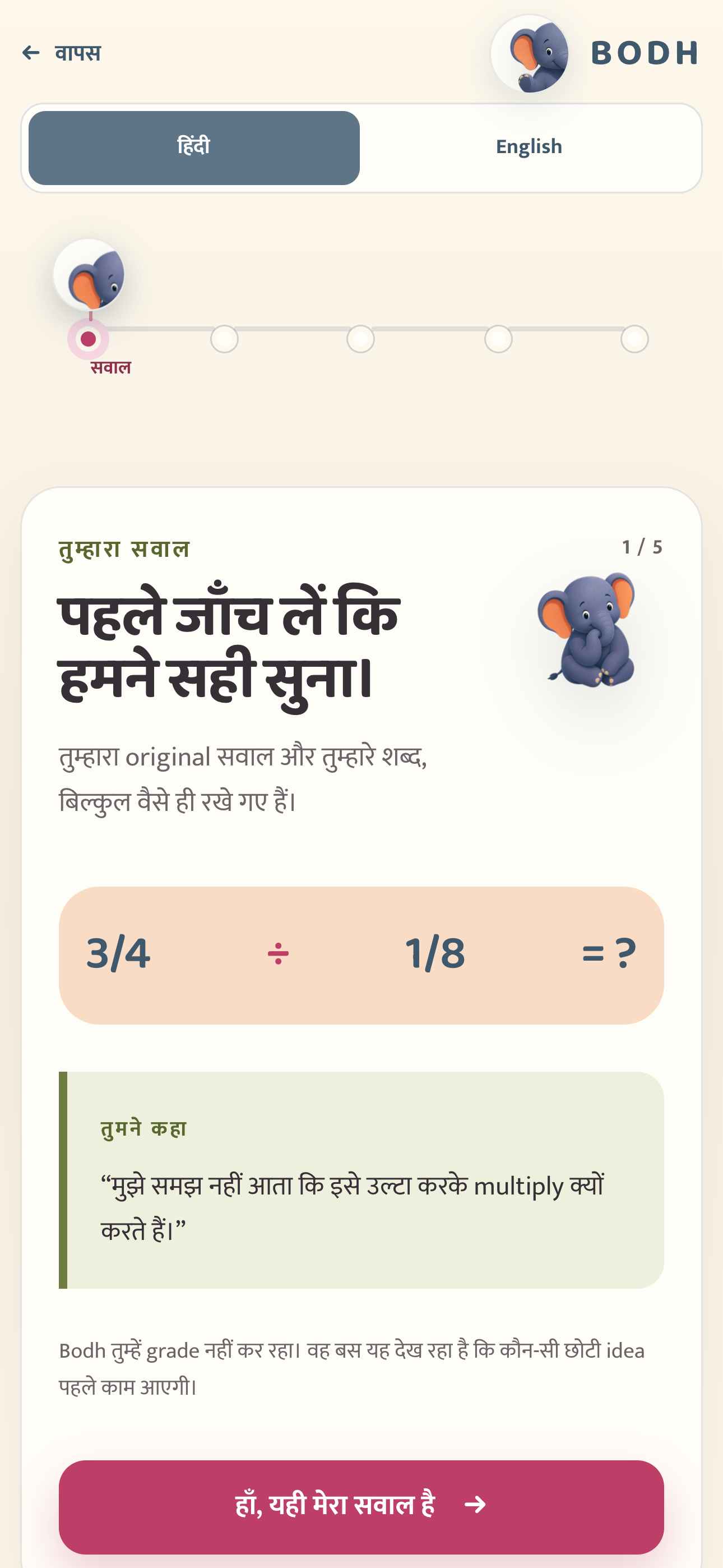
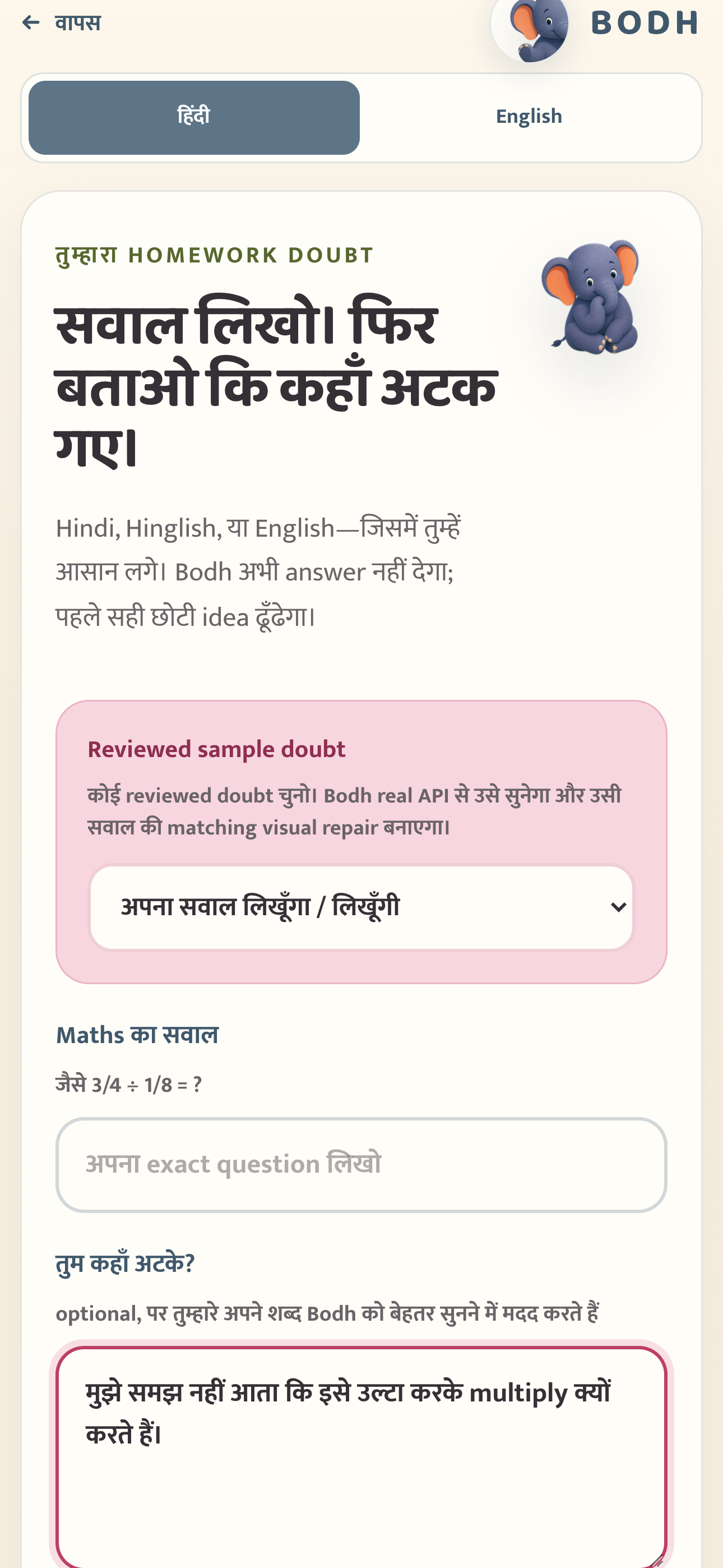
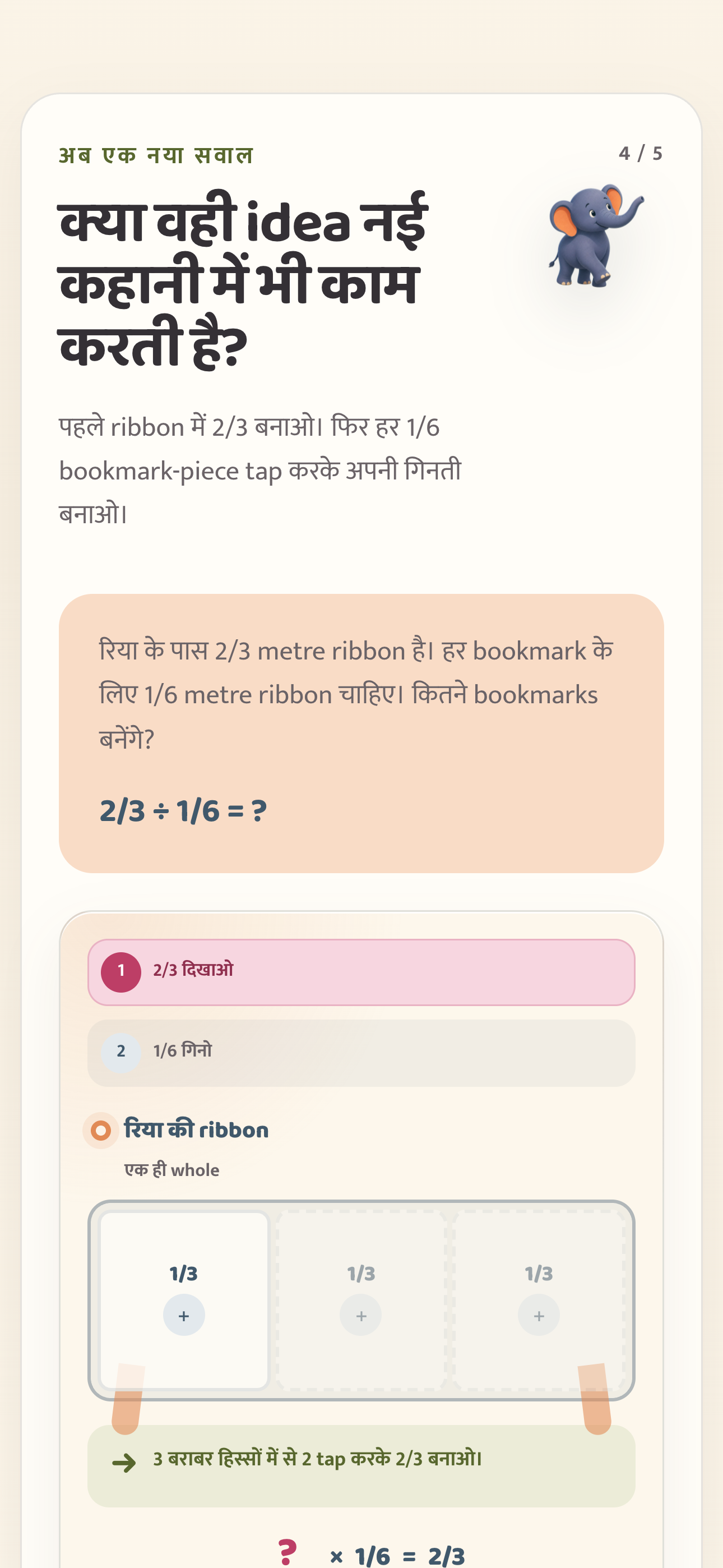
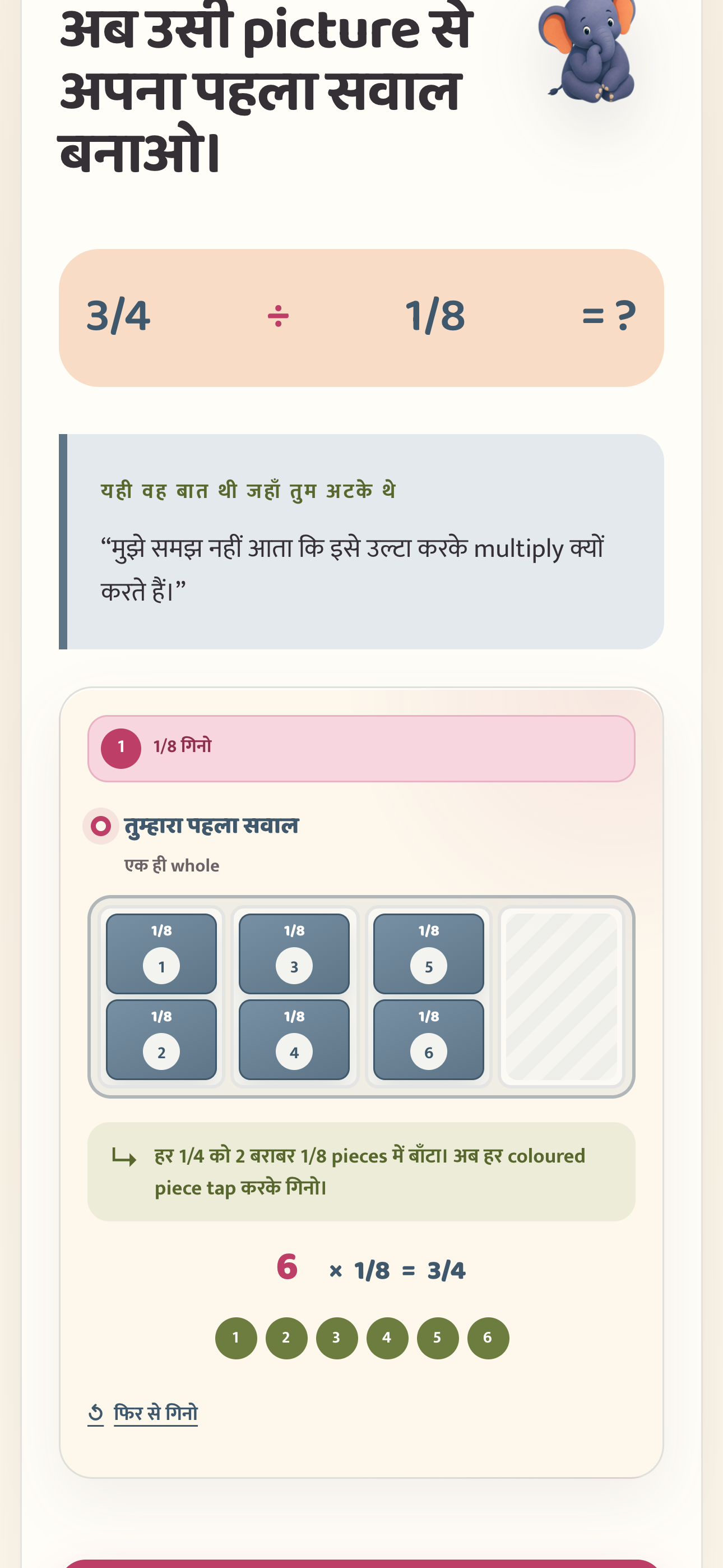
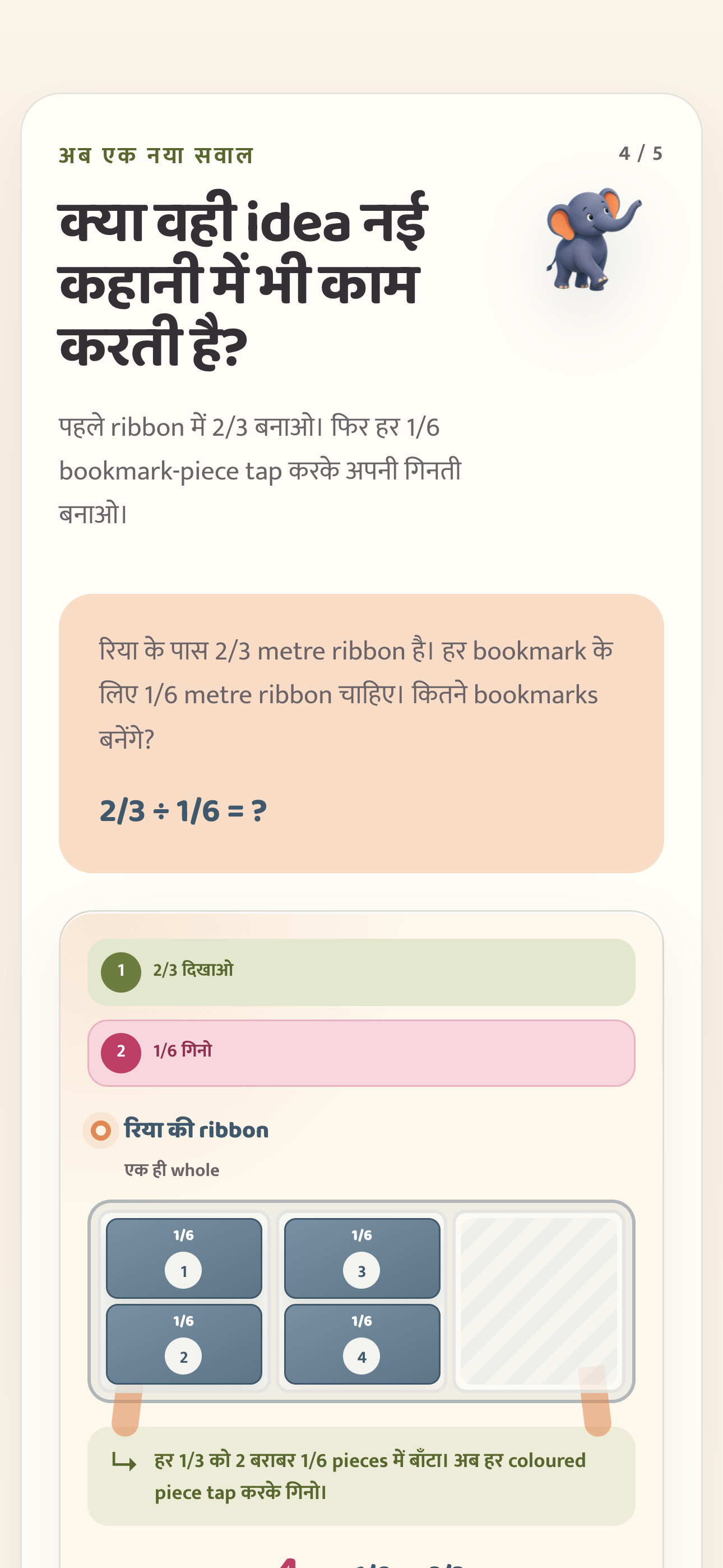
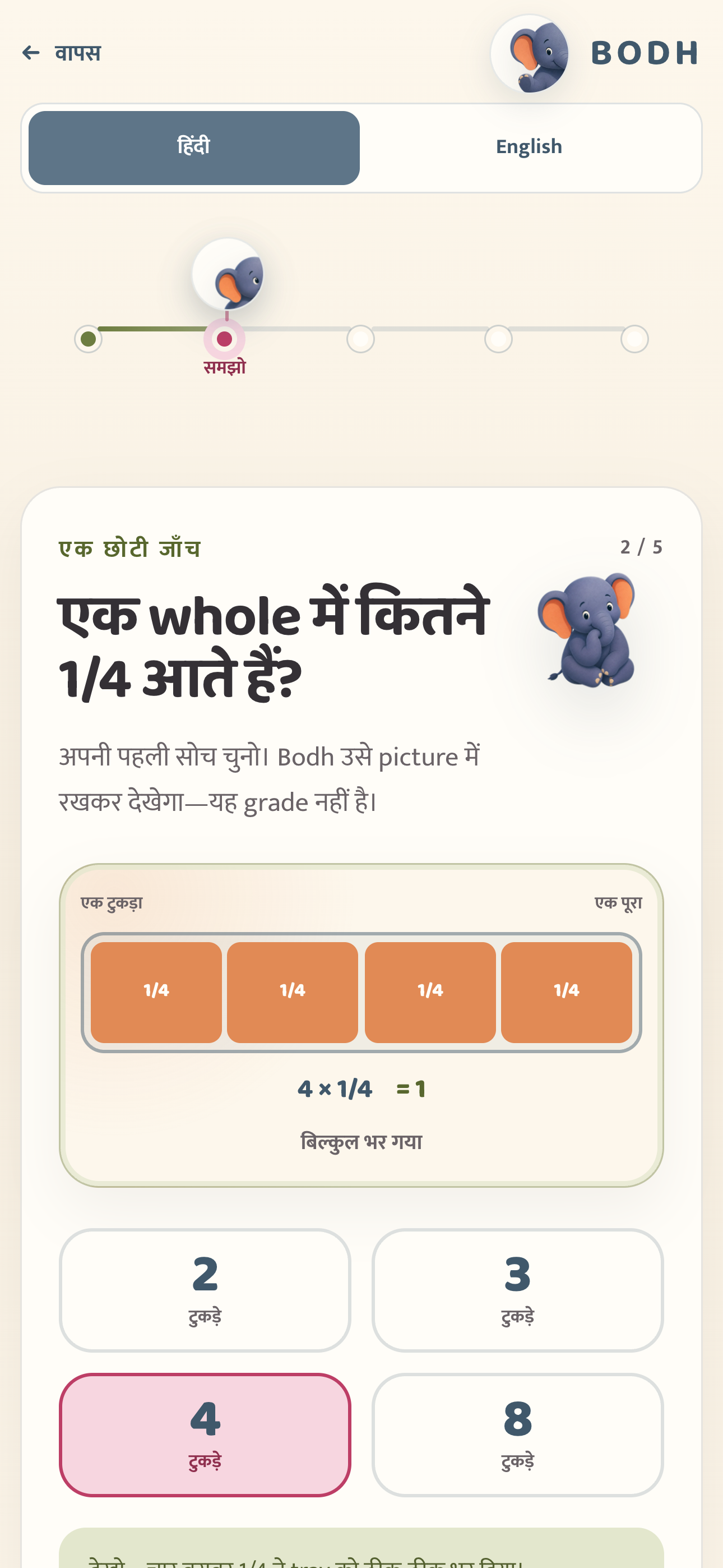
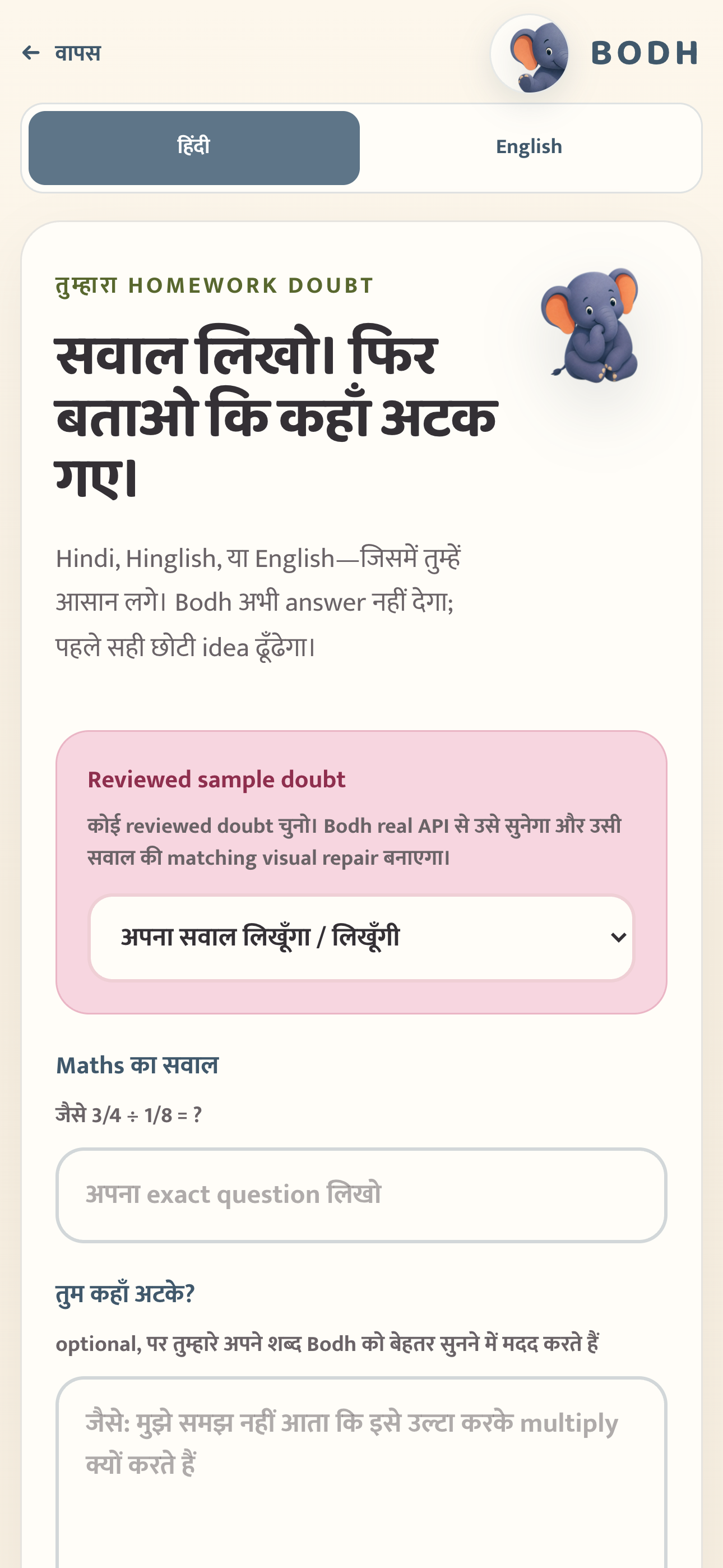
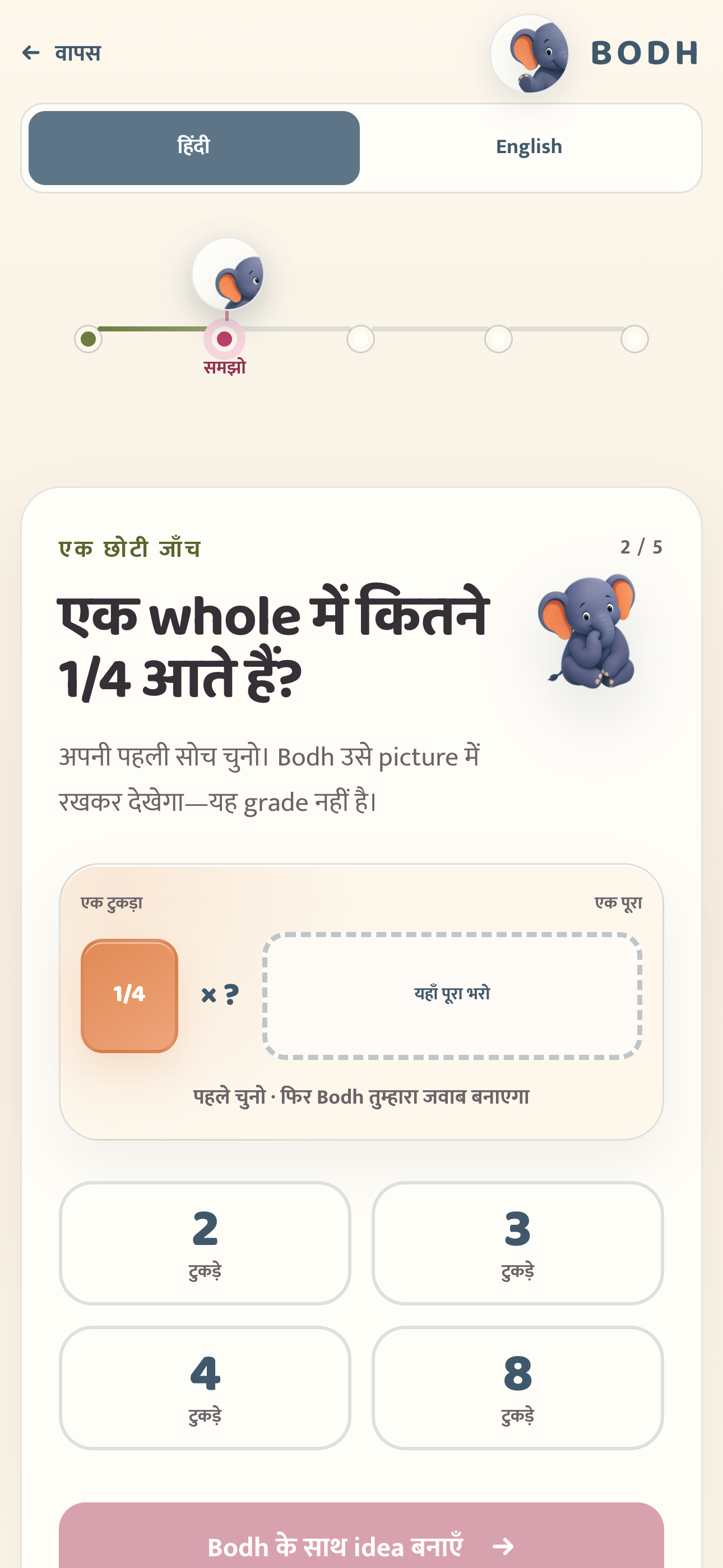
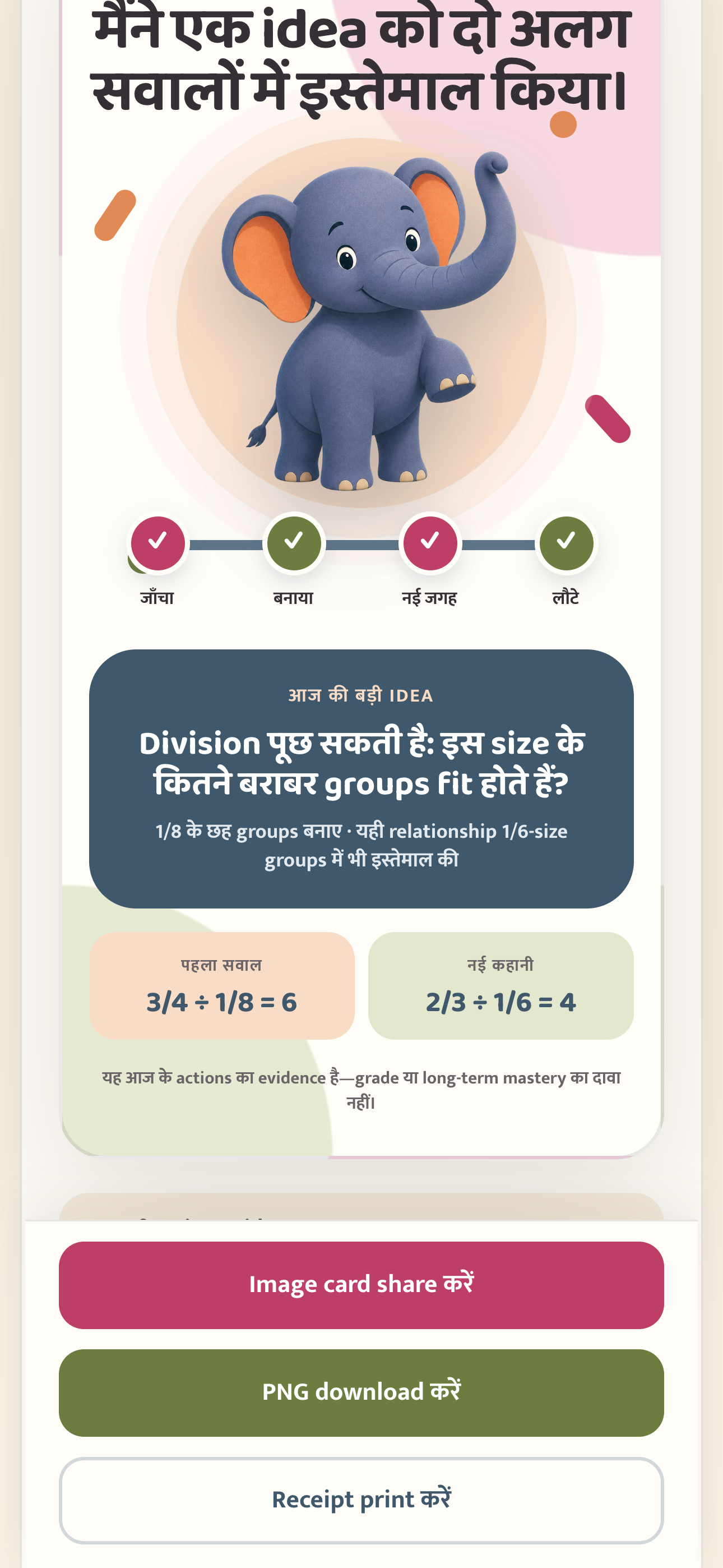
Bodh takes a child’s homework doubt through voice, text, or an image—in Hindi, Hinglish, or English—and pauses before giving an answer. It first asks one small clarifying question to identify the misconception underneath the doubt. Bodh then rebuilds that missing idea through simple visual artifacts, calm voice narration, and synchronized pointers that show exactly what is being explained. The child actively works through the concept, applies it to a fresh question, and finally returns to the original doubt. At the end, Bodh creates a visual learning receipt showing the journey the child completed. Our current demo proves this approach across two subjects: Fractions: understanding why 3/4 ÷ 1/8 means counting how many eighths fit inside three-fourths. Science: understanding where puddle water goes through evaporation, condensation, and rain. Bodh means “That which is truly understood.”
How we built it
We started with the learning journey, not the model. We broke each topic into small, ordered concepts using bounded slices of the open-source Marble Skill Taxonomy. This gave Bodh a real curriculum graph to follow instead of producing a generic AI explanation. The OpenAI Responses API handles the part that requires judgment: understanding the learner’s explanation, identifying a likely misconception, and selecting the smallest useful concept to begin with. Its output is restricted through a strict schema and validated against allowed curriculum IDs, learner evidence, mathematical notation, and answer-leakage rules. The actual teaching experience is deterministic and built in React. The model never generates the interface or controls the mathematical and scientific artifacts. We used: Next.js, React, and TypeScript for the application. Vinext and Cloudflare Workers for the edge deployment. Cloudflare D1 for privacy-minimised diagnostic traces and rate limiting. OpenAI Responses API for bounded misconception diagnosis. OpenAI Speech API for Bodh’s calm Hindi and Indian-English narration. Web Speech API for editable Hindi and English voice input. Canvas for creating downloadable and shareable learning receipts. Marble Skill Taxonomy for curriculum grounding and prerequisite pathways. Every important journey also has a reviewed fallback, so the child can continue learning even when a live API request fails.
Challenges we ran into
The hardest challenge was stopping Bodh from becoming another homework-answering chatbot. It was tempting to give a polished explanation immediately, but that often teaches the wrong thing. We had to design a probe-first system that listens for the precise bottleneck before choosing what to teach. Language was another major challenge. Translation alone was not enough. Hindi and Hinglish explanations had to remain natural, age-appropriate, and conceptually consistent with the English version. We also had to prevent narration from silently switching voices or languages when an API or browser voice failed. The visual experience brought its own complexity. Bodh, the arrows, the text, and the learning artifact all needed their own space across desktop and mobile. A friendly mascot quickly becomes distracting if it covers the lesson, so we repeatedly refined responsive layouts and made Bodh part of the journey structure itself. We also had to balance live AI with demo reliability. The final system performs a real bounded API call but can transparently continue through a reviewed route without pretending that a fallback was live. Finally, expanding from fractions to evaporation forced us to prove that we had built a transferable learning method—not simply a well-designed maths solver. Accomplishments that we're proud of We are most proud that Bodh now feels like one coherent mentor across mathematics and science. The same learning grammar travels across both subjects: listen → probe → rebuild visually → practise → transfer → return We created a child-friendly interface that feels playful without becoming noisy or childish. Bodh remains gentle throughout the journey and changes roles naturally—from Listener, to Pathfinder, to Gentle Tinkerer. We are also proud of the rigor behind the demo: Nine reviewed selectable doubts across mathematics and science. A complete Hindi and English learner experience. Voice, text, and image-based doubt intake. One real OpenAI diagnosis inside the guided judge journey. Clearly labelled and subject-correct fallbacks. Seven atomic fraction concepts and five atomic water-cycle concepts. Visual transfer exercises instead of direct-answer text fields. A deterministic, shareable evidence receipt. 32/32 recorded synthetic diagnostic and safety evaluations. 8/8 frozen holdout evaluations. 115/115 automated product checks passing. Most importantly, the child does not leave with only an answer. They leave with a mental model they can use again.
What we learned
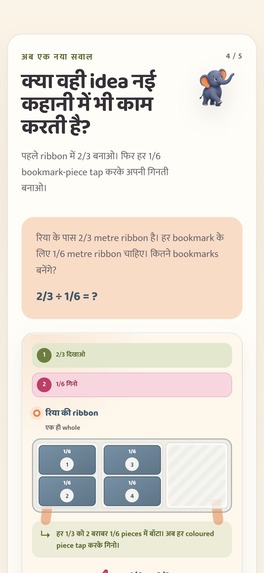
We learned that the most valuable role for AI in education may not be answering the question. It may be finding the smaller misunderstanding that caused the question. We also learned that “multilingual learning” cannot stop at translating words. The explanation, pacing, examples, visual pointers, and emotional tone must all work together in the learner’s chosen language. Another important lesson was to separate intelligence from correctness. We use the model where interpretation and expression are valuable, but deterministic code controls the learning artifacts, equations, pathways, exercises, and receipts. We learned that transfer is a much stronger signal than completion. Clicking “next” only proves that the child reached another screen. Solving a fresh visual problem shows that the idea may actually be travelling. Finally, we saw how valuable a mascot can be when it has a real purpose. Bodh is not decoration. The elephant provides emotional continuity while the child moves through uncertainty, discovery, experimentation, and finally understanding.
What's next for Bodh
The next step is to let children bring more of their own real doubts while keeping the same bounded, curriculum-grounded experience. We want to: Expand carefully into more maths, science, and geography pathways. Use more of the Marble curriculum graph to create adaptive prerequisite journeys. Build a dedicated pedagogy evaluation set alongside the existing diagnostic evaluations. Test Bodh with children, teachers, and parents in real learning environments. Improve voice and homework-image understanding across noisy, real-world conditions. Add more visual representations for the same concept, allowing children to discover which one works best for them. Explore parent and teacher views that show learning evidence without exposing a child’s raw conversations. Add more Indian languages only after the Hindi and English experience is genuinely strong. Make key journeys more accessible and usable in low-bandwidth environments. Our long-term ambition is simple: a child should be able to bring any genuine doubt, in the language they think in, and leave without having to face the same conceptual bottleneck again.
Built With
- cloudflare
- next.js
- openai
- react
- typescript
- vinext


Log in or sign up for Devpost to join the conversation.