Inspiration
Students revise by rereading, which feels productive but tests recognition rather than recall. Chatbots can quiz them, but their feedback often can’t be traced to the course material.
What it does
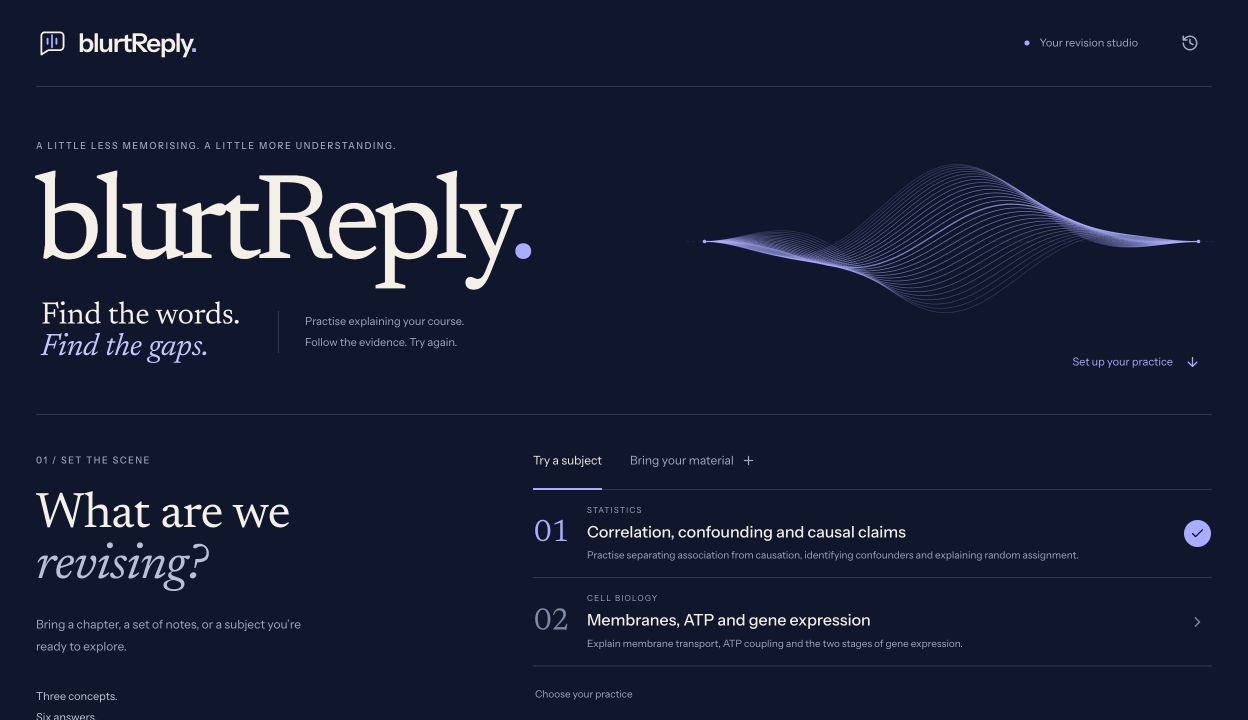
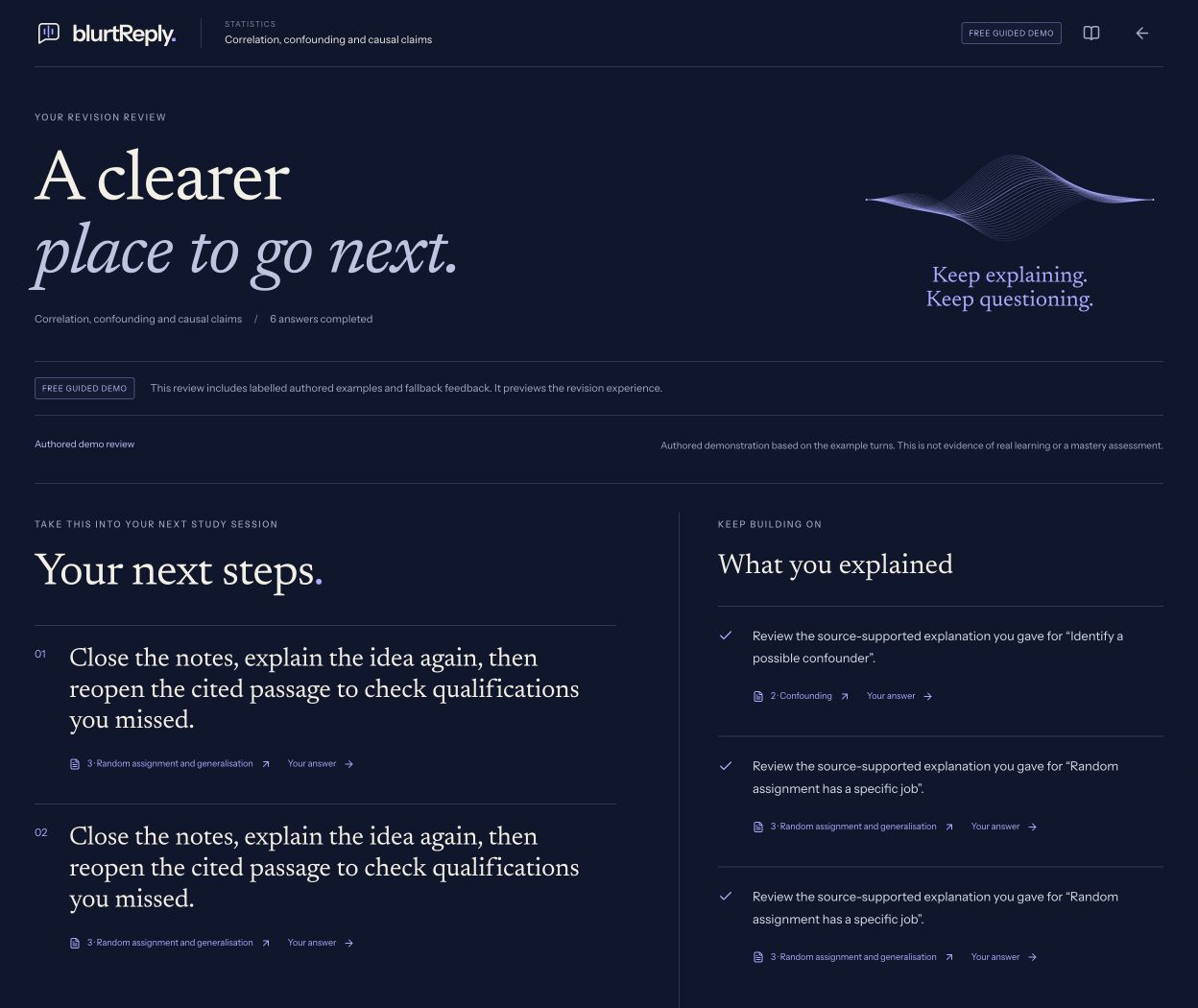
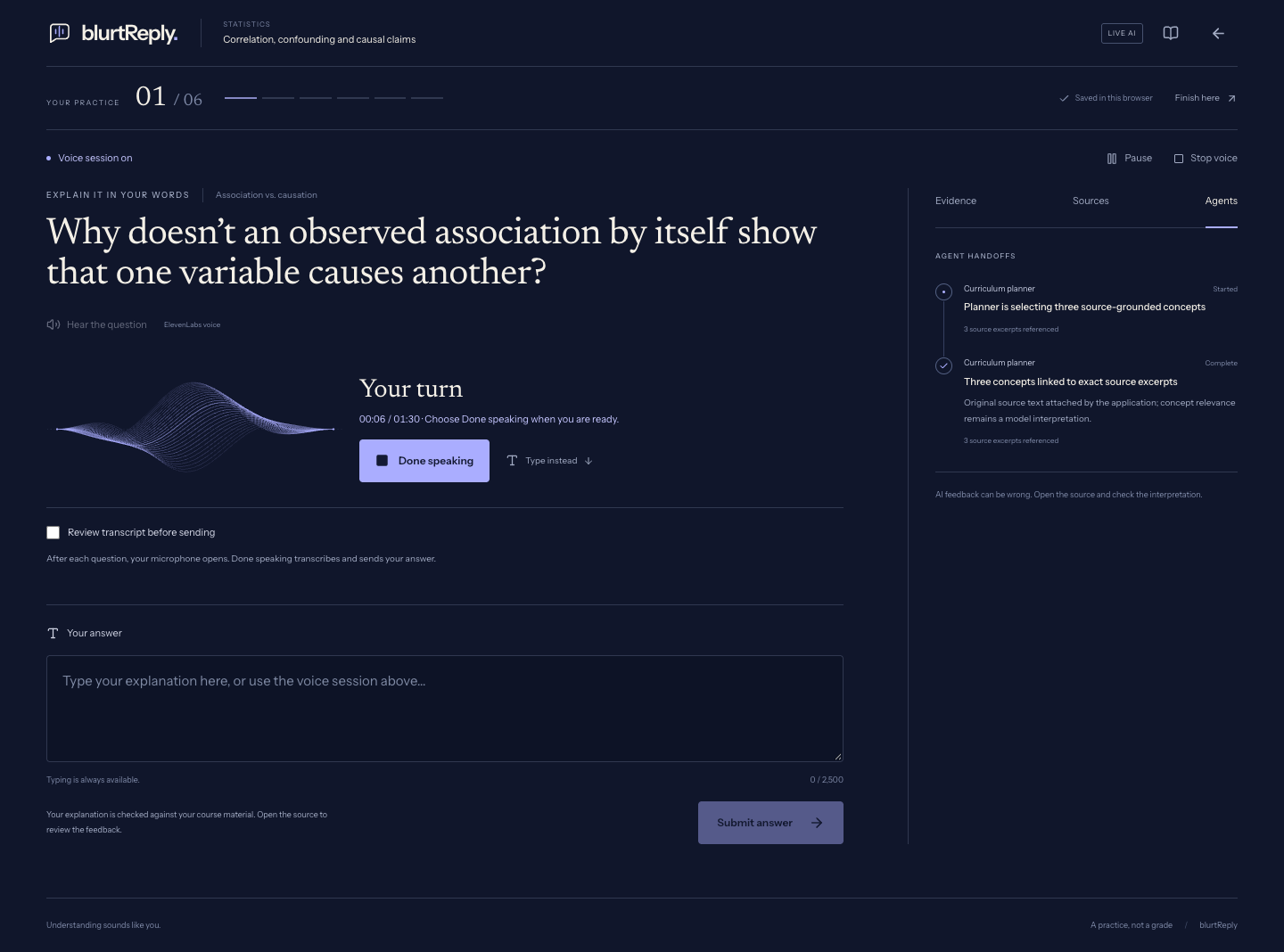
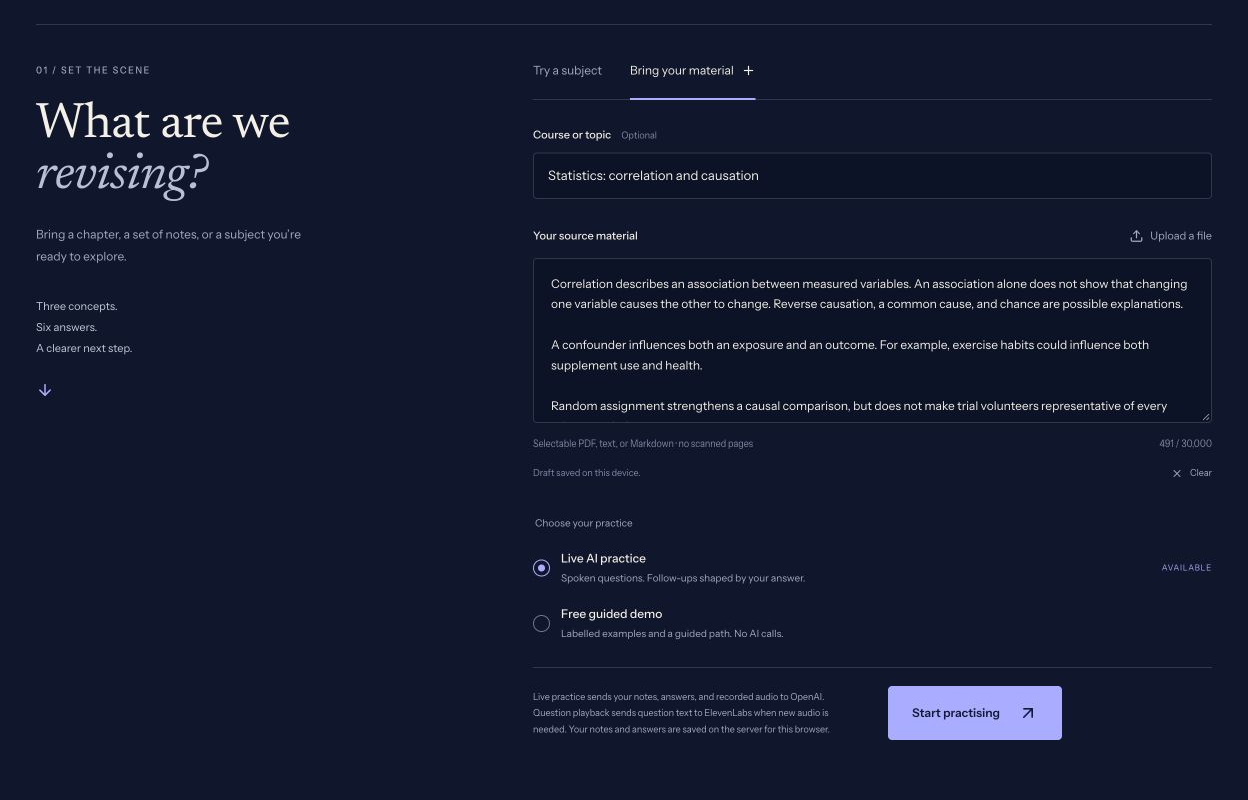
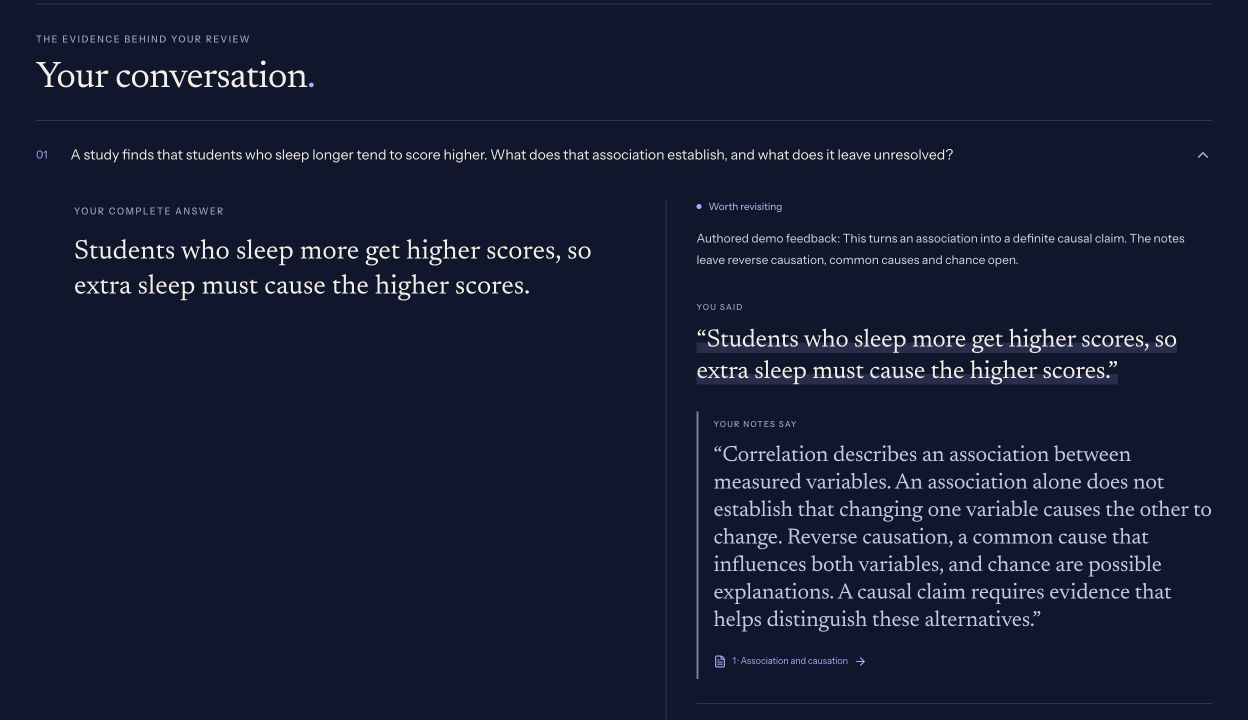
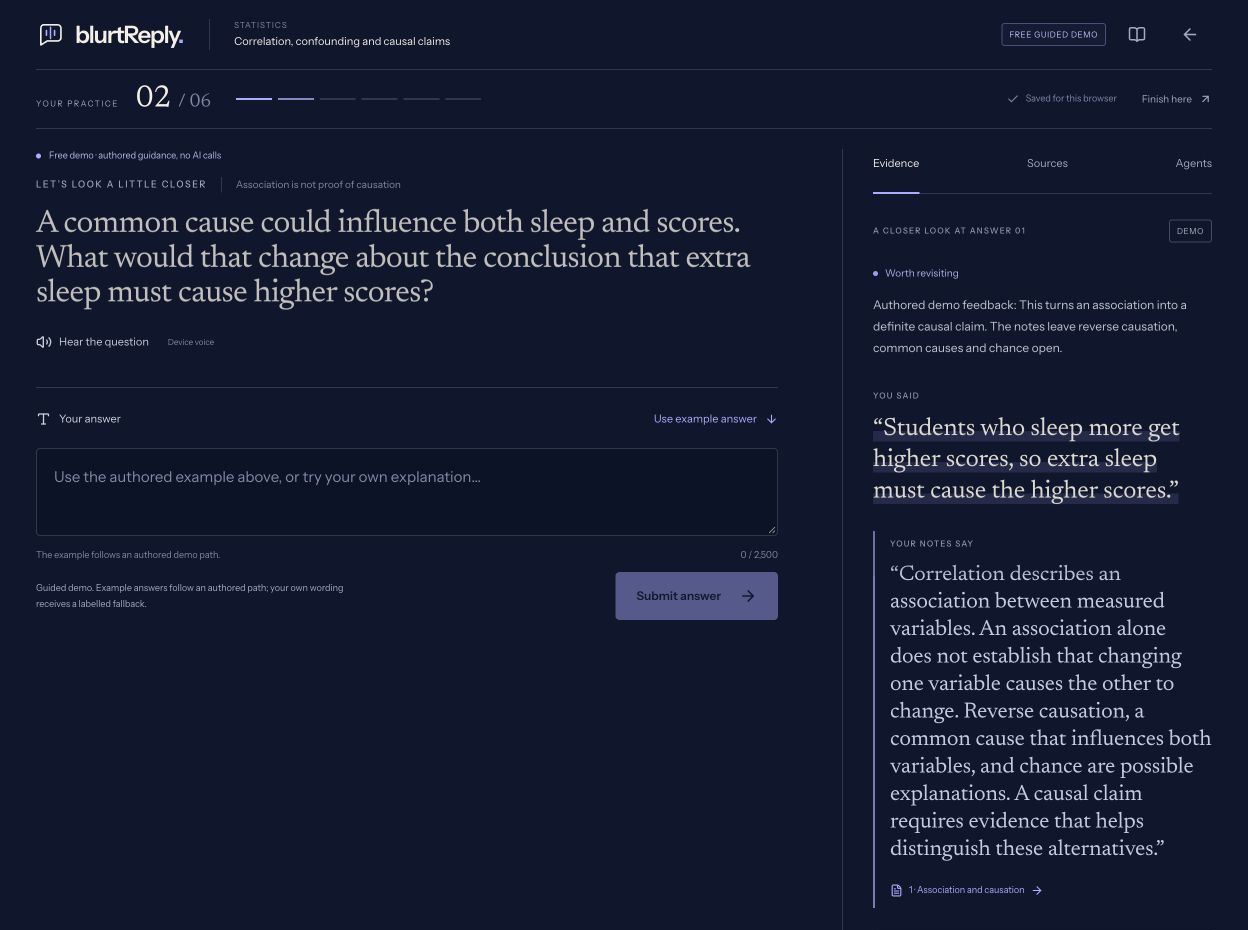
You upload notes (PDF, TXT, Markdown) or pick a sample subject. A short oral revision session follows: three concepts, an opening question and a follow-up for each. The examiner speaks through ElevenLabs, you answer by voice, and you get feedback linked to what you said and to the passage in your notes that supports it. A final review lists strengths, things to revisit and next actions, each linked to an answer and a source.
How it works
Four agents with separate jobs, with server code controlling the handoffs:
A curriculum planner picks the concepts. An examiner uses real OpenAI function calling (read_source, search_notes) to retrieve evidence before it proposes feedback. An evidence checker can accept, soften or veto that proposal. A revision coach builds the plan only from answers that passed the checks.
ElevenLabs voices the questions, and OpenAI transcribes the answers.
Challenges we ran into
Keeping feedback honest was the hardest part. A single model call will happily judge an answer it never checked against the notes. We split the work across four agents and added an evidence checker that can soften or veto the examiner’s proposal. Code also verifies that quoted text matches the saved answer and the source. Voice made it harder: we had to handle microphone timing, failed transcriptions and browsers that background the page, so the session pauses safely and typed answers always work. PDFs were messy too. We extract selectable text only, so we flag pages with no readable text instead of pretending to understand diagrams or scans.
Accomplishments that we're proud of
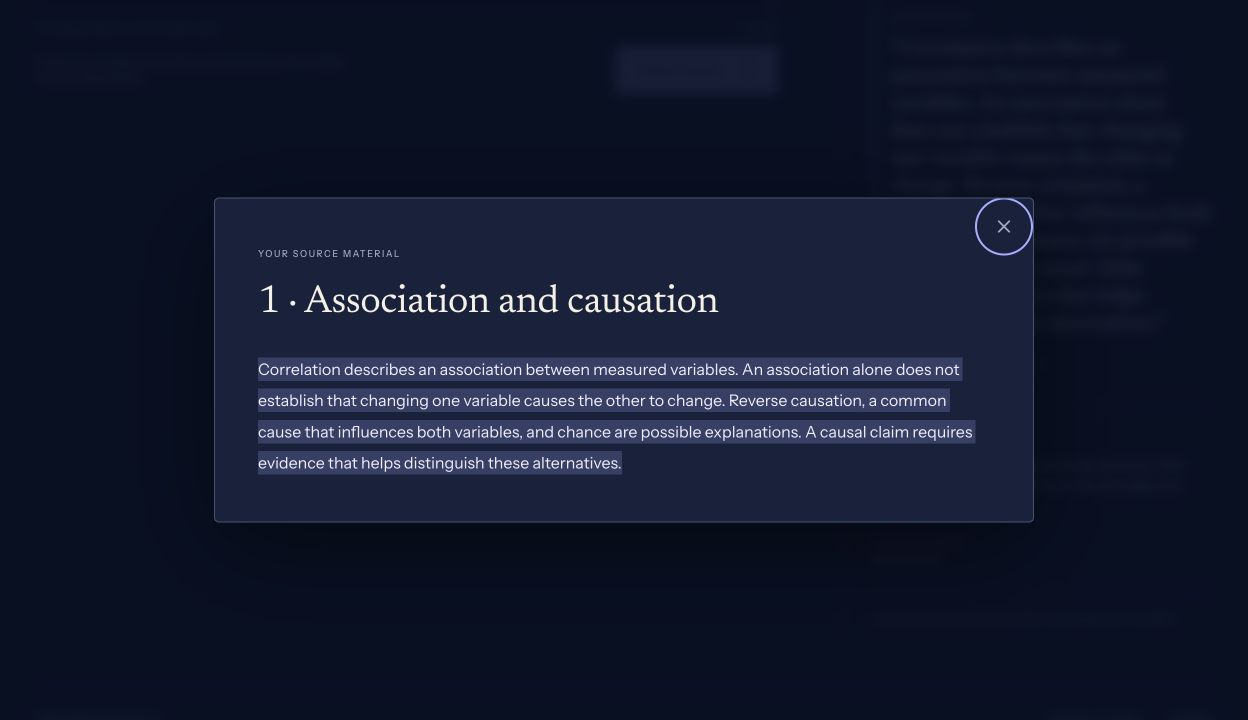
A full spoken learning loop: question, recorded answer, transcription, evidence-checked feedback, and the next question. Real tool use. The examiner chooses between read_source and search_notes, and our server runs the lookup, so the feedback is tied to your own material. A checker that can change what the student sees, and an Agents tab that shows the actual handoffs, including steps that failed. Every point in the final review links back to a real answer and a source passage. Recovery and accessibility: transcript review, device-voice fallback, keyboard controls, reading mode and reduced motion.
What we learned
Grounding matters more than fluency: students trust feedback more when they can see their own words beside the passage that supports it. Narrow agents with separate jobs, and application code controlling the sequence, were easier to debug and trust than one all-purpose agent. We also learned to label limits honestly, such as revision guidance rather than grades, and clearly marked fallbacks.
What's next for blurtReply.
Automatic end-of-speech detection, so you don’t have to press Done speaking. Support for scanned pages and diagrams, and a knowledge graph linking concepts across a course. A lecturer view that shows which concepts a class struggles with, from anonymised sessions. A stronger check on the evidence checker itself, plus testing with real students. Workflow automation, for example n8n digests of weekly revision progress, which isn’t built yet.
Built With
- elevenlabs-text-to-speech
- function-calling
- openai-(agents
- sqlite
- transcription)
