About the Project
The idea behind BlueVector started on a sunny day in Boston, watching the sailboats use the wind to their advantage. We wondered, could container ships do the same?
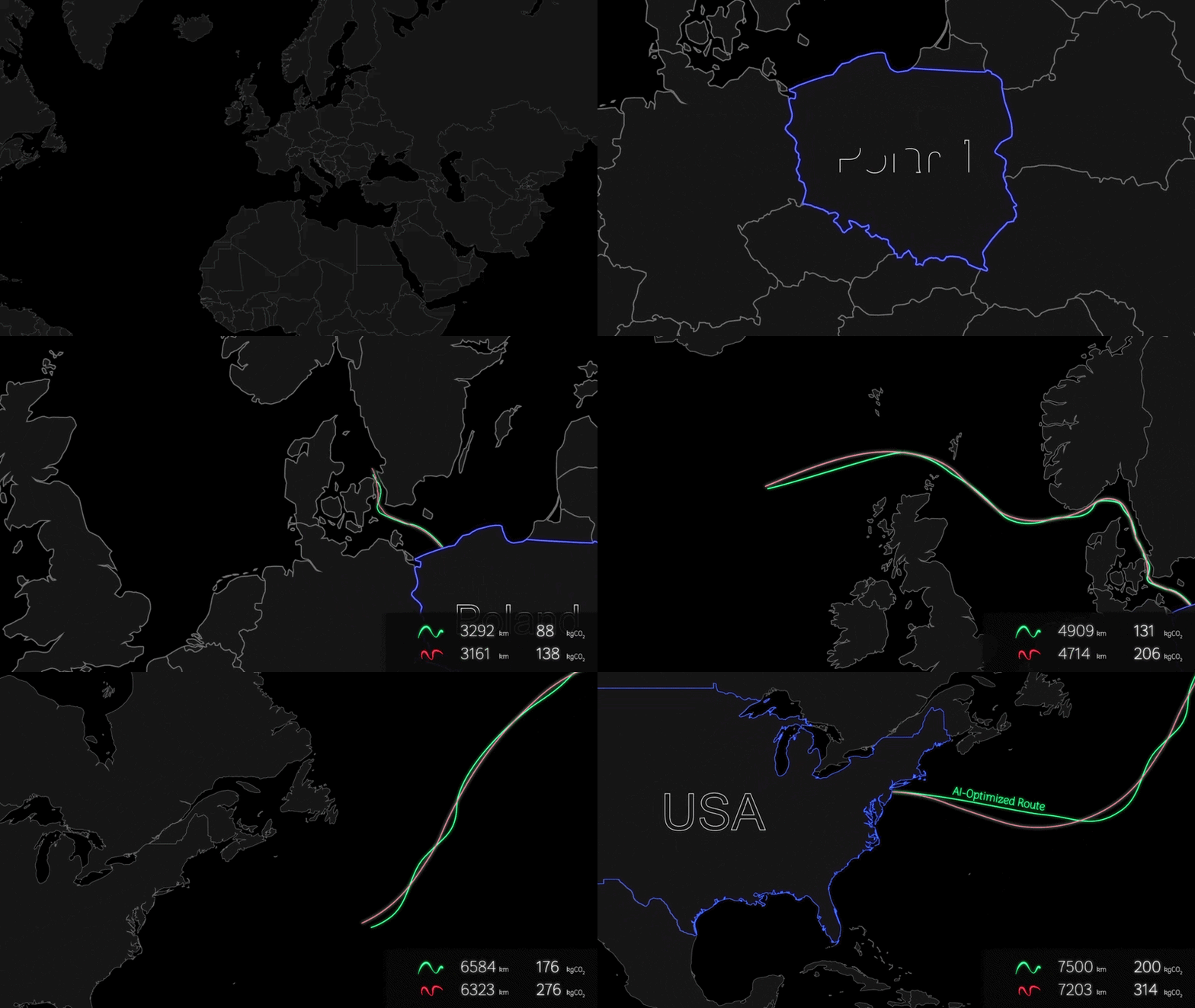
Global shipping is essential, but it burns huge amounts of fuel and produces major emissions. Instead of treating the ocean as an obstacle, we wondered whether wind, waves, and real-time conditions could actually help guide ships more efficiently. That idea became the foundation of BlueVector.
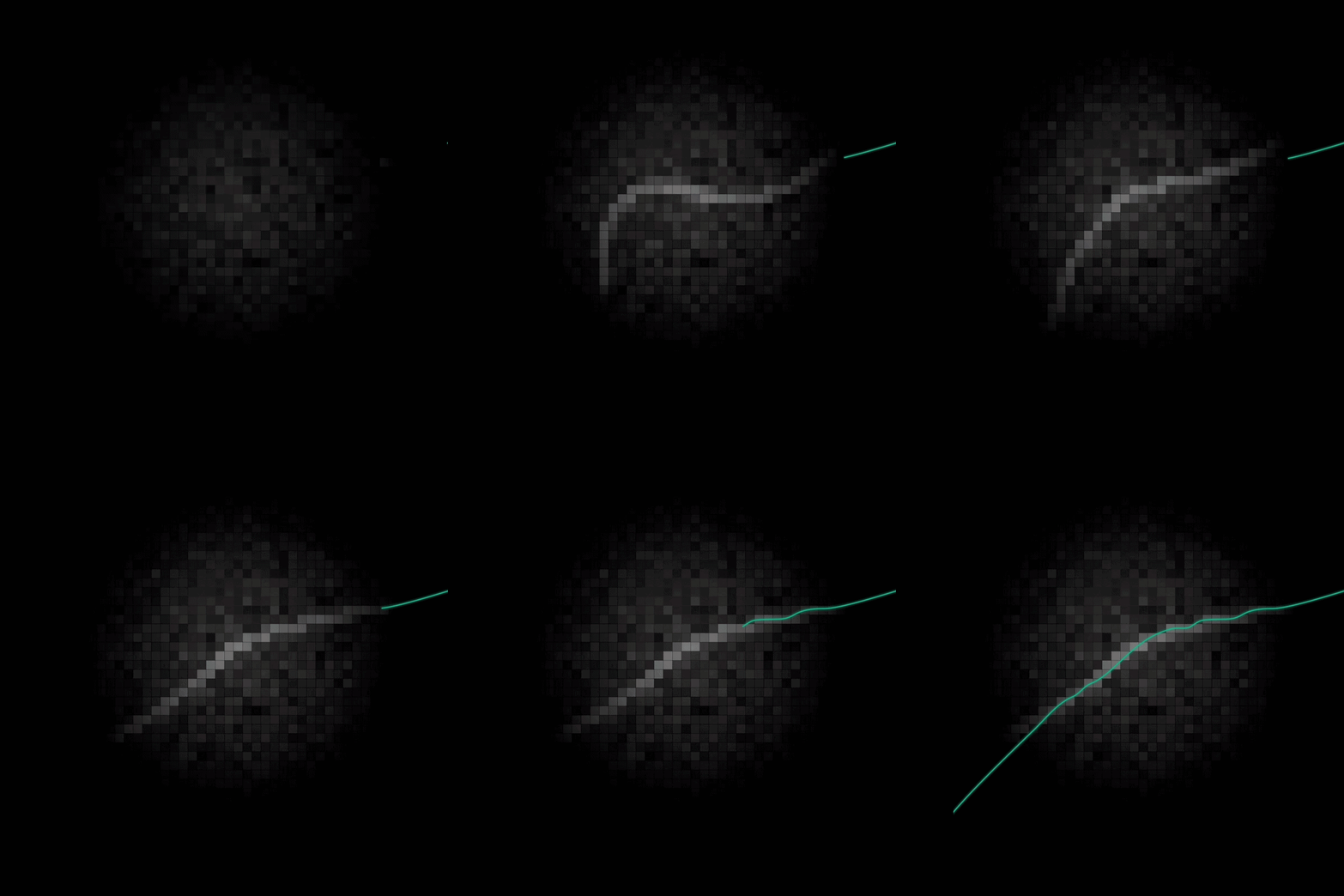
We set out to build an AI system that goes beyond shortest-path routing. The goal was a model that adapts to real conditions and finds routes that are both efficient and lower-impact. That led us to a navigation system built on a simulated ocean environment using reinforcement learning.
What We Built
We created a simulation where an AI agent learns to navigate from one point to another while accounting for:
- Wind speed and direction
- Wave height and period
- Ocean depth
- Ship heading, speed, and distance to target
We framed navigation as a continuous control problem, where the model adjusts heading and speed over time. To do this, we used Deep Deterministic Policy Gradient (DDPG), which works well for continuous action spaces.
State: $$ s = [\Delta lat, \Delta lon, heading, speed, distance\ to\ goal, bearing\ to\ goal] $$
Action: $$ a = [\Delta heading, \Delta speed] $$
Reward: $$ r = r_{distance} + r_{heading} + r_{wave} + r_{wind} + r_{fuel} + r_{terminal} $$
This allowed the agent to balance speed, safety, and fuel efficiency rather than optimizing for a single objective.
Why We Did It
This wasn’t just a technical project. We wanted to test whether students could engage meaningfully with large, real-world problems like climate and infrastructure.
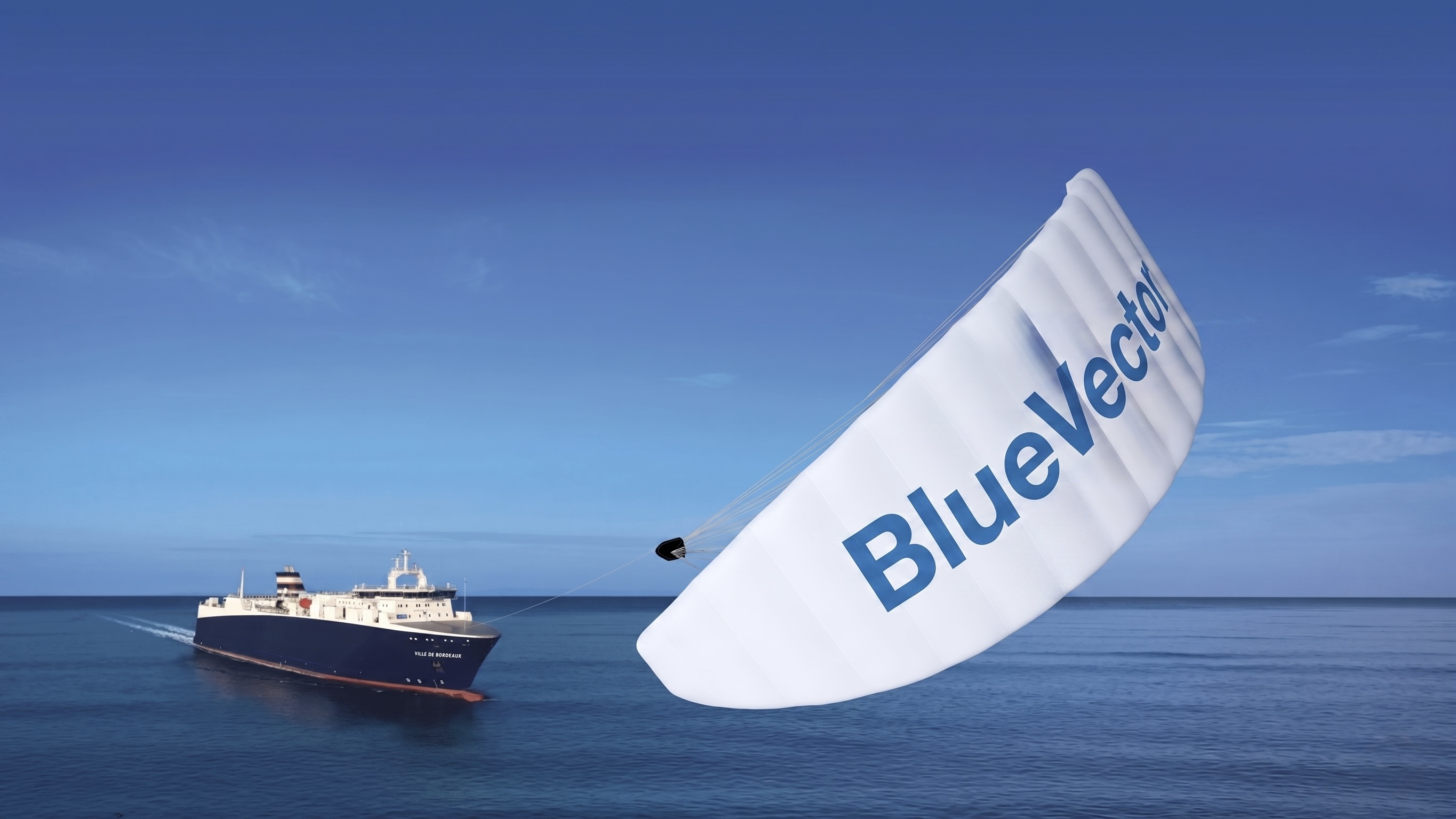
We were also drawn to the idea that older approaches, like wind-powered navigation, still have value. Modern shipping has largely moved away from them, but with AI, there’s an opportunity to bring those ideas back in a practical way, especially alongside technologies like kite-assisted propulsion.
What We Learned
The hardest part wasn’t the code, it was defining what “good” actually means.
In real systems, there’s no single objective. A route might save fuel but increase risk, or be fast but ignore conditions. Designing a reward function that reflects these trade-offs was one of the most important parts of the project.
We also saw how sensitive reinforcement learning can be. Small changes in parameters or assumptions can lead to very different outcomes, so iteration and testing were essential.
Just as important was communication. Turning a technical system into something clear and compelling for others was a challenge in itself.
Challenges
- Building a simulation that was realistic enough to matter but simple enough to train
- Designing rewards that didn’t produce unrealistic or misleading behavior
- Explaining a technical idea in a way that connects to real-world impact
Why It Matters
BlueVector is an attempt to rethink how ships move. The ocean already provides data and energy, AI offers a way to use it more effectively.
For us, the project is less about a finished solution and more about showing what’s possible: smarter, lower-emission shipping doesn’t necessarily require entirely new systems, just better use of existing ones.
Looking Ahead
Next steps include improving the simulation, expanding control options, and incorporating real-world weather and maritime data.
BlueVector started as a conversation between the two of us, but it has grown into a broader idea: using AI to make existing systems more efficient and more sustainable.


Log in or sign up for Devpost to join the conversation.