Inspiration
After a trip to New York to see a concert, one of our team members realized that the musicians had to sit in pairs around music stands so that one person could turn the page while the other person continued to play music. This seemed incredibly inefficient, so we wanted to address this problem, and make it so musicians could turn pages and play music at the same time.
What it does
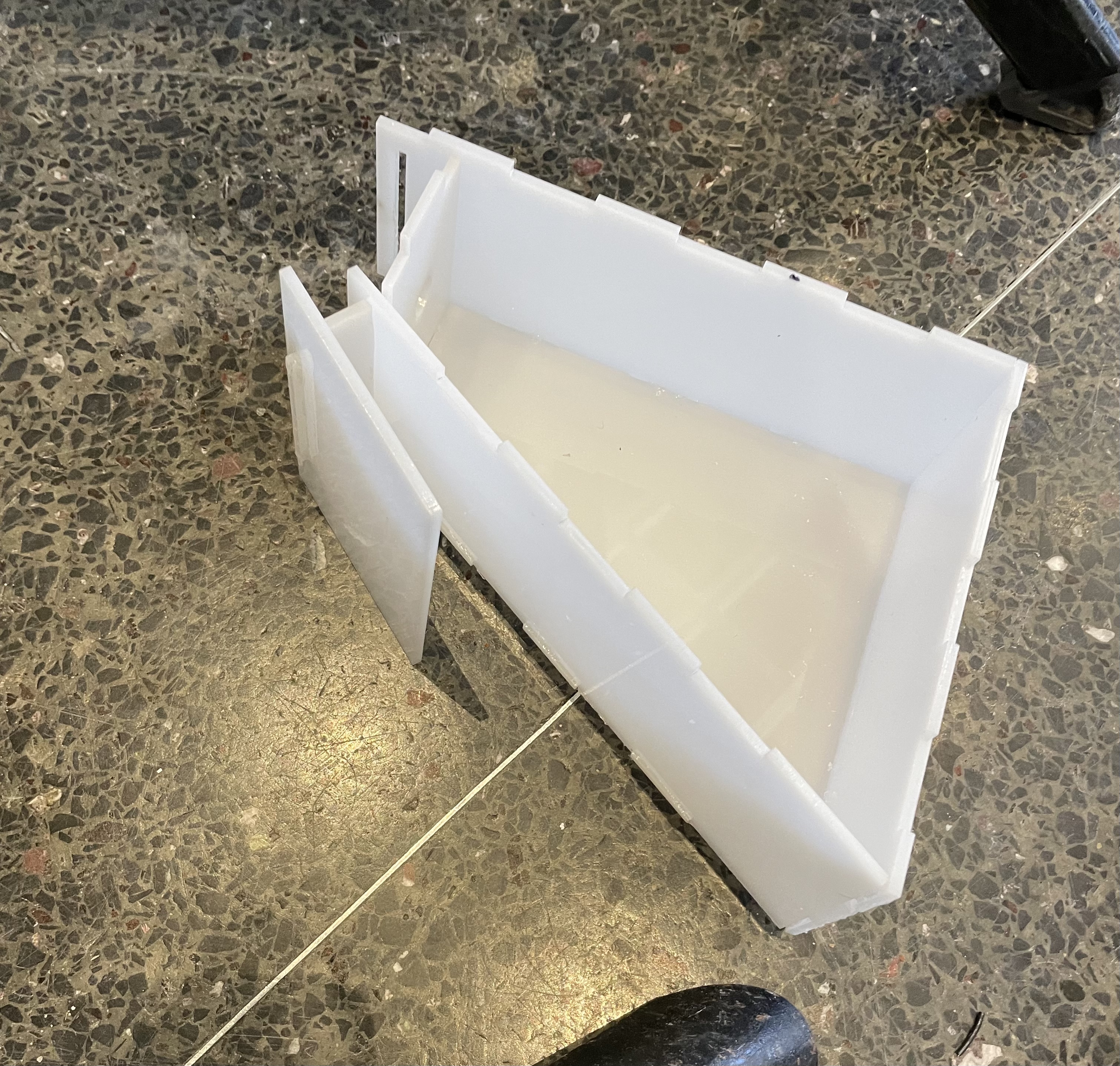
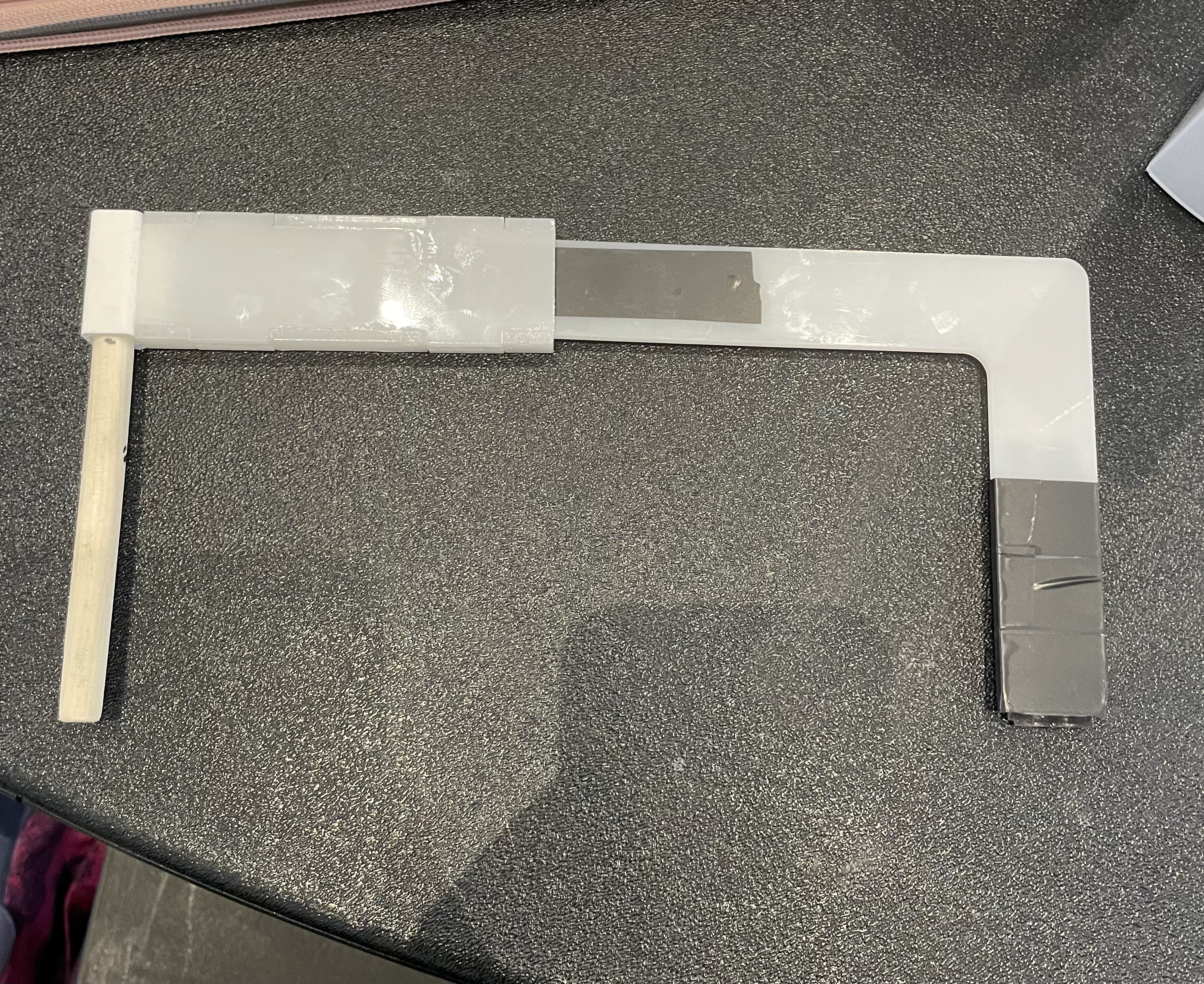
Our device is intended to turn pages of sheet music on a music stand. The user presses a foot pedal, which sends a signal to the device on the music stand. This device then uses an acrylic arm to turn the pages by lowering a magnet at the end to a small piece of metal attached to each page, rotating 180 degrees to turn the page, raising to detach from the page, rotating back 180 degrees, and repeating the process at the next pedal press.
How we built it
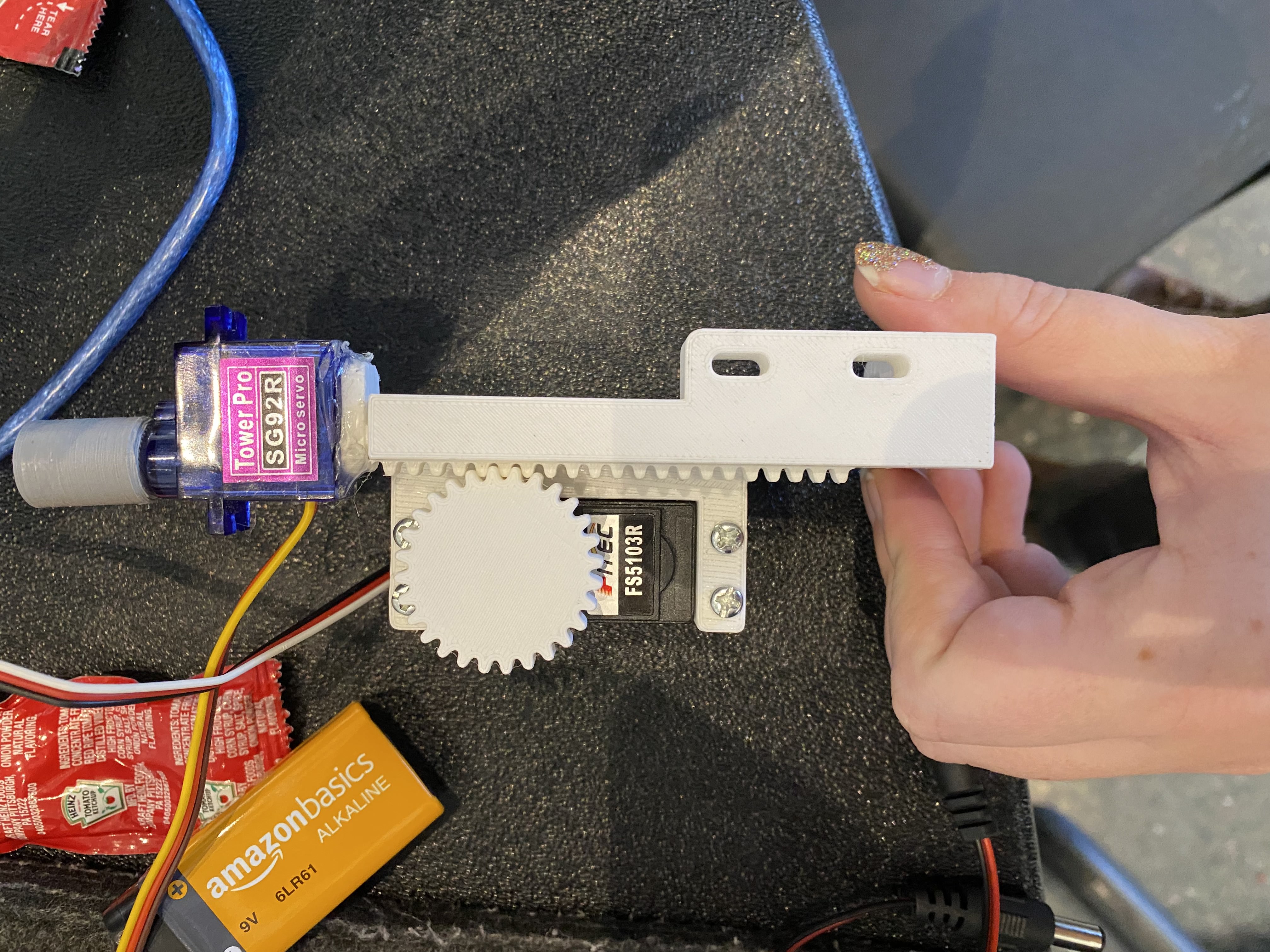
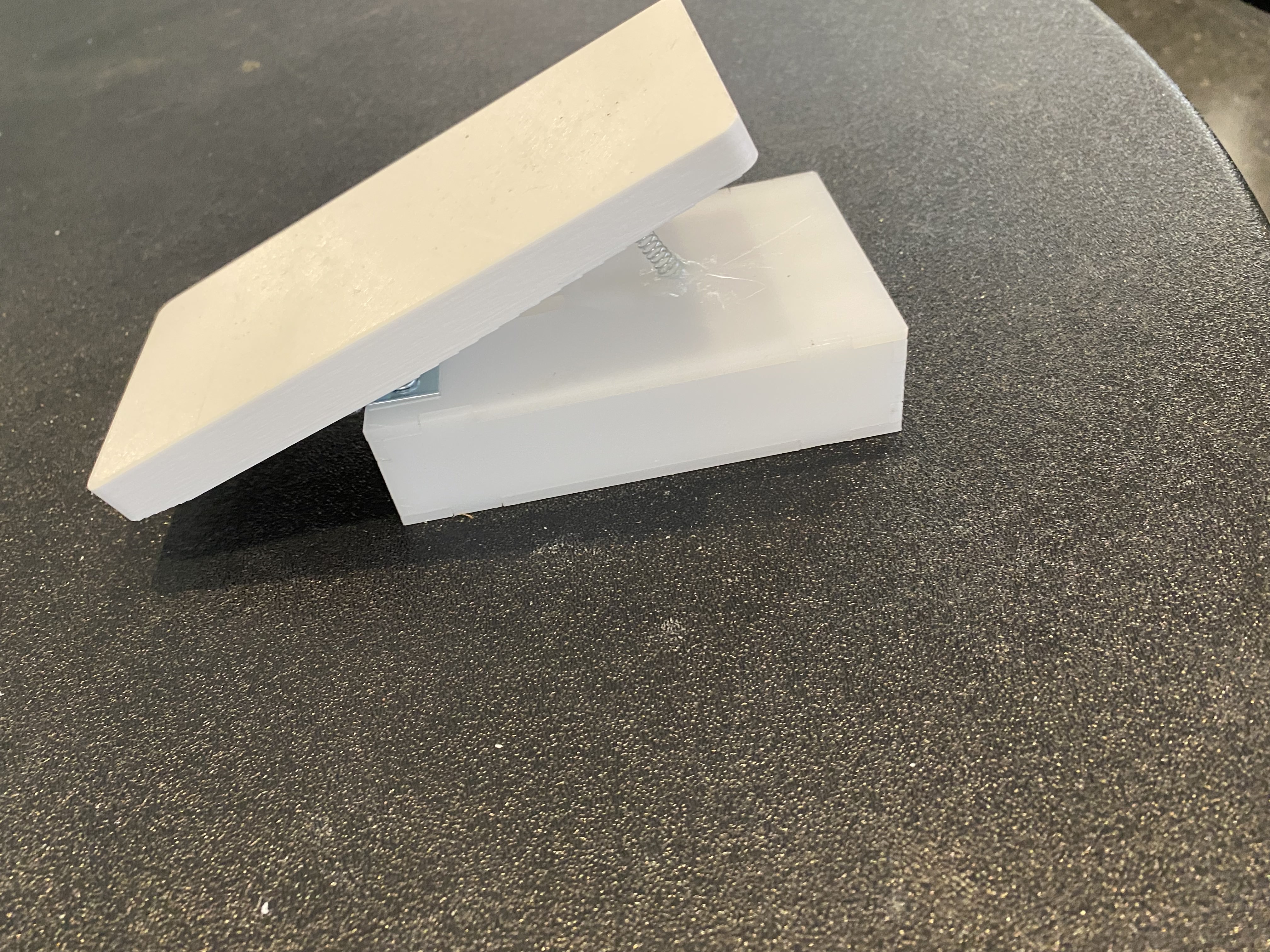
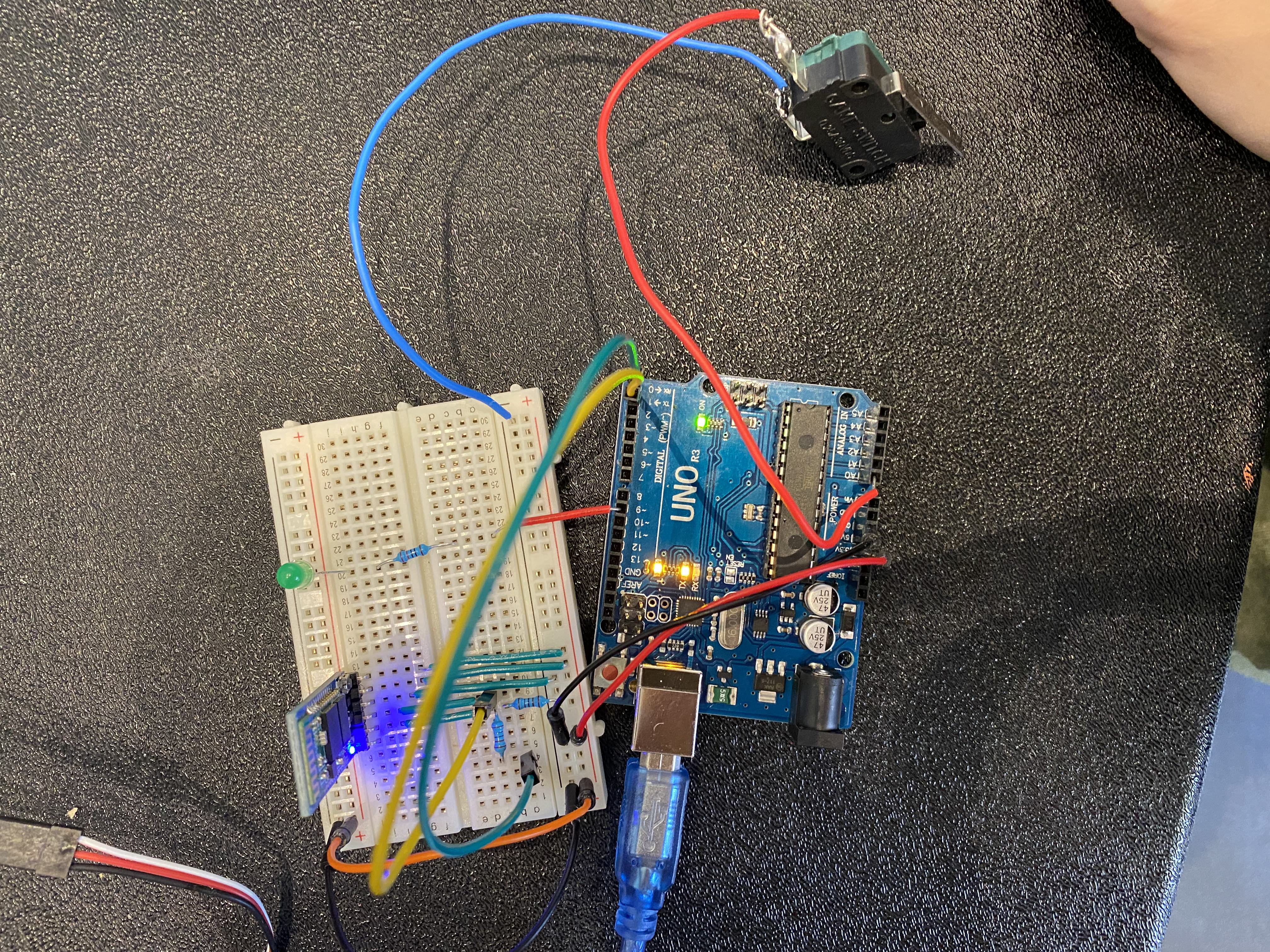
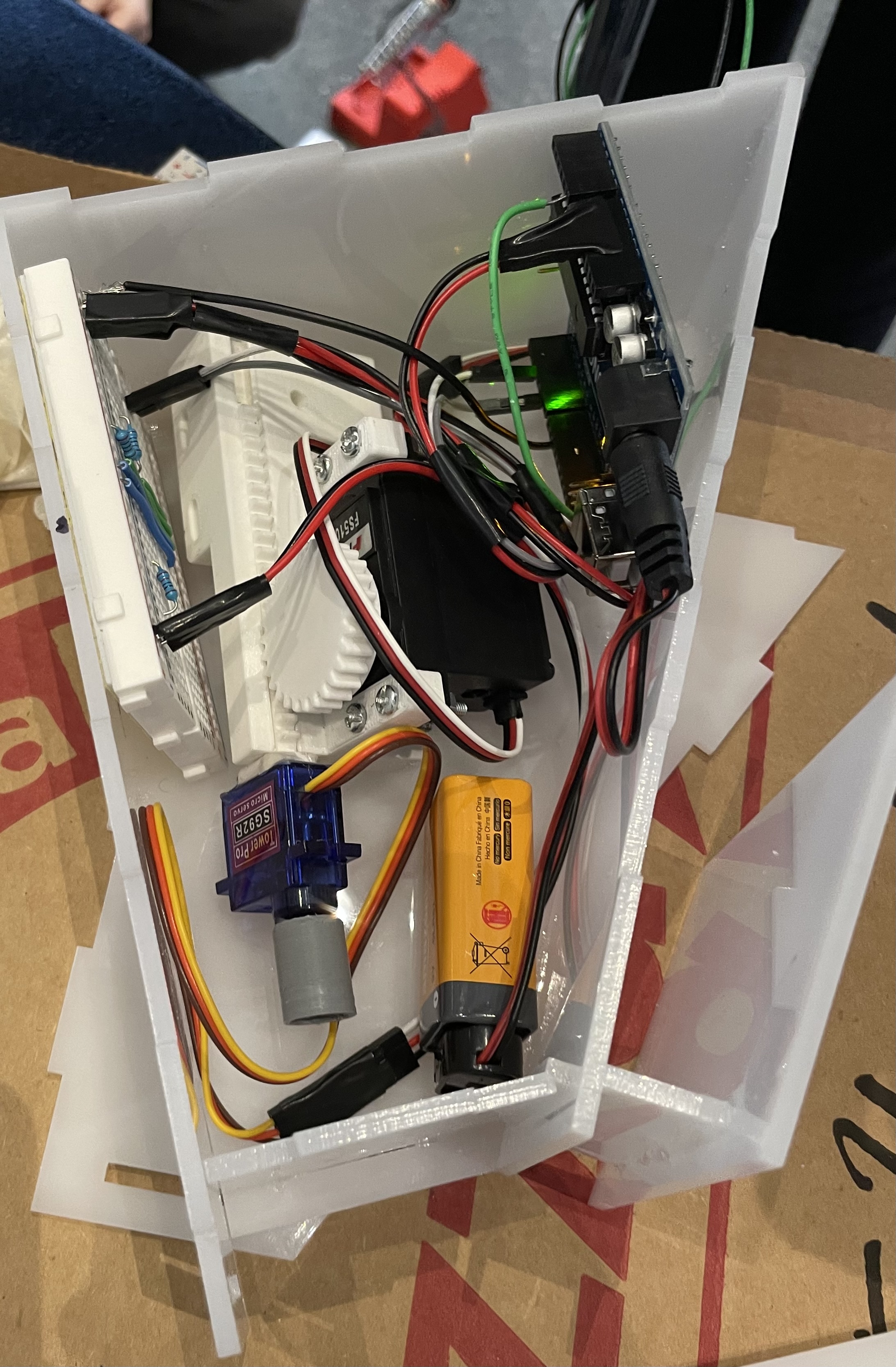
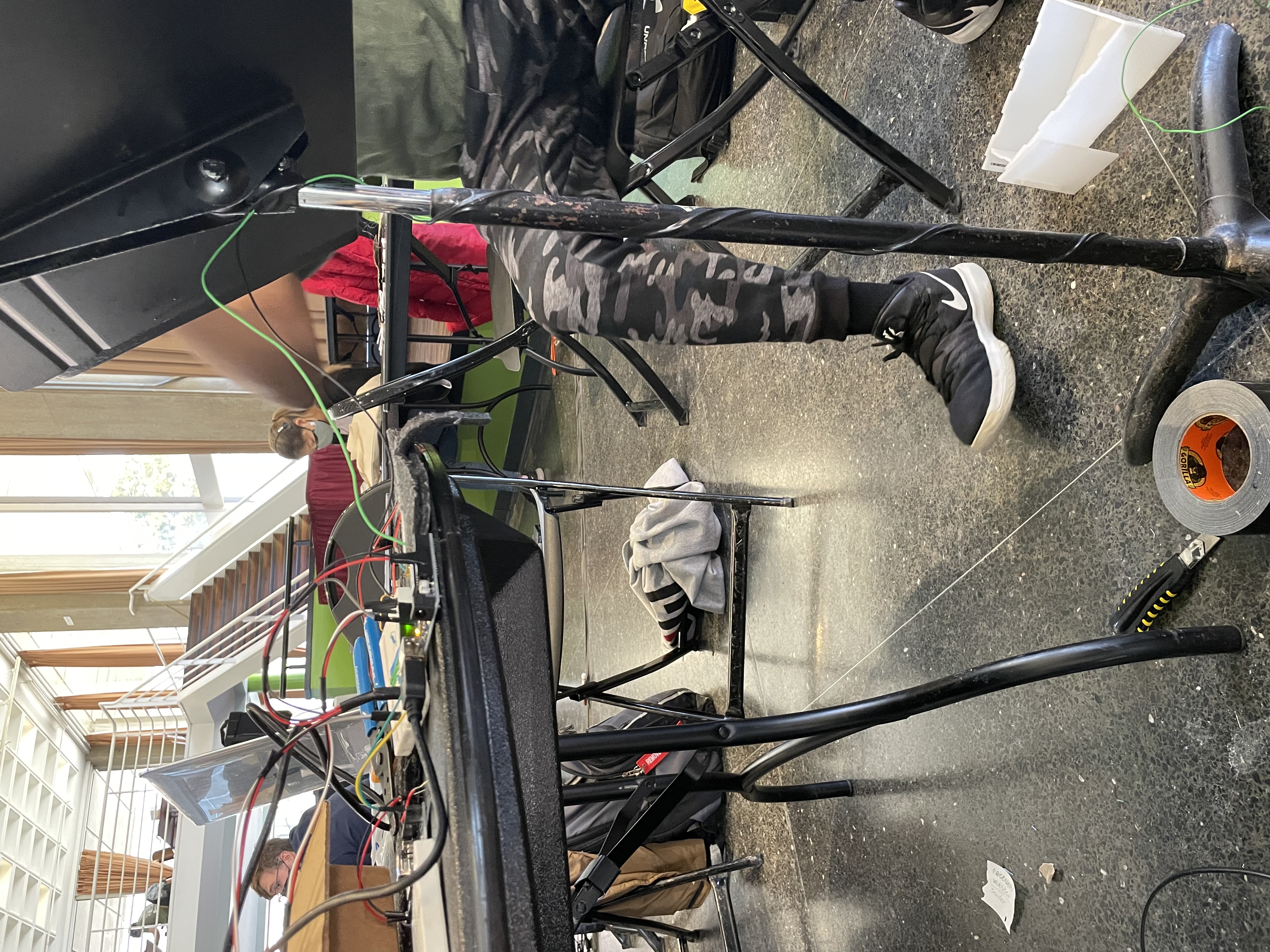
Our device is composed of two elements: a foot pedal that tells the page-turner to operate, and the page-turner itself. The foot pedal uses a limit switch, an Arduino, and a battery pack. When the pedal is pressed down it activates the switch, which will then send a signal. This signal is then received by the page-turner. This element uses two servos to execute the necessary motion. One servo simply spins the arm back and forth, while the other servo is geared for linear motion to move the arm up and down. When the page-turner receives the signal it goes through one cycle of dropping down, attaching to a page, rotating, lifting, and rotating back.
Challenges we ran into
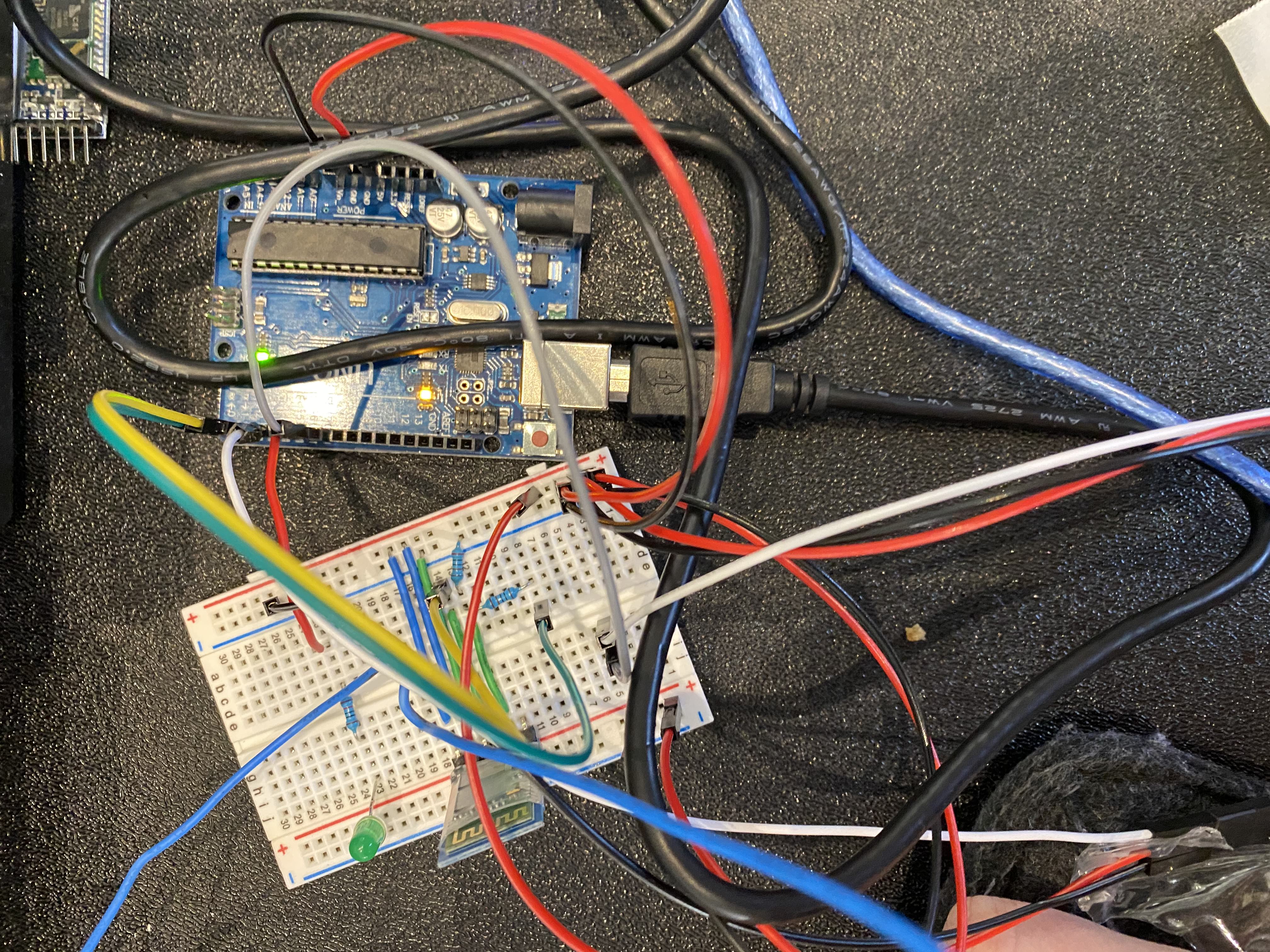
Our idea originally centered around the pedal connecting with Bluetooth. We have run into a lot of challenges using the Bluetooth connectivity system. We started with a Bluetooth kit, but after a few hours of troubleshooting, we saw that this Bluetooth kit couldn't do the things we wanted. In addition, it had software that was proving to be a significant challenge. We then did some research and hunted for a new Bluetooth module that could interface directly with an Arduino. After a lot of work with this we we were unable to make it happen in the time allotted, so we switched to a wired interface.
Accomplishments that we're proud of
This was our team's first time competing in a hackathon, so we are proud just to be here and to have made something in such a short time. Besides that, we are proud of all of the new things we tried and the new technologies we utilized. None of us were familiar with using Bluetooth, so were very happy with how much we have learned and done with this new system.
What we learned
We have learned so much in these 24 hours. This is all so new so we've learned a ton about Bluetooth modules, servos, and different coding systems. Bluetooth modules presented a lot of challenges to program, so the team learned a lot about troubleshooting these modules. We had a bit of prior experience with servos, but none of us knew how to use a servo to execute linear motion. After some research we ended up doing this with a gear rack, so that was a good learning experience. Finally, we got some experience with different coding systems. The first Bluetooth system we used was coded in PSoC4.2, which was a system none of us had ever seen, so we also were able to learn a lot about that.
What's next for the Pedal Operated Page Turner
The device we made now is a mockup, but in the future, we would hope to make this device into something that could be reproduced and sold.


Log in or sign up for Devpost to join the conversation.