-
-
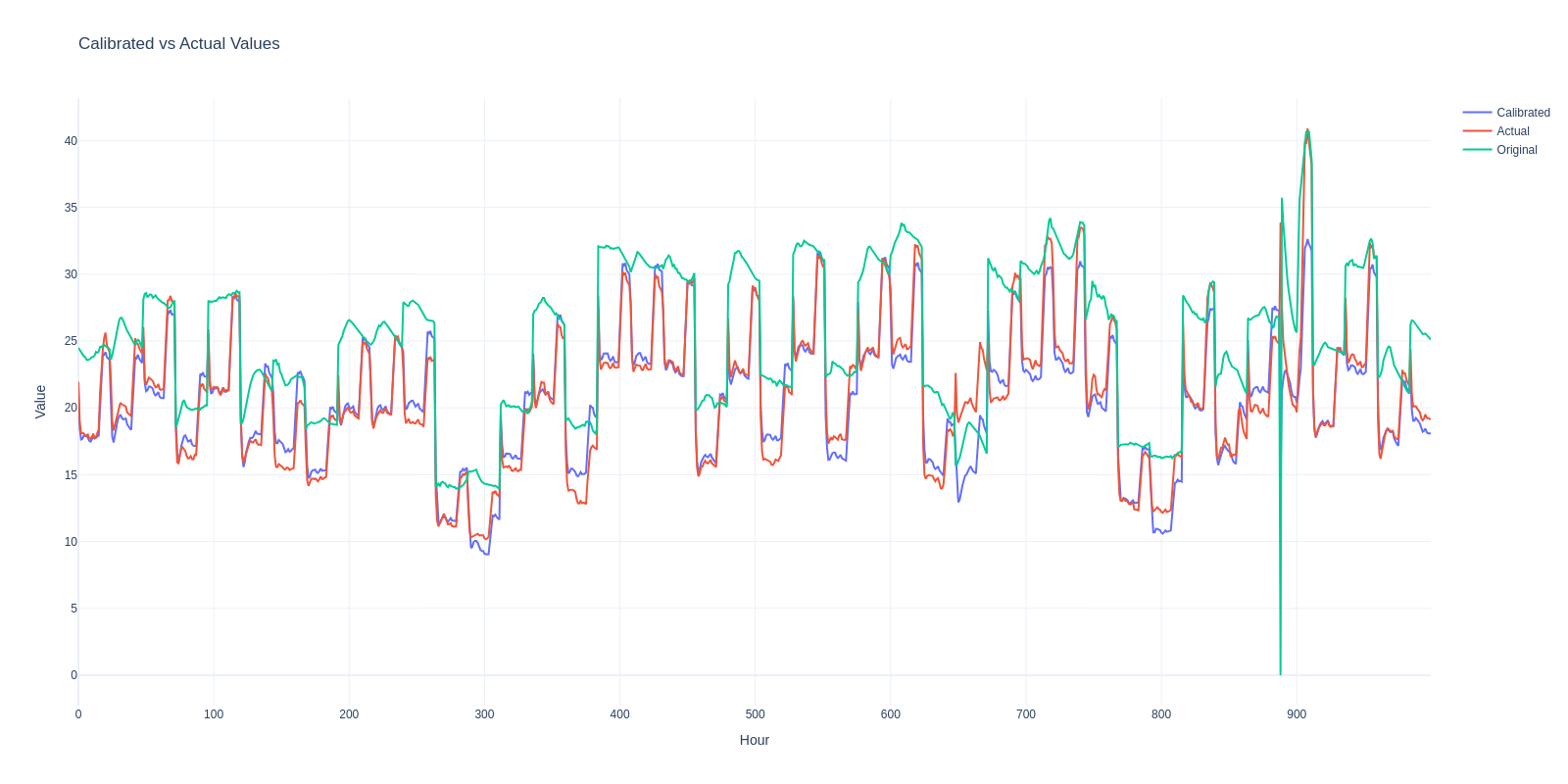
Model Results
-
BlueTemp Logo
-

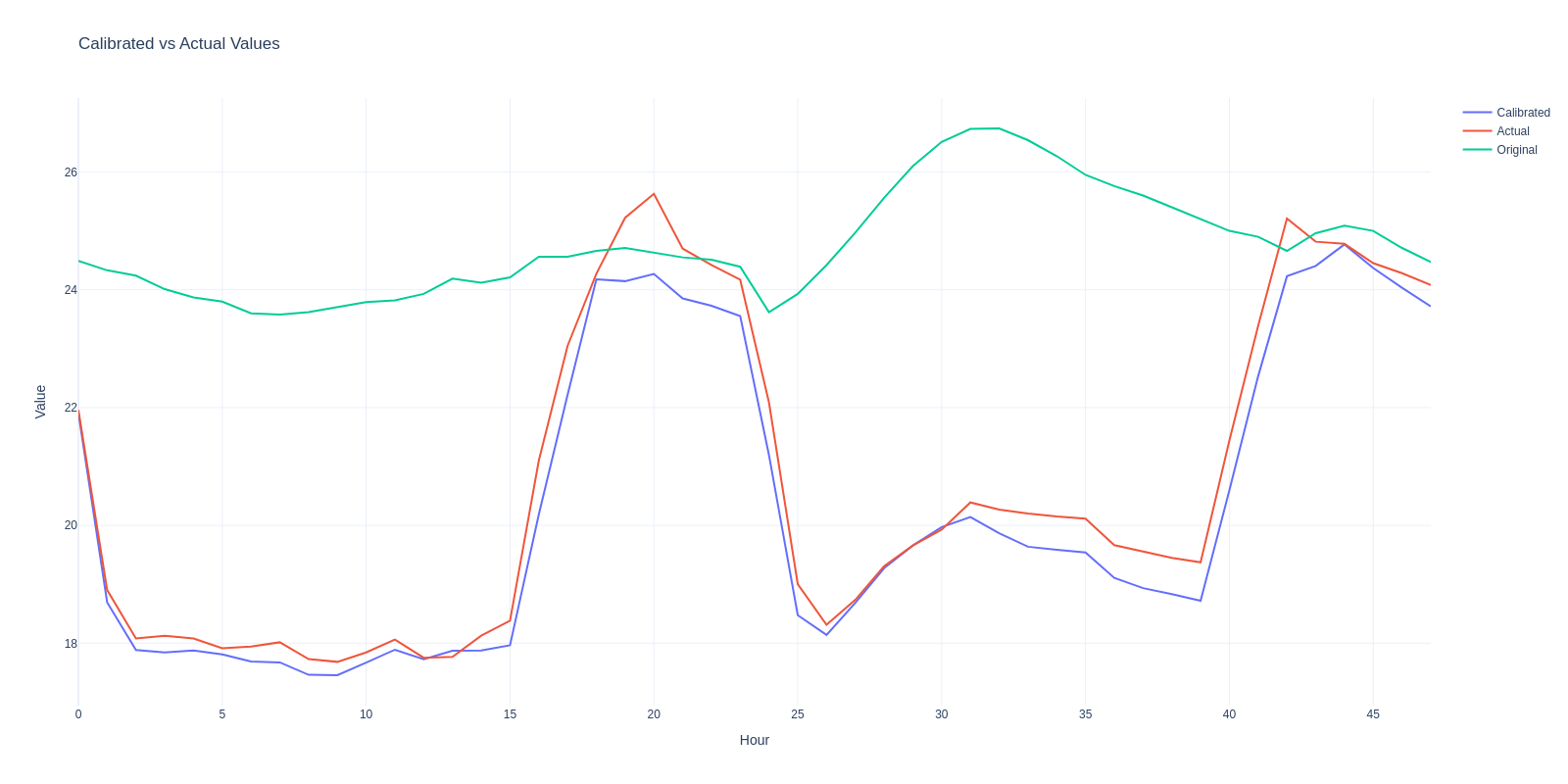
Model Results
-
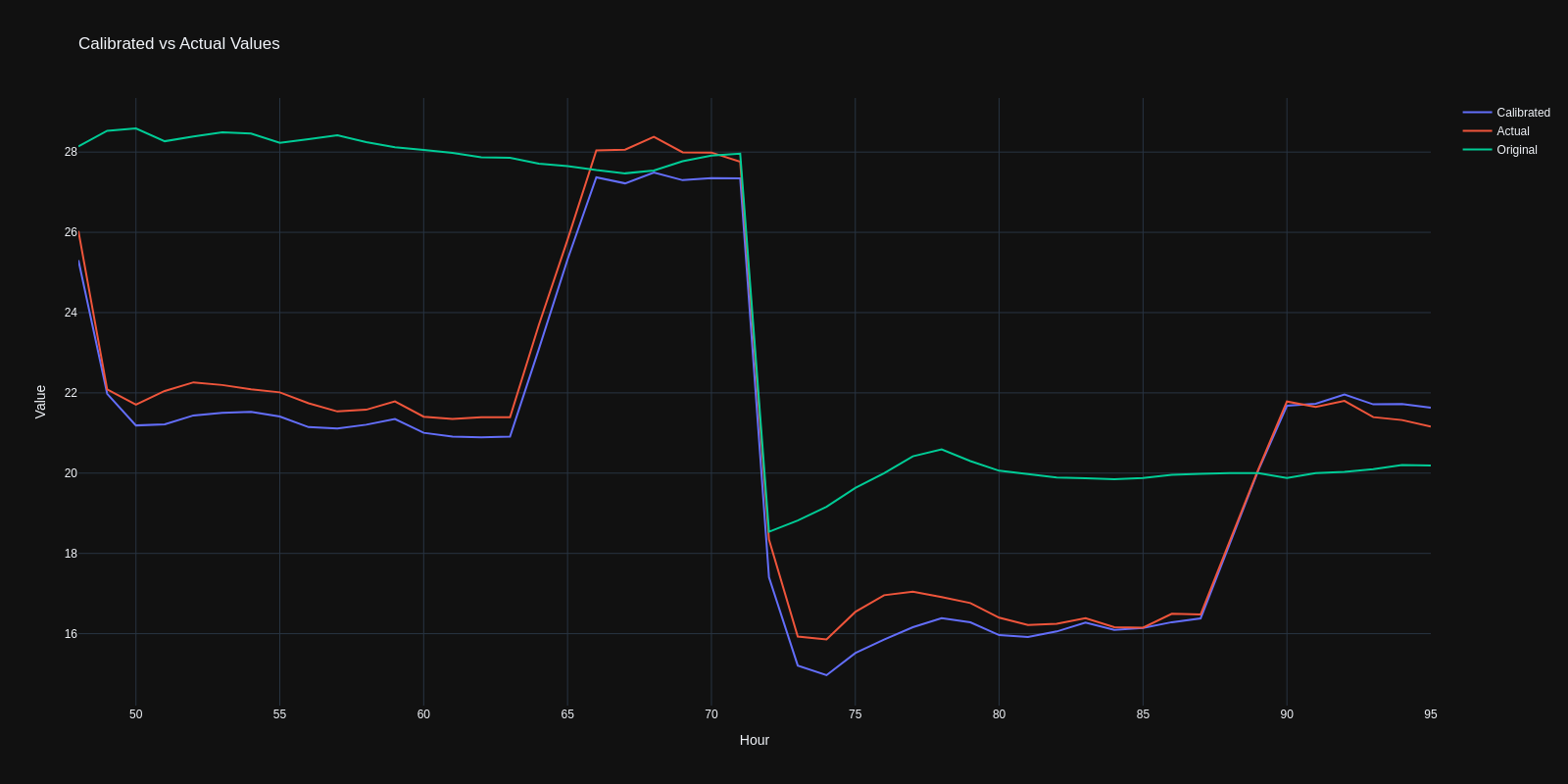
Model Results
-
Model Results

Inspiration
Our inspiration for BlueTemp came from witnessing the devastating effects of rising sea temperatures, particularly with storms like Hurricane Milton (Dickie). This powerful Category 5 hurricane rapidly intensified over the unusually warm waters of the Gulf of Mexico, highlighting the impact that even slight increases in sea temperature can have on storm strength and speed (Dickie; Theim). We realized that tracking these temperature shifts could provide critical insights for anticipating such extreme weather events, as well as for understanding threats like coral bleaching and other impacts on marine life such as decreasing marine life. BlueTemp emerged from our desire to create a proactive tool that supports scientists and environmentalists in monitoring and responding to these crucial temperature changes.
Works Cited:
Dickie, Gloria. "What Made Milton the Third-Fastest Intensifying Atlantic Storm?" Reuters, 8 Oct. 2024, www.reuters.com/business/environment/what-made-milton-third-fastest-intensifying-atlantic-storm-2024-10-08/. Accessed 31 Oct. 2024.
Thiem, Haley. "Hurricane Milton Rapidly Intensifies into Category 5 Hurricane, Becoming the Gulf's Strongest Late-Season Storm on Record." NOAA Climate.gov, 8 Oct. 2024, www.climate.gov/news-features/event-tracker/hurricane-milton-rapidly-intensifies-category-5-hurricane-becoming. Accessed 31 Oct. 2024.
What it does
BlueTemp is an AI Deep Learning platform that predicts sea water temperatures in the Gulf of Mexico region. With its predictive capabilities, BlueTemp supports efforts to protect marine environments, offering data that helps in preparing for hurricanes, preserving coral reefs, and ultimately maintaining a healthier ocean and marine life.
How we built it
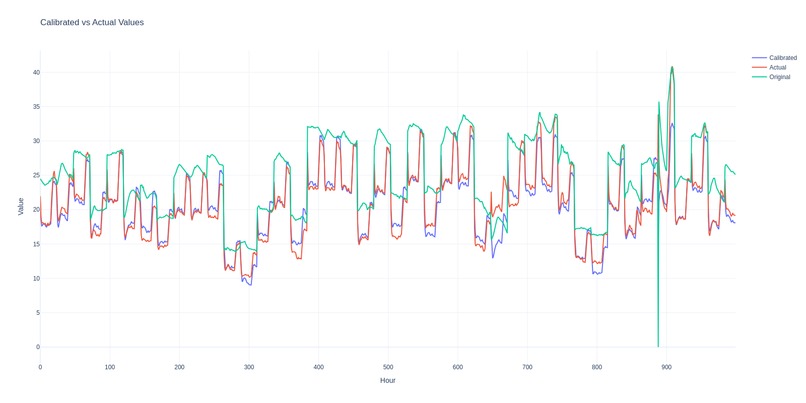
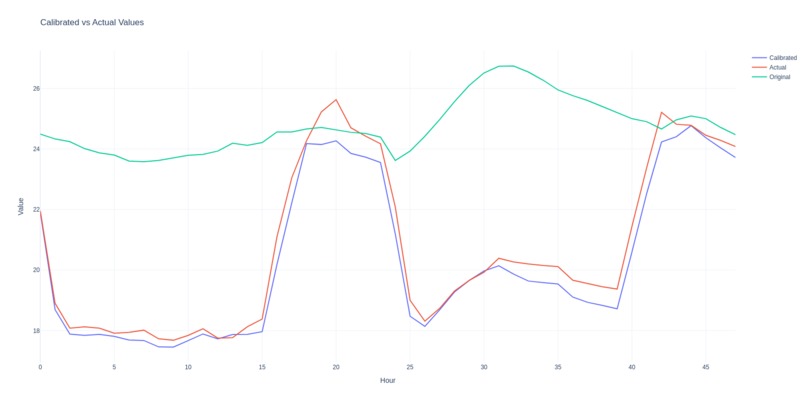
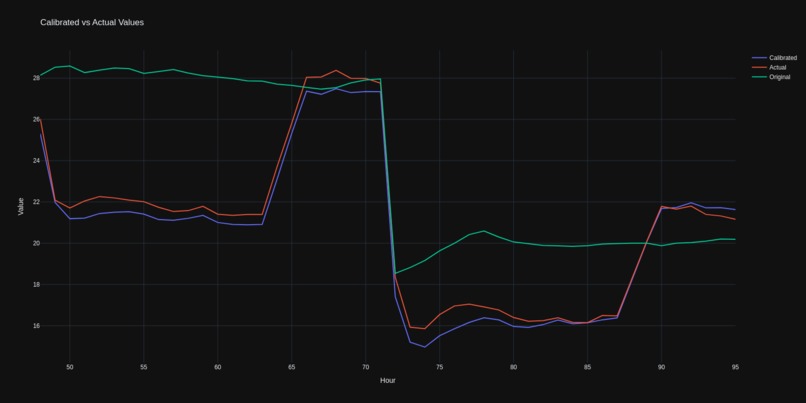
We built BlueTemp using time-series data from NOAA GCOOS, focusing on sea water temperature observations in the Gulf of Mexico. Our platform leverages a Long Short-Term Memory (LSTM) network specifically designed for handling time-series data, which enables accurate forecasting of temperature fluctuations over time. The model was implemented using Python and TensorFlow, with Flask serving as the API for seamless data access and integration.
Challenges we ran into
One significant challenge we encountered was managing inconsistencies in the NOAA GCOOS data. Different sensors recorded water temperatures at varied intervals—some hourly, others every 30 minutes, and some only daily. In addition, the frequency of recordings changed over time for certain sensors, requiring us to develop robust sequencing methods to standardize the data for consistent time-series analysis. This added complexity to ensuring the model's accuracy and continuity across different temporal resolutions. In addition to data inconsistencies, we faced a challenge in identifying the most effective user interface (UI) for BlueTemp. With various user needs in mind—from scientists and conservationists to the general public—we wanted a UI that could present complex data clearly and accessibly. This required multiple iterations to find the right balance between functionality and simplicity, ensuring that users could easily navigate temperature trends and predictions without being overwhelmed by technical details. Additionally, our progress was affected when one of our team members became ill, which slowed down our progress. impacted our timeline and resource allocation. Despite this, we worked together to overcome these issues and maintain momentum, demonstrating the resilience of our team.
Accomplishments that we're proud of
We’re proud of creating a platform that can make a meaningful impact in marine science and conservation. BlueTemp’s high predictive accuracy and its potential to support climate resilience in coastal communities are significant achievements for our team.
What we learned
We gained a deeper understanding of sea water temperature dynamics and the technical demands of building a DL predictive model such as data consistencies and data variability. This experience highlighted the importance of data preprocessing and quality checks to ensure our model could handle irregularities in the dataset.
What's next for BlueTemp
Moving forward, we plan to expand BlueTemp’s capabilities to cover a broader range of marine environments. Furthermore, we also plan to include more covariates such as air temperature, air pressure, salinity, etc. We also plan to develop a model to predict further in the future.


Log in or sign up for Devpost to join the conversation.