-
-
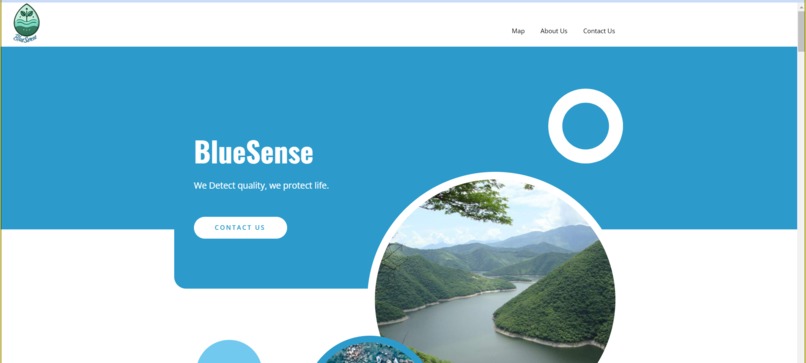
Home
-
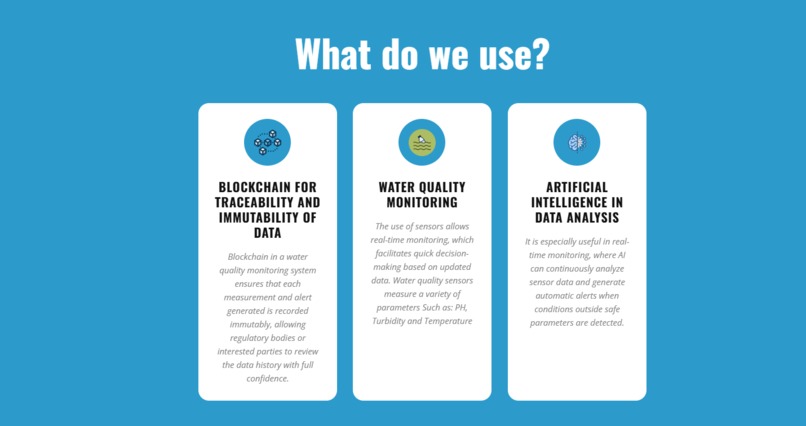
What do we use?
-
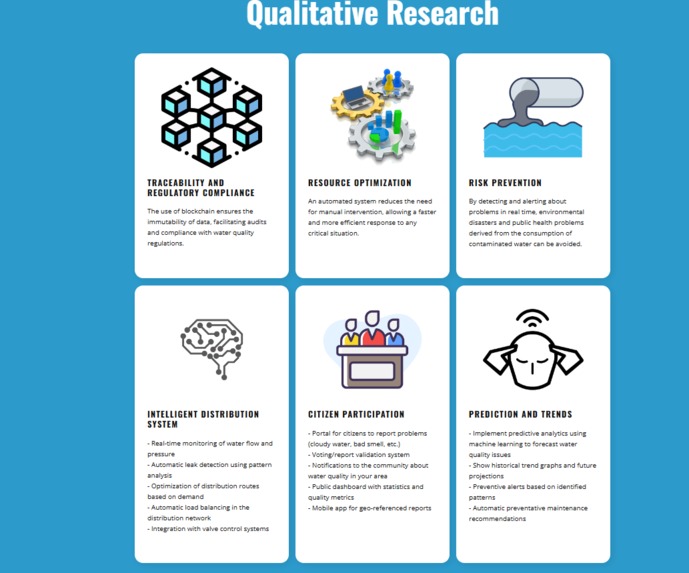
Qualitative Research
-
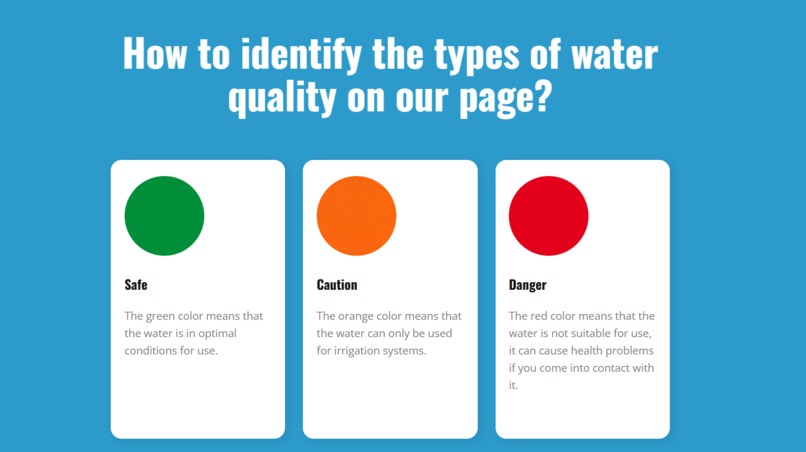
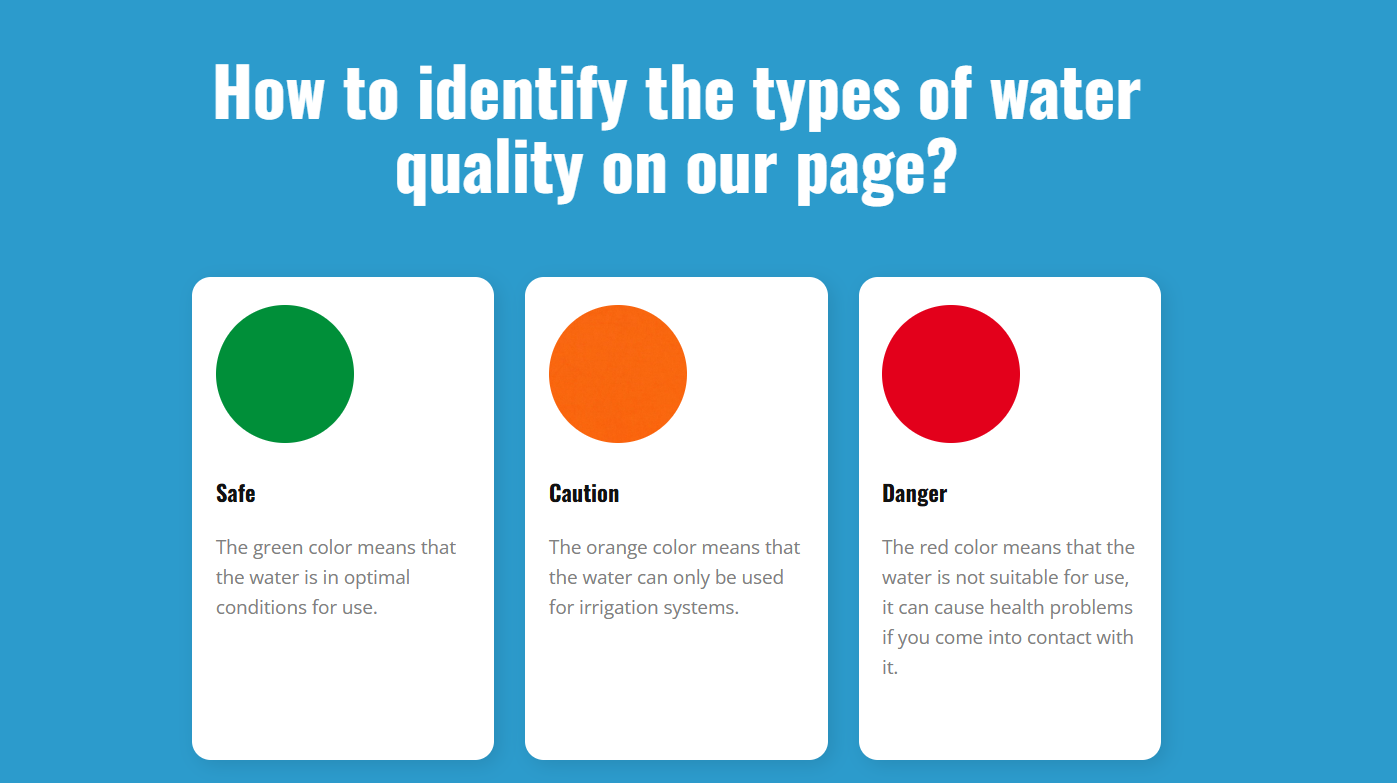
Types of water quality on our page
-
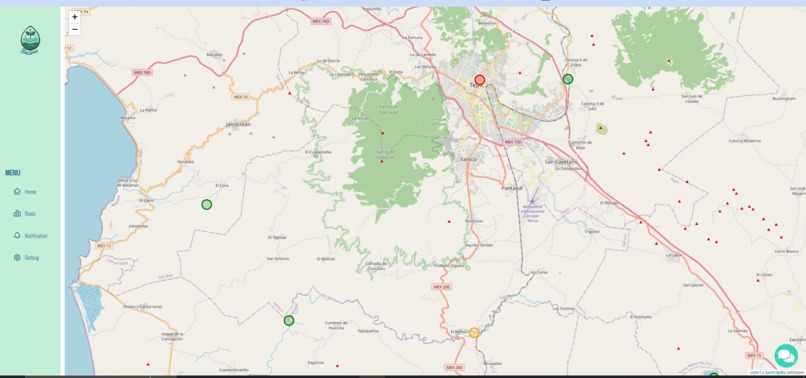
Map
-
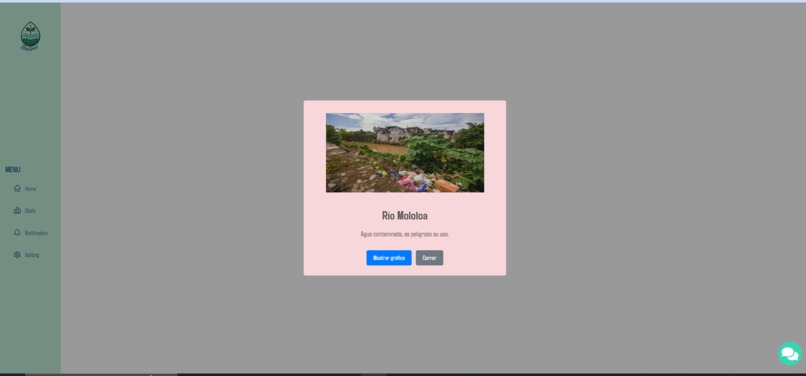
Alert
-
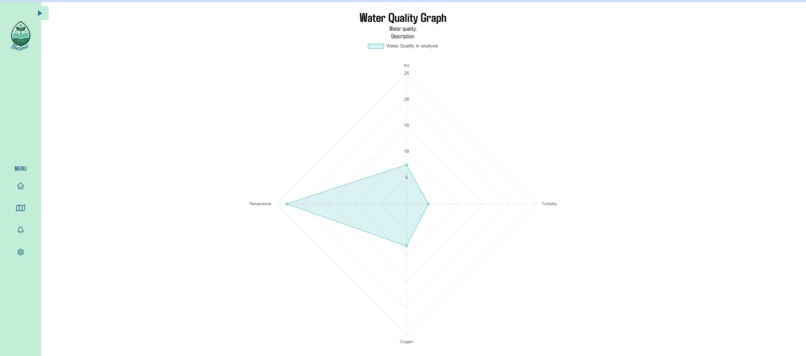
Water Quality Graph
-
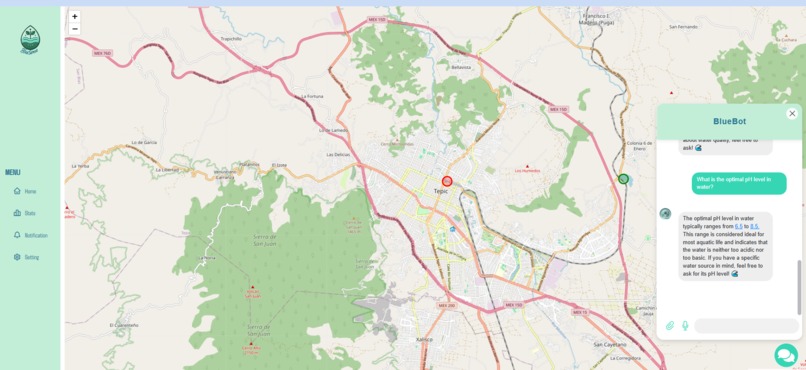
BlueBot
-

Contact info

Inspiration
BlueSense was born from the urgent need to monitor water quality in real time in contaminated sources, such as the Santiago River in the state of Nayarit, Mexico. The case of an 8-year-old boy who died after being exposed to contaminated river water motivated our team to seek solutions that could prevent future tragedies. This project represents our commitment to public health and transparency in access to environmental information.
What it does
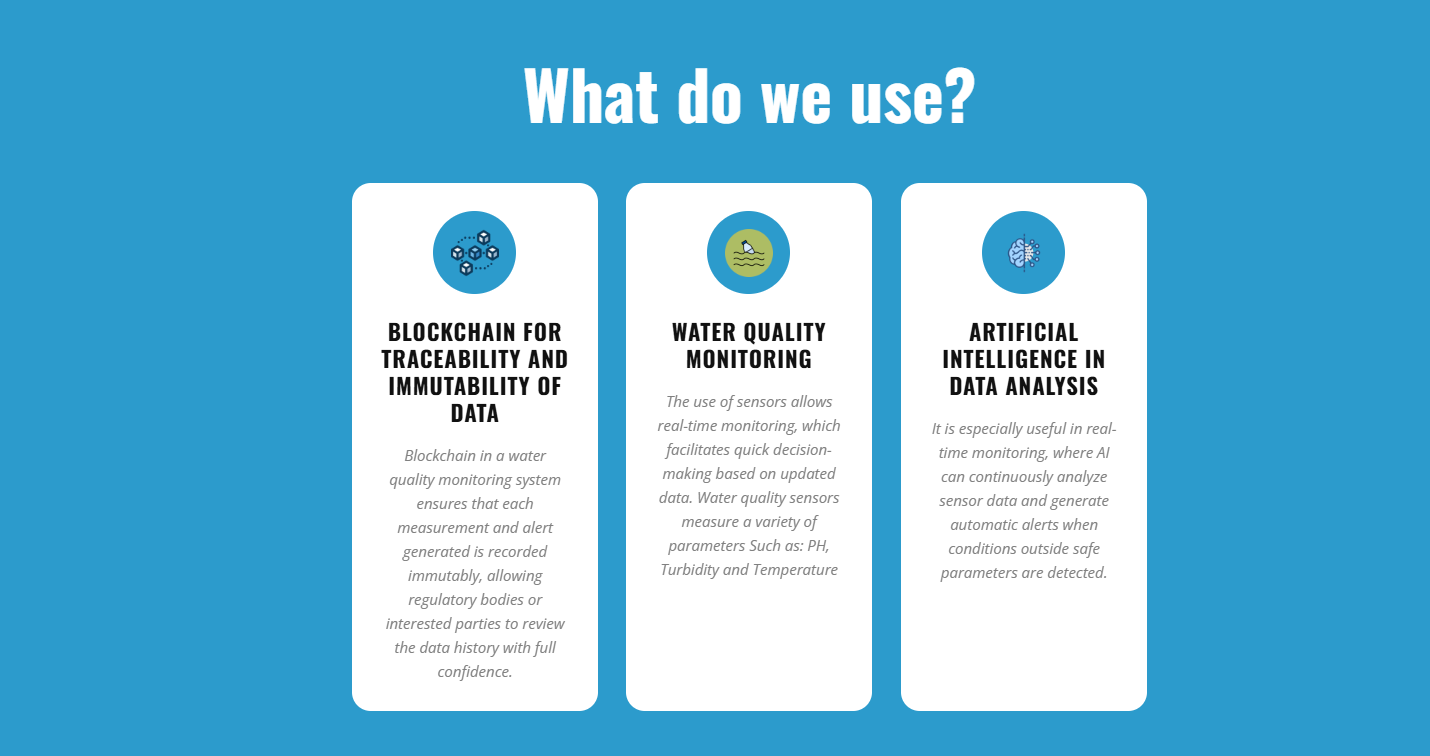
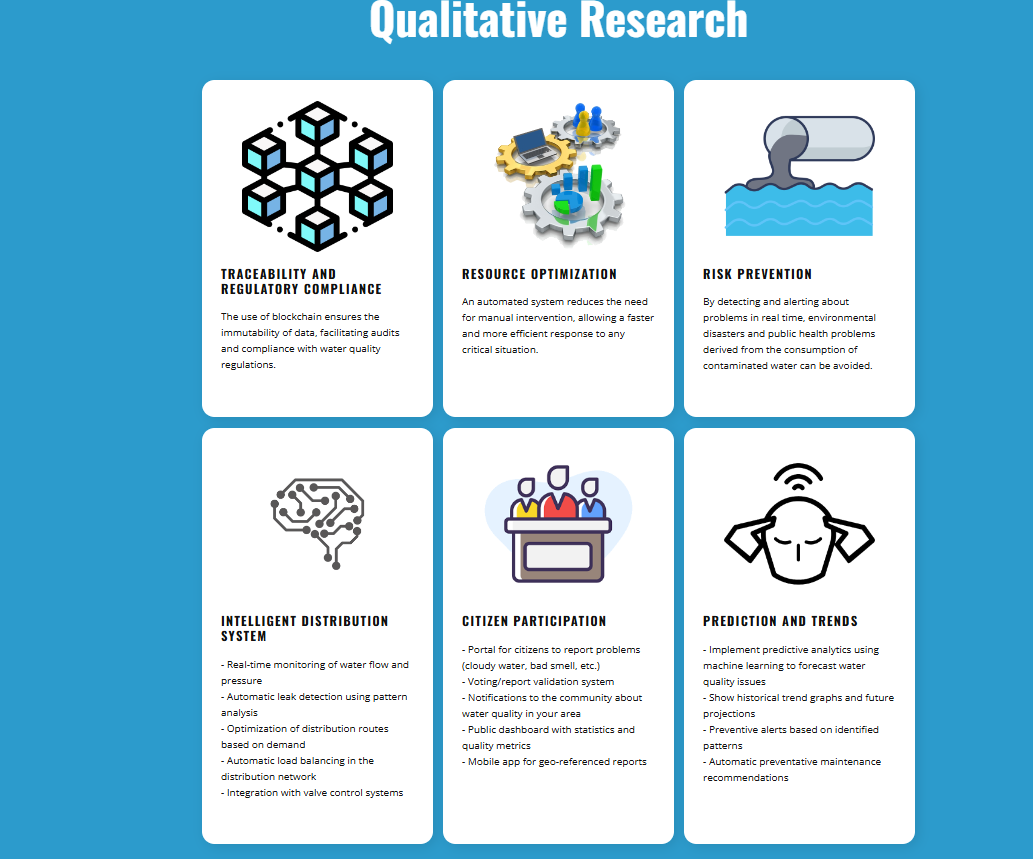
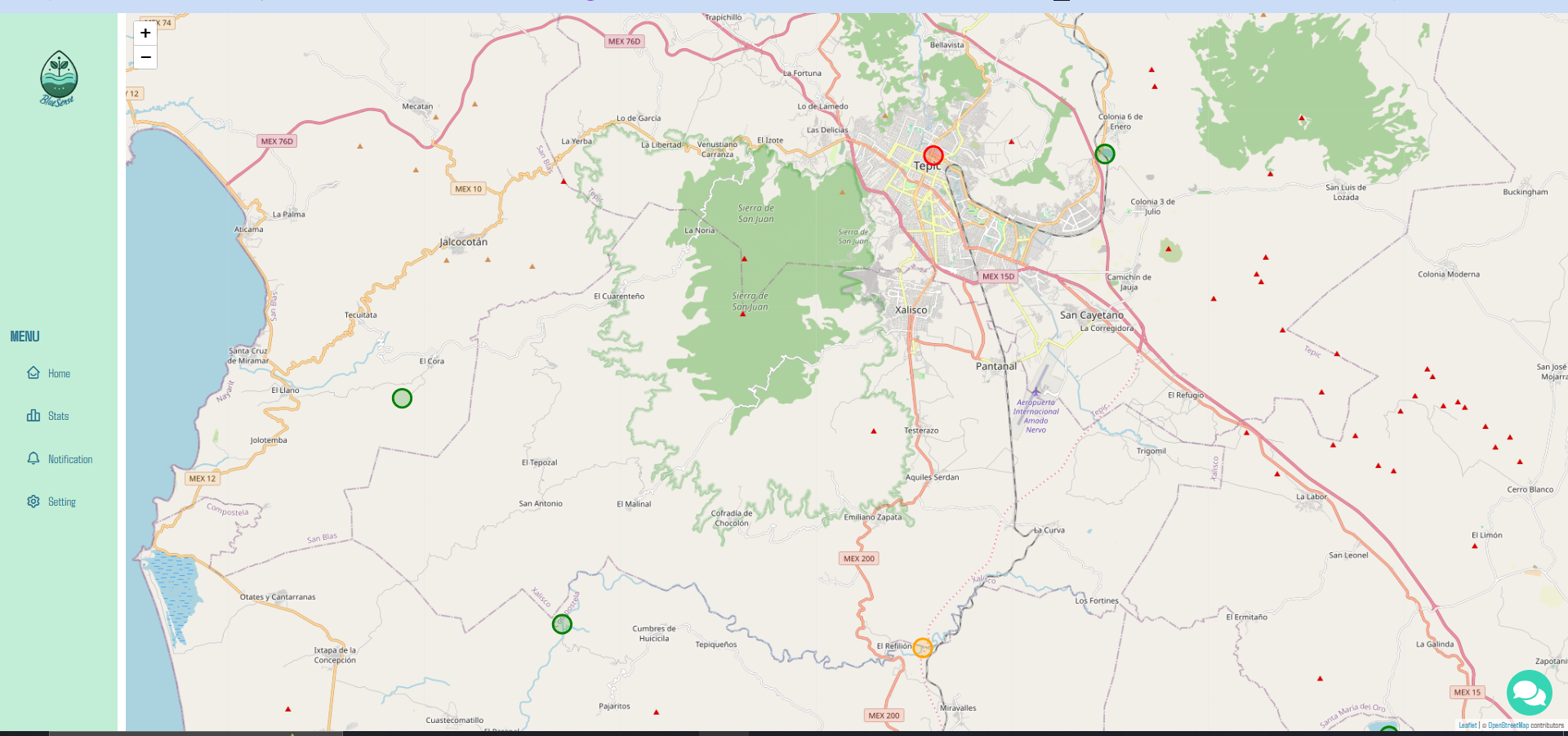
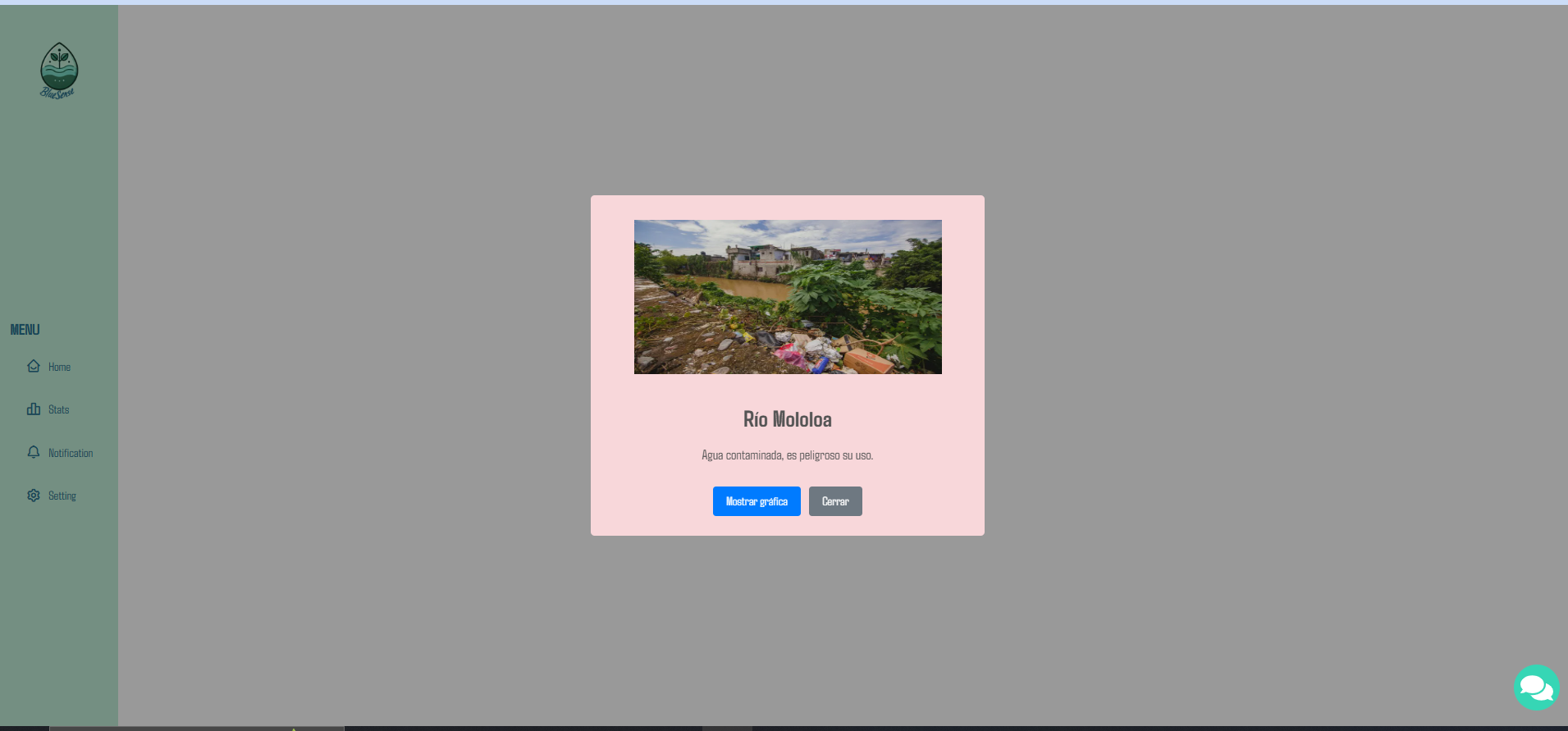
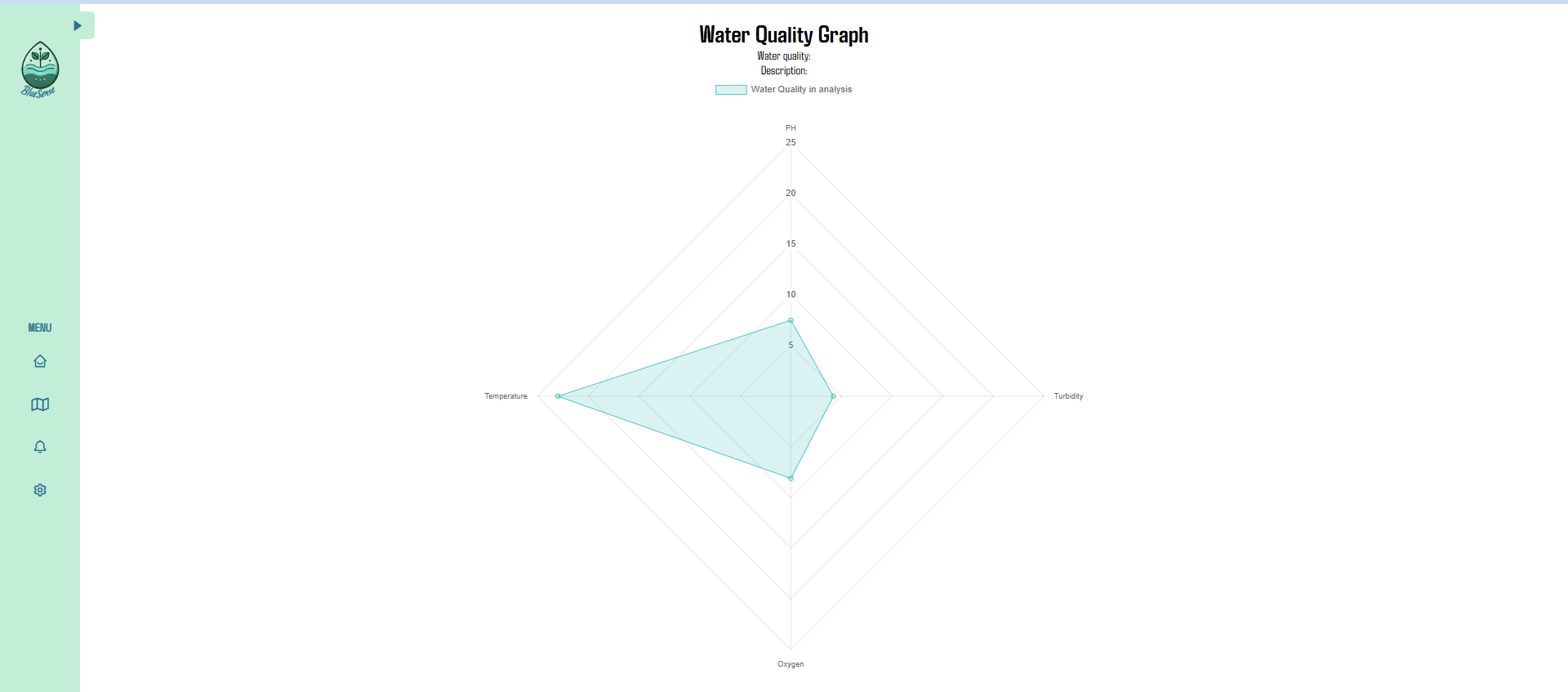
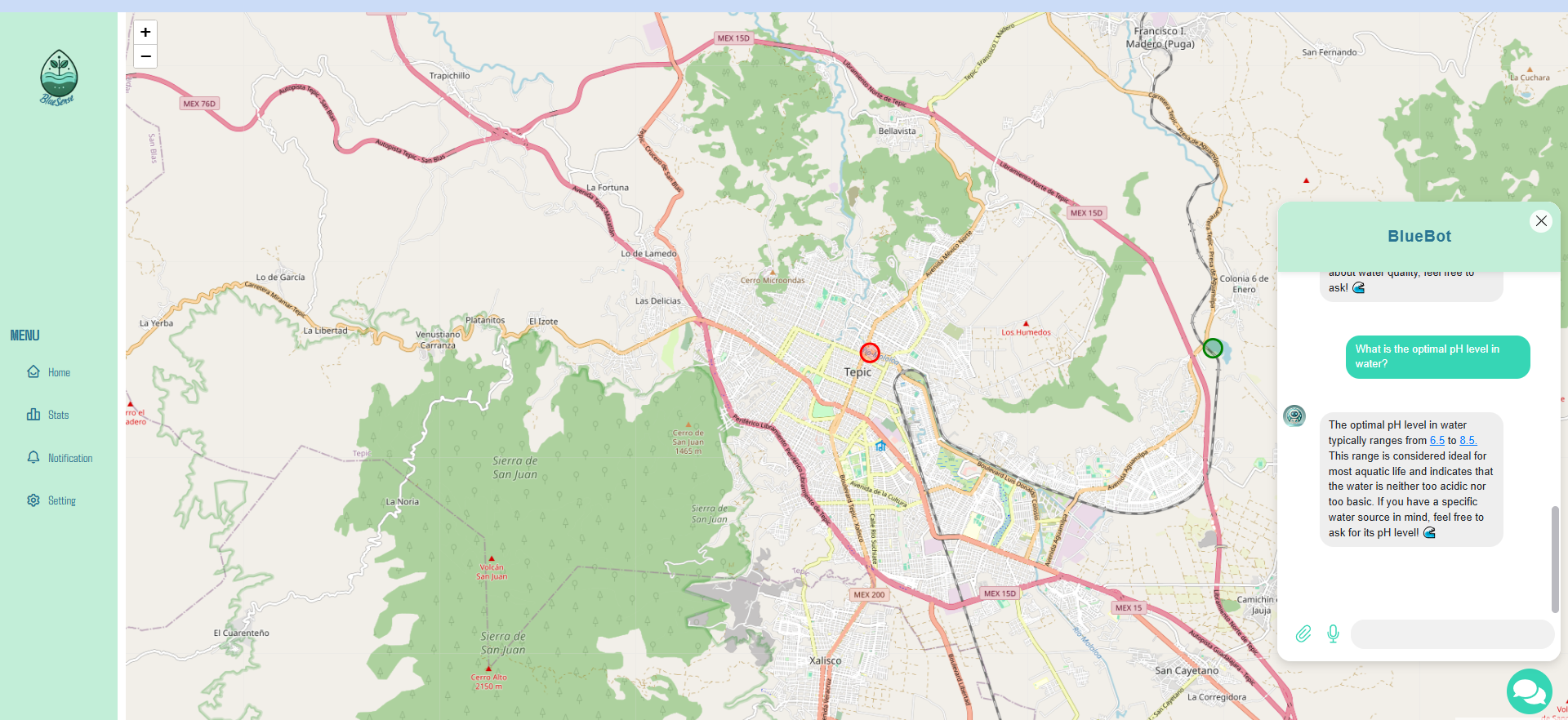
BlueSense is a conceptual proposal aimed at transforming the monitoring of water quality through the use of advanced technology. The proposal seeks to develop a platform designed to receive key data from sensors that would measure essential parameters such as pH, turbidity, dissolved oxygen, and water temperature. These indicators are crucial for assessing water quality and detecting potential contaminants. The BlueSense proposal includes the use of artificial intelligence (AI) to analyze this data in real time. Through machine learning algorithms, AI could identify patterns and trends that help anticipate water quality issues before they become significant risks to public health. Additionally, BlueSense proposes the registration of all data in a blockchain, thereby ensuring the integrity and transparency of the information. This approach would ensure that the data cannot be altered, giving users confidence in the accuracy of the information regarding water quality. To enhance user interaction and facilitate access to information, the proposal also includes the integration of a functional chatbot. This chatbot would allow users to ask questions about water quality and receive immediate responses, as well as access information about the status of different bodies of water being monitored. In this way, BlueSense aims to empower communities by providing them with tools to make informed decisions based on accurate and up-to-date data about water quality.
How we built it
The BlueSense platform was built using web technologies such as HTML, CSS, and JavaScript, which allowed us to create an interactive and appealing interface. Although at this initial stage the platform does not receive real-time data, we have represented how artificial intelligence (AI) could analyze water quality and how blockchain would ensure the integrity and transparency of the data.
Challenges we ran into
One of the biggest challenges was developing a convincing representation of AI and blockchain. It also required significant effort to create an interactive map that provides clear and accessible information for users, as well as to integrate a functional chatbot that offers an interactive experience and answers questions about water quality in a straightforward and friendly manner.
Accomplishments that we're proud of
We are proud to have created an effective representation of BlueSense's functions, which includes an interactive map and a chatbot. This proposal demonstrates the potential of combining AI and blockchain in a user-friendly interface, showing how these technologies can enhance environmental monitoring.
What we learned
Throughout the development of BlueSense, we learned about the application of AI and blockchain in environmental monitoring, as well as the importance of creating accessible information for the community. These lessons are crucial for raising awareness about water quality and environmental issues.
What's next for BlueSense
BlueSense has great potential to revolutionize water quality monitoring at a national and international level. The implementation of technologies such as blockchain and artificial intelligence will bring this proposal to life, ensuring data integrity and providing real-time analysis that facilitates informed decision-making. With a focus on expansion, BlueSense aims to integrate more water sources and offer communities effective access to critical information, empowering them to manage their water resources more efficiently and transparently.


Log in or sign up for Devpost to join the conversation.