-
Logo
-
classes
-
-
-
-
-
Inspiration
The COVID-19 pandemic forced schools to completely pivot to online learning, and the lack of digital education infrastructure allowing students to explore resources for self study left many students feeling lost and unmotivated- especially if they missed class for personal reasons. This didn't make sense to our team, since the US spent on average $16,268 a year per student, well above the global average of $10,759. Furthermore, the average US student is almost a year behind the average OECD (The Organization for Economic Co-operation and Development) student in math education, and the average student in a country such as Singapore is 3.5 years ahead of her US counterpart. Yet we believe that every student should have the ability to navigate their learning experience, and that greater accessibility to self-study resources in a transparent, intuitive, and standardized platform could help bridge the gap between the US and its OECD counterparts.
What it does
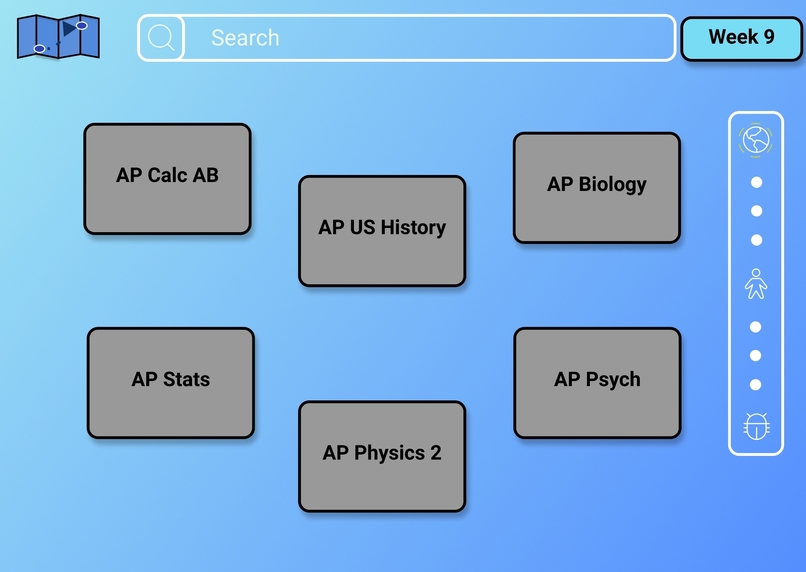
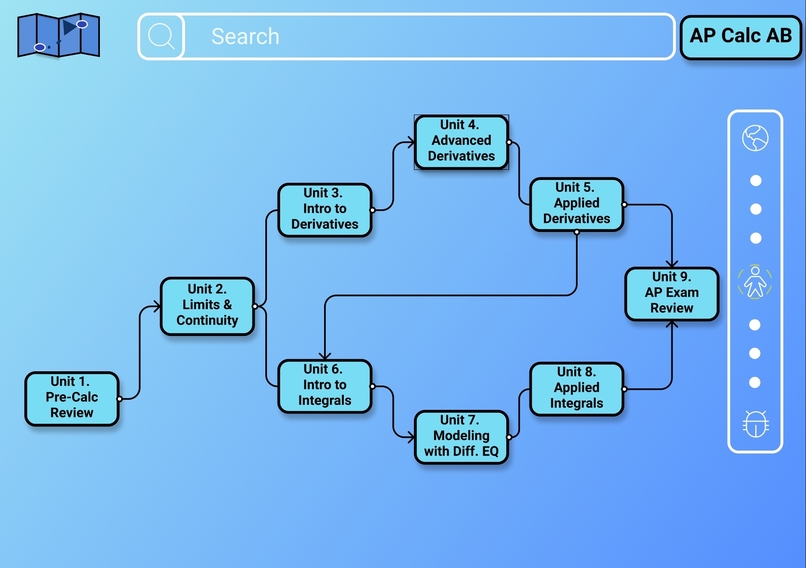
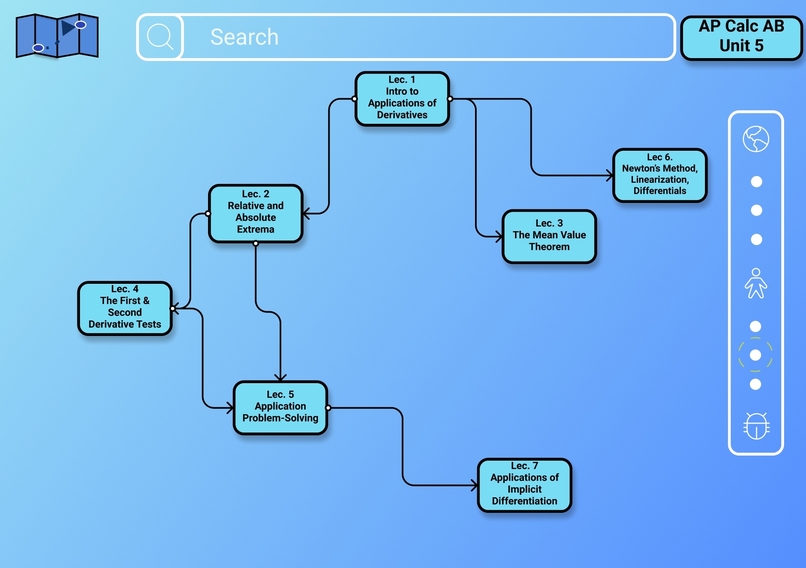
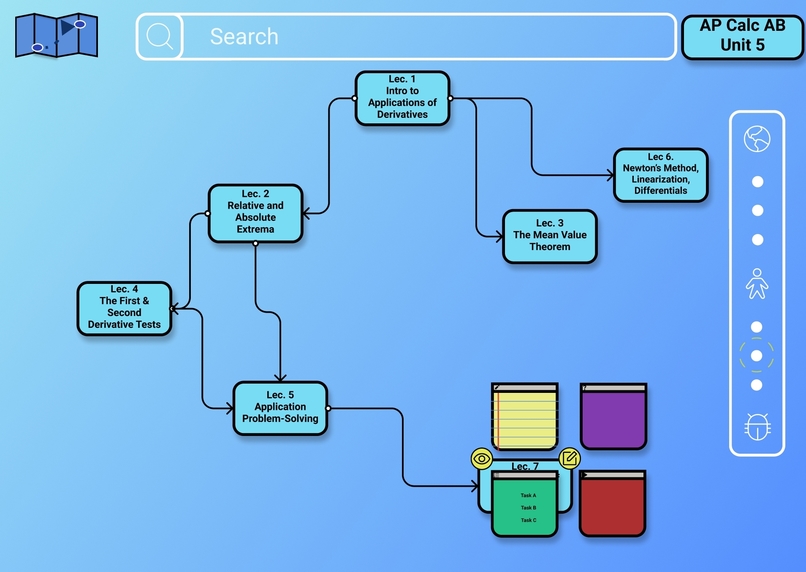
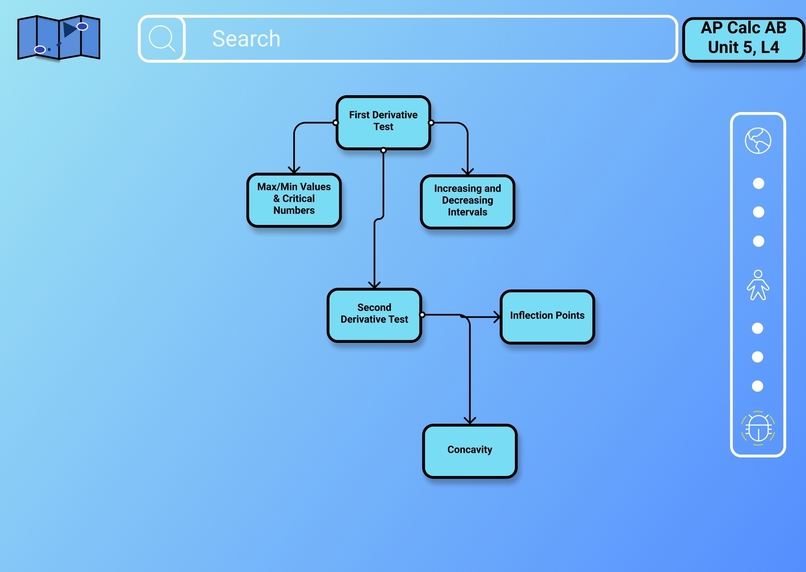
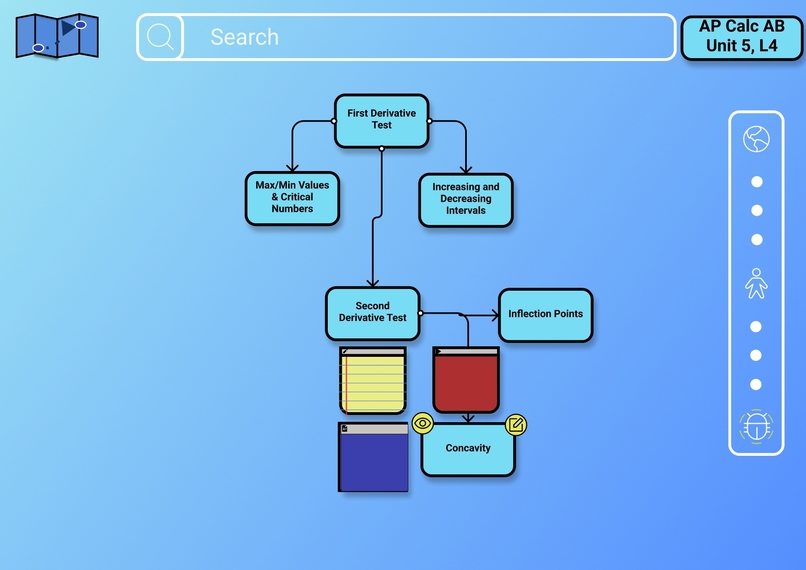
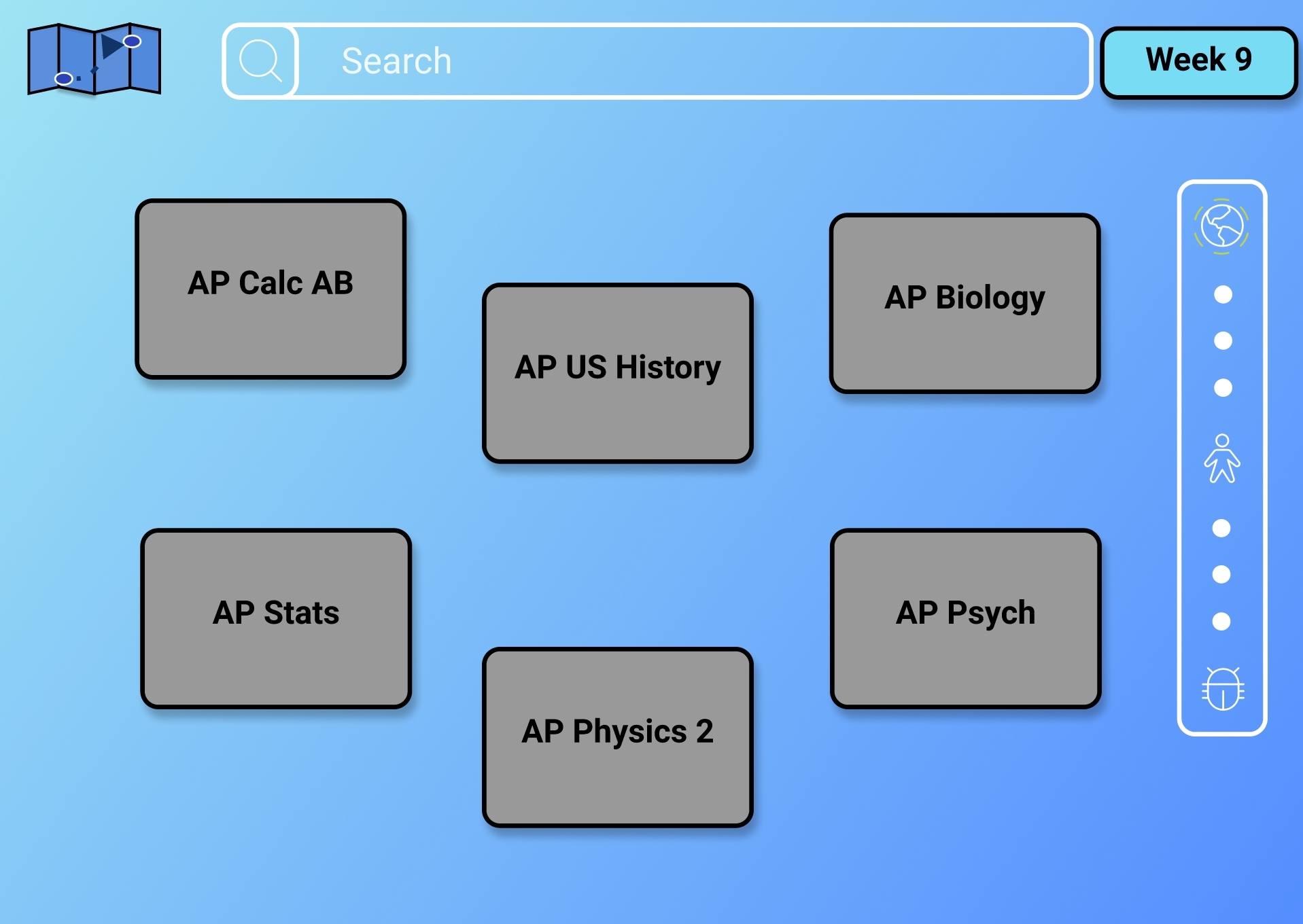
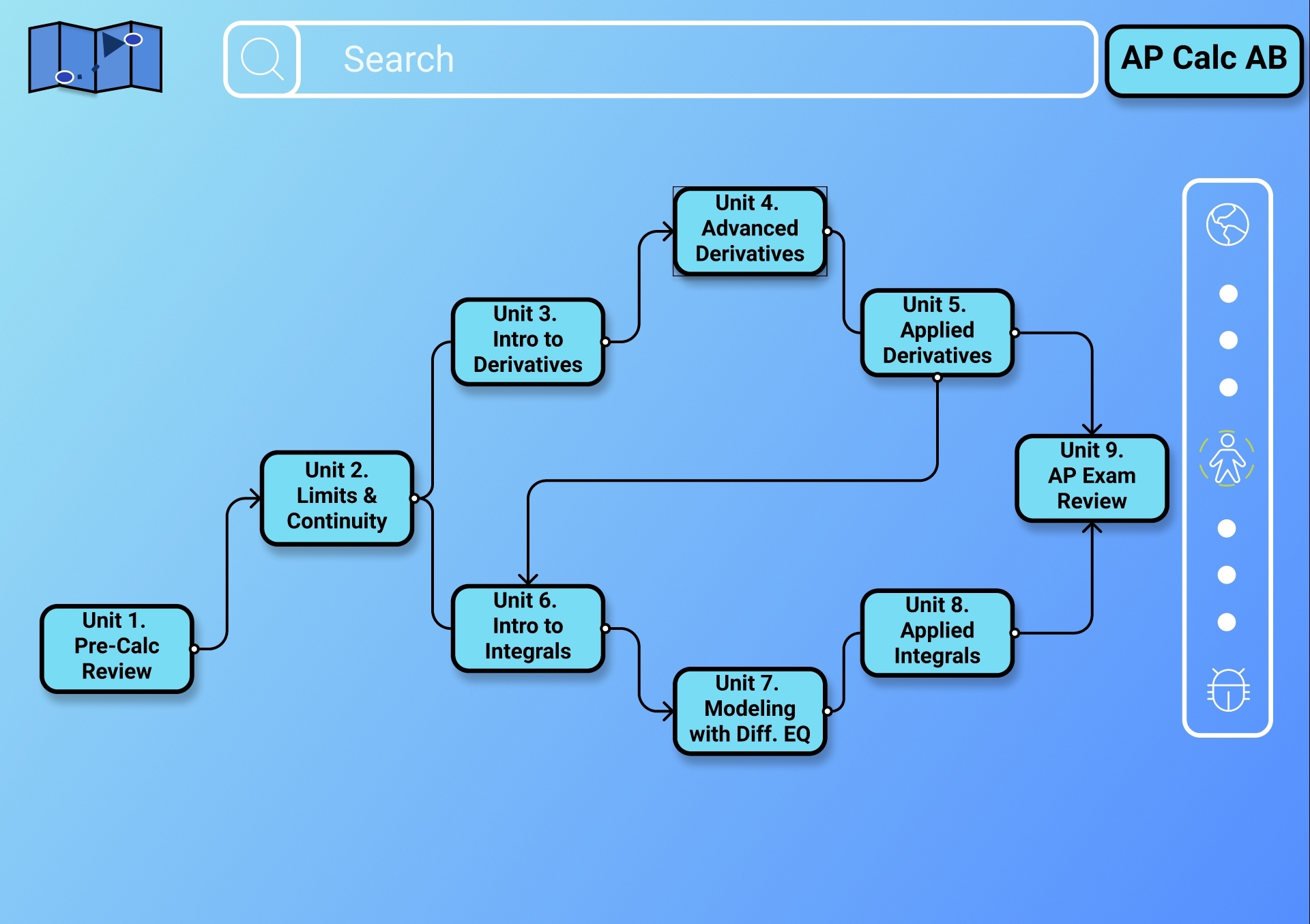
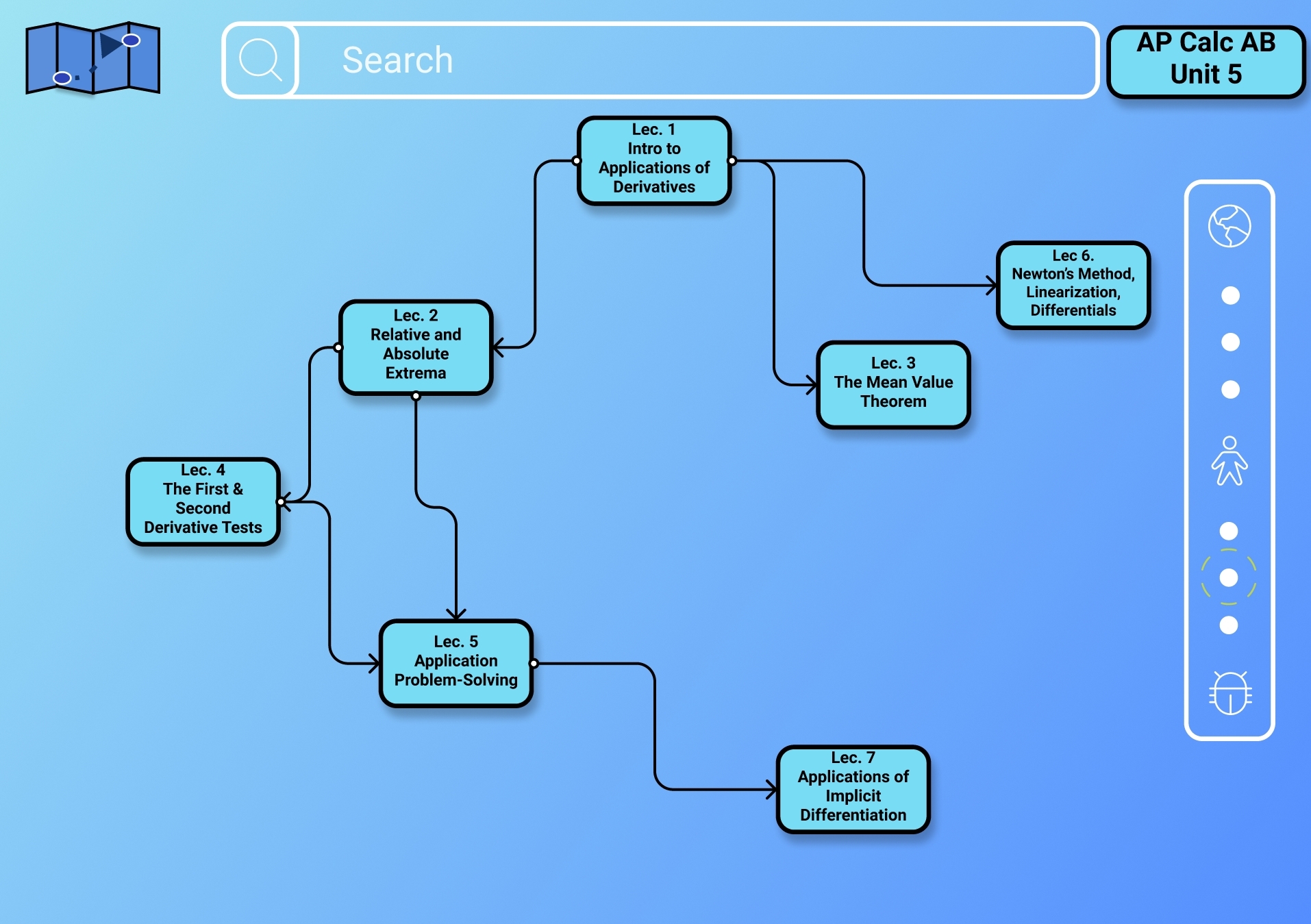
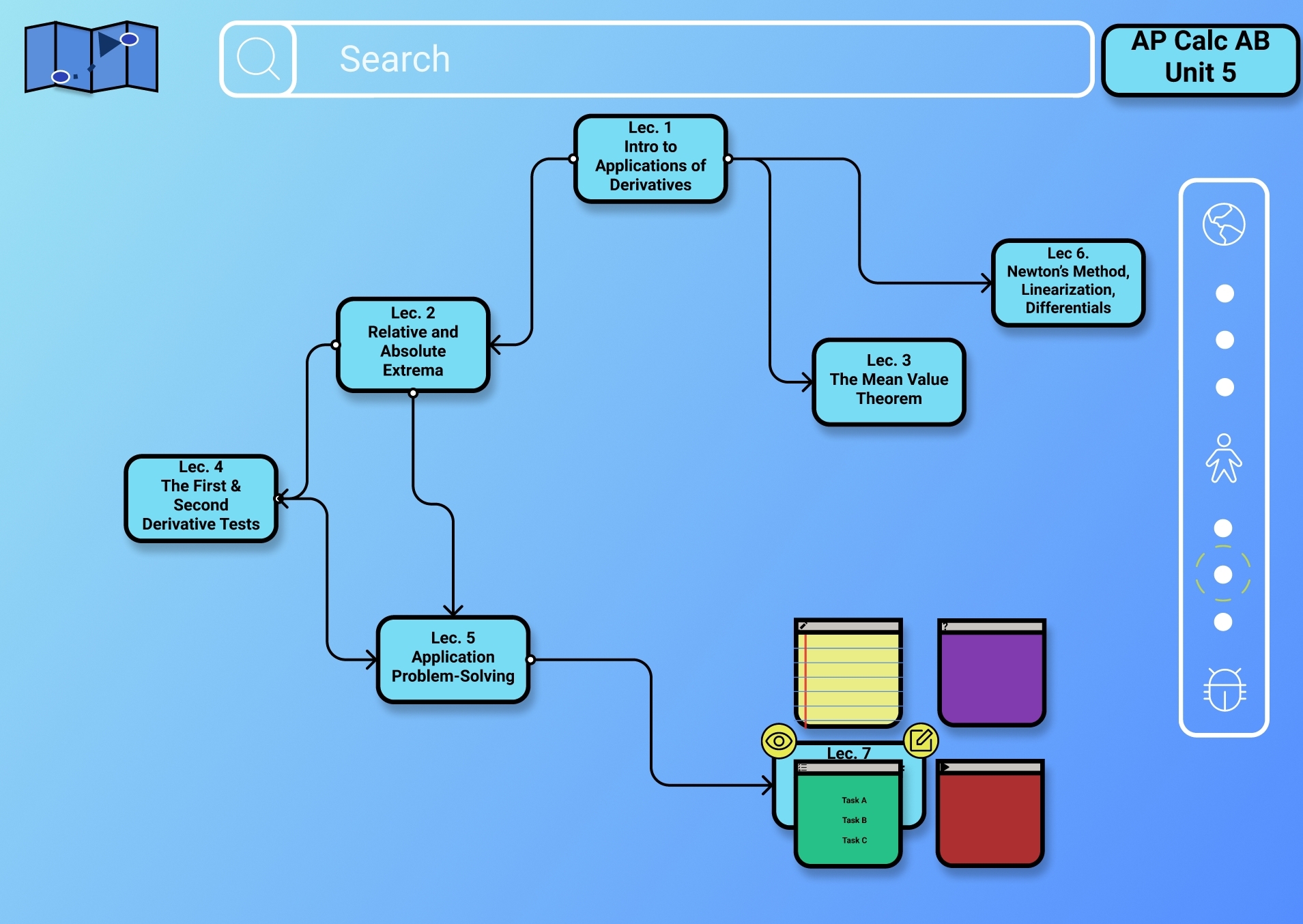
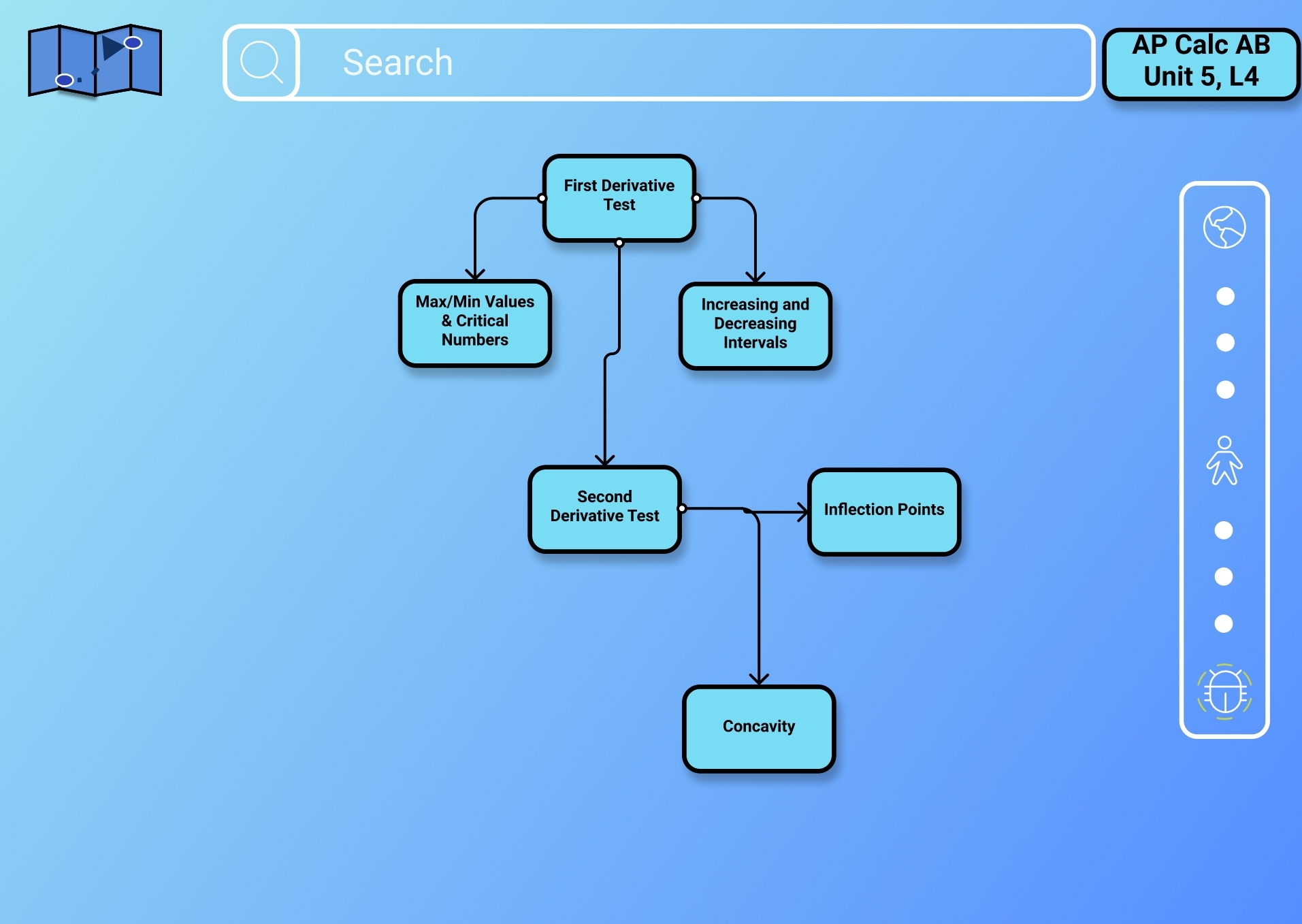
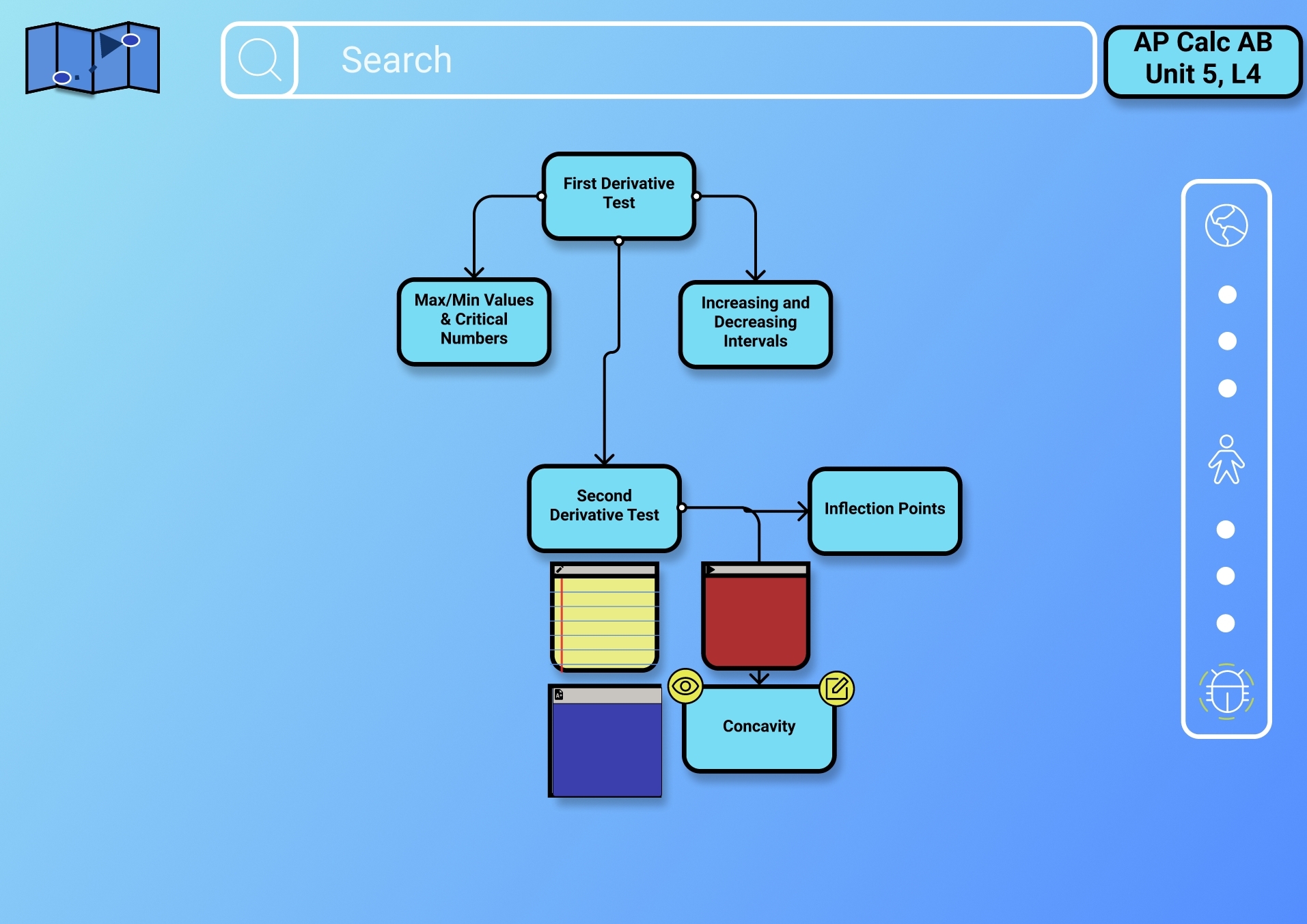
Blueprint is a self study consolidated program currently meant for AP students to either gain extra background outside of class or self study for an AP Exam. Blueprint represents a course's content as a directed dependency graph where each node represents a concept at a different layer of abstraction. Each node can have sub-node modules that contain a specific functionality, such as related videos, notes, quizzes, and even a user-generated question forum.
How we built it
We built our first prototype for Blueprint on Figma.
Challenges we ran into
The challenges we ran into were initially related to what target market we should focus on, and how we would angle our product so that it had a well defined purpose. We initially thought it would be good to create a system that allowed teachers to take the class' 'pulse' by seeing what node links are weak, but decided this was far too involved, and would limit our scalability. We also focused on highschool, specifically AP classes, as our initial market since it is the largest value market and would provide the most students the chance to positively affect their future by giving them resources for college-prep courses. In college, professors are usually more focused on lectures and a textbook, so we will have to find a way for Blueprint to supplement these tools when expanding.
Accomplishments that we're proud of
We're extremely proud of our logo, brand cohesion, and purpose. We aren't focused on profit maximization, but rather on helping students access higher learning in a transparent and intuitive manner.
What we learned
We learned a lot about product design, stakeholder experience, and defining a scope for a large problem. We learned how to split up work and brainstorm as a team in a way that was productive & allowed us to continuously keep tabs on each other's workflows.
What's next for Blueprint
We plan to begin as a small market proof-of-concept allowing teachers to create their own plans. We then plan to expand to other AP courses and offer standardized packages for them. After that we are going to look into creating Blueprints for well-supported undergraduate courses. Our main goals for now are achieving a critical mass of users where questions placed on specific nodes at any level of abstraction can be answered in a meaningful time by other community members, thereby allowing a greater opportunity for collaboration.
Built With
- figma


Log in or sign up for Devpost to join the conversation.