-
-
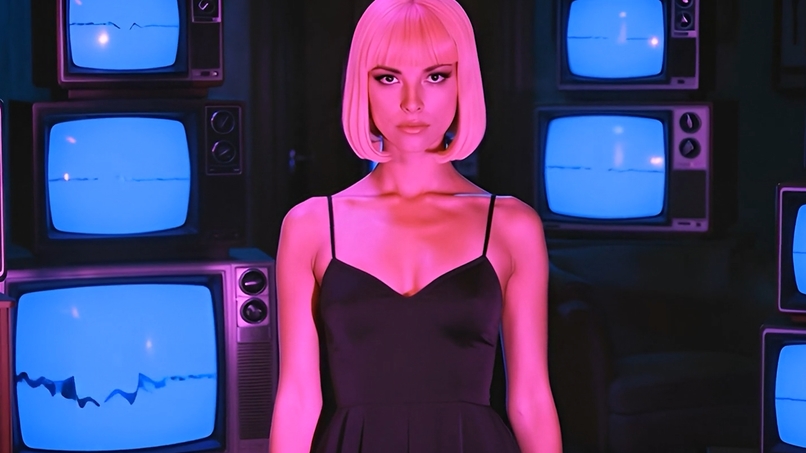
Blue Light – Film Still 9 (SÆRA NOVA)
-
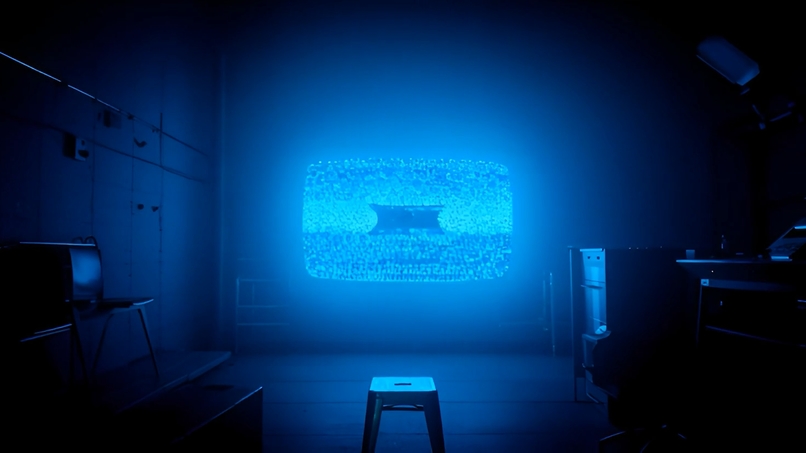
Blue Light – Film Still 8 (SÆRA NOVA)
-
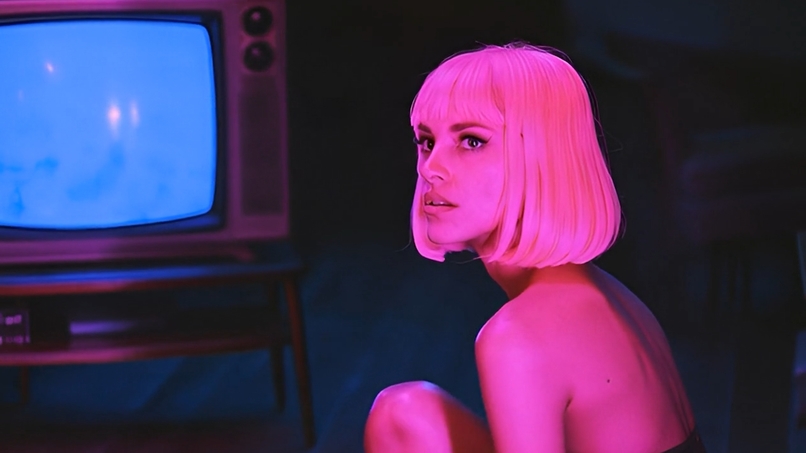
Blue Light – Film Still 7 (SÆRA NOVA)
-
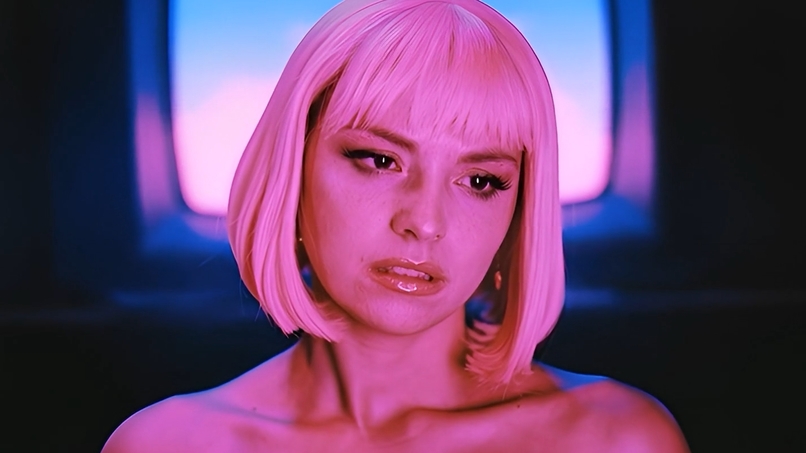
Blue Light – Film Still 6 (SÆRA NOVA)
-
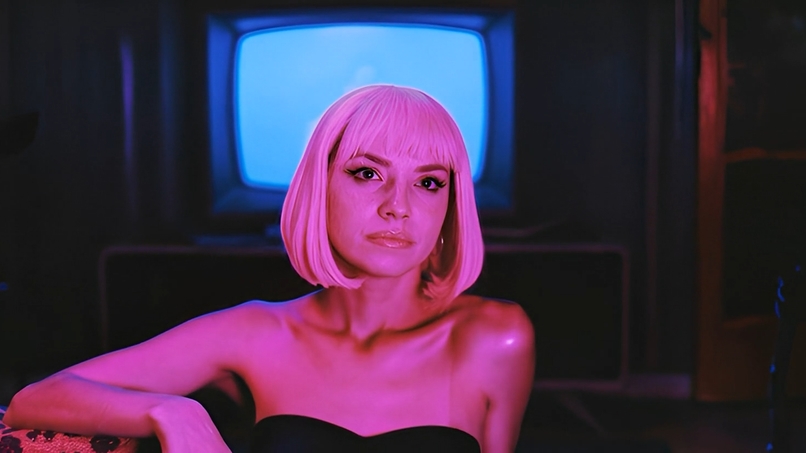
Blue Light – Film Still 5 (SÆRA NOVA)
-
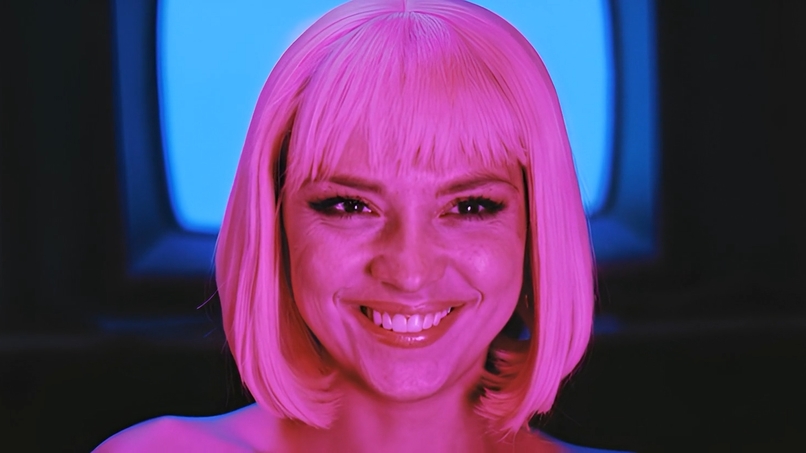
Blue Light – Film Still 4 (SÆRA NOVA)
-
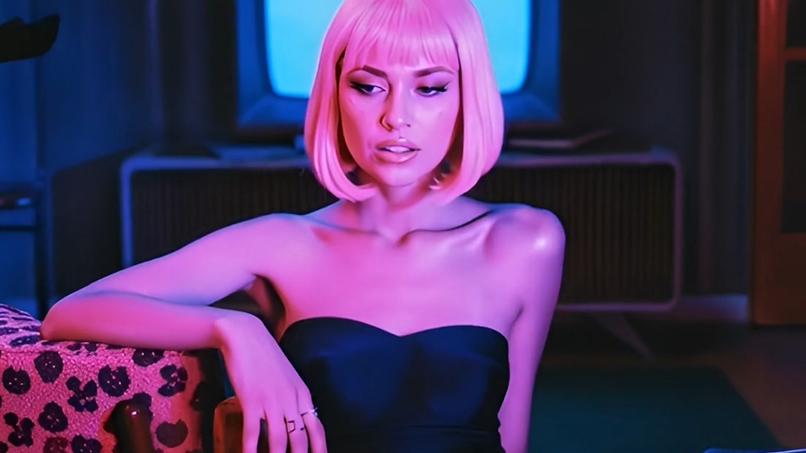
Blue Light – Film Still 3 (SÆRA NOVA)
-
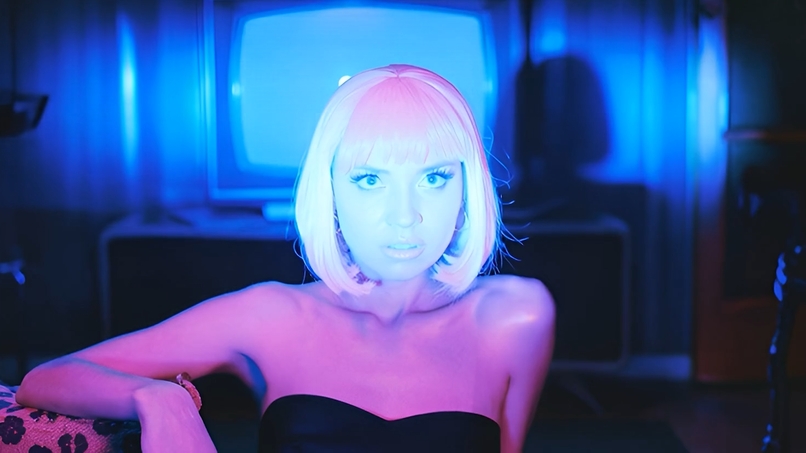
Blue Light – Film Still 2 (SÆRA NOVA)
-
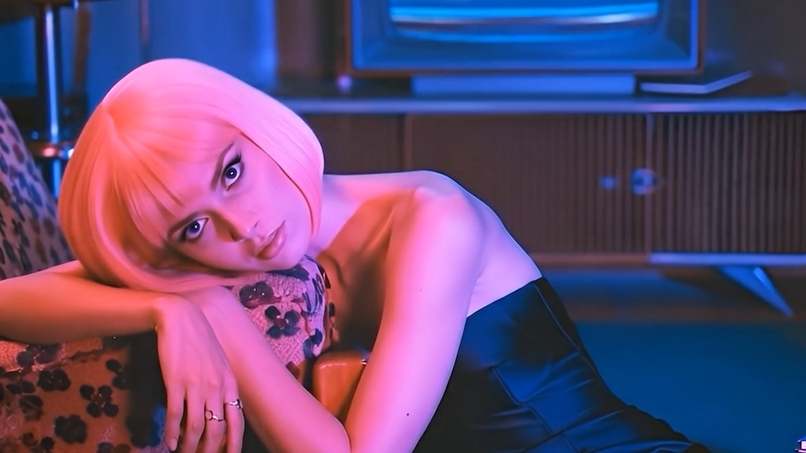
Blue Light – Film Still 1 (SÆRA NOVA)
Inspiration
Blue Light came from those late-night hours where everything feels too loud inside your head and too quiet outside. I wanted to capture digital fatigue, anxiety, self-sabotage, and that tendency to dull your own joy before anything “bad” can happen – a confession under the glow of screens, caffeine, and sleeplessness.
The track really came to life once I started building the visuals: merging modern life with echoes of the past, shaping a slightly surreal, analogue-yet-not-quite world with digital tools. You can’t quite pinpoint where it takes place – it feels real enough, and yet not quite, like a wide-awake dream. The intimate, slightly lonely, restless late-night insomnia mood of the song inspired the music video, but in the end, it was the music video that completed the song.
What it does
The track blends atmospheric electronic production with intimate vocals to create a late-night world: melancholic, restless, but still moving forward. It sits in a minor key with a simple but emotionally loaded chord progression, while the lyrics dig into overthinking, emotional suppression, and the fear of letting anyone in. It’s meant to feel like being alone with your thoughts at 2 a.m. – uncomfortable, hypnotic, and a bit addictive.
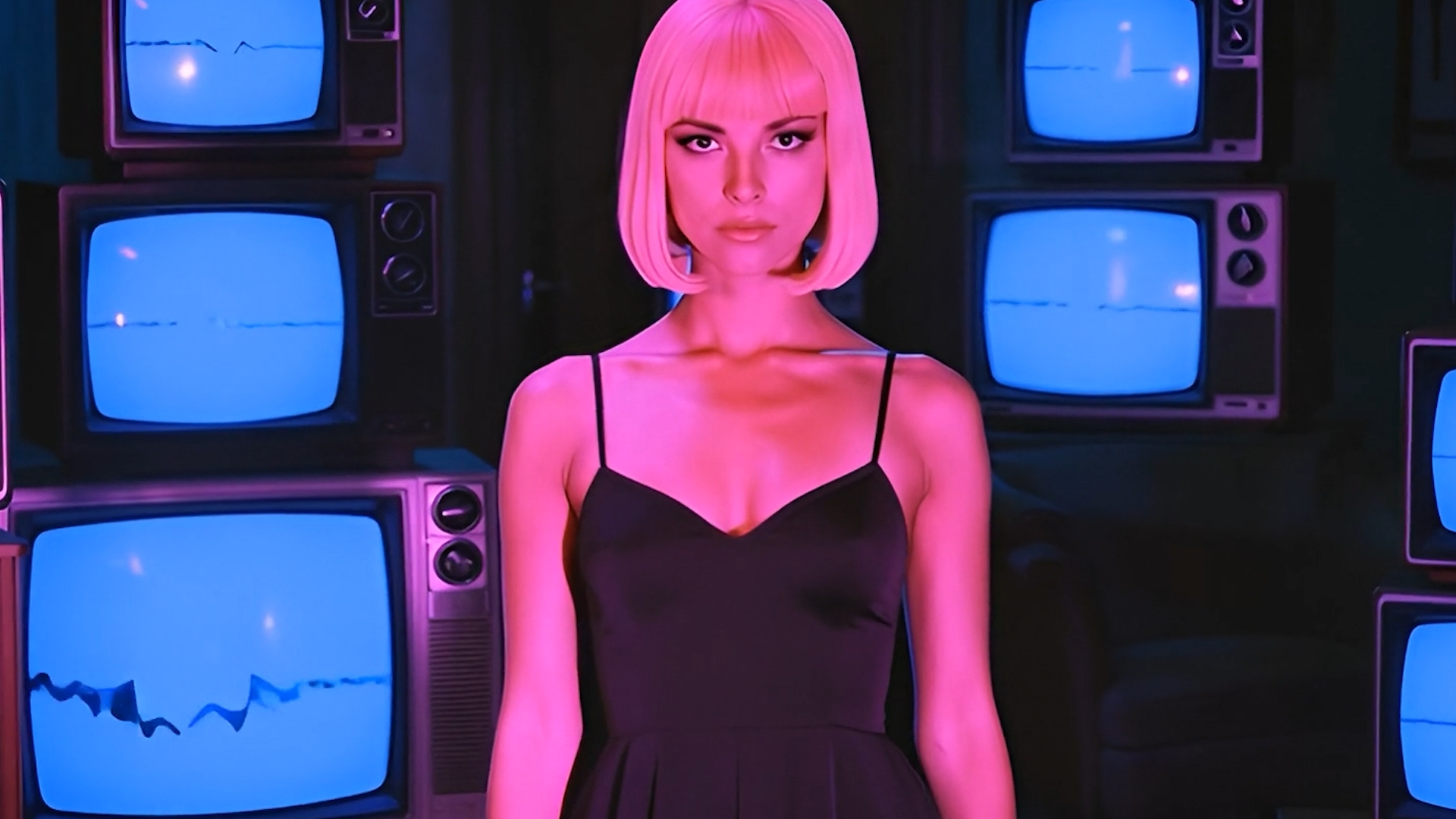
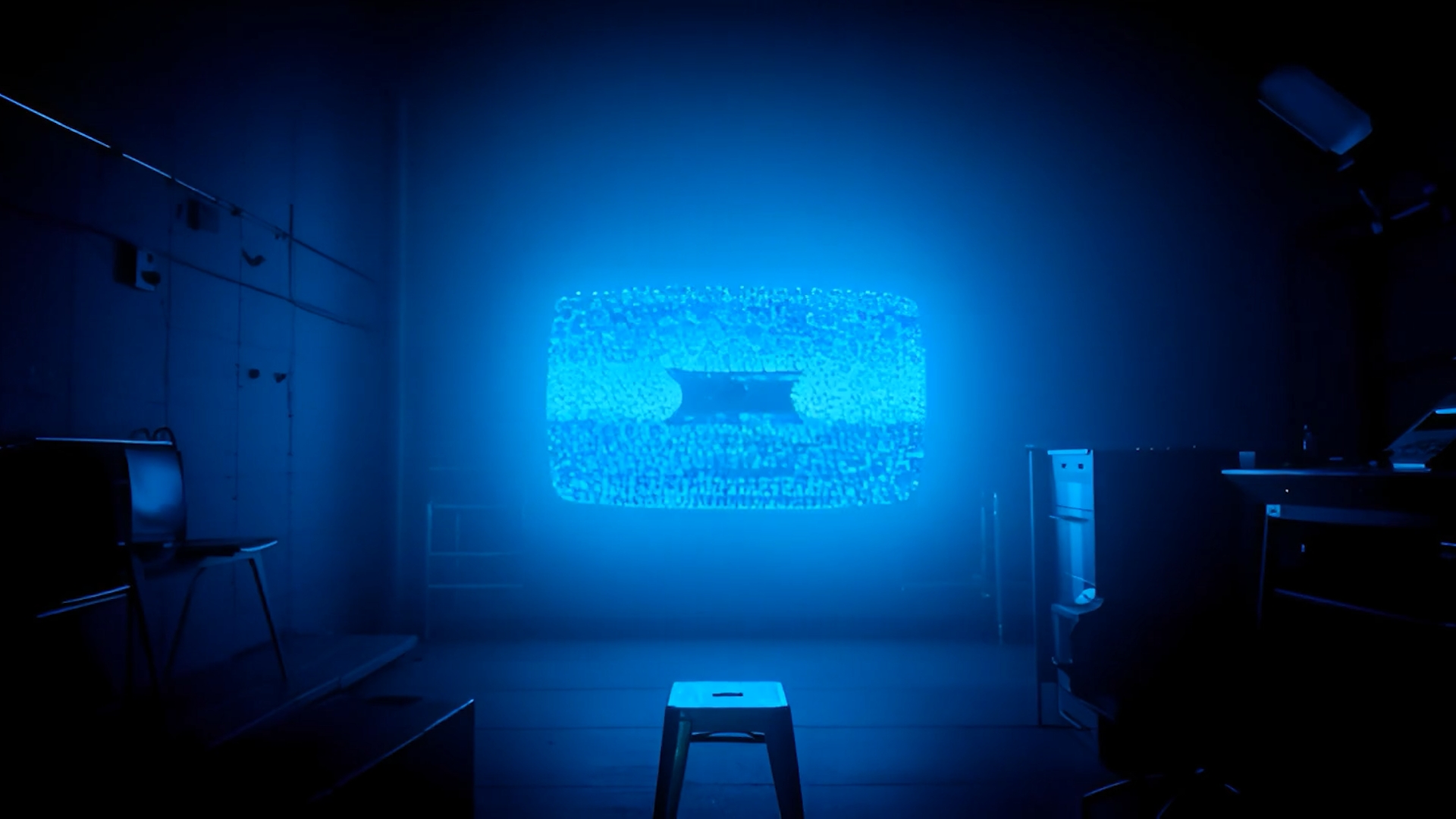
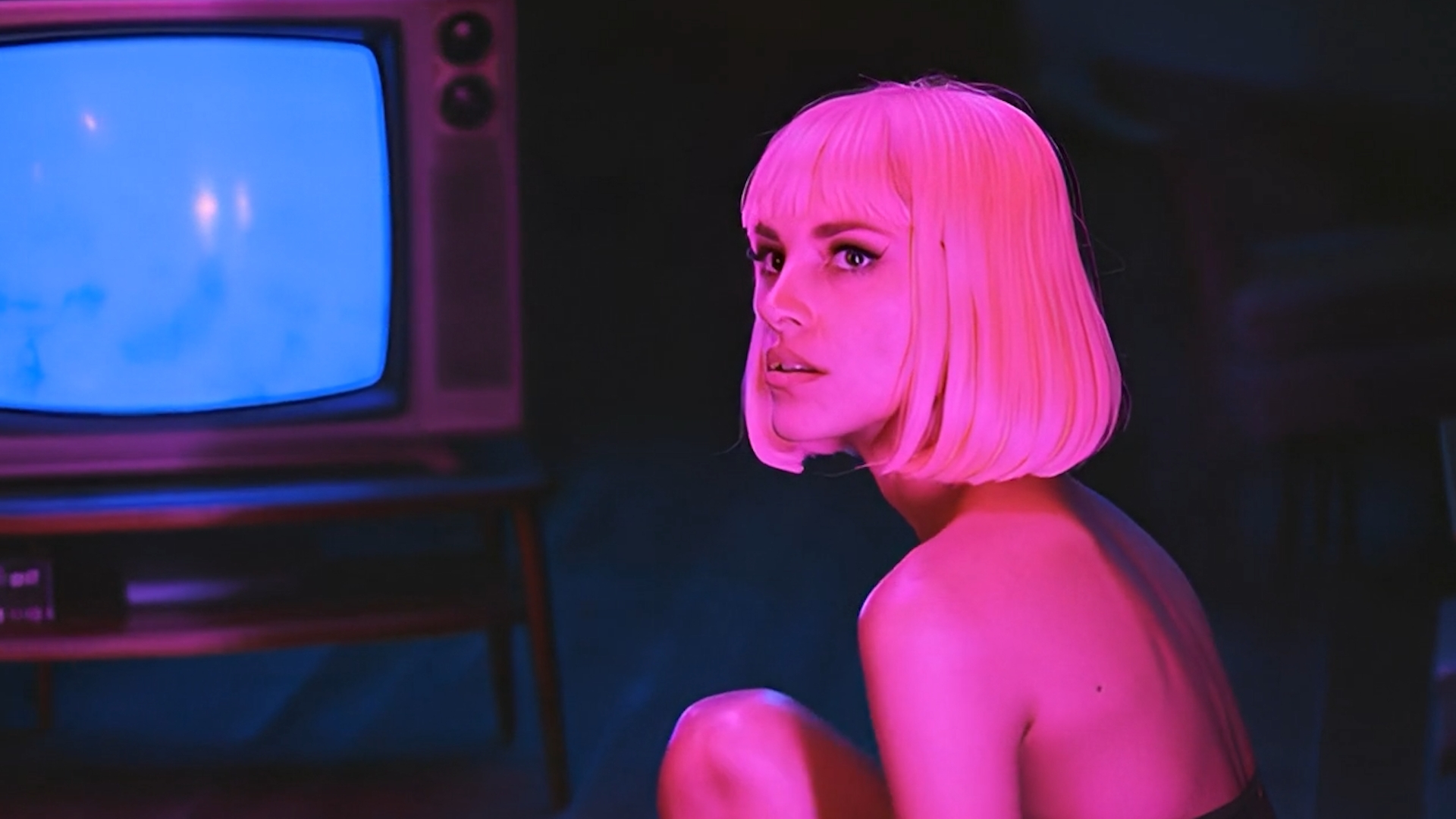
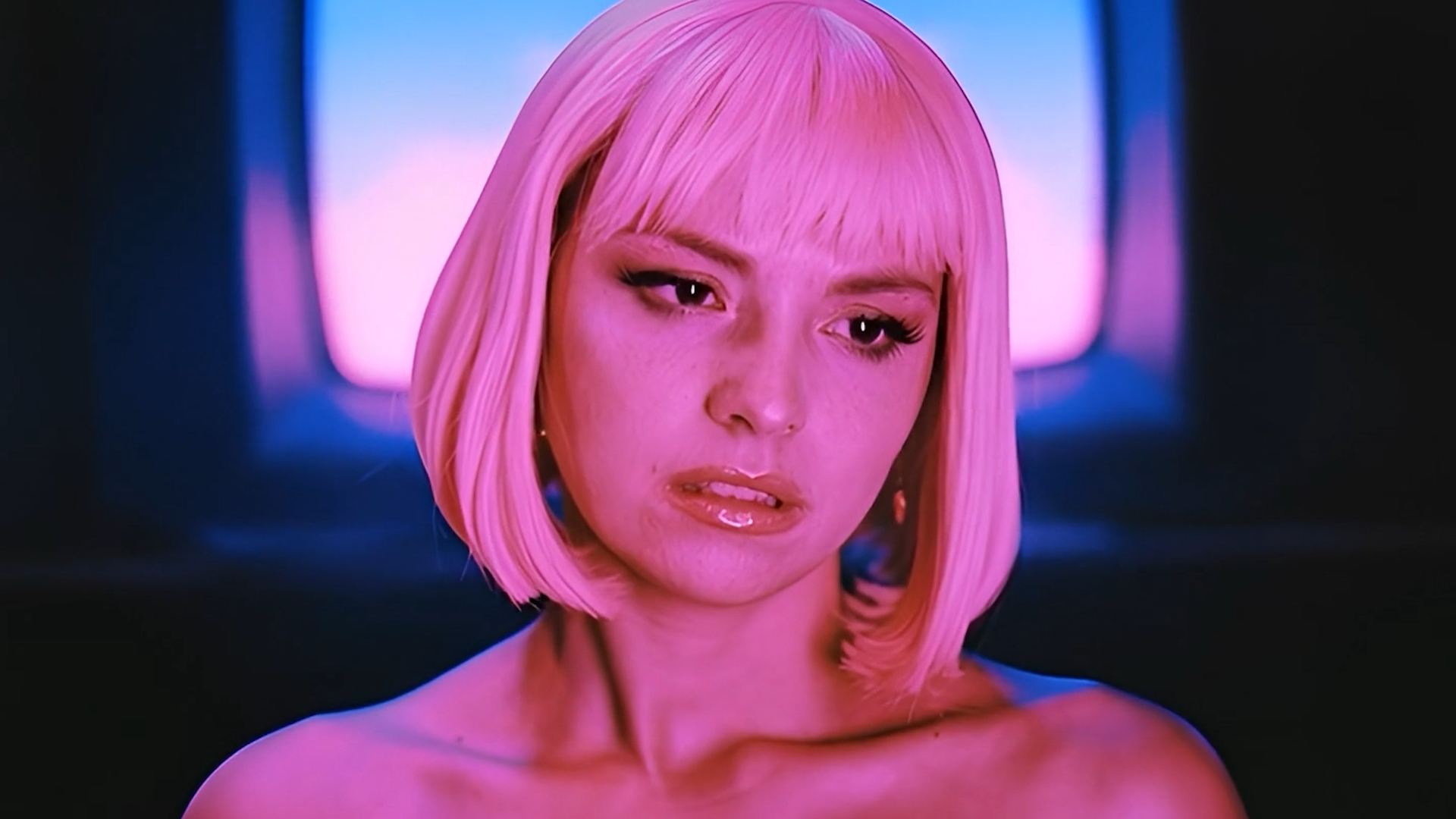
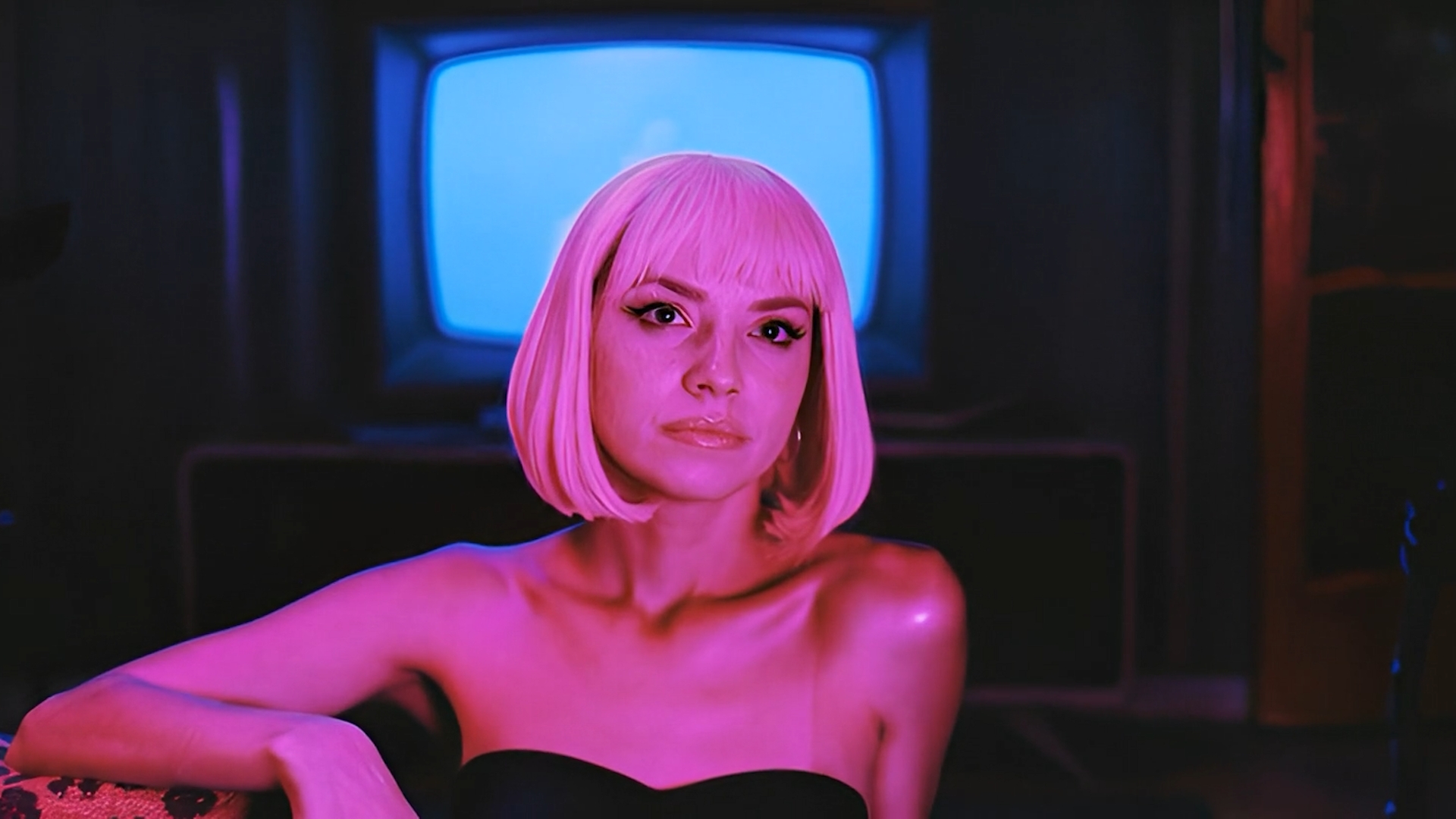
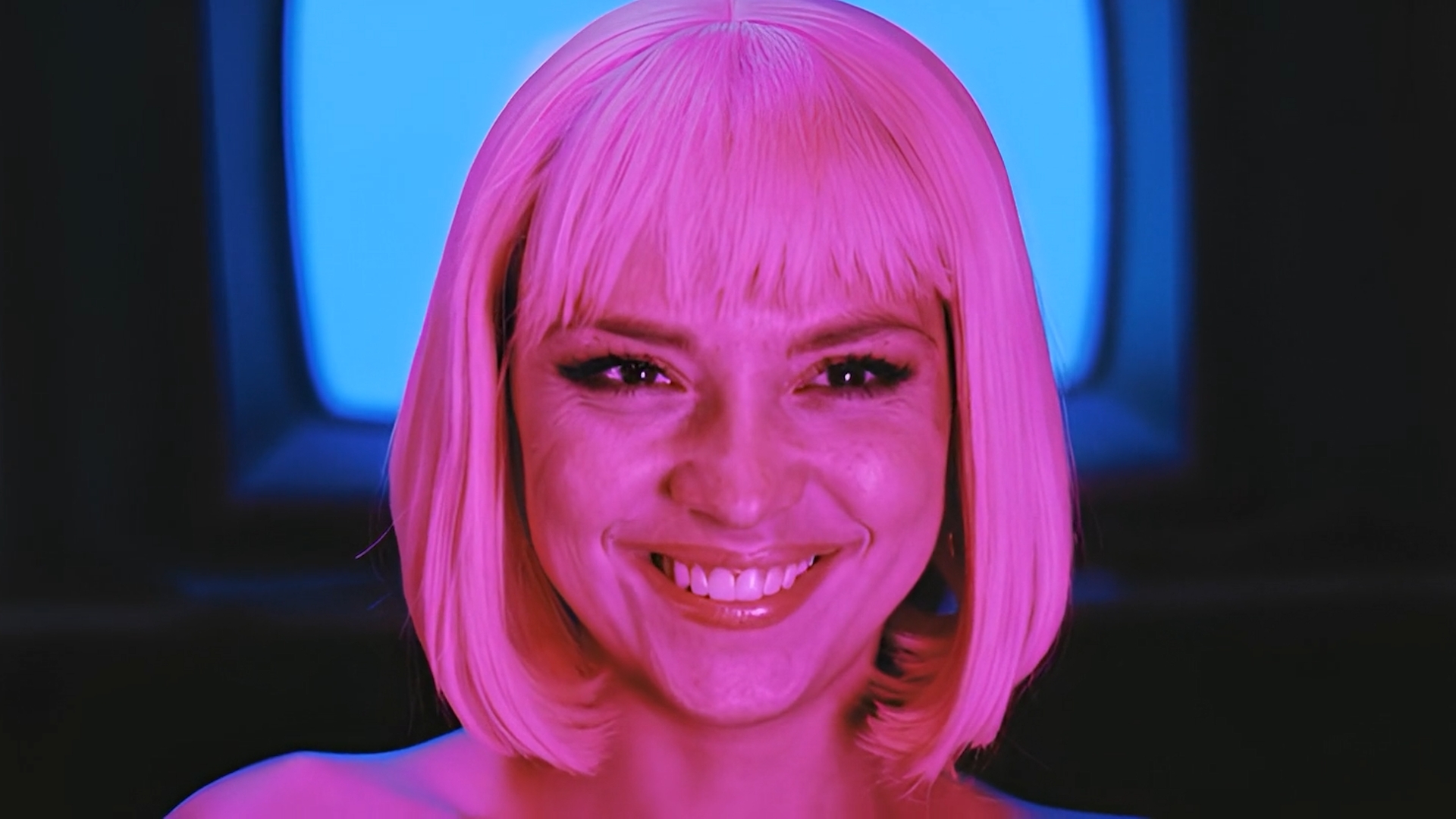
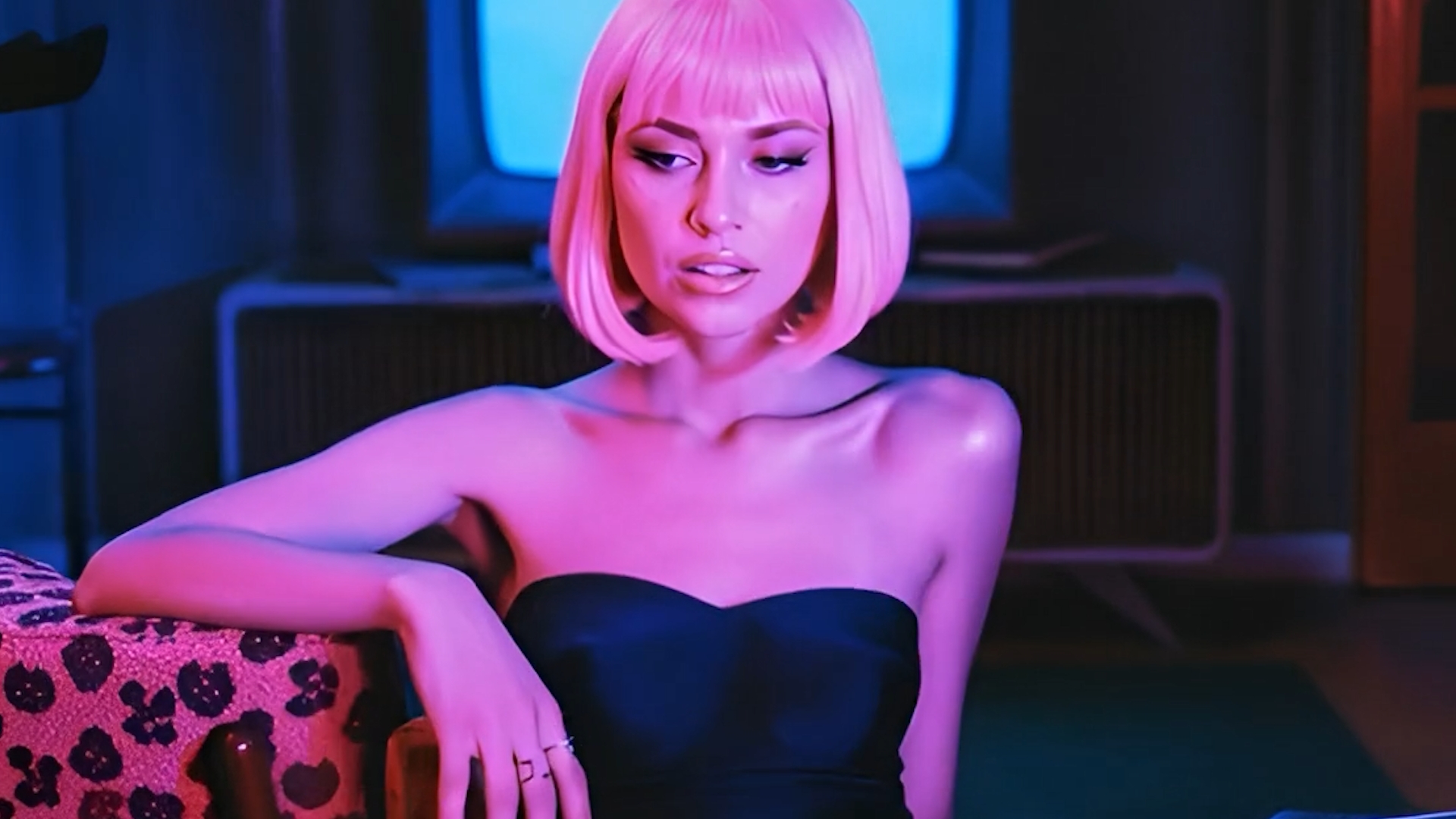
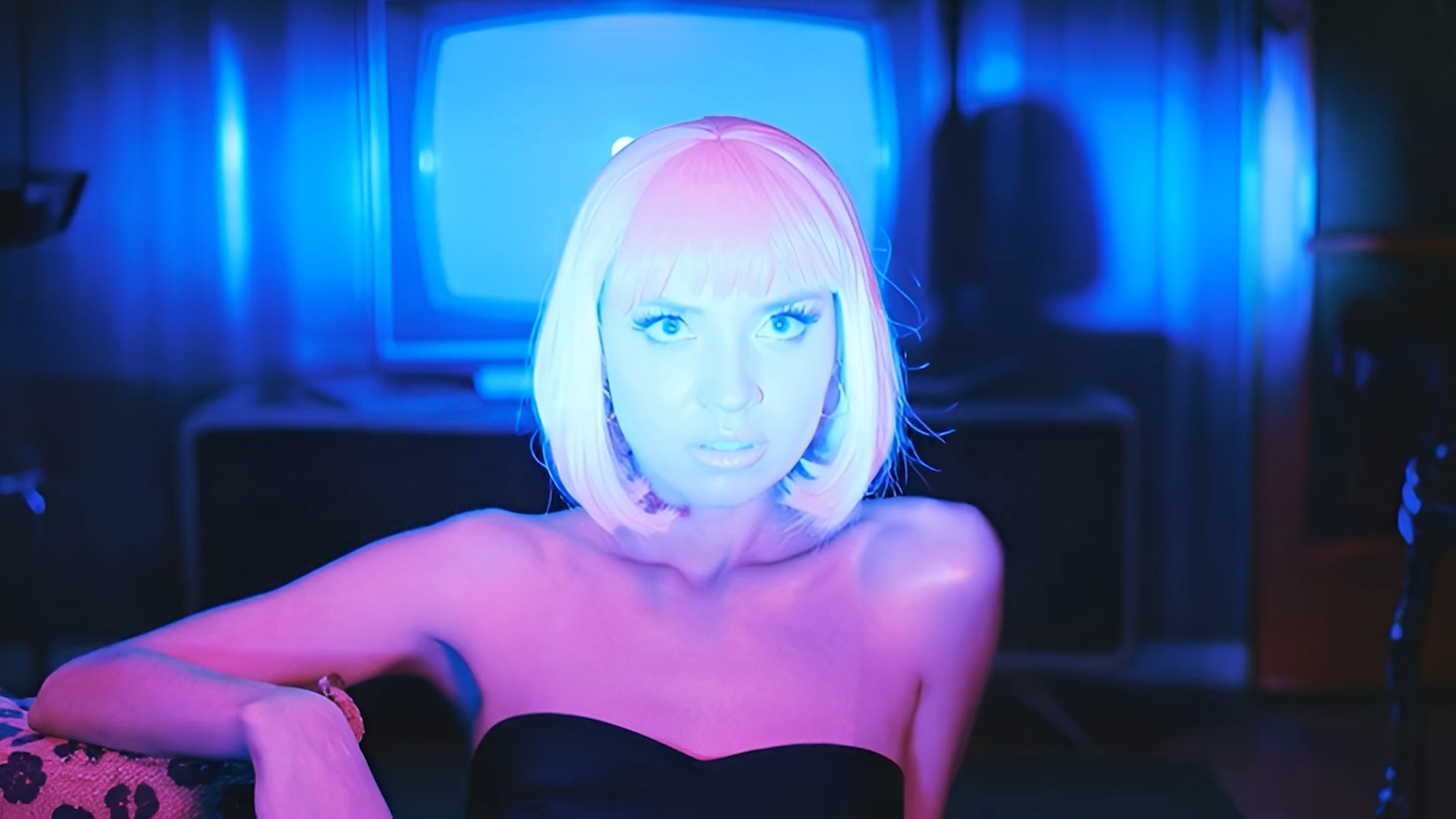
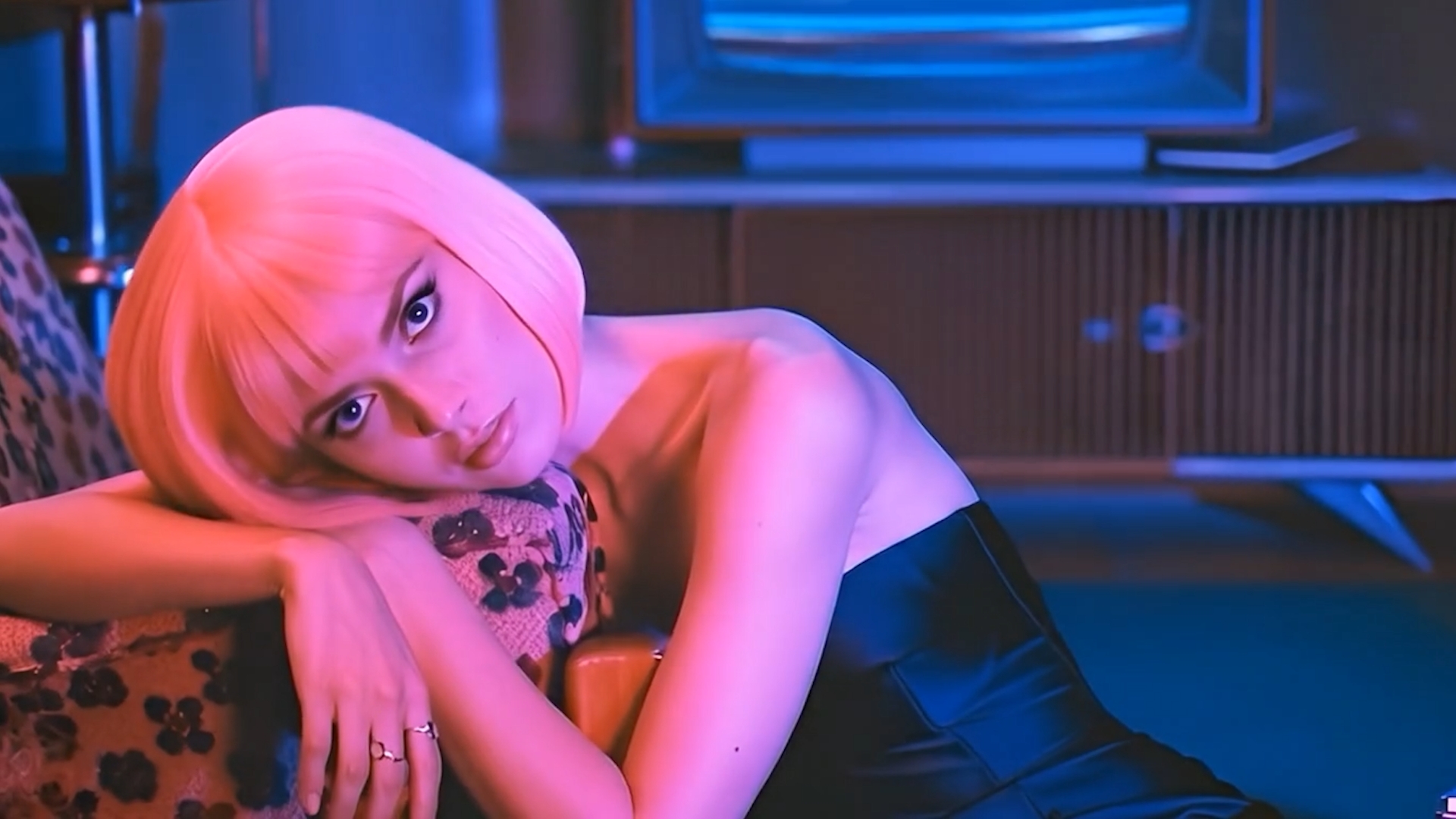
Visually, it takes you into a surreal, intimate world of its own: the apartment of Særa – one side of a girl stuck between past and present, between analogue and modern. We watch her almost too closely as she cycles through insomnia, contradictory behaviours, and anxiety. The video is meant to pull you in and leave you slightly unsure: is this real, is she real, is it set in the past, or somewhere in between? Nothing fully matches – an old TV casting an impossibly digital blue glow, vintage furniture mixed with modern objects – but the analogue elements are what feel comforting.
It’s a digital story with an analogue heart, designed to leave you with the sense that you’ve experienced something, even if the music or style isn’t usually yours. The goal is to convey that liminal space – not quite here, not quite there, wide awake in between.
How we built it
I started by thinking about the kind of music I actually listen to and would want to hear myself. Using AI tools (ChatGPT and Gemini), I analysed artists I love to narrow down the mood, structure, and production style, and from that I refined how to prompt for the kind of track I wanted to create.
From there, I wrote a rough draft of the lyrics – more like late-night brain-dump notes than a finished song. The ideas slowly took shape, and once I had something to work with, I used ChatGPT and Gemini to help polish the wording, tighten the rhymes, and structure the lines. After some back-and-forth corrections, I ended up with a set of lyrics I was genuinely happy with.
I then used Suno to generate the track based on those lyrics and references. That took multiple generations and adjustments until the tempo, tone, and vocal feel matched the world I had in mind. At first I wasn’t sure the song was “finished”, so I treated it as a work in progress.
Meanwhile, the video idea was forming. I took this seemingly unfinished song into Adobe Premiere Pro and started combining it with visuals I had generated in advance using tools like Reve, HailuoAI, and Grok. As I edited, the story crystallised and the central character started to take on a life of her own.
When prompting for the visuals, I knew I wanted that blue glow – but not just a generic screen. I wanted something slightly absurd and surreal: an obviously analogue old TV throwing out this hyper-modern blue light. From there, the whole setting emerged: vintage furniture mixed with modern objects, her appearance and environment blending past and present. Nothing quite fits perfectly, and that’s the point – it mirrors the song’s feeling of being caught between times, realities, and versions of yourself.
To refine the look, I used Adobe Lightroom Classic to polish colours and textures and Adobe Photoshop to generate and clean up missing background elements, mainly for thumbnails and supporting visuals. All of these tools together allowed me to build a cohesive visual world around the song.
Challenges we ran into
The biggest challenge was generating the same character consistently. Even when the prompts and references were aligned, her face shape would shift slightly between scenes – a few more or fewer beauty marks, slightly different wrinkles, hair just a bit longer or shorter. It’s still recognisably the same person, but not 100% identical in every scene.
Same goes for Saera’s clothing. It was really difficult to keep her outfit completely consistent – sometimes she’s wearing a little black off-shoulder dress, sometimes she’s in underwear, in one or two scenes she’s in a bra and pencil skirt – but all of these looks still served the narrative. As long as they supported the story and didn’t break the spell, it was okay. The AI models definitely lean towards a “less is more” strategy, and sometimes you just have to run with that.
She’s just come home – from the club earlier – so she looks the part. She’s alone in her apartment, so none of these moments are unbelievable. I needed her to remain elegant, sensual, yes – but never performing for anyone. She’s simply comfortable in her home and in her own skin. In this video she’s partly from this time and partly not, so elegance and minimalism are key: no pyjamas, modern sweatshirts or heavily embroidered vintage gowns. The focus is on her, her face, the light, the setting – less on what she’s wearing. The clothes are not meant to distract.
It was also difficult to maintain visual consistency between different platforms. Even with lots of reference material, I noticed that HailuoAI’s videos tended to come out a little brighter and softer than those from other tools. Each platform has its own “signature” look that it stamps onto the footage. I compensated for this in Adobe Premiere Pro with colour grading and brightness adjustments to bring everything closer together, and in the end I think it worked out quite well.
Accomplishments that we're proud of
In my creative day job I’ve always used music alongside visuals as a way of storytelling – not necessarily to tell a literal story, but to set the mood, to say something you can’t quite say in words. A feeling, a vibe, condensed enough to describe yet expansive when you experience it, almost like a signature.
Until now, I’d never created the music myself, and I was always limited by the physical side of things: the time, space, people, and resources it takes to execute what’s in your head. Leaning into AI tools for both sound and visuals in an unexpected way has finally given all of that a home – years of creative vision that felt handicapped by physical constraints now have a place to live and grow. Blue Light is the first project where that whole inner world actually made it onto the screen and into the speakers, and I’m incredibly proud to finally have translated that feeling into a combined visual and sonic piece in a way that simply wouldn’t have been available for me a few years ago.
I’m also really proud of the decision to look backwards instead of forwards when choosing the setting and building the character. The lack of polish – the analogue, retro apartment, the old TV, the slightly imperfect visuals – is exactly what makes the video feel like it could be real. It draws you in and conveys a feeling without triggering that “this looks too perfect, too plastic, too AI” disconnect. Despite its surrealism, it signals familiarity and tactility, like something you might have actually seen once and half-forgotten.
What we learned
I’m very new to both AI sound and visuals, so Blue Light has been a steep learning curve. It’s only my second track and my first fully AI-generated video that I’ve generated, directed, and edited myself to accompany a song.
On the practical side, I’ve learned how to prompt AI much more effectively – from Suno for music to visual tools like Reve, HailuoAI, and Grok – and I’ve picked up a lot more video-editing skills in Adobe Premiere Pro along the way. I’ve also discovered the AI music and AI video communities, seen a ton of inspiring work from other creators, and found this competition through that, which feels strangely reassuring in the middle of all the general suspicion and mistrust around AI.
I started out pretty skeptical myself: I was happy to use language models for practical tasks, efficiency, and brainstorming, but I wasn’t sure how I felt about AI in “real” art. The whole debate about whether art has to be labour-intensive and completely from scratch was very much in my head. What I’ve learned by diving into this obsessively is that, for me, yes – this is real art. None of it would exist without the creativity, taste, decisions, and technical direction of the human behind it. And through this project I’ve also realised that this specific style and art direction is something I genuinely want to explore much further.
What's next for Blue Light
Blue Light as a music video is complete – aside from continued sharing and promotion across socials, it’s a closed piece of work. But it’s also the starting point for a bigger journey. Through Særa, I’m already moving into new projects: one follow-up electronic track with an accompanying AI-generated music video is nearly finished, and another concept for a new music video for a different AI-driven song is already in planning. I’m genuinely excited about it and looking forward to experimenting with different platforms and tools along the way.
So while Blue Light itself won’t change, it sets the tone and emotional universe for what comes next. You’ll definitely see more of Særa – and get to experience more of that in-between, slightly surreal world alongside her.


Log in or sign up for Devpost to join the conversation.