-
-
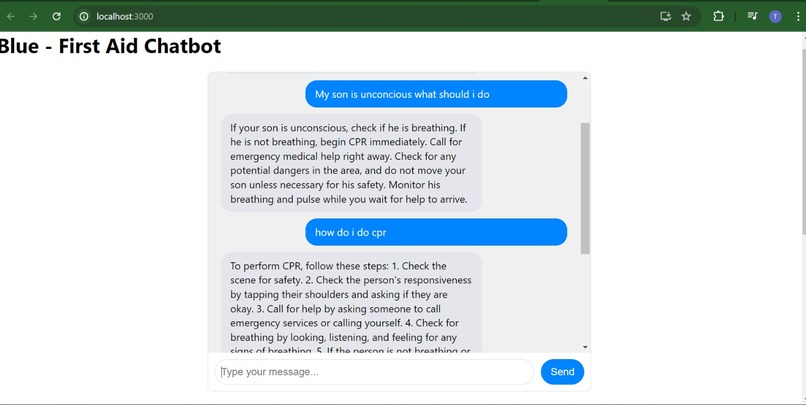
Chatbot response
-
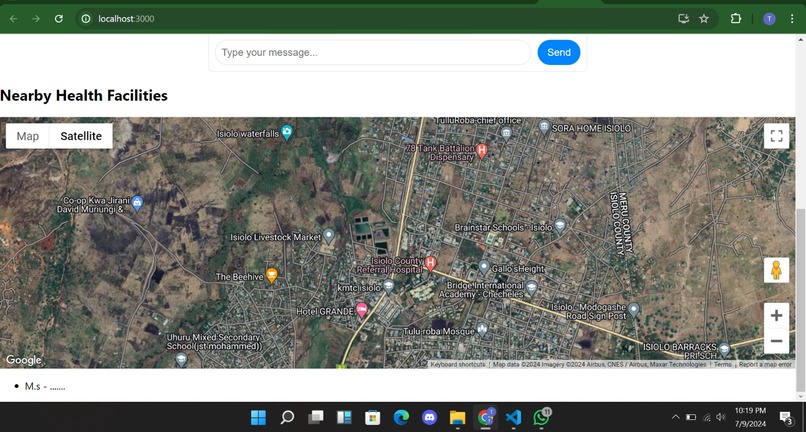
Chatbot google maps health center suggestion
-
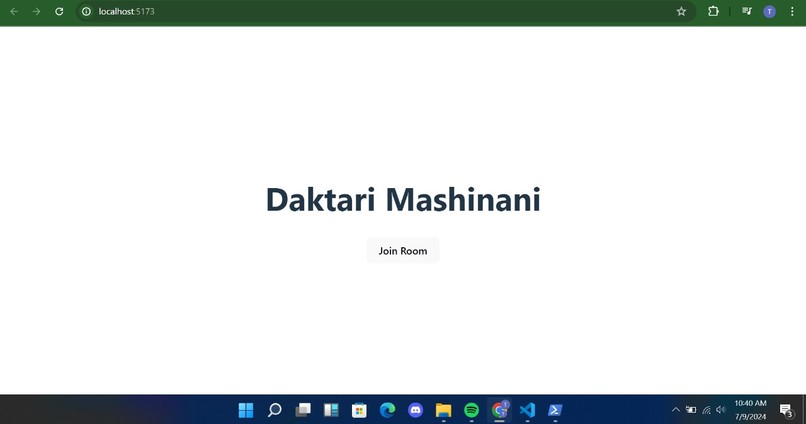
Dakitari mashinani
-
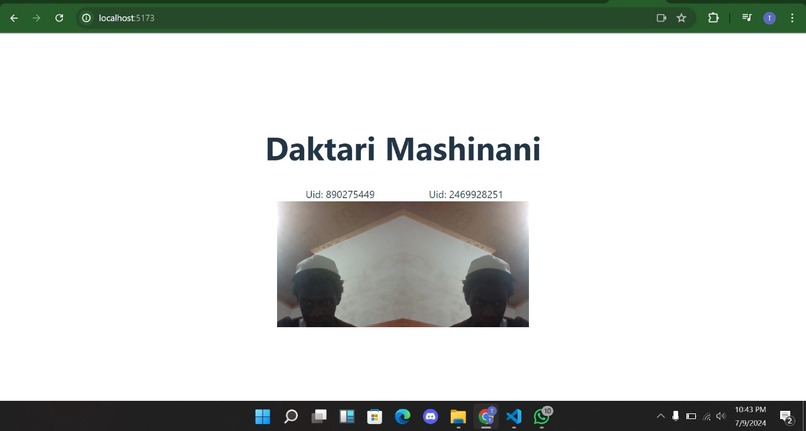

Inspiration
Inspiration Behind The Project
The inspiration for the Blue First Aid Chat Bot came from witnessing the crucial moments following a medical emergency when immediate and accurate information can significantly impact outcomes. Observing how people often feel helpless and unprepared during such critical times, we realized the need for a reliable and accessible resource that could guide them through first aid procedures while also connecting them to nearby health facilities. This project aims to empower individuals with the knowledge and tools to take effective action in emergencies, potentially saving lives and reducing the severity of injuries.
What the Chatbot does
The user initiates a conversation with the chatbot, describing their medical emergency or injury. Powered by the OpenAI API, the chatbot processes the user's input to understand the nature and urgency of the emergency. Based on the identified injury, the chatbot queries the MongoDB database to retrieve relevant first aid instructions. The MongoDB database contains detailed procedures for various injuries and conditions, allowing the chatbot to deliver a step-by-step guide on how to administer first aid for the specific injury.
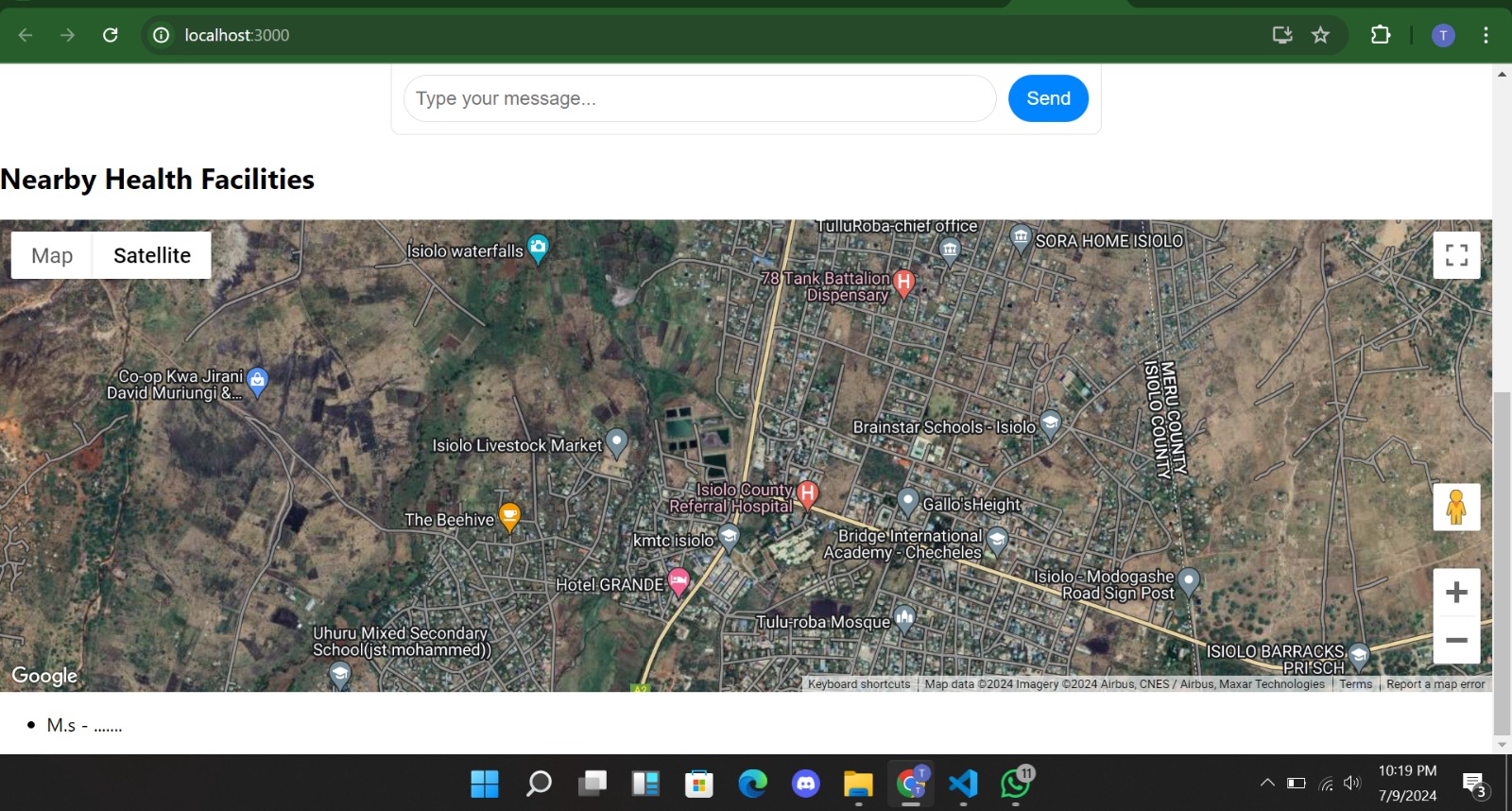
If the user needs further medical assistance, the chatbot uses the Google Maps API to access the user's location and retrieves information on the nearest health facilities, including addresses and contact numbers. The chatbot then provides the user with both the first aid steps and the contact information for the nearest health facilities, ensuring comprehensive support during the emergency.
How it was built
The chatbot was developed using a combination of advanced technologies and APIs to create a robust and user-friendly emergency response tool.
Technology Stack MERN Stack: The core architecture of the chatbot is built on the MERN stack, which includes MongoDB, Express.js, React.js, and Node.js. MongoDB stores detailed first aid procedures and health facility information. Express.js and Node.js handle the back-end logic and API communication, while React.js powers the user-friendly front-end interface. Natural Language Processing: OpenAI API: The chatbot's conversational abilities are powered by the OpenAI API, which enables it to understand and respond to user queries effectively. This ensures that users receive accurate and contextually appropriate first aid guidance. Location Services: Google Maps API: To provide users with the location and contact information of nearby health facilities, the chatbot utilizes the Google Maps API. This integration allows the chatbot to access the user's location and retrieve relevant health facility data. User Interaction: The chatbot was designed to engage users in a natural conversation, where they can describe their medical emergency or injury. Data Retrieval: Based on the user's input, the chatbot queries the MongoDB database to fetch appropriate first aid instructions. Response Delivery: The chatbot delivers step-by-step first aid guidance and, if necessary, uses the Google Maps API to provide information on the nearest health facilities.
Problems Faced
Ensuring the first aid procedures stored in the MongoDB database are accurate, up-to-date, and comprehensive. Continuously verifying the contact information and locations of health facilities to avoid outdated or incorrect data. Developing the chatbot's ability to accurately understand and interpret diverse user inputs, including slang, typos, and varying levels of detail. Designing a user-friendly interface that is intuitive and accessible across various devices. Ensuring the chatbot can effectively communicate complex first aid procedures in a clear and understandable manner.
Accomplishments
Integrated the Google Maps API to provide users with real-time information on the nearest health facilities and emergency centers, including addresses and contact numbers, enhancing the chatbot’s utility in critical situations. Built a reliable and scalable back-end infrastructure using Node.js and Express.js, ensuring efficient data management and quick response times, even under high user loads. Implemented a natural language processing system using the OpenAI API, enabling the chatbot to understand and respond to user queries effectively, providing a smooth and intuitive user experience.
What we learned
Integration of APIs: Gained experience in integrating and working with various APIs, such as the Google Maps API for location services and the OpenAI API for natural language processing. MERN Stack Proficiency: Enhanced skills in using the MERN stack (MongoDB, Express.js, React.js, Node.js) to build robust and scalable web applications. Effective Communication: Learned how to effectively process and interpret user input to provide accurate and contextually relevant responses.
What's next for Blue-First Aid Chatbot
The future of the chatbot involves enhancing its functionality with more detailed first aid procedures and interactive features like voice commands or visual guides, improving personalization and accessibility features, and integrating with healthcare systems for seamless referrals and follow-up care. Expansion plans include extending coverage to more regions and languages, introducing new capabilities based on user feedback and technological advancements, and fostering partnerships with community organizations to promote widespread adoption. Continuous updates to the chatbot's database and algorithms will ensure it reflects current medical guidelines, while staying abreast of AI advancements will enable integration of cutting-edge technologies for enhanced emergency response capabilities.
https://drive.google.com/file/d/189POGw19csByun-Z2Ui-i3zaL52hi7ie/view?usp=sharing


Log in or sign up for Devpost to join the conversation.