-
-
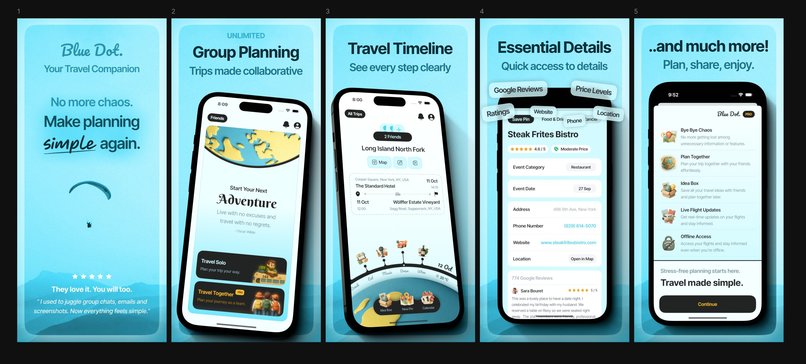
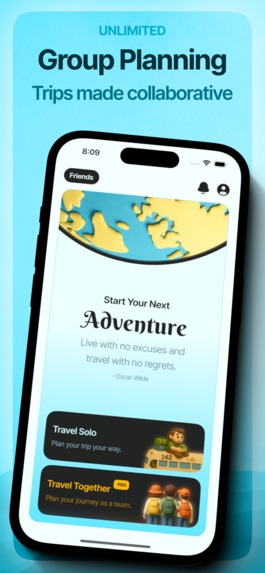
"Live with no excuses and travel with no regrets." -Oscar Wilde
-
long demo: https://youtube.com/shorts/Q7pExxRCi-o
-
long demo: https://youtube.com/shorts/Q7pExxRCi-o
-
long demo: https://youtube.com/shorts/Q7pExxRCi-o
-
long demo: https://youtube.com/shorts/Q7pExxRCi-o
-
long demo: https://youtube.com/shorts/Q7pExxRCi-o
Inspiration
We started building Blue Dot as a solution for ourselves. There were already many planning apps out there, but most of them were overloaded with features. Even for a simple trip, you had to press dozens of buttons. If you are detail obsessed, that might be fine, but when it comes to vacations, that was not us.
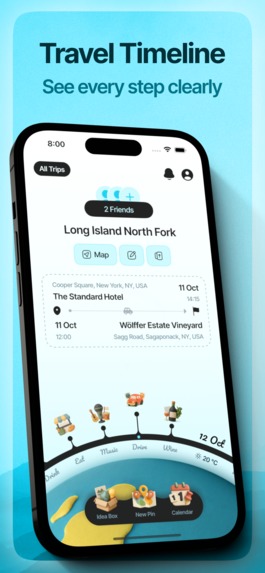
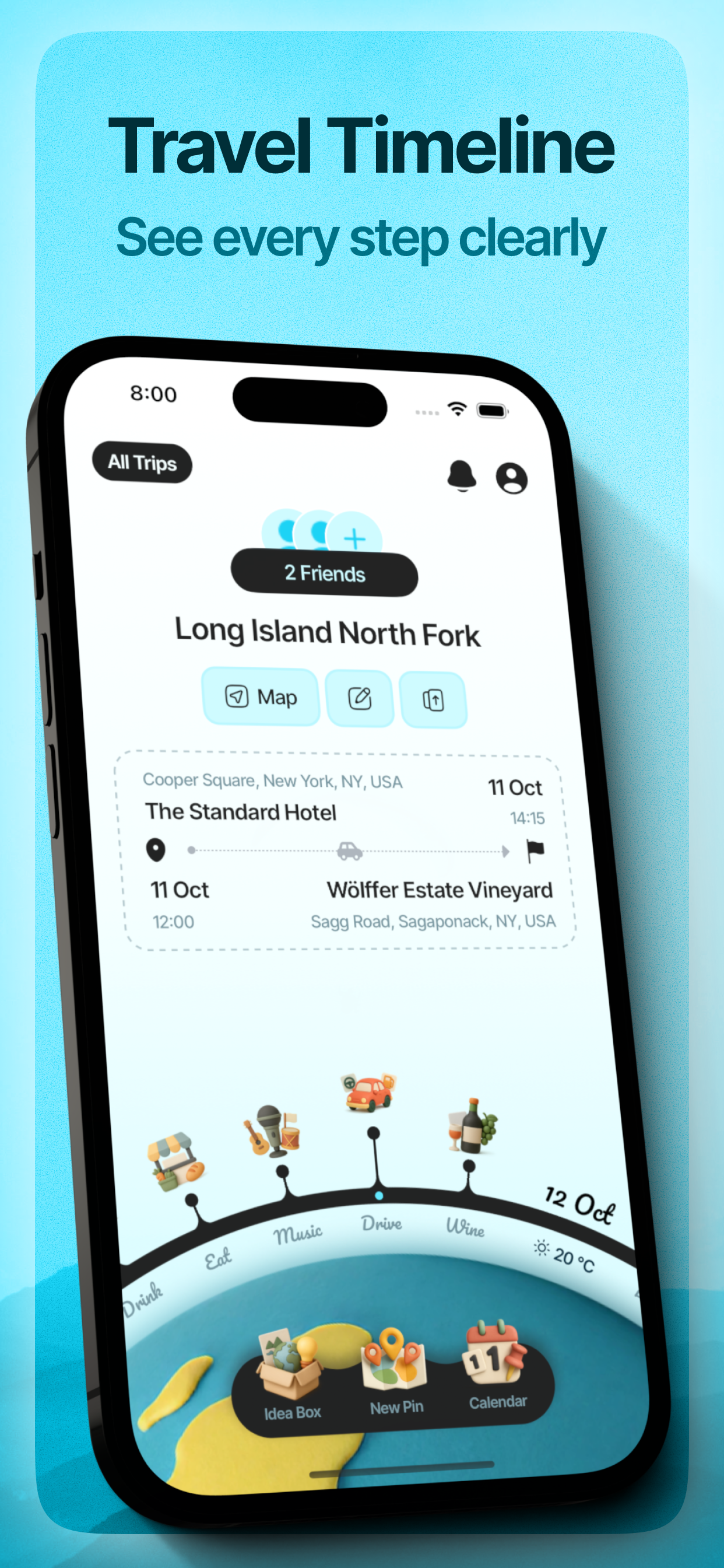
What we needed was a way to see the key stops of a trip at a glance. Things like flight times, reservation numbers, or the phone number of the Airbnb host. Simple details that are actually the most important, all in one timeline.
You know how every trip has a natural flow in your mind. Our goal was to put that flow into a clean, friendly interface instead of keeping it in our heads.
And of course, anyone who has planned a trip knows this: your friends keep asking “When is that?” or “What time do we go there?” or “Which day was this?” We wanted to solve that too, by making a shared planner where everyone stays on the same page.
What it does
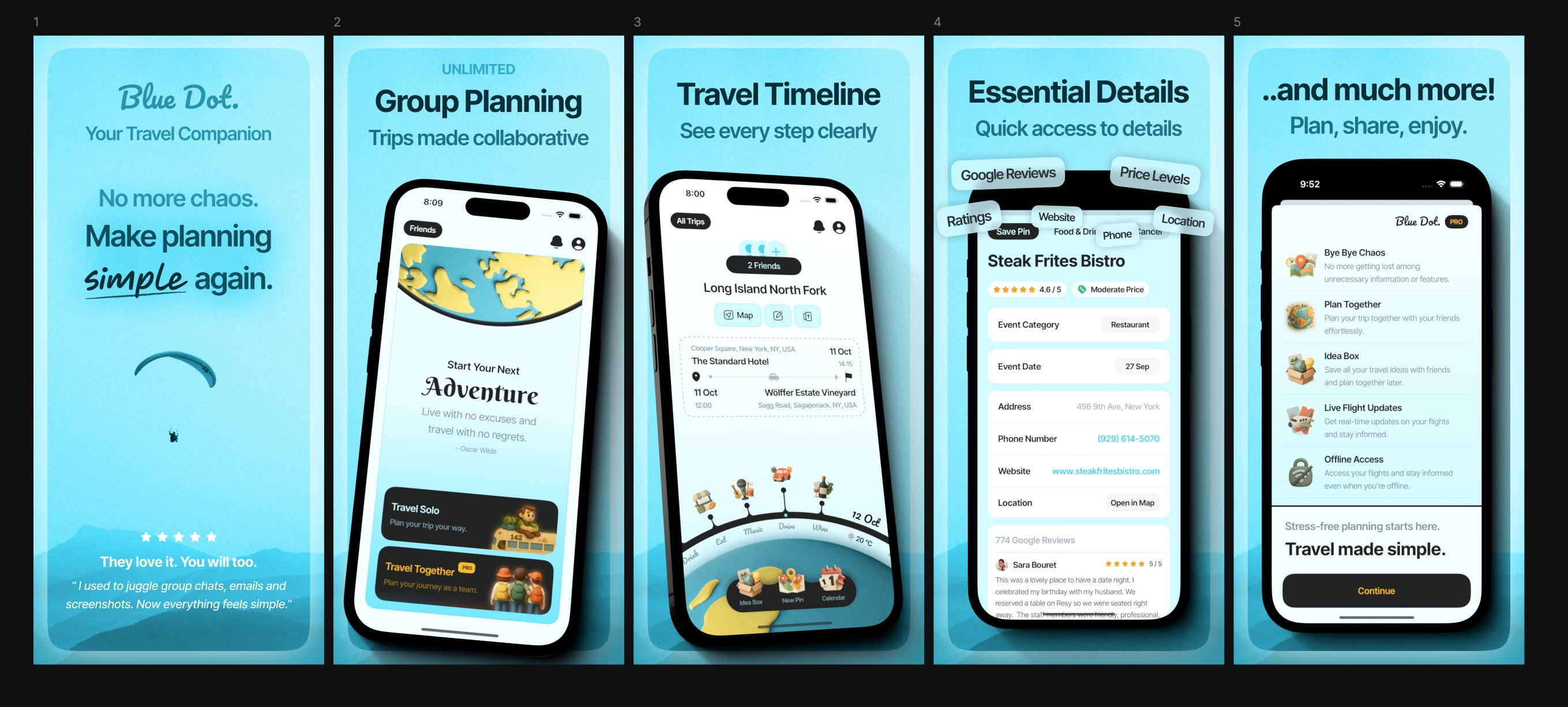
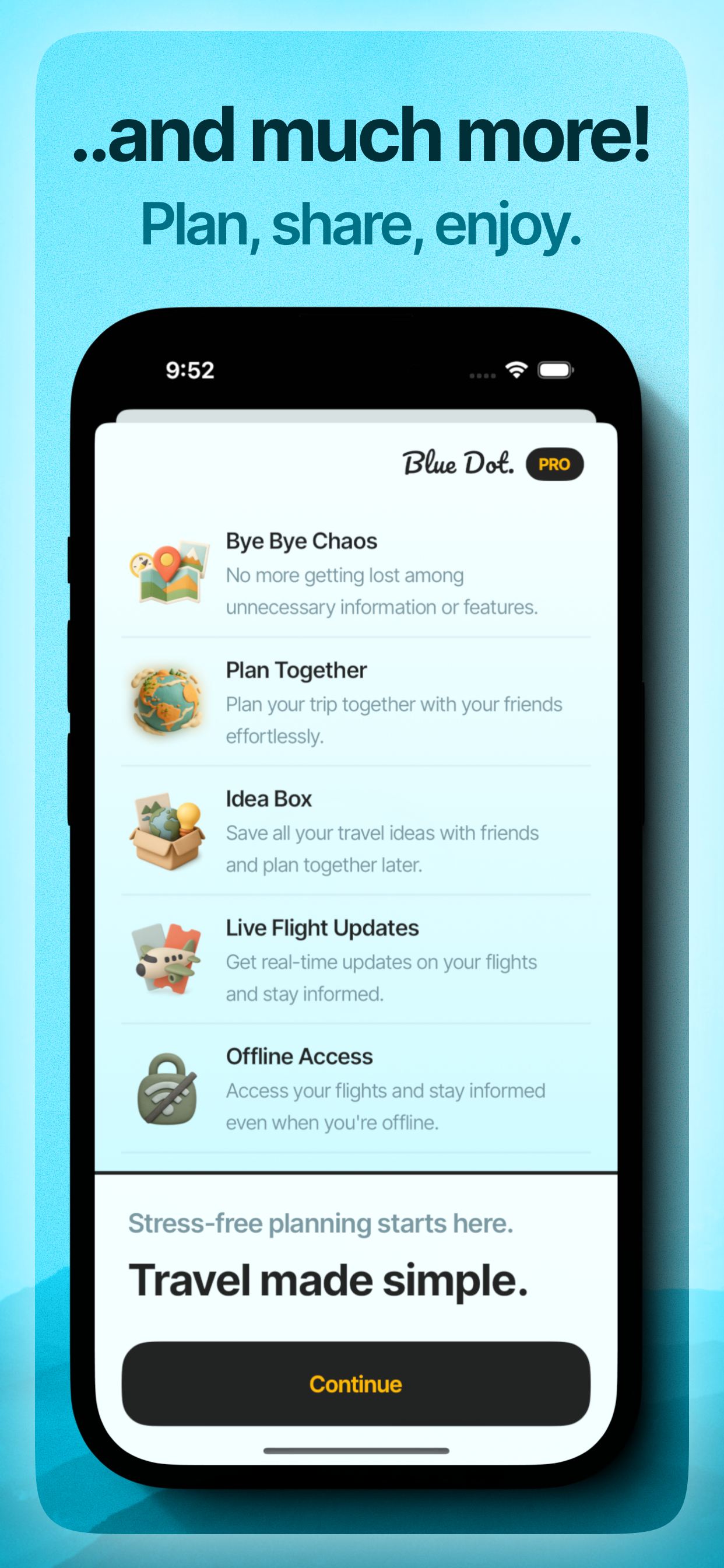
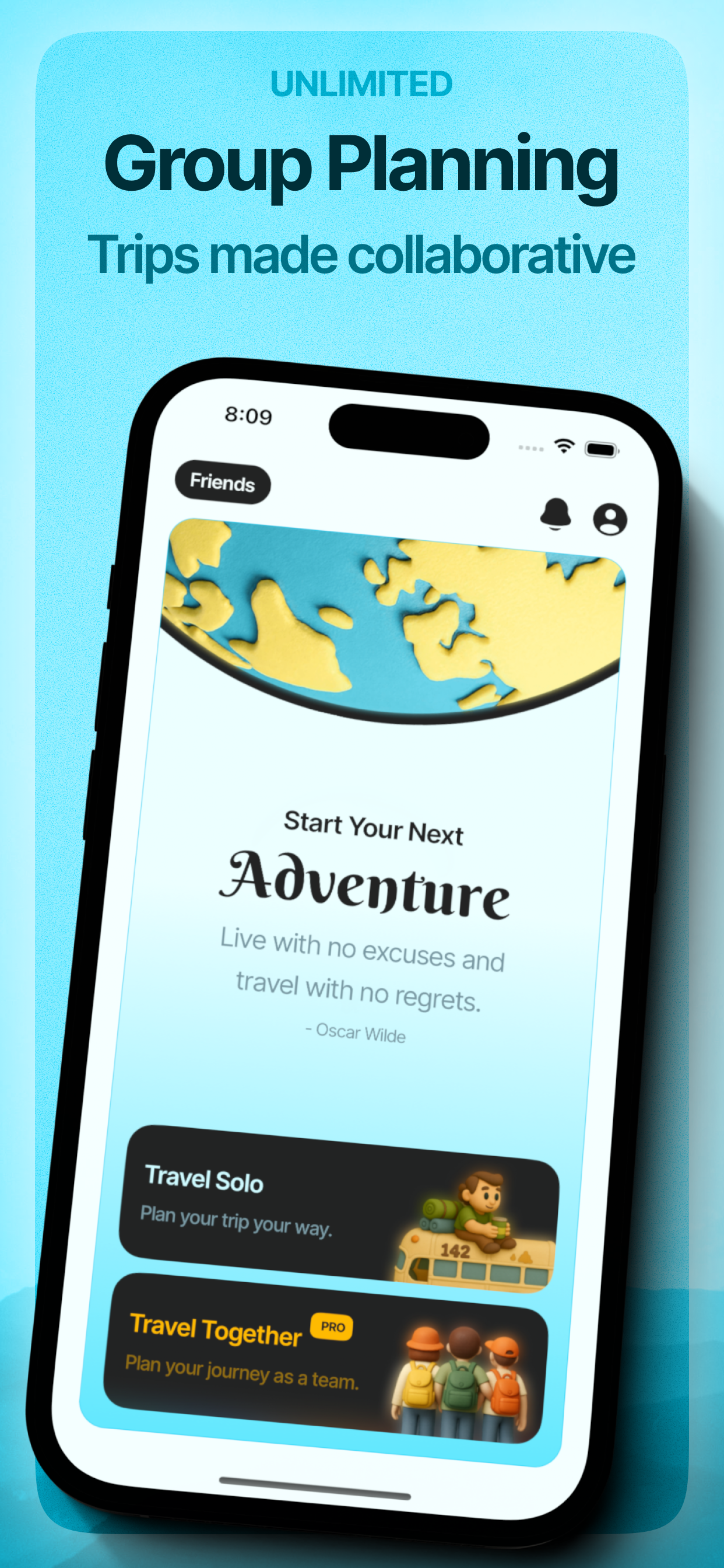
- Create a trip: Invite friends and start planning together.
- Add events: Flights, hotels, restaurants, activities, rental cars, and custom notes.
- Clear timeline: See the entire trip at a glance.
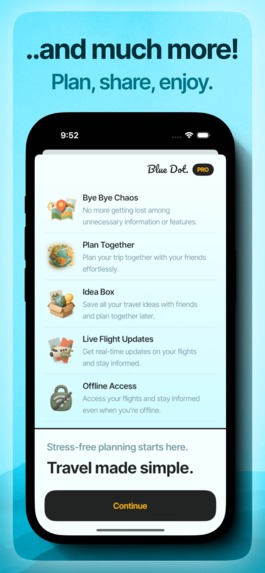
- Idea box: Collect suggestions from friends before adding them to the timeline.
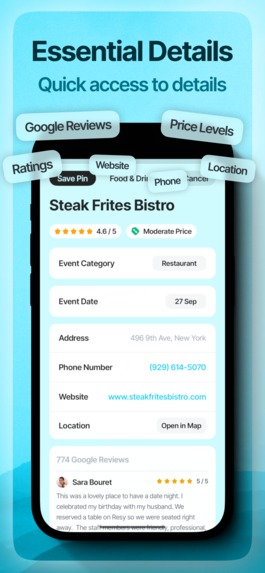
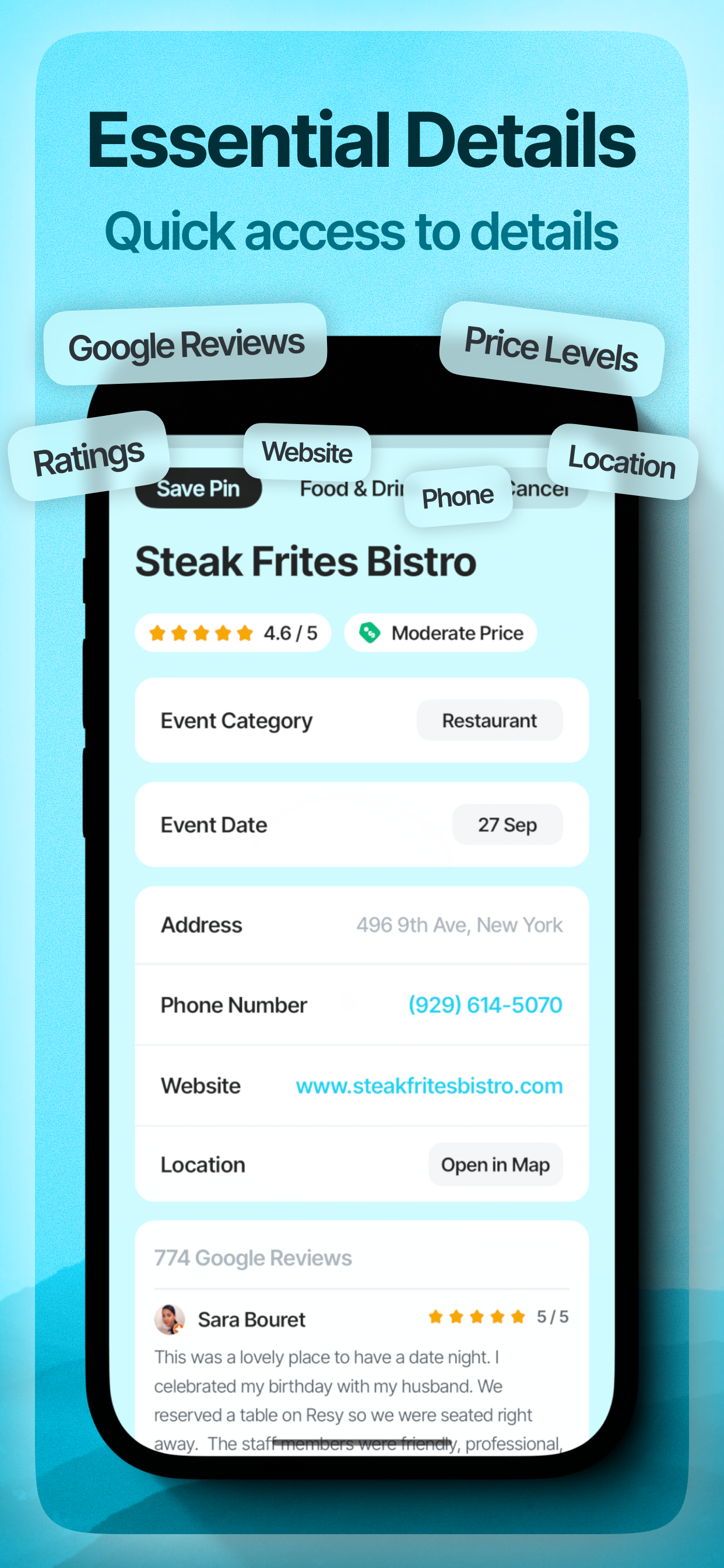
- Store details: Keep reservation numbers, phone contacts, and other key info in one place.
- Shared plan: Make sure everyone stays on the same page. Plan together and simpler.
- Place details: See Google reviews, ratings, photos, and contact info directly inside the app.
How we built it
We are two indie developers, and we built Blue Dot in just 6 weeks. All design and code were created from scratch.
- Frontend: Mobile app built with React Native and Expo.
- Backend: Supabase for database, authentication, and real-time sync.
- Payments: RevenueCat integration for subscriptions.
- UI/UX: Fully custom interface and animations, optimized for a smooth timeline-first experience. Used Figma + several design tools.
- Data model: Flexible structure to handle multiple event types such as flights, hotels, rentals, and custom notes.
- APIs: AeroDataBox for flight data, Google Places API for reviews and place details, and Weather APIs.
Challenges we ran into
- Creating a data model for 15 different event types was one of the hardest parts. There were so many details and external APIs to connect, such as weather and flights.
- For the home screen we had to write complex animation code. The design was full of states, had to stay high performance, and still work in sync with real time data.
- On the design side, the challenge was to stand out in a crowded market of travel apps and create a real wow effect. We are proud that we managed to do this, and we received a lot of positive feedback on X about our design.
Accomplishments that we're proud of
When we look back at the 5–6 weeks of building, we feel truly proud of what came out. There is a unique joy in creating something from your own will and seeing people actually appreciate it. Every design detail and every line of code was written by us, while facing and overcoming many challenges. Today we have an app that we ourselves needed, and that people like us can enjoy on their trips.
We started this project with around 300 followers on Twitter. Today we are at more than 1800. Seeing people believe in what we built has been one of the most rewarding parts of this journey. It gave us confidence that we are on the right path. Throughout this time we also received more than 8,000 likes, 8M impressions, and 4,000 bookmarks on X.
Some of our viral posts if you want to take a look
- 2k likes, 7M impressions, 1k bookmarks
- 730 likes, 67k impressions, 500 bookmarks
- 400 likes, 46k impressions, 250 bookmarks
What made it even more special was noticing people we admire in the tech world begin to follow our journey:
- George Deglin – Co-Founder & CEO @OneSignal
- Chenlin Meng – Co-Founder & CTO @PikaLabs
- The Don Ayo – Co-Founder @a0_dev
- Gunnar Gray – Design Lead @Perplexity
- Rahul Jaiswal – Designer Lead @Noon
- Expo Official – we loooove them <3 (they even sent us Expo t-shirts, thanks again!)
- William Candillon – Maker of Can it be done in React Native?
- Catalin Miron – Maker of AnimateReactNative
- Charlie Chapman – @RevenueCat
- Leland Takamine – CEO @Maestro_dev
- Volodymyr – @Hero_ui
and many more..
All of this reminds us that the effort we put in matters, and that people truly care about what we are building.
What we learned
We realized once again that we are really bad at marketing and distribution. This is an area where we need to improve. It is another kind of art, and we still have a lot to learn.
What's next for Blue Dot. - Travel Planner
We feel that the spirit of the app is finally where we want it to be. Thanks to countless pieces of feedback, we believe we have built a strong backbone while keeping the unique character of the app intact.
From here, we want to focus on improvements that will naturally come as people use the app. Some of the things we already know we want to build are:
- A feature to share your travel plan with the whole community, so other users can follow the same journey. We imagine lists like “most loved trips of the month” to highlight them.
- The ability to add photos to each event, creating a social layer where people can feel that others have walked the same path. We have bold UX ideas for this experience.
- Revenue opportunities through sponsorships and smart suggestions.
- Growing our skills in marketing and distribution to reach more travelers.
Built With
- aerodatabox
- eas
- expo.io
- figma
- google-directions
- react-native
- revenuecat
- supabase
- typescript


Log in or sign up for Devpost to join the conversation.