-
-

Welcome to Blotch
-
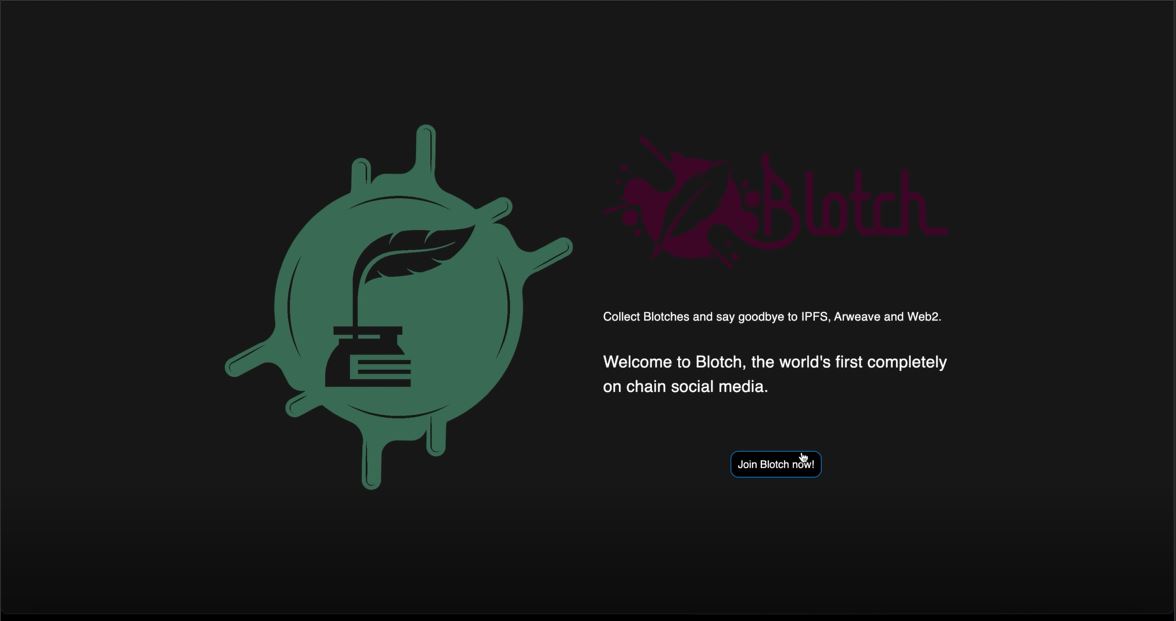
Blotch_Welcome_Screen
-
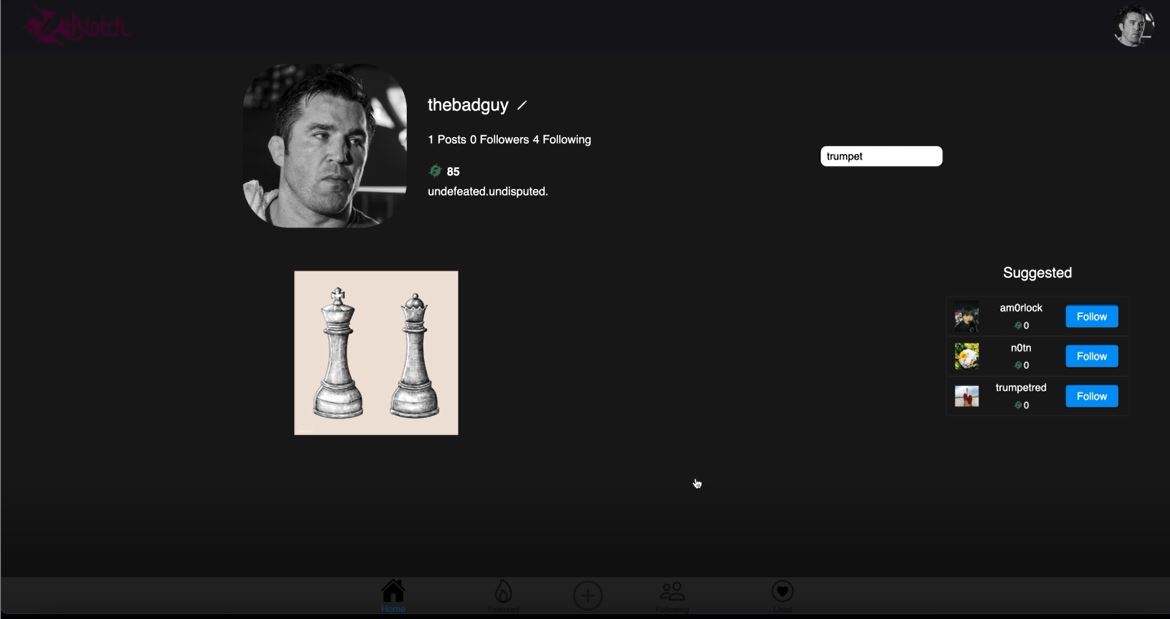
Example_Home_Screen
-
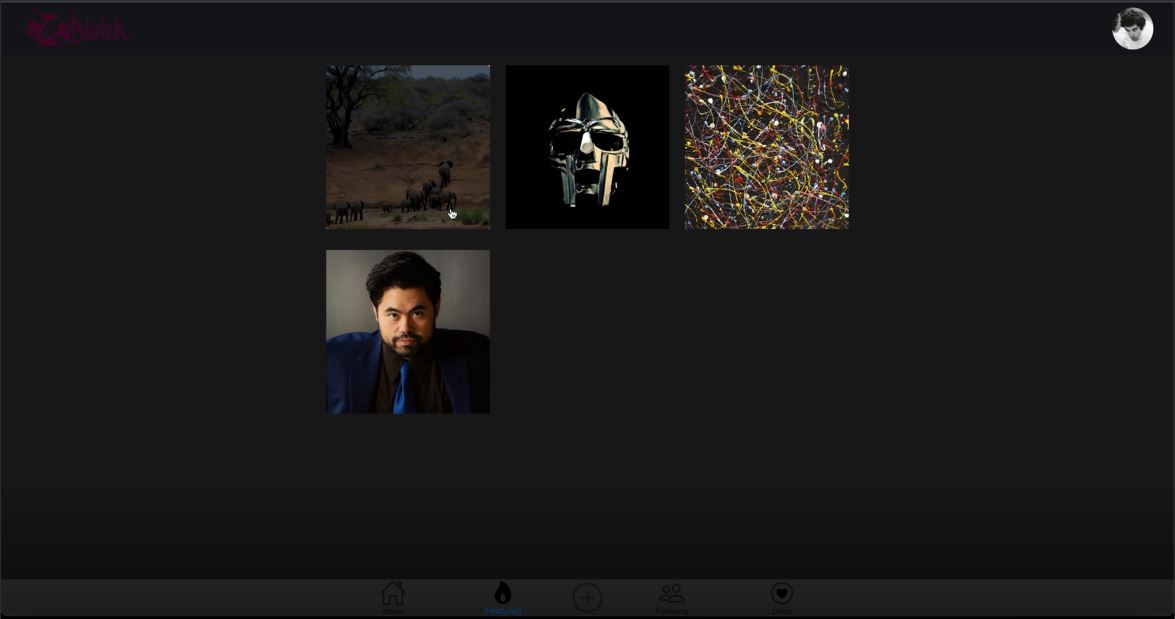
Trending_Page
-
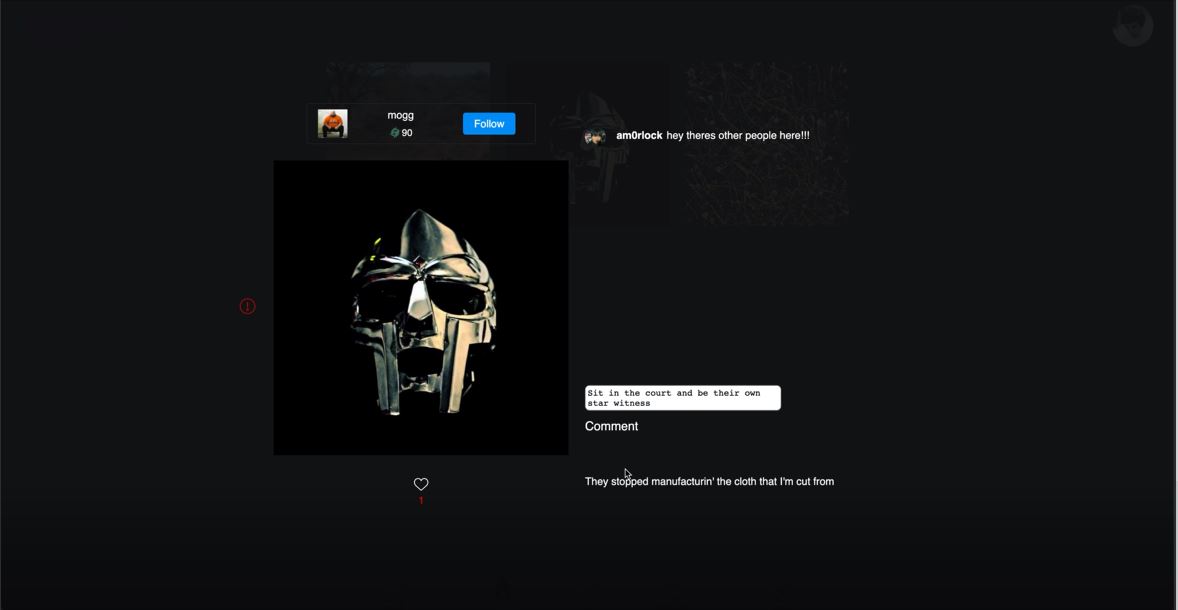
Example_Post_Interaction

Inspiration
We found that most on-chain social media platforms have a variety of issues that would hinder their mass adoption as a dominant social media platform of the future. Platforms would use decentralized alternatives like IPFS and Arweave to bypass storage limitations, meaning they were not fully on-chain. On top of that, due to platforms’ uses of inter-blockchain coordination, problematic content could never be fully removed, with only the link to the content being severed. Dapps that were fully on-chain had issues with scalability, as they would use a single canister model, limiting the dapps’ size to approximately 4gb. Other social media currently not depending on decentralized alternatives were also found to be heavily dependent on Web2 services, requiring media to be linked from Web2 platforms like Google Drive or Dropbox.
In response, we wanted to create a social media platform that was highly scalable, not hindered by storage limits and provided a content moderation system that the everyday user could effectively control and place their trust in. By addressing these three pillars of social media development, we could provide a valuable platform for mass adoption to propel ICP into the mainstream and beyond.
What it does
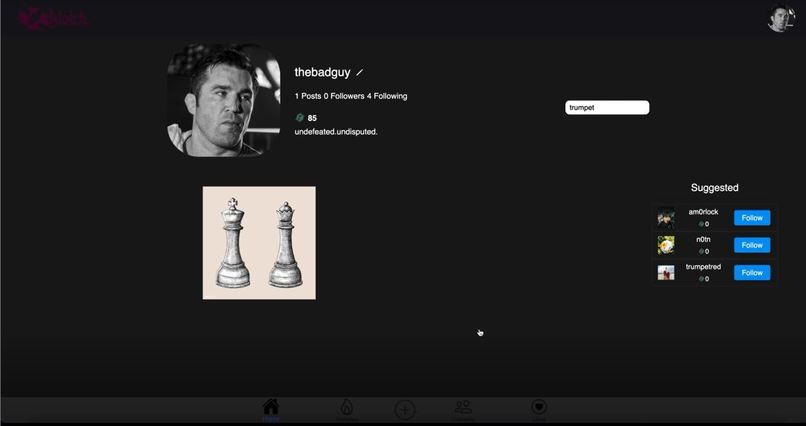
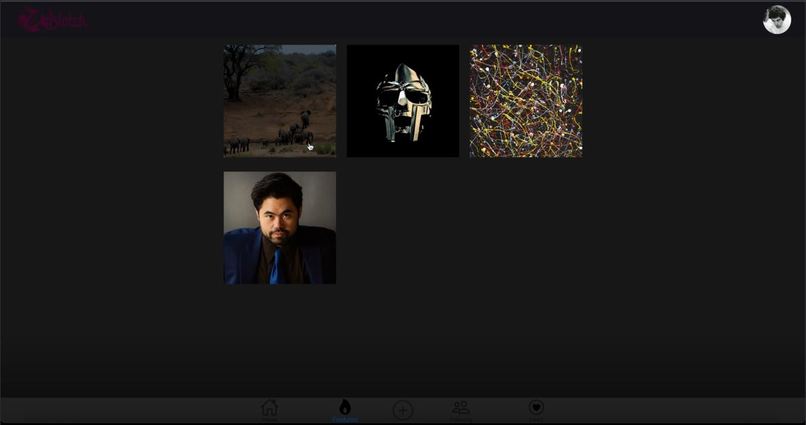
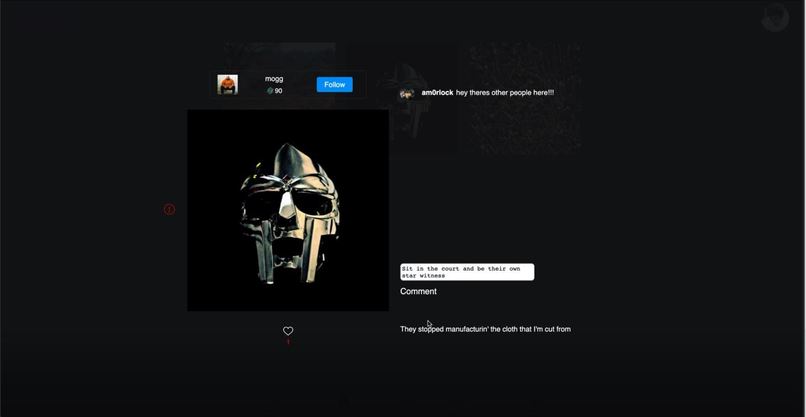
Blotch is the first fully on-chain social media platform to post and react to content on Web3 that is not reliant on any other blockchain (IPFS, Arweave, etc.). Created with Motoko, Blotch has three unique advantages to be the social media of the future: mainstream scalability through dynamic canister creation, reduced reliance on slow update calls by taking full advantage of query calls, and user-controlled moderation through the use of tokens.
How we built it
Blotch was built in just 6 weeks by two developers. The backend was built using Motoko and the frontend was built using React.
Challenges we ran into
We had a big problem with balancing platform functionality while not compromising on speed. To attain an acceptable speed, we would have to utilize an architecture that would minimize update calls. Blotch was redesigned three times before discovering the backend architecture that met our requirements.
Our second major issue was building a frontend in react that could be hosted in an asset canister. We wanted to use react to build a responsive and accessible UI.
Finally, we were challenged since we wanted to integrate internet identity into Blotch, as this feature would allow users to login with different devices across the world in a secure manner.
Accomplishments that we're proud of
We are proud of the fact that we were the first to be able to contribute the first truly on-chain platform in a potential major component of Web3’s future: social media. The opportunity to be a precedent setting pioneer amongst fellow innovators in an industry that we are truly passionate about in its early stages is a dream come true.
What we learned
While the unprecedented technological potential of ICP has been heralded since its inception, it was not until this hackathon that we truly understood the scalability of ICP and the unique advantage of its low-cost infrastructure. Being able to develop this platform in a mere 6 weeks, we also realized just how accessible ICP’s infrastructure and Motoko was to develop with and innovate on.
What's next for Blotch
We are committed to consistently improving and building upon the foundation we have currently built for Blotch during this hackathon. Besides continuous quality-of-life updates, we plan to implement three major features in the future: video sharing, a personalized recommendation algorithm and private messaging.
Built With
- bash
- javascript
- motoko
- react


Log in or sign up for Devpost to join the conversation.