🌸Inspiration
It has always seemed like mentorship is tougher than it should be. Everyone claims it's important, but really, finding someone to teach you frequently hinges on luck, timing, or already knowing the right people. Sending cold emails can be uncomfortable, networking can be scary, and many of the platforms that are already out there feel either inactive or too formal. We've felt that difference as students and people just starting in their careers. We wanted to make something that made it feel normal, comfortable, and planned to obtain help, not forced or transactional. Bloom is based on the premise that growth happens best when help comes at the proper time and grows with you.
🌸What it does
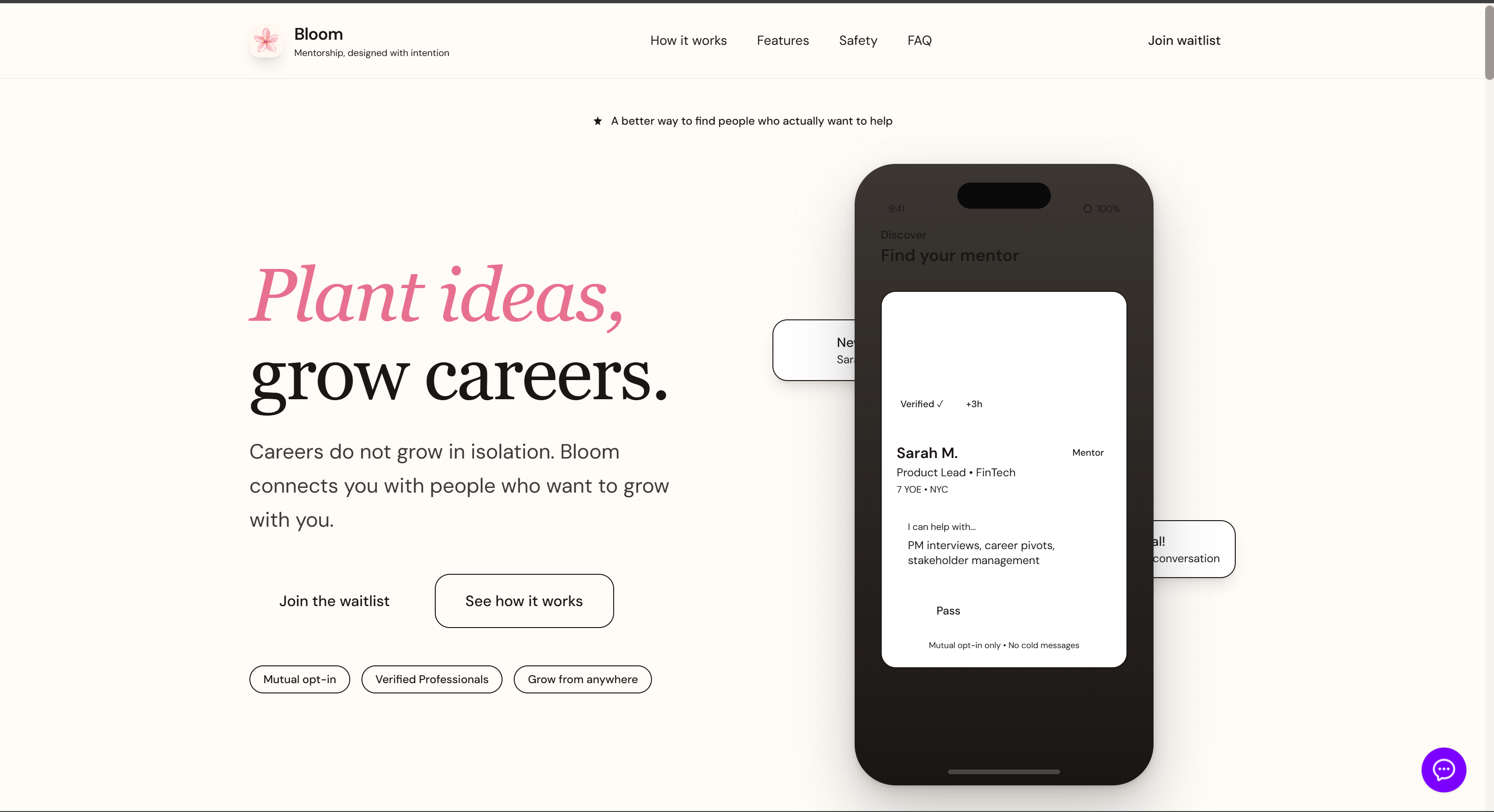
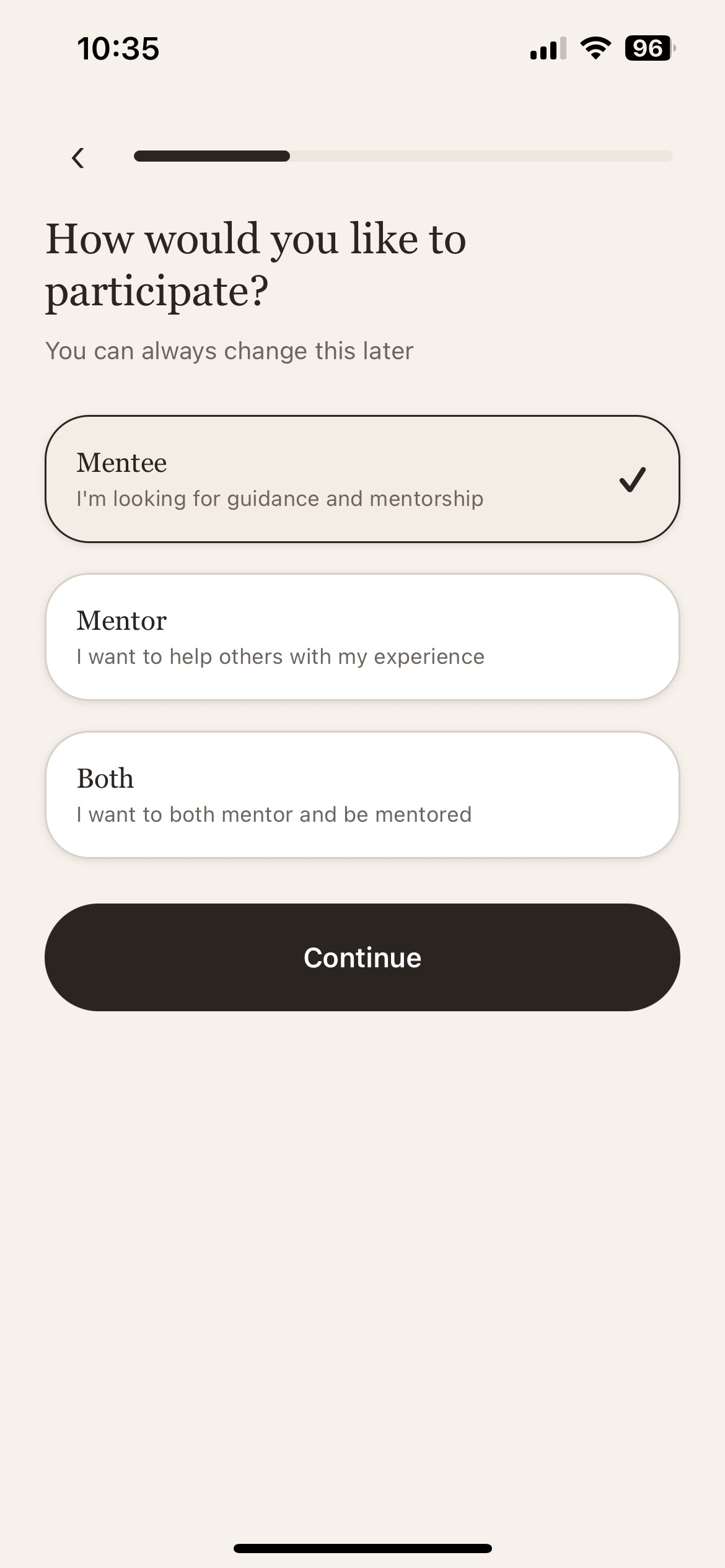
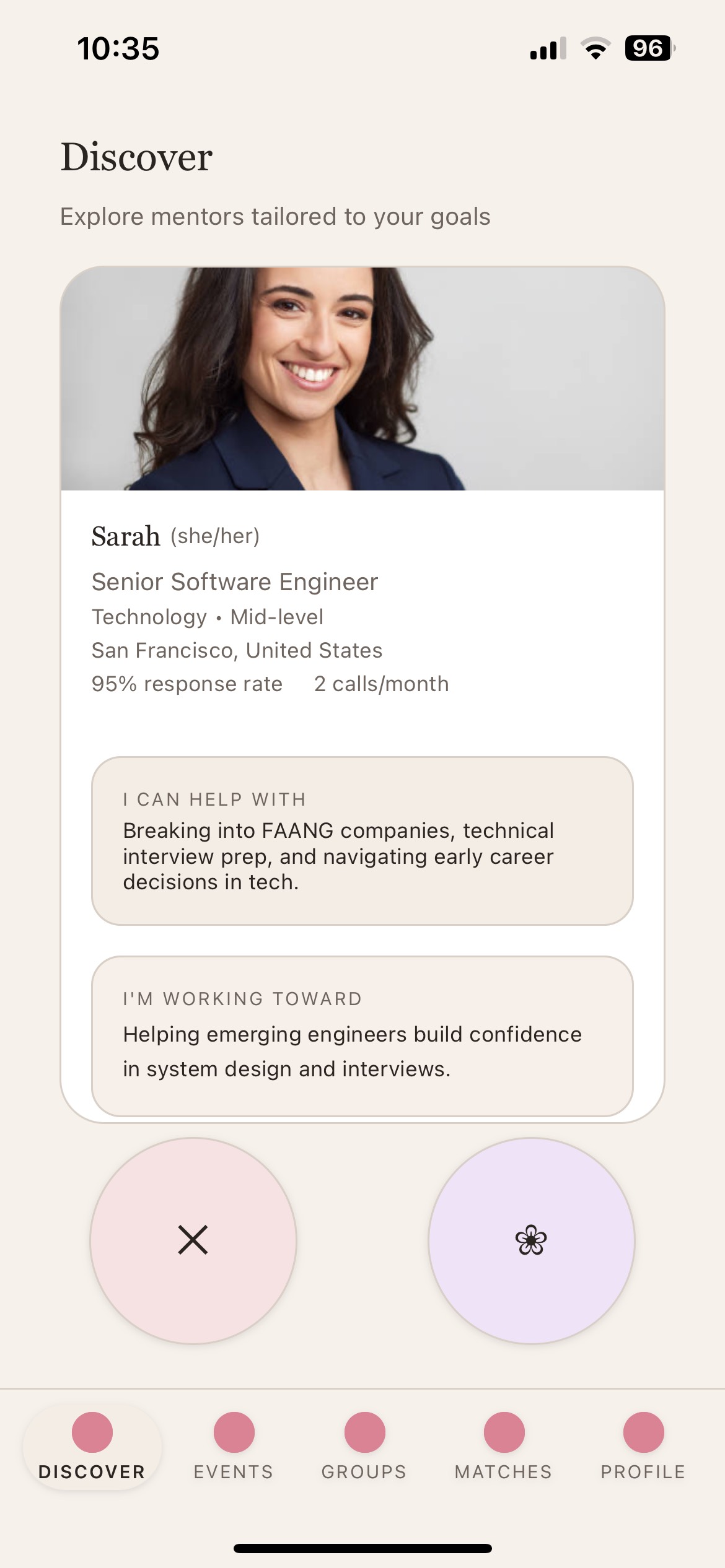
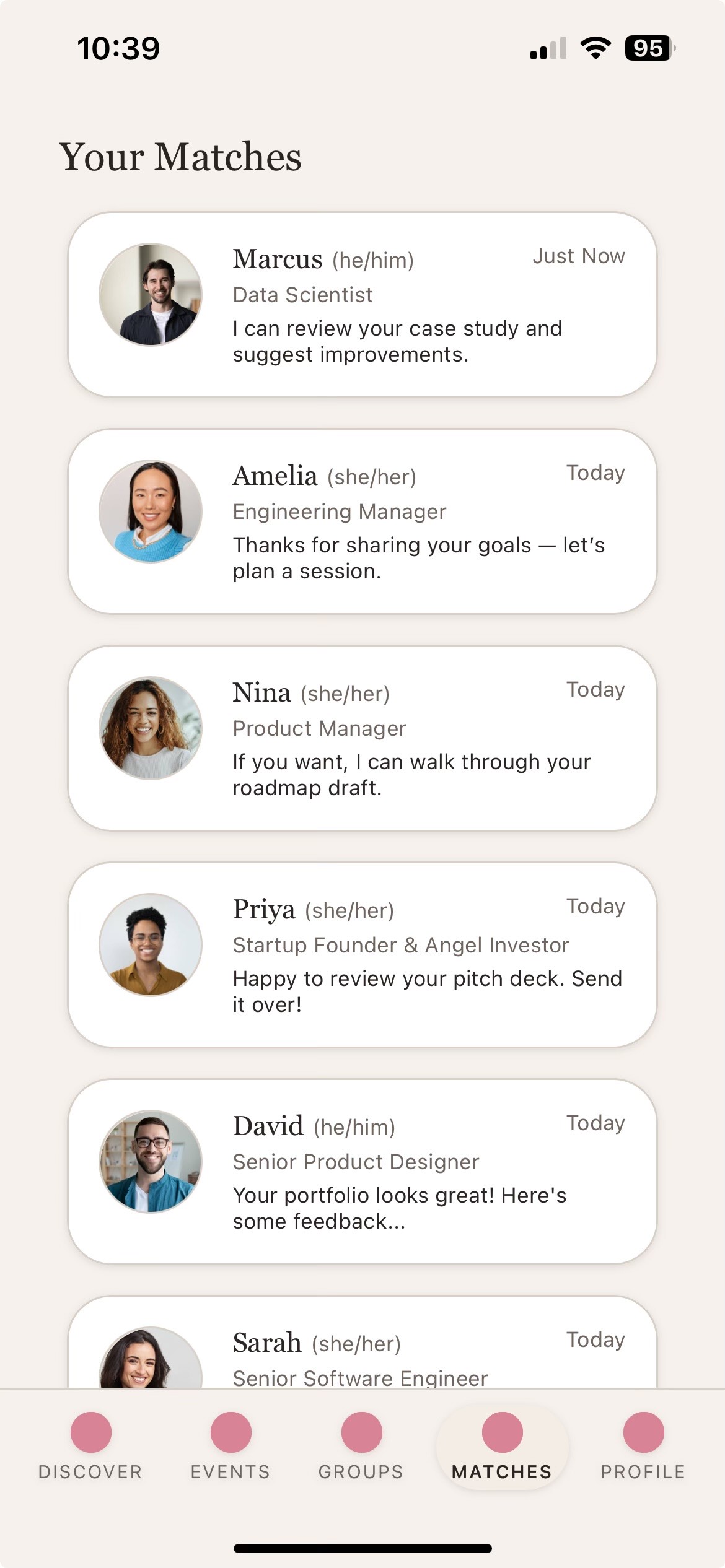
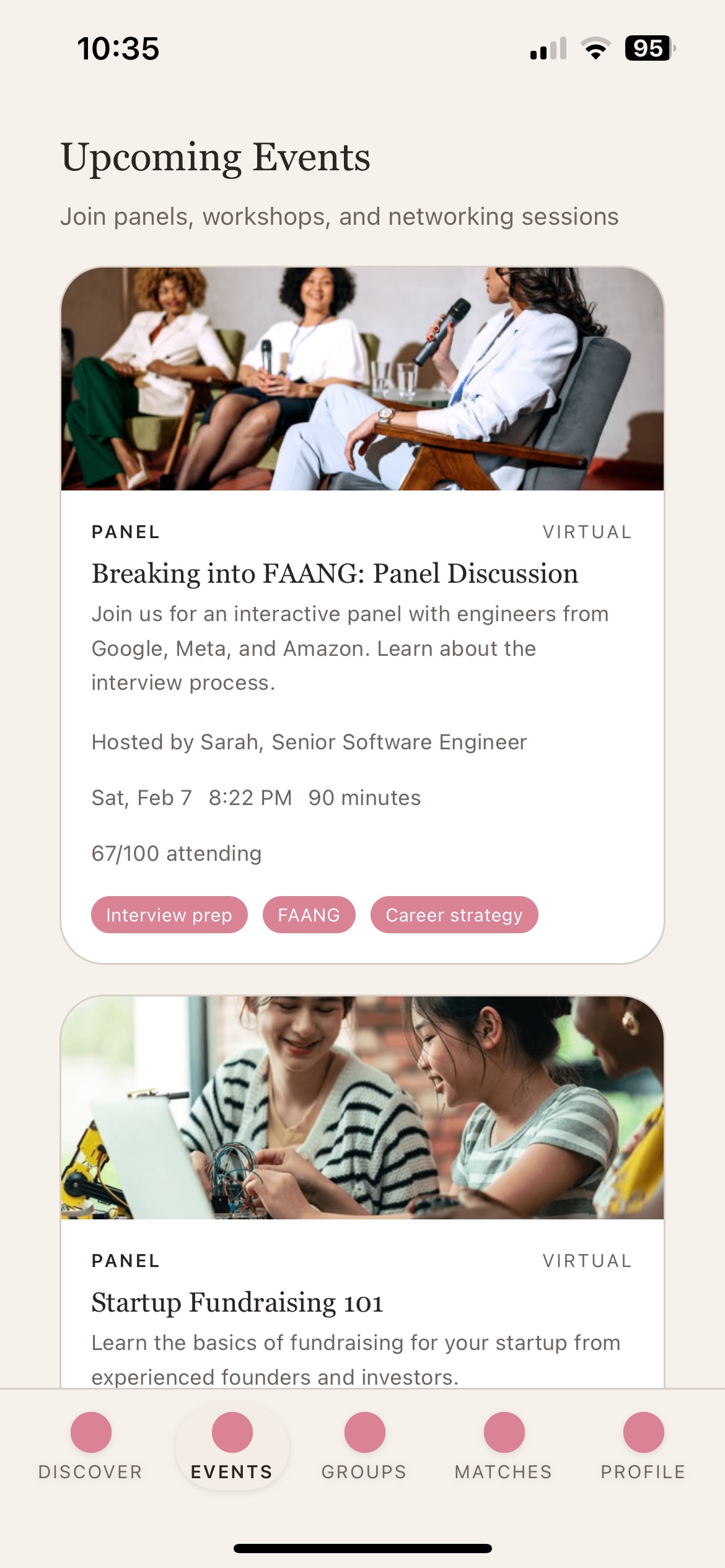
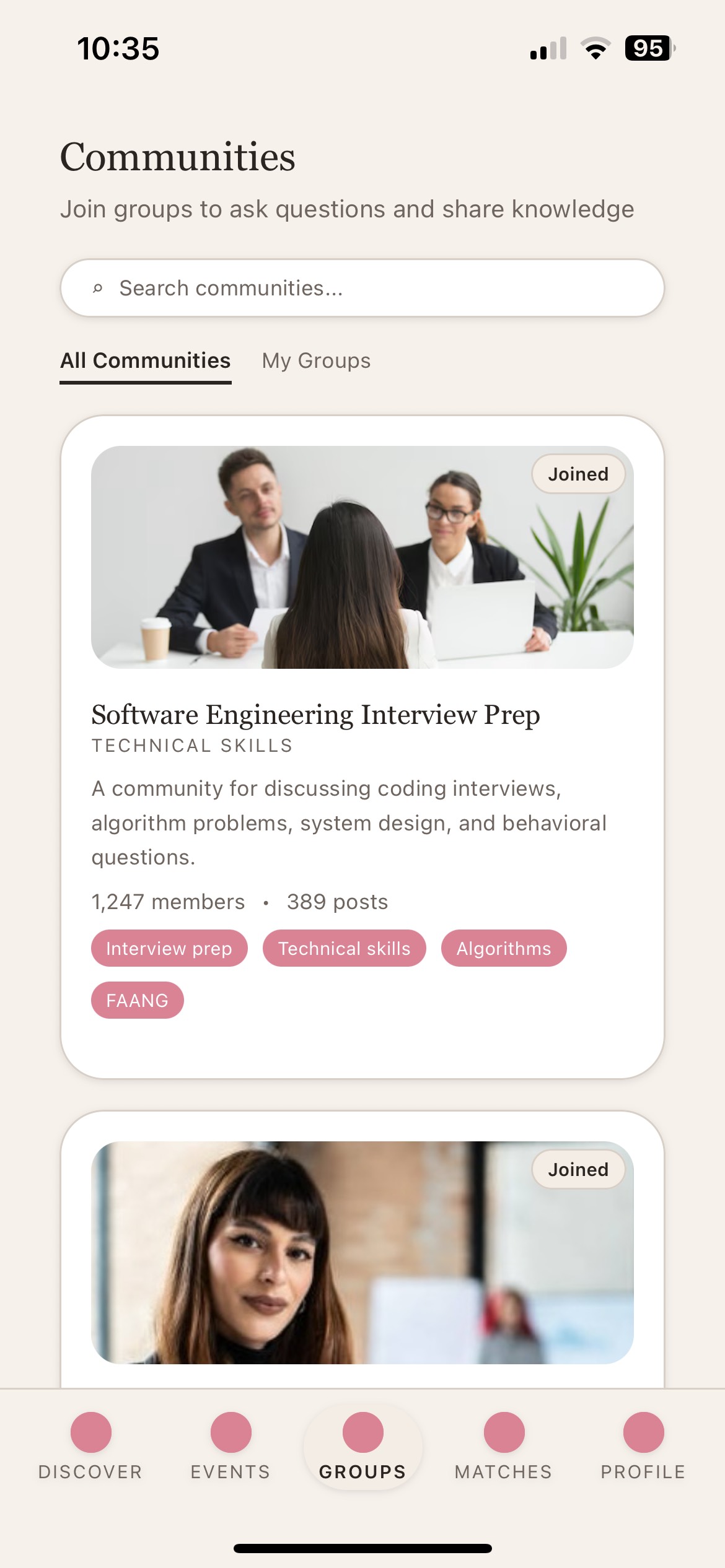
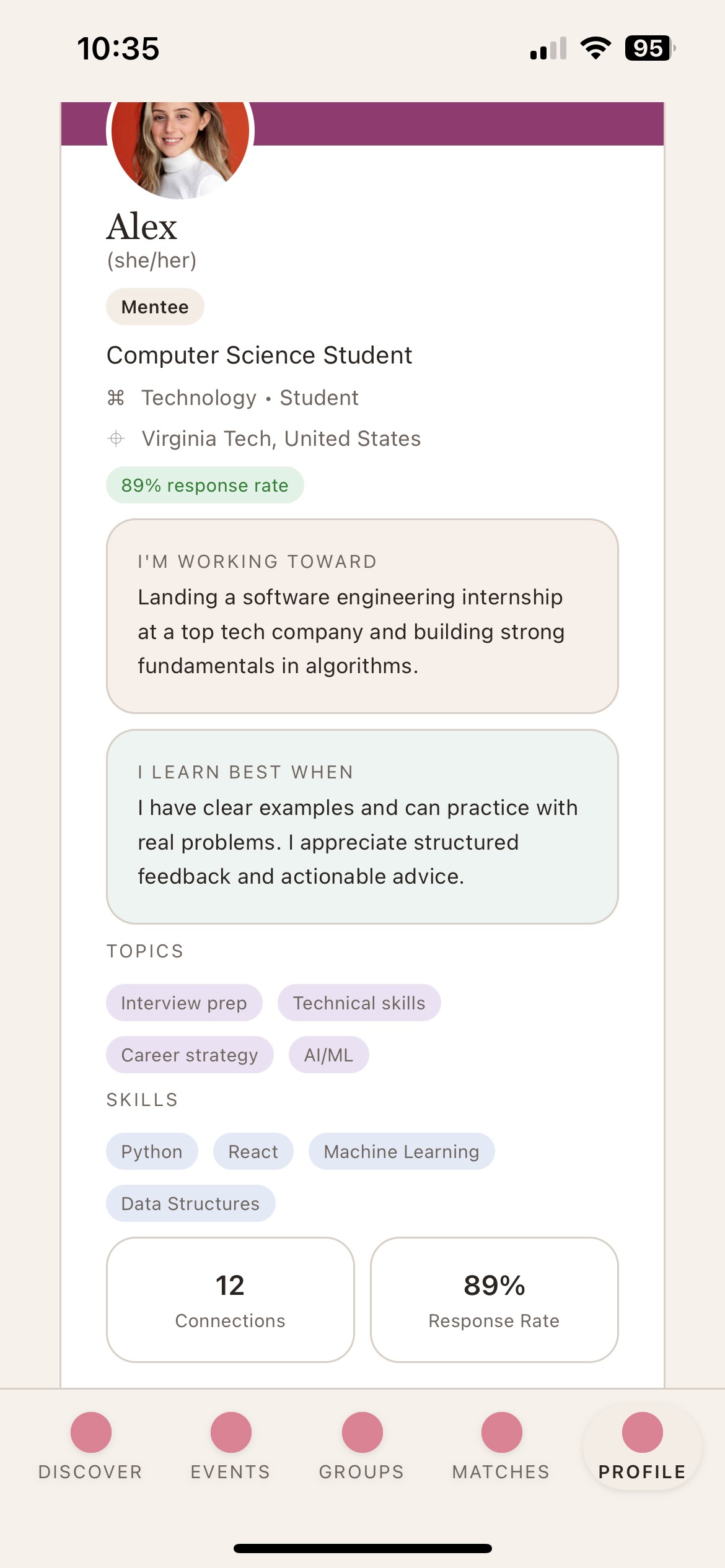
Bloom helps people find mentors who can help them get where they want to go and meet their needs. Bloom doesn't let people just look through profiles or send random messages. Instead, it focuses on making careful matches based on goals, experience, and direction. Bloom is meant to support real conversations and real mentoring, not just general networking. It's about giving people advice that makes sense for them so they can move forward.
🌸How we built it
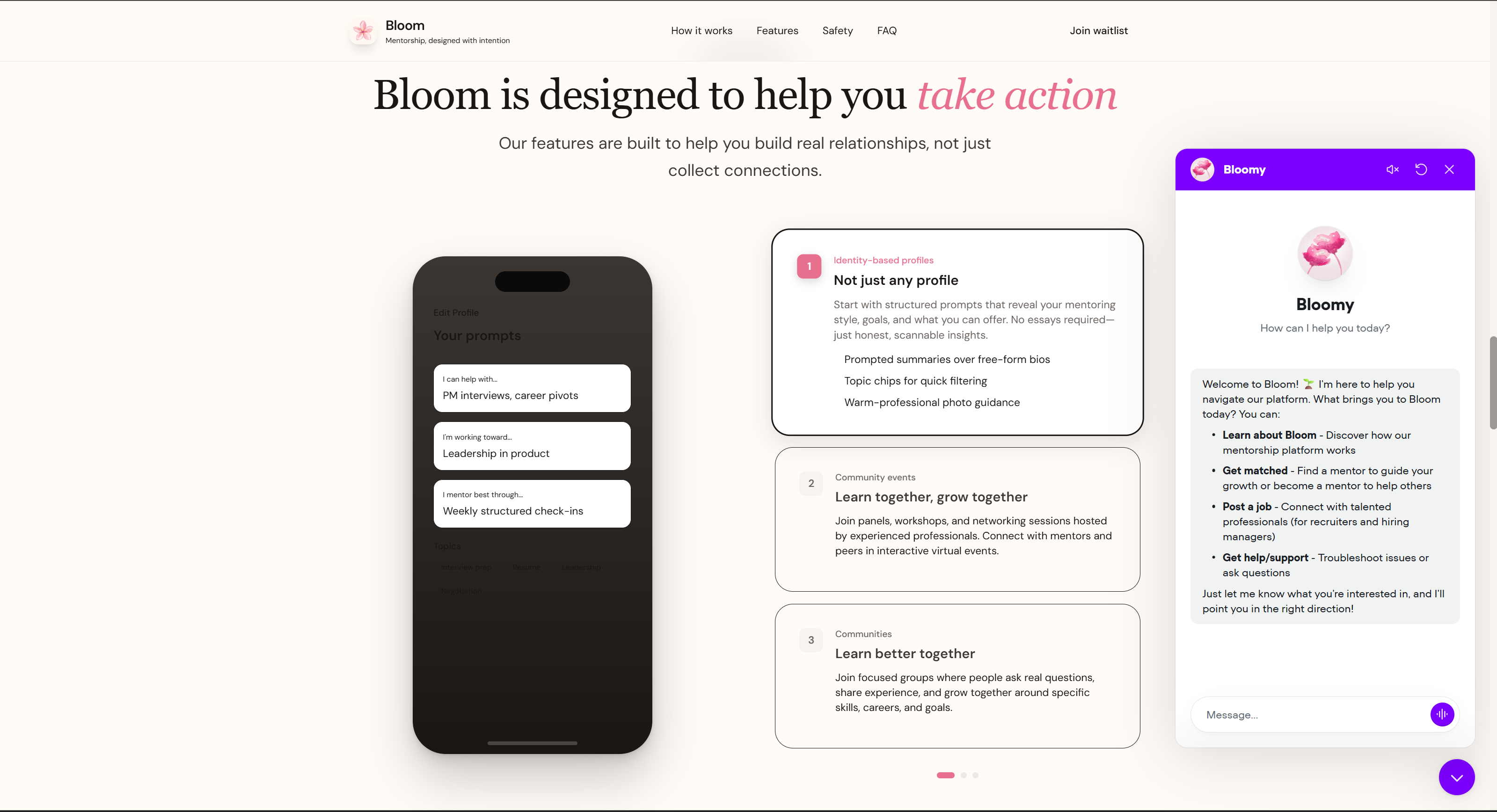
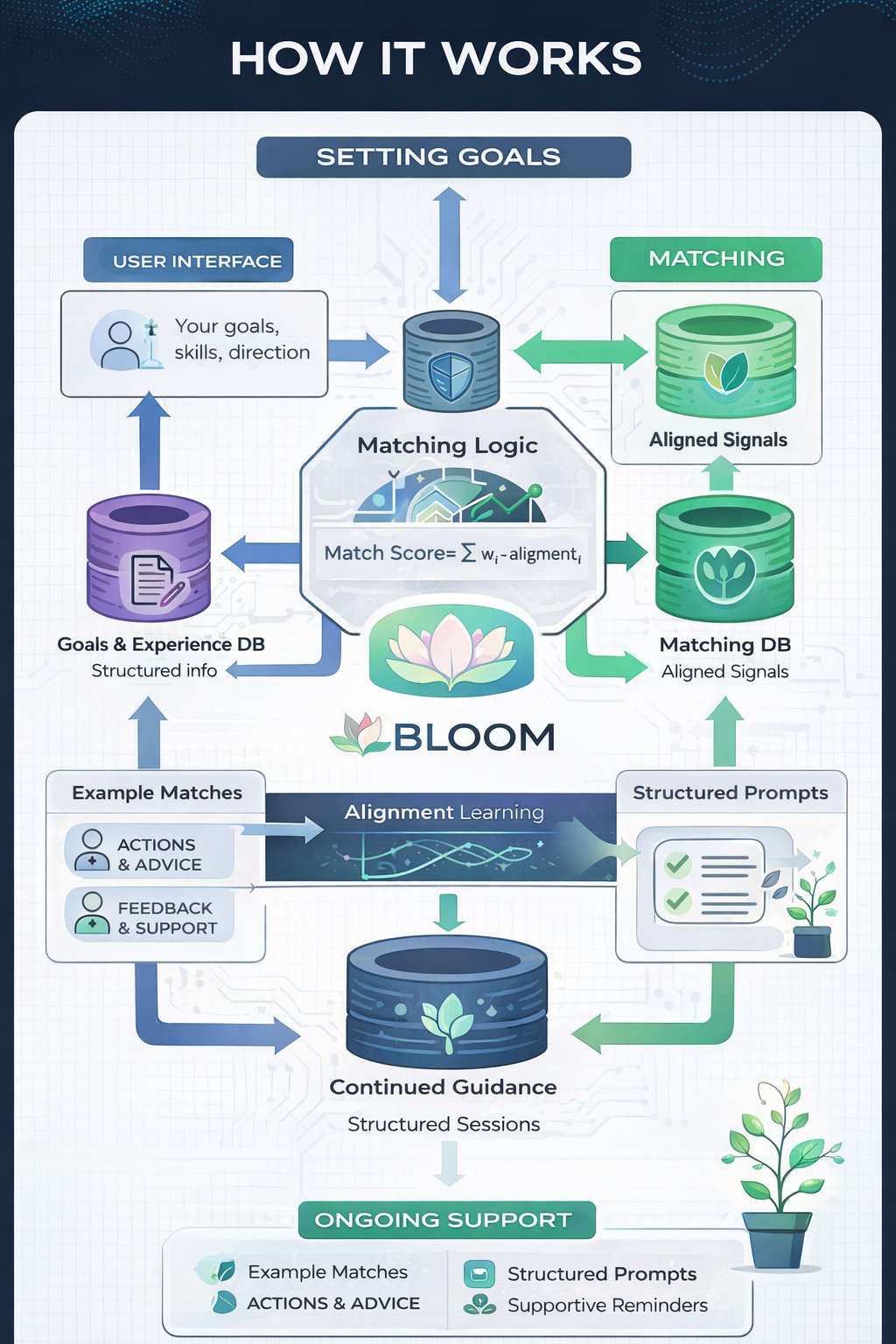
First, we made a plan of the whole process of someone asking for help, including what they are ready to share, what they hope to get out of it, and what often goes wrong with the way things are done now. After that, we made structured questions that help people talk about their goals without having to write long bios. On the technical side, we made a system that uses AI to break down user input like summaries, resumes, and job descriptions into tags that can be used. These tags are then used by the backend to show matches and suggestions that are useful. We built this logic right into the flow of the app so that it feels like it's part of it and not something different or extra.
🌸 Challenges we ran into
Finding the appropriate order was difficult. Too much organization makes things out of place, and without organization, people don't know what to do. Finding a compromise took many tries. Learning how to use AI well was another difficulty. We could have let Bloom create messages, make choices, and execute conversations on its own, but we didn't want it to look like a machine. It was unclear where AI benefited and where it might hurt for a long time. We must also consider scale. We might have taken Bloom several directions, but we had to focus on establishing a clear, usable core rather than fixing everything at once.
🌸 Accomplishments that we're proud of
Bloom doesn't seem large or terrifying, thank goodness. Starting and seeking help should be nice and clear without forcing you to pay attention. We like that we integrated AI without making the app stand out. It clarifies and enhances without dominating. Most importantly, we're glad Bloom is based on genuine occurrences. Every design decision was based on a problem we or someone we know faced.
🌸What we learned
We learnt that people need the correct aid at the right time, not too much. When light and easy to move, the structure is excellent, but when it controls your mood, it's bad. AI works best when it's not in the way. It felt greatest when the system simplified things without calling attention. Finally, we learnt to hold back. It's not required to construct every idea or solve every problem digitally.
🌸 What's next for Bloom
We want Bloom to improve as people mature and change their ideas. That includes improving ways to coach clients over longer periods and making progress easier to see. Bloom shouldn't be used once and forgotten. It should be accessible whenever people need clarity, a new perspective, or assistance.
Built With
- css
- github
- html
- supbase
- tsx
- typescript
- voiceflow
- vscode


Log in or sign up for Devpost to join the conversation.