-
-
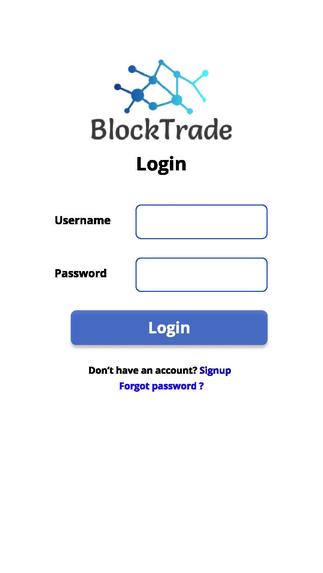
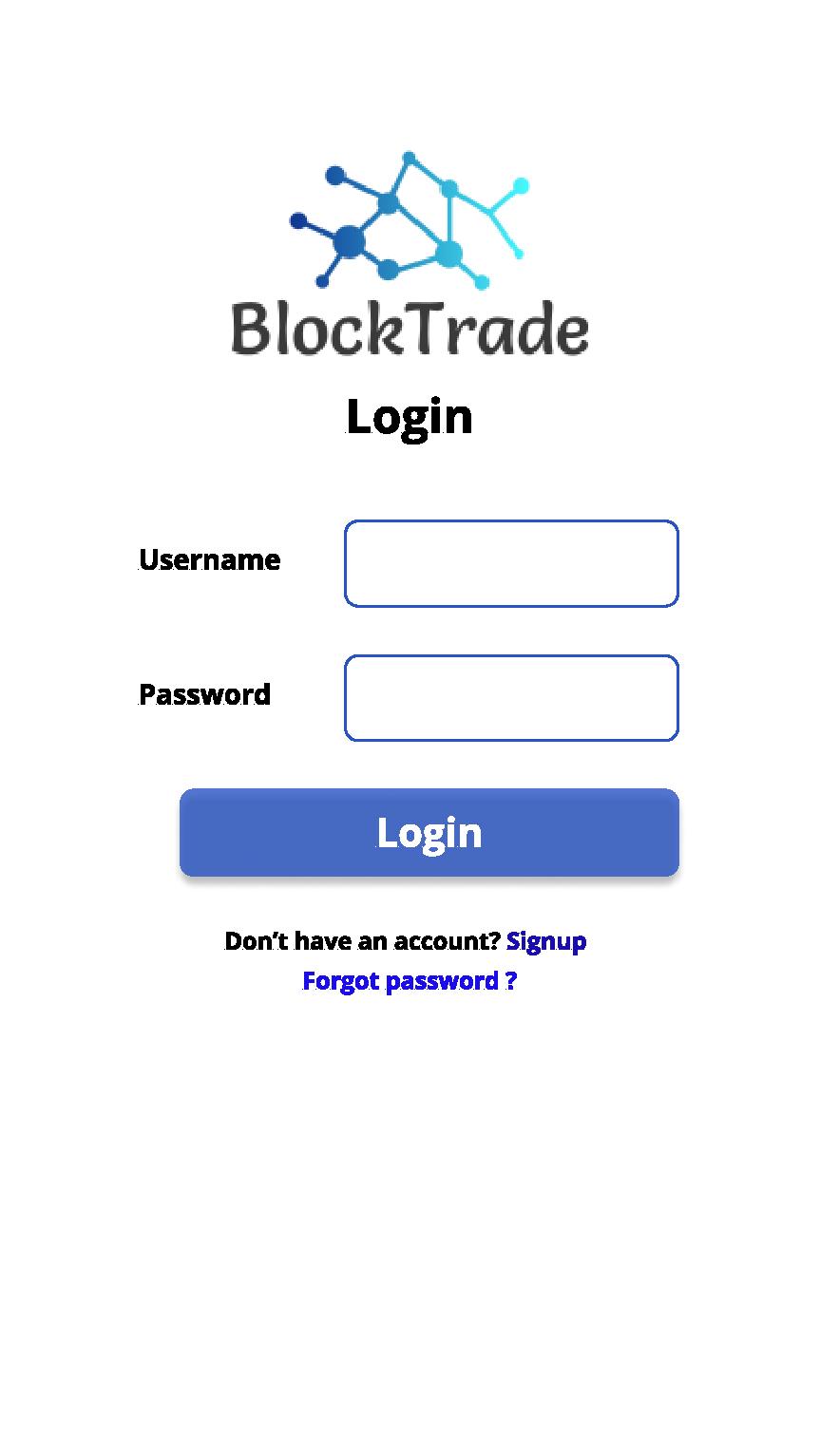
Login Screen
-
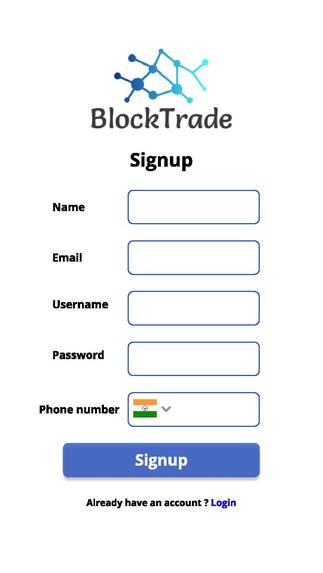
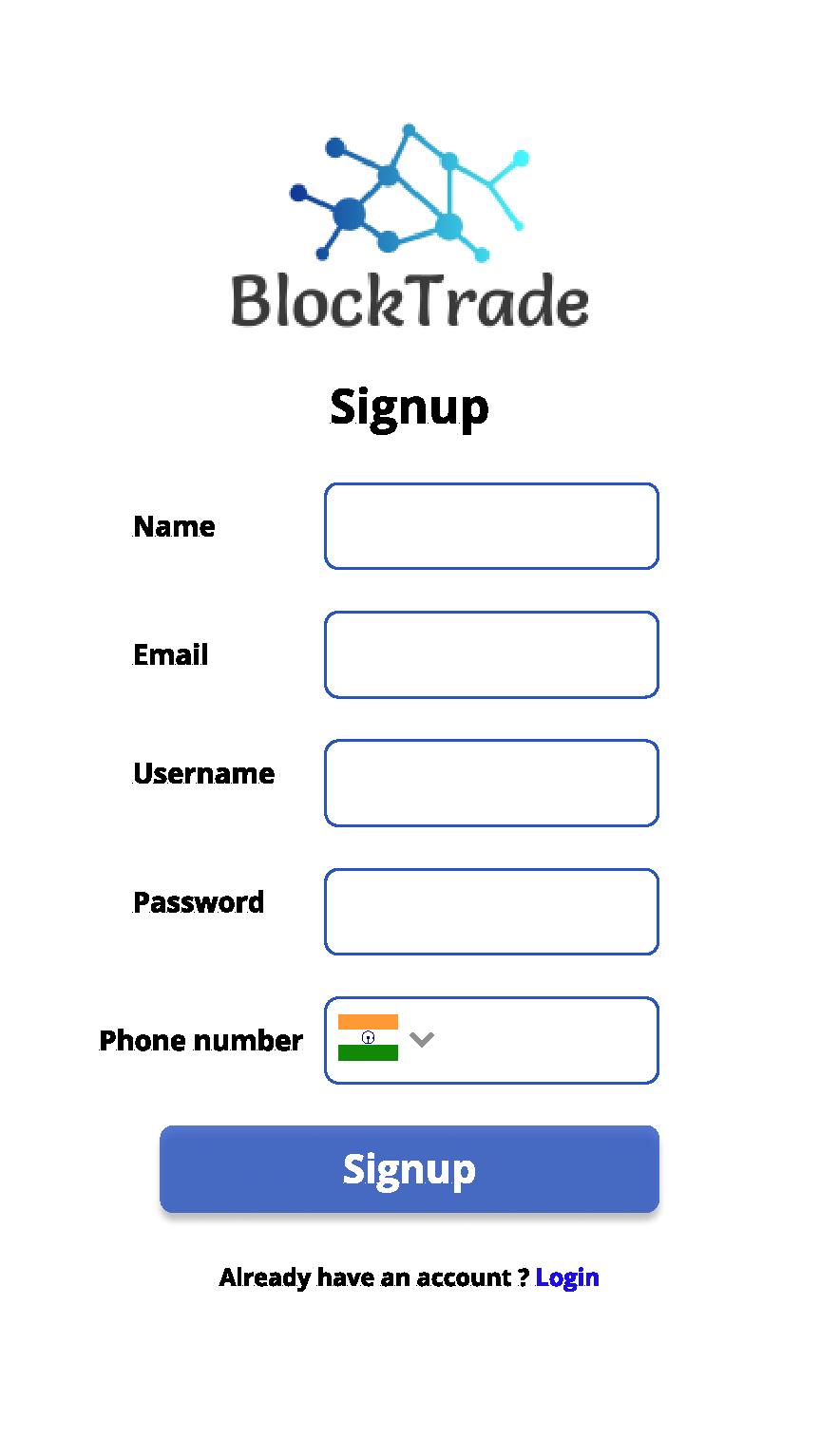
Sign-up Screen
-
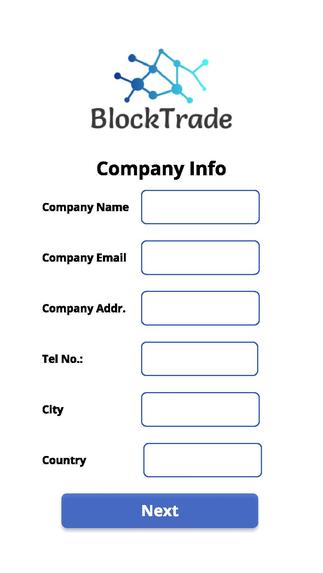
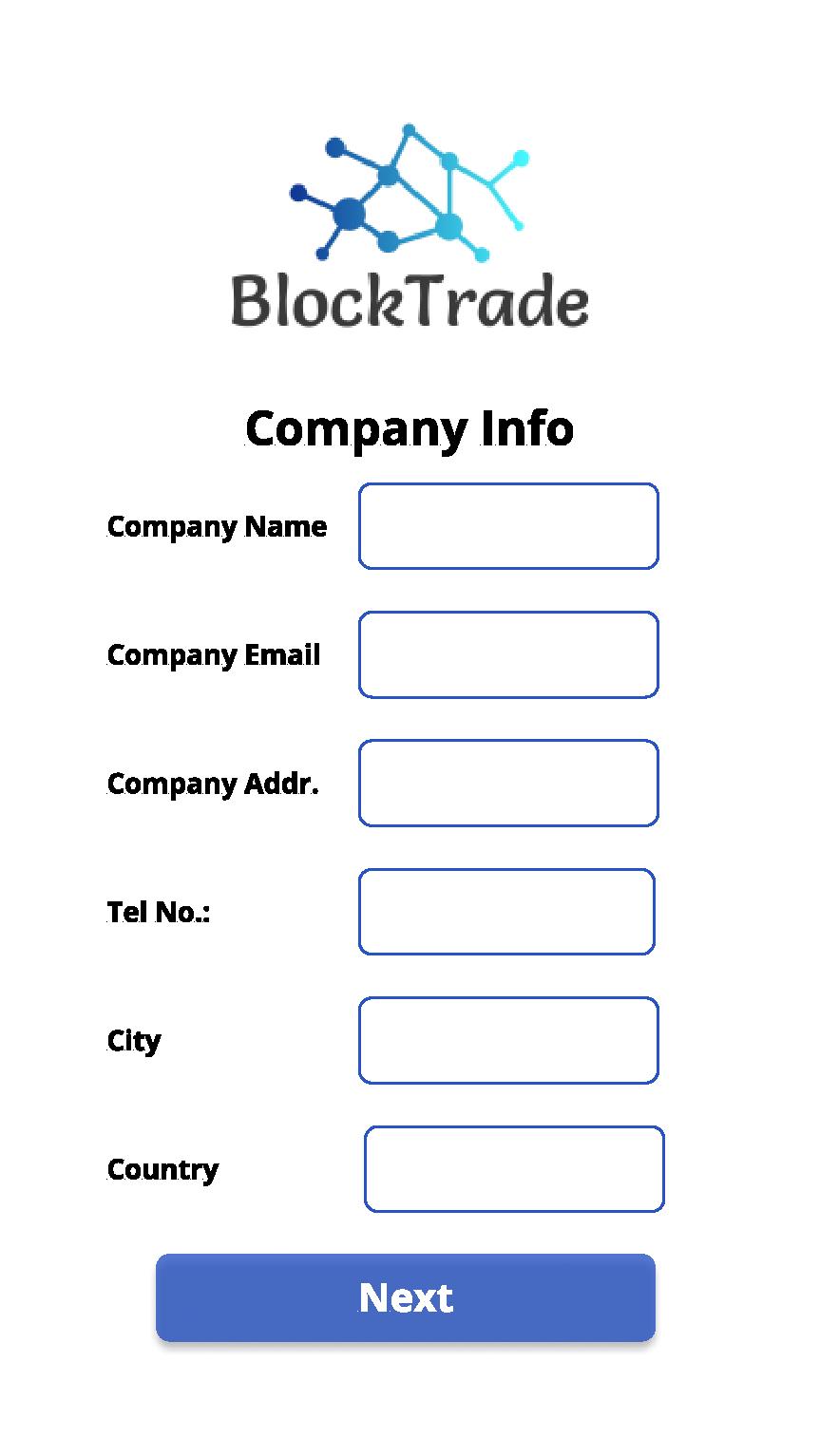
Company Information Screen
-
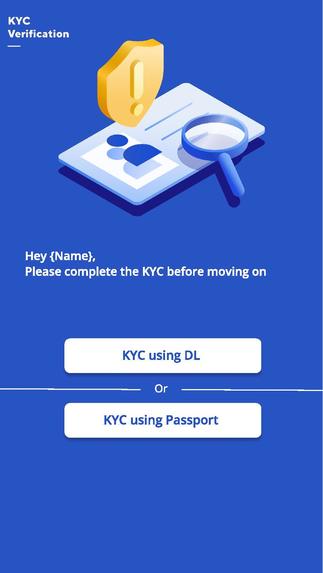
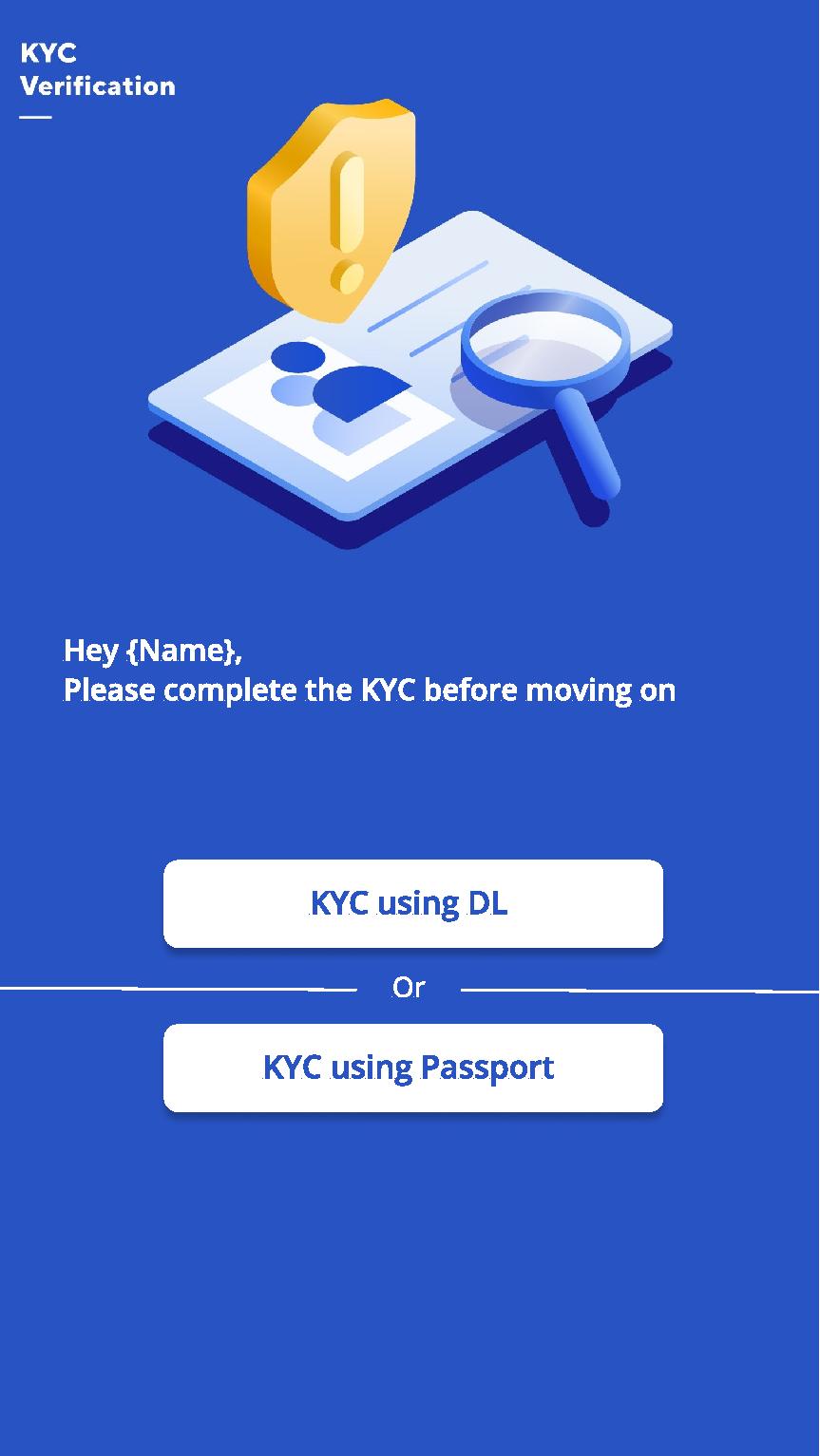
KYC options
-
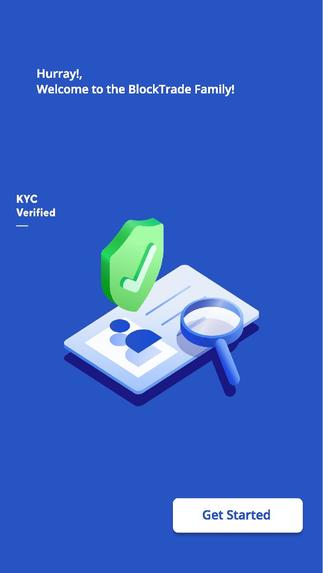
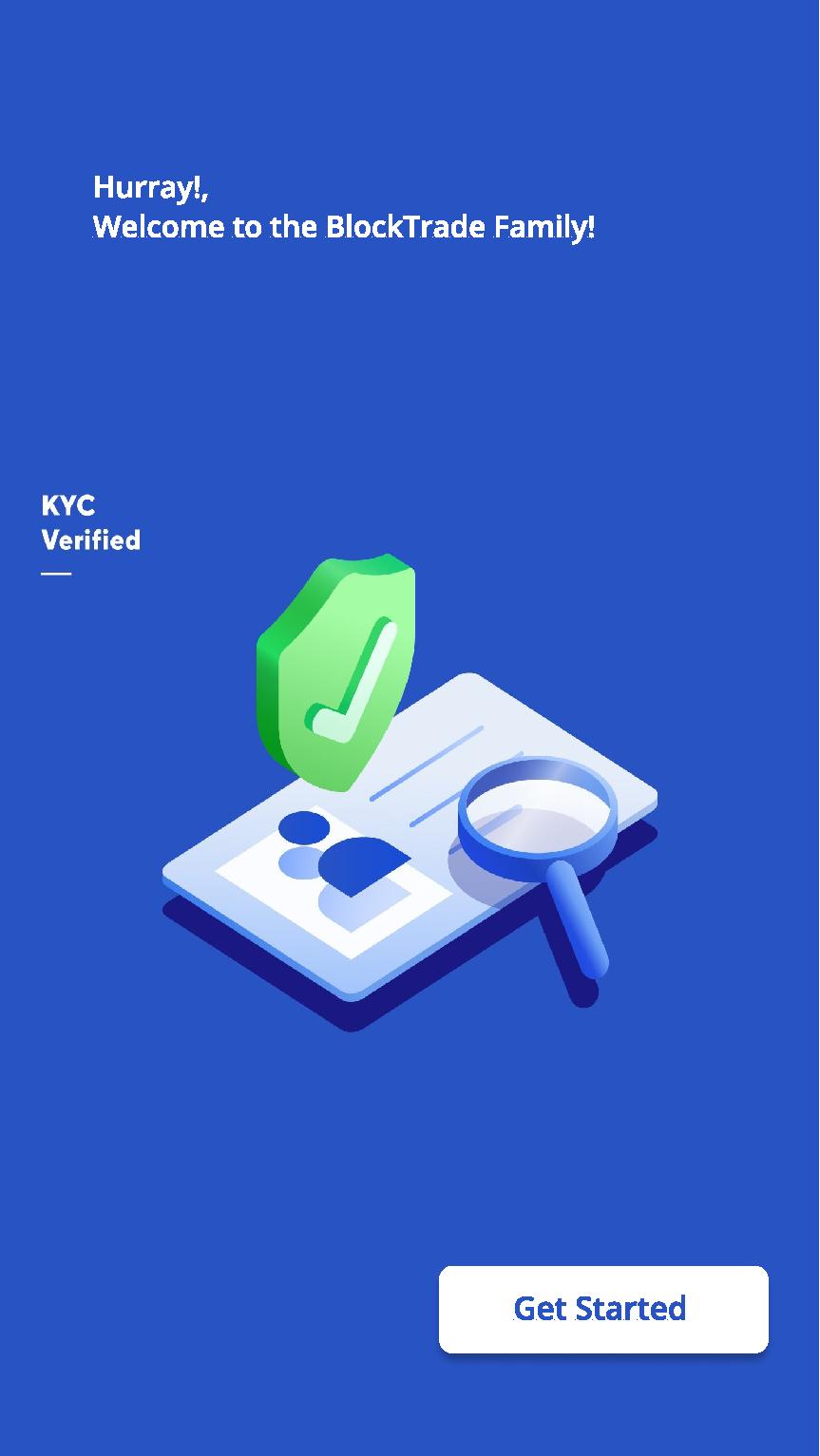
KYC Success
-
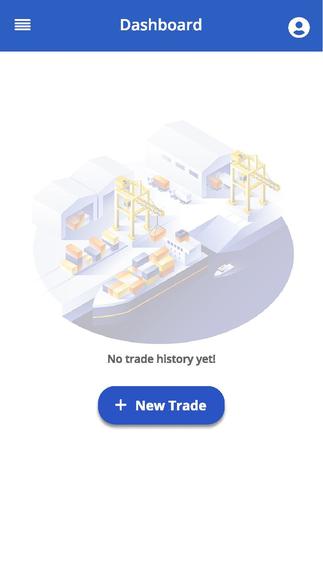
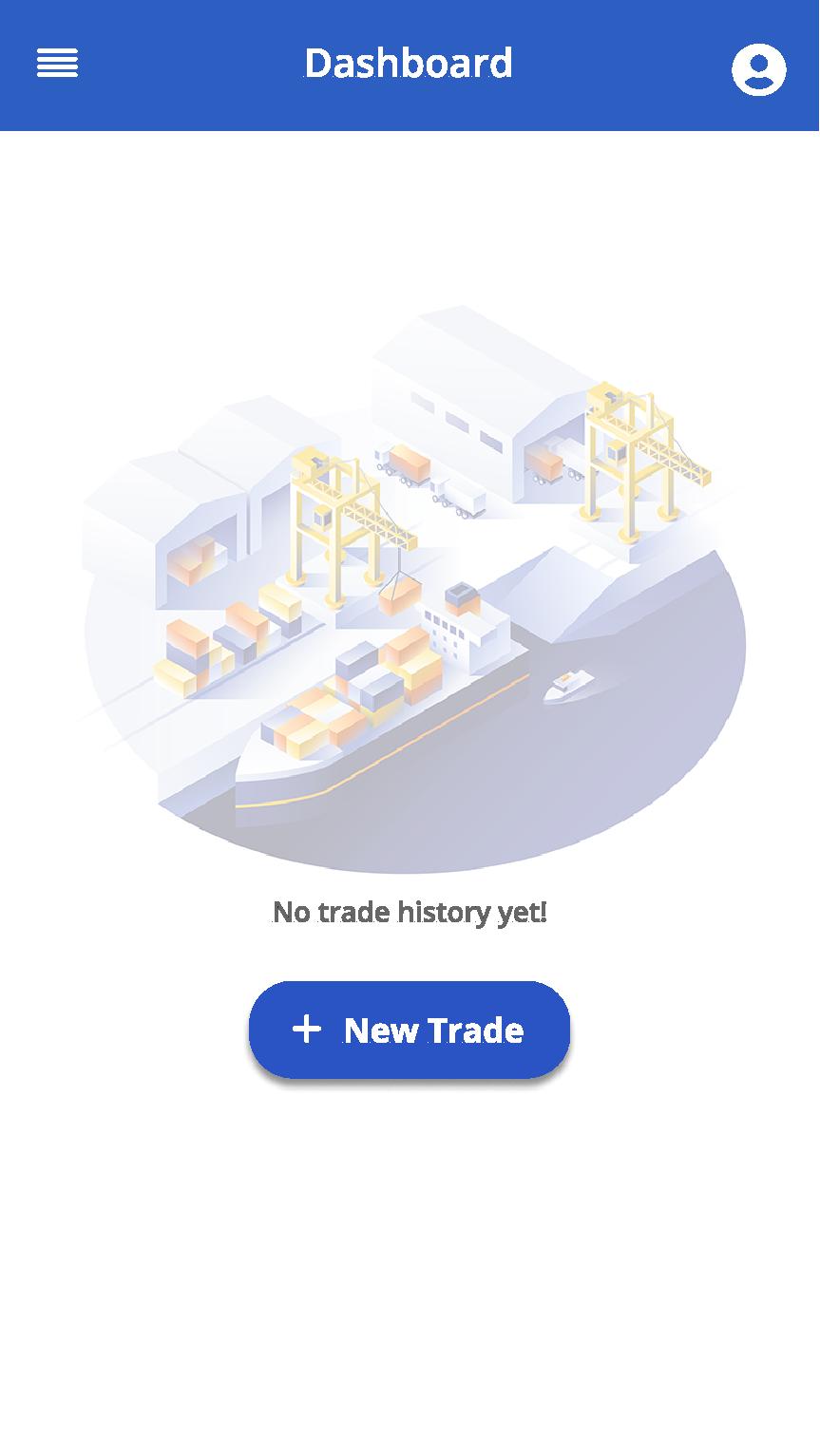
Dashboard(empty)
-
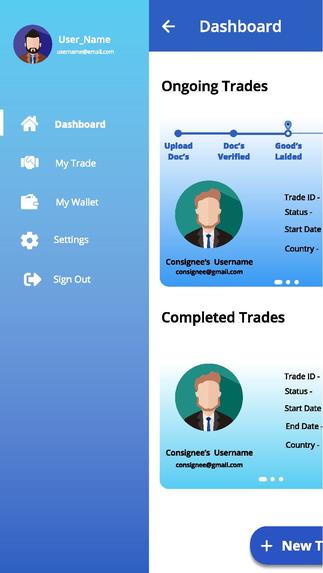
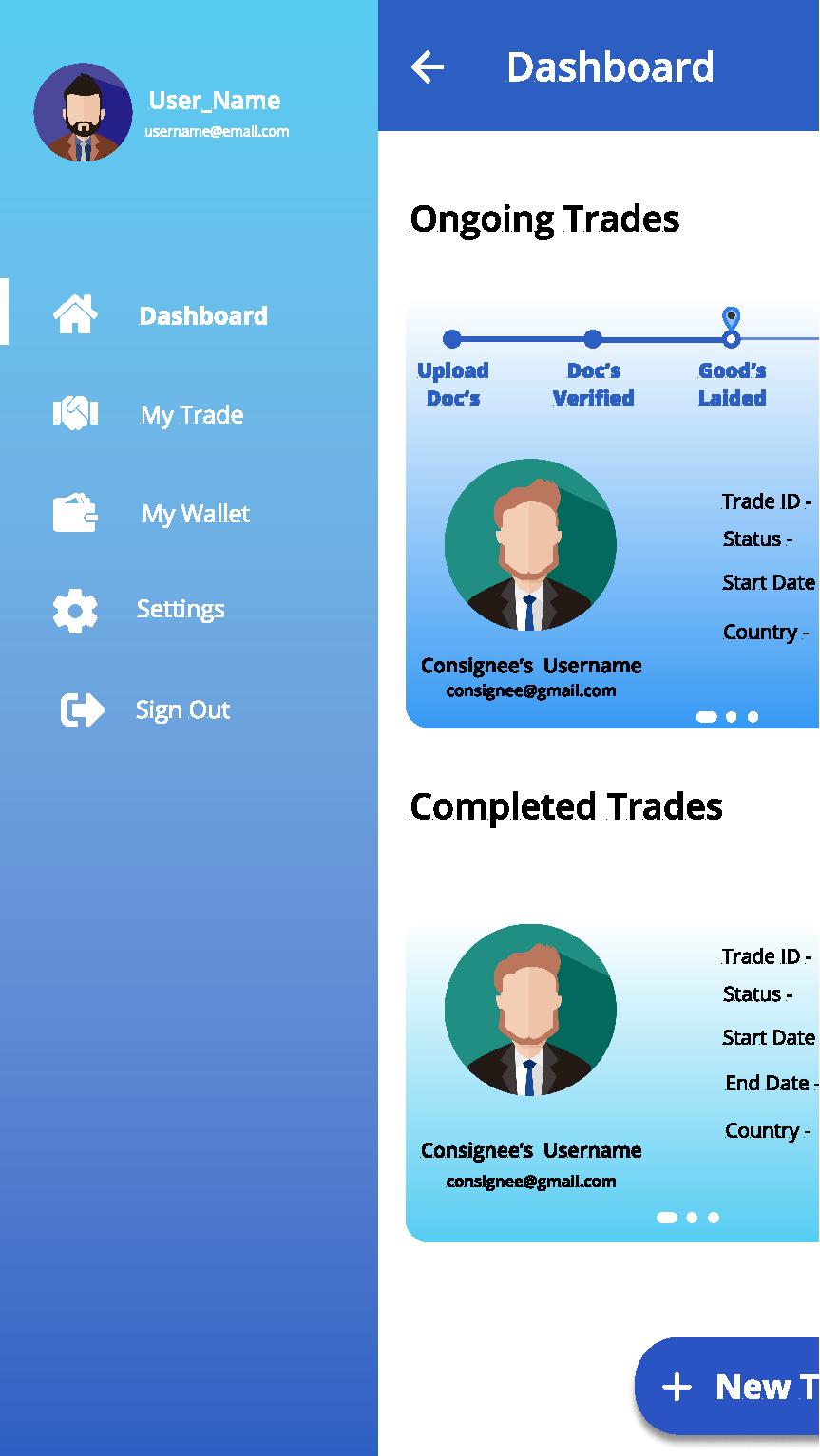
Side navigation with dashboard
-
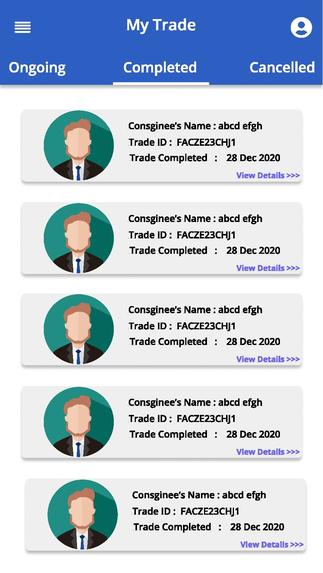
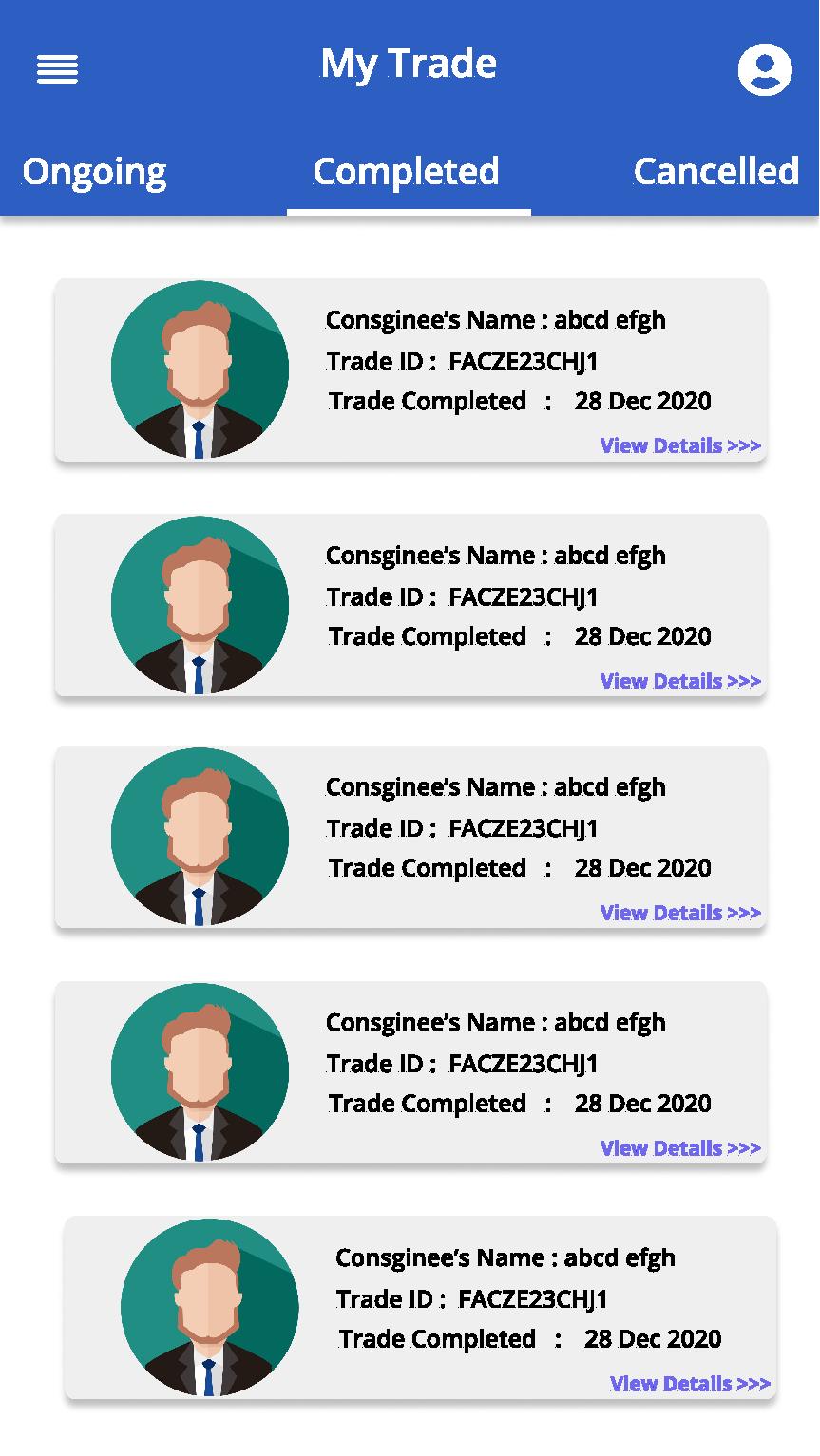
My Trades Screen
-
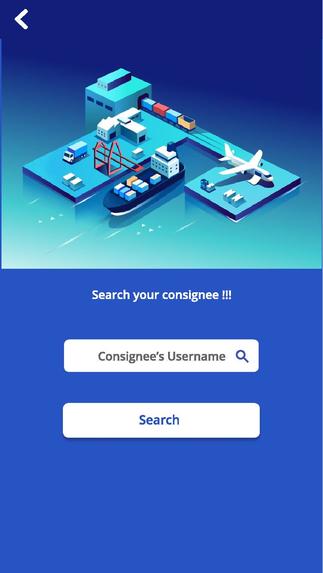
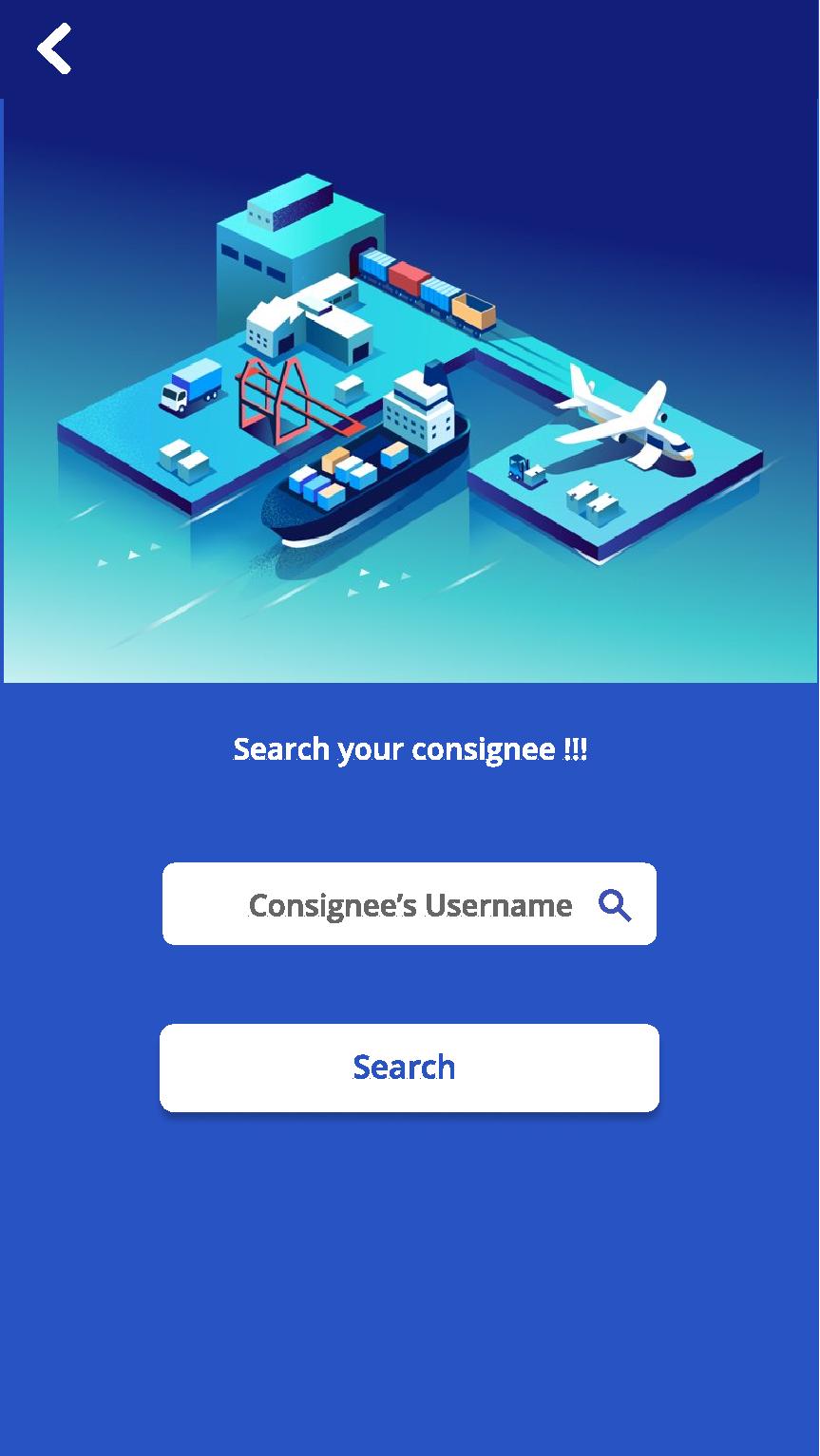
Search Consignee Screen
-
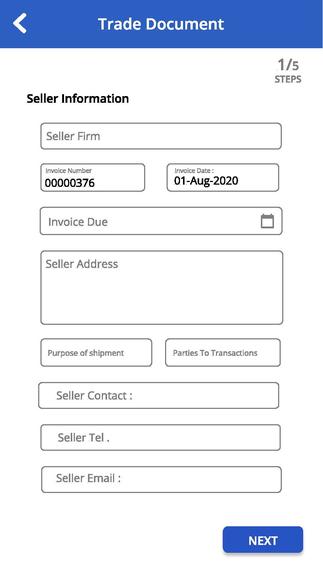
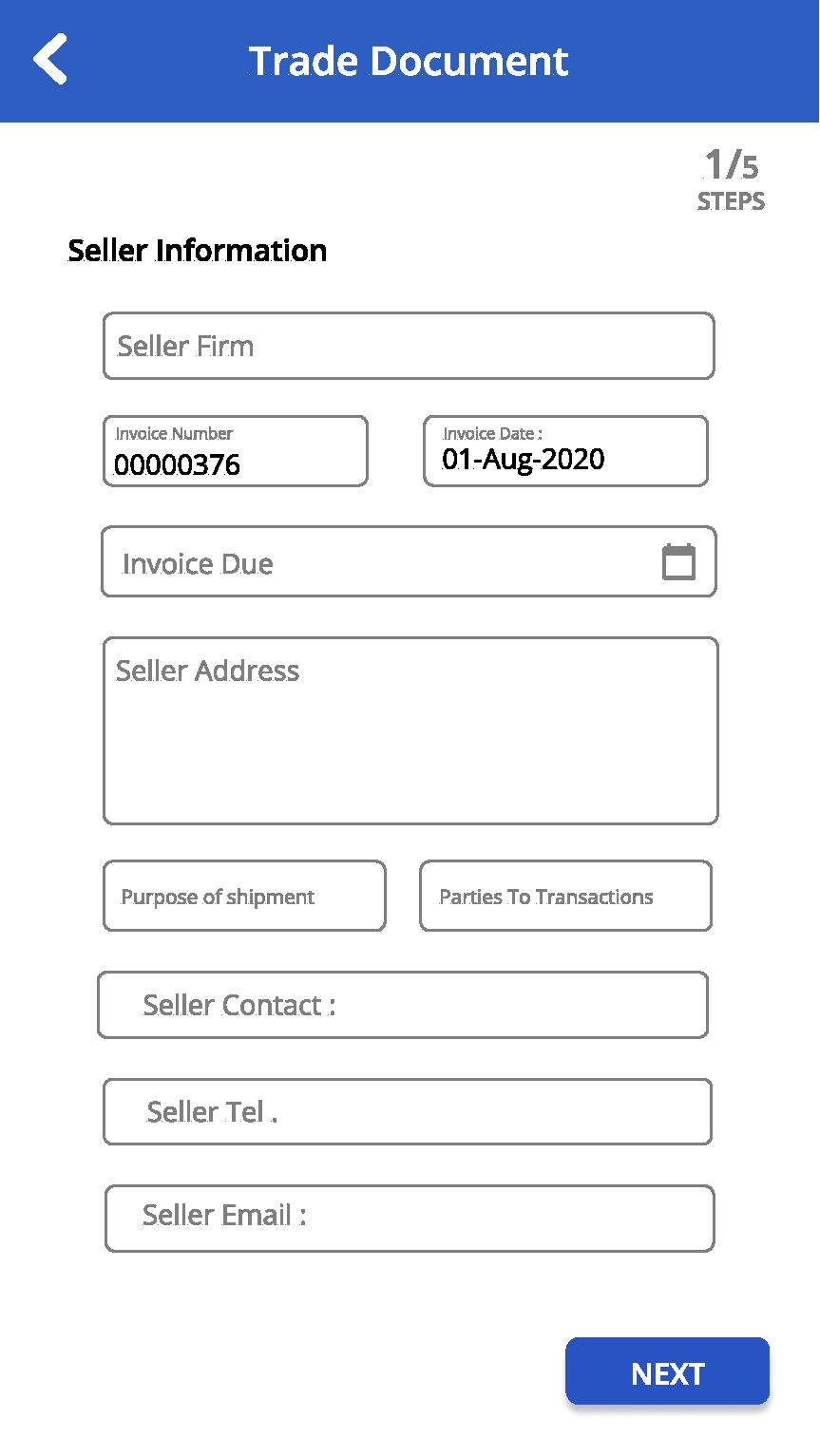
Trade Form 1
-
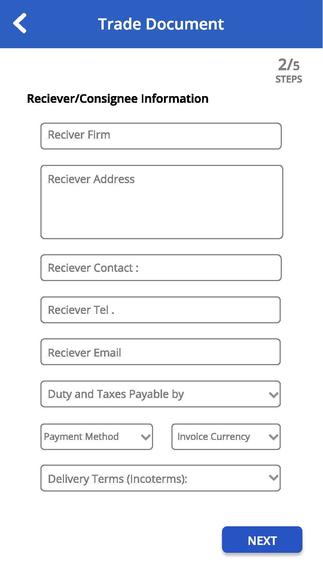
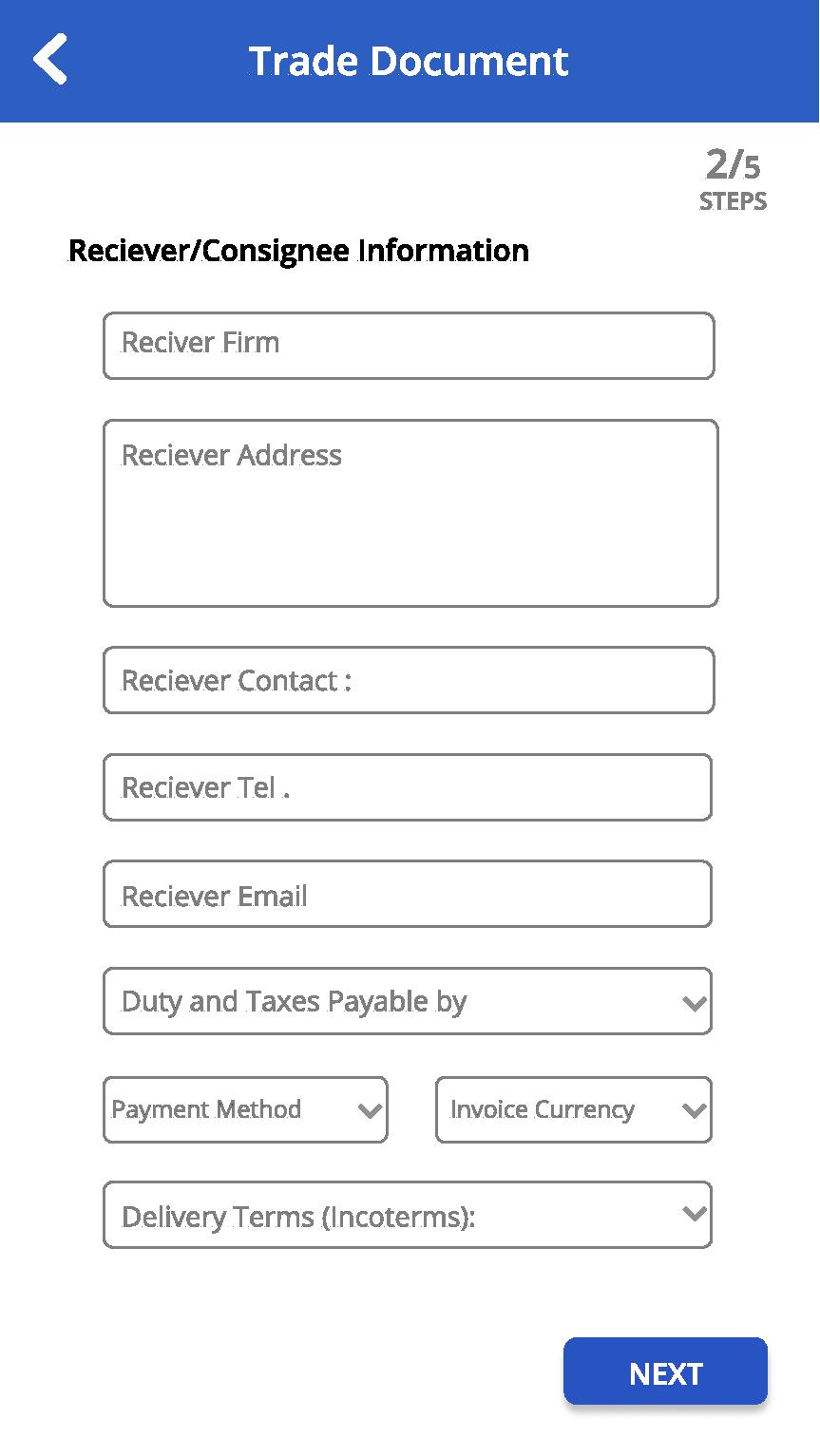
Trade Form 2
-
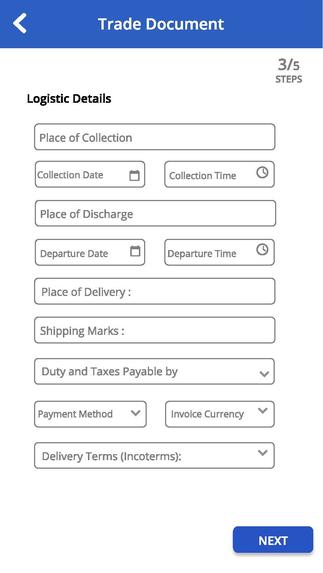
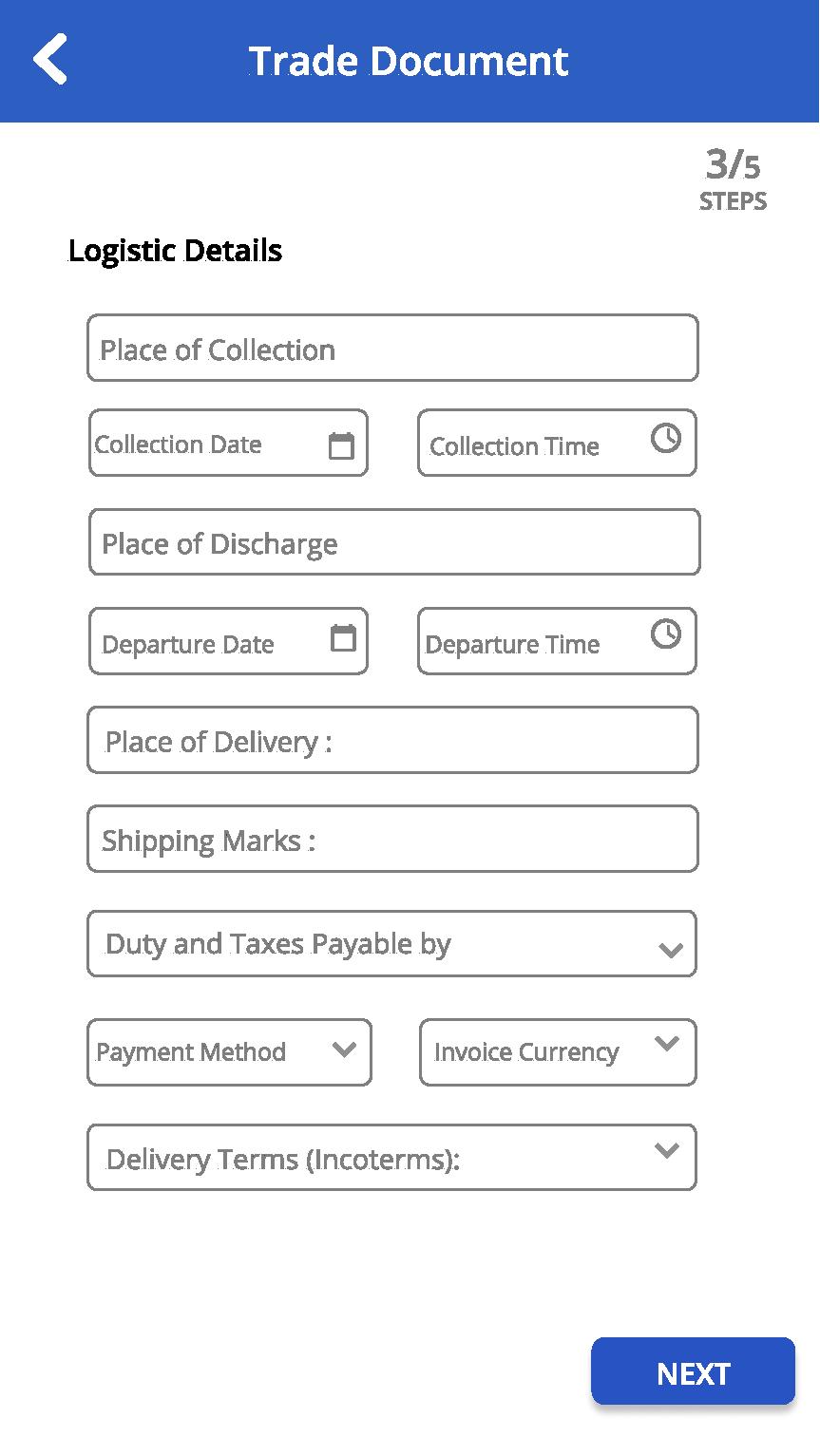
Trade Form 3
-
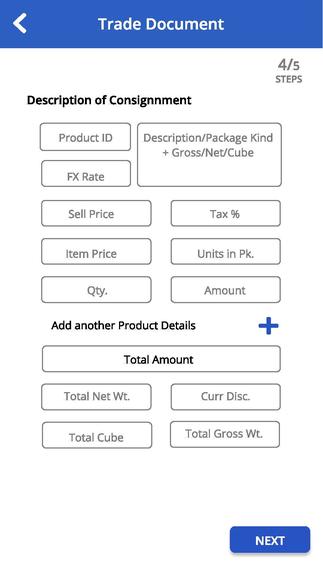
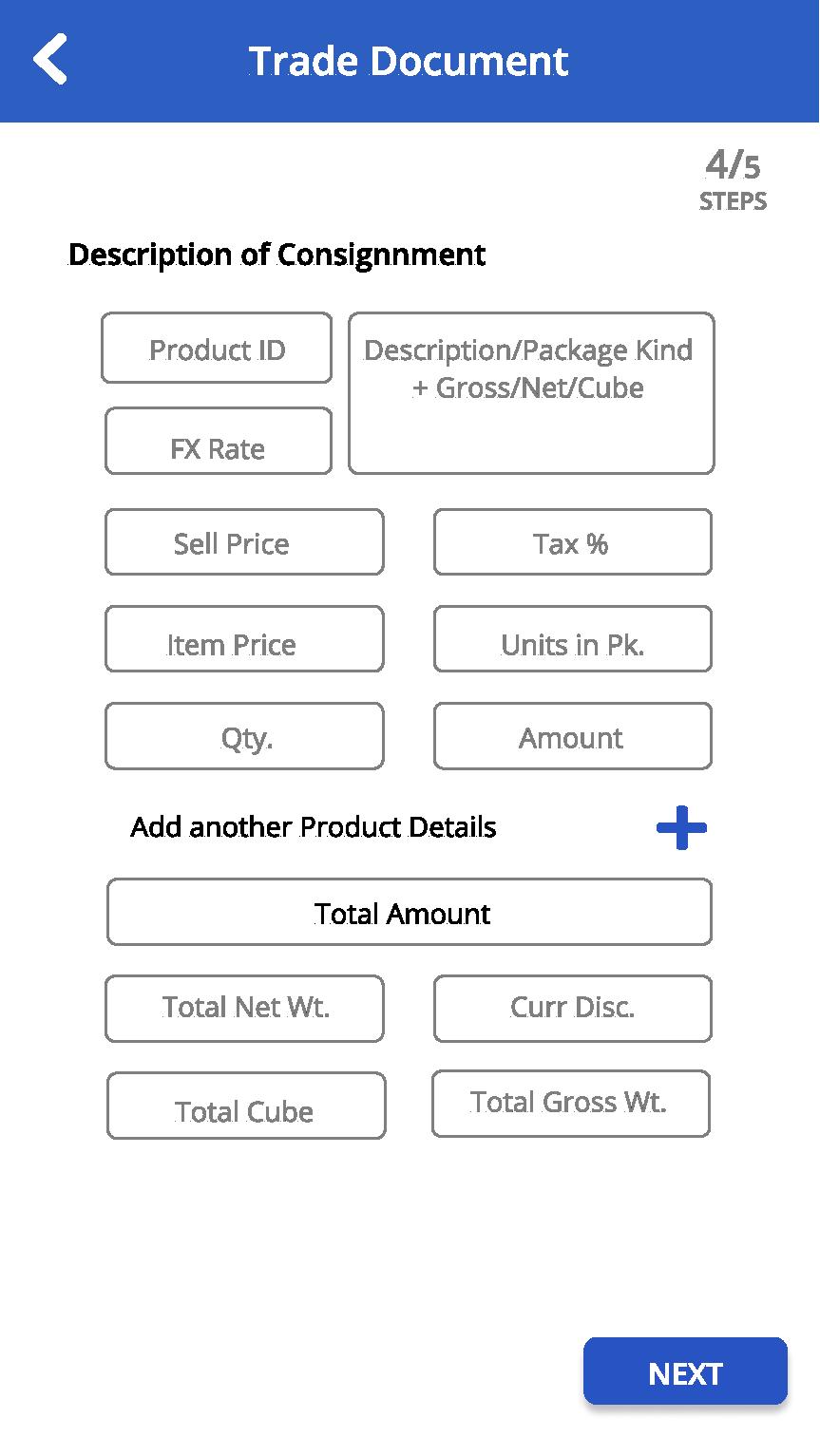
Trade Form 4
-
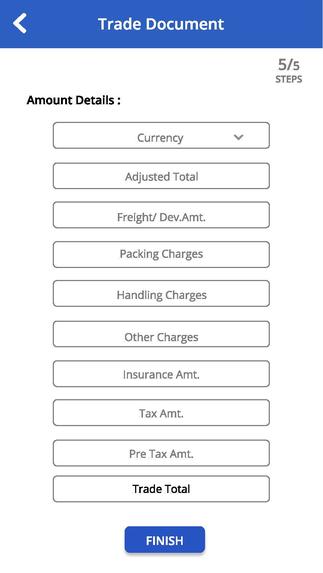
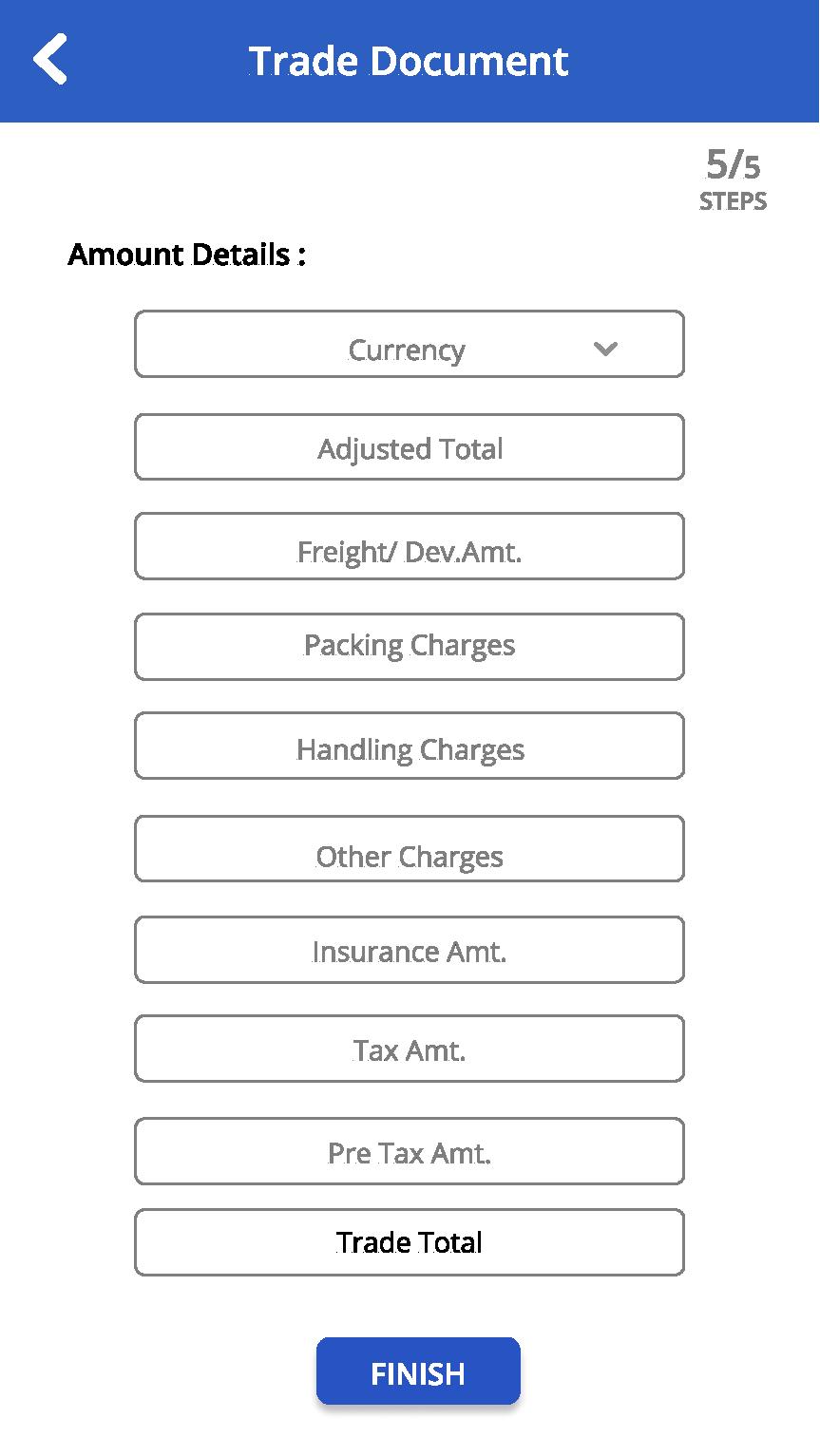
Trade Form 5
-
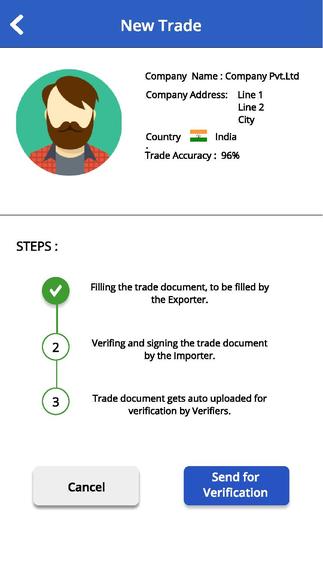
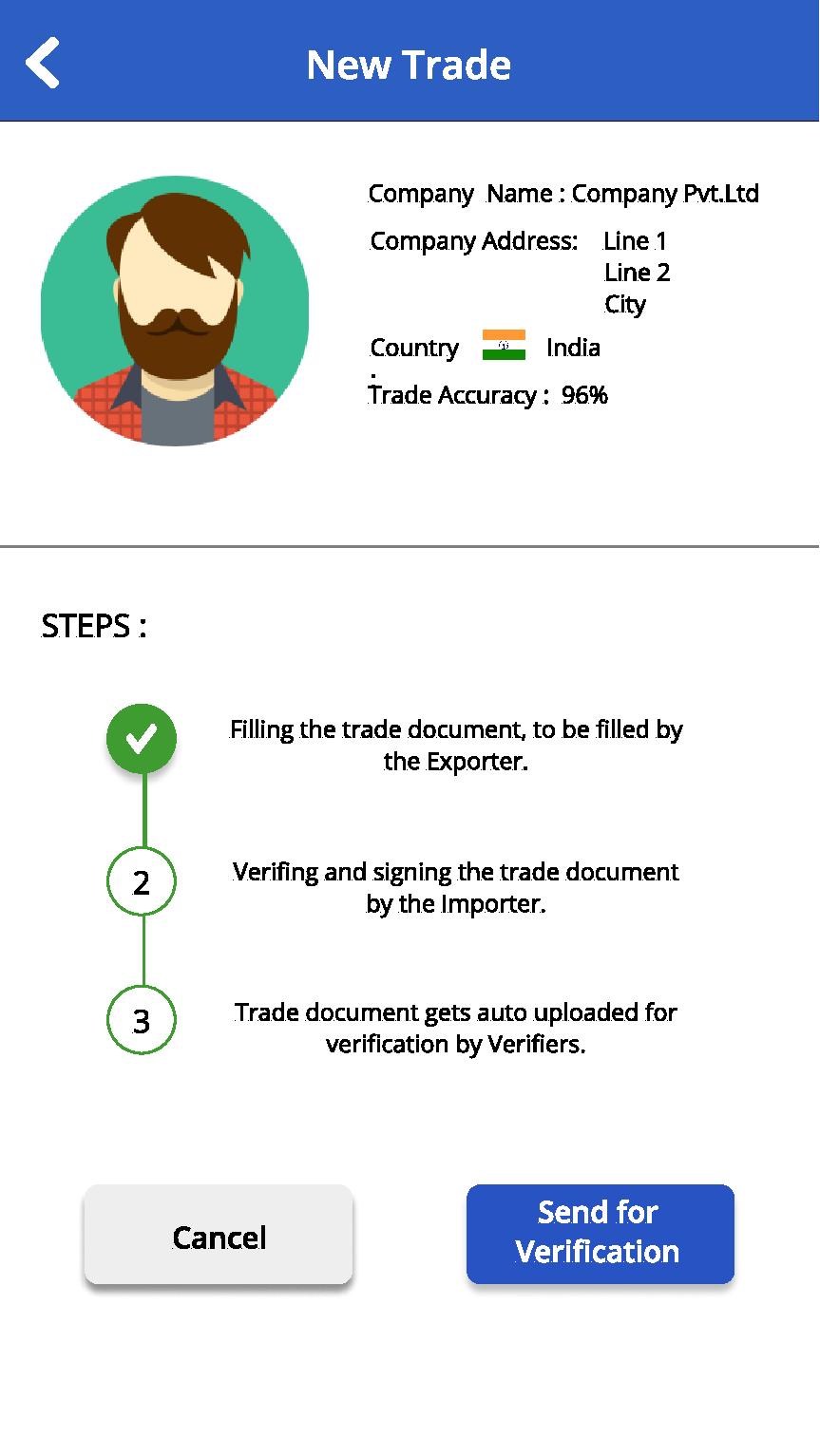
Trade Process
-
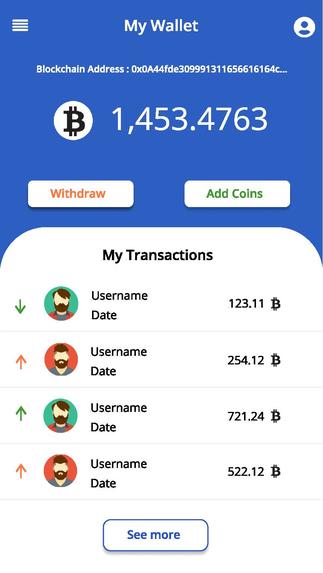
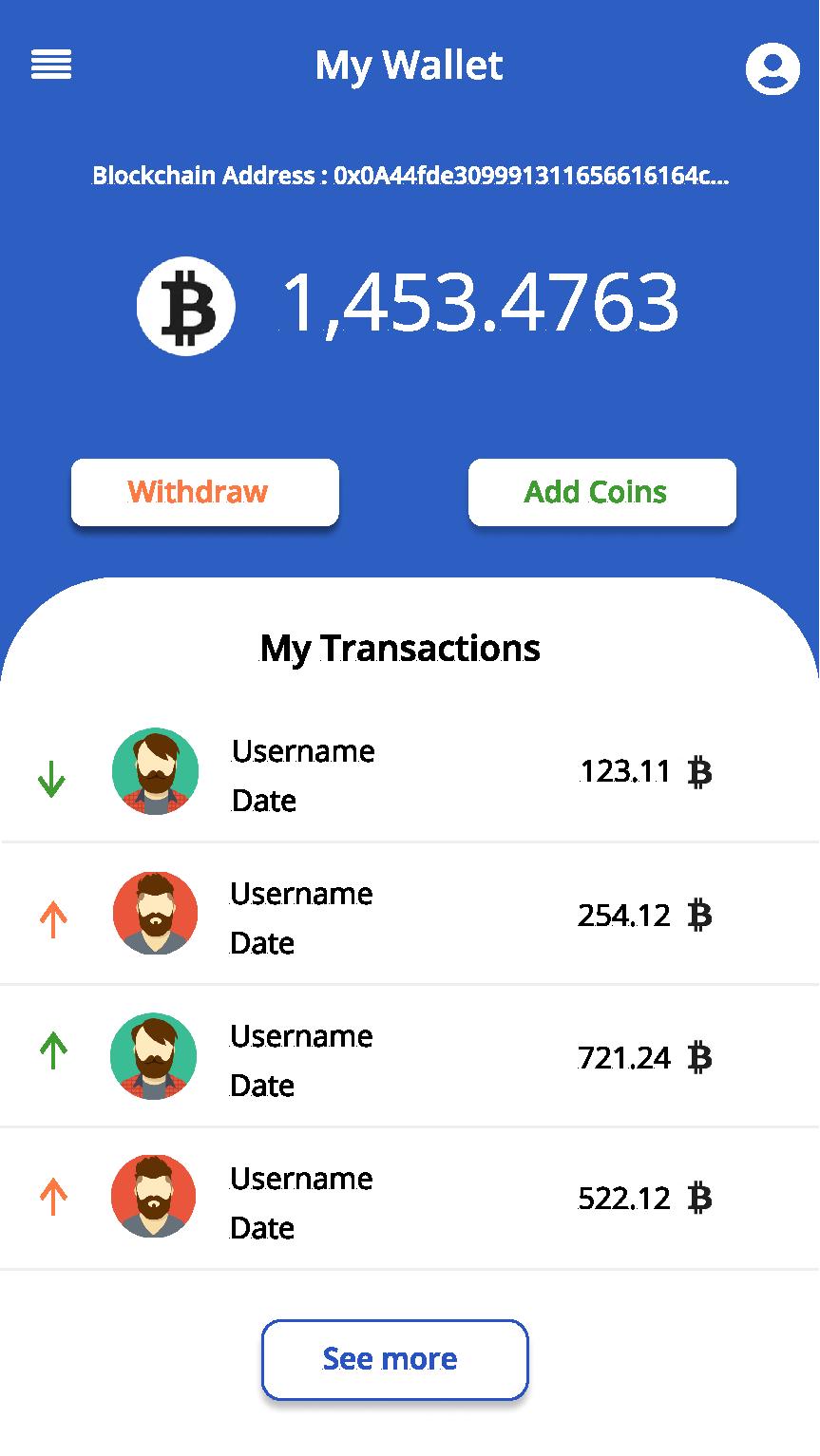
Wallet and Transaction Screen
Inspiration
The usage of the platform makes the trade process efficient which will consequently result in a hike in International trade. The application developed in India promotes the Atma Nirbhar Bharat agenda. Often corrupt practices prevail in the banks which cause inappropriate trades to take place which cause bad quality goods export, morally decreasing the value of Indian goods.
What it does
The application provides a platform for traders to execute the trade internationally. It has 2-step authentication for traders to register on the platform through KYC. Two trading parties need to sign a trade document and then send it for verification to curators. Curators verify whether the proposed trade is legal. The platform also covers monetary transactions via cryptocurrency.
How we built it
Technologies used:
- Blockchain
- Truffle - It is a world-class development environment, testing framework, and asset pipeline for blockchains using the Ethereum Virtual Machine (EVM), aiming to make life as a developer easier.
- Web3JS - It is a collection of libraries that allows us to interact with a local or remote ethereum node using HTTP, IPC or WebSocket. It interacts with the blockchain to perform transactions.
- Etherum - Ethereum is a decentralized open source blockchain featuring smart contract functionality. The process of approval and payments takes place on the Ethereum blockchain network
- Frontend
- Flutter - Flutter is Google’s UI toolkit for building beautiful, natively compiled applications for mobile app development. It has been used create a mobile application for the trade platform.
- ReactJS - React is an open-source JavaScript library for building user interfaces or UI components. React can be used as a base in the development of single-page or mobile applications. It is very good for managing states and creating interactive and responsive pages.
- Backend
- NodeJS - Nodejs is a lightweight, high traffic, data-intensive, low processing application that runs across distributed devices. With that approach, the system maintains its responsiveness under a heavy load, which is particularly useful when the user doesn’t need confirmation of a the successful uploads.
- ExpressJS - Express is a minimal and flexible.Express provides a thin layer of fundamental web application features. They are run on top of Nodejs. They are used to create easy to use API’s for the application.
- Database
- MongoDB - MongoDB is a cross-platform document-oriented database program. Classified as NoSQL database program,Cloud based server is used and has extensive support for Nodejs. All schemas such as trader, curator and mock api’s are placed on cloud.
- IPFS - The InterPlanetary File System is a protocol and peer-to-peer network for storing and sharing data in a distributed file system. IPFS uses content-addressing for unique identification. Here it is used to store the verification and trade documents uploaded by the user.
Challenges we ran into
- APIs related to identity verification incur a lot of costs.
- Diversity over trading conditions among the trading nations makes it difficult to generalize the trade form.
Accomplishments that we're proud of
- The platform is based on decentralized technology.
- Payments based on cryptocurrency.
What we learned
- Integrating ReactJS, Flutter with Blockchain technologies.
- International trade-related terms like incoterms, payment methods, types of documents.
- Implementing KYC services using Driving license and Passport.
- Adding 2 step authentication for avoiding fraudulence.
What's next for BlockTrade
Blockchain and cryptocurrency technology enables customers to establish a digital identity easily, making it simpler for unbanked people to acquire access to financial services, and can further drive down the cost of cross-border payments. The blockchain technology offers end-users quick, secure, and cheap cross-border payment solutions in fiat currencies via peer-to-peer networks.
Technology is seen by many as an interesting tool to improve the security of traditional trade finance transactions and to streamline and digitalize processes, especially letters of credit, bill of exchange, bill of lading, and ease supply chain finance. It is of great interest for the stakeholders involved in the logistics process to introduce and develop blockchain technology to enhance the logistics processes in the supply chain, making them more sustainable.


Log in or sign up for Devpost to join the conversation.