-
-
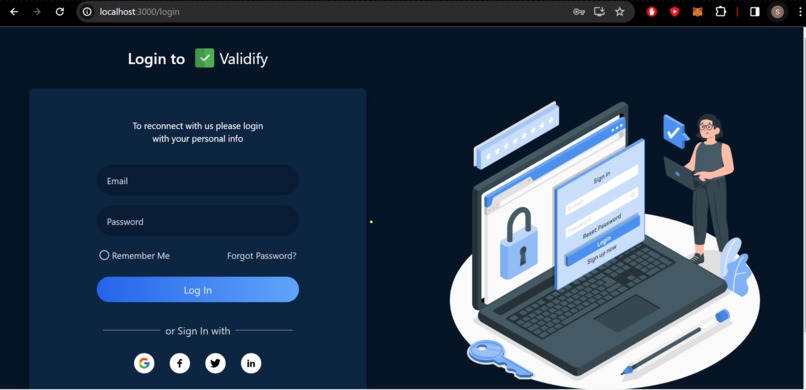
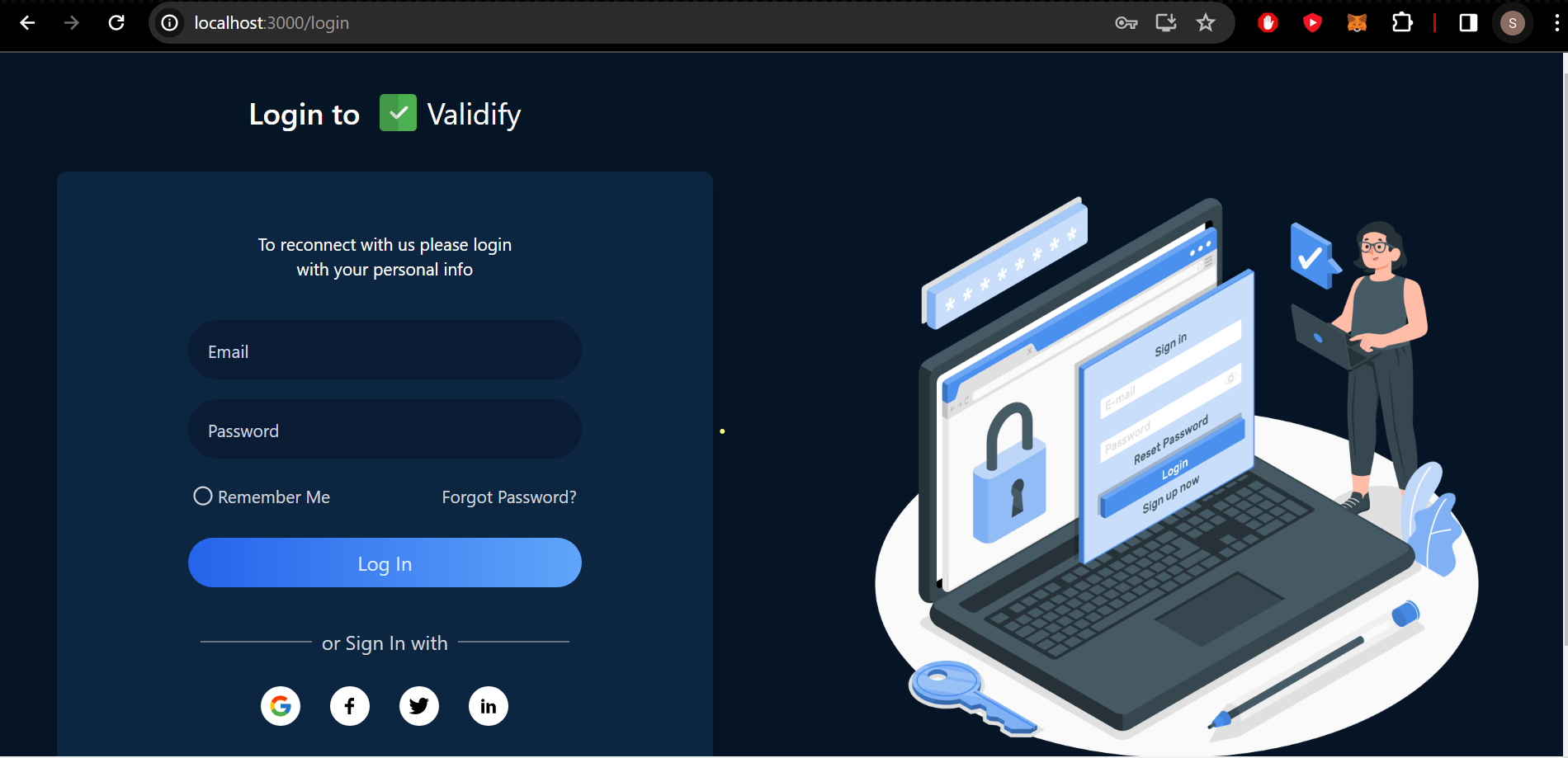
login
-
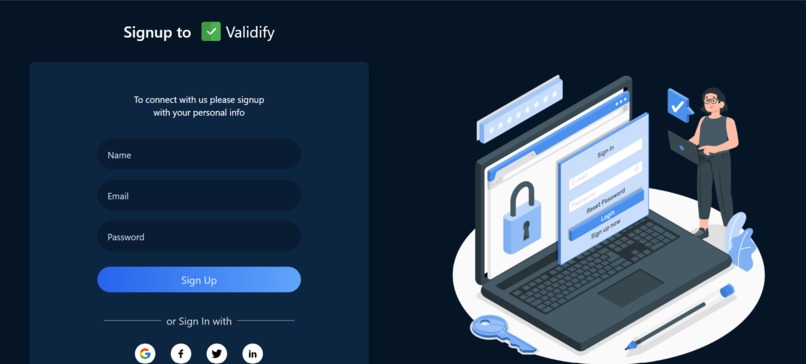
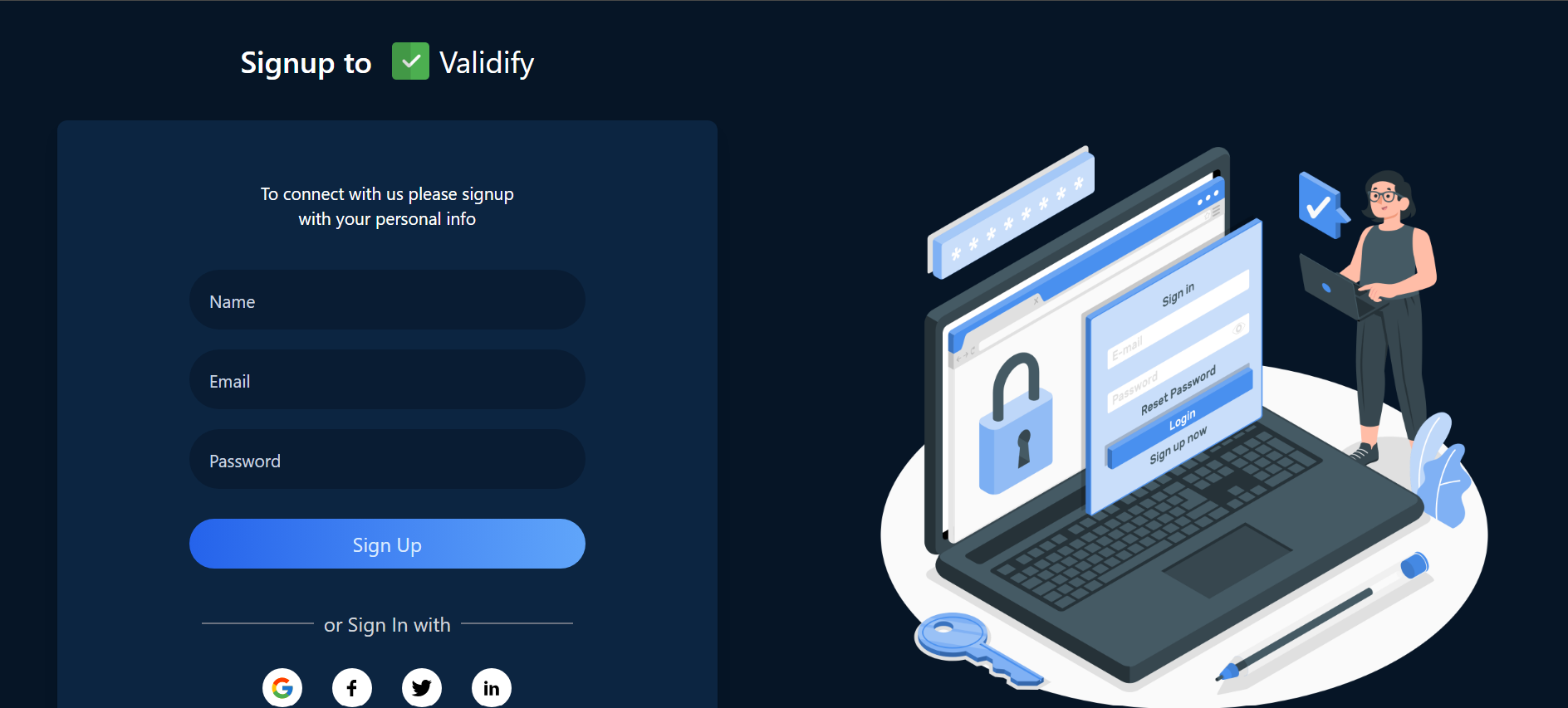
signup
-
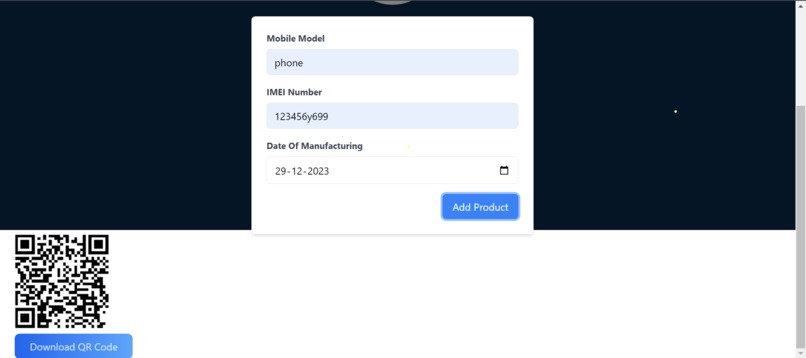
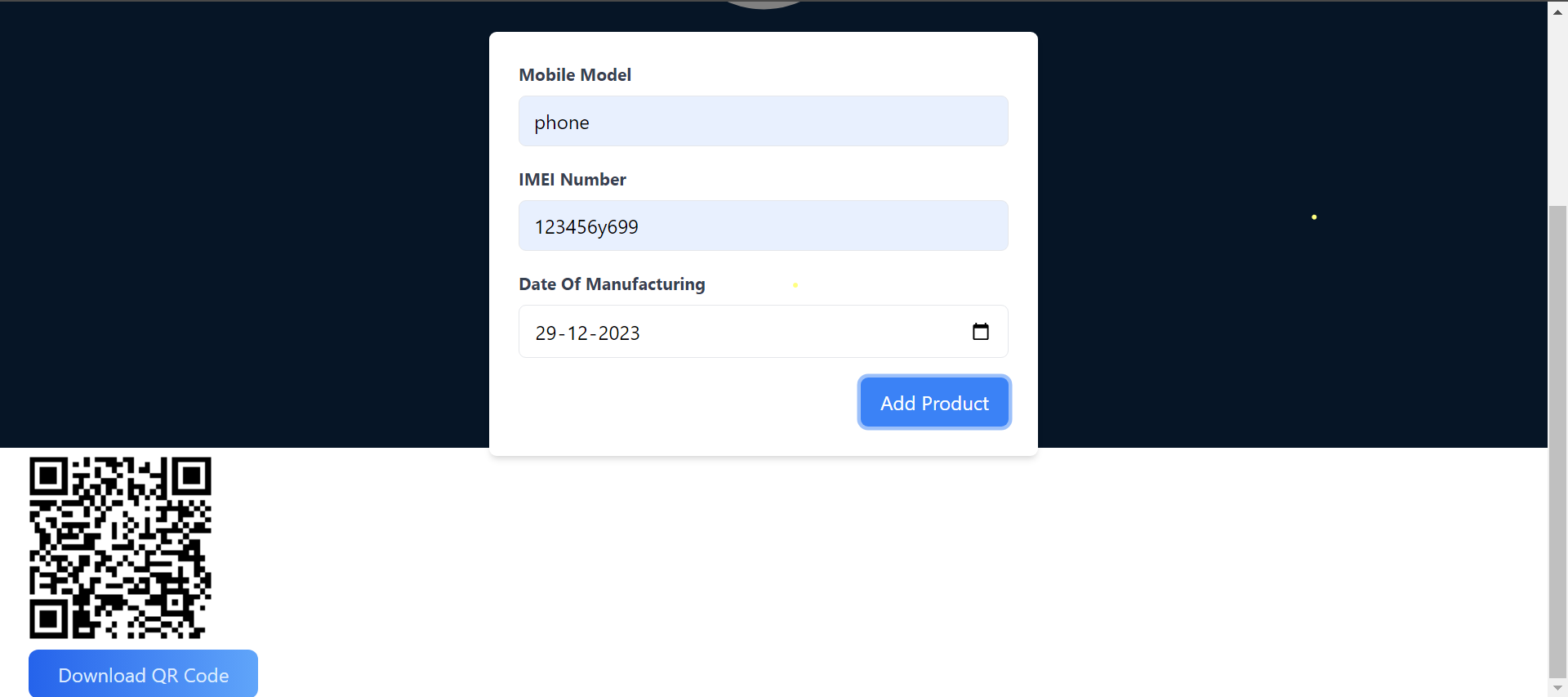
Dashboard for Company
-
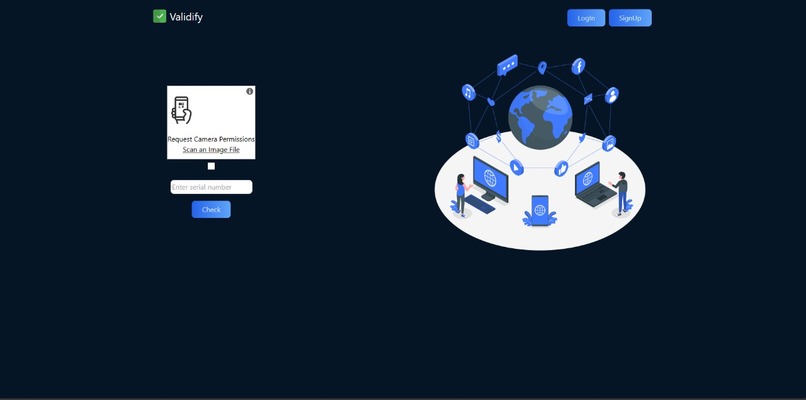
Inspiration
The inspiration for this project arises from the growing challenges of ensuring authenticity in the purchase of mobile phones. We envision a future where buyers can confidently invest in their devices, free from the uncertainties of counterfeit products. Our project leverages the capabilities of Hedera Smart Contracts to establish a foolproof system for verifying mobile authenticity during the buying process.
What it does
By leveraging Hedera Smart Contracts and a secure database, we hash crucial information to create a unique identifier. This hashed information serves as a key on the smart contract, allowing us to retrieve and verify the associated IMEI (International Mobile Equipment Identity) number. Through this process, we ensure that each mobile device's authenticity is confirmed, providing buyers with the assurance that they are acquiring a legitimate and trustworthy product. Our solution not only safeguards consumers from counterfeit devices but also establishes a secure and transparent framework for the mobile market.
How we built it
Node.js and Express: We used Node.js and Express for building the backend server that interacts with the Hedera network. This server handles the communication between the React frontend and the smart contract deployed on Hedera.
React: We built the frontend of our application using React and created user interfaces for inputting IMEI numbers, displaying verification results, and interacting with the authentication process.
MongoDB: We utilized MongoDB as the database to store hashed information alongside the corresponding IMEI numbers. Designed a schema that suits the data structure needed for efficient retrieval during the verification process.
Solidity: We wrote the smart contract using Solidity. Defined functions for storing and retrieving hashed information, and implemented the logic for verifying the authenticity of mobile devices.
Challenges we ran into
Deploying on Hedera presented challenges such as adapting to Hedera's unique network and navigating a potentially different documentation landscape.
Accomplishments that we're proud of
Our team successfully navigated the complexities of Hedera's unique network. The deployment process, though challenging, resulted in a robust and efficient system that not only checks the authenticity of mobile devices but also showcases our commitment to innovation and excellence in blockchain technology. We are proud of our accomplishment in creating a solution that empowers users with trust and confidence in their mobile purchases, contributing to a more secure and transparent digital marketplace.
What we learned
Blockchain Adaptation: We deepened our understanding of adapting to different blockchain networks, particularly Hedera Hashgraph, and successfully integrated our solution within its unique architecture.
Smart Contract Development: The project enhanced our proficiency in smart contract development using Solidity and tools like Hardhat, equipping us with skills crucial for building decentralized applications.
What's next for FakeUnboxing
Tokenization and Incentives: We can introduce a token-based incentive system to encourage users to participate in the authenticity verification process. This could involve rewarding users for verifying their devices or reporting suspicious activity.
AI and Machine Learning Integration: We could implement artificial intelligence (AI) and machine learning (ML) algorithms to improve the accuracy of authenticity verification. This can help in identifying patterns and potential risks associated with counterfeit devices.

Log in or sign up for Devpost to join the conversation.