-
-
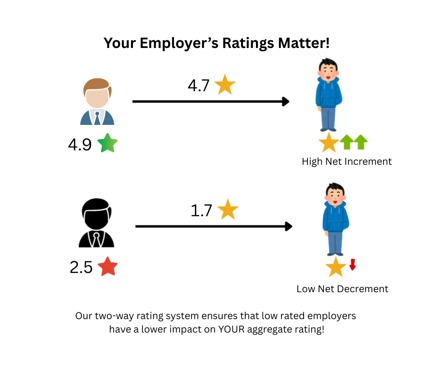
Infographic explaining the ARS System
Inspiration
The idea for BlockFolio comes from the overall need for quantifying the careers of freelance and gig-workers. For a full-time employee, It is straightforward to present a concise and verifiable history of their career through a resume, but the same becomes very hard to standardize when you consider that freelancers complete hundreds of small gigs every month. This, plus the dozens of active freelancing apps, mean that the individuals careers are locked to these platform. BlockFolio decentralizes this system, which is why it is an absolutely essential requirement for a growing gig-economy.
What it does
BlockFolio creates a blockchain based reputation system for freelancers. Each freelancer registers once, creating an immutable on-chain profile that stores key metrics like an 'Aggregated Reputation Score', 'Completion Rate', 'Rating' and the work history. These records are immutable and portable, which means that an individuals BlockFolio profile is credible and universal across platforms. BlockFolio's fundamental basis is trust, transparency and interoperability.
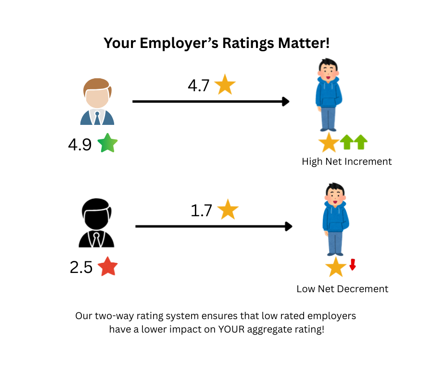
It also implements a two-way system. Employers are also registered on the chains, and can also receive ratings from freelancers, which flips the script and balances the power dynamic. To enforce credible ratings, everything is weighted by the 'Aggregate Reputation Score': the higher your ARS, the more influence your feedback carries. This prevents fake entities from disproportionately affecting others, and rewards trusted users with greater rating power.
BlockChain takes scattered gig work and standardizes it. For freelancers, its the proof of their career. And for employers, it's credibility that you can't fake.
How we built it
We developed the MVP using a React + TypeScript frontend, with Vite. The interface allows users to link different platforms and view a unified work history. While the current implementation uses hardcoded values for demonstration (due to inaccessibility of the required API credentials in the time), it's structured to integrate with API endpoints for dynamic data retrieval.
Challenges we ran into
The major challenge we ran into is that the APIs for all major freelance websites are either not public or require a request by developers, which takes several days to be processed. This meant that our website could not show the use of real-time fetched data, and we had to rely on hardcoded values.
Secondly, we intended to use Ganache, which is an Ethereum developer tool to locally run a blockchain simulation. While the contract system and simulation environment are ready, due to technical issues with integrating it to the front-end we could not live-demo it.
Accomplishments that we're proud of
We learned how and where to implement blockchains to make the best use of their features, such as immutability and decentralization. We also developed skills in navigating and understanding extensive API documentation. We are proud that within just 24 hours, we successfully integrated these elements into a coherent concept build. Moreover, we believe we have communicated our idea to the judges in a clear manner, making our vision clear and creating a compelling presentation.
What we learned
While learning the deeply technical aspects required for our project had a major role, we also realized the importance of proper software development pipelines throughout the project. As we collaborated on the ideation, design, pitch and coding, it became increasingly important to organize the structure in a less casual manner to ensure that we meet the tight deadline.
What's next for BlockFolio
The next steps for BlockFolio are clear: integrate the backend contracts, acquire and implement the API's, and we are ready to launch. We believe that BlockFolio can make a true change in how the gig economy structures itself, and can completely balance the control back in the favor of the freelancers.
Built With
- react
- typescript
- vercel
- vite


Log in or sign up for Devpost to join the conversation.