Inspiration
A BPDH for funding open source software development: Many open source projects rely on donations or sponsorships to fund their development. A BPDH could allow the community to collectively decide which projects to fund, and then automatically distribute the funds to the developers as they complete milestones.
A BPDH for managing a community-owned renewable energy project: A BPDH could be used to manage a renewable energy project that is owned and operated by the community. Members of the community could propose projects (e.g. installing solar panels on a local school), and then the BPDH could vote on which projects to fund. The revenue generated from the project could be used to fund future projects or to pay dividends to the community.
A BPDH for organizing community clean-up efforts: A BPDH could be used to organize and fund community clean-up efforts, such as beach clean-ups or park clean-ups. Members of the community could propose clean-up projects, and then the BPDH could vote on which projects to fund. The BPDH could also track the progress of the clean-up efforts and report back to the community.
What it does
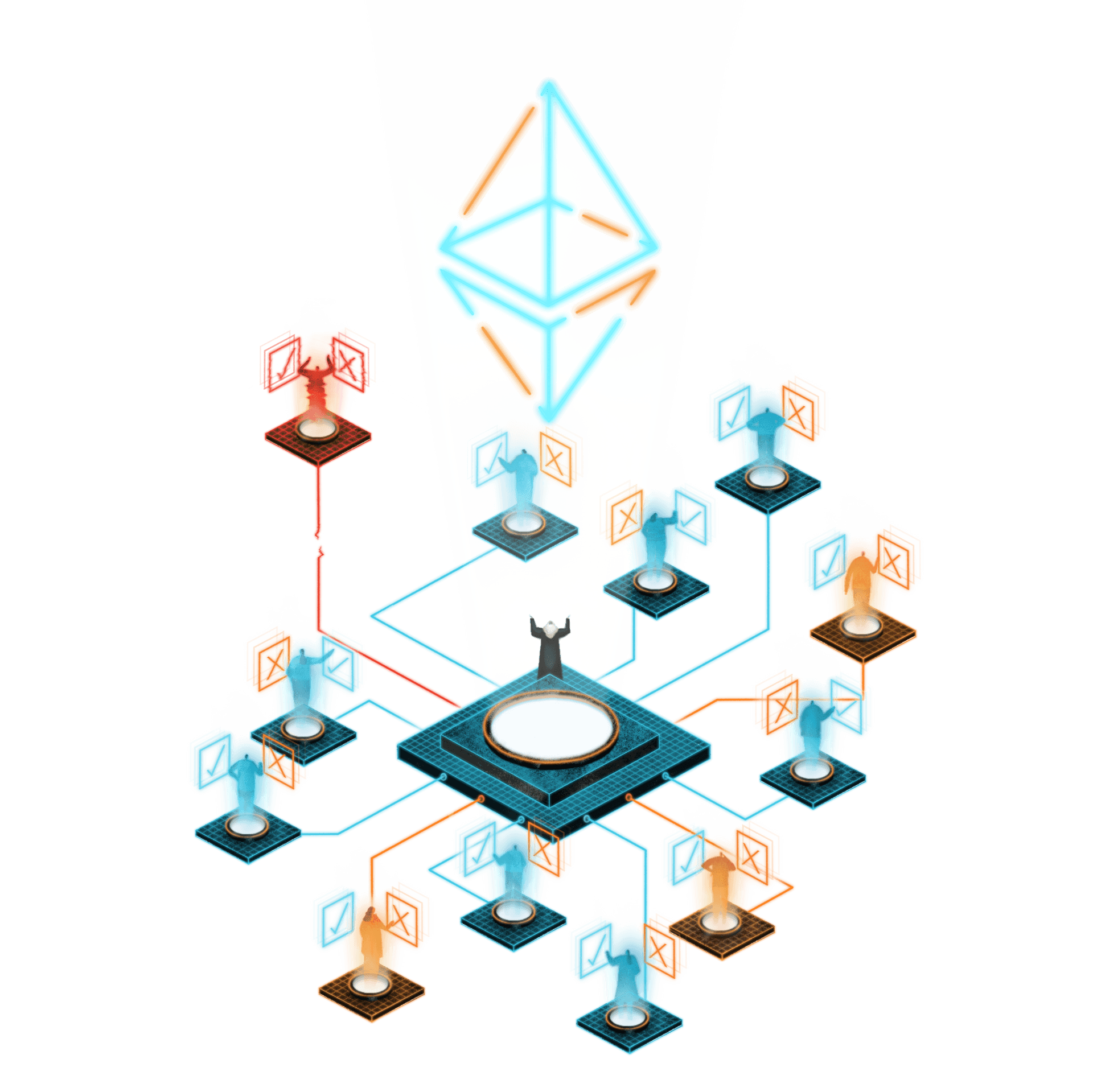
A BPDH is a decentralized organization that is run by smart contracts on a blockchain. It allows for a community of stakeholders to come together and make decisions about how to allocate funds and resources.
In this project, you could create a BPDH that is focused on community-driven development projects. The BPDH would allow members of the community to propose development projects, and then other members could vote on which projects they think are the most important. The BPDH could be funded through voluntary contributions from the community, or through grants or sponsorships.
Once a project is funded, the BPDH could then use smart contracts to automatically release funds to the developers as they complete certain milestones. This could help to streamline the process of funding and developing community projects, and ensure that the funds are being used in an accountable and transparent way.
How we built it
This project could be built using Ethereum or another smart contract platform. It would require some knowledge of smart contracts and how to interact with them through a user interface, as well as some understanding of community governance and project management.
Challenges we ran into
Smart contract development: Creating a BPDH requires writing smart contracts, which can be a complex task. You will need to ensure that the smart contracts are secure and function as intended.
User interface design: In order for the BPDH to be usable by the community, you will need to design a user interface that allows people to interact with the smart contracts. This will require thinking about how to present complex concepts in a clear and user-friendly way.
Community engagement and governance: A BPDH is only as effective as the community that uses it, so it will be important to engage the community and get their buy-in on the projects that are being proposed and funded. You will also need to think about how to structure the governance of the BPDH in a way that is fair and transparent.
Legal and regulatory considerations: Depending on the nature of your project, you may need to consider legal and regulatory issues. For example, if you are working on a renewable energy project, you may need to navigate the rules and regulations around energy production and distribution.
Technical issues: As with any software project, you may encounter technical issues such as bugs, scalability issues, or compatibility issues. It will be important to have a robust testing and debugging process in place to identify and resolve these issues.
Accomplishments that we're proud of
Building a functional smart contract system: Creating a BPDH requires writing and deploying smart contracts, which can be a complex task. If you are able to successfully build and deploy a functional smart contract system, you should be proud of your achievement.
Engaging the community: A BPDH is only as effective as the community that uses it, so it will be important to engage the community and get their buy-in on the projects that are being proposed and funded. If you are able to successfully engage the community and get them involved in the BPDH, you should be proud of your achievement.
Facilitating the development of community projects: If your BPDH is able to successfully fund and support the development of important community projects, you should be proud of your achievement. You will have played a key role in helping to bring these projects to life and make a positive impact on the community.
Demonstrating the potential of blockchain technology: By building a functional BPDH, you will be demonstrating the potential of blockchain technology to facilitate decentralized decision-making and resource allocation. This is a significant accomplishment, and you should be proud of your contribution to the broader blockchain ecosystem.
What we learned
Smart contract development: Building a BPDH requires writing and deploying smart contracts, which will give you an opportunity to learn about smart contract development and the Solidity programming language.
User interface design: In order for the BPDH to be usable by the community, you will need to design a user interface that allows people to interact with the smart contracts. This will give you an opportunity to learn about user interface design and user experience (UX).
Community engagement and governance: A BPDH is only as effective as the community that uses it, so you will have the opportunity to learn about strategies for engaging and building a community, as well as best practices for community governance.
Legal and regulatory considerations: Depending on the nature of your project, you may need to consider legal and regulatory issues. This will give you an opportunity to learn about relevant laws and regulations, and how they apply to blockchain projects.
Technical skills: Building a web3 project will also give you an opportunity to develop a range of technical skills, such as coding, debugging, and testing.
What's next for Blockchain Powered Development Hub
Wider adoption: As more people become aware of BPDHs and their potential benefits, it is possible that they will become more widely adopted for a range of different use cases. This could include everything from open source software development to community-owned renewable energy projects to online marketplaces.
Improved scalability: One challenge that BPDHs currently face is scalability - as more people participate in a BPDH, it becomes harder for the smart contracts to process all of the transactions in a timely manner. In the future, it is possible that we will see the development of new technologies or protocols that help to improve the scalability of BPDHs.
Enhanced security: Security is a critical concern for BPDHs, as a single vulnerability in the smart contracts could have serious consequences. In the future, it is likely that we will see the development of new security measures and best practices to help ensure the security of BPDHs.
Greater integration with traditional systems: It is possible that in the future, BPDHs will be more closely integrated with traditional organizational structures and systems. This could involve the use of hybrid models that combine elements of centralization and decentralization, or the use of BPDHs to automate certain functions within traditional organizations.
Built With
- contract
- crypto
- crypto-change
- cryptocurrency
- dao
- daopay
- ethereum
- powerpoint
- project
- smart
- visual-studio


Log in or sign up for Devpost to join the conversation.