-
-
Introduction
-
Benefits of Using Blockchain Technology
-
Blockchain Technology Overview
-
Blockchain Technology Overview
-
System
-
Outline of the Structure
-
Simulation
-
Specific Process of the Simulation
-
Specific Process of the Simulation

Inspiration
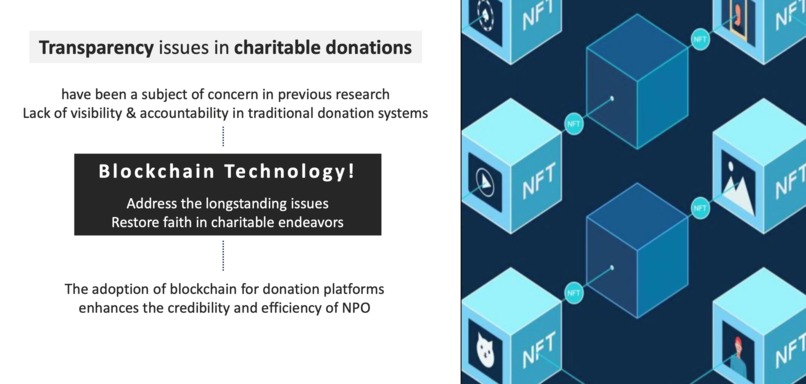
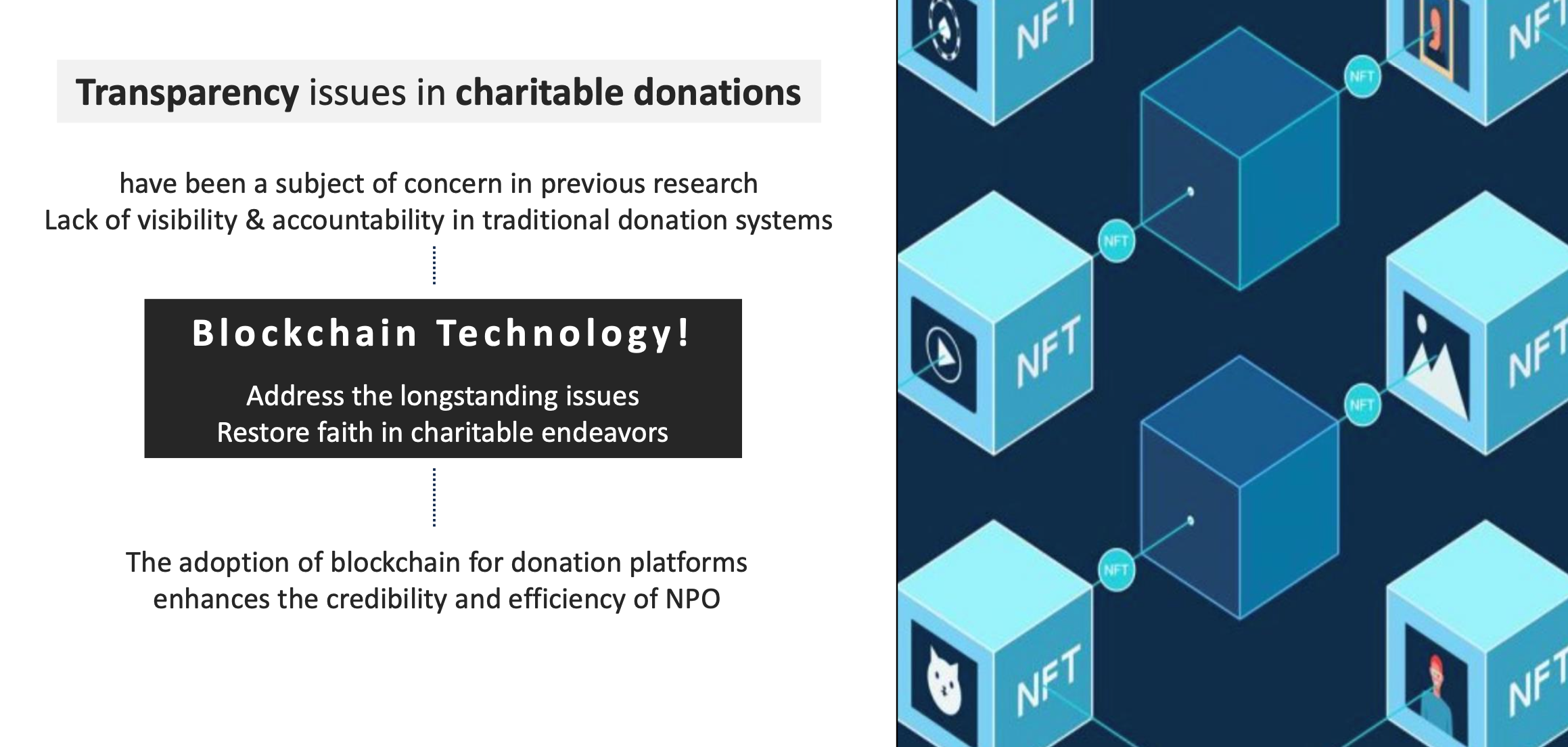
In today's global landscape, the commendable act of charitable giving is a cornerstone of compassion and societal support. While the vast majority of such contributions fulfill their intended purposes, tragic exceptions underscore the vulnerability of the charitable sector to fraudulent activities. A striking example is the case of Travis Peterson, who, as documented by the United States Attorney’s Office, orchestrated fraudulent charity schemes over a six-year period, accumulating a staggering $500,000. Instances like these, though not the norm, raise valid questions about the assurance that donations genuinely translate into meaningful impact.
Furthermore, a recent article in "The Philanthropy Review" shed light on growing skepticism regarding the effectiveness of charitable donations. This investigation revealed instances where prominent charitable organizations allocated a significant portion of received funds to administrative costs, leaving only a fraction to reach the intended beneficiaries. Such revelations have prompted widespread questioning of the transparency and efficiency of various charitable initiatives, fostering an atmosphere of doubt regarding the tangible outcomes of contributors' generosity.
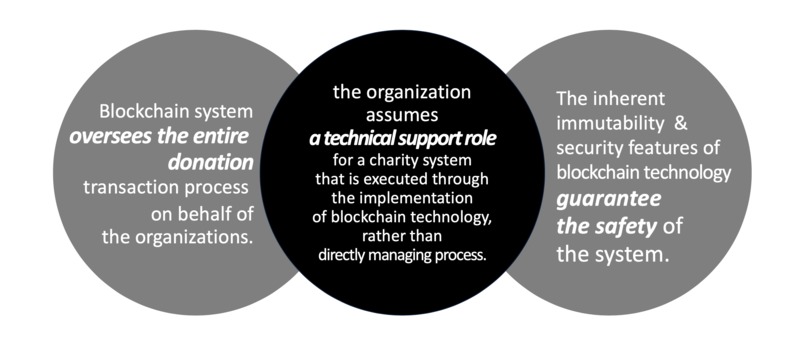
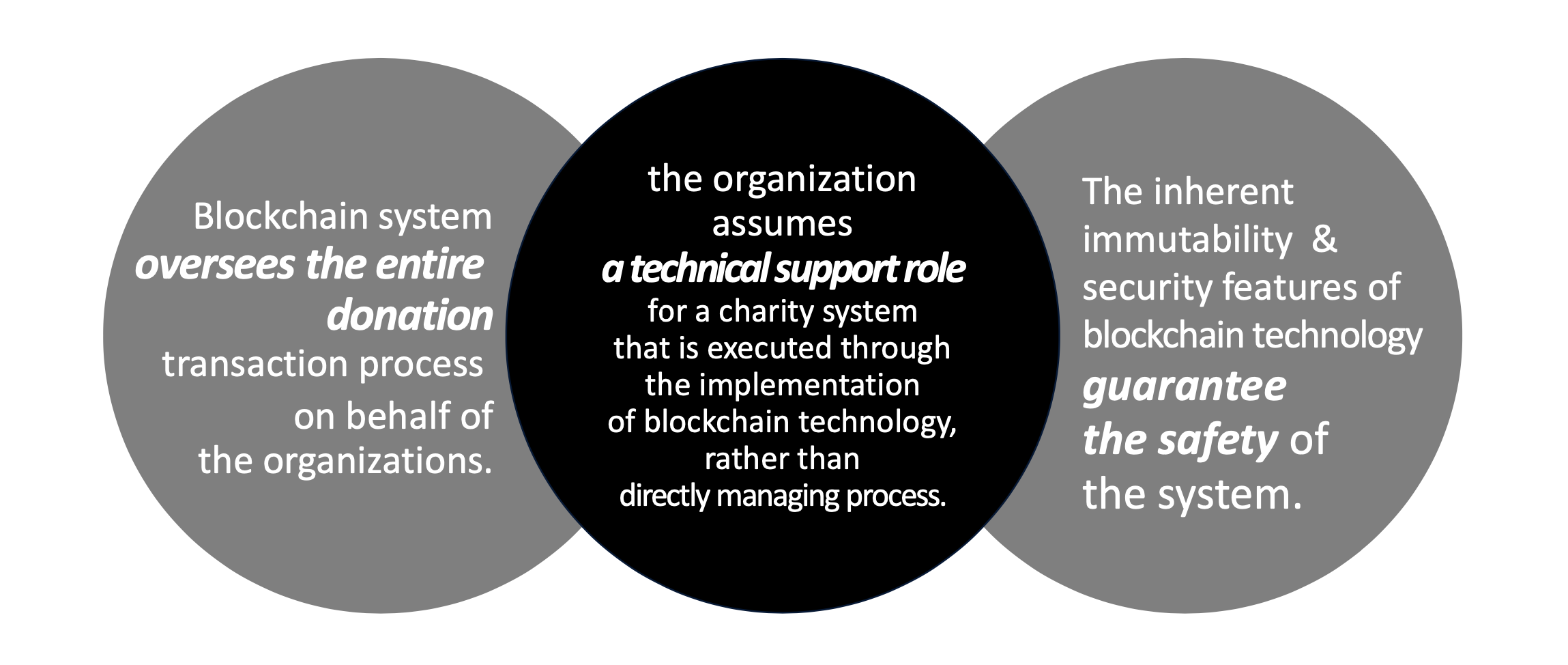
In response to the escalating concerns and uncertainties surrounding charitable donations in recent times, our innovative solution addresses a critical pain point by harnessing the power of Blockchain technology. The surge in insecurity related to charity donations has raised a pressing need for a trustworthy and transparent platform. Our solution is strategically designed to confront the pervasive issue of donor skepticism, a challenge that emanates from the prevailing lack of trust in the charitable sector.
What it does
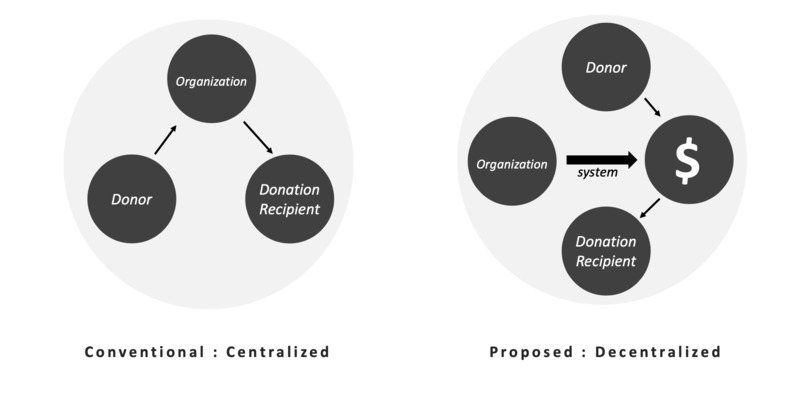
Our innovation lies in the usage of Blockchain technology to establish a charity donation system that is not only secure but also transparent.
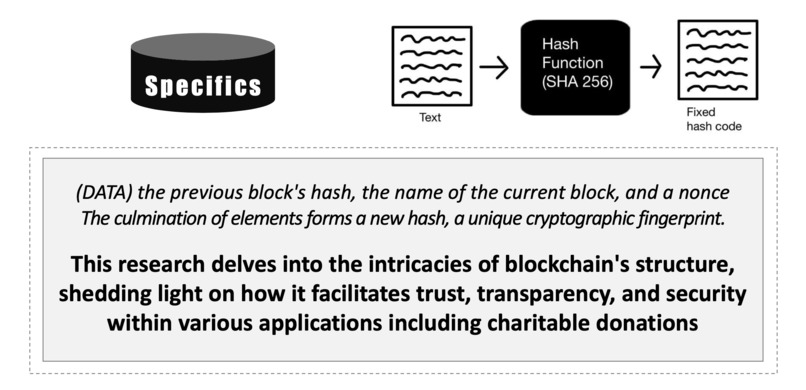
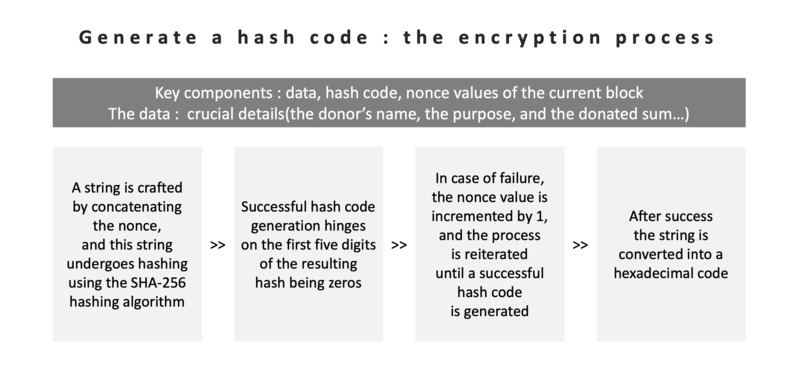
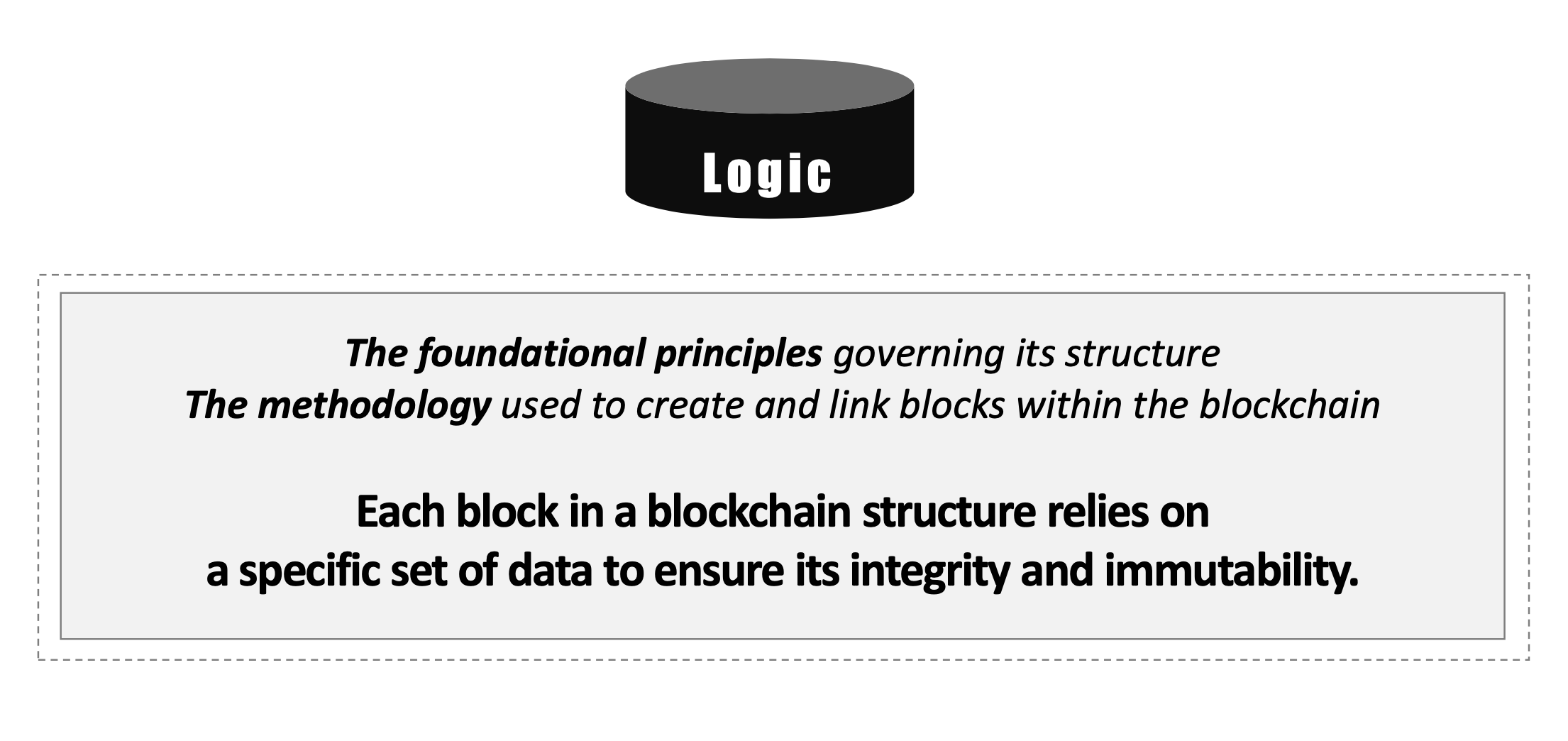
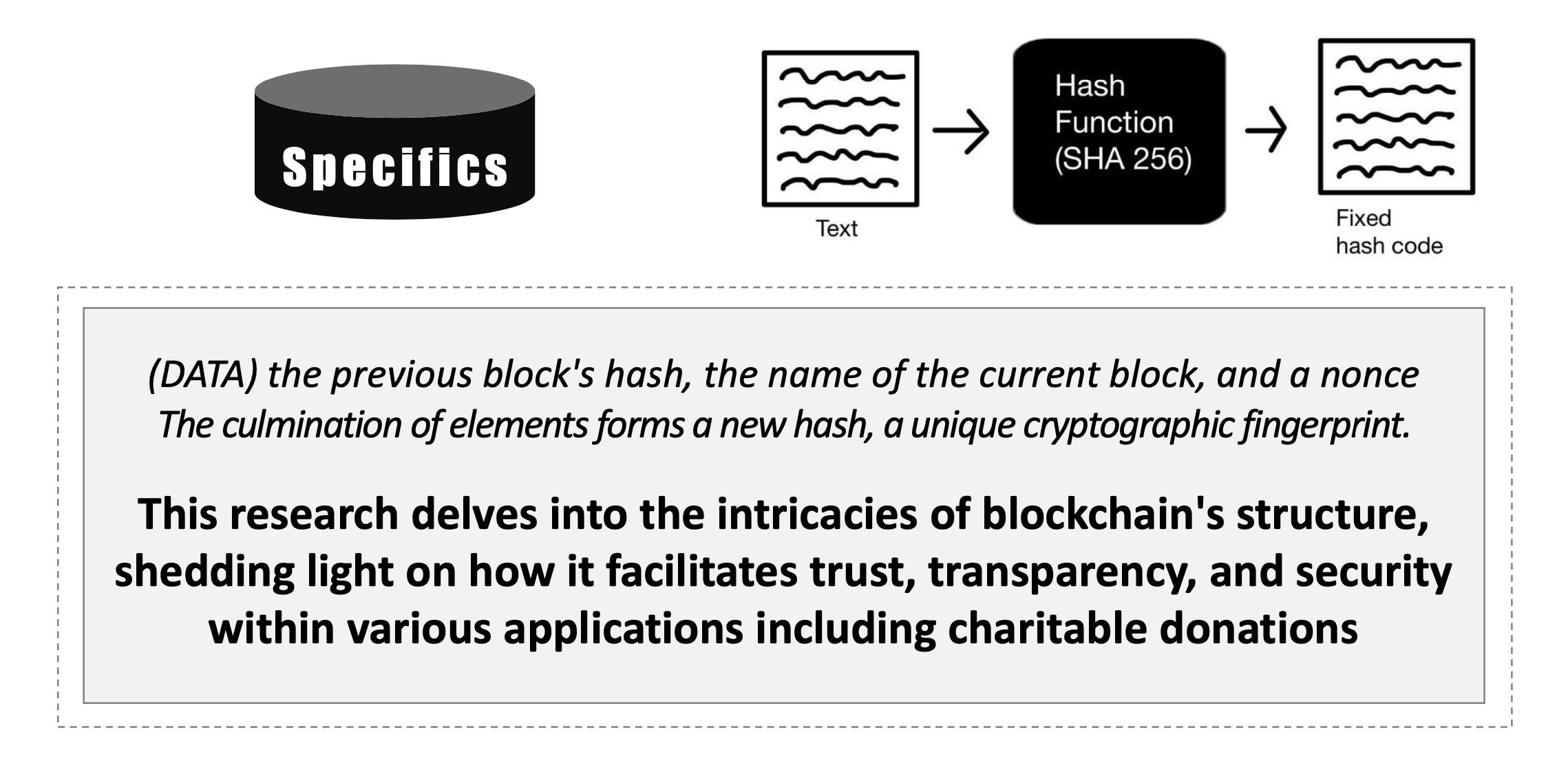
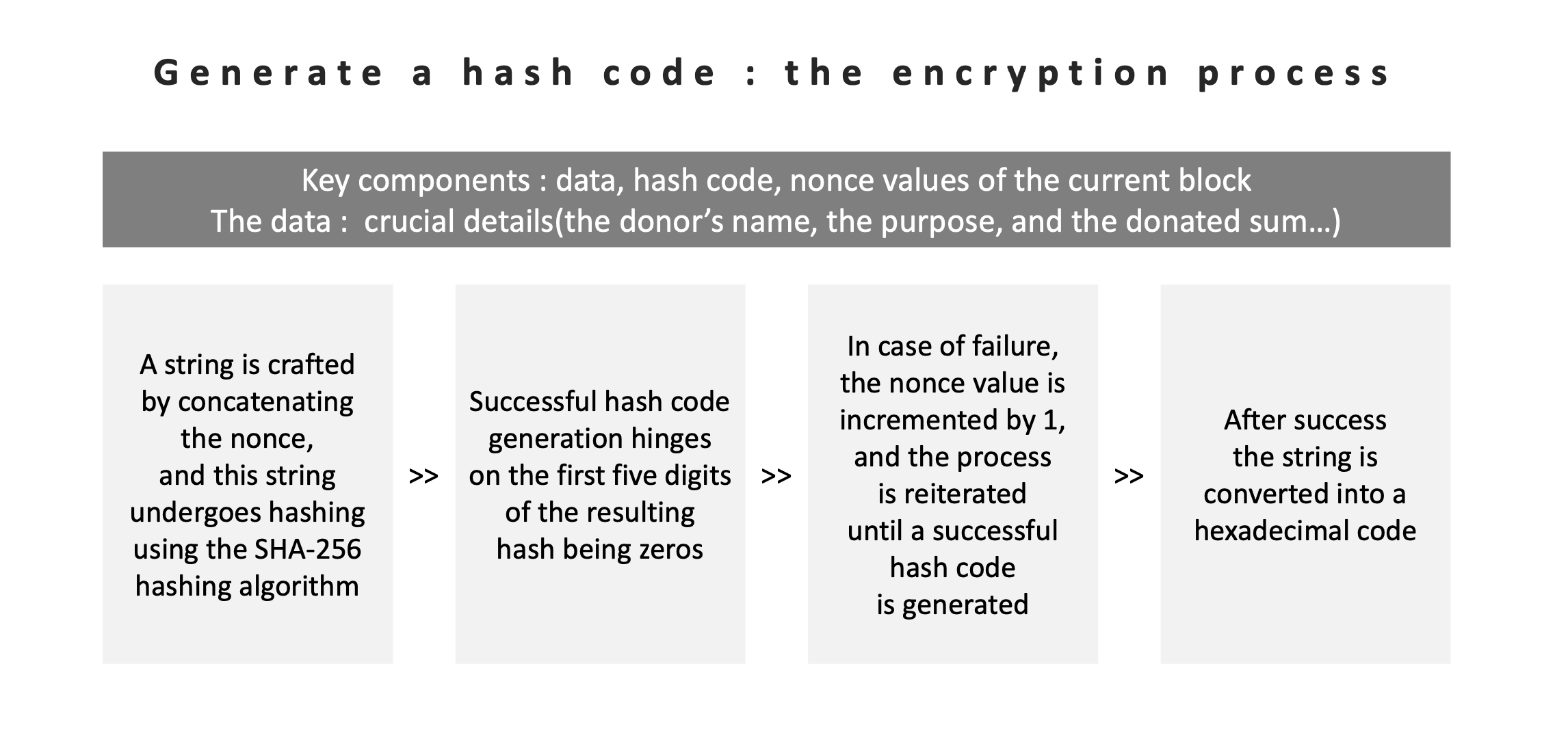
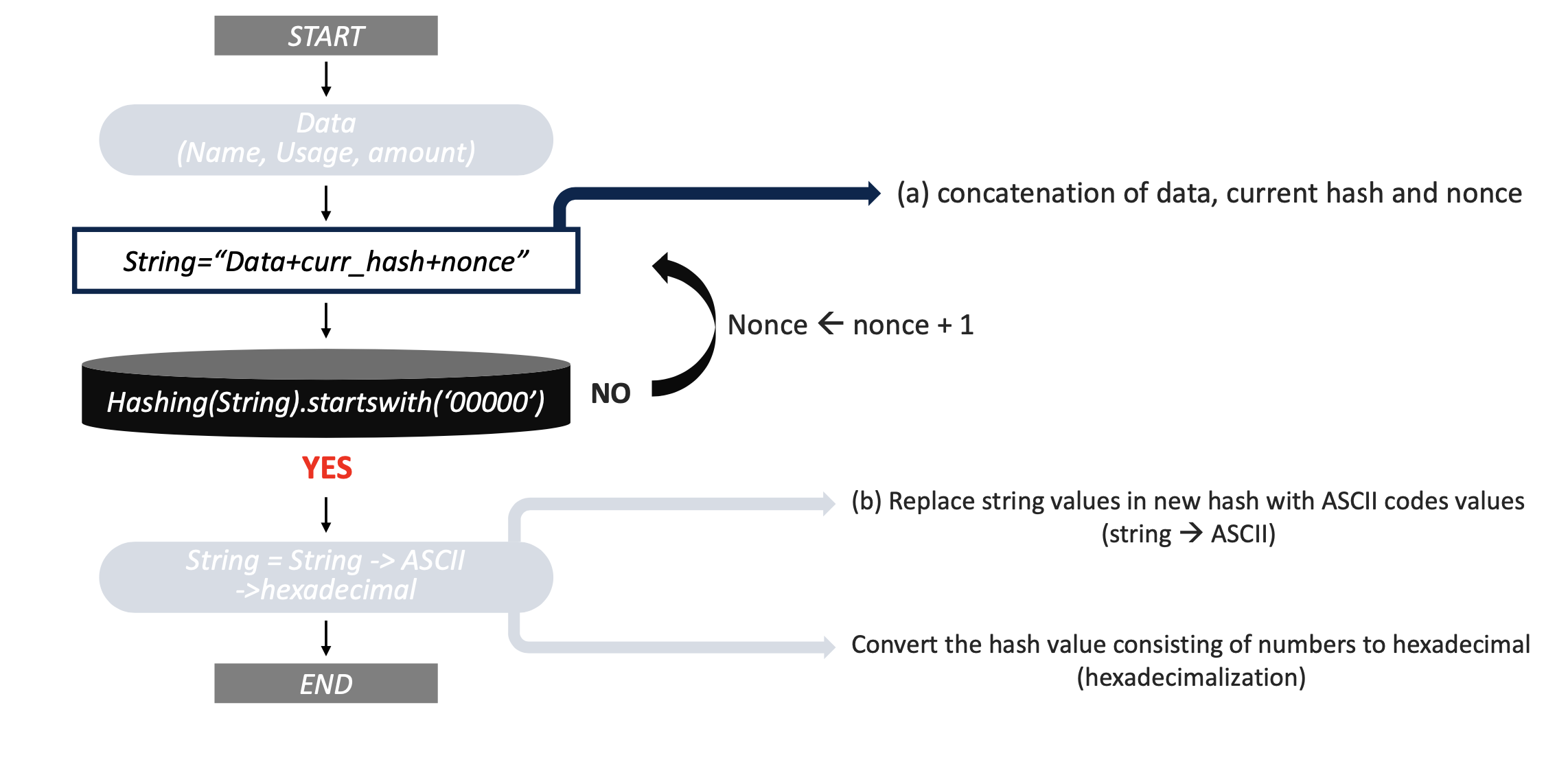
In the realm of blockchain technology, understanding the foundational principles governing its structure is paramount. One crucial aspect to grasp is the methodology used to create and link blocks within the blockchain. Each block in a blockchain structure relies on a specific set of data to ensure its integrity and immutability. This data includes the previous block's hash, the name of the current block, and a nonce, which is generated according to predetermined rules. The culmination of these elements forms a new hash, a unique cryptographic fingerprint that distinguishes one block from another. The immutability of this process lies at the core of blockchain technology, making it resistant to tampering and manipulation. This research delves into the intricacies of blockchain's structural design, shedding light on how it facilitates trust, transparency, and security within various applications, including charitable donations.
The process of creating a block, involves combining the previous block's hash, the name of the current block, and a nonce to generate a new, unique hash. This newly formed hash serves as a digital seal, encapsulating the data within the block, and it is this process that underscores the immutability and security of blockchain technology.
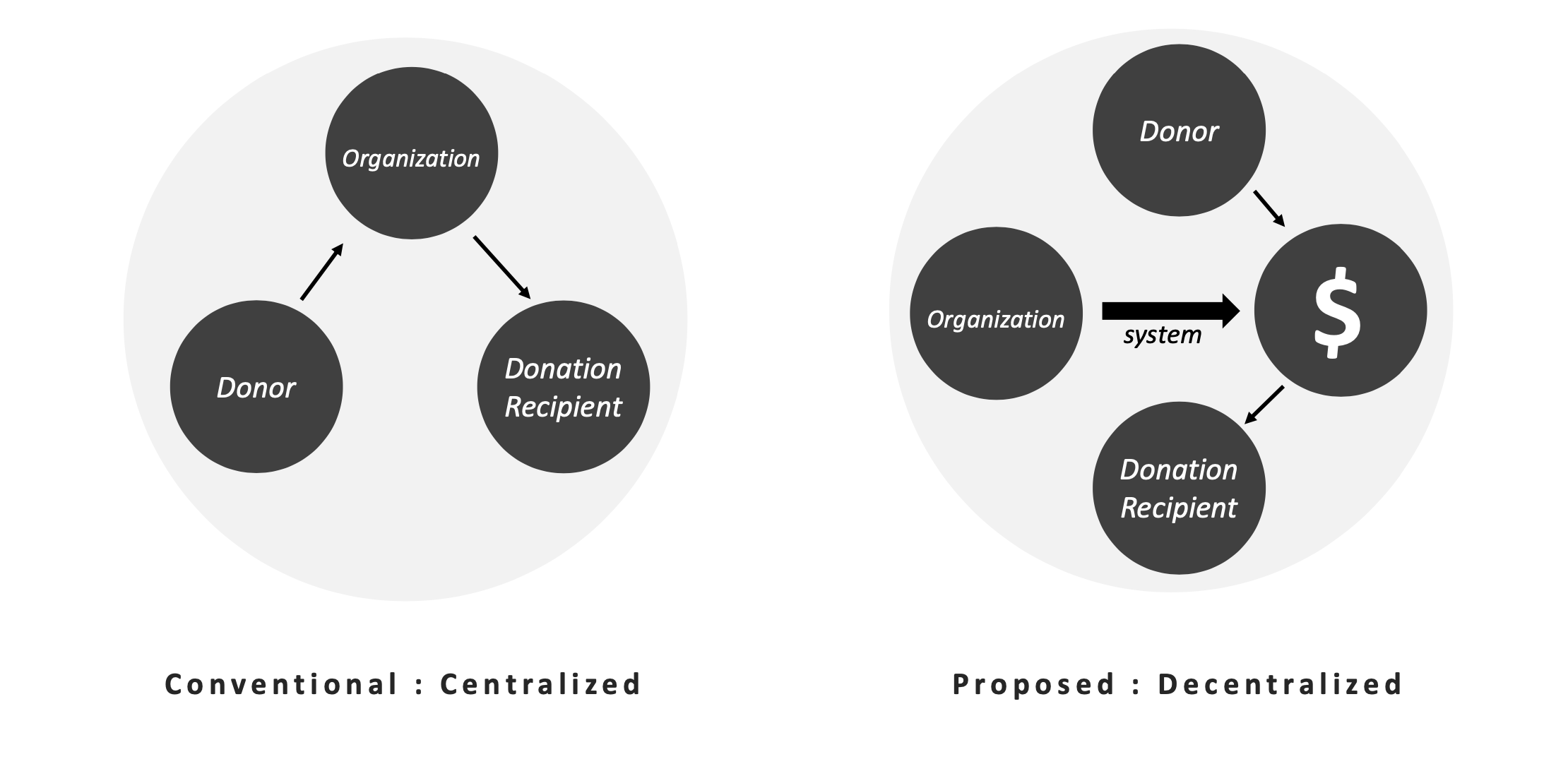
In the context of charitable donation systems, the application of blockchain's structural design can revolutionize the way donations are managed and tracked. Just as each block in a blockchain is securely linked to its predecessor, blockchain can establish an unbreakable chain of transparency and accountability within the charity sector. By leveraging blockchain, charitable organizations can record each donation as a separate block, ensuring that its source, destination, and purpose are indelibly recorded. The immutability of this process guarantees that once a donation is made, it cannot be altered or erased, providing donors with unprecedented assurance that their contributions are being used as intended.
How we built it
To test the functionality of the system, we checked if it accurately collects user input, demonstrates accurate graphic display, and showcases effective toggling visibility. We found out that the graphical representation accurately reflected the data entered by users. We also confirmed that the coded buttons properly hid or showed the added information. Testing the 'hashcheck' functionality verified that it generates hashes and identifies the nonce correctly. We also tested the code with different data sets in order to validate the system's behavior to make sure that it consistently produces the expected results/output. Validating the code with multiple processes as listed above, authenticated that the system is robust, reliable, and aligned with its intended purpose.
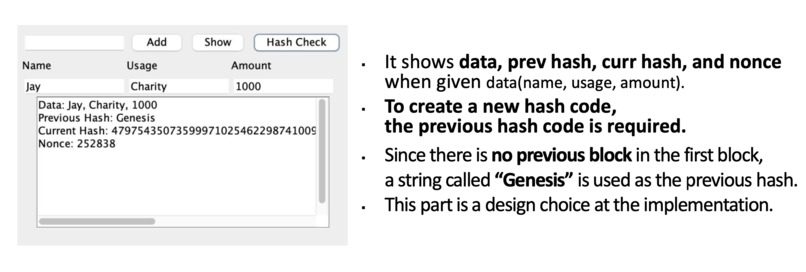
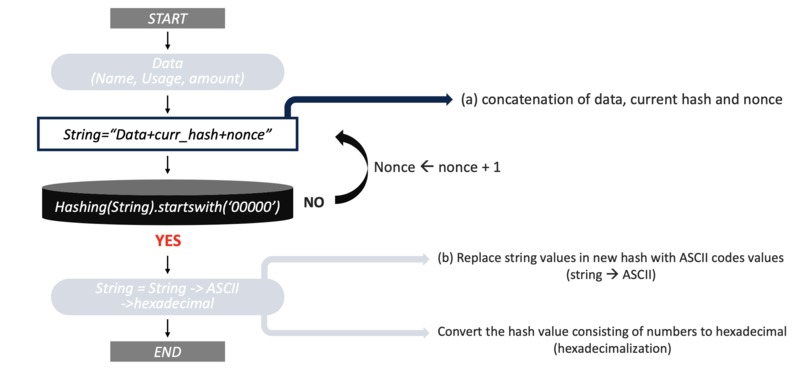
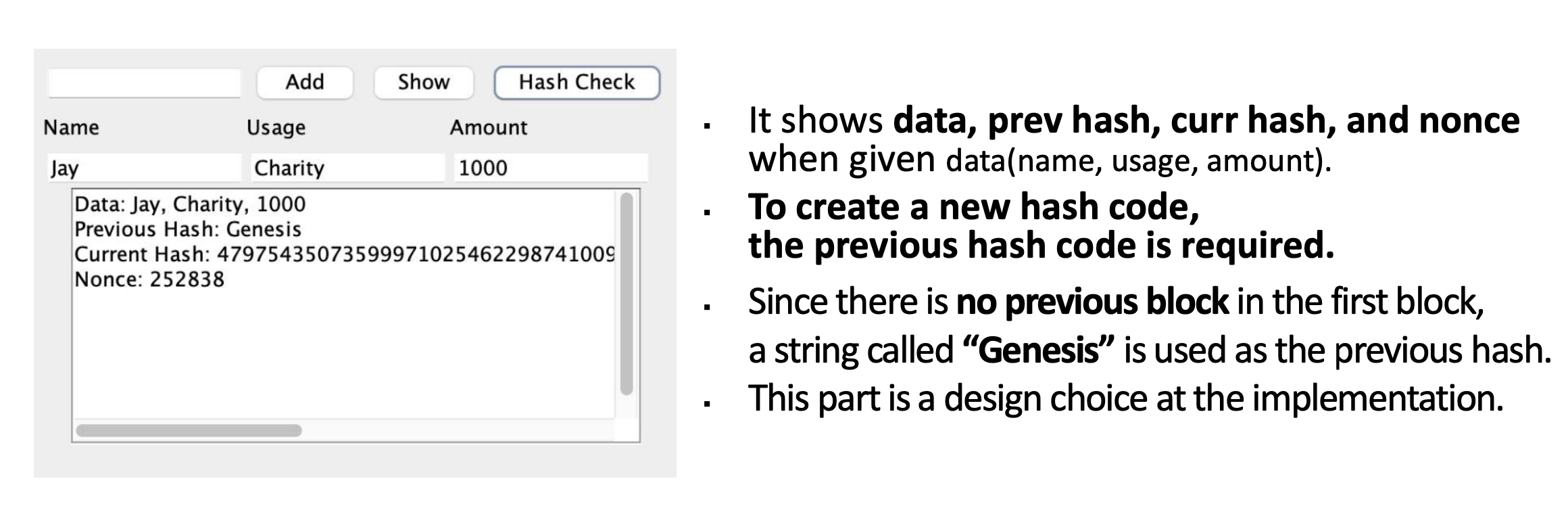
We have created a simple simulation replicating our Blockchain idea. The system allows users to input name, purpose, and amount in the text field, separated by semicolons. Upon pressing 'add,' this data is displayed graphically on the interface in respective columns. Users have the option to hide or show this added information as needed. When the 'hashcheck' feature is activated by a button, the system displays the entered data, the previous Hash, the current hash, and the nonce. The nonce is determined by the loop the current hash goes through to have the hash begin with '0000'.
Challenges we ran into
Implementing blockchain technology presented a steep learning curve. Understanding the fundamental mechanism of the technology, including cryptographic principles, consensus algorithms, and smart contracts required specialized knowledge and skills. Ensuring that the blockchain system can handle a high volume of transactions without compromising speed or incurring excessive costs was a vital factor that proposed a challenge. Scalability issues were as we were implementing this system in our code.
Accomplishments that we're proud of
By harnessing Blockchain technology, we can establish robust security measures while simultaneously ensuring transparency in financial transactions. Blockchain operates on a decentralized network of computers (nodes). Transactions are recorded across multiple nodes, making it extremely difficult for a single entity to manipulate or alter data. This decentralization enhances security by reducing the risk of fraud. Our innovation using Blockchain technology aims to enhance transparency and fortify transaction security. By employing SHA-256 hashing to create blocks and decentralized record-keeping across multiple nodes, it safeguards against manipulation by any single entity. Despite the presence of various blockchain companies like Consensys, there is a distinctive gap in the market as none singularly concentrates on the specialized implementation of blockchain systems for charitable endeavors. This void presents a unique opportunity to enter a novel business frontier, one that prioritizes both transparency and security in the realm of charitable transactions, targeting, and charity organizations.
What we learned
Through the development of our blockchain-based charity donation system, we learned the balance between technology and user trust. Researching more about the blockchain's architecture taught us the importance of transparency, security, and immutability in building trust with users. We discovered the technical challenges of creating a user-friendly interface that accurately represents blockchain operations while ensuring data integrity through secure hashing and nonce discovery. Additionally, we learned about the potential of blockchain in bridging the gap between donors and charitable organizations, ensuring that every donation reaches its intended purpose without misdirection or fraud. This project also highlighted the importance of decentralization in enhancing security and reducing the risk of data manipulation; it demonstrated potential for the practical application of blockchain technology beyond cryptocurrencies, especially in the philanthropic sector.
What's next for Blockchain technology
Blockchain technology has immense potential in expanding its influence beyond the financial sector into various industries, including charity, healthcare, supply chain management, and more. Key advancements may focus on improving scalability and transaction speeds, enhancing interoperability between different blockchain platforms, and fostering greater regulatory clarity to encourage adoption. Innovations like Layer 2 solutions and sharding could address current limitations in scalability, while cross-chain technologies could enable interactions between disparate blockchains.


Log in or sign up for Devpost to join the conversation.