Inspiration
Me and Keyvan we both heavy Google Photos users. We trusted them when they said, it is a free forever application and put years and years of photos there. Knowing that they are using our photos to train the AI of their algorithm, but yet it was free. Until last year they removed the free tier. This was unacceptable. We knew in the developers' world, we are enjoying many open-source apps, but why consumers' apps were not the same? It all goes back to the cost of data hosting. As a developer, I can use my laptop as my server. However, consumers need a server to host their data. Usually, app developers need to rent the host and charge the users for their data. S owe thought of a system where everyone provides the same service we get from the cloud to each other instead of a central company.
What it does
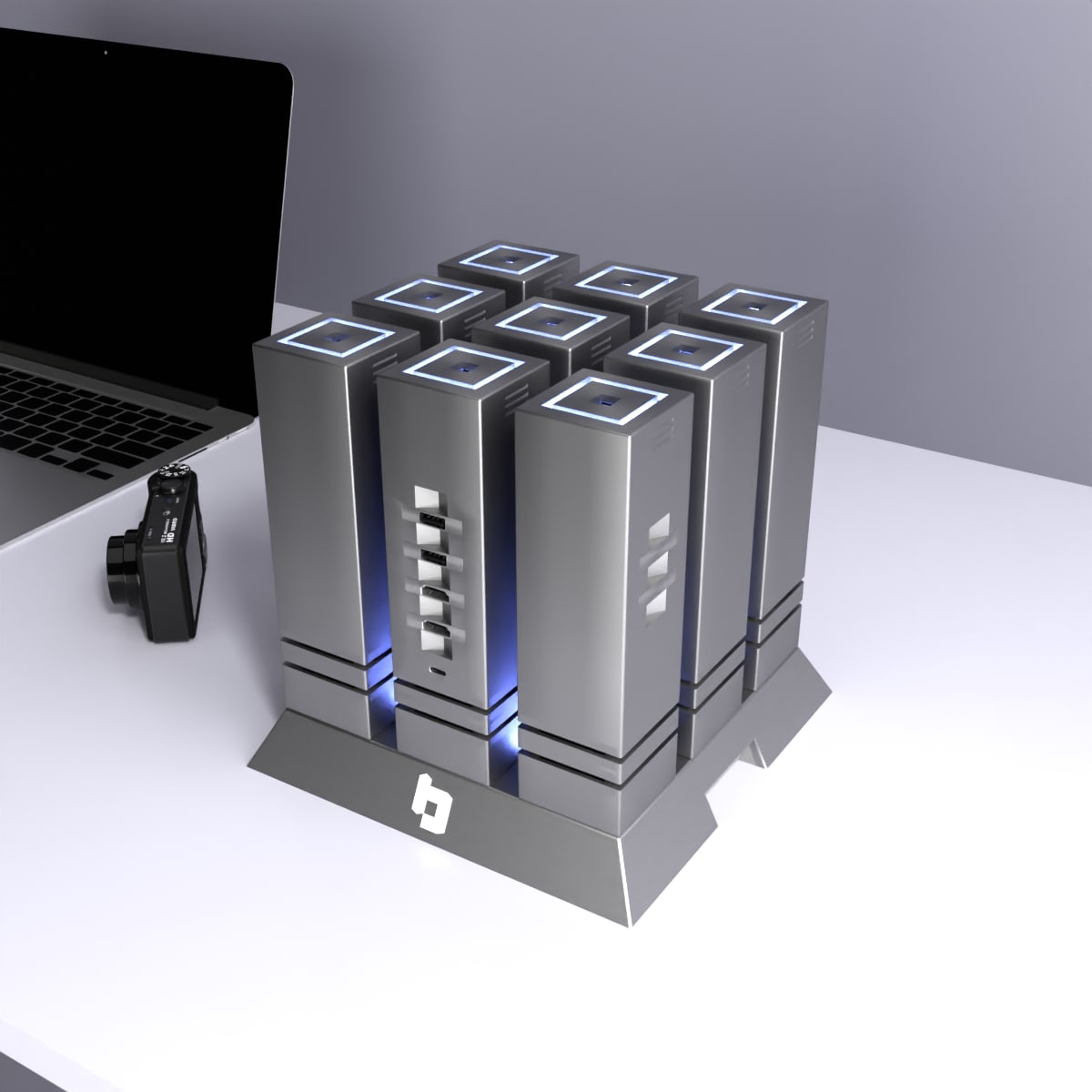
Your Box connects with other Boxes to form the secure, people-owned Fula network. Box stores your encrypted data and also maintains backups on other Box devices connected to the Fula network. And it gives you seamless data access from anywhere. No matter what, your data is as safe and recoverable as it is in the cloud, only for free. Available on all your devices, accessible from anywhere.
How we built it
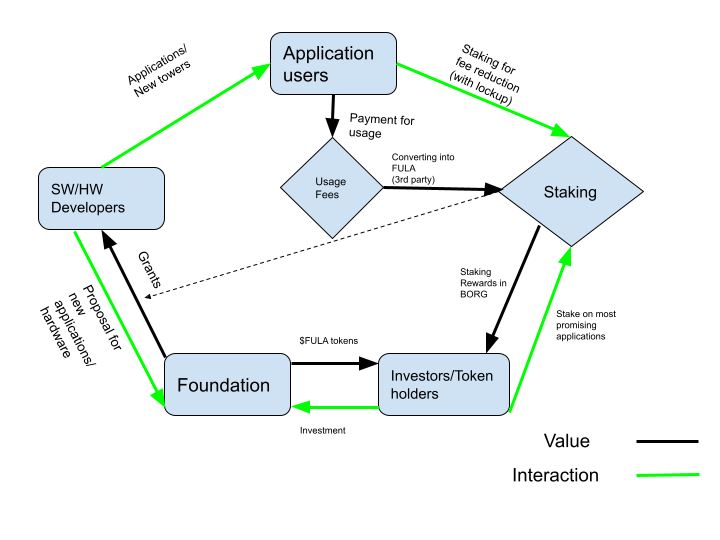
We started with app side. We designed a Google Photos alternative and made it backend agnostic and open source. Then we connected it to Dfinity blockchain to show the functionality. then we designed Fula protocol based on Libp2p and IPFS. It makes app development much easier for developers. We introduced the concept of local pools to IPFS, where users can join/create a local pool with their neighbors to back up each other's data. This maximizes the speed of fetching data. We added a blockchain layer on top of it to both make it trustless with smart contracts and also monetize it. So users mine tokens and when they use an app, part of those tokens go to the developer of the app.
Challenges we ran into
Blockchain and web3 protocols are hard to learn. They need a lot of time and in many situations, debugging and modification. We went (and are still going) through that process so that other developers don't need to. Also being software developers, we did not initially have the hardware expertise in the team, but after a while, we could attract the experts in hardware to help us in the journey.
Accomplishments that we're proud of
- Achieved $500K dollars in pre-sales during a 1-month presale event on Indiegogo with 15k+ subscribers on the mailing list
- The project on GitHub is in the top 3% of projects worldwide and won 1st place in Filecoin Hackathon.
- Backers include Protocol labs, Filecoin, Dfinity, Crust, Cudos, Outlier Ventures, Techstars, Contango, DoraHacks, Delta Fund and numerous other investors and partners around the world.
What we learned
We learned that running IPFS on mobile might not be a good idea and not necessary. We re-introduced client-server model into Web3. But this time server is a mesh of nodes. And connection is through Libp2p instead of HTTP. Running Libp2p on mobile is also hard, and we had to optimize a lot. We learned a lot about product design and market research from our mentors.
What's next for Blockchain-Attached Storage
We are aiming to finalize our testnet, both protocol side and blockchain side by end of Q2 and then by end of Q4, we launch our mainnet. Early next year we start holding hackathons to introduce the protocol to developers and also open our own online shop. We also expand our partnership with hardware manufacturers.
Built With
- go
- ipfs
- javascript
- libp2p
- substrate

Log in or sign up for Devpost to join the conversation.