Inspiration
Our inspiration behind BlockPortal is two-fold. One of the reasons is that technology is ever-evolving, with new languages, frameworks, and cryptocurrencies being developed every single day. As such, it is important to develop applications ready for the future. With this in mind, we decided to use the Hedera blockchain along with the hbar cryptocurrency to create a digital ledger of each student's transactions. Another large reason for selecting Hedera was due to its carbon negative nature as compared to other leading decentralized ledgers. The second source of inspiration is our experience as students. A very crucial aspect of students' academic experiences is course registration. Often, this is a pain point for students as the UI is outdated and the means of payment are archaic. We wanted to create an easy-to-use student registration portal which allowed for the use of the currency of the future - crypto.
What it does
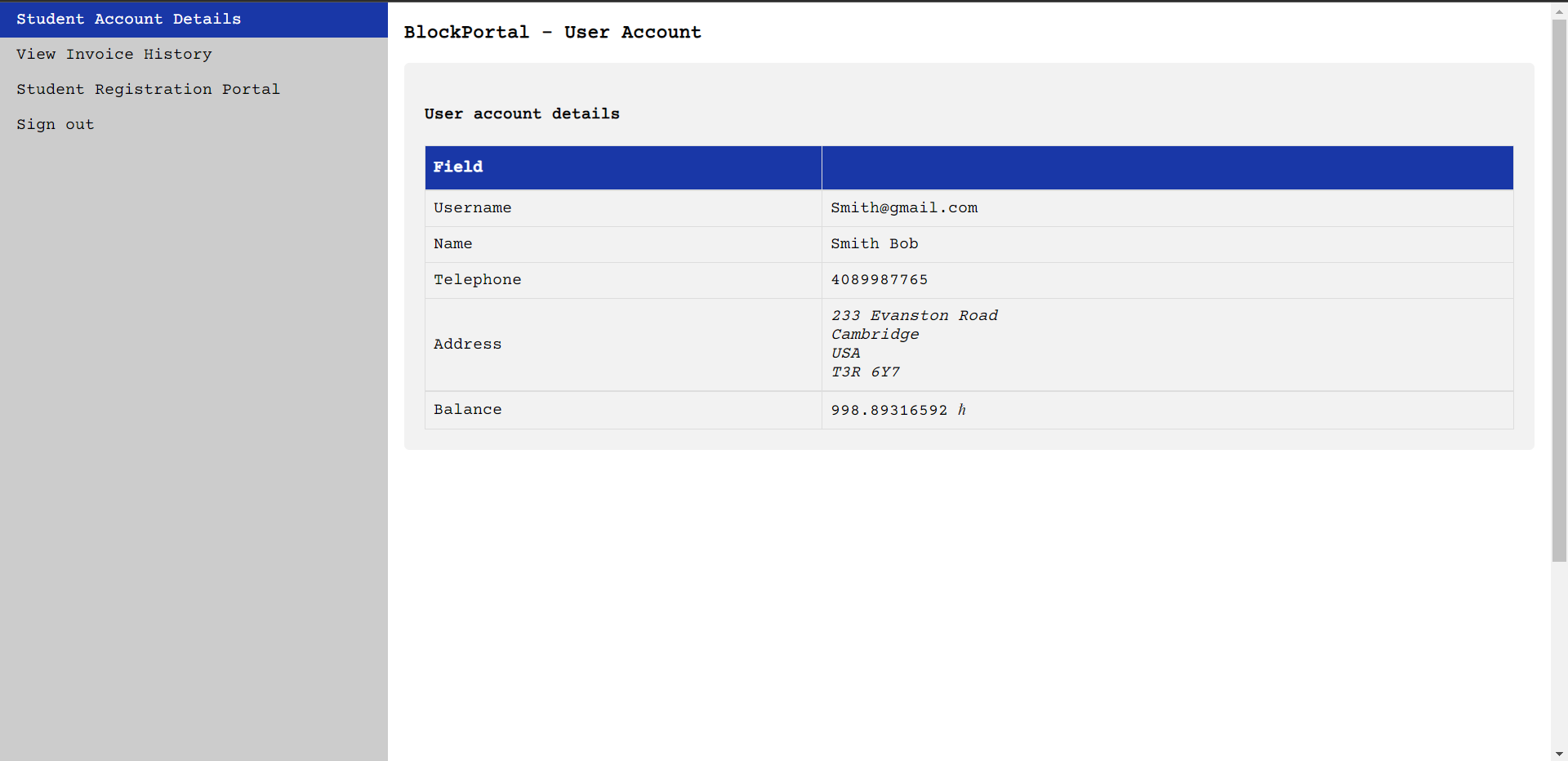
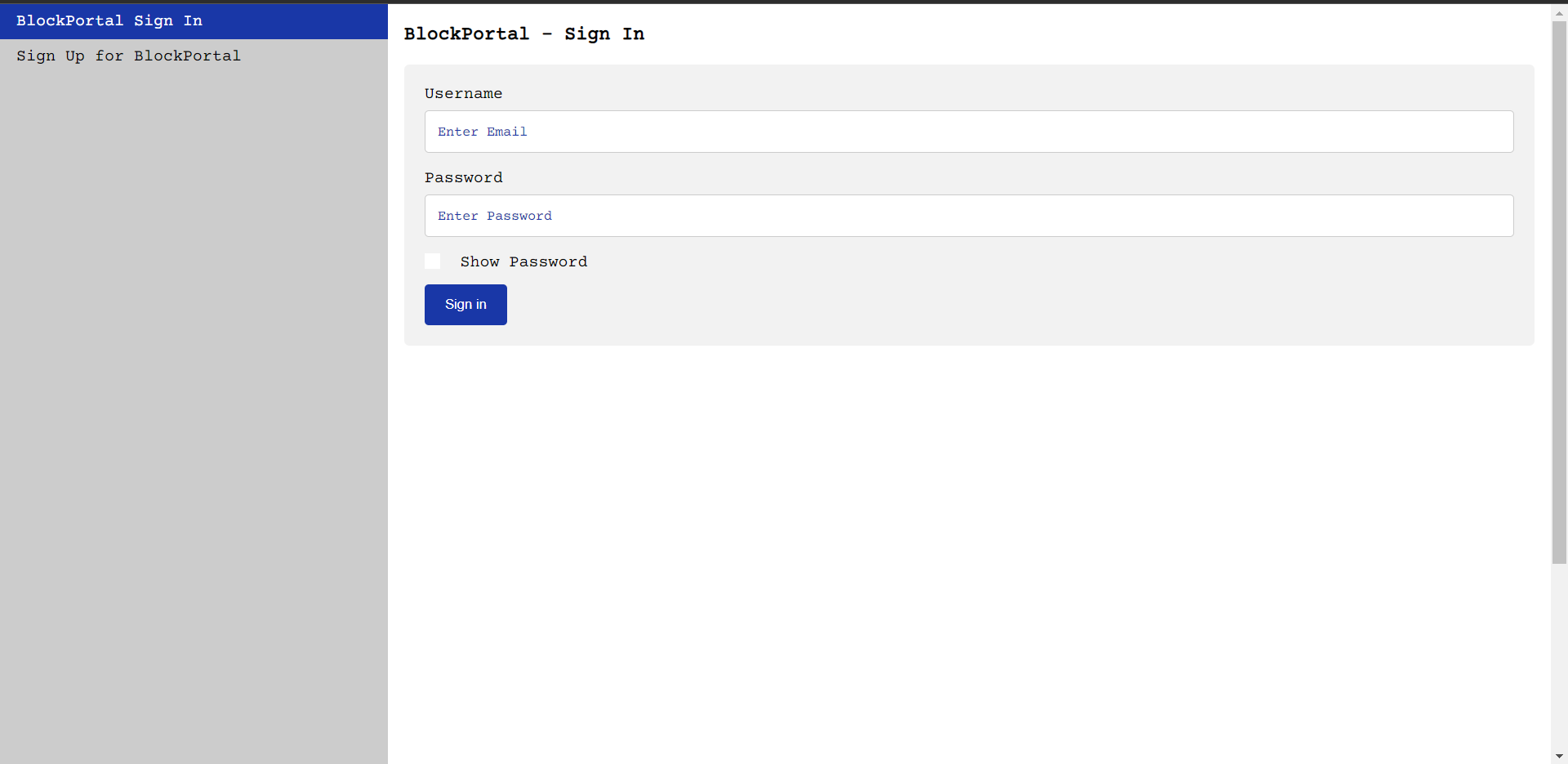
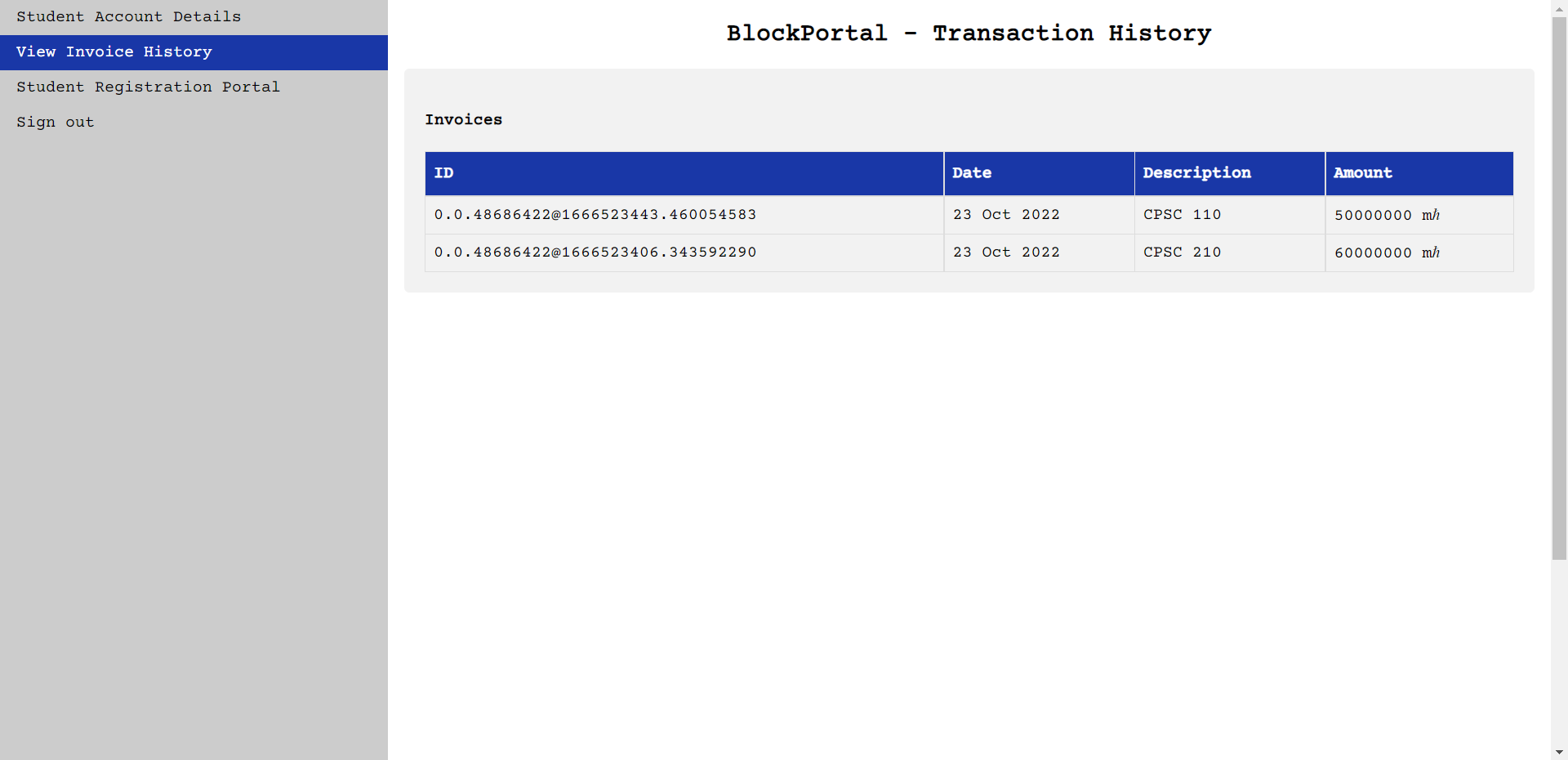
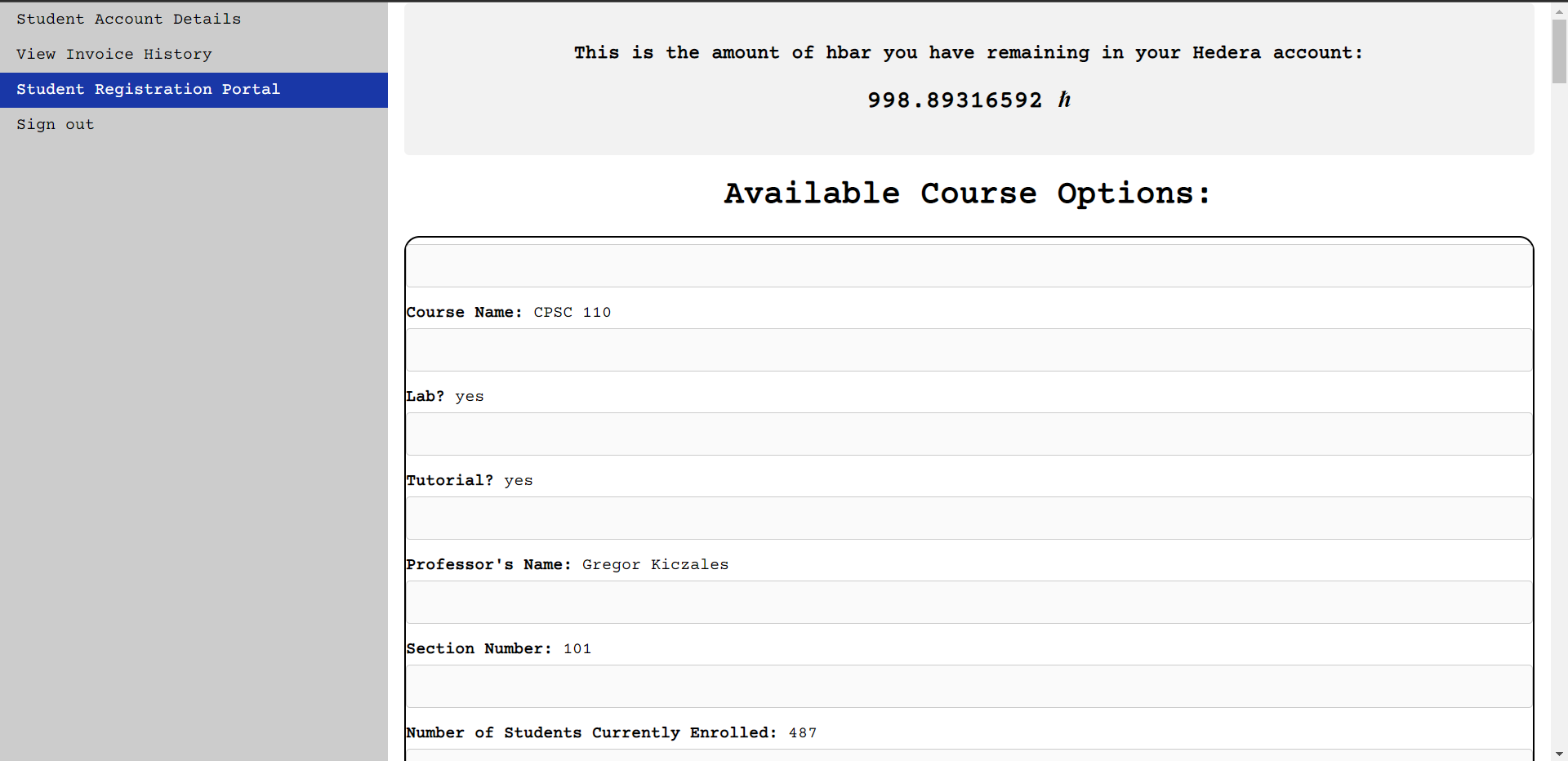
BlockPortal is a student portal service that integrates blockchain technology with a seamless student experience. It allows for secure, decentralized transactions which can be tracked and easily viewed within BlockPortal. Our application communicates with a database which stores available classes along with key information such as professor names, locations, sections, costs, and more. Once the student has completed the hbar transaction (tuition) successfully, they will be registered for the class.
How we built it
The backbone of BlockPortal is created with Python Django, which handles the communication between the front-end, the database, and the blockchain. In Django, we use API calls to a MongoDB database using PyMongo to retrieve class information of a specific university, as well as store course registration information for students. We utilized the Hedera SDK to integrate the blockchain technology within our prototype, along with making transactions using hbar. This was possible using a Python wrapper that converted the native Hedera Java SDK functions into Python versions. The front-end UI of the web application was created using HTML, CSS, and JavaScript by dynamically passing in data through Django views and API calls.
Challenges we ran into
One of the steepest learning curves our team conquered was learning about blockchain technology, and specifically integrating Hedera in a web application. Due to our team members having no experience with blockchains, it took a long while to get acclimated to the inner workings of the technology, and how it can be effectively partnered with full-stack development to create a working prototype.
Accomplishments that we're proud of
We decided to take a huge risk by attempting to utilize brand new software in a sprint-style 24 hour hackathon. And we are extremely proud that we were able to take our vision and convert it into a finished and polished prototype.
What we learned
Throughout this development process, we learned a lot about blockchain - its benefits to society, how we can implement it towards creating a working solution, and its security advantages compared to traditional transactions. Most of our team members were unfamiliar with Django and thus were able to dive right into this technology. Moreover, not only did we explore the world of blockchains and cryptocurrencies, we also strengthened the technologies we previously had experience with.
What's next for BlockPortal
The next step for the BlockPortal team is to communicate with universities to push this prototype into production after gaining some valuable feedback. Furthermore, we would like to introduce machine learning models into BlockPortal to further increase the student experience by providing them personalized course recommendations based on past courses and other variables.
Built With
- api
- blockchain
- css3
- django
- hedera
- html5
- javascript
- mongodb
- pymongo
- python


Log in or sign up for Devpost to join the conversation.