I have been photographing cars since before I could read the badges on them.
Something interesting would come past, I would grab whatever phone was nearest, and I would get the shot. Nobody taught me to do it. I never really decided to start, and I never grew out of it.
By this summer my camera roll was thousands of pictures deep. Almost all of them were cars. None of them were labeled, none were searchable, and none of them were particularly useful, even to me.
I would scroll back looking for something specific and eventually give up. Every so often I would pass a photo of a car I had been thrilled to find a year earlier and realize I could not tell you the day, the place, or, in some cases, exactly what the car was.
That is the whole origin of Blindspot.
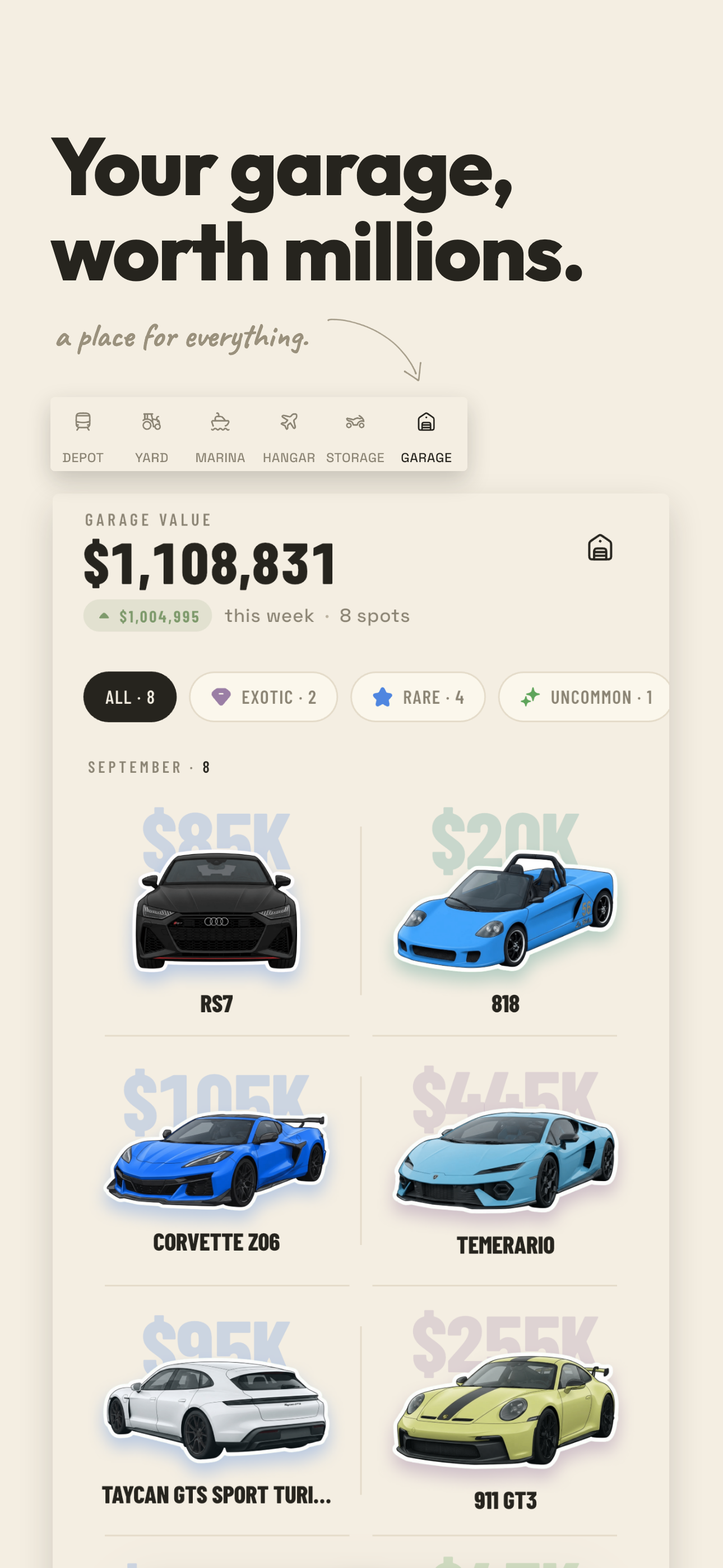
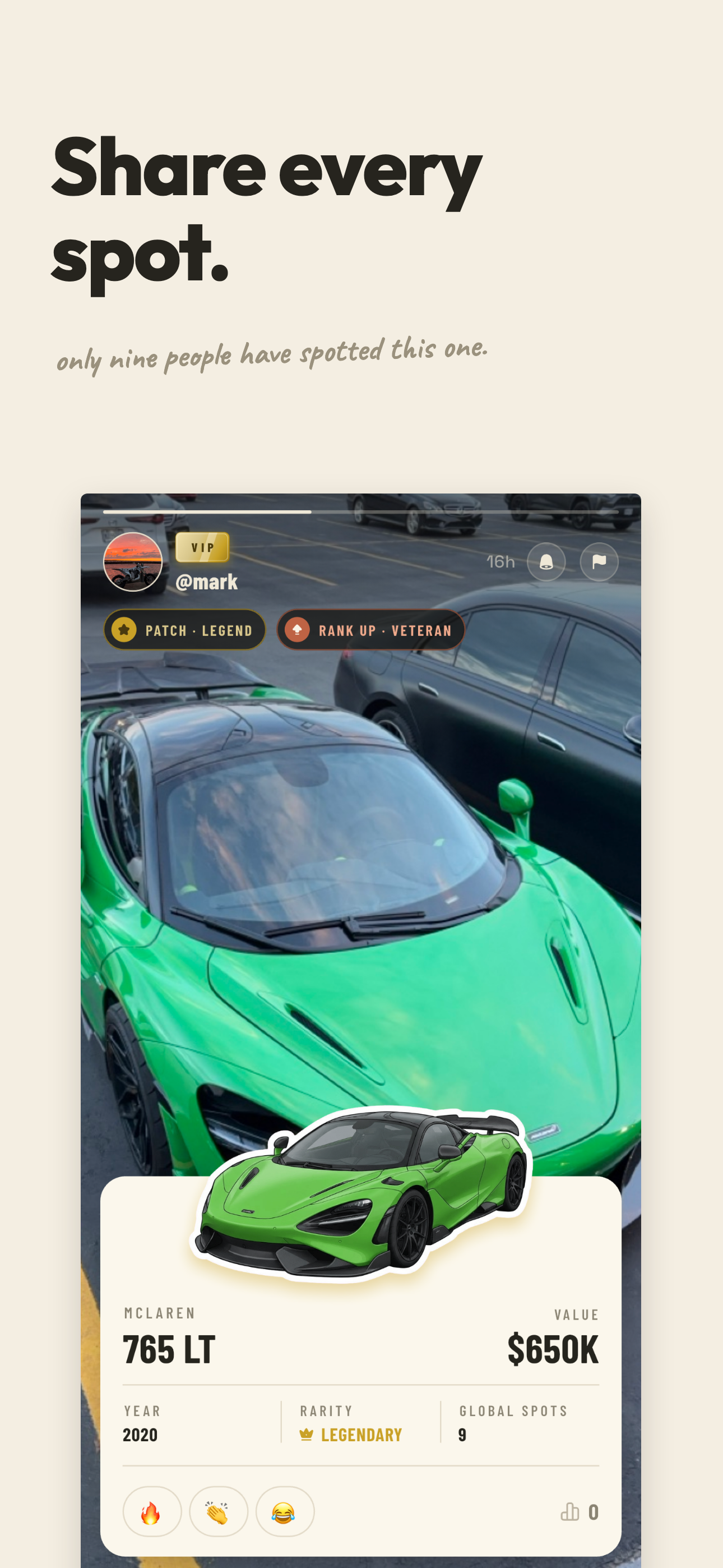
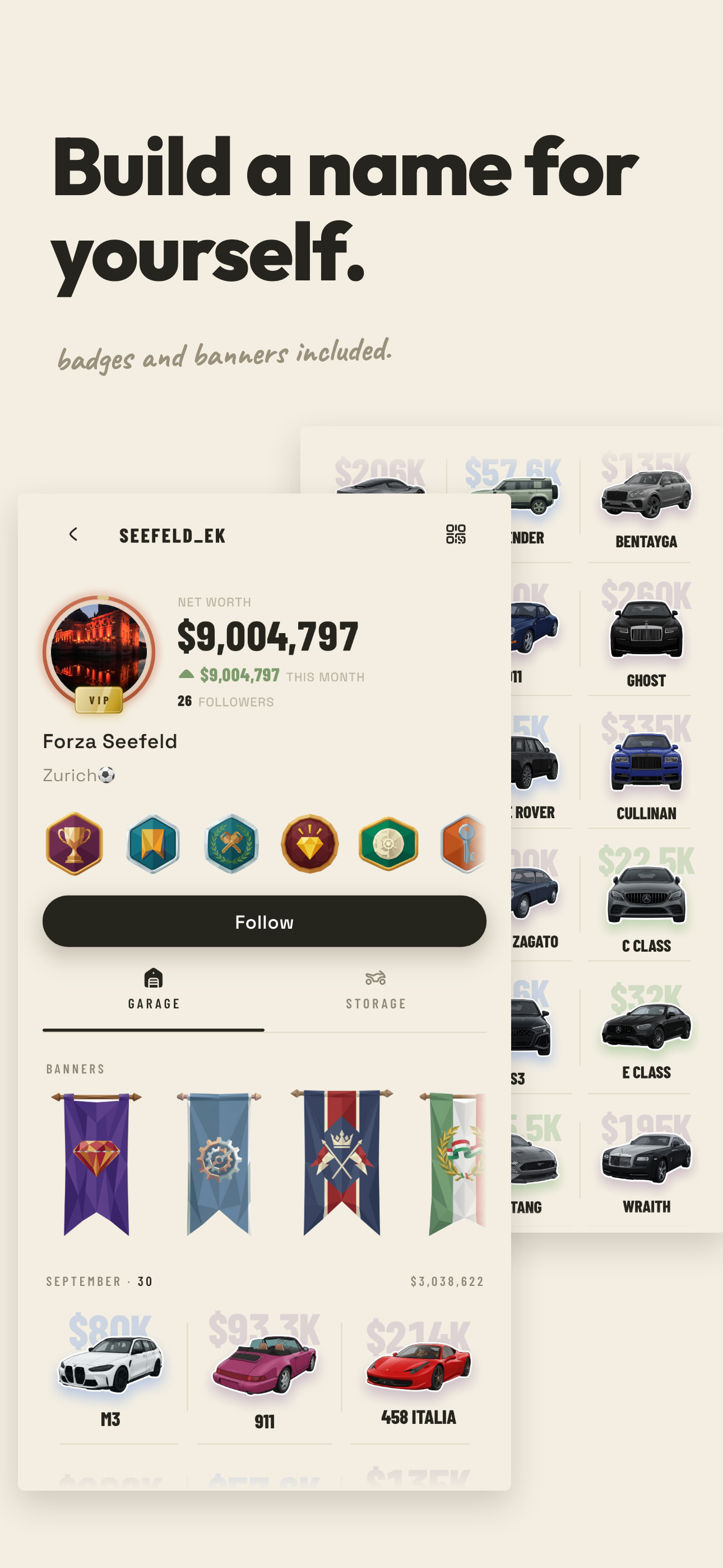
I wanted something that could look at the car in front of me, tell me exactly what it was, and keep it properly. Not another folder of photographs. A collection. The cars I had actually found, identified and organized, with each one having a real place and a real value.
I assumed the hard part would be building the app.
It was not.
The hard part was the one sentence the entire idea rests on: What car am I looking at?
Getting to “Porsche” is easy. Almost anything can do that. Getting to the right model, generation, trim and model year, and then putting a believable value on that exact specification, is a completely different problem.
And it was the only version of the problem worth solving.
A collection where half the entries are roughly right is not really a collection. It is a folder with extra steps, and I already had one of those.
We spent three months on that problem, and for most of those three months, we were losing.
The first working version took more than thirty seconds to return a result. Thirty seconds standing in a parking lot, phone pointed at a stranger’s car, waiting for an answer. Nobody is going to do that, and I knew it even while I was building it.
Worse than the speed was what it sometimes came back with.
It could identify a car that was not in the photograph at all and describe it in confident detail. The person holding the phone had no reason to know it was wrong.
That bothered me more than a crash ever could. An app that invents things for people who trust it is worse than an app that simply does not work.
And underneath both problems was a third: every version accurate enough to be worth shipping cost more per photo than a free app could ever afford.
So, for three months, Blindspot was slow, occasionally wrong with complete confidence, and financially impossible.
The technical problems were not even the hardest part.
Somewhere in the middle of that stretch, I started quietly doubting the premise itself. Not whether we could build it, but whether anyone would actually want it once we did.
I had been taking these photographs on my own for years. I had never met another person who wanted exactly what I wanted. It is a strange feeling to spend months building something when you cannot prove that anybody besides you has ever wished it existed.
I would like to say I never thought about stopping.
I did.
More than once, and in the quiet way where you do not announce that you are giving up. You just start wondering whether this particular idea actually wants to exist.
Eventually, it did.
The version of Blindspot that is live today returns an identification in under ten seconds, at a cost we can actually carry. And when it is not certain, it says so instead of making something up.
Every other good thing about the app is downstream of solving that problem. None of the rest would have mattered if we had not.
Then, a few days after launch, a message came through the contact form.
It was not a bug report.
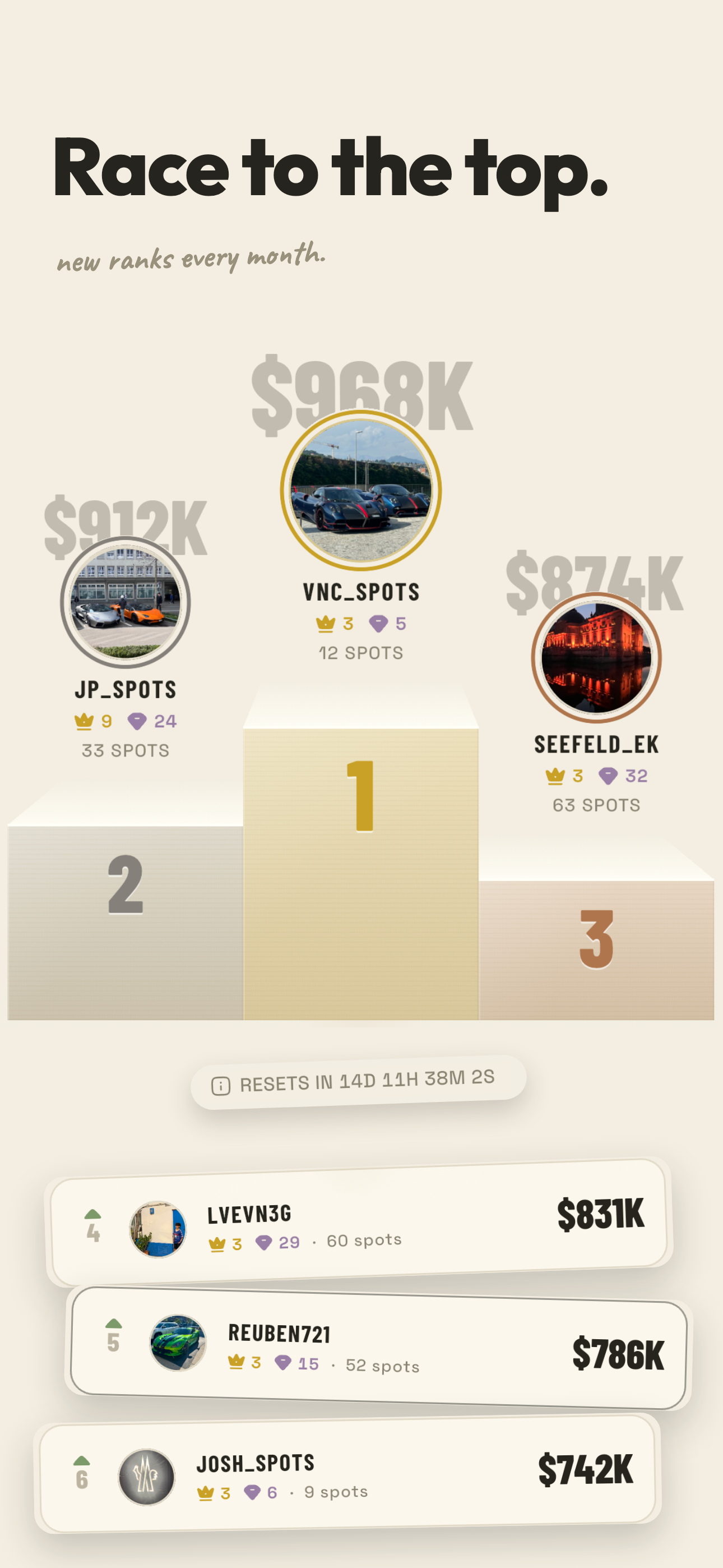
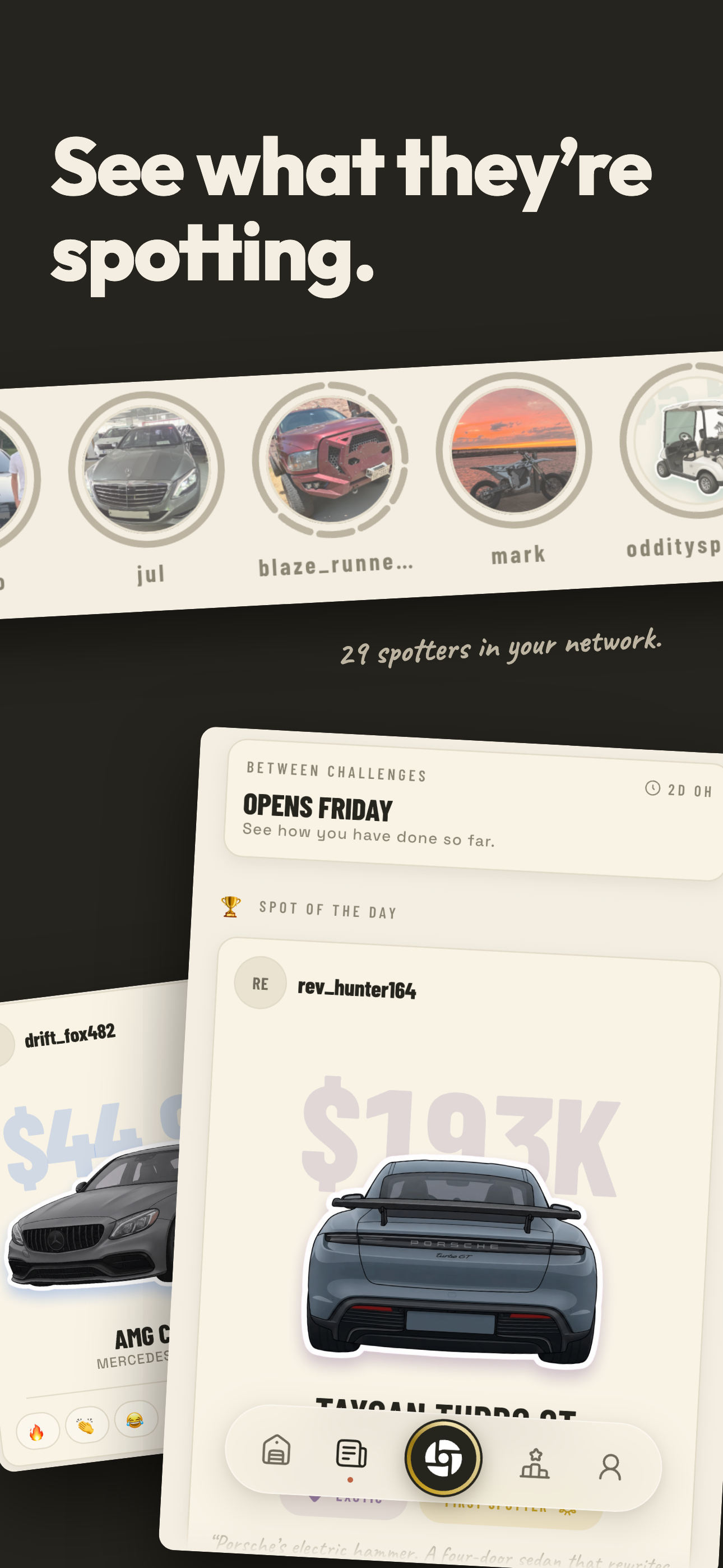
It was from somebody I had never met who had found Blindspot, used it, and wanted to know whether he could build and run a community around it. He was offering to take responsibility for a part of something he had discovered only days earlier.
That message mattered more to me than he probably realized.
It was the first real evidence I had that the thing I had been doing alone for years was not just mine.
After months of being unable to prove that anyone wanted Blindspot, somebody showed up and asked to take care of a part of it that I had not even built yet.
There was another problem waiting for me once people actually started using the app: making the business behind it work.
I wanted to build a game about discovering cars. I did not want to become a payments engineer.
Subscriptions look like a small box on a product plan until you actually have to build them: purchases, restores, trials, entitlements that stay correct across devices and reinstalls, and some way to help the real person who paid you and somehow received nothing.
RevenueCat let me wire up the SDK, make subscriptions work, and go back to building Blindspot.
What surprised me was that it ended up affecting more than payments.
Being able to change the paywall without shipping another build meant I could test an idea, learn from it, and change it again without waiting through another release cycle. At the speed Blindspot was growing, that was the difference between learning something this week and maybe learning it next month.
And seeing revenue clearly against what the app was costing us taught me something I did not particularly want to learn:
We were losing money on every install.
That is not a fun sentence to publish about your first app.
It may also be the most valuable thing I learned all year.
I learned it in the first week instead of the sixth month. From that point forward, every decision about inference costs, subscriptions, limits and monetization had to acknowledge reality. RevenueCat did not just help us collect money; it helped me understand whether the thing I was building could actually survive.
And Blindspot did survive.
Then it started becoming something I had not planned.
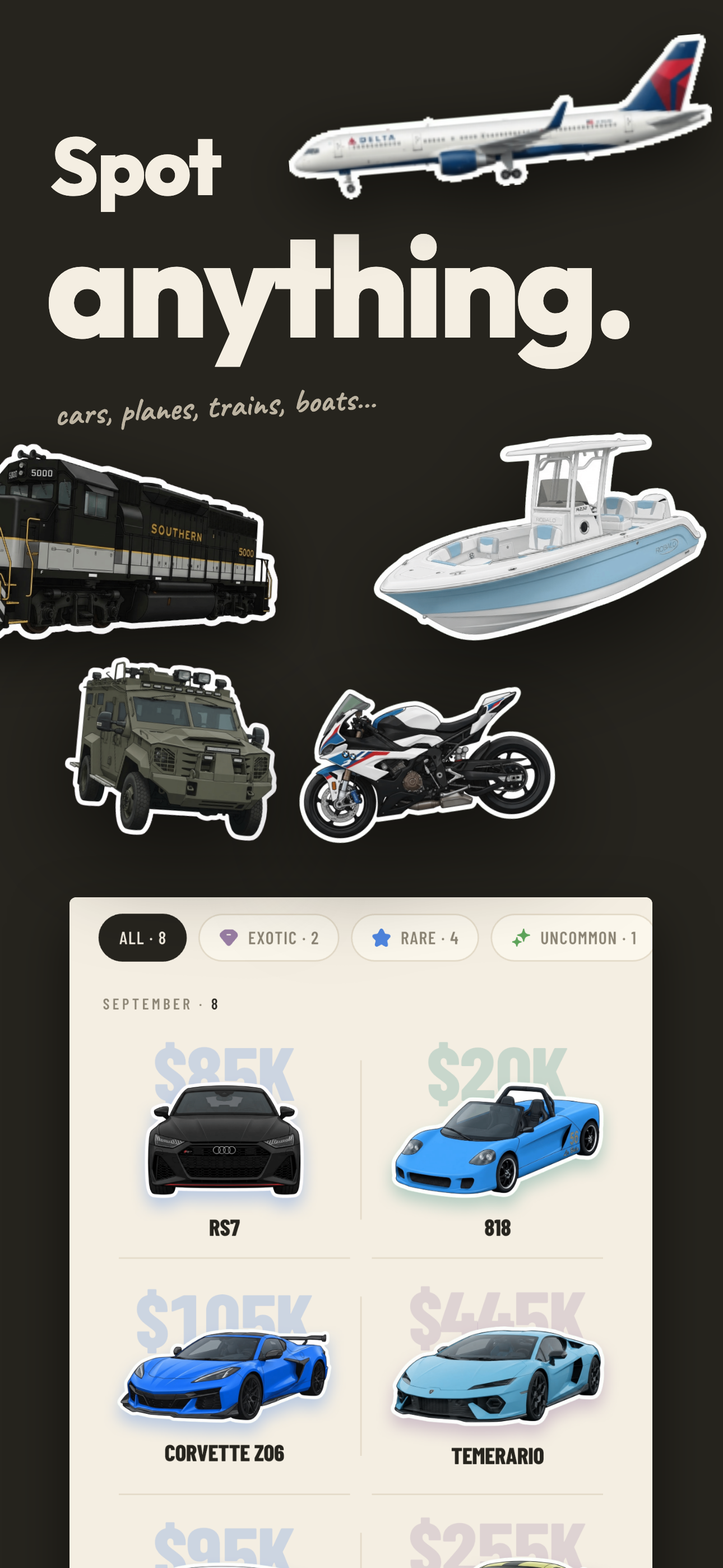
People began pointing it at planes, motorcycles, trains and boats and telling me it should recognize those too.
They were right.
So the collection grew beyond the garage.
Blindspot started as a way to make sense of thousands of car photos sitting forgotten in my camera roll. I built the thing I wished I had when I first started taking those pictures.
For three months, I could not prove that even one other person wanted it.
Today, Blindspot is live on iOS and Android, and has grown to more than 30,000 active users collecting the things they find in the real world.
Built With
- dart
- firebase
- firebase-auth
- firebase-cloud-messaging
- firestore
- flutter
- google-cloud
- ios
- node.js
- revenuecat
- swift
- typescript
- vision


Log in or sign up for Devpost to join the conversation.