-
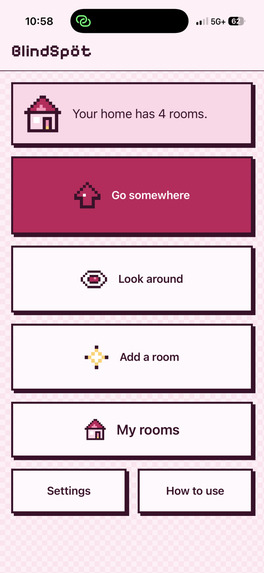
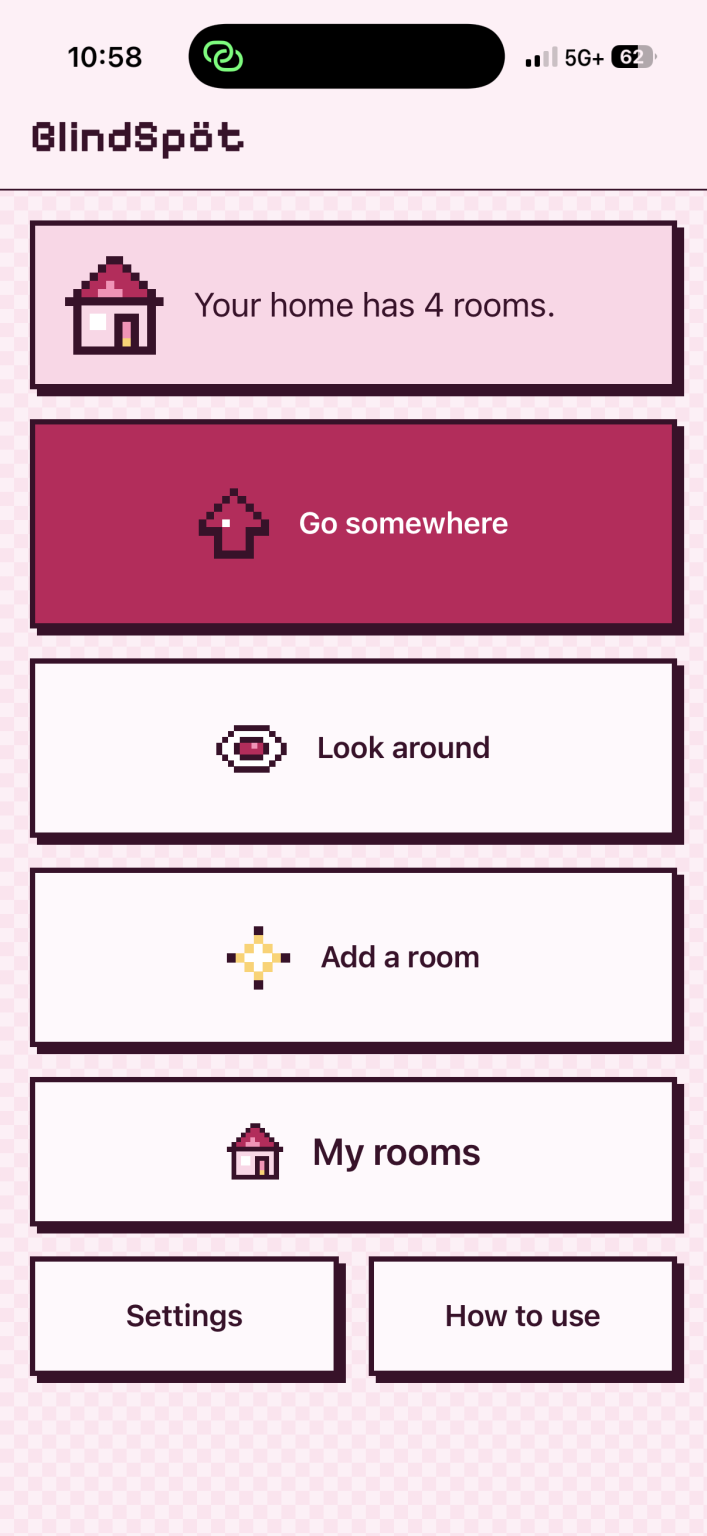
Main Screen
-
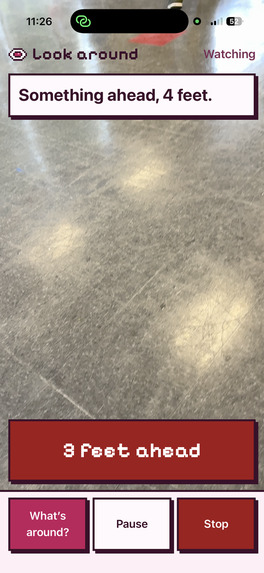
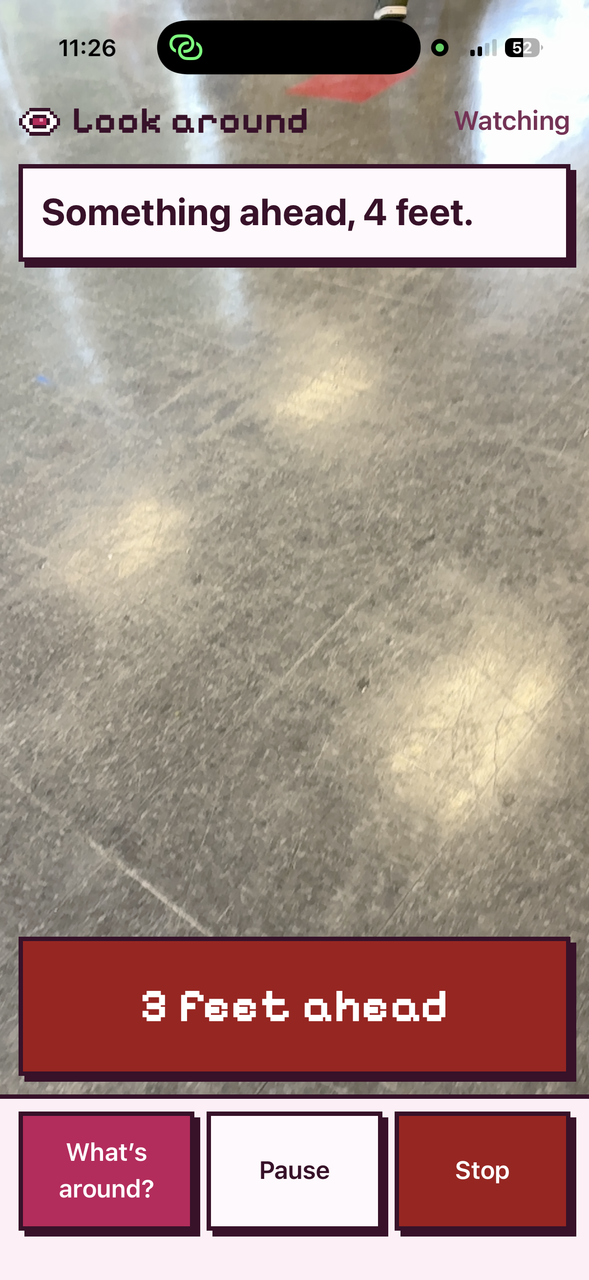
Scanning
-
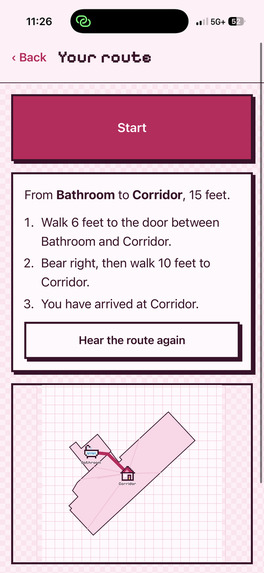
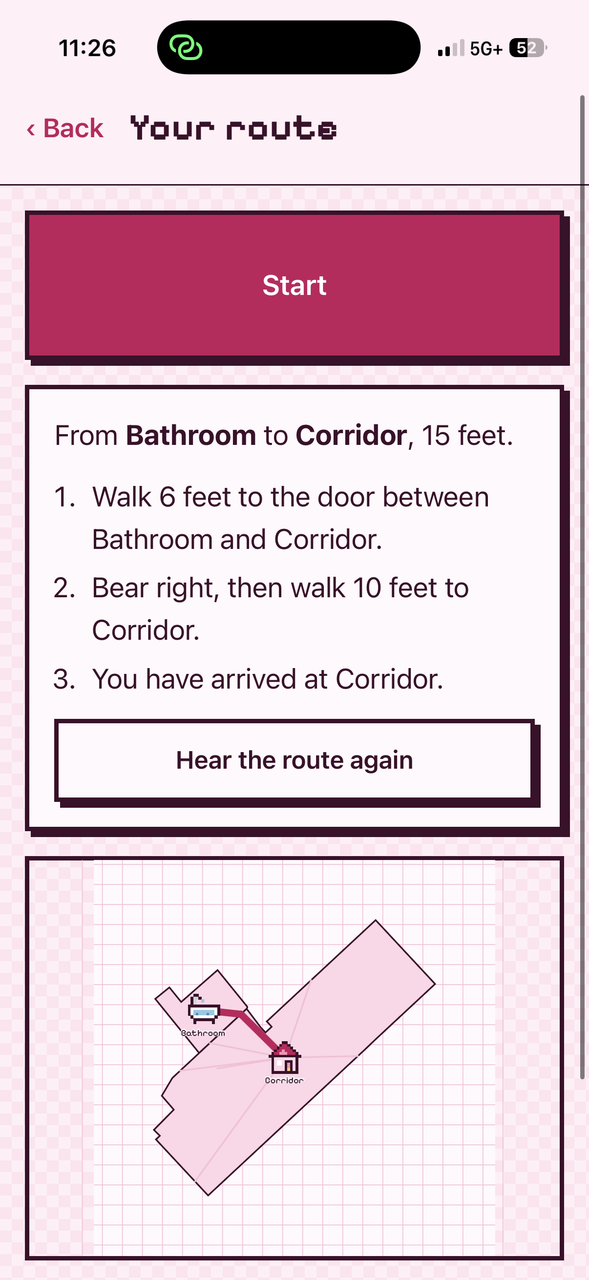
Floor Map
-
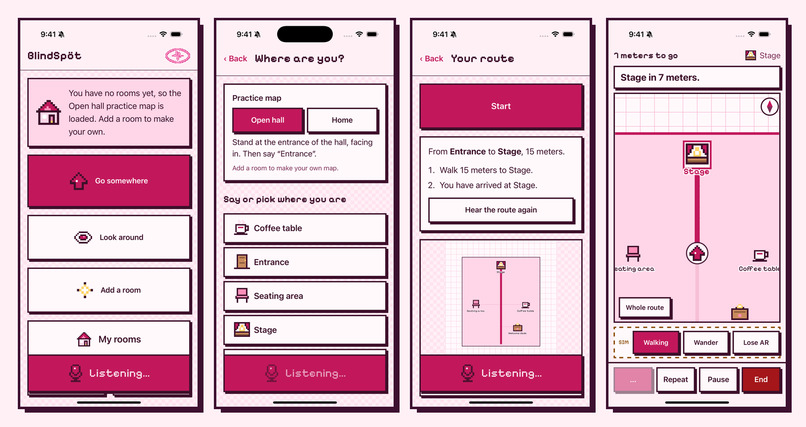
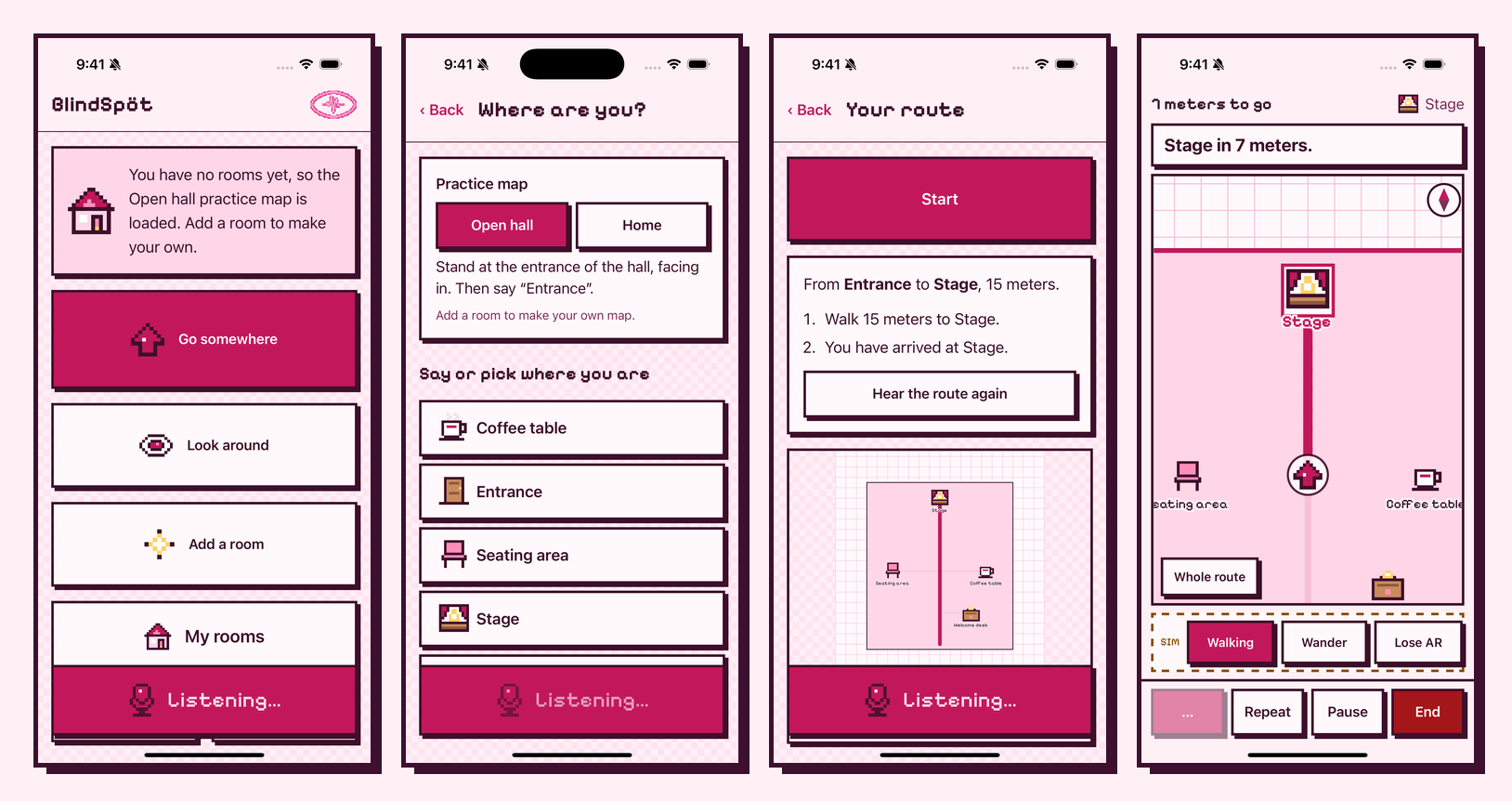
Entire Overview
-

Logo

Inspiration
What it does
BlindSpot is an eyes-free indoor navigation aid for blind and low-vision individuals, designed to complement white canes and guide dogs. Users scan rooms using an iPhone's LiDAR camera and label them by voice, automatically stitching adjacent rooms into a navigable indoor map. The app then provides proactive turn-by-turn spoken guidance, parking-sensor-style haptic feedback, and real-time obstacle warnings—completely offline and on-device.
How we built it
We built the core interface in React, TypeScript, and Capacitor, powered by native Swift plugins utilizing Apple RoomPlan, ARKit, Vision, and Core Haptics. Routes are computed using custom A* pathfinding, and separate room scans are automatically aligned at shared doorways using Umeyama rigid-body transformations. Speech synthesis and on-device voice recognition manage hands-free navigation while maintaining strict compatibility with iOS VoiceOver and braille displays.
Challenges we ran into
Automatically aligning separate 3D room scans without external beacons required engineering geometric doorway-matching algorithms that prevent overlapping layouts. We also had to prevent the app's spoken navigation from talking over iOS VoiceOver, solving it with a dual-channel priority queue that interrupts speech only for immediate hazards. Additionally, pedestrian AR drift was mitigated by building a route tracker that projects real-time poses onto path segments and triggers automatic rerouting.
Accomplishments that we're proud of
We created a truly eyes-free experience that was successfully tested with closed eyes and validated against strict VoiceOver accessibility standards. All room mapping, spatial analysis, and voice controls run 100% on-device, ensuring complete privacy even in Airplane Mode. We are especially proud of our progressive haptic feedback and forgiving voice interface, which make indoor navigation seamless without requiring visual interaction.
What we learned
We learned that accessibility cannot be an afterthought; non-visual priorities like audio interrupt queues and haptic timings must dictate the app's foundational architecture. We also realized that mobility aids must be designed with humility, meaning the app should complement physical tools without overpromising or ever falsely claiming a path is completely clear. Ultimately, we discovered the immense power of consumer spatial computing when applied to real-world assistive technology.
What's next for BlindSpot
Next, we are adding multi-floor support with automatic stair and elevator detection for navigating complex public buildings. We also plan to enable private peer-to-peer map sharing via AirDrop so scanned venues can be shared within the low-vision community. Finally, an Apple Watch companion app will deliver discreet, directional wrist taps for turn cues without needing to hold up the phone.
Built With
- elevenlabs
- gemini
- lidar
- react
- tailwind
- typescript


Log in or sign up for Devpost to join the conversation.