-
BlindSpot Check

Inspiration:
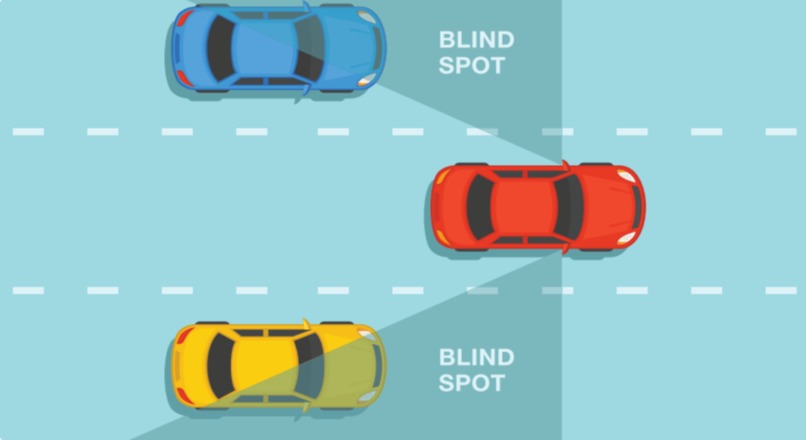
The inspiration behind this project is to improve driver safety by detecting vehicles in the blind spot using deep learning techniques.
What it does:
This project uses a deep learning model to detect vehicles in the blind spot of a car. The model processes the video feed from a camera mounted on the side mirror of the car and alerts the driver if there is a vehicle in the blind spot.
How we built it:
I built this project using Python and the TensorFlow framework. I trained the deep learning model using a dataset of labeled images of cars in various positions and angles relative to the camera.
Challenges we ran into:
Some of the challenges I faced include collecting and labeling a large dataset of images, optimizing the model's performance to reduce false positives and false negatives, and integrating the system with the car's existing safety features.
Accomplishments that we're proud of:
I am proud to have developed a simple and effective Blind Spot Detection system using deep learning techniques. I also proud of the model's accuracy and ability to detect vehicles in the blind spot in real-time.
What we learned:
Through this project, I have learned about deep learning techniques for object detection, image processing, and video analysis. I also gained experience in working with TensorFlow and integrating deep learning models with real-time systems.
What's next for Blind Spot Detection using Deep learning:
In the future, I plan to improve the accuracy and reliability of the system by incorporating additional sensors and data sources. I also plan to explore the use of other deep learning techniques and algorithms to enhance the system's performance. Additionally, I aim to integrate this technology into commercially available vehicles to improve driver safety on the road.

Log in or sign up for Devpost to join the conversation.