-
-
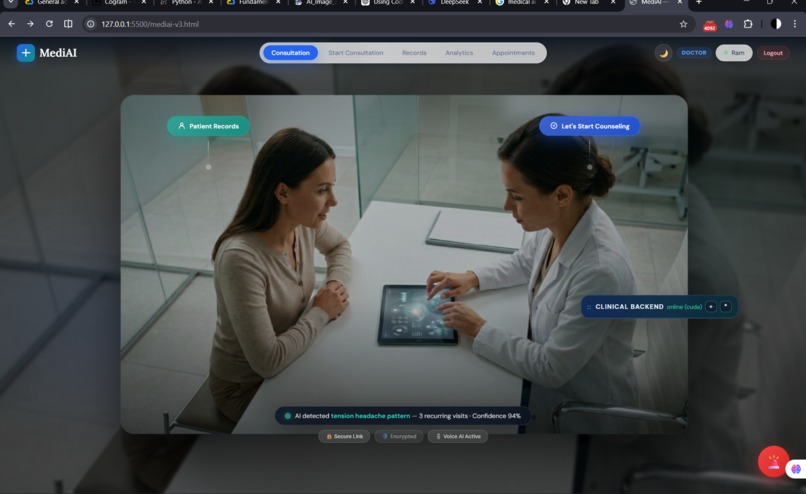
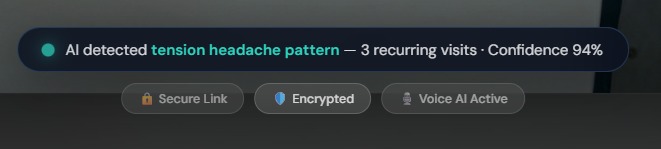
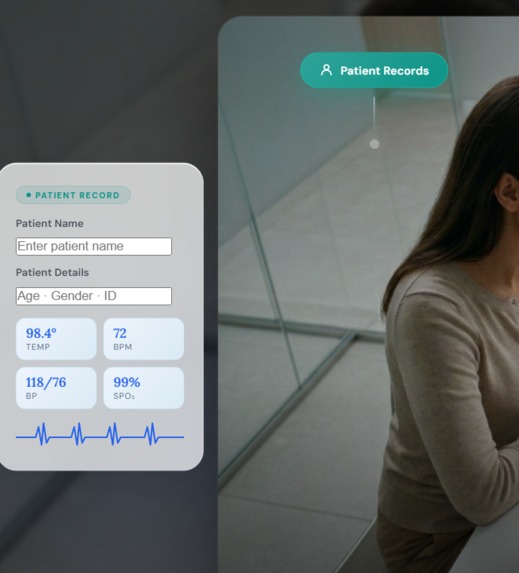
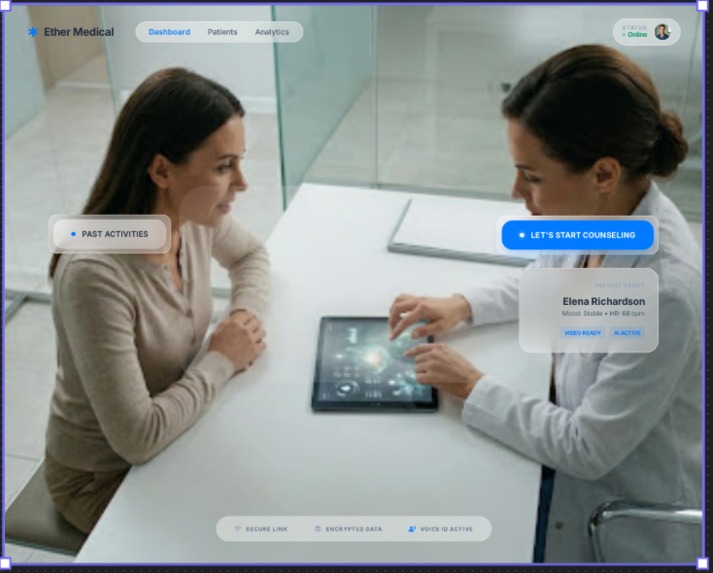
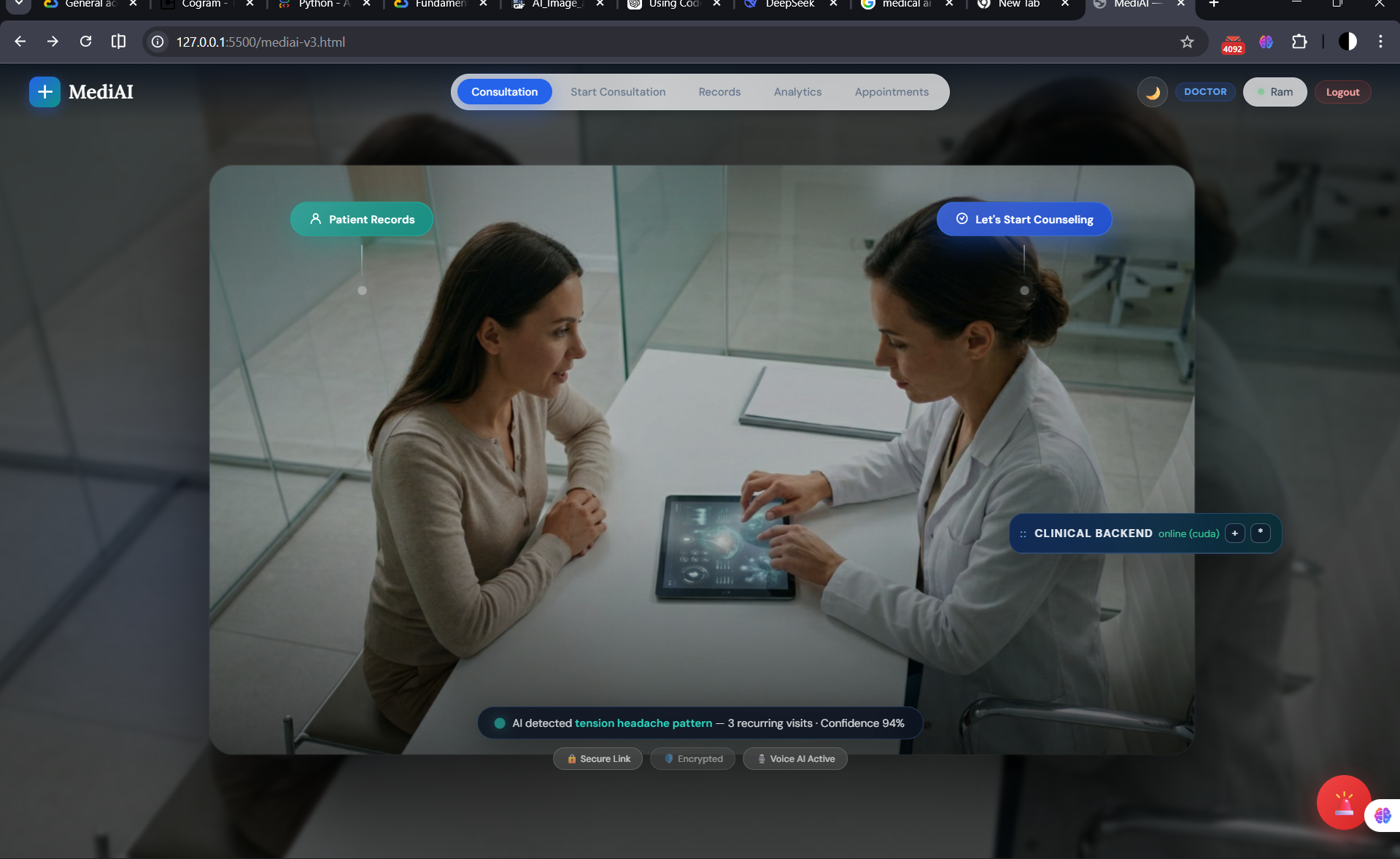
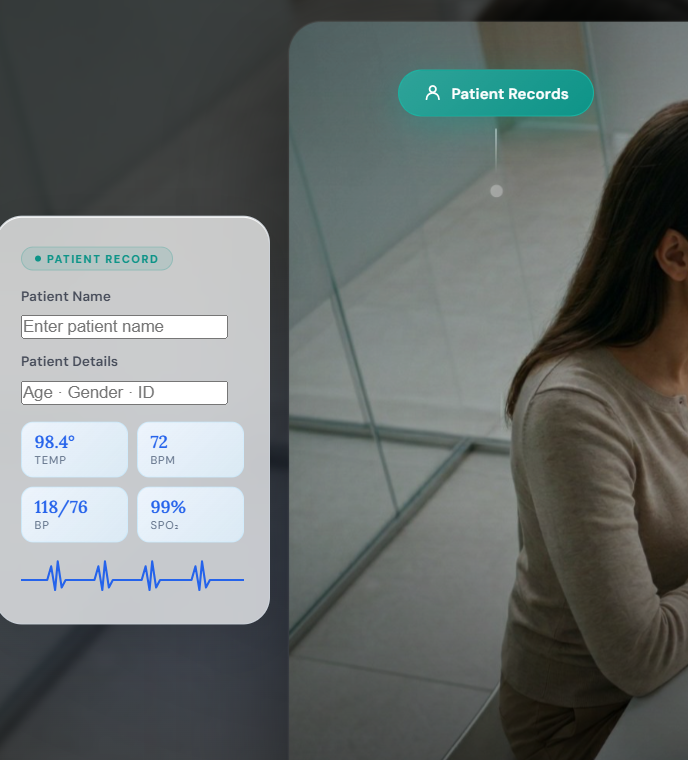
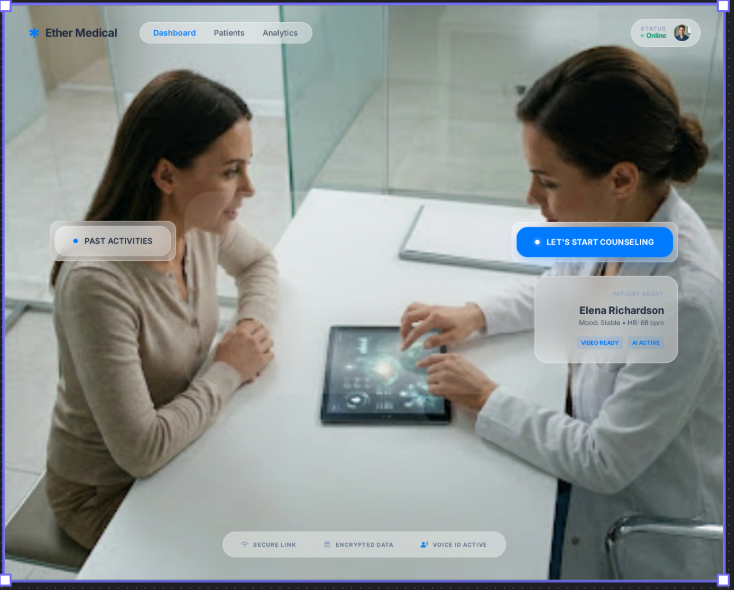
the dashboard of the project
-

Motto
-
-
-
-

Inspiration
Healthcare decisions can be complex, especially when symptoms overlap or important context is overlooked. We were inspired by a simple question: “What if an AI could help us identify what we might be missing?” This led us to build BlindSpot AI as a second layer of intelligence that supports medical reasoning rather than replacing doctors.
What it does
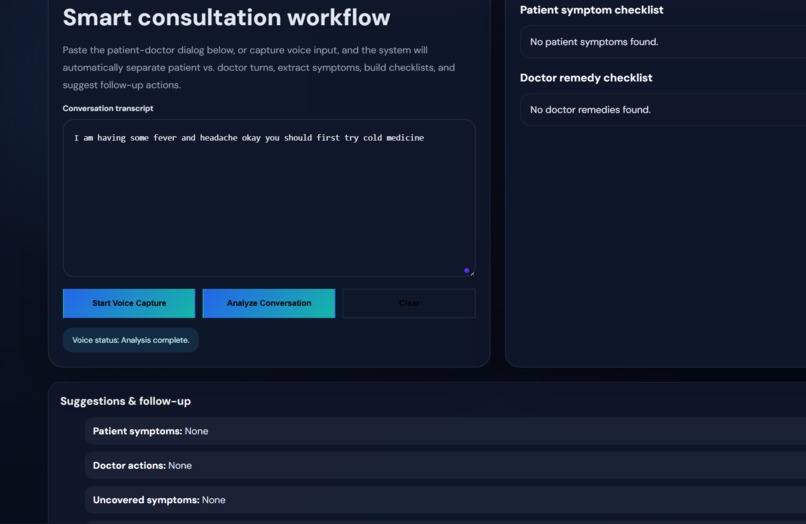
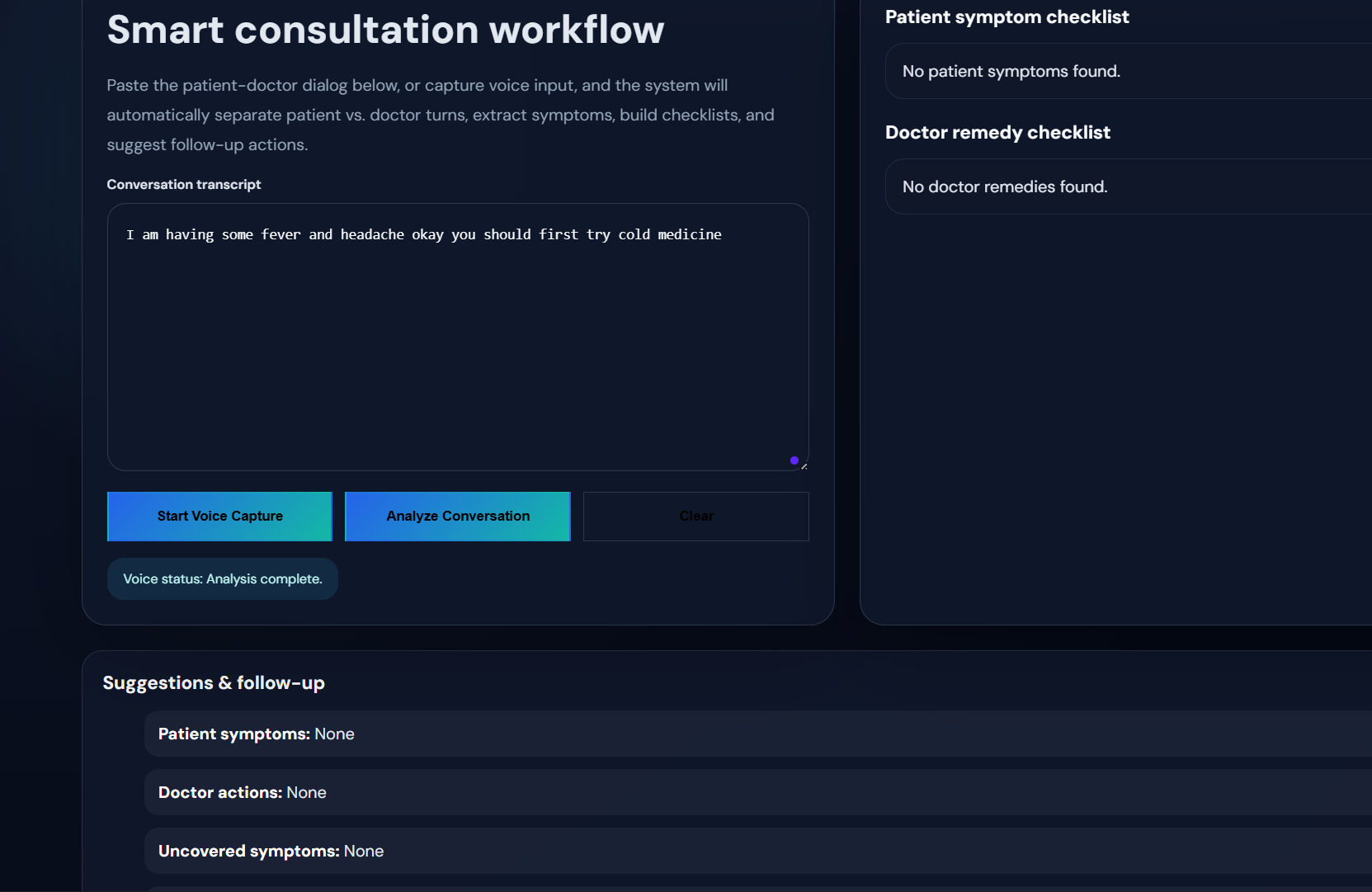
BlindSpot AI analyzes patient-provided symptoms and medical context to identify potentially overlooked patterns, risks, inconsistencies, and alternative possibilities. Instead of simply predicting a condition, it explains why something may deserve further attention, helping users and healthcare professionals ask better questions and make more informed decisions.
How we built it
We designed BlindSpot AI around an AI-powered analysis pipeline that processes symptoms and relevant medical information, identifies relationships and potential warning signals, and generates explainable insights. The system is designed with a human-in-the-loop approach, keeping medical professionals as the final decision-makers.
Challenges we ran into
One of our biggest challenges was balancing AI capabilities with medical responsibility. Health information is highly sensitive, and an incorrect or overconfident response can be harmful. We therefore focused on explainability, uncertainty, responsible wording, and making it clear that the system is a decision-support tool rather than a replacement for professional medical diagnosis.
Accomplishments that we're proud of
We are proud of turning a simple idea—“find the blind spots”—into a structured AI concept with a clear real-world purpose. We created a system focused not only on identifying possibilities but also on explaining why something may have been overlooked. Most importantly, we designed the project around supporting human expertise rather than attempting to replace it.
What we learned
We learned that building AI for healthcare requires much more than making a model accurate. Trust, explainability, privacy, uncertainty, user experience, and responsible AI design are equally important. We also learned how valuable it can be to design AI around improving human decision-making instead of simply automating decisions.
What's next for BlindSpot AI
Our next goal is to make BlindSpot AI more robust and clinically useful through better medical knowledge integration, stronger evidence-based reasoning, improved uncertainty estimation, and extensive evaluation. We also want to explore privacy-preserving architectures and eventually develop a system that can integrate structured health data while maintaining strong safeguards around sensitive information.
Built With
- activity
- ai
- artificial
- clinical
- decision
- detection
- explainable
- faster-whisper
- flask
- healthcare
- html/css
- intelligence
- javascript
- language
- learning
- machine
- natural
- numpy
- processing
- python
- recognition
- speech
- support
- voice
- web


Log in or sign up for Devpost to join the conversation.