-
-
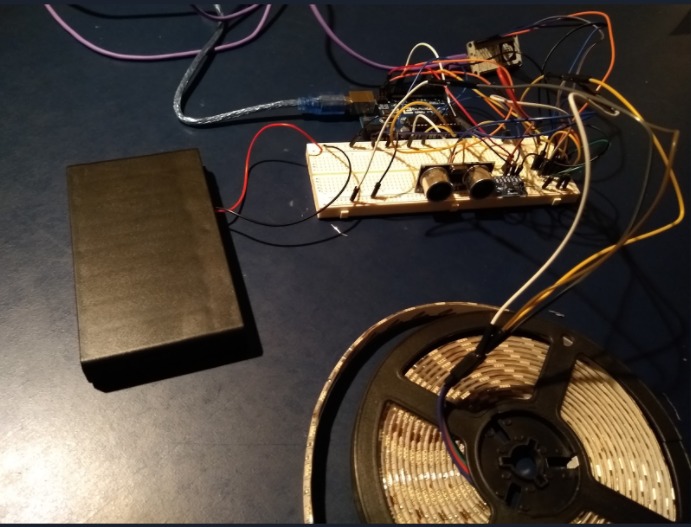
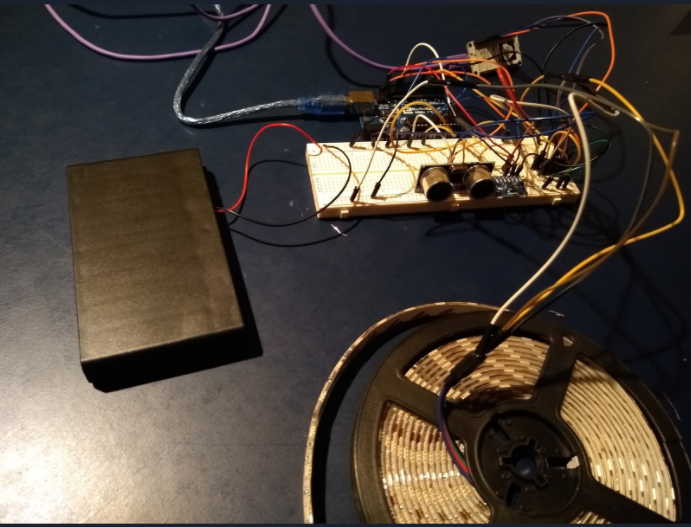
Circuit
-
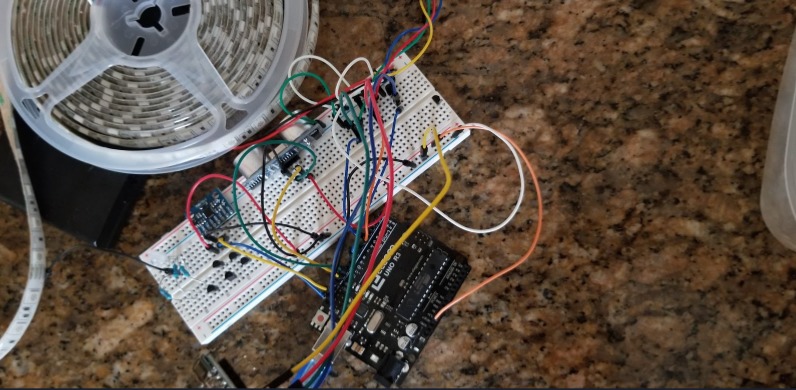
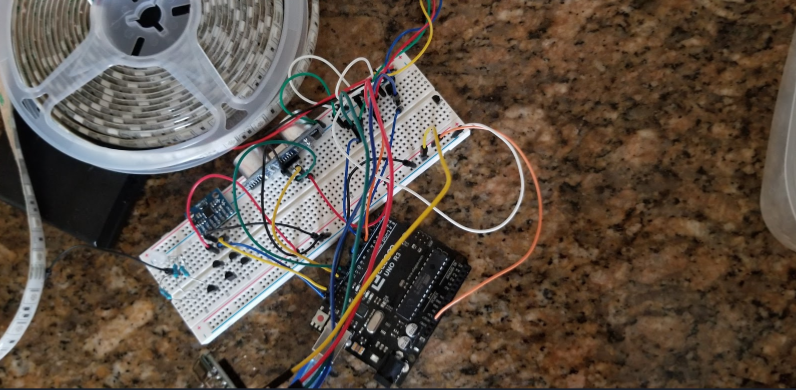
Circuit
-
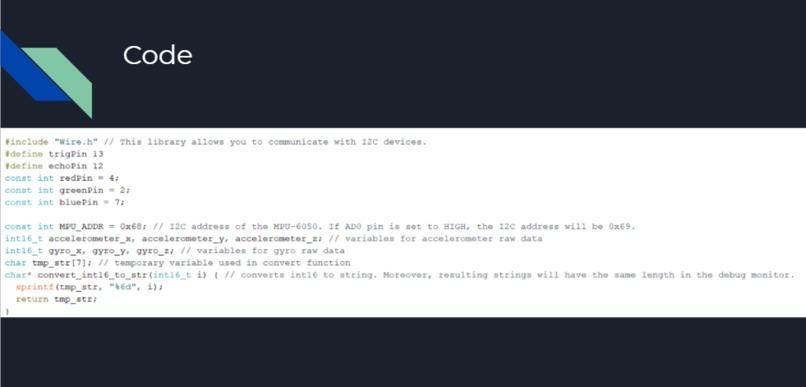
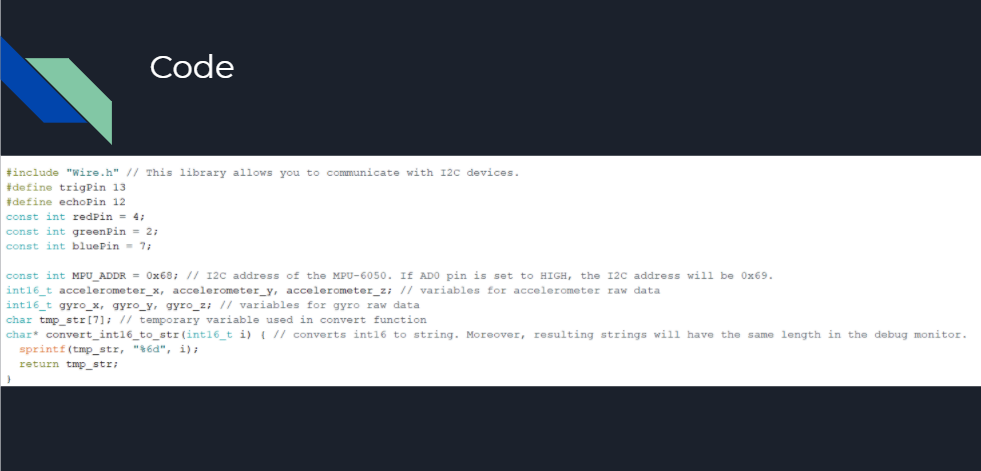
Variable initialization
-
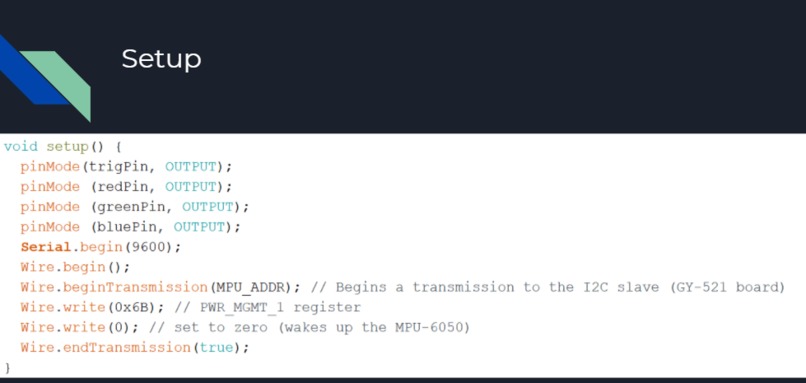
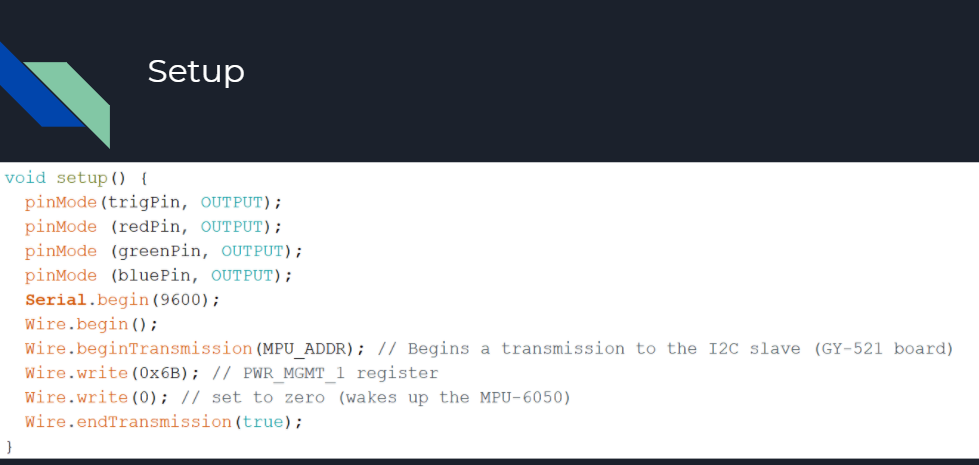
Set up
-
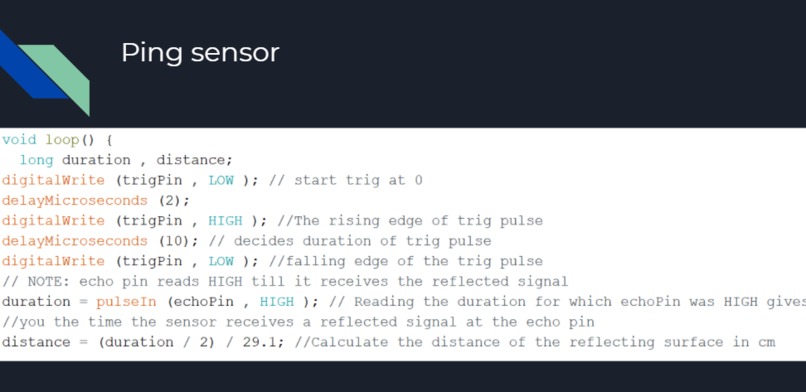
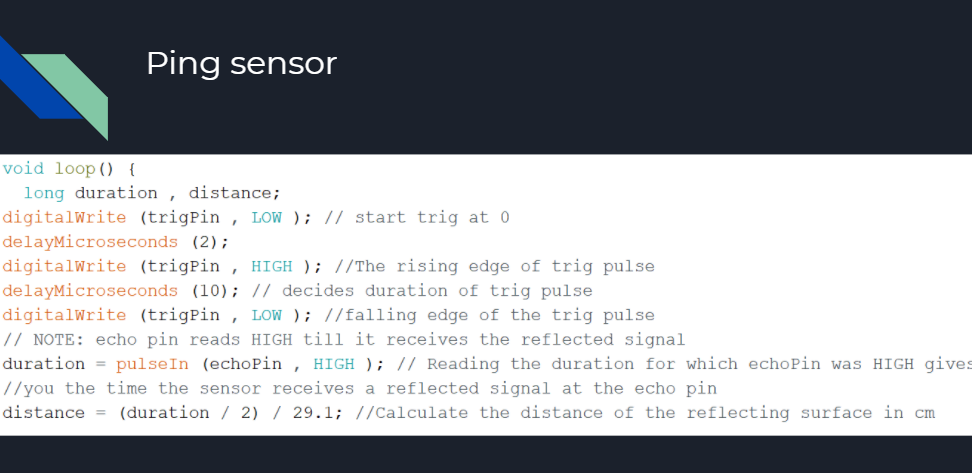
Ping sensor set up
-
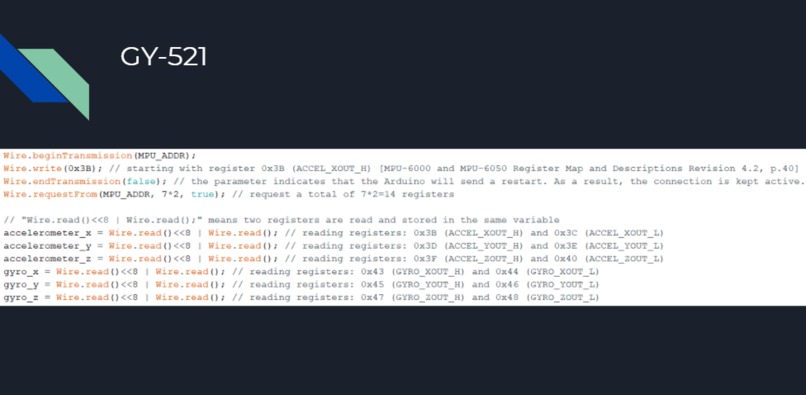
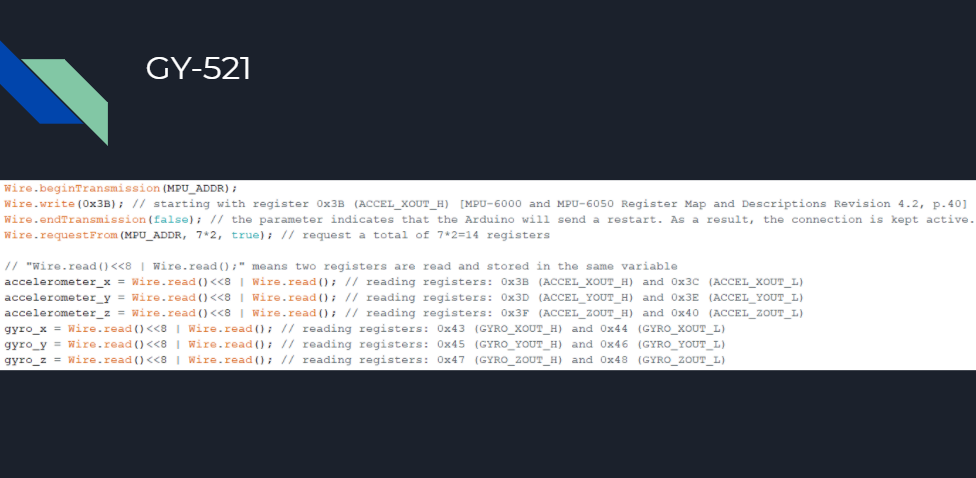
GY 521 set up code (ref //www.mschoeffler.de/2017/10/05/tutorial-how-to-use-the-gy-521-module-mpu-6050-breakout-board-with-the-arduino-uno/)
-
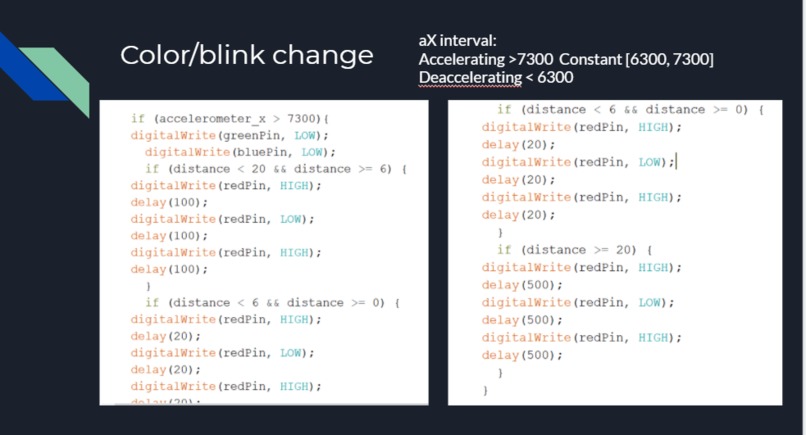
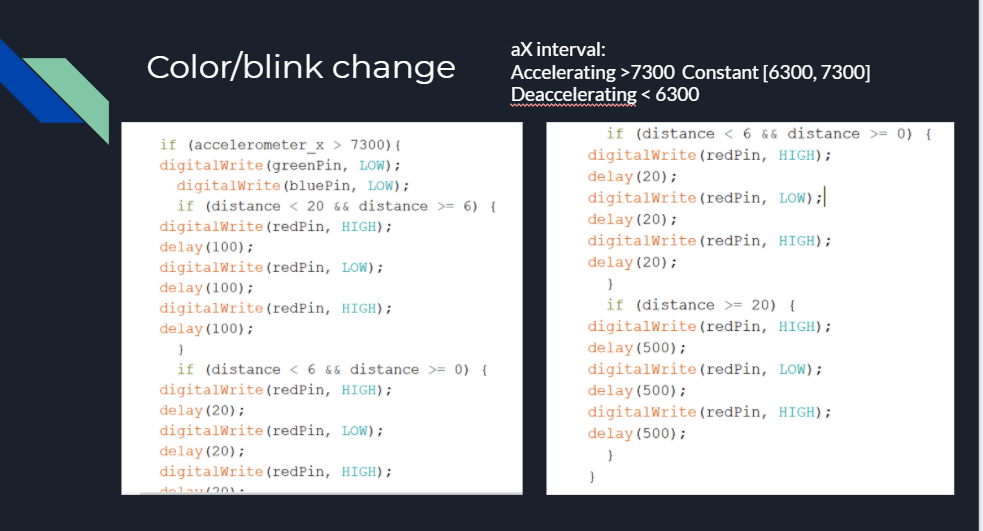
Code function control code
-
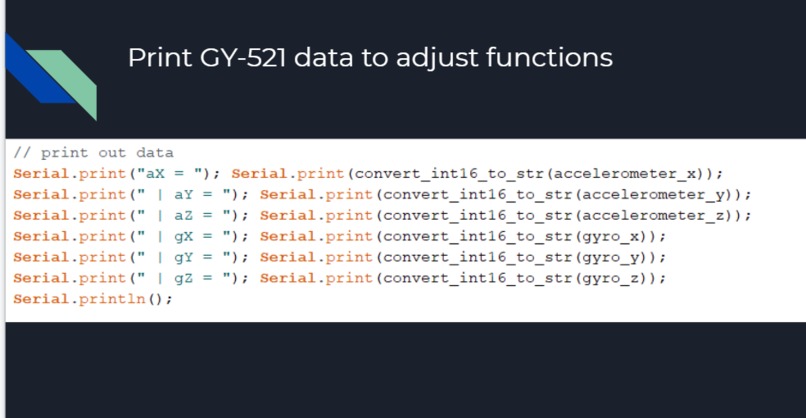
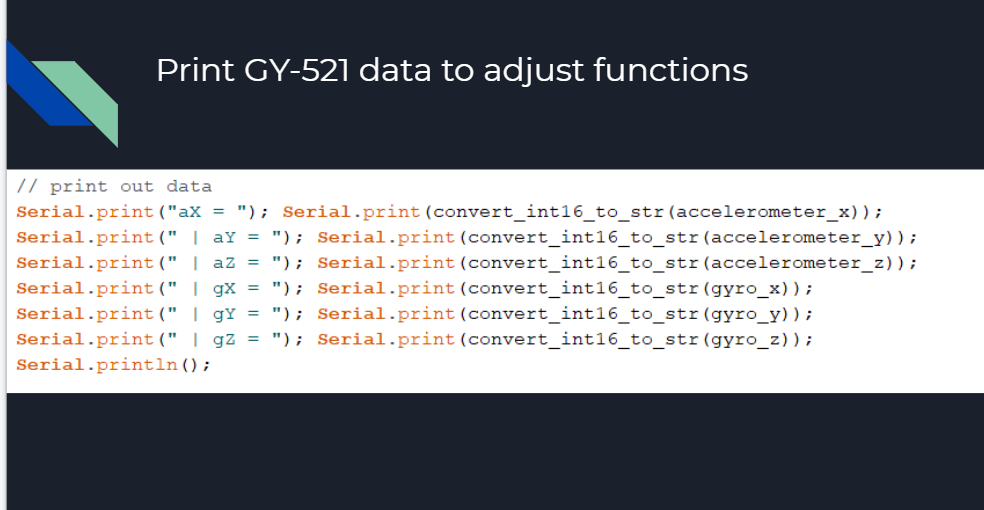
Code GY-521 read values
-
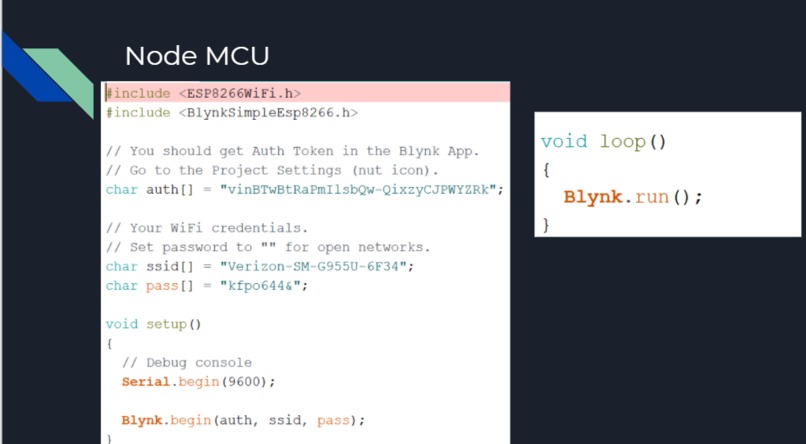
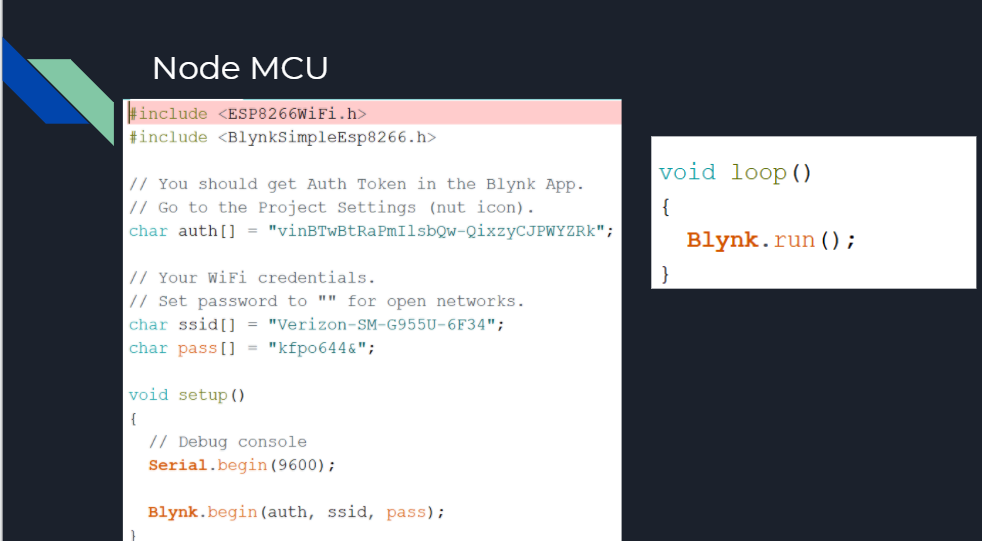
Code Node MCU
Inspiration
Bikes are ubiquitous. Pretty much any human being can learn how to ride one. When it becomes dark outside, however, it can become a real safety hazard for the biker as well as those around the biker. According to the National Highway Traffic Safety Administration, 857 bikers were killed in traffic crashes in 2018. In addition, there is the very real chance of a biker accidently crashing into a pedestrian if unable to see. To increase visibility, safety, as well as to add an element of swag, we decided to design the BlazinBike.
What is it?
BlazinBike is, quite simply, an LED Strip extension which can be fitted on your bike. The strip changes color as the speed of the bike changes (constant speed = green; acceleration = red; deceleration = blue). In addition, the strip also also blinks with a certain frequency that scales based on the distance of an object away from the bike. For example, the bike will blink slowly if someone is 20 meters away, and the bike will blink quickly if it is about to hit an object. We also incorporated the Internet of Things by including the capability of changing the color of the LED strip as well as the intensity of the light using the blynk app from a smartphone.
How we built it
To determine the accelerations, we used the GY - 521 accelerometer. By printing the acceleration values in the x, y, and z directions, we were able to figure out which range of values would correspond with which of the colors. To figure out the distance between the bike and another object, we used the ultrasonic sensor. We used the ZeRGBra widget on the blynk app in order to control both color of the LED strip as well as the intensity of the light, hence utilizing the Internet of Things. We also had to use a 12V power source since the LED Strip needs 12V of power, not the 5V which the arduino can provide.
Division of Work
Yihan focused on the construction of the circuit, the function of the LED strip, and incorporation the IoT. Krishna focused on figuring out the code, experimental testing to retrieve values for the sensors, and presentation design.
Challenges
Our arduino caught on fire and short-circuited due to the 12V power supply. This set back our progress a little bit, but we worked out the issues and it was fine in the end. In addition, the accelerometer was unstable and the values were ~kind of~ inconsistent which made it harder to sync the LED Strip colors with the sensor values. We also, for some time, were using different types of transistors. Once we figured this out and used the same type of transistor, it fixed the issues we were having.
Accomplishments we are proud of
Even during such odd times, we were able to meet periodically and work together to create a product that works.
What we learned
This project definitely strengthened our knowledge of different sensors, the arduino, coding, and the blynk app. We were able to think "out of the box" to create a viable solution.
What's next
Currently, our product is a bit large and requires separate power sources for the arduino, node mcu, and led strip. Hence, we hope that we can make it a lot more compact so that it can be fitted easily on the bike.
Built With
- arduino
- nodemcu

Log in or sign up for Devpost to join the conversation.