Inspiration
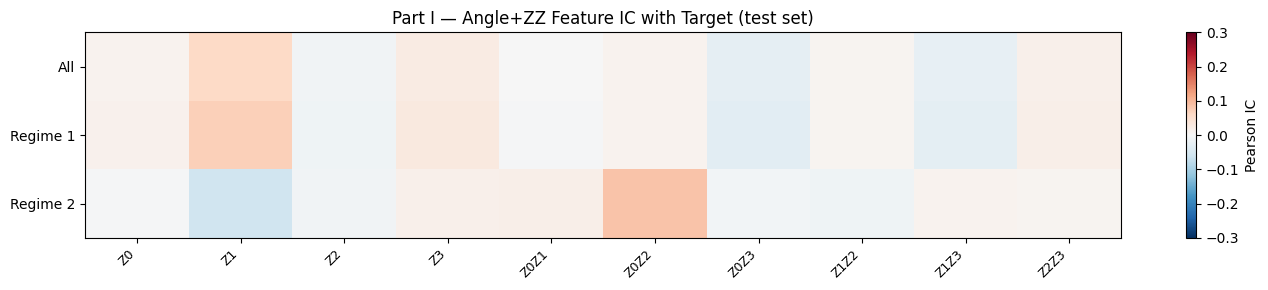
We took inspiration from pairwise entangled operator encodings as well as nonlinear activations within quantum unitary transformation structures for the baseline task, and from the ideas behind QSP and quantum data reuploading to exploit nonlinear relationships between presented data for the stock performance predicting algorithm.
What it does
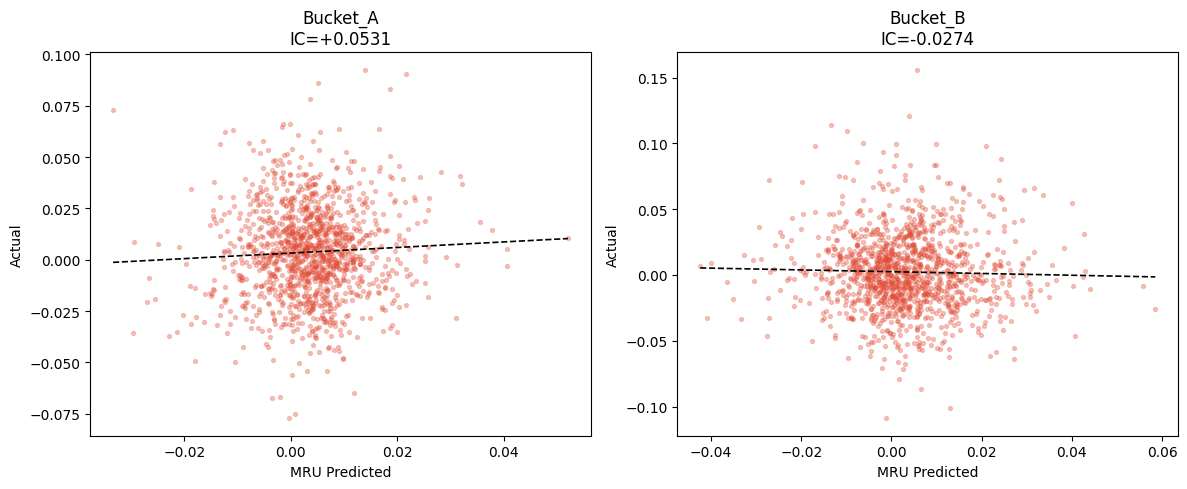
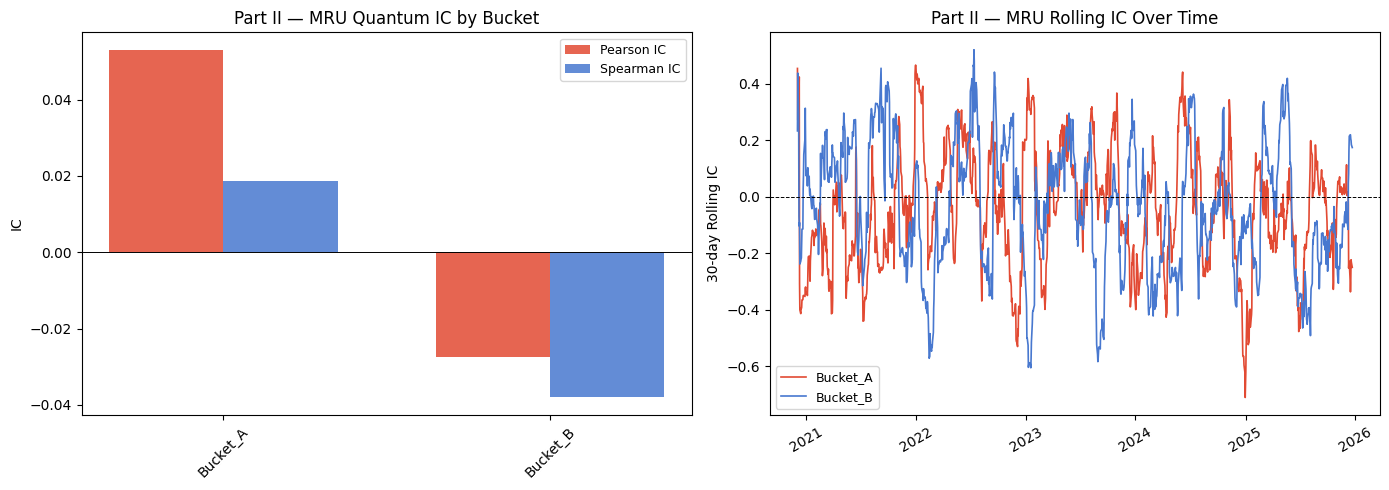
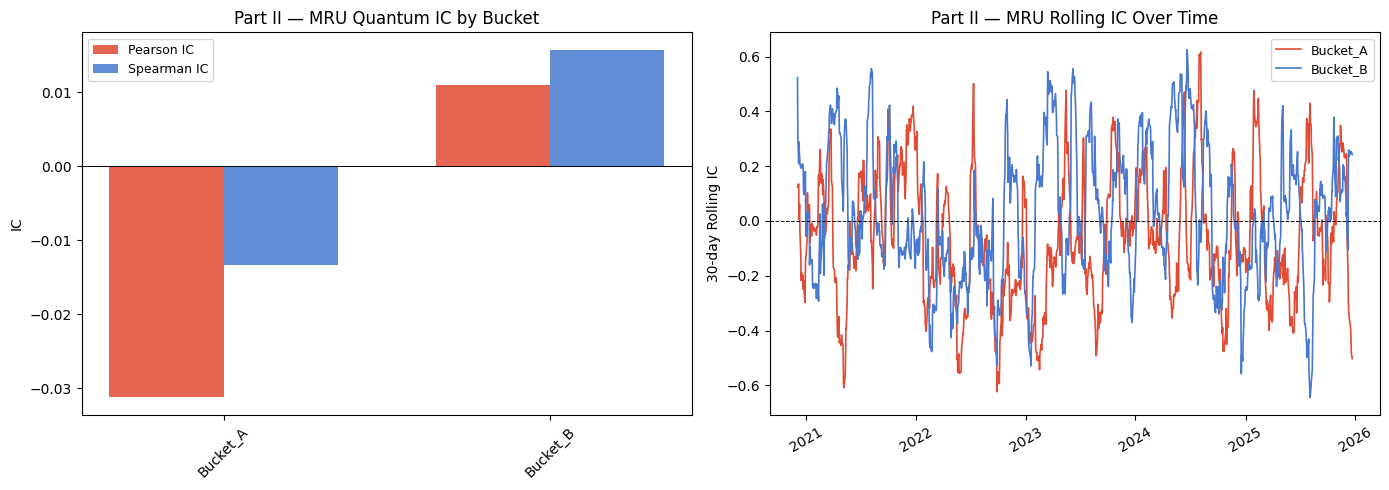
The first quantum algorithm uses quantum feature augmentation (QFA) to encode prior information about the data distribution into quantum transformations to establish a baseline of quantum ability to transform data in a useful way. The second one applies QSP and data reuploading principles to isolate nonlinear relationships in noisy stock market data to predict relative price performance for the top 10 weighted stocks in the S&P500, in 5-day return blocks.
How we built it
We pulled inspiration from different papers in the process of developing both algorithms, as well as calling on our intuition of basic quantum circuit fundamentals and how unitary operators transform states. We outlined the math and then translated it into code, iterated on the code until it wasn't buggy and then applied enhancements to the classical machine learning that was governing training.
Challenges we ran into
We had a lot of trouble with AWS and translating code to the backend and getting it to compile. We also struggled with overfitting in the quantum transformations since the training data was not large, the feature space was sparse, and the algorithm was minimally implemented (with room open for parallelization that we didn't take advantage of).
Accomplishments that we're proud of
We established proof in training data that the quantum features picked up strongly on nonlinear features and have extreme potential given better training conditions.
What we learned
We learned the fundamentals of QML implementation and tying it in with classical methods, and how to translate code into backends and interpret results off hardware.
What's next for Team 5
We would love to get more access to larger datasets, more compute power, more complex loss functions and greater parallel quantum encoding to explore the possibilities of picking out nonlinearities and getting useful information from them.
Built With
- pennylane
- python

Log in or sign up for Devpost to join the conversation.