Blackbox Atlas: Turning Websites into Working Applications
Inspiration
Every developer has encountered a website they wanted to understand, learn from, or recreate. However, figuring out how a website is structured, how its components work together, and how to rebuild its functionality can take hours of manual effort.
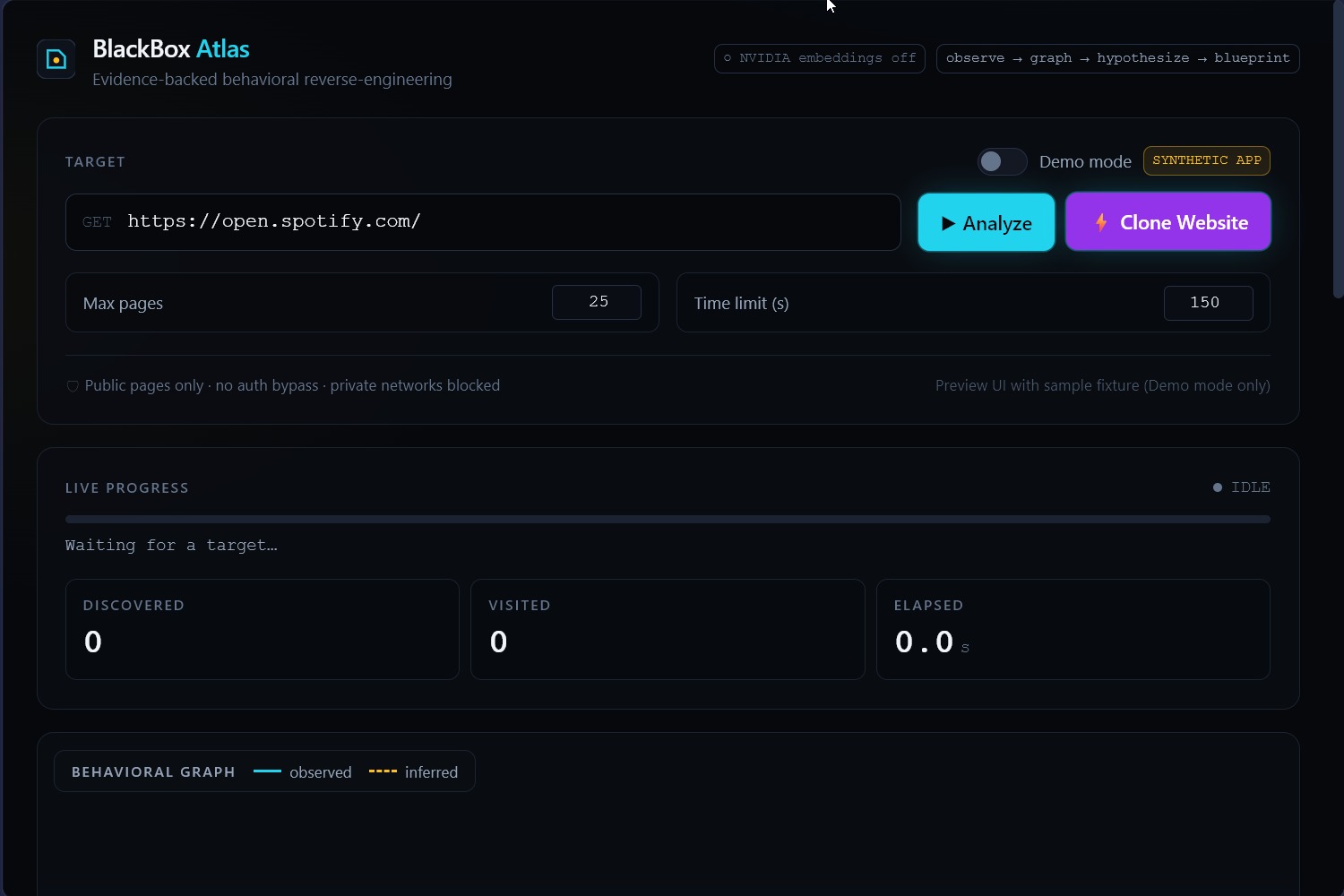
This inspired us to develop Blackbox Atlas, an AI-powered approach to website analysis and reconstruction. We wanted to make the process more accessible by allowing users to start with something as simple as a website URL and turn it into a foundation for building applications.
What It Does
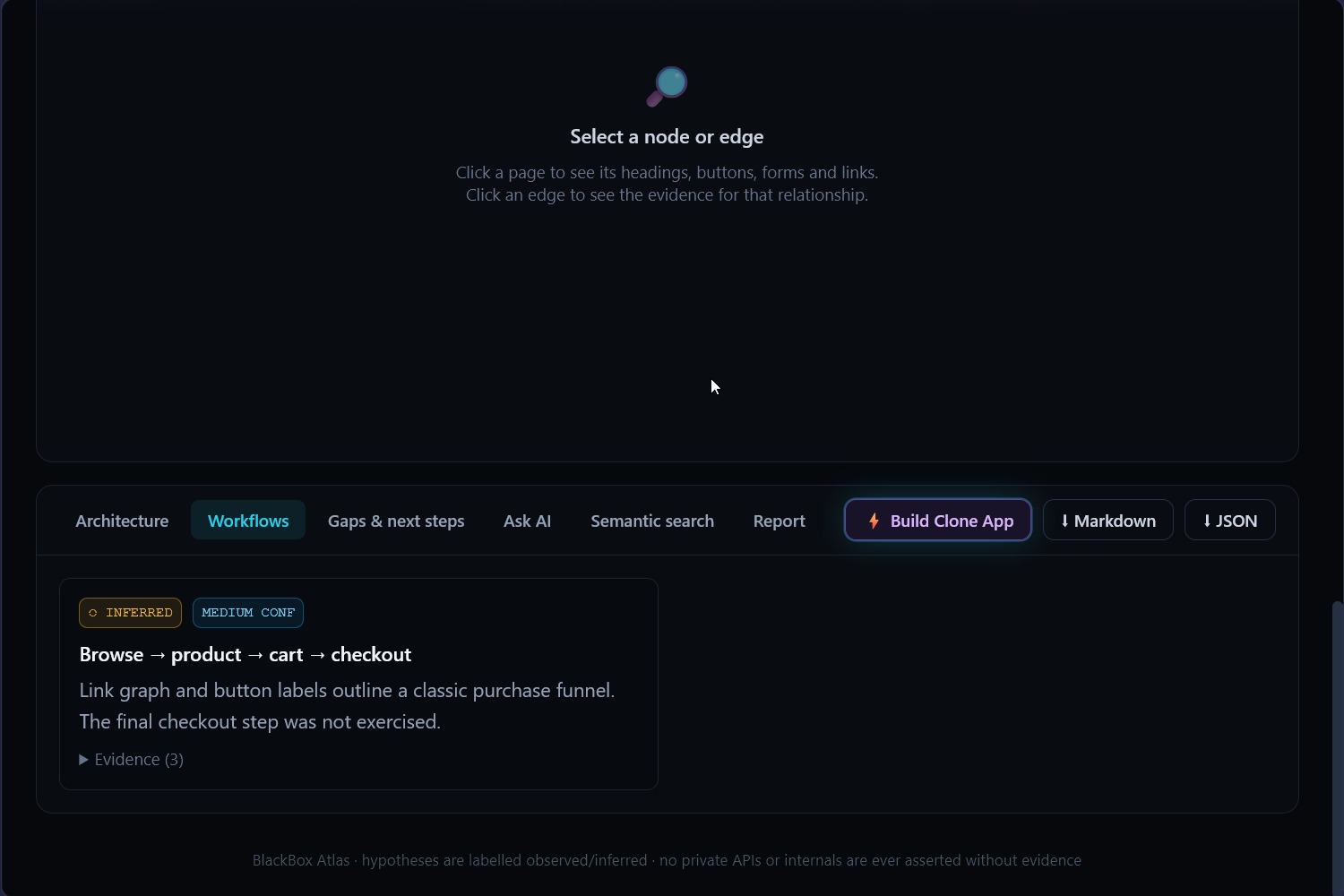
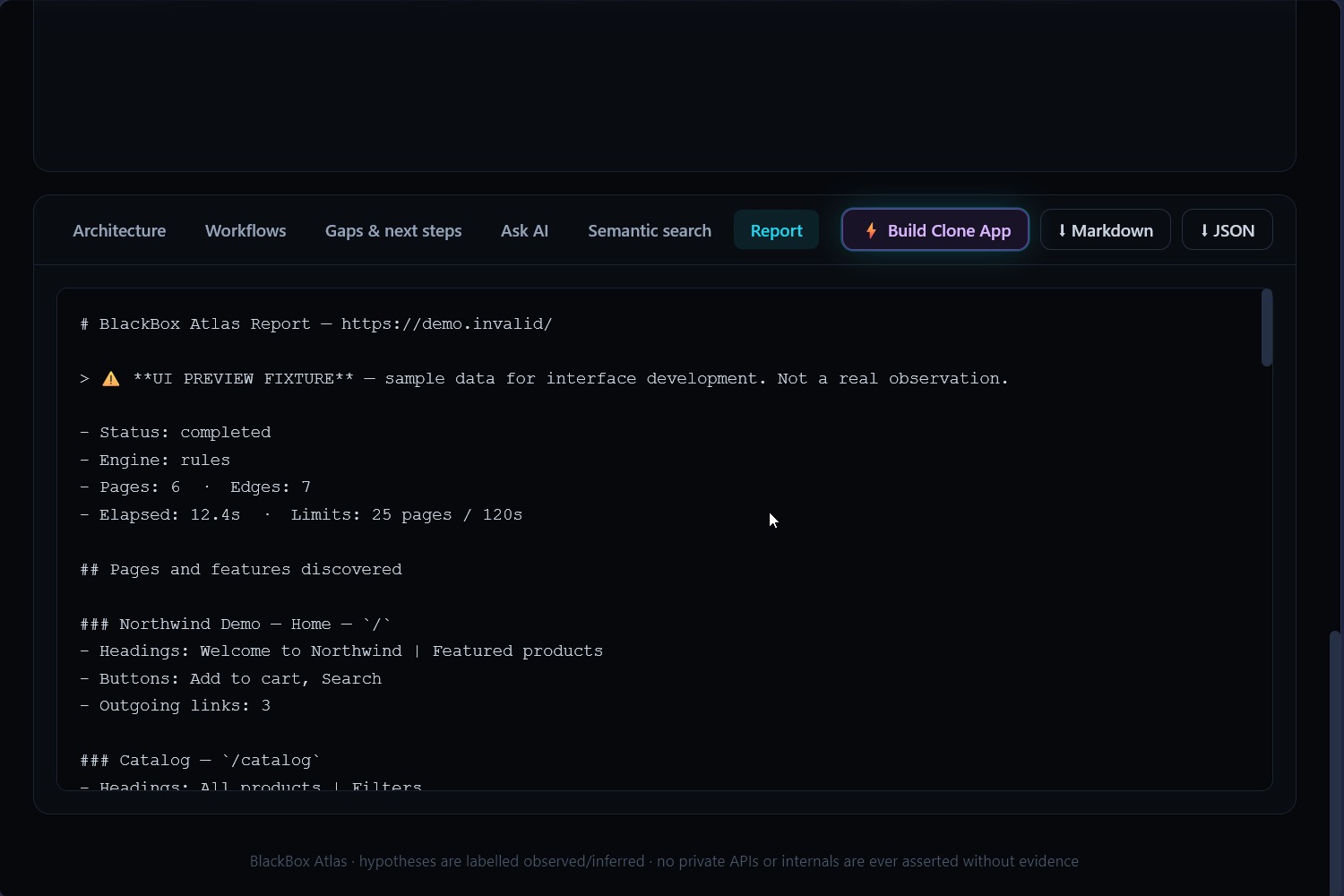
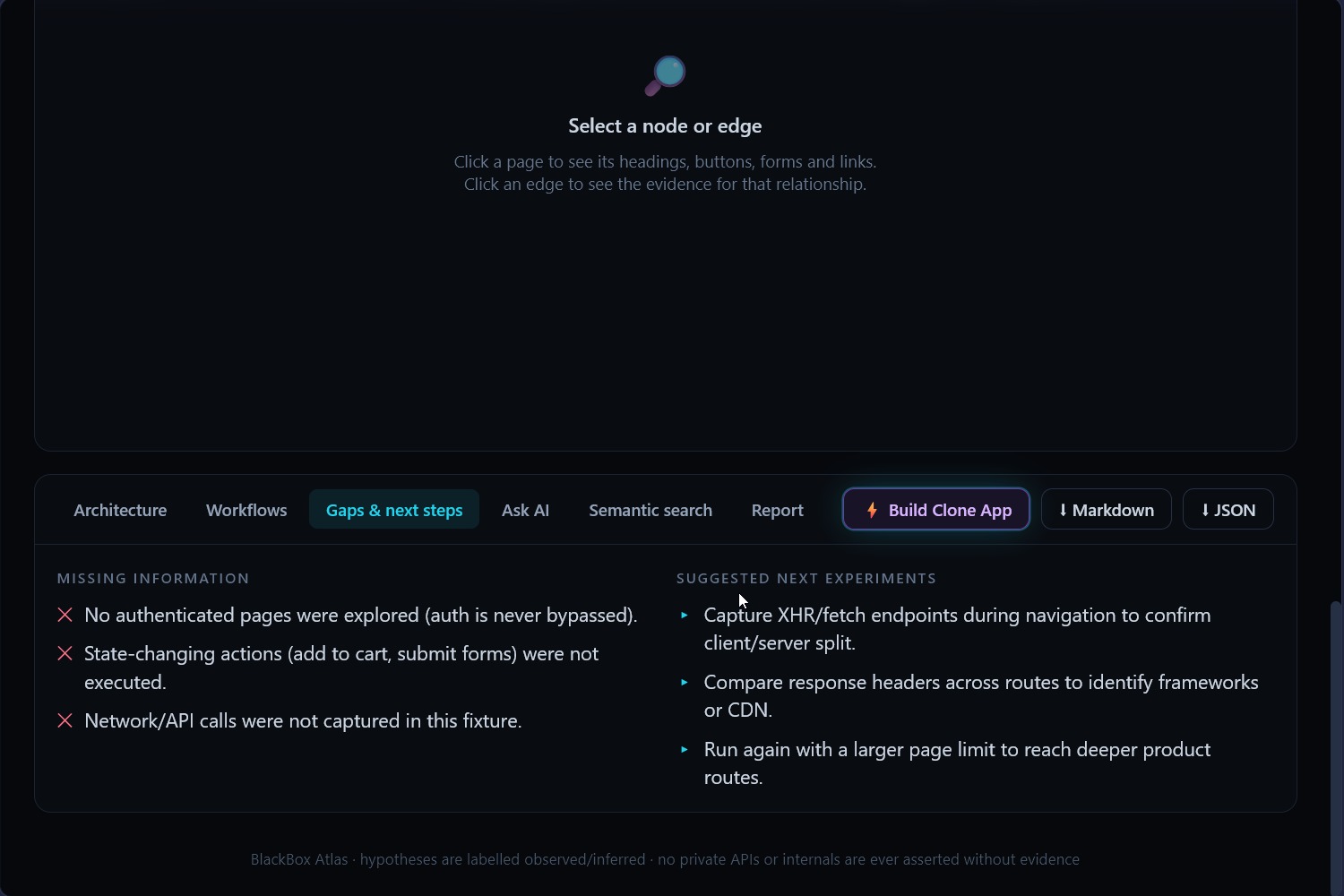
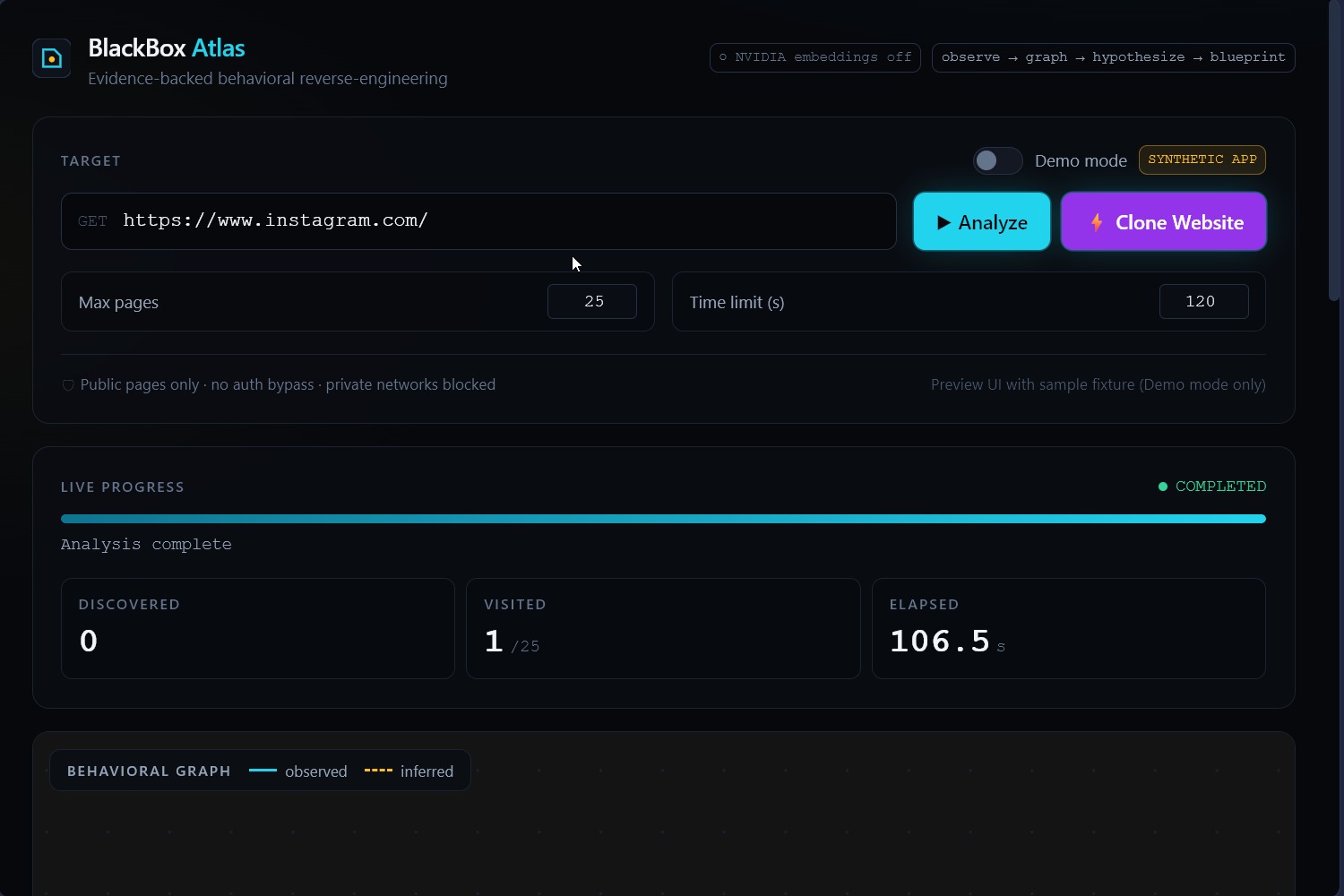
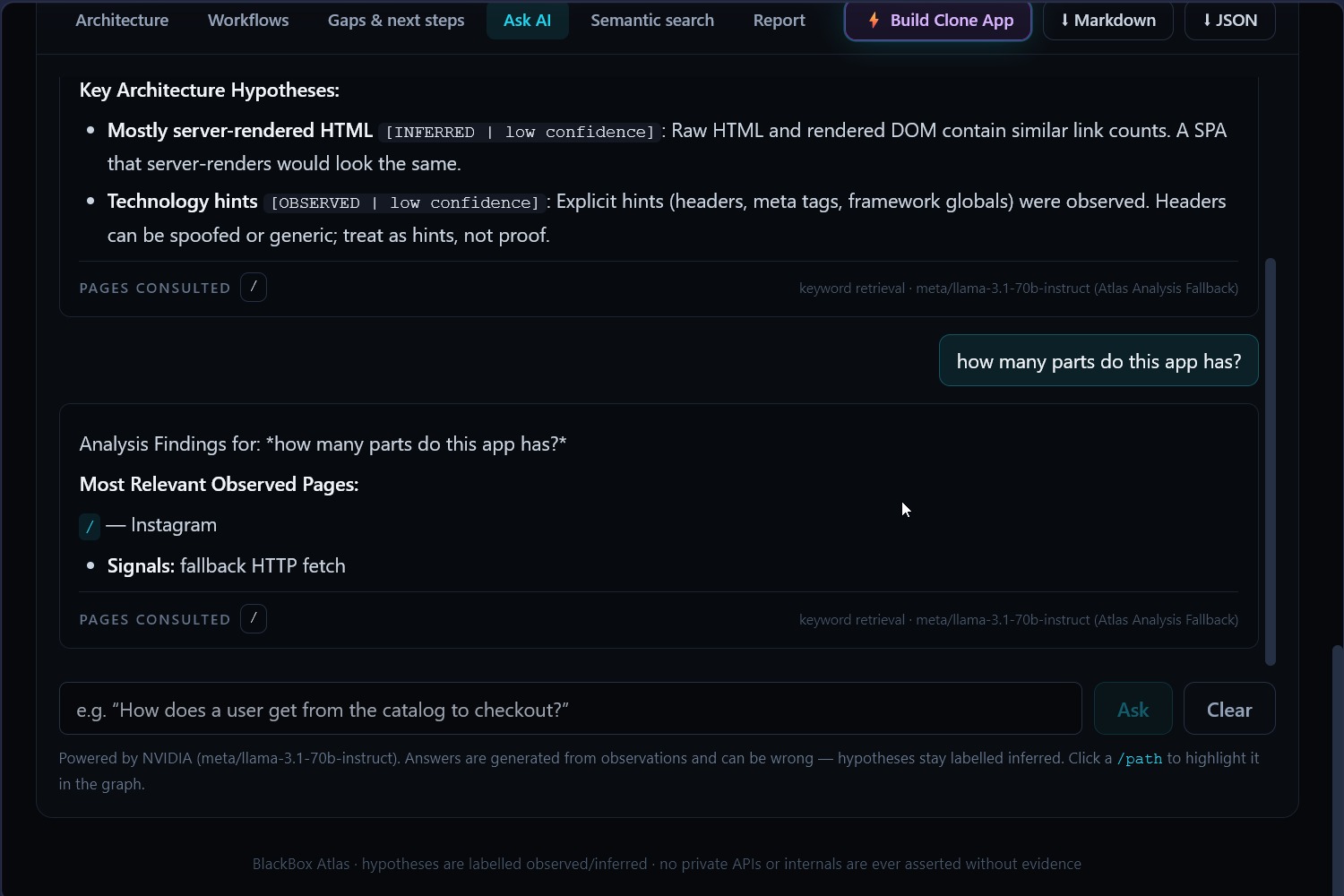
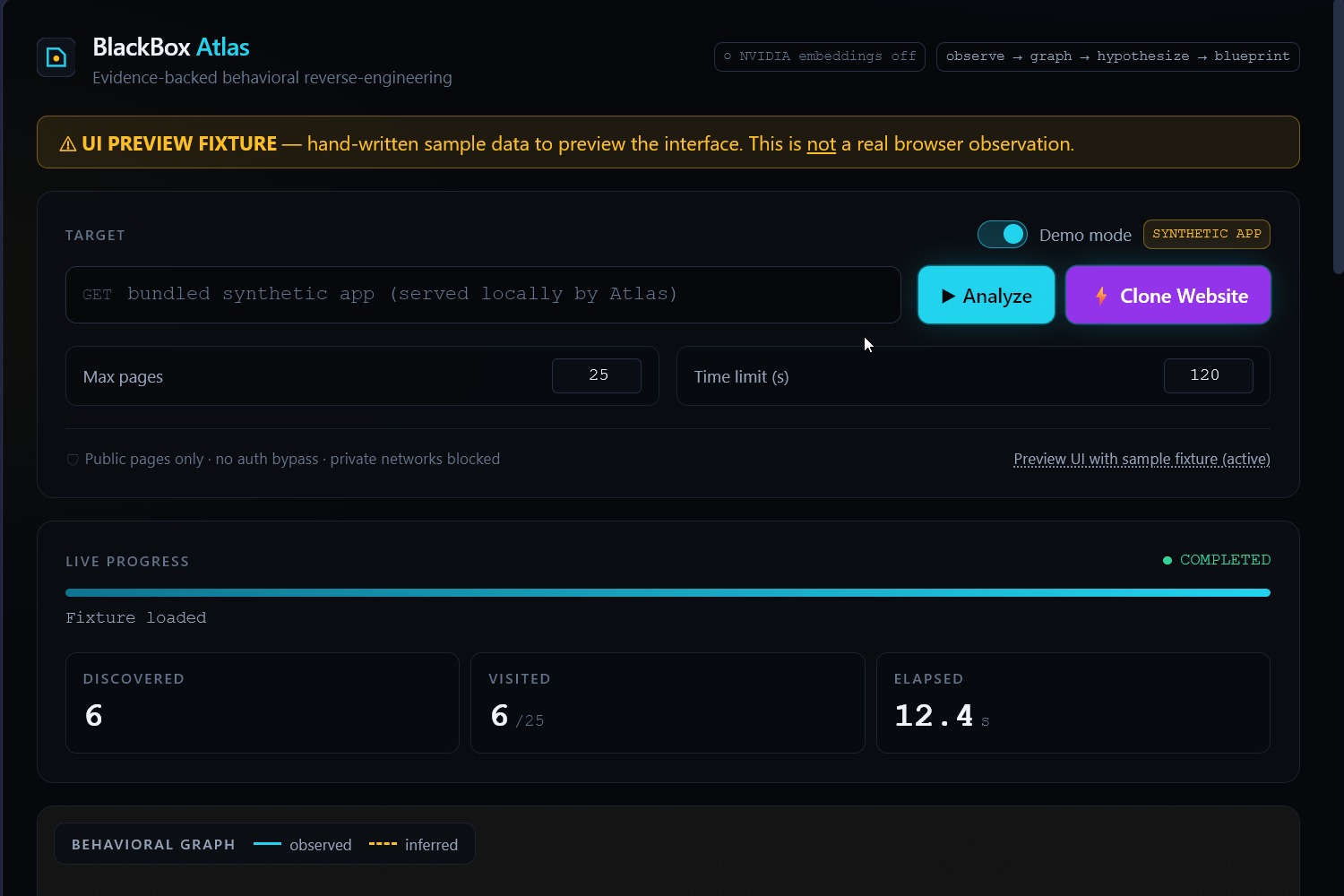
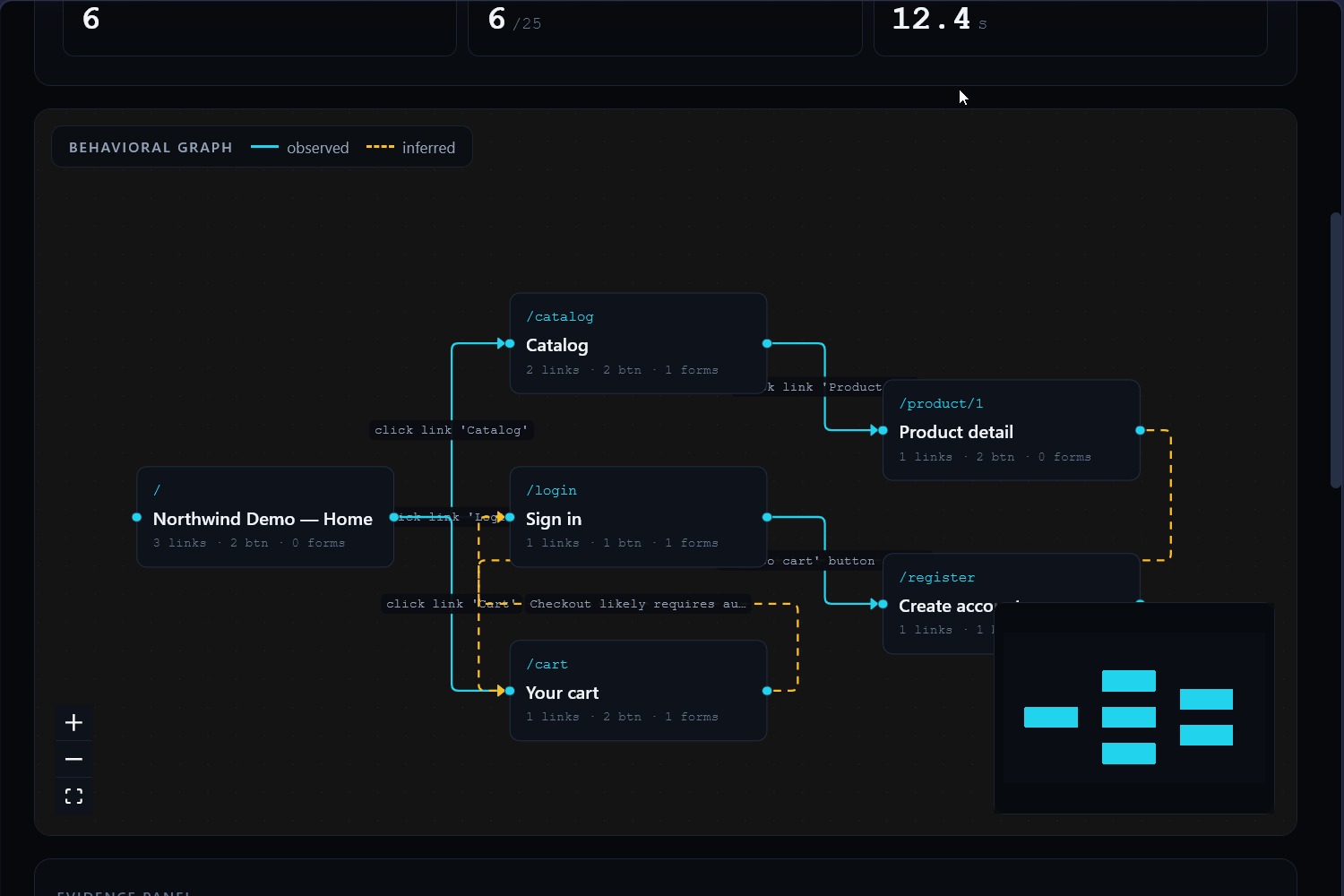
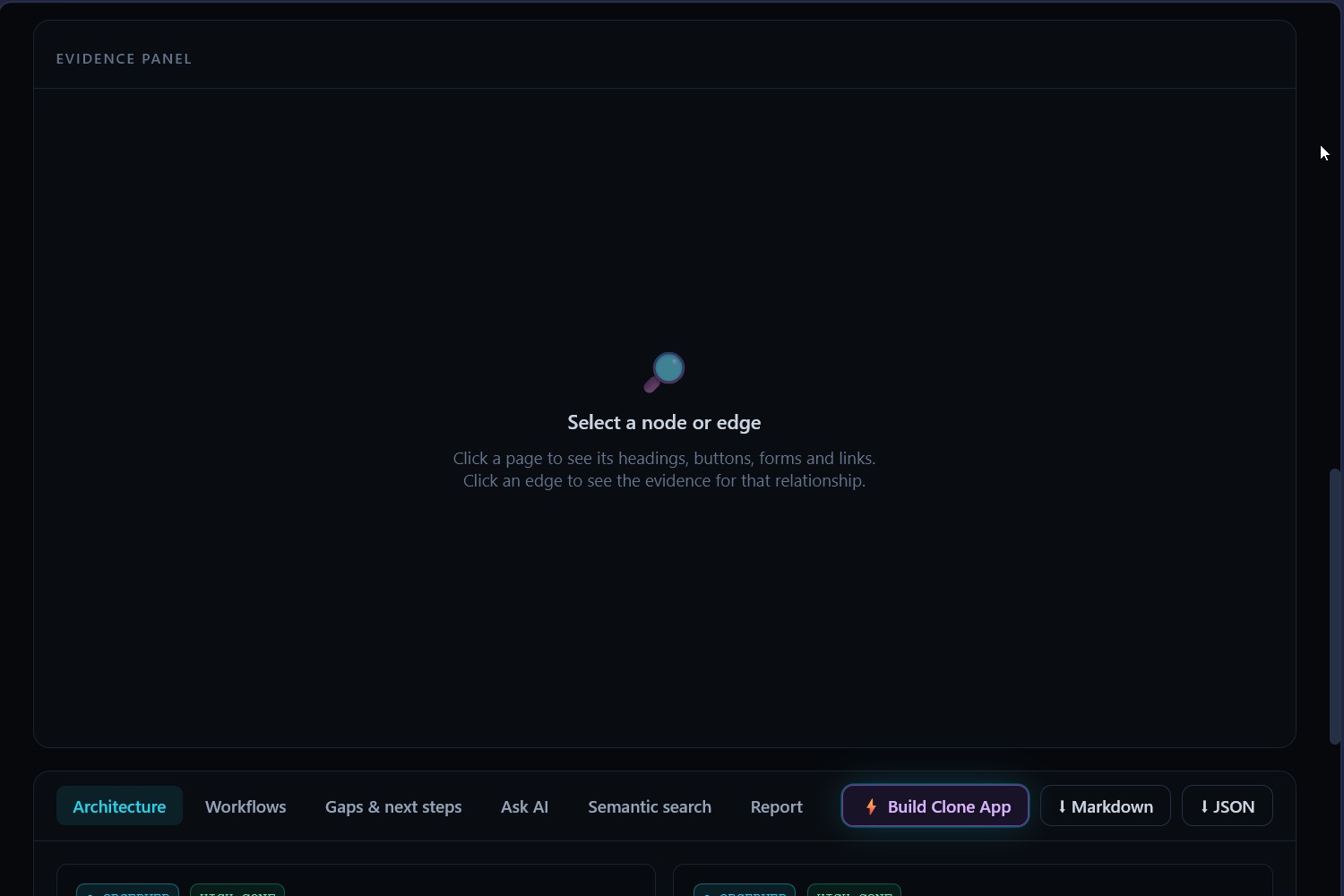
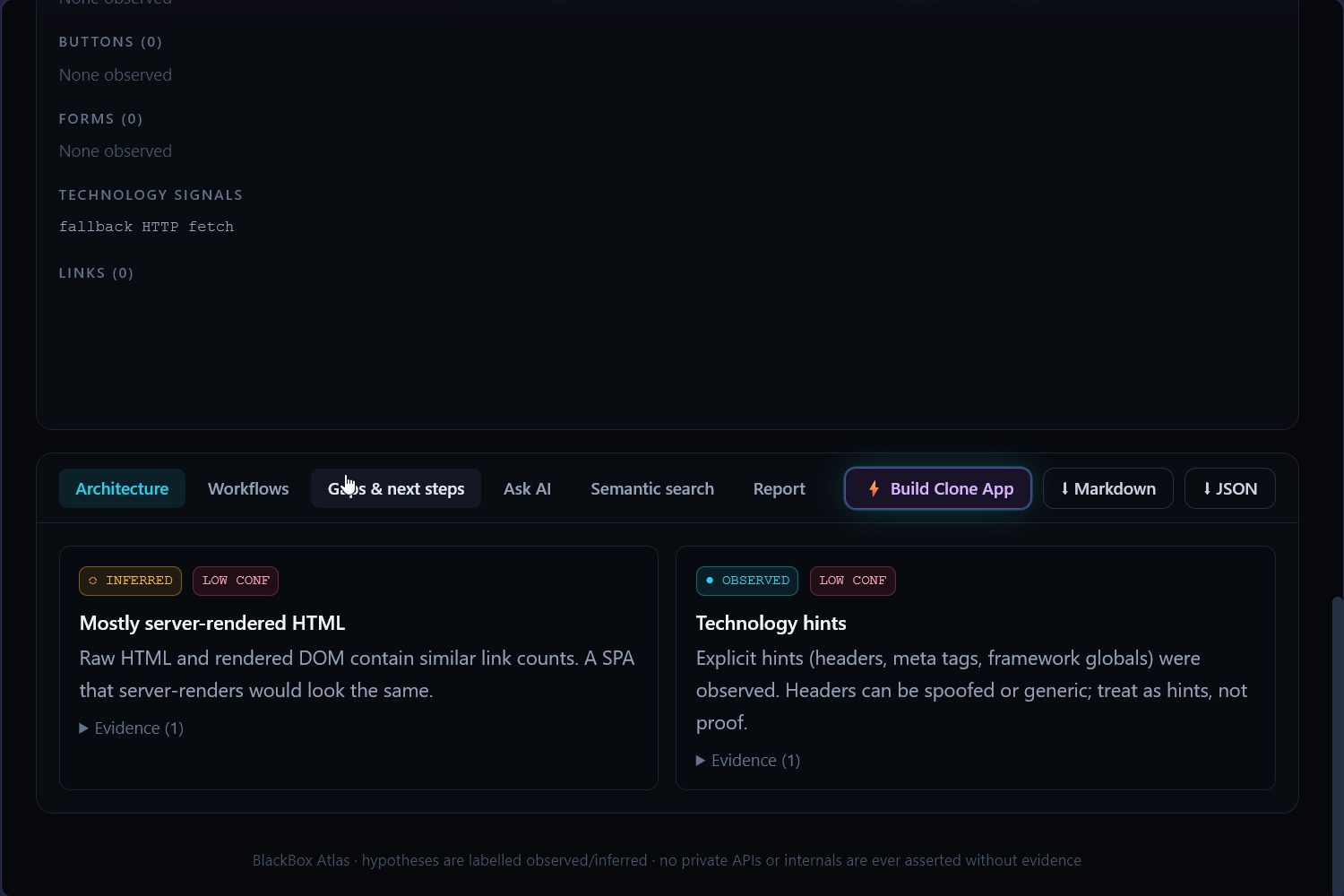
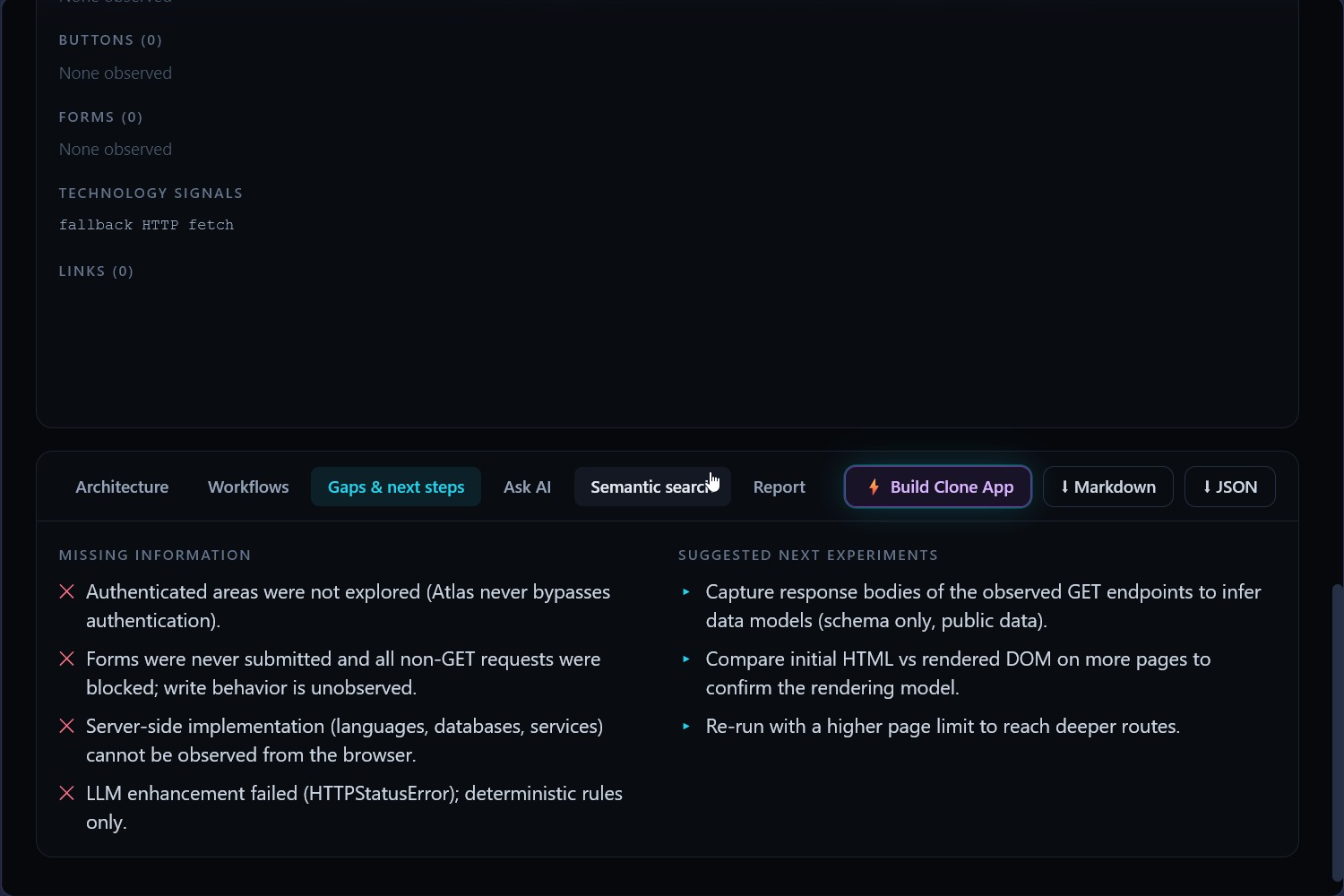
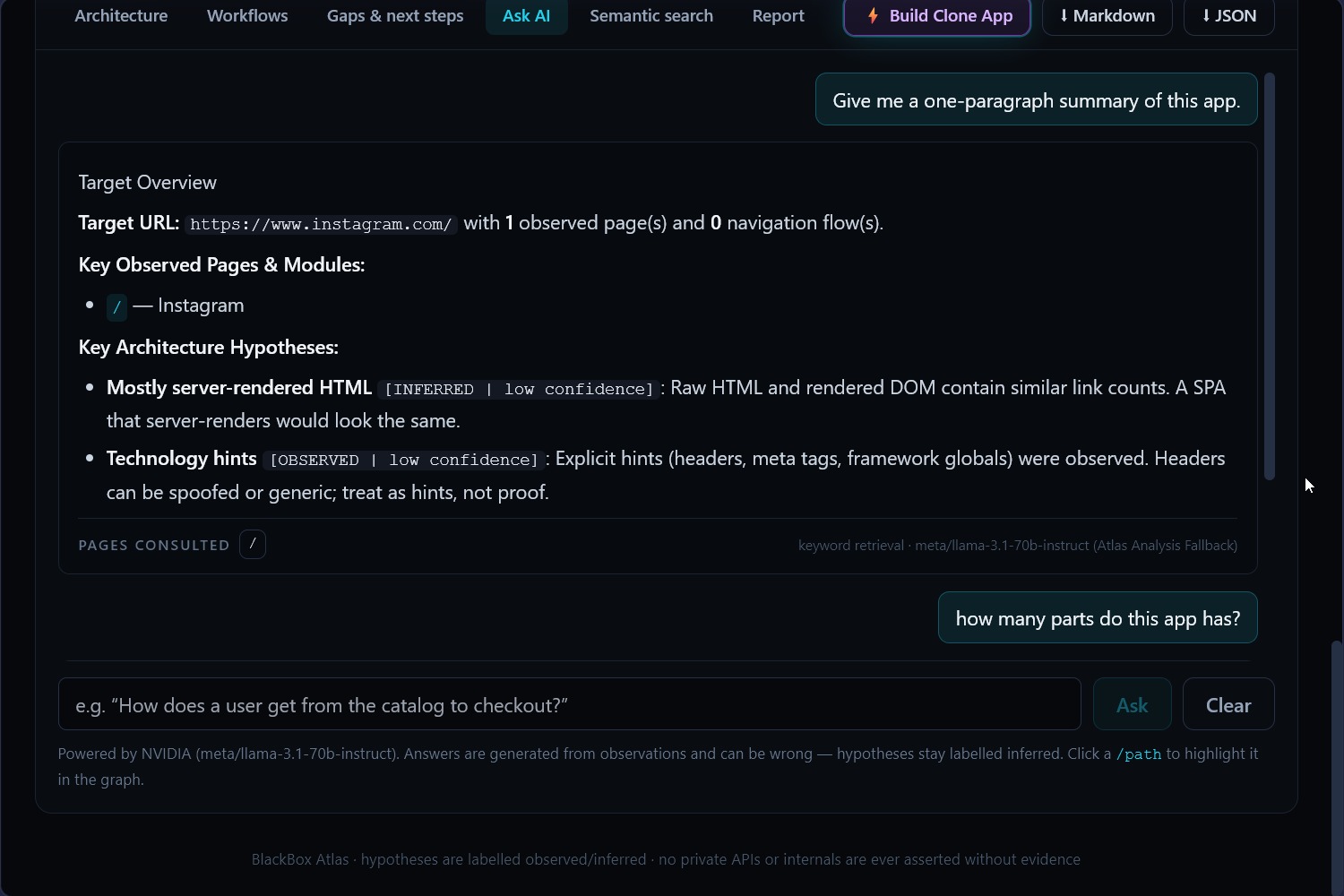
Blackbox Atlas helps users analyze existing websites and understand their design, structure, content, and functionality. It aims to go beyond extracting information by helping transform website analysis into a practical blueprint for rebuilding a functional application.
Our goal is to reduce repetitive development work and help developers move from inspiration to implementation more efficiently.
How We Built It
Rather than starting from scratch, we built upon our existing project, Lumina, preserving its core functionality and improving the website reconstruction workflow.
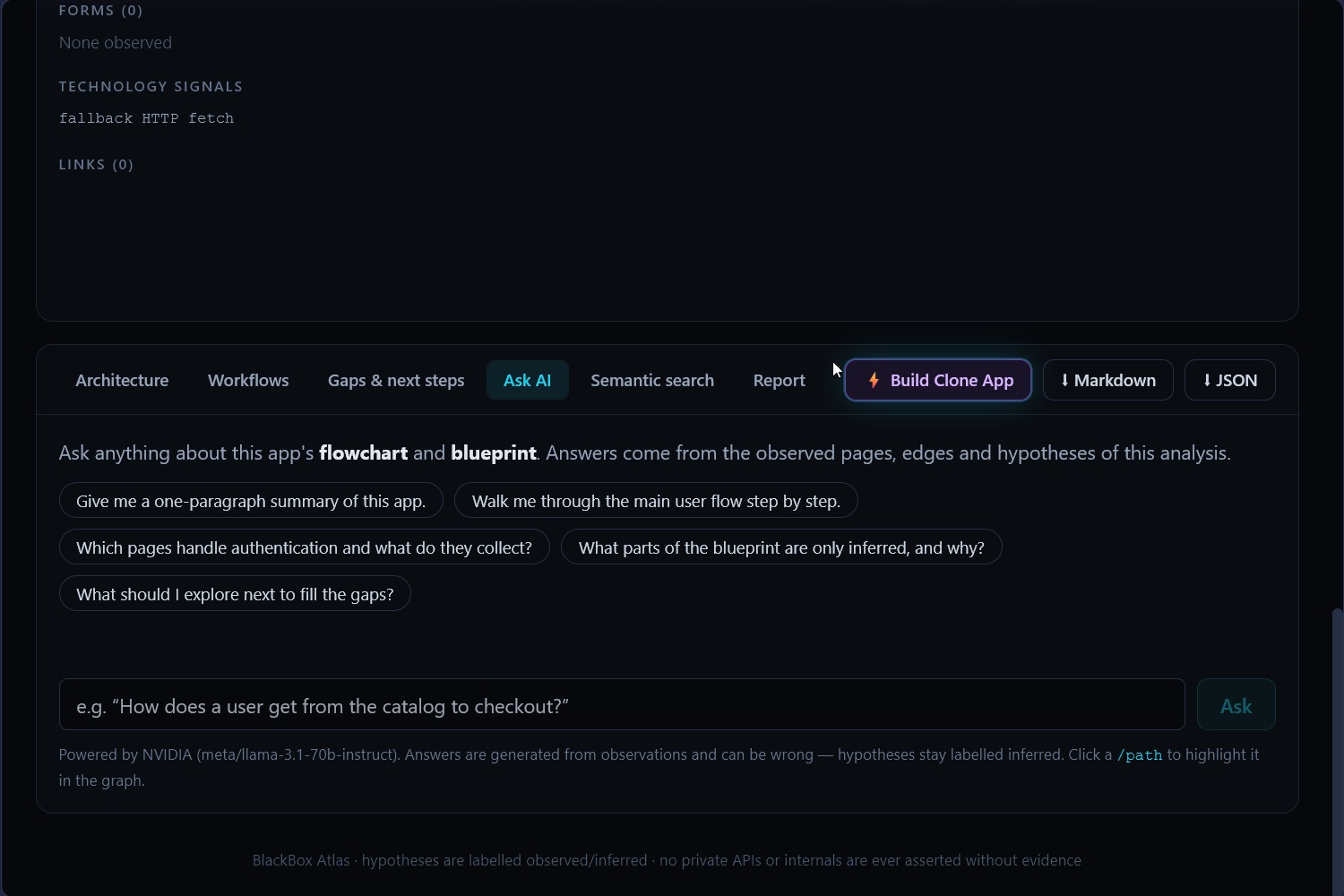
We focused on connecting website analysis with AI-assisted reasoning and code generation. The intended workflow begins with a URL, examines the website's available structure and content, and uses the resulting information to guide application reconstruction.
We also explored how large language models, structured prompts, and AI-assisted development can help interpret complex websites and generate more useful code.
Challenges We Faced
One of our biggest challenges was moving beyond generating code that merely looks correct to producing an application that can actually run and function properly.
Websites differ significantly in layout, component structure, and behavior. Reconstructing these differences while preserving the original experience requires more than simply copying visible content.
We also had to consider how to make AI-generated outputs more consistent, how to handle complex website structures, and how to connect analysis and generation into a coherent workflow.
These challenges reinforced the importance of testing, clear instructions, and iterative improvements.
What We Learned
Building Blackbox Atlas helped us understand that effective AI development is not just about choosing a powerful model. It also depends on how the problem is structured, how information is provided to the model, and how generated results are validated.
We gained valuable insights into website analysis, prompt engineering, AI-assisted coding, and the difference between generating code snippets and building complete applications.
What's Next
We envision Blackbox Atlas becoming a more capable development companion that can reconstruct complex websites with greater accuracy, preserve interactive functionality, and generate applications that are easier to run, customize, and deploy.
Our long-term goal is to make website understanding and reconstruction faster and more accessible for students, developers, and creators.
Blackbox Atlas — Decode the Web. Rebuild Possibilities.
Built With
- artificial-intelligence
- automation
- code-generation
- css
- developer-tools
- full-stack-development
- generative-ai
- github
- html
- javascript
- large-language-models
- nebius-ai
- nvidia-nemotron
- prompt-engineering
- react
- rest-api
- typescript
- web-development
- web-scraping
- website-analysis
- website-reconstruction

Log in or sign up for Devpost to join the conversation.