Inspiration
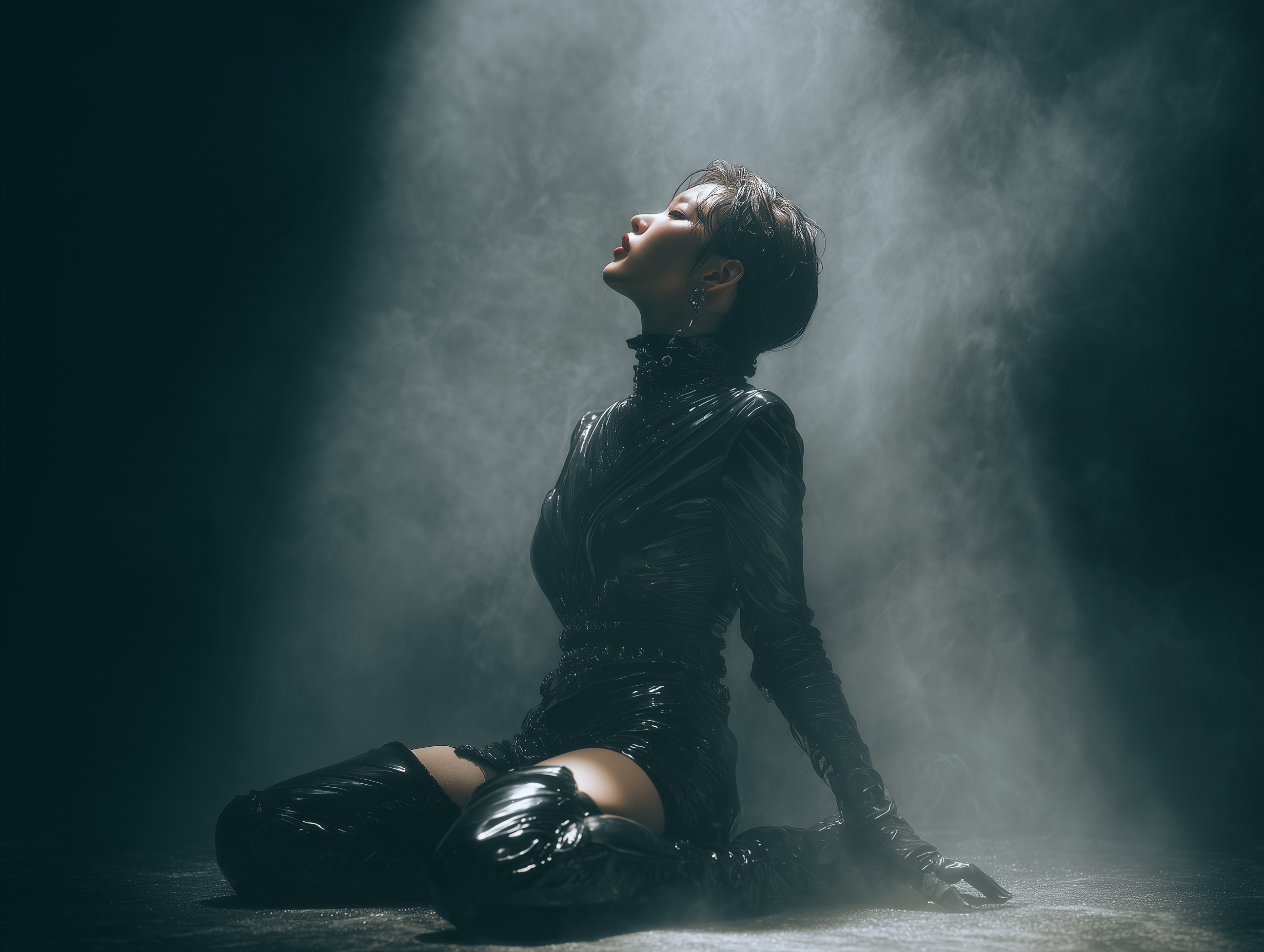
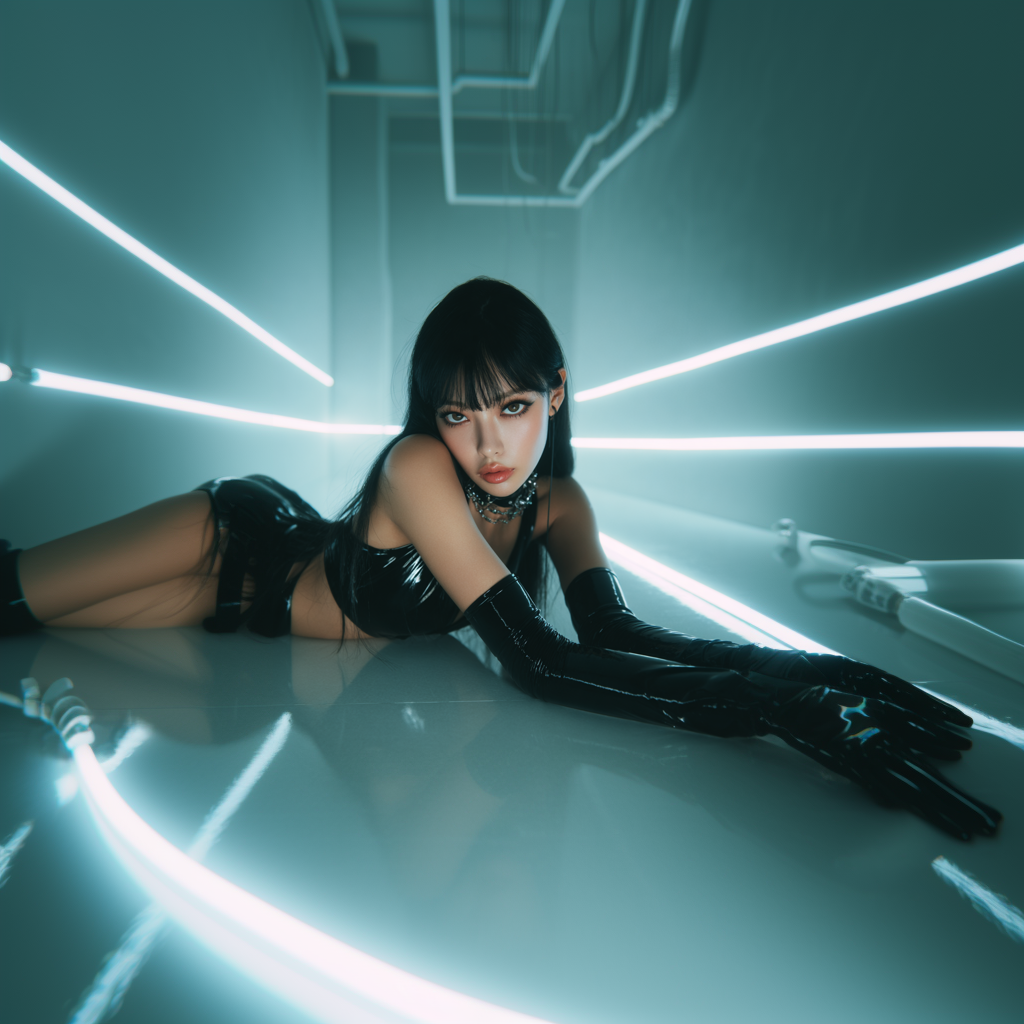
Black Mirror was inspired by the emotional tension between who we are and who we fear becoming. The project grew from the idea that everyone carries a “shadow self” — a version shaped by suppressed desires, unspoken confidence, and the darkness we avoid. Visually, the project pulls influence from neon-lit nightlife, intimate close-ups, and the unsettling beauty of looking into a mirror and not recognizing yourself. The goal was to explore how embracing our darker side can become a form of liberation rather than destruction.
What It Does
The film creates a hypnotic, psychological journey where a woman confronts the darker version of her identity living inside her reflection. Instead of resisting this shadow, she follows it, slowly merging with it. Through stylized lighting, tight framing, and subtle digital distortions, Black Mirror transforms self-reflection into a cinematic metaphor for internal acceptance: to evolve, she must stop hiding from the part of herself she fears the most.
How We Built It
The project was built using an AI-first visual pipeline. We combined: AI video generation models Frame-by-frame refinement Color-grading to intensify the neon/dark contrast Facial dynamics created through controlled prompting Motion consistency tools to maintain identity across shots The workflow followed a simple structure: concept → reference gathering → prompt engineering → iterative render → post-processing → sound/mood design. Mathematical precision came from repeated prompt refinement, adjusting elements such lightining, mood and identity consistency.
Challenges We Ran Into
Maintaining identity consistency across multiple shots generated by different models. Balancing beauty and darkness without losing emotional clarity. Directing the reflection’s behavior so it felt independent, but still connected to the main character. Avoiding over-stylization while keeping the visuals cinematic. Fine-tuning subtle facial expressions — especially the shift from fear → curiosity → acceptance.
Accomplishments That We’re Proud Of
Achieving a cohesive, emotionally driven visual narrative entirely through AI. Creating a reflection character that feels alive, intentional, and slightly dangerous. Crafting a tone that is both intimate and cinematic — a psychological short that communicates without dialogue, building a strong thematic arc around self-acceptance and identity transformation.
What We Learned
We learned that AI can be used not just as a generative tool but as a storytelling partner. By iterating prompts and refining facial behavior, we could direct emotion at a micro-level. The process also revealed how small changes in lighting, contrast, or model choice can shift meaning — making the mirror feel either threatening or welcoming. Most importantly, we learned how AI amplifies symbolic storytelling when used with intent and restraint.
What’s Next for Black Mirror
The next step is expanding the concept into a longer experimental piece that dives deeper into the idea of digital identity and the psychology of the shadow self. We aim to explore multi-character reflections, environmental distortions, and a stronger narrative arc that shows what happens after she fully becomes her darker side. There is also potential for an installation version — a looping mirror experience where viewers confront their own AI-generated shadow.
Built With
- higgsfield
- kling
- krea
- midjourney
- suno
- veo3

Log in or sign up for Devpost to join the conversation.