-
-
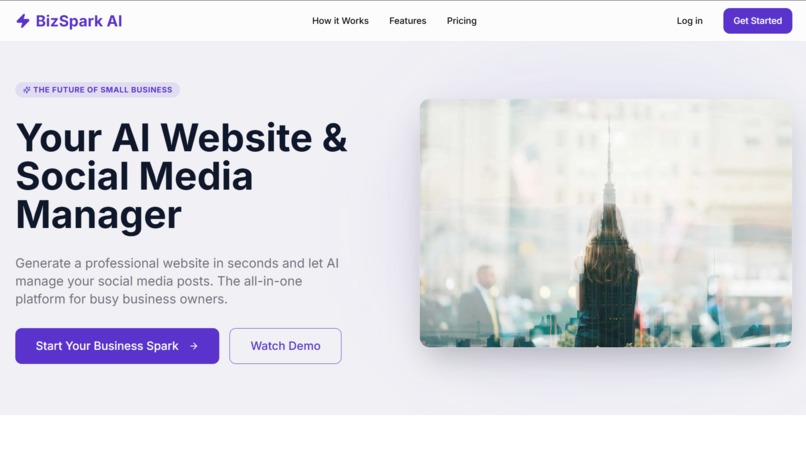
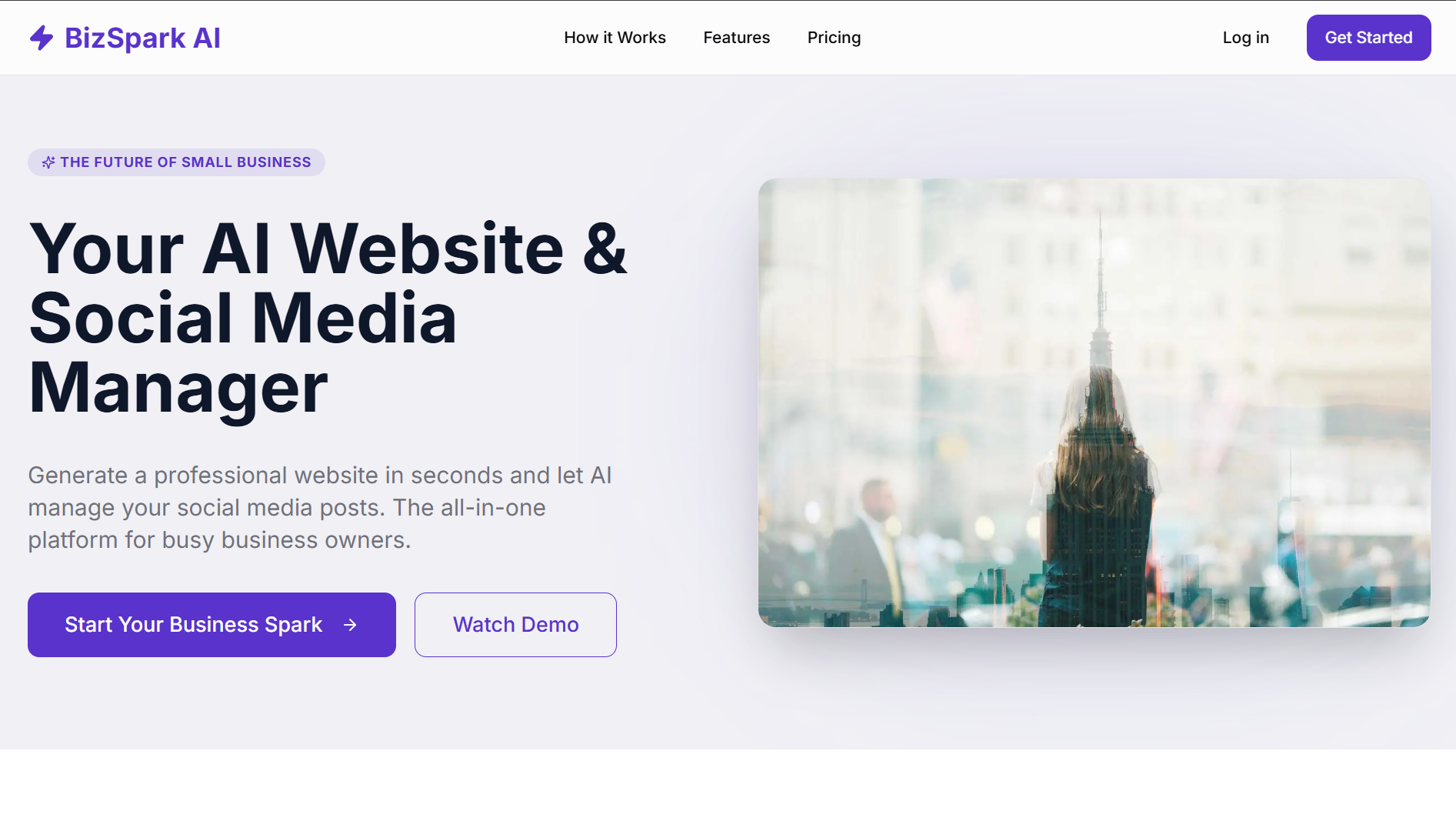
Homepage
-
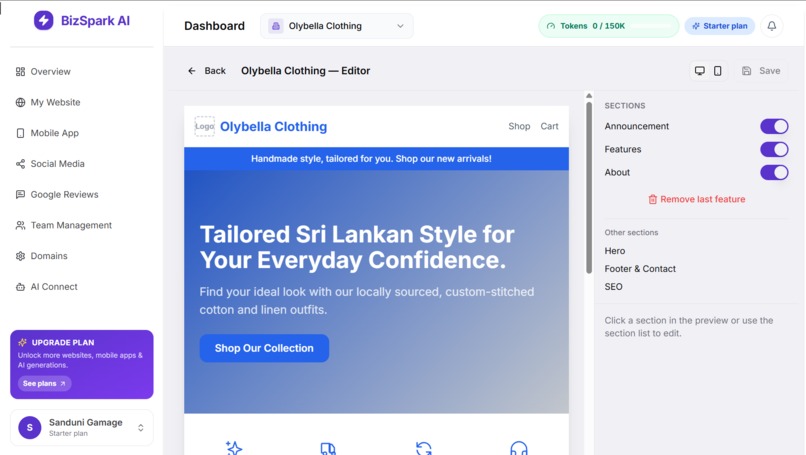
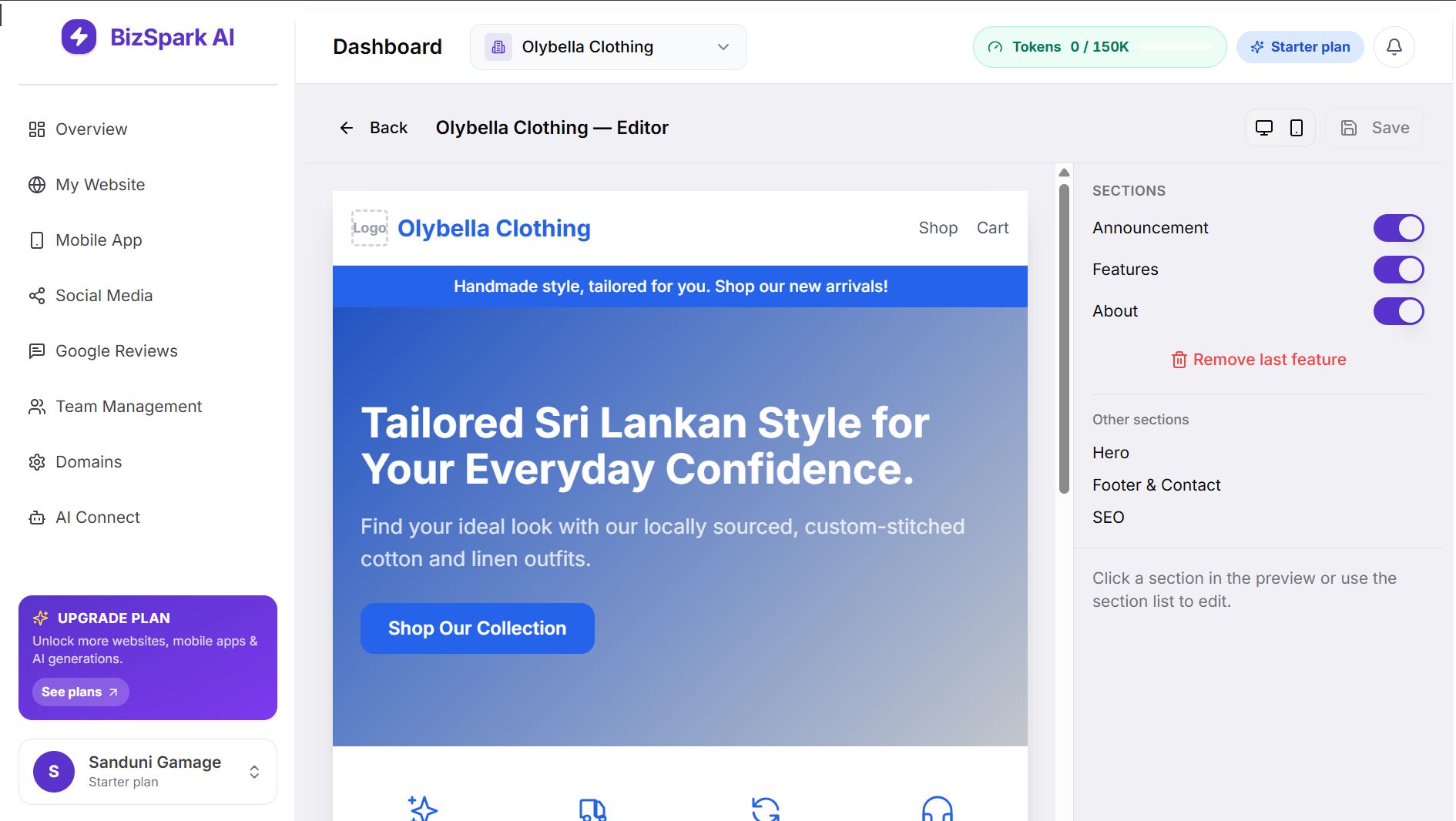
SaaS Dashboard
-
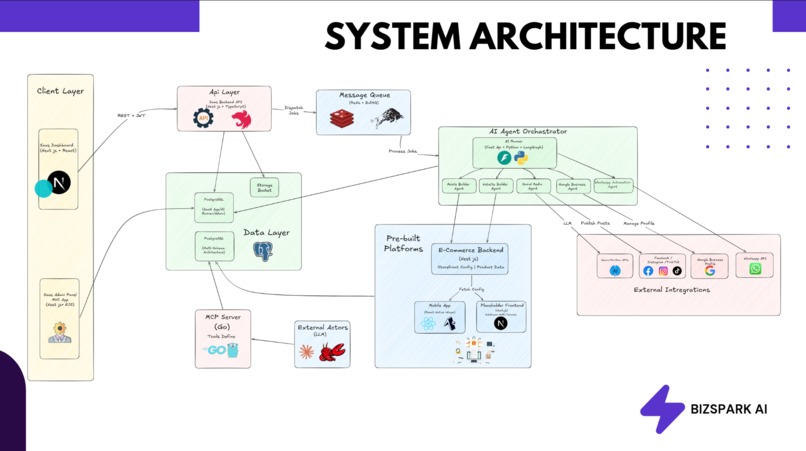
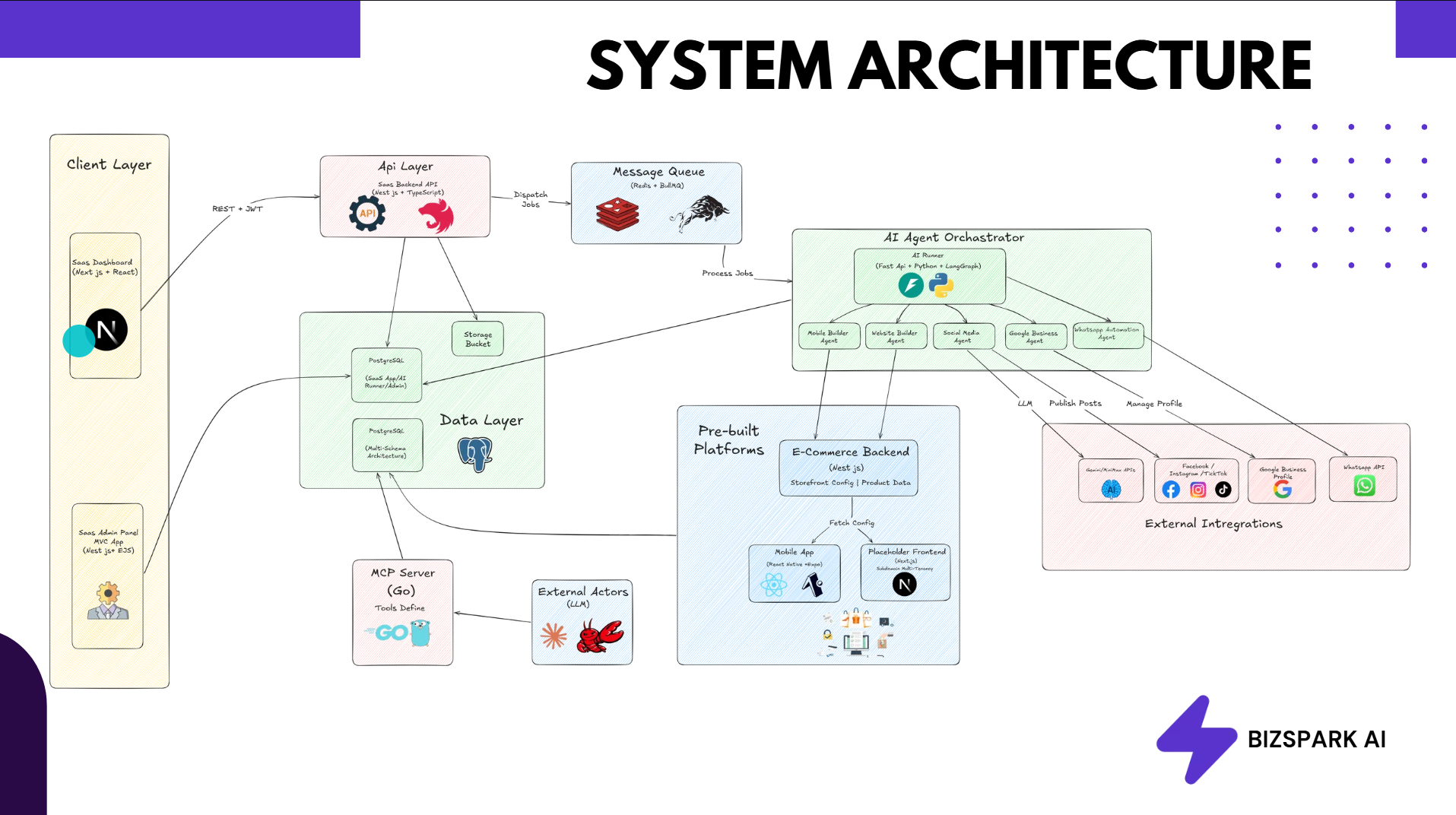
System Architecture
-
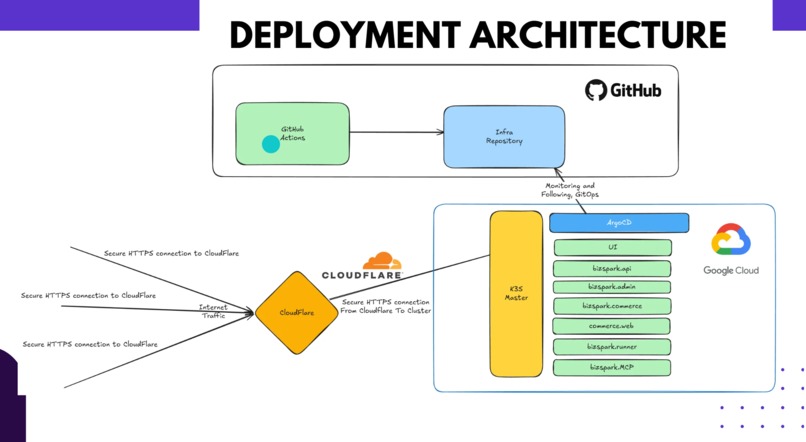
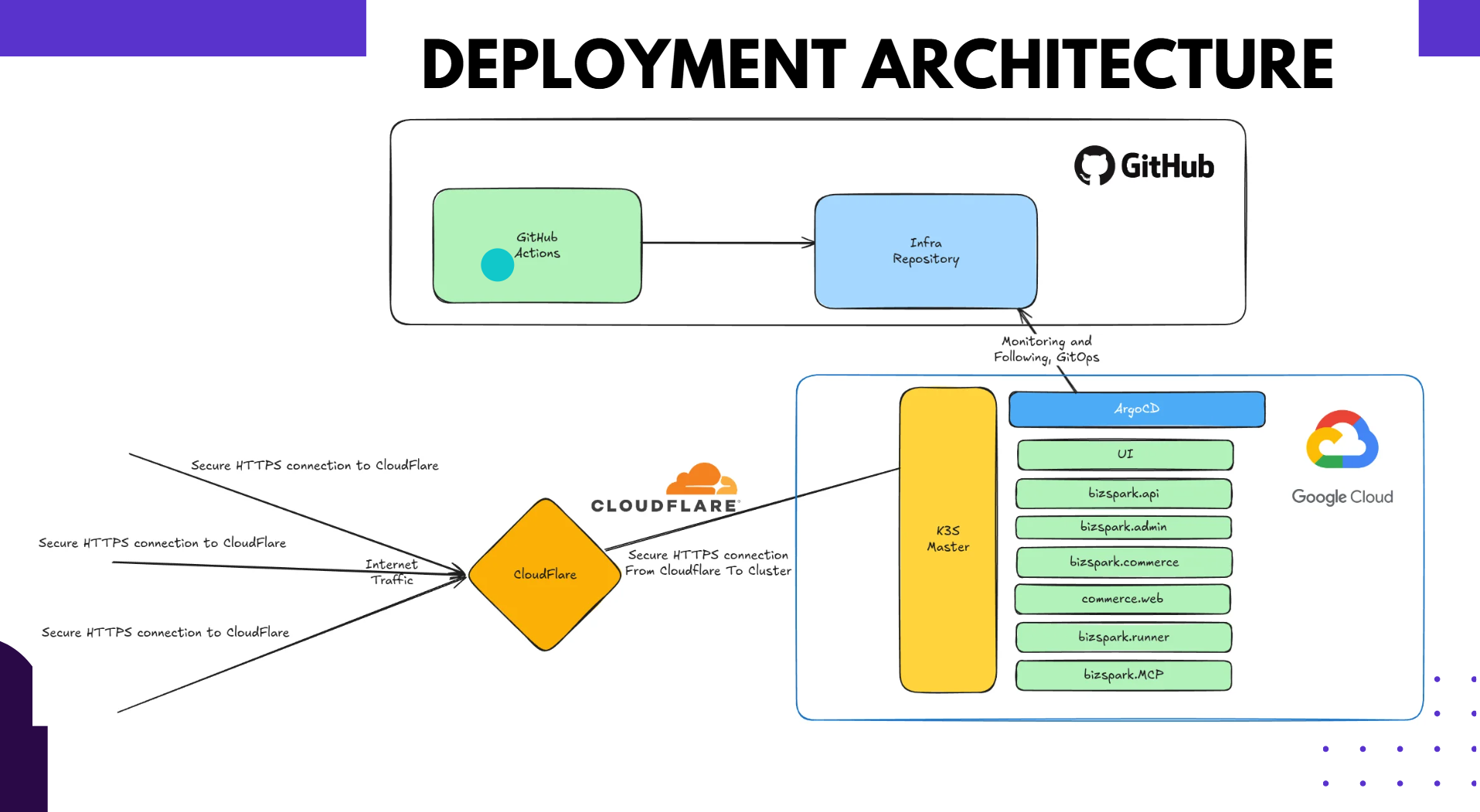
`Deployment Architecture
The Problem
Sri Lanka has 1M+ SMEs that contribute ~52% of GDP, yet most run their whole operation by hand. A single owner is expected to build a website, market on social media, manage reviews, and answer every customer message and order on WhatsApp, all manually, all day, while also making and delivering the product. Professional help (developers, marketers, a support team) costs LKR 100,000+ and is out of reach. The result: businesses stay invisible, miss orders, and never scale. These are real, manual, judgment-heavy B2B operations that owners would gladly pay to automate.
Our Solution: BizSpark AI
BizSpark AI is a B2B agentic platform: an "agentic layer" that autonomously runs a small business's digital operations. Instead of hiring a developer, a marketer, and a support team, the owner describes the business once and a coordinated workforce of AI agents does the work:
- Website Builder Agent: creates and maintains the business's web presence.
- Social Media Agent: plans, writes, and publishes multi-channel marketing (Facebook, Instagram, TikTok).
- Google Business Agent: manages the profile and drafts replies to customer reviews.
- Mobile Builder Agent: produces a branded mobile app for the business.
- WhatsApp Sales Agent: handles customer conversations and takes orders on WhatsApp, end to end.
- AI Connect (MCP): a Go Model Context Protocol server that lets the owner operate the whole business conversationally through an AI assistant like Claude ("how many orders this week?", "add this product and announce it").
These agents are coordinated by an AI orchestrator, turning a solo owner into a fully-staffed digital business. Our customer is the business (B2B SaaS, like Shopify or HubSpot); each agent replaces hours of manual work, a clear ROI owners pay a subscription for.
The Agentic Loop (how our agents reason)
Every BizSpark agent is a LangGraph stateful reasoning graph, not a rigid script. Each one receives a goal, reasons through the steps, dynamically selects tools and live data, handles failure, and keeps a human in control. The shared pattern is Perceive → Reason with tools → Decide → Act → Recover / Escalate.
To show the depth, take the order-handling flow (the WhatsApp Sales Agent). For each customer message it:
- Perceives and classifies intent (question, order, negotiation, complaint, or off-topic); low-confidence messages are flagged, not guessed.
- Reasons with live tools: checks catalog, stock and price before answering, and never invents data.
- Handles ambiguity: asks targeted follow-ups for missing details, and manages multi-turn negotiation.
- Acts: builds the cart, generates a PayHere payment link, verifies payment, and creates the order.
- Recovers from tool errors: out of stock leads to alternatives; a failed payment or API is retried, then escalated.
- Knows its limits: complaints, refunds, high-value or low-confidence cases are escalated to the owner.
The same reasoning engine drives the whole layer: the Social Media Agent decides what to promote, on which channel, and when, adapting to engagement; the Google Business Agent judges the tone and content of each review reply; the Website Builder Agent chooses layout and copy from the business's data. Every agent handles ambiguity and tool failure the same way, with the human able to approve or override.
Architecture and Tool Mapping
BizSpark is designed as a layered, containerized, multi-tenant SaaS.
- Agent runtime: Python + LangGraph AI Runner, run as async workers via a Redis + BullMQ queue so heavy work never blocks the system.
- API layer: NestJS backend + multi-tenant Commerce backend (schema-per-tenant isolation).
- AI Connect: a Go MCP server exposing the business as secure, scoped tools to external AI assistants.
- Data (dockerized): PostgreSQL (multi-schema) + MinIO (S3-compatible storage).
- Infra: Kubernetes (K3s) + GitOps (ArgoCD), Cloudflare.
External tools the agents dynamically select and use (well over the 3 minimum): Gemini and MiniMax (LLM and image), WhatsApp Business API, Meta APIs (Facebook, Instagram, TikTok), Google Business Profile API, and PayHere payments. Failure tolerance comes from modular micro-services, the async queue, tool retries, and graceful degradation.
Human-in-the-Loop (HITL)
Human control sits exactly where it matters most: before an agent commits a public action. Owners get review-before-publish on AI marketing posts and review replies, and a live Conversation Console for the WhatsApp Sales Agent: auto-handle low-risk messages, approve, edit, or override high-value or low-confidence ones, and receive all escalations. MCP keys are per-business, scoped, and read-only. This keeps the automation powerful but accountable.
What's Next (Phase 2)
In the build week we will develop a working version of the agentic platform and demonstrate its reasoning live through the order-handling agent: an end-to-end run of the LangGraph loop dynamically selecting tools (catalog, payment, orders), recovering from failures, and escalating to the owner through the Human-in-the-Loop Console, tested with real, unrehearsed messages.
Built With
- bullmq
- cloudflare
- docker
- expo.io
- fastapi
- gemini
- go
- google-business-profile-api
- kubernetes
- langchain
- langgraph
- mcp
- minimax
- minio
- nestjs
- next.js
- payhere
- postgresql
- python
- react
- react-native
- redis
- typescript
- whatsapp-business-api

Log in or sign up for Devpost to join the conversation.