-
-
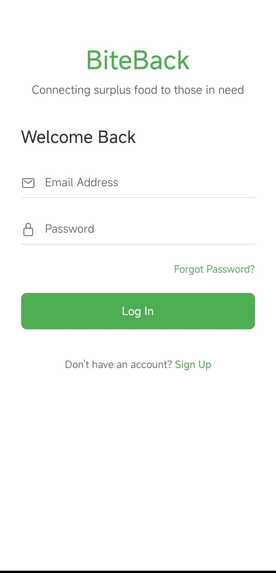
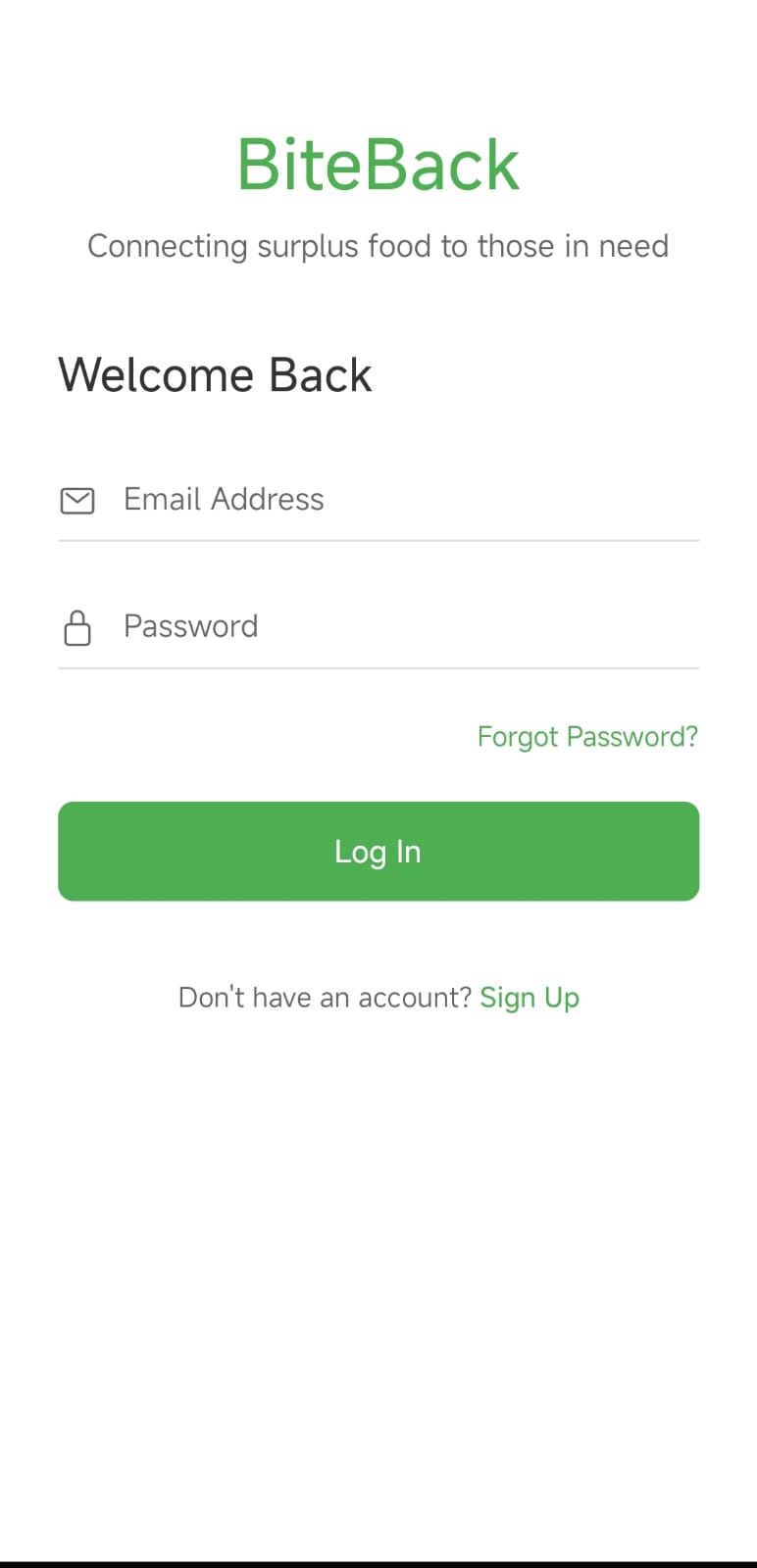
Login page
-
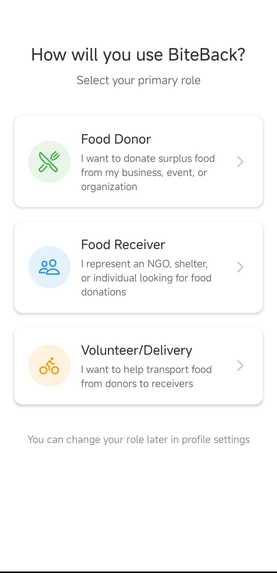
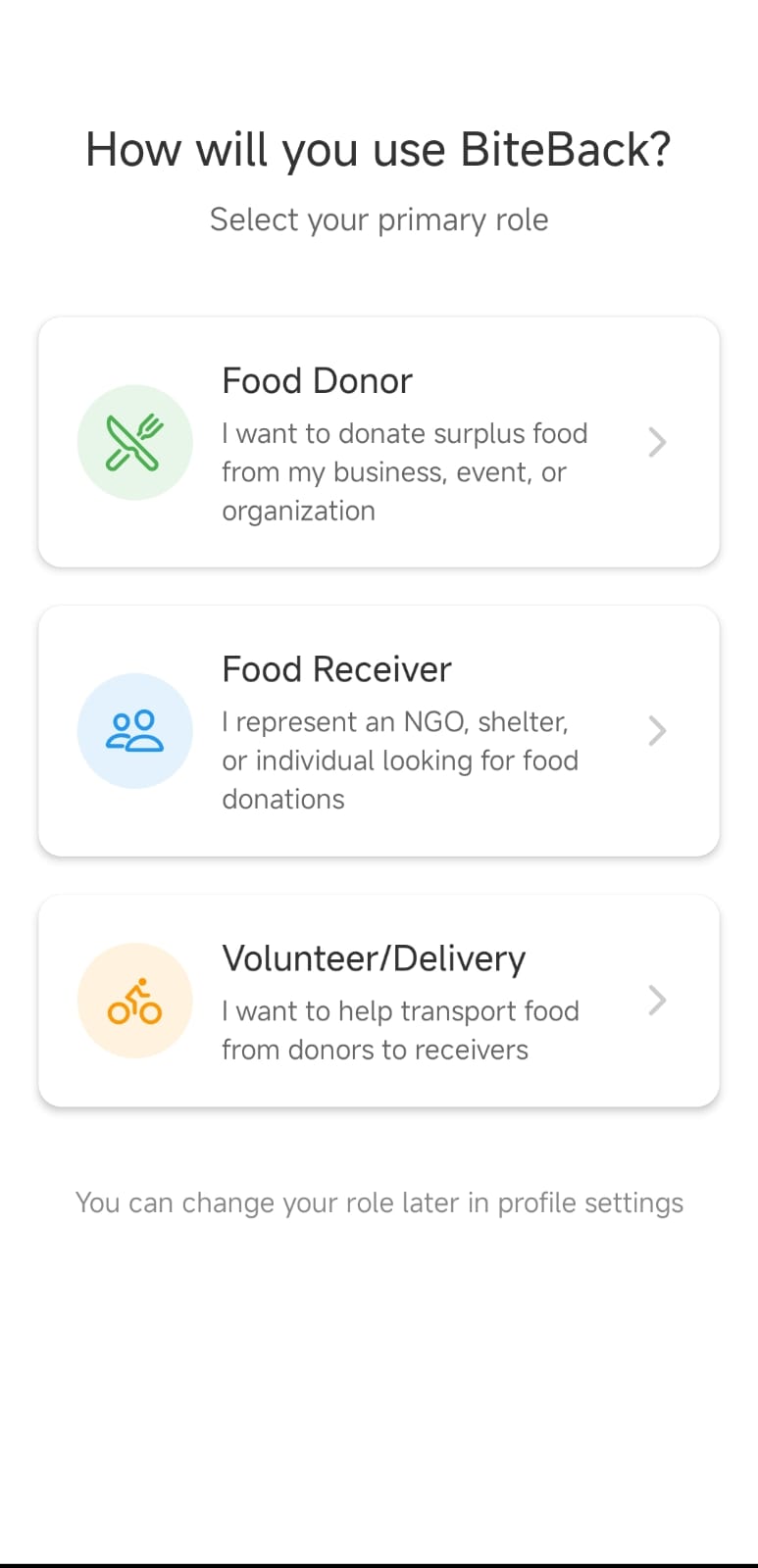
Landing page
-
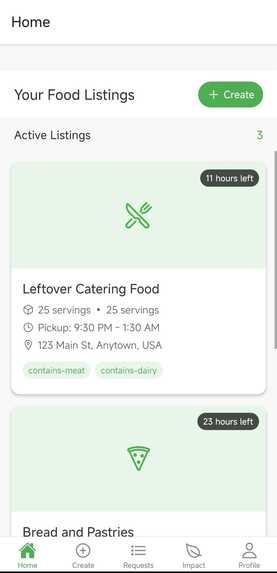
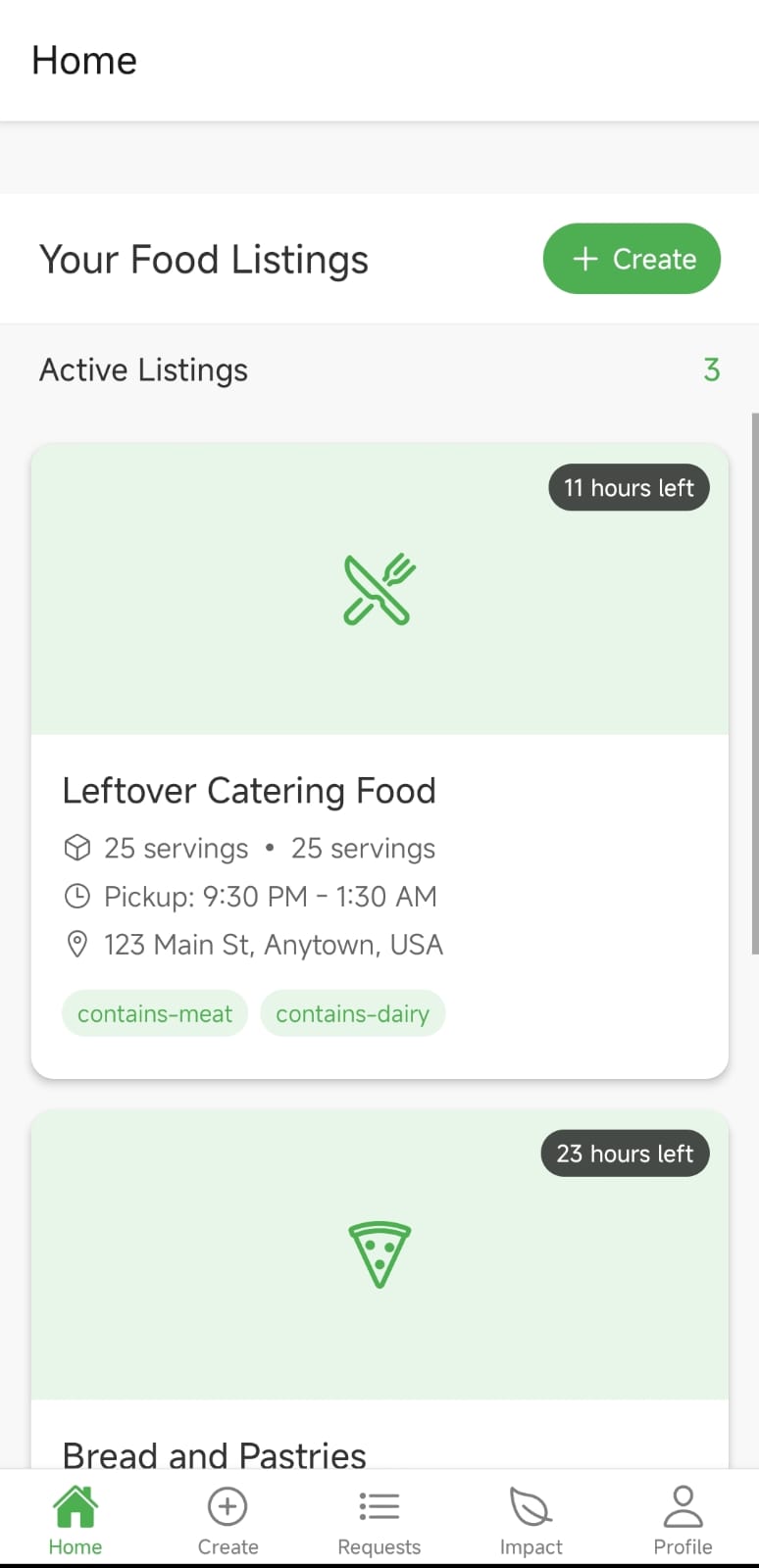
Food listings
-
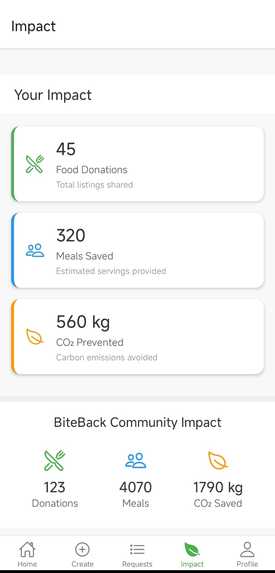
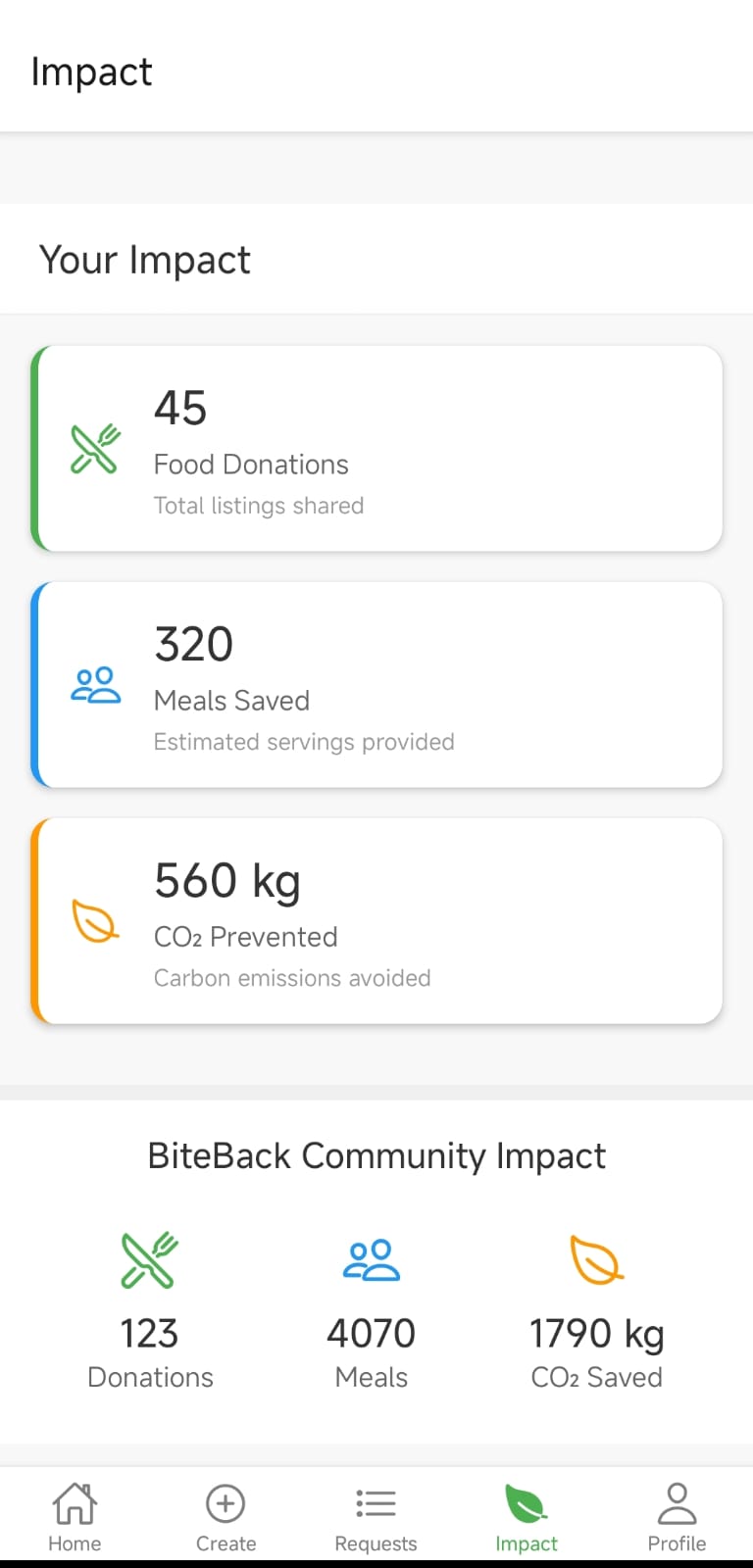
Your impact
-
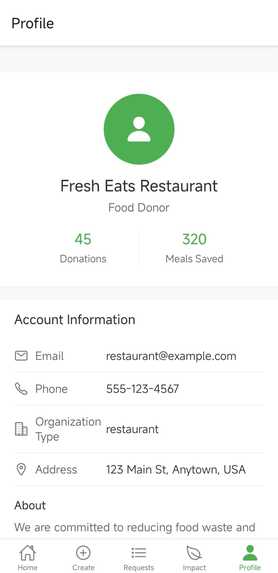
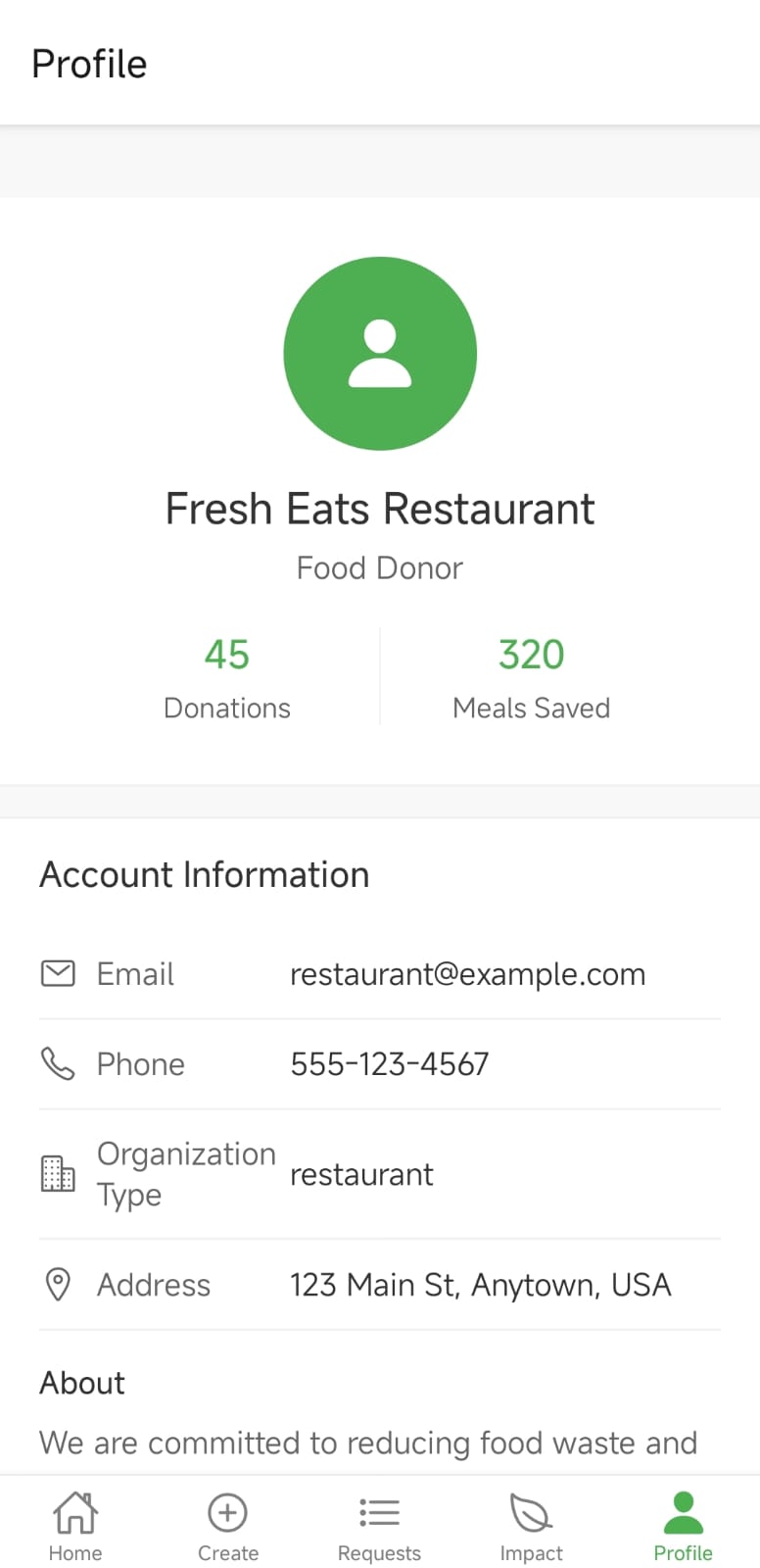
Restaurant profile display
Inspiration
Every day, restaurants and households discard large amounts of edible food, while millions of people struggle with hunger. Seeing this imbalance, we wanted to create a solution that efficiently redirects surplus food to those in need. Our goal is to tackle food waste and hunger together in a way that is scalable and sustainable.
What it does
BiteBack is a platform that connects restaurants, hotels, and households with NGOs that distribute surplus food to people in need. It streamlines food donation by ensuring quality control, optimizing logistics, and tracking impact in real-time.
How we built it
We developed an app and a website for BiteBack with a user-friendly frontend, ensuring smooth accessibility for donors and NGOs. The platform features:
- A responsive UI designed for seamless food donation and request management.
- Easy food listing for restaurants, hotels, and households
- NGO matching system to efficiently connect surplus food to those in need
- We are currently working on the backend to integrate real-time logistics, food quality moderation, and impact tracking, ensuring a streamlined and scalable solution. ## Challenges we ran into
- Creating a seamless user experience – Designing an intuitive and responsive UI for both donors and NGOs while ensuring accessibility across devices.
- Handling frontend-backend integration – Since the backend is still under development, we relied on mock data to test interactions and plan for future integrations.
- Ensuring food safety and trust – Establishing a system where restaurants, donors, and NGOs feel confident about the quality and safety of redistributed food.
- Balancing impact with sustainability – Finding a monetization model that allows BiteBack to scale while maintaining its core mission of reducing food waste and hunger. ## Accomplishments that we're proud of
- Developed a functional frontend – Designed and created an app, making food donations accessible and seamless.
- Built an intuitive food donation system – Created a structured UI for restaurants, hotels, and households to list surplus food efficiently.
- Planned a scalable backend integration – Laid the groundwork for backend features like real-time logistics, food quality moderation, and NGO coordination.
- Took the first step toward real-world impact – Built a solid foundation for a platform that can tackle food waste and hunger at scale. ## What we learned
- The importance of logistics optimization in food donation
- How to balance social good with financial sustainability
- The challenges and opportunities in scaling a food redistribution network ## What's next for BiteBack
- Developing the backend – Implementing real-time logistics, food quality moderation, and NGO coordination to power the platform.
- Testing with real users – Running a pilot phase to gather feedback from restaurants, NGOs, and end- users.
- Refining the monetization model – Ensuring a sustainable balance between social impact and financial feasibility.
- Expanding partnerships – Collaborating with more restaurants, hotels, and NGOs to scale the impact of food redistribution.


Log in or sign up for Devpost to join the conversation.