-
-
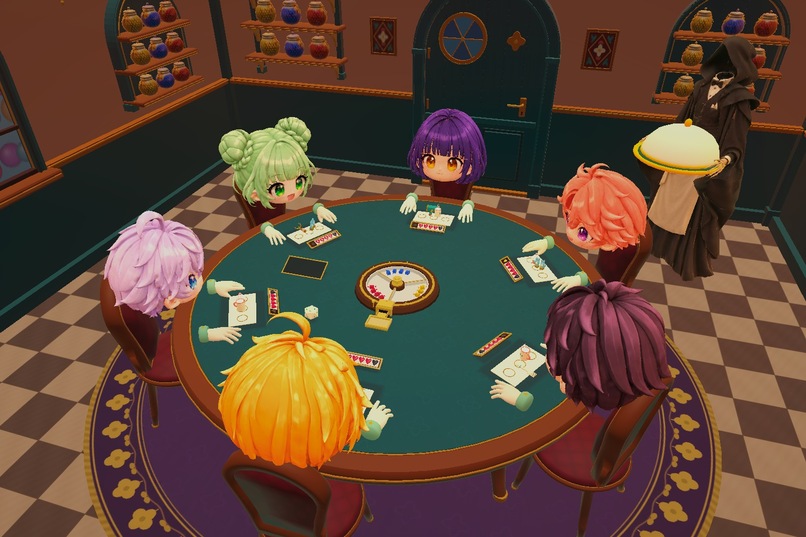
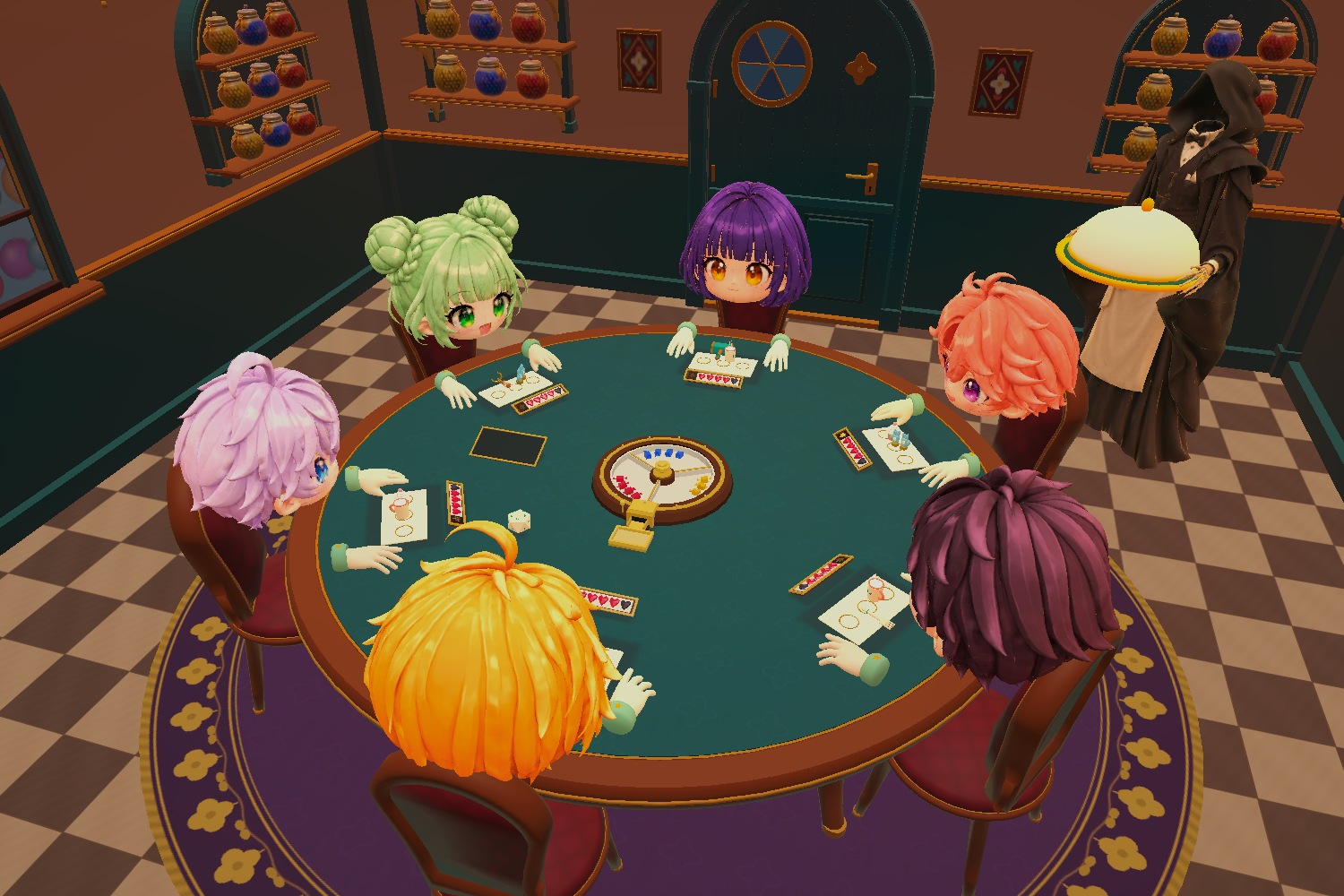
The Reaper waiter serves candy to six players in the parlour.
-
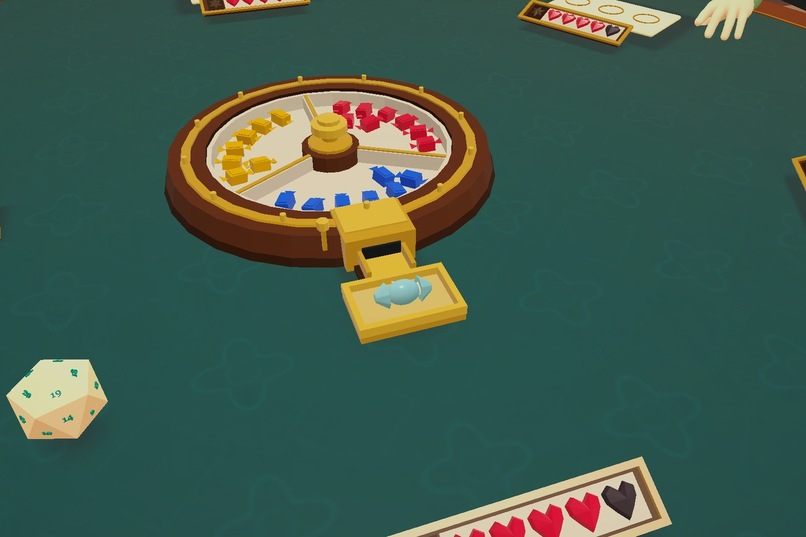
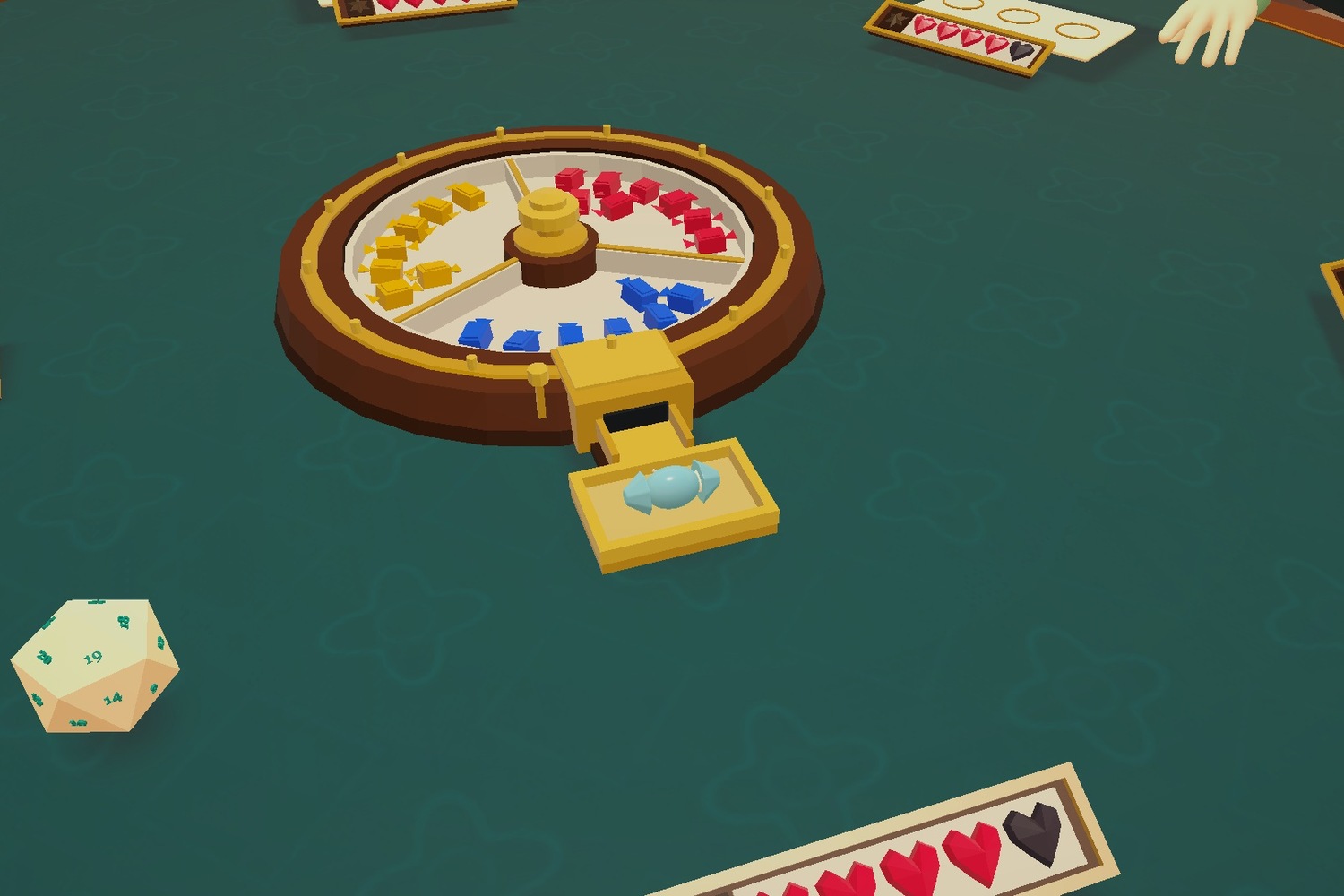
The roulette drops a candy onto your tray. You can see its color, but is it a treat or poison?
-
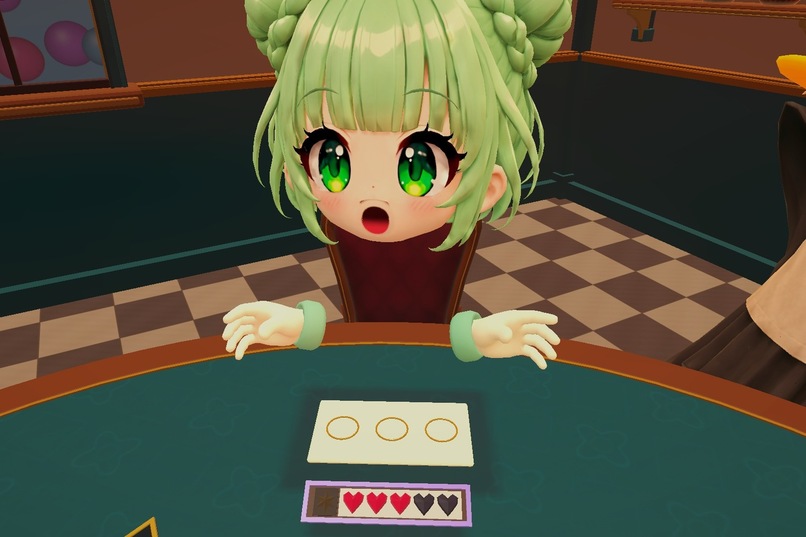
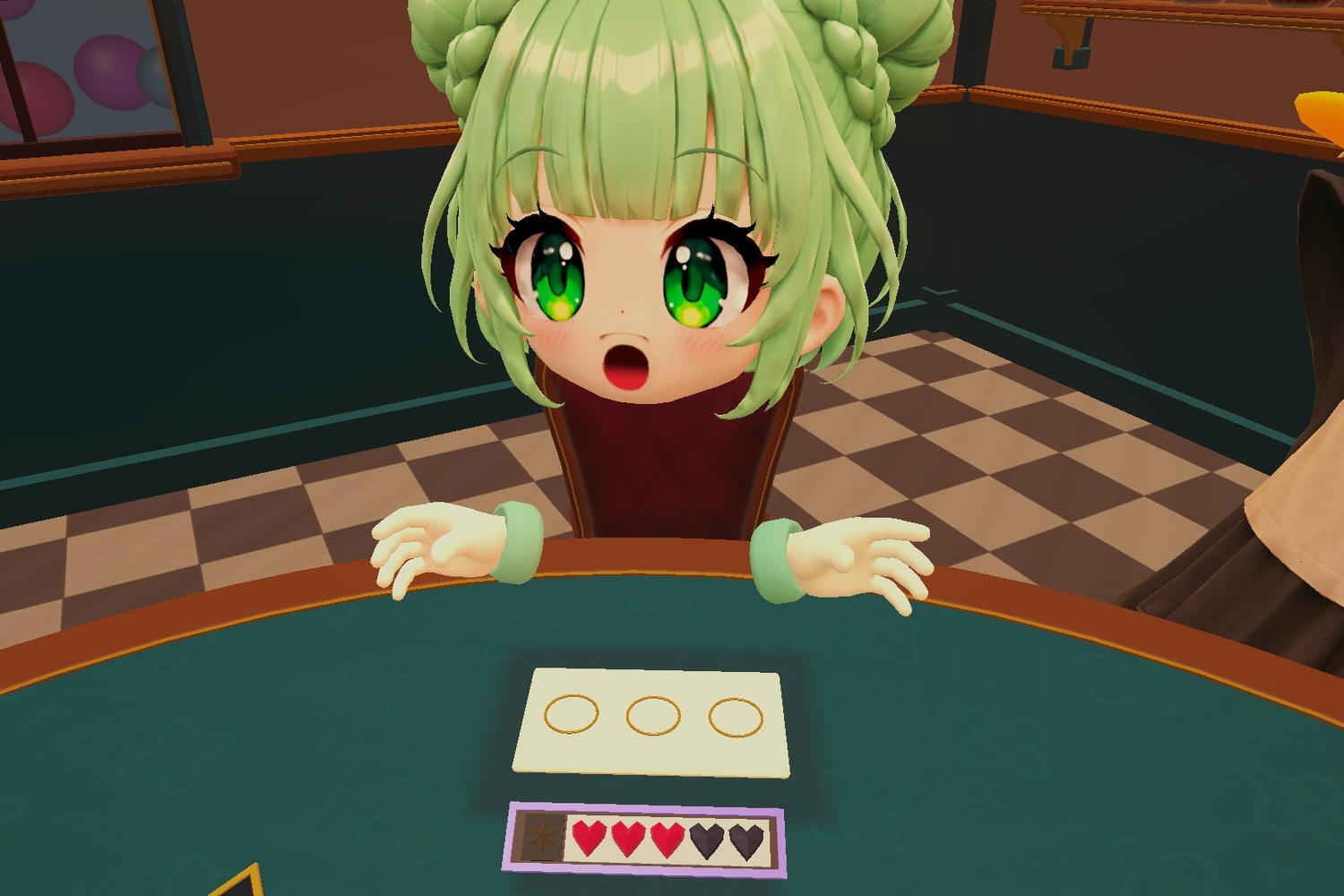
Mint eats a poisoned red candy, loses one heart, and skips her next turn.
-
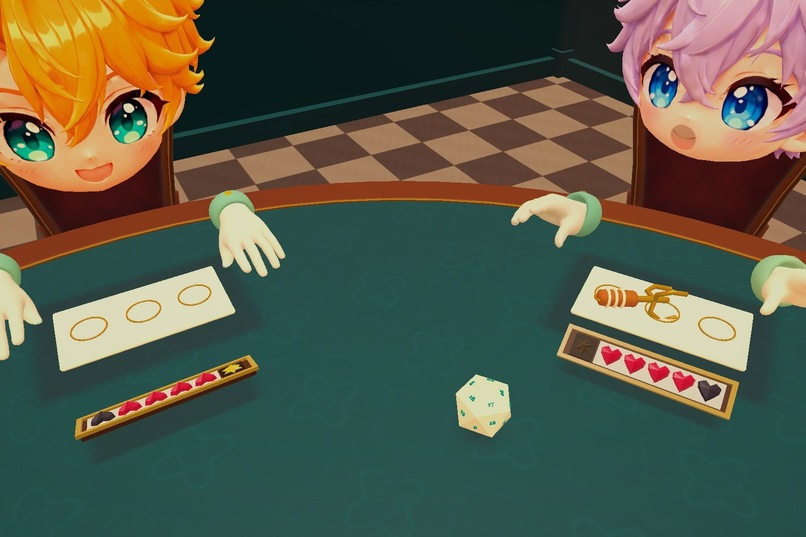
The Grappling Hook steals a rival's item and uses it immediately.
-
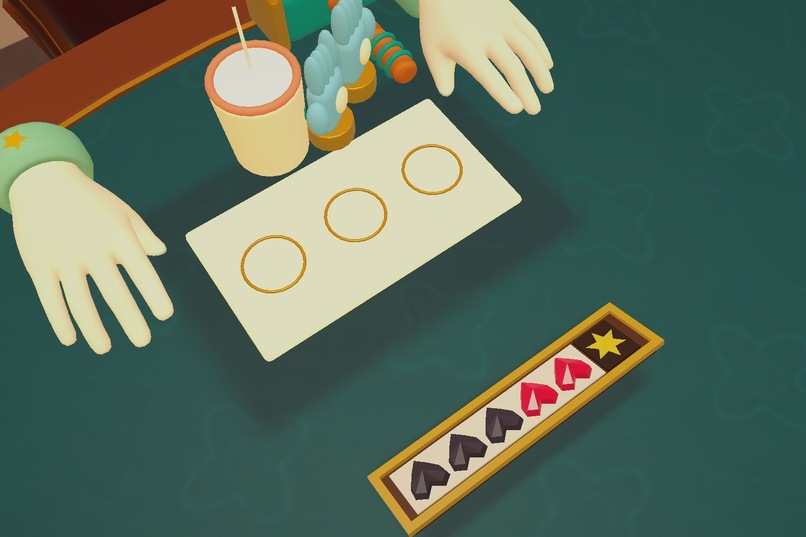
Little Pocket reveals three items. Pick one to use right away.
Inspiration
Bite or Betray started with a simple VR interaction. You pick up a piece of candy, look across the table, and decide whether to eat it yourself or hand it to someone else. We built a party game around the moment when that person has to wonder why you passed it to them.
What it does
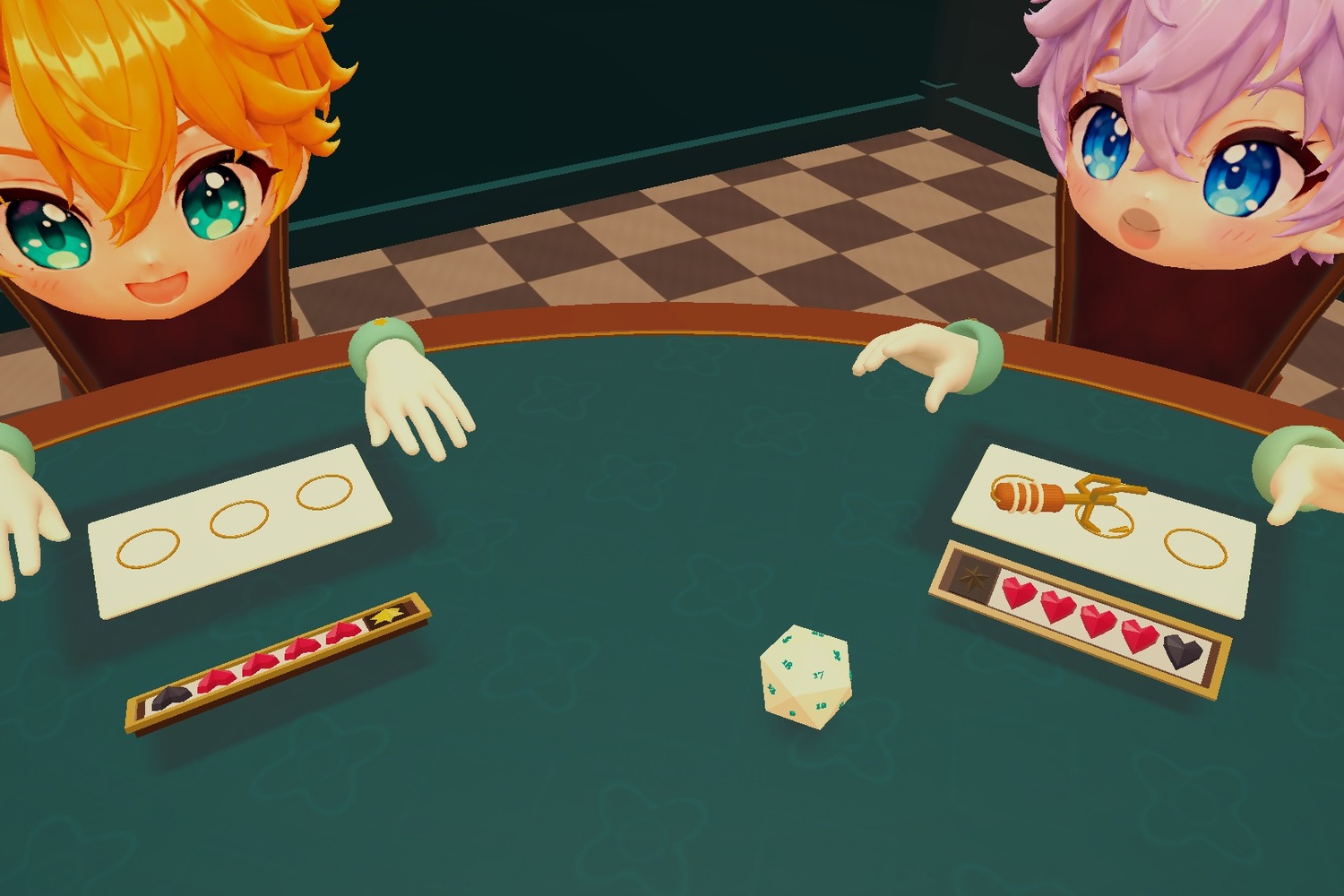
A floating Reaper waiter serves candy in a parlour built for up to six players. On your turn, the roulette delivers a candy to your tray. You can see its color, but you don't know whether it's a treat or poison. Eat a treat and you get another draw. Pass the candy to a rival and they take its effect. The last player with hearts left wins.
Eight items let you change the odds. A Plastic Fork reveals the candy, a Cupcake blocks the effect of your next bite, and a Grappling Hook steals a rival's item and uses it immediately. Play offline against 1–5 bots or join a room for 2–6 players with voice chat.
How we built it
We built the game for Meta Quest 3 in Unity 6 with URP and used the Meta XR SDK for hand tracking and Touch controllers. A shared C# rules engine drives both solo and online matches. Online rooms use Unity Lobby and Relay, with Netcode for GameObjects handling gameplay and Vivox handling voice chat. We rigged the chibi characters in Blender so they can blink, chew, and grip candy.
Challenges and what we learned
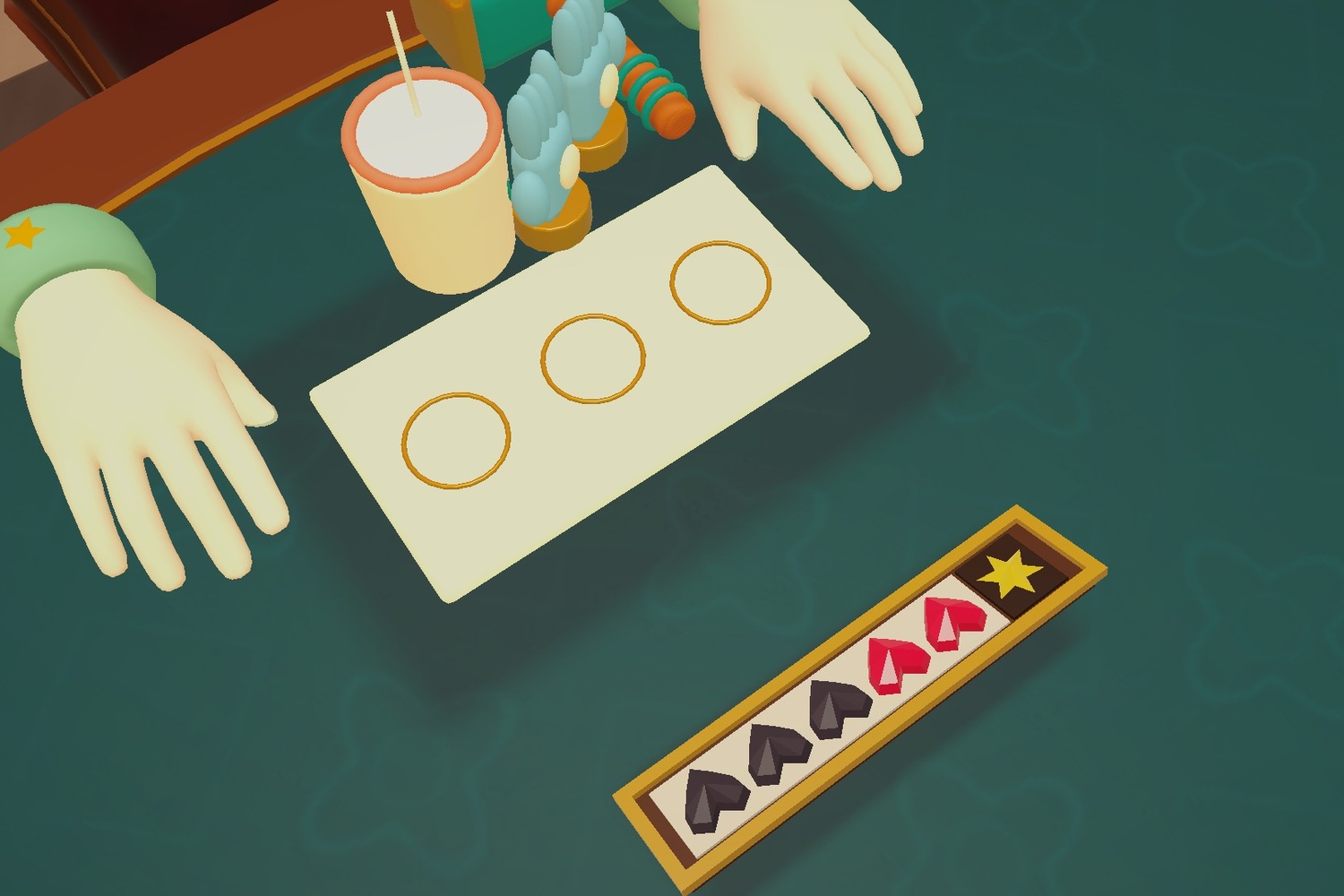
The table had to make each turn easy to follow. We lowered the candy dispenser to keep the other players in view and moved health onto sugar-heart strips beside each seat. That let players check who was close to being knocked out without looking away from the table.
Online, everyone needed to see the same candy land on the tray while its true effect stayed hidden. We kept that information on the host and tested the roulette animation and landing position from both the host and guest views.
