Inspiration
I built BiteFlow because I wanted to fix something that frustrates me every time I see it happen: chaotic, bottlenecked emergency lines and overwhelmed triage desks where every second counts.
When people are panicked and medical staff are stretched to their absolute limits, the last thing anyone needs is a clunky, confusing system that adds to the noise. I wanted to build a tool that does the exact opposite—something that takes high-pressure, chaotic information and breaks it down into clean, manageable, bite-sized steps so that help can get to where it’s actually needed, instantly and without friction.
What it does
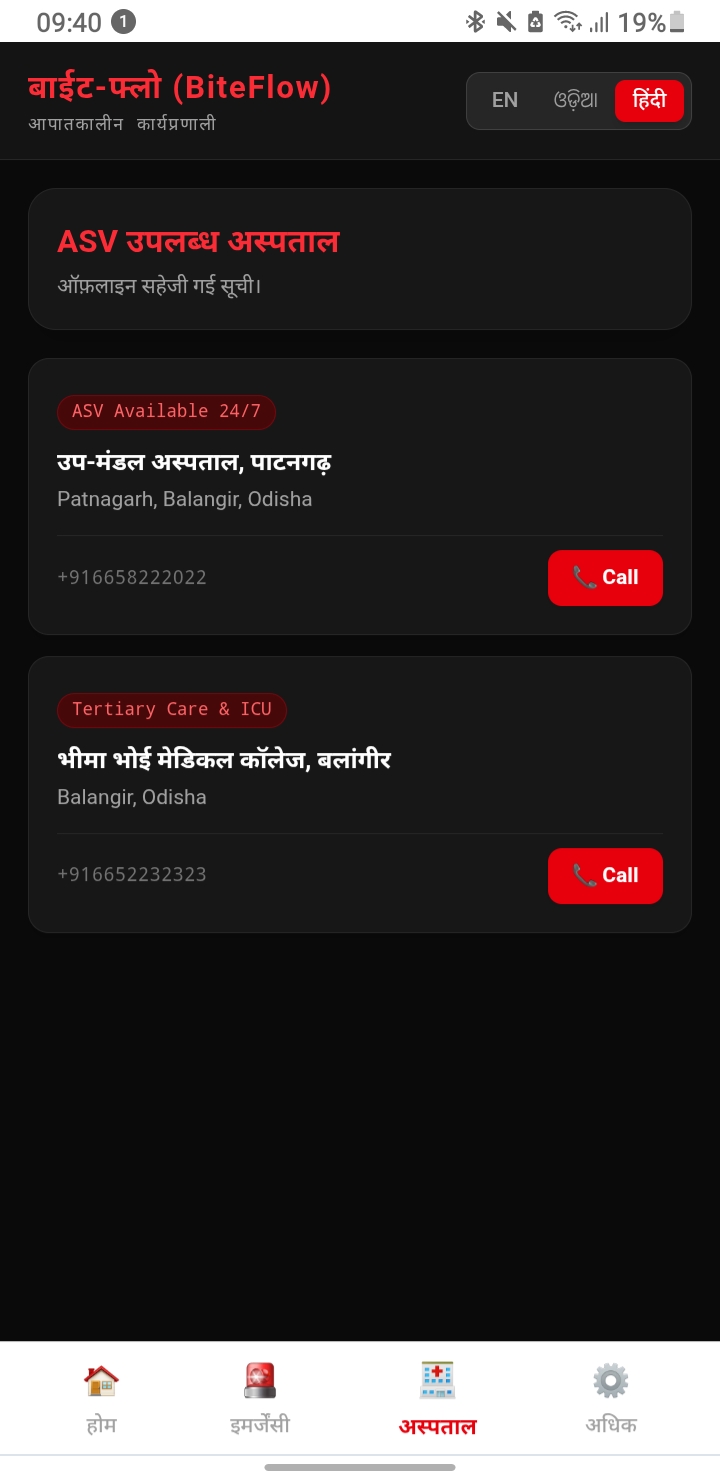
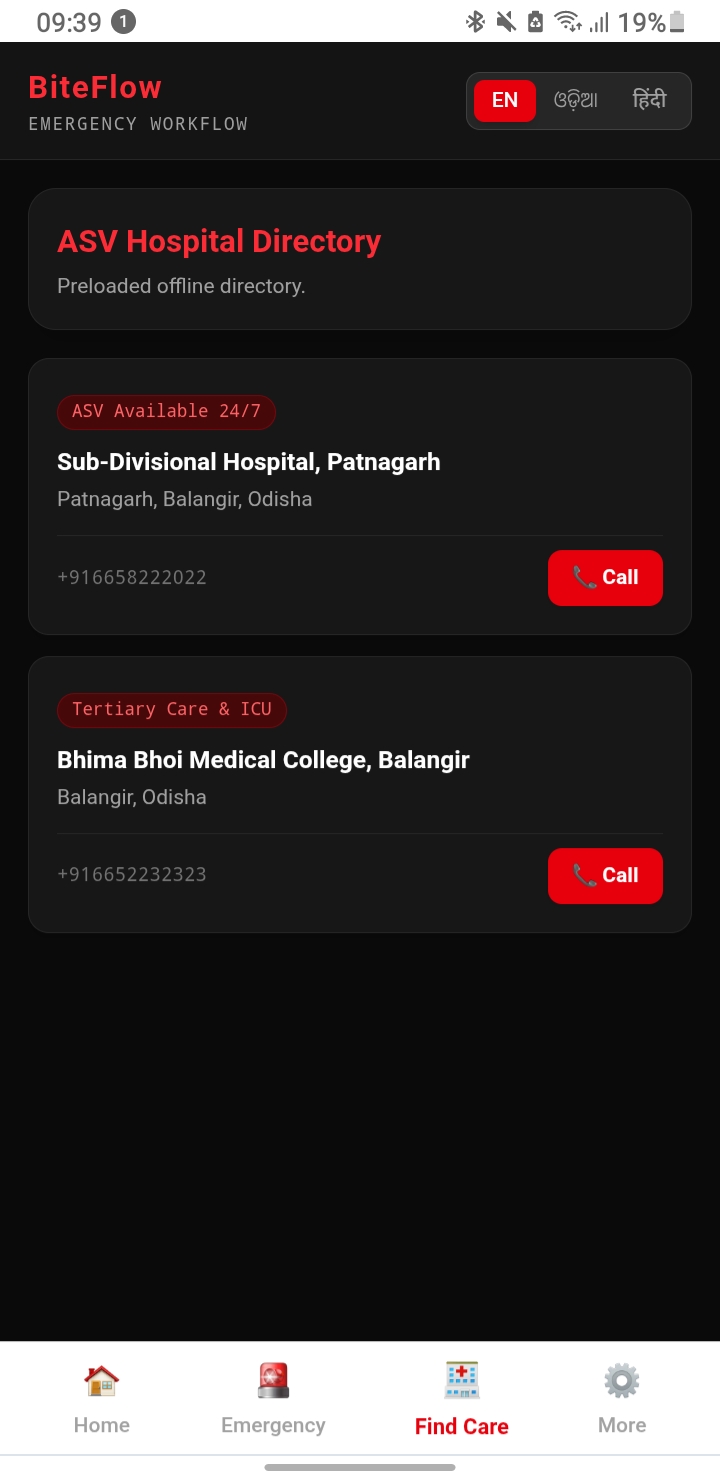
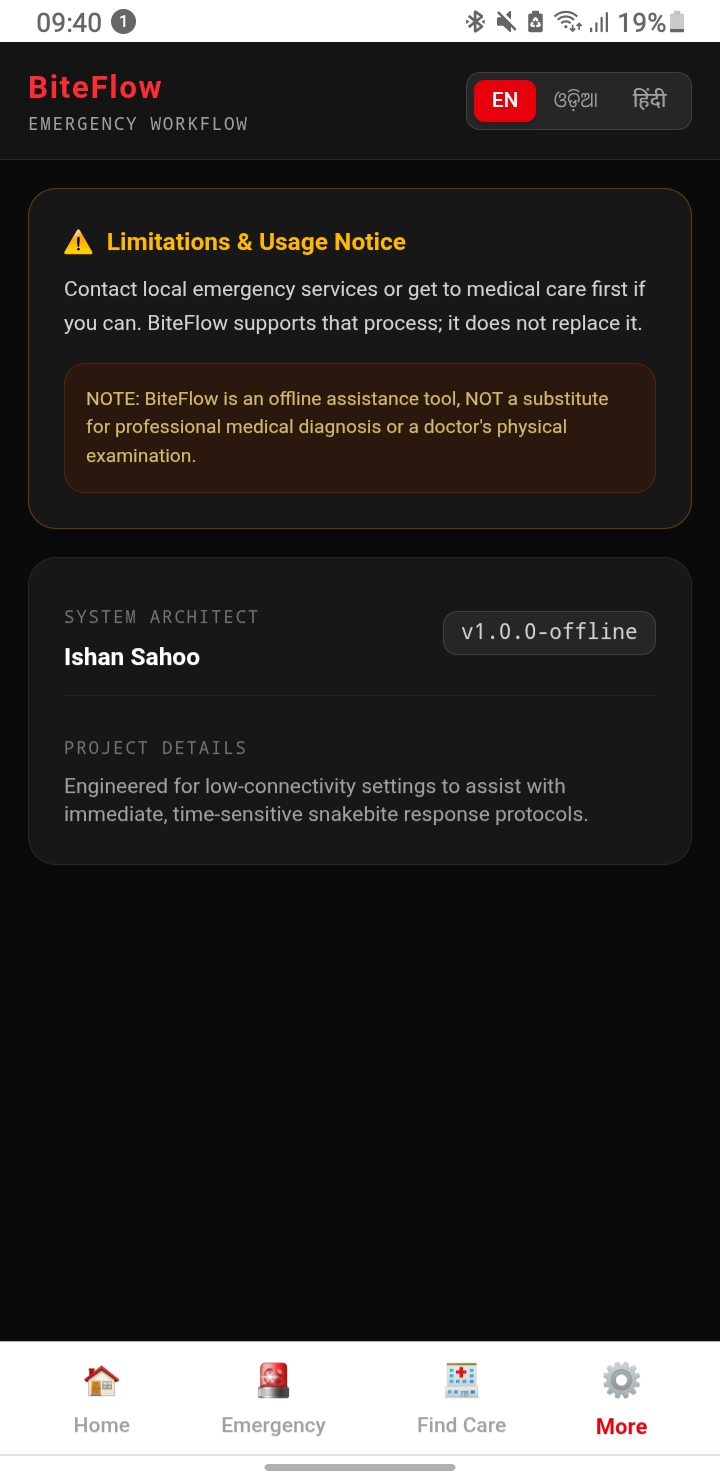
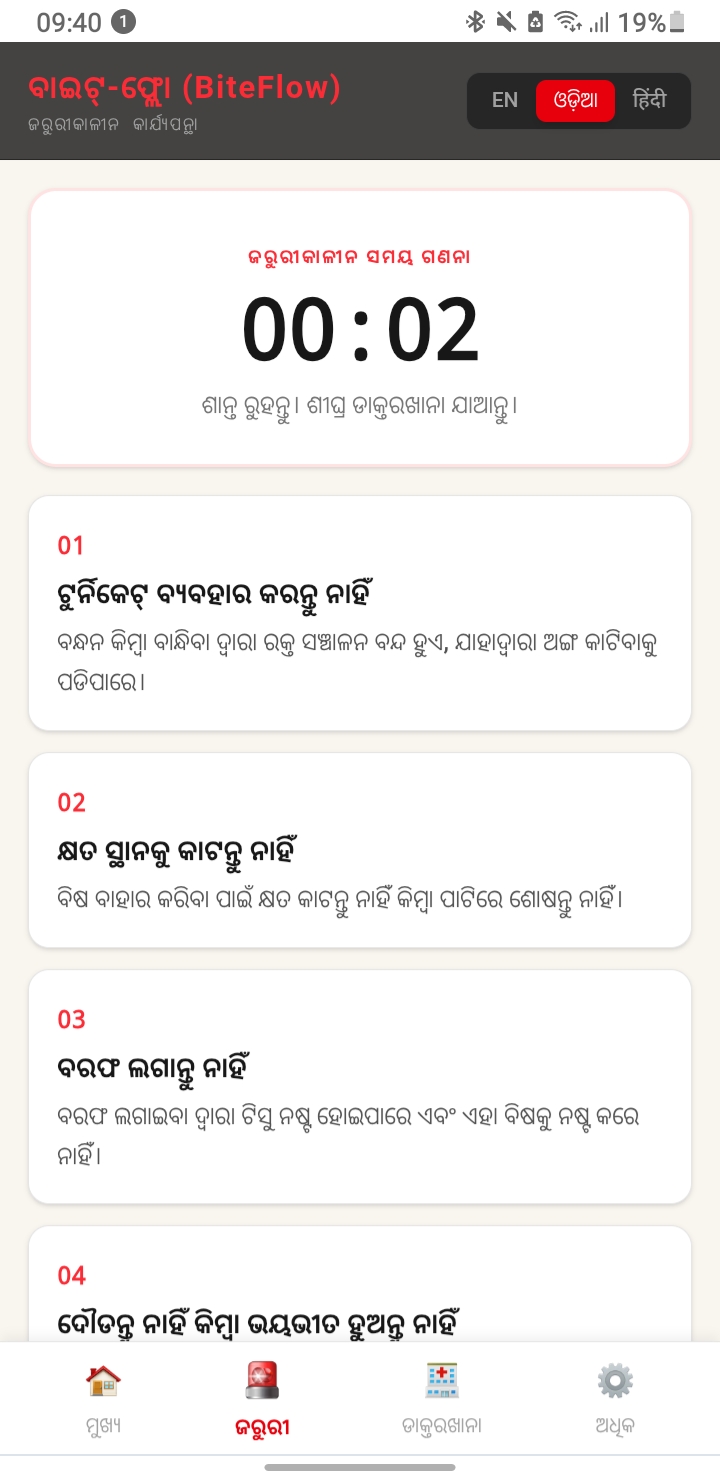
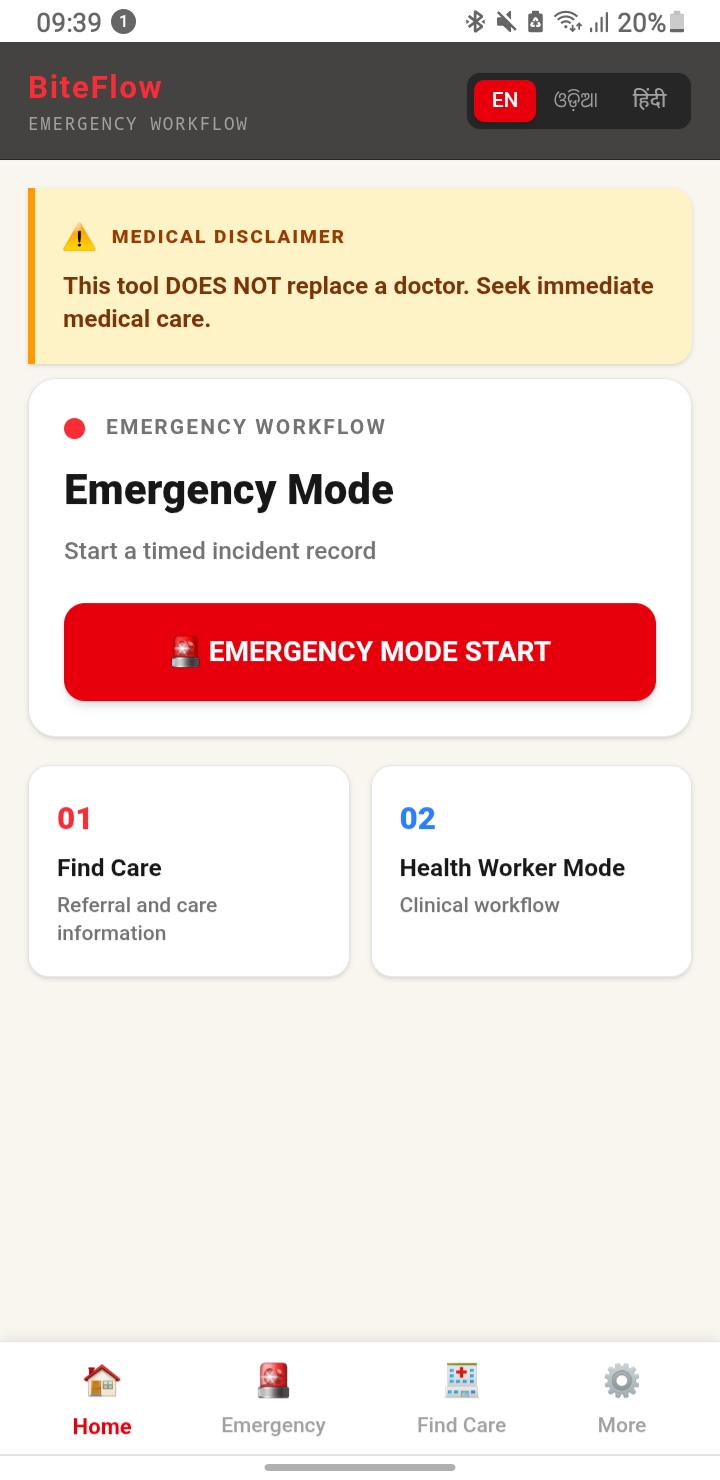
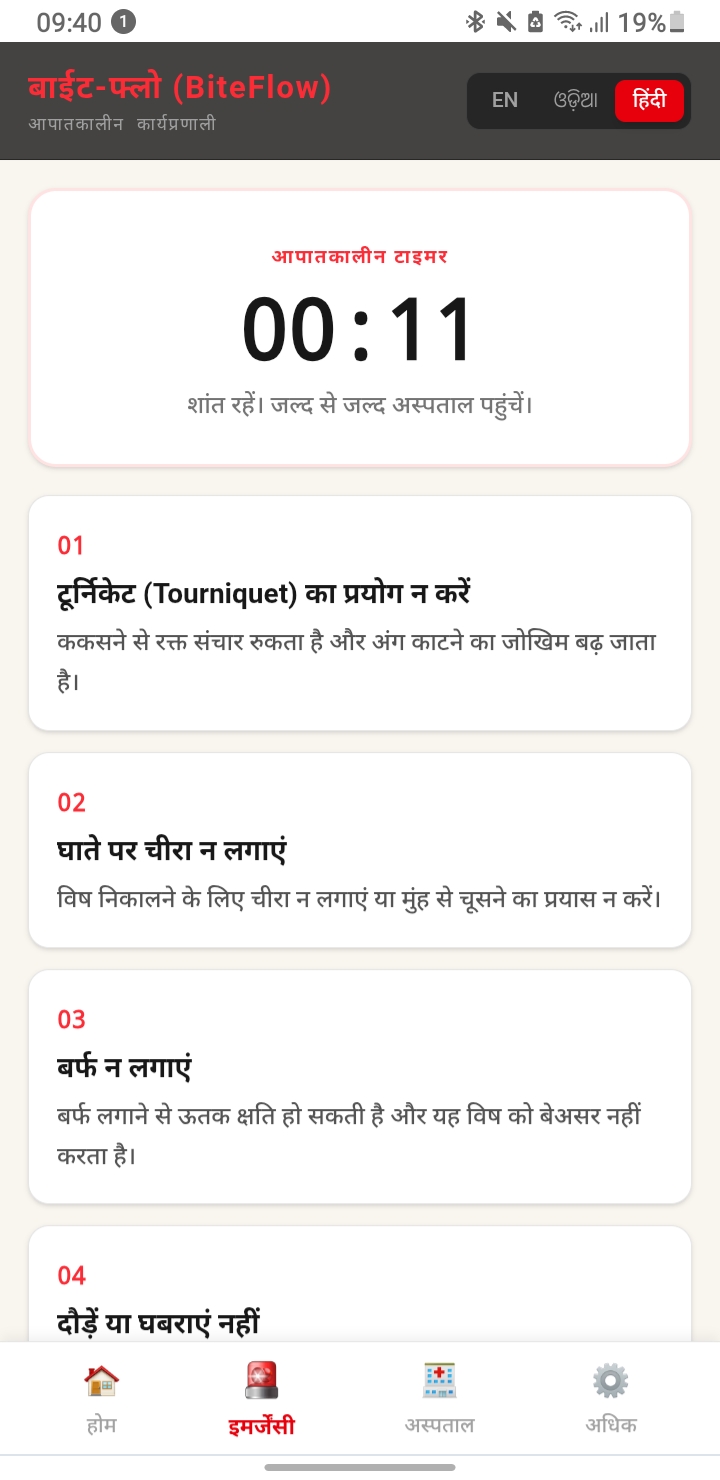
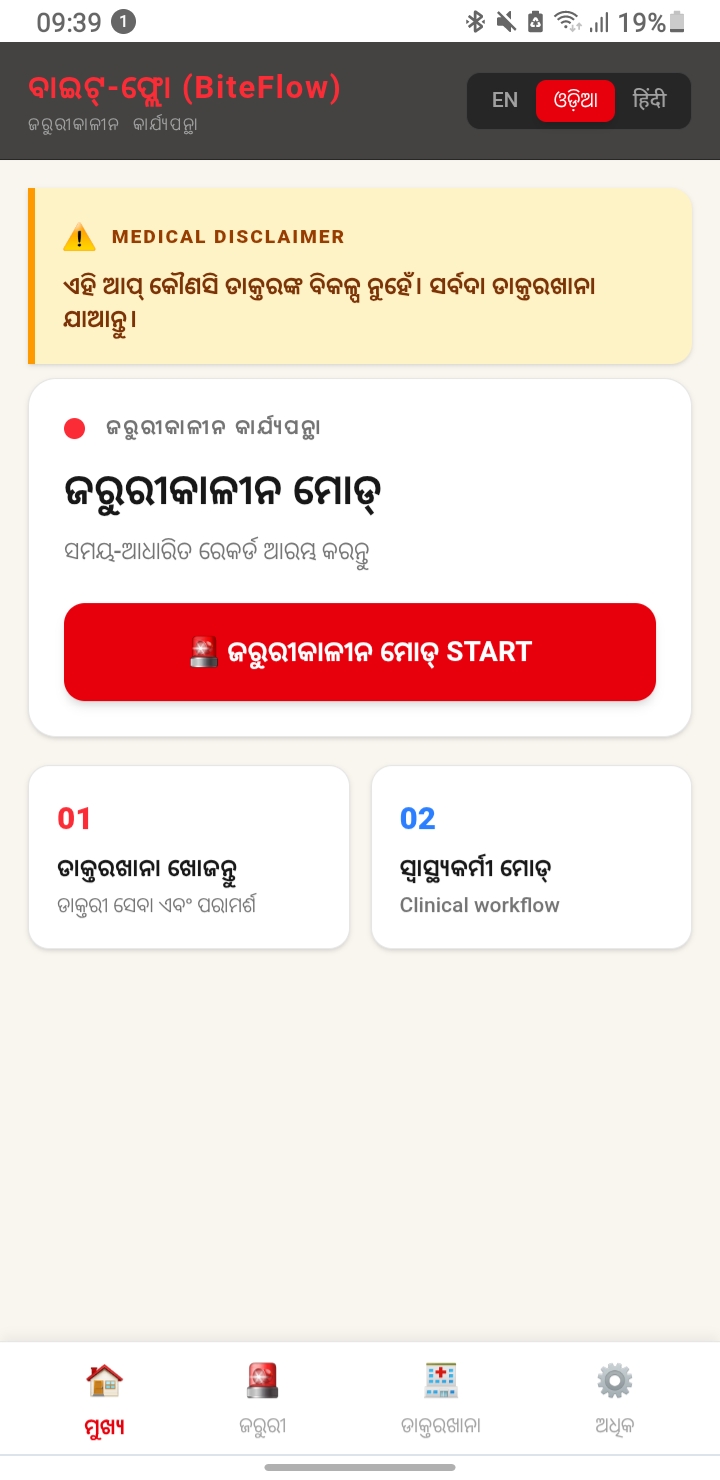
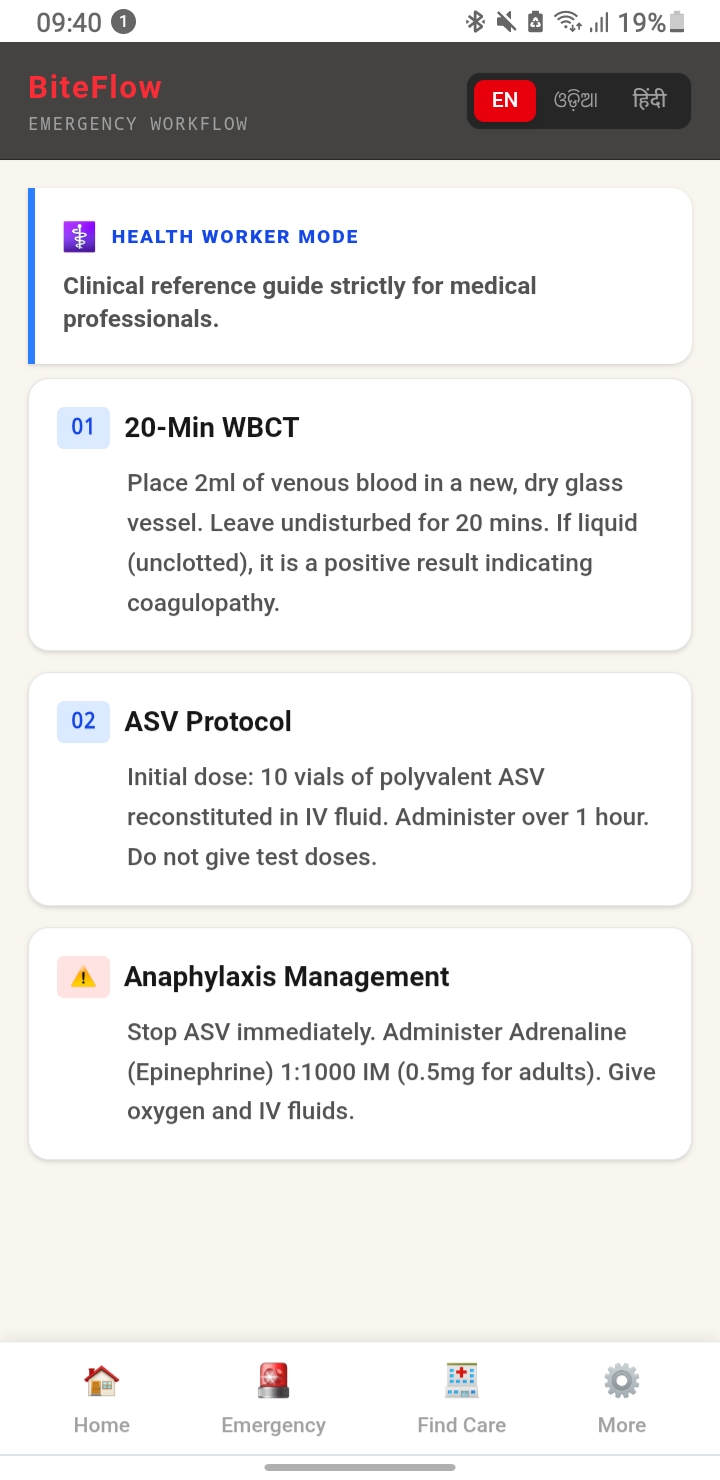
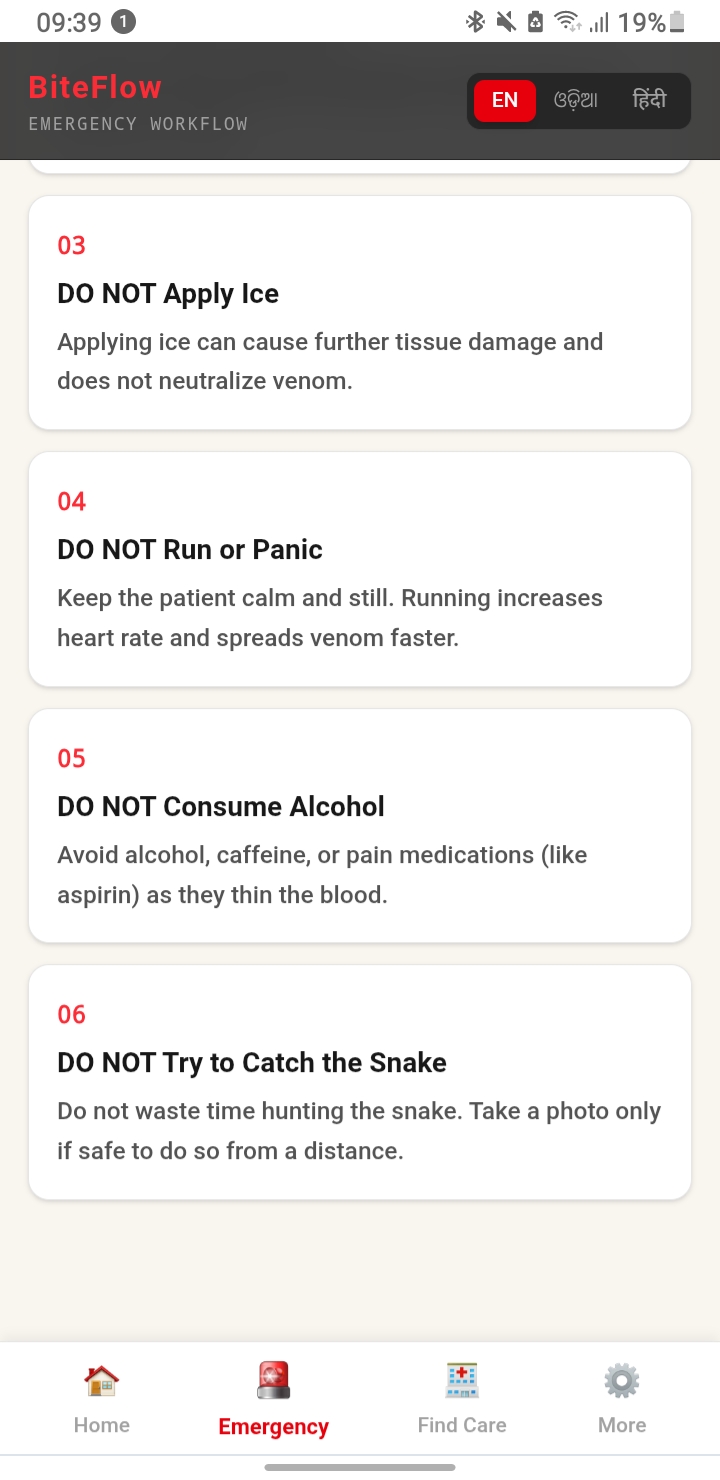
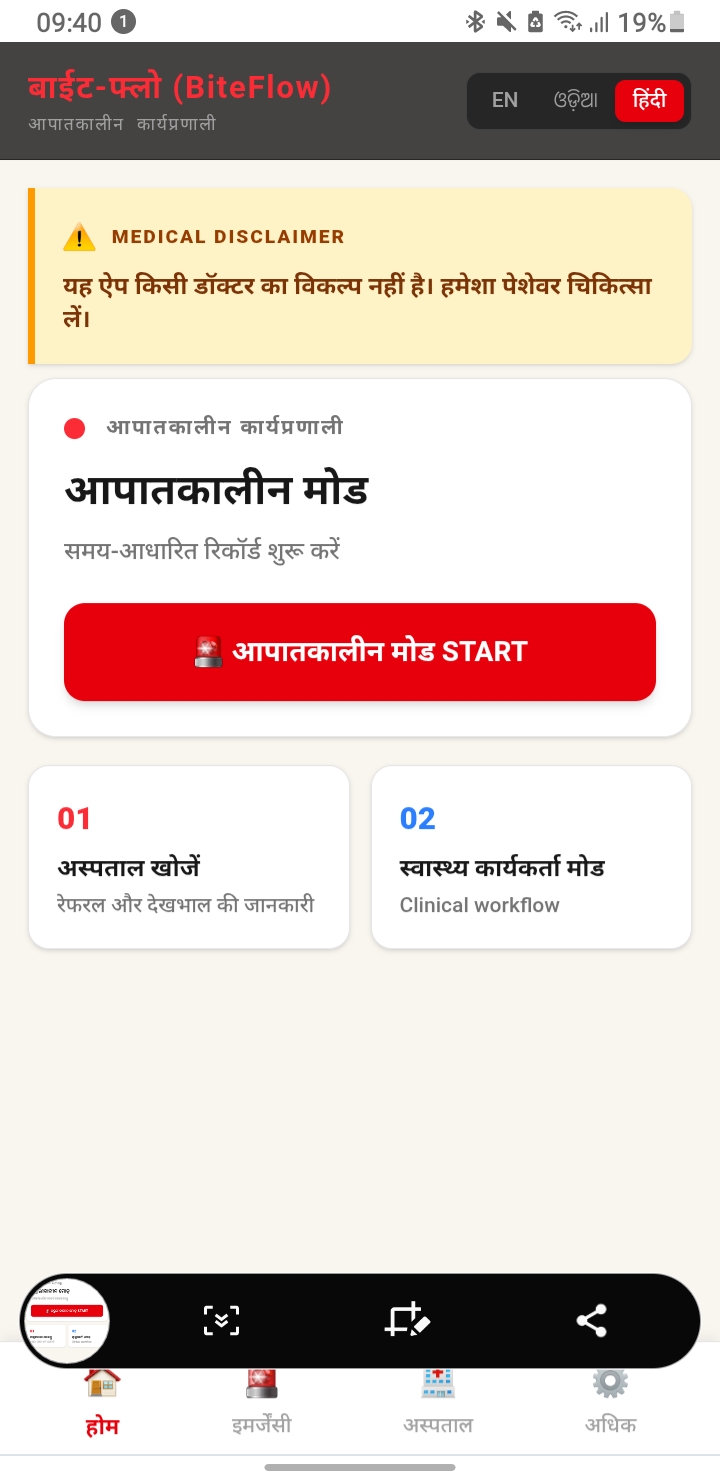
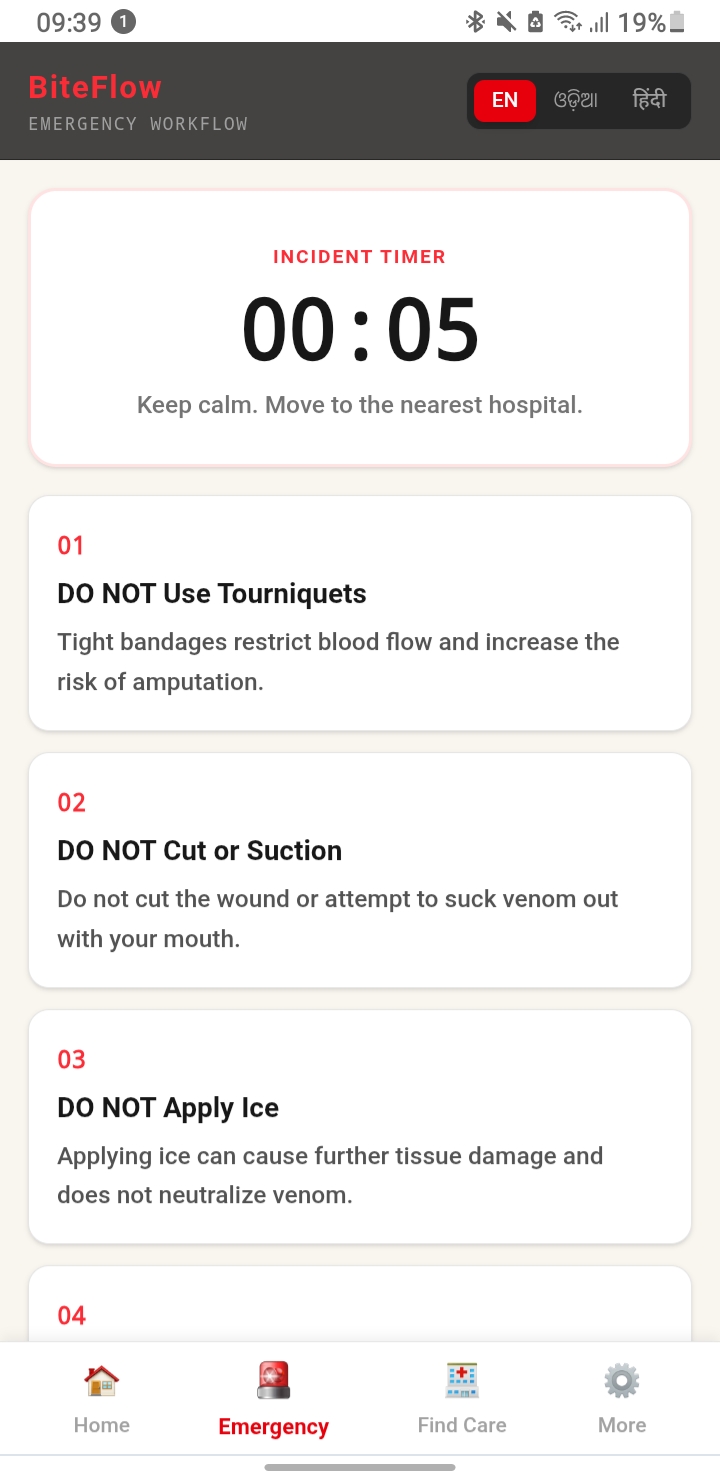
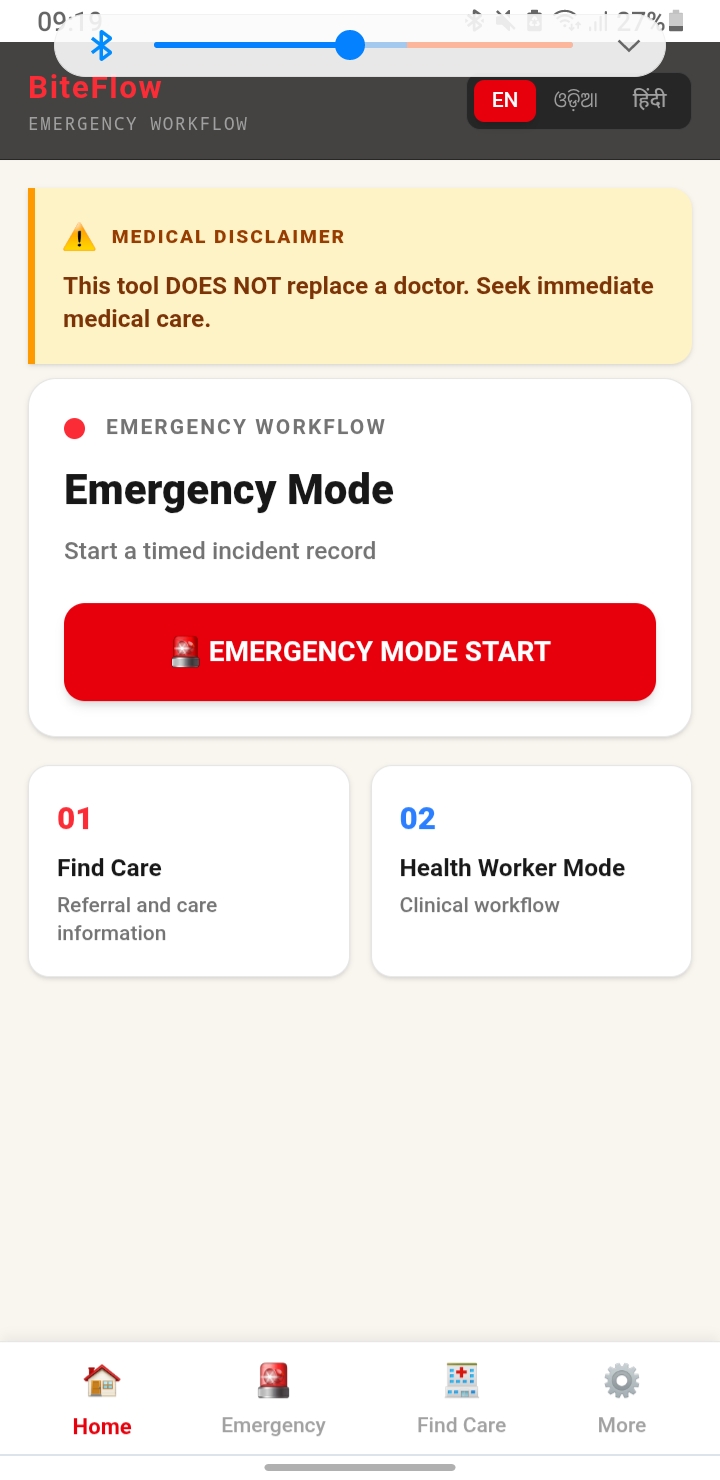
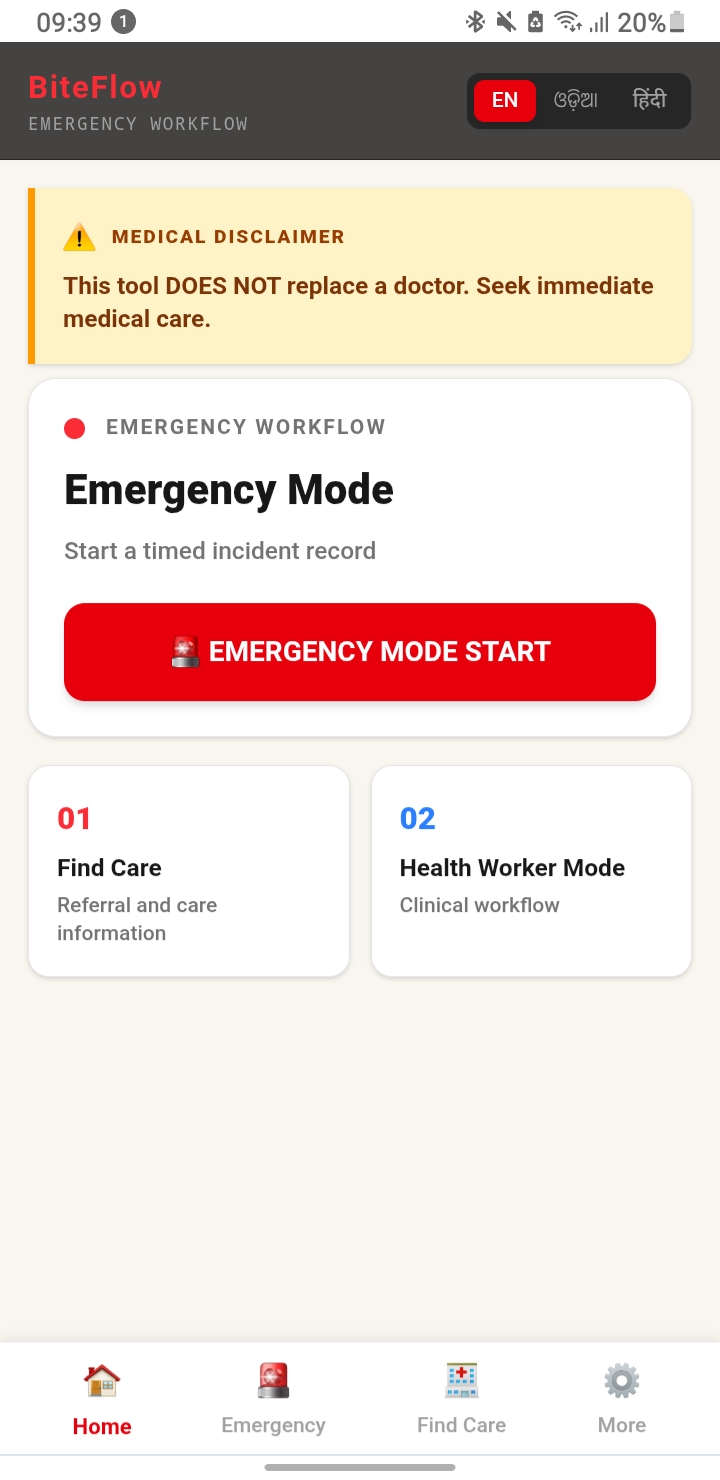
BiteFlow is an emergency medical triage and logistics web application designed to bridge critical gaps during high-pressure situations. It features automated wait-time escalation and multi-language support to ensure that communication delays or language barriers never get in the way of fast, effective care.
How we built it
I built BiteFlow using Next.js to handle both the frontend and backend routing, ensuring the application stays fast and responsive. I focused heavily on creating a completely frictionless user interface—avoiding clunky menus or overwhelming layouts—so that it can handle real-time updates and automated wait-time escalations smoothly. Once the core logic and interface were polished, I deployed it live on Vercel.
Challenges we ran into
- Handling real-time state changes: Keeping wait-time escalations accurate without lagging the UI was tricky. I had to rethink how I handled state updates so the system stays responsive even under heavy simulated pressure.
- Keeping it dead-simple: The biggest design challenge wasn't adding features—it was removing them. In an emergency, nobody has time to read a manual. Stripping the UI down until it felt completely natural and intuitive took a lot of iteration.
Accomplishments that we're proud of
Successfully designed, built, and deployed BiteFlow live on Vercel (https://biteflow-mu.vercel.app) as a complete emergency medical triage and logistics platform for the EurekaDev hackathon. Engineered a robust Next.js architecture capable of handling real-time state changes and automated wait-time escalations without UI lag. Integrated multi-language support to solve critical communication bottlenecks and ensure emergency workflows remain seamless under pressure.
What we learned
Building BiteFlow taught me a lot about designing for high-pressure environments where every second matters. I realized very quickly that clean code architecture is important, but human-centered design is what actually makes or breaks a product—if a system isn't completely intuitive in the first five seconds, it fails its primary purpose. Working under tight hackathon timelines also pushed me to level up my full-stack development skills, especially when it came to mastering rapid deployment with Next.js and Vercel.
What's next for Bite flow
Advanced Escalation Logic: Refining the automated wait-time and triage algorithms to adapt even more dynamically to fluctuating emergency department capacities. Offline-First Capabilities: Building robust local caching and offline support to ensure the platform remains fully functional in areas with unstable or low-bandwidth internet connections. Expanded Accessibility: Adding broader multi-language support and high-contrast, low-friction accessibility features tailored for high-stress, emergency scenarios
Built With
- biteflow
- community-healthcare
- digital
- digital-health
- emergency-assistance
- emergency-care
- emergency-response
- emergency-triage
- first-aid-assistance
- healthcare-accessibility
- healthcare-technology
- healthtech-startup
- life-saving-technology
- medical-technology
- medtech-innovation
- odisha-innovation
- offline-first-application
- offline-healthcare
- public-health-innovation
- rural-healthcare
- rural-india
- snakebite-awareness
- snakebite-emergency
- snakebite-first-aid
- snakebite-management


Log in or sign up for Devpost to join the conversation.