-
-

Image 1 (GDPR Consent Screen)
-
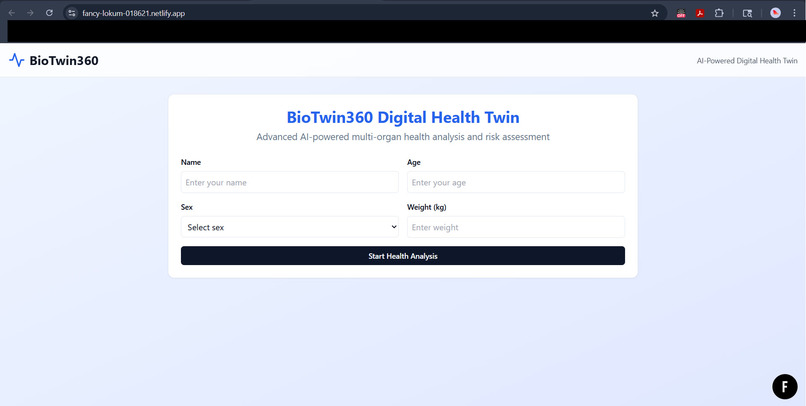
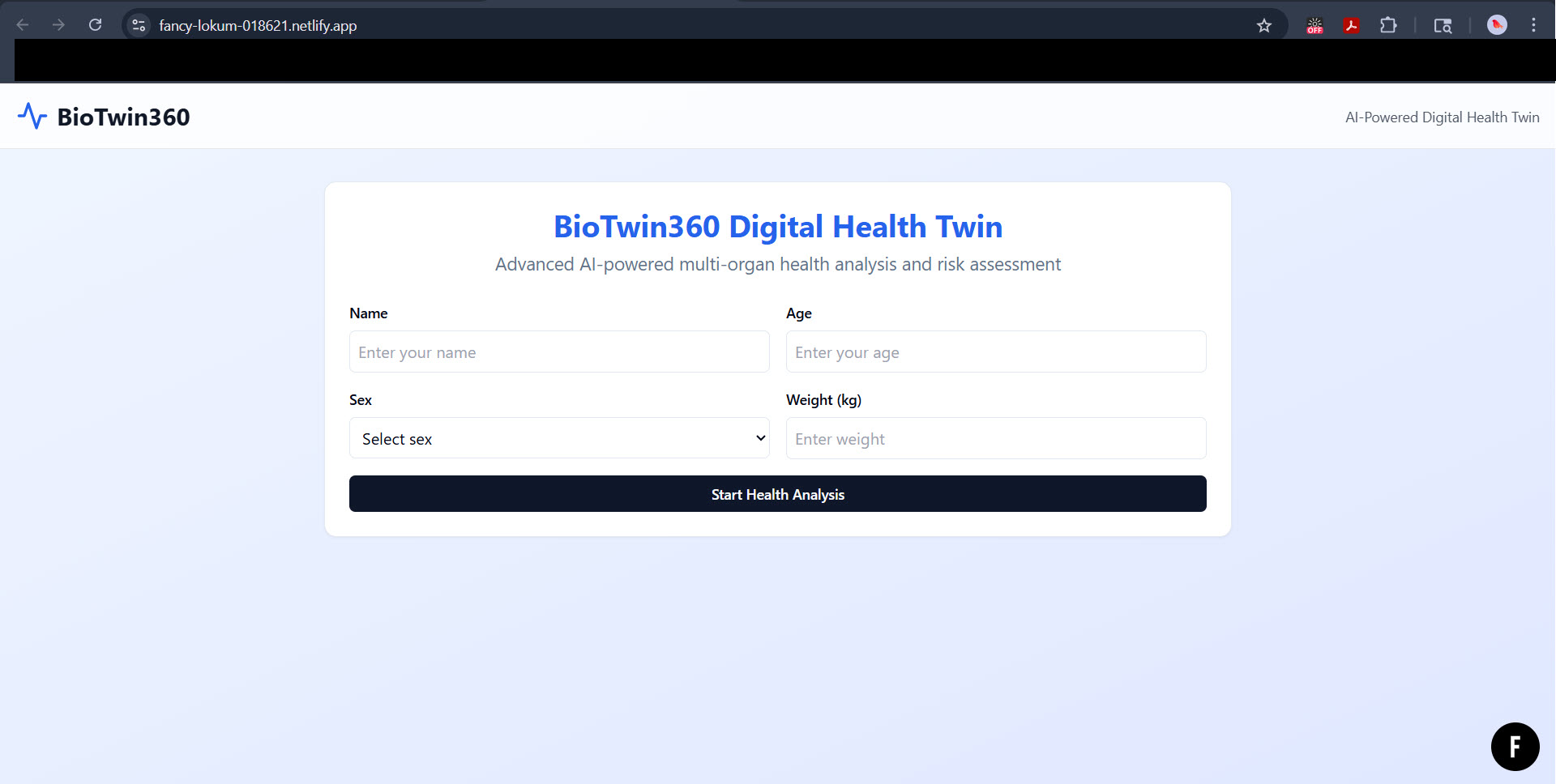
Image 2 (Patient Data Input Form)
-
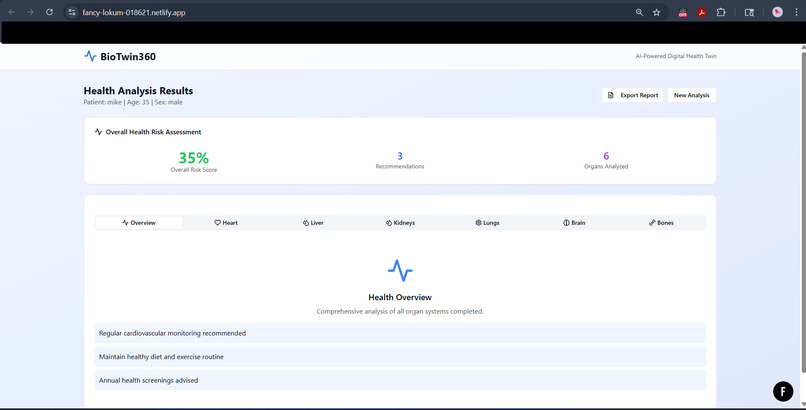
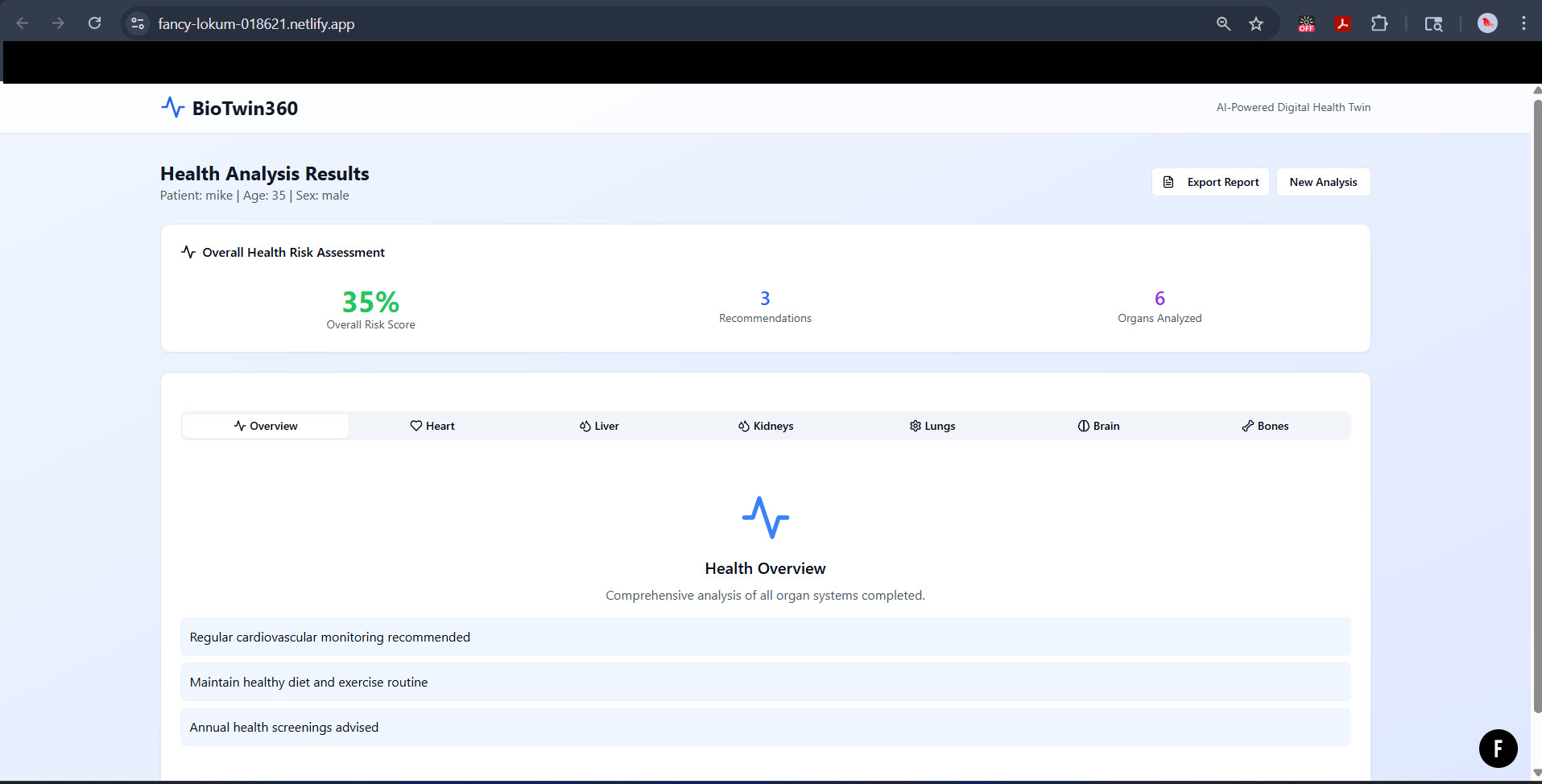
Image 3 (Health Analysis Results - Overview)
-
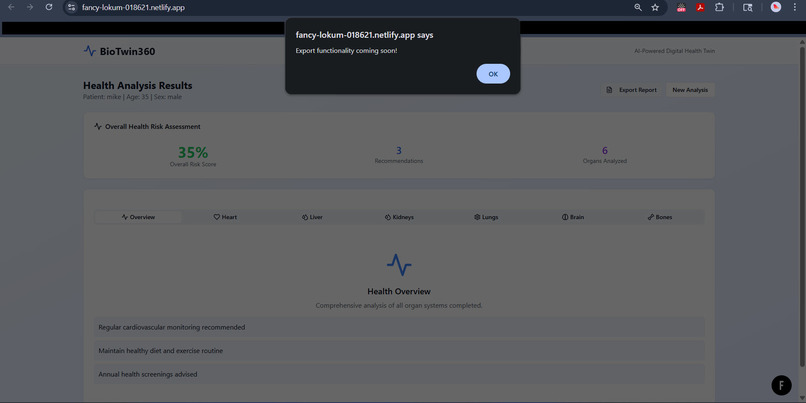
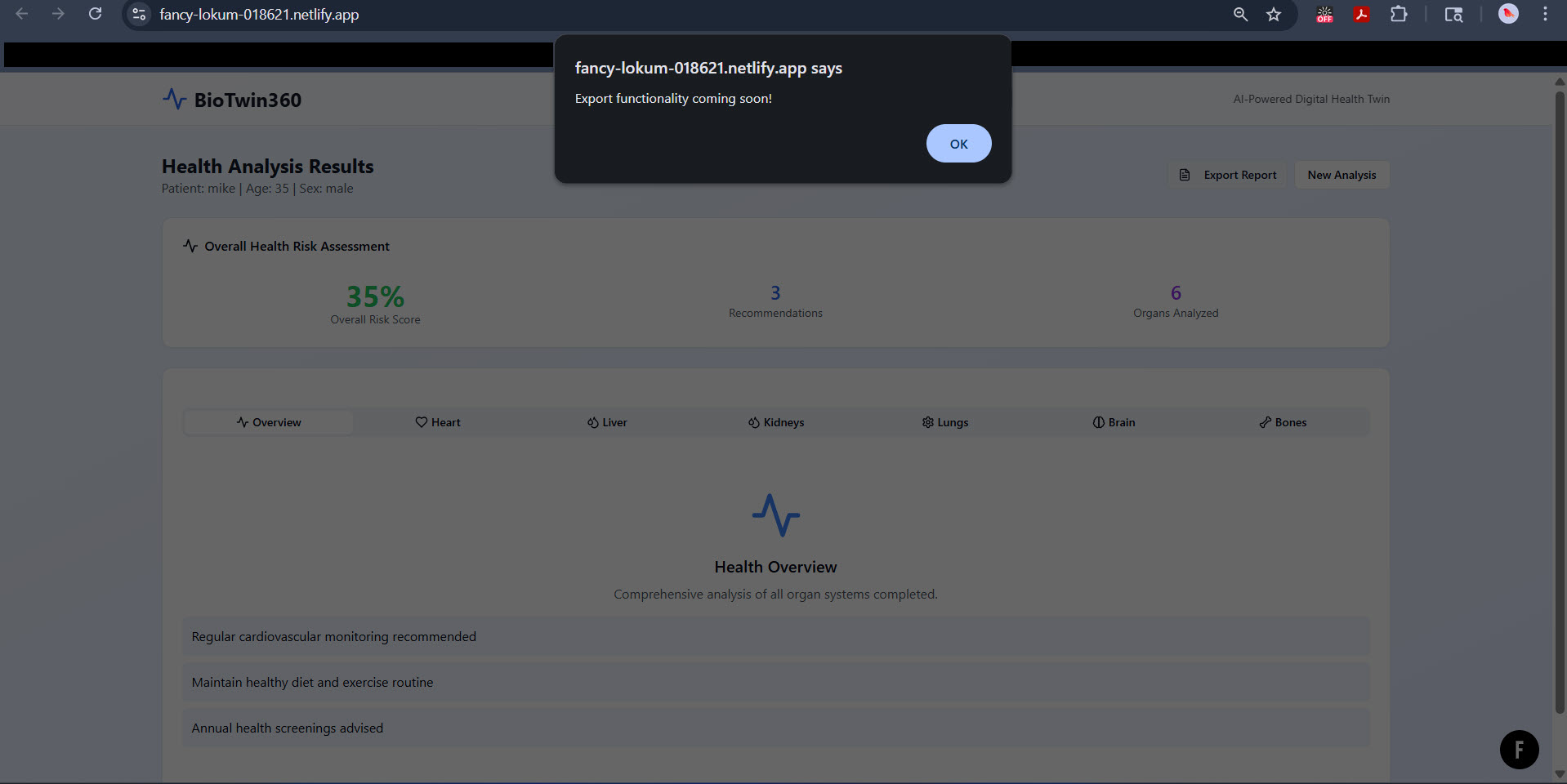
Image 4 (Health Analysis Results - Placeholder)

🌟 Inspiration
I am a trained physician, with over 20 years of clinical practice, and I have been directly confronted with two major realities:
- The lack of healthcare professionals, both in developed and underdeveloped countries, faced with growing demand.
- The explosion of chronic diseases (diabetes, hypertension, NASH, cardiovascular diseases…) which often evolve silently and are only detected at an advanced stage — or worse, after complications have already appeared.
Despite the proliferation of connected devices and isolated AI tools, prevention and regular follow-up remain difficult for most patients, especially outside of hospital structures.
👉 I personally faced a chronic illness: it was thanks to an AI-based solution that I was able to ensure personalized, regular follow-up… until I returned to normal health.
That’s when I realized:
Everyone should have access to a digital twin of their body, to monitor, understand, and improve their health — in a simple, educational, and continuous way.
This is how BioTwin360 was born – a modular, accessible, and interactive platform that allows:
- Patients to be educated and supported in preventing chronic illnesses
- Medical students to train through immersive, visual modules
- Clinicians and researchers to simulate clinical scenarios and therapeutic options
Our vision: to merge AI, medical knowledge, and 3D web technology to build a universal health simulator — intuitive, educational, and truly useful for all.
🔬 What it does
BioTwin360 is a web-based AI health platform that lets users:
- Input health metrics (e.g., age, blood pressure, glucose)
- Generate predictive health scores** for organs like the heart, liver, brain, kidneys
- Explore organs in 3D** (zoom, rotate, focus)
- Receive personalized AI-based recommendations**
- Export reports** in PDF for self-tracking or clinical use
Each organ is a self-contained AI + UX module, allowing us to scale the platform organ-by-organ.
🧰 How we built it
- Frontend: React + TypeScript + Tailwind
- 3D Rendering: Three.js & React Three Fiber for anatomical organ visualization
- State Management: Zustand
- AI: Logistic regression & rule-based simulations embedded client-side (JS/TS), with ONNX.js support
- Design: Figma prototypes by our UI/UX designer
- Deployment: Vercel (frontend), local-only storage for privacy (no backend needed)
- Collaboration: Fully remote team via Discord, Notion, and GitHub
🧱 Challenges we ran into
- 🧠 Balancing realistic organ visualization with browser performance
- 🤝 Integrating multiple contributors (ML, medical, frontend, design) within tight timeframes
- 🛡️ Designing an architecture that works offline, without storing personal data, while remaining interactive
- 📚 Translating complex medical concepts into simple logic without oversimplifying
🏆 Accomplishments that we're proud of
- Delivered a working multi-organ prototype with interactive 3D + AI scoring
- Built a modular system ready to scale to more organs and use cases
- Created a truly educational, privacy-first health simulator that works in any browser
- Assembled an amazing, diverse and mission-driven team across countries and disciplines
📚 What we learned
- How to design AI tools that are interpretable, local, and ethical
- How to combine UX, education, and medicine into one coherent interface
- The power of visual storytelling and 3D rendering for health understanding
- That building a working AI health twin in under 2 weeks is possible with the right vision and team!
🚀 What's next for BioTwin360 – AI-Powered Multi-Organ Digital Twin
- 📦 Launch a public freemium version with core modules (Heart, Liver, Brain, Kidneys)
- 🧠 Train and integrate more advanced AI models (with clinical validation and open data)
- 🧩 Release a plugin & protocol marketplace for researchers and institutions
- 🎓 Deploy an education mode for medical schools and health literacy
- 💡 Explore partnerships with public health orgs, universities, and patient groups
BioTwin360 is just getting started. The future of preventive health is personal, visual, and intelligent.
Built With
- css
- fiber
- figma
- markdown
- onnx.js
- react
- tailwind
- three
- three.js
- typescript
- zustand


Log in or sign up for Devpost to join the conversation.