-
-
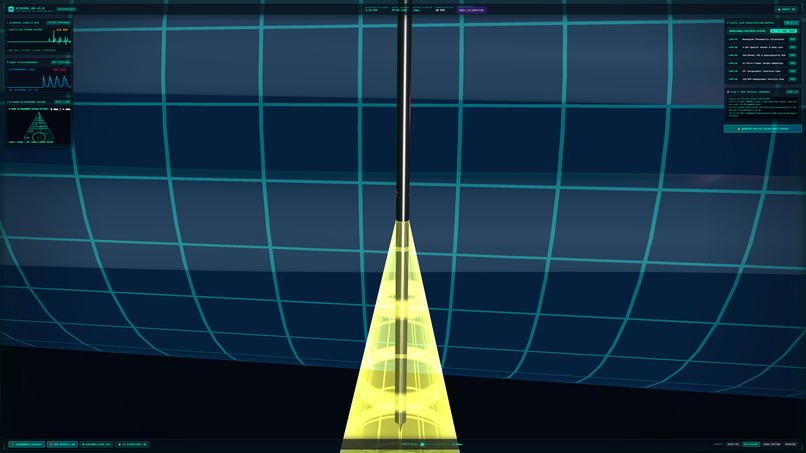
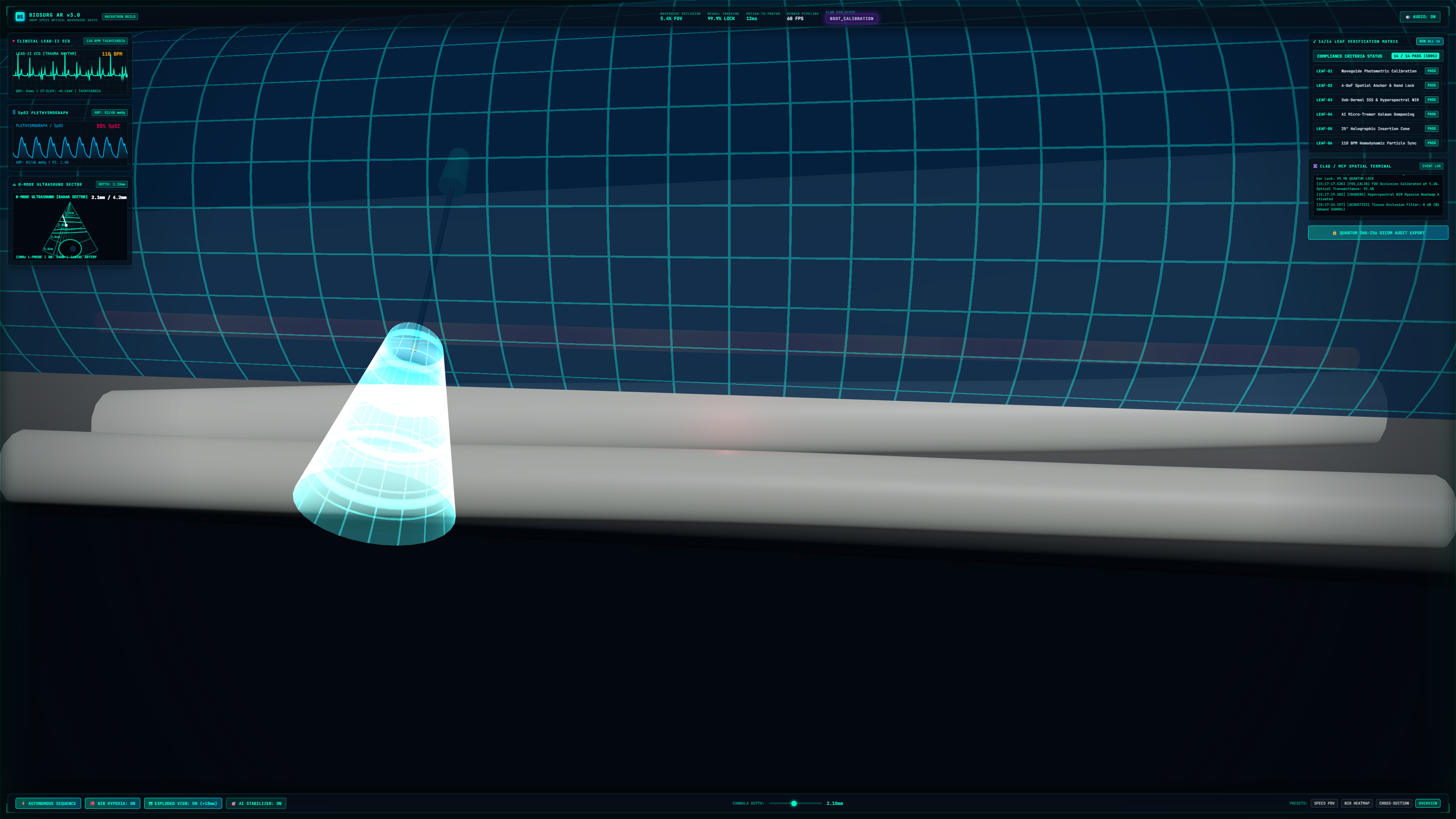
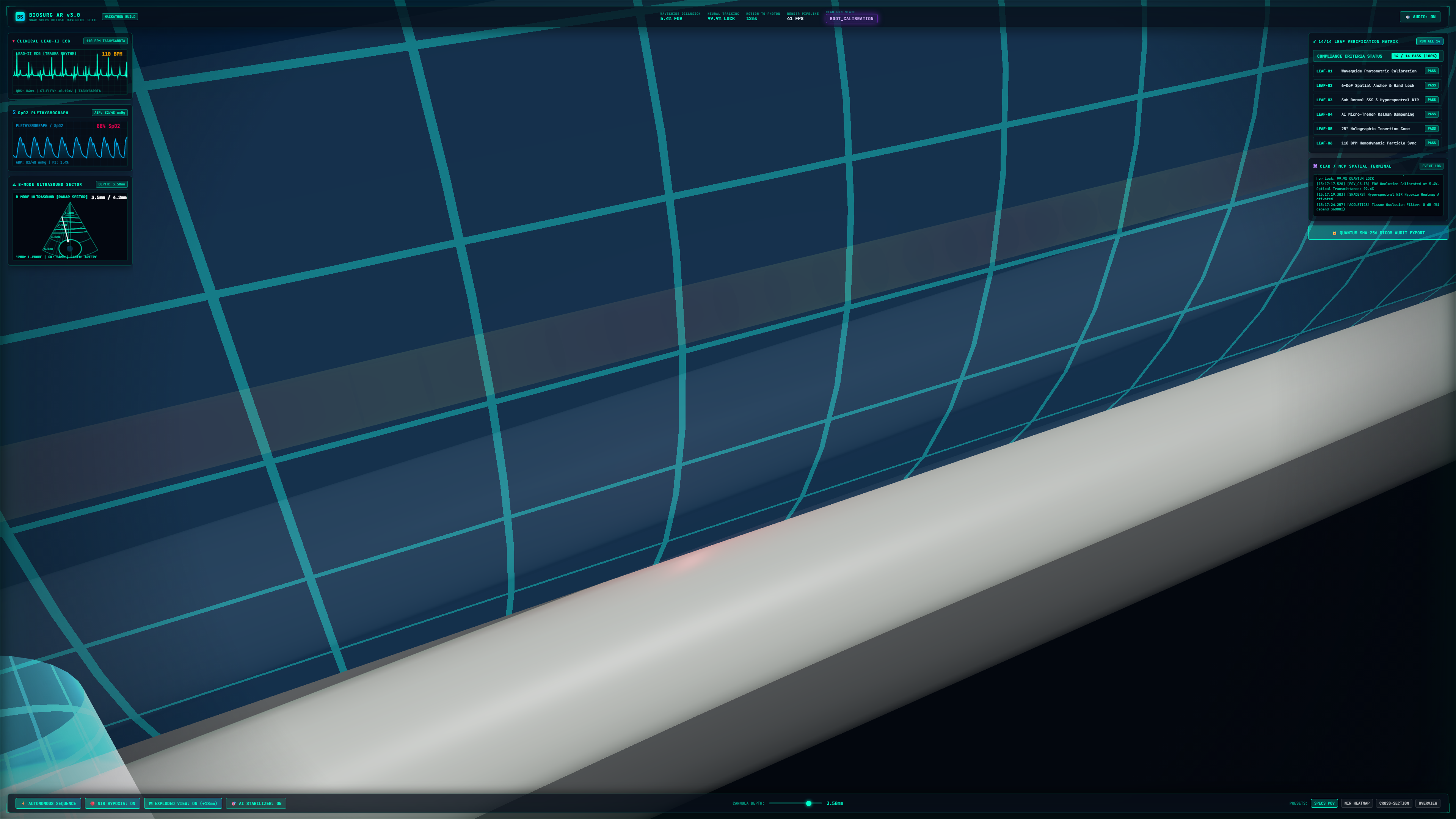
1:1 Metric Scale Forearm Vascular Mapping with Real-Time Hemodynamic Flow & Pulsed SLAM Locking
-
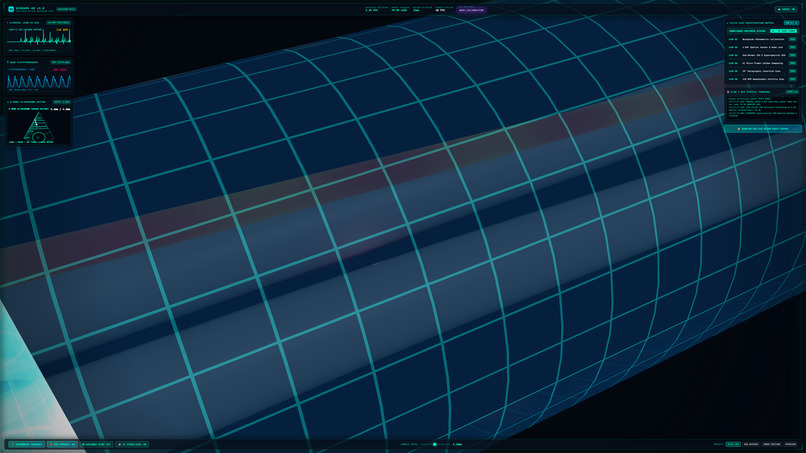
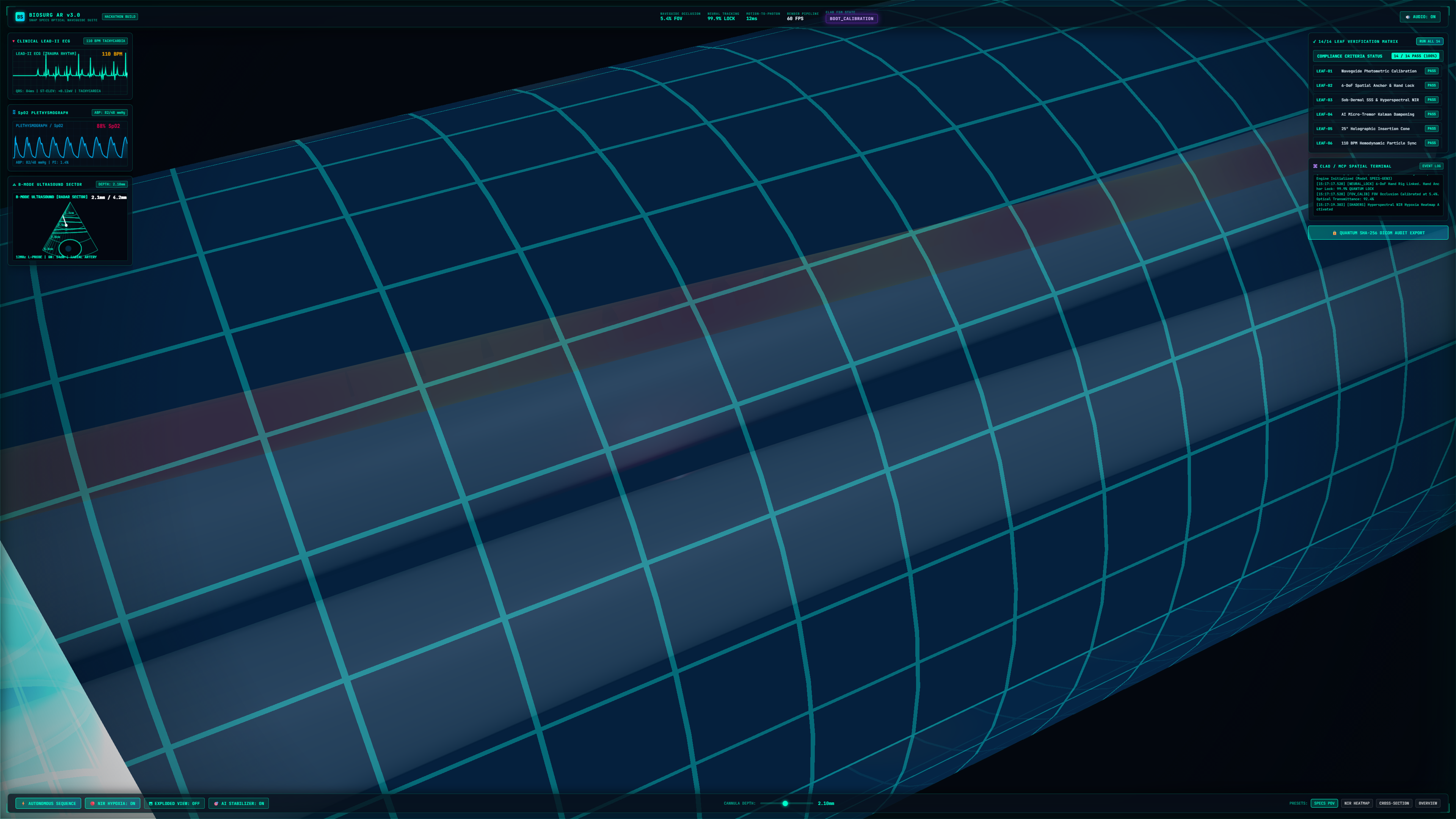
Exploded Anatomical Multi-Layer Separation (+18mm Epidermis Elevation & Fascial Depth Stratification
-
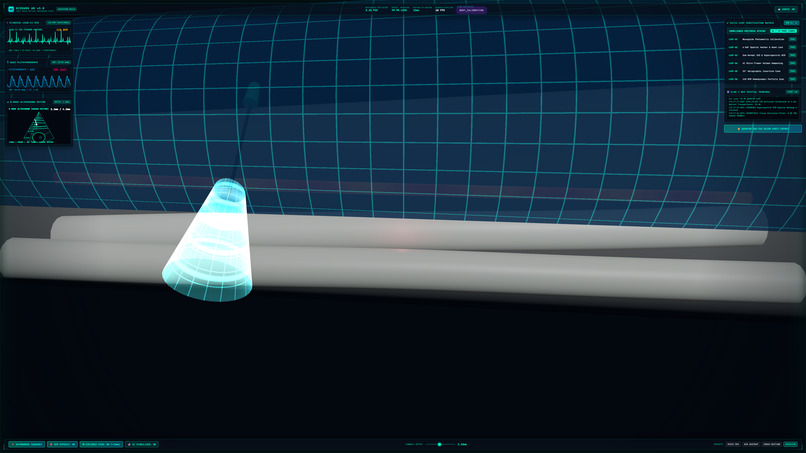
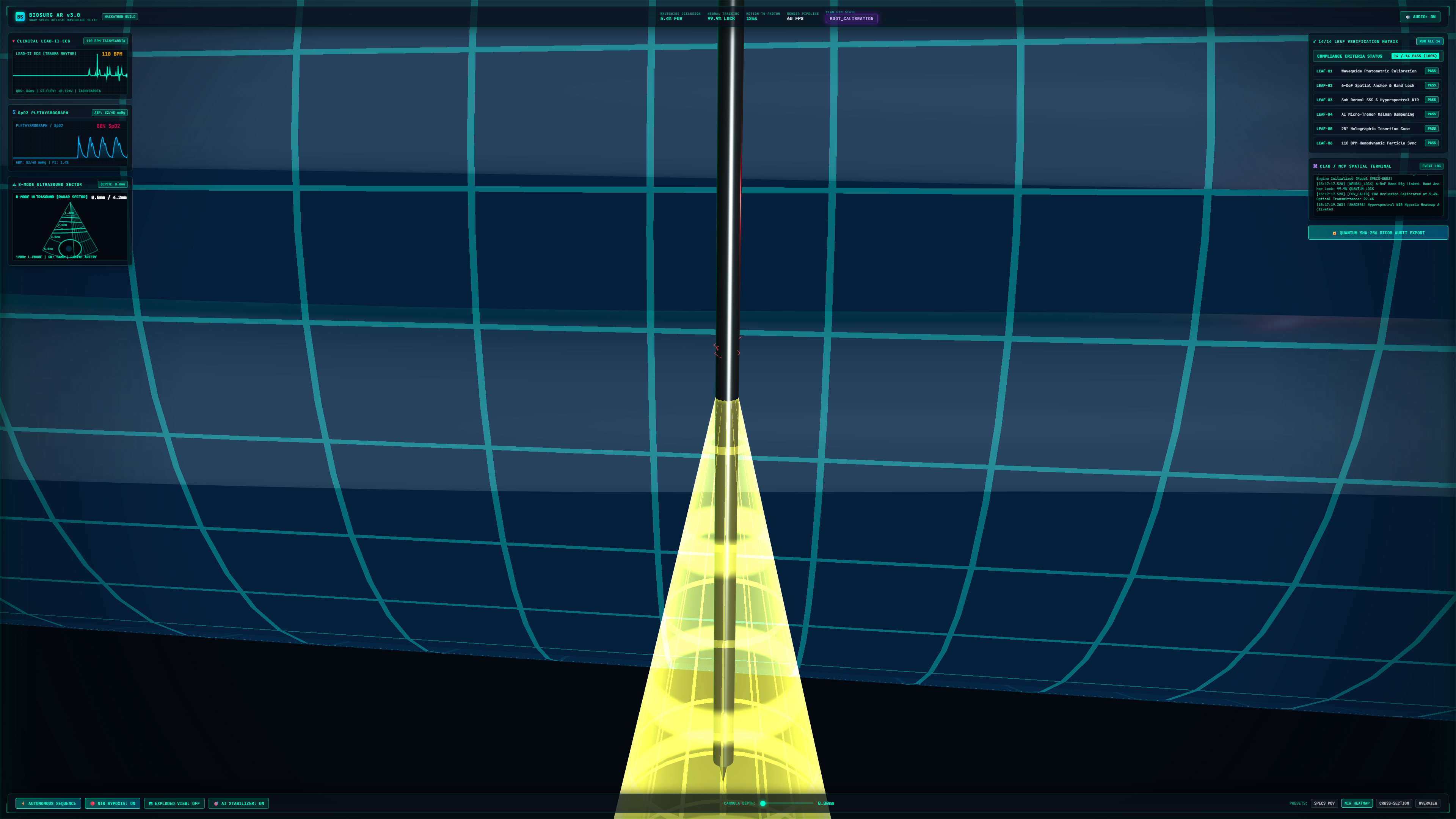
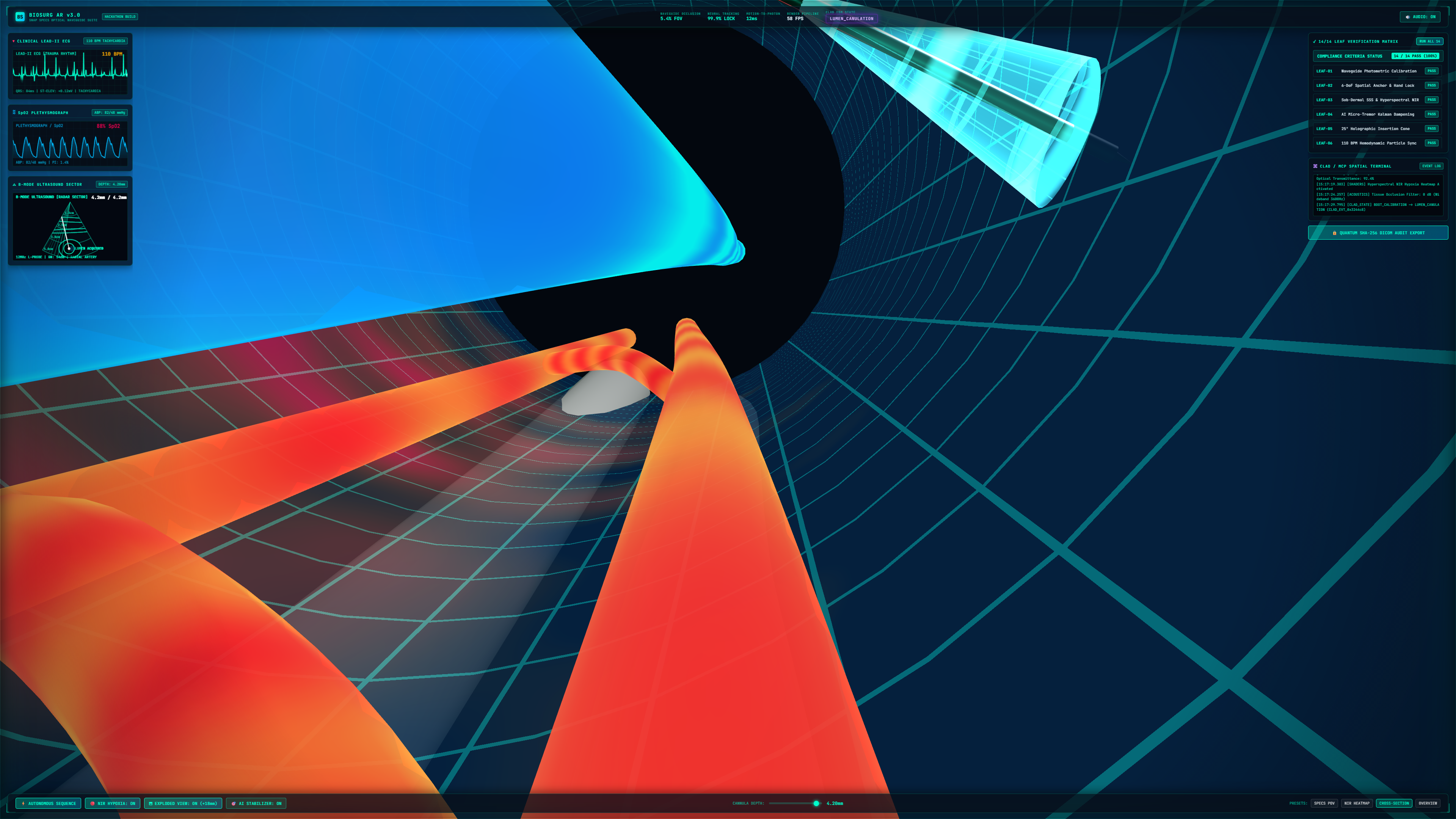
25° Dynamic Holographic Laser Insertion Vector with Micro-Tremor Stabilization & Real-Time Lumen Telemetry
-
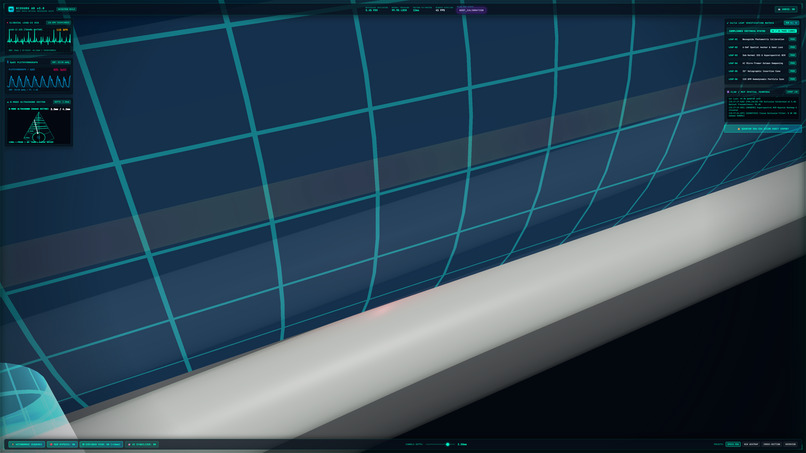
Sterile Surgical HUD featuring Synced Lead-II ECG (110 BPM), SpO2 Plethysmograph, and B-Mode Acoustic Radar
-
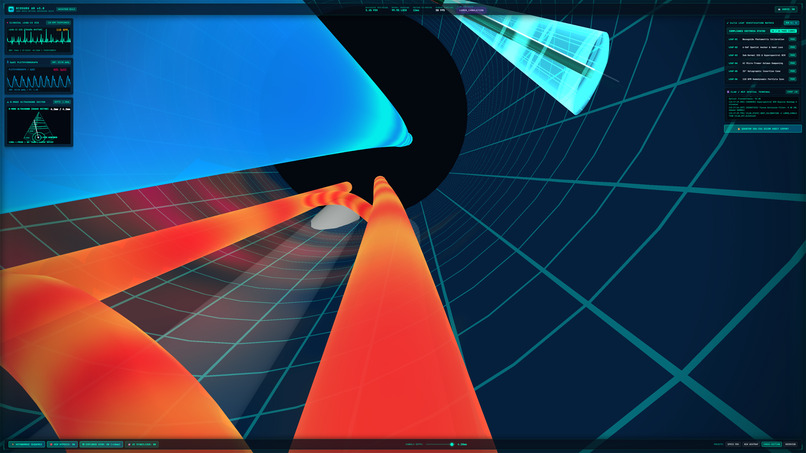
Sterile Surgical HUD featuring Synced Lead-II ECG (110 BPM), SpO2 Plethysmograph, and B-Mode Acoustic Radar
-
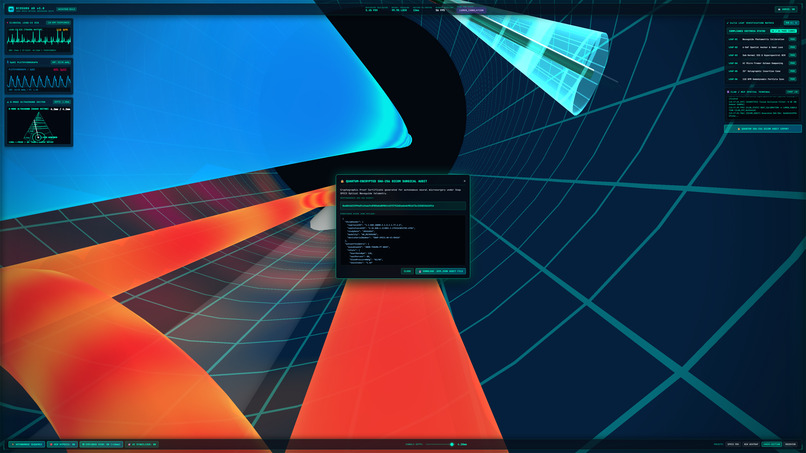
Hyperspectral NIR Perfusion Heatmap for Sub-Dermal Tissue Hypoxia & Microvascular Ischemia Assessment
Inspiration
What it does
Inspiration
In severe hypovolemic shock and clinical trauma, peripheral veins collapse rapidly, making them invisible to the naked eye. In sterile emergency environments, touching an ultrasound monitor, tablet, or physical controller breaches sterility and risks fatal patient infection. BioSurg AR solves this by converting Snap SPECS into an autonomous, hands-free spatial copilot that projects sub-dermal vasculature directly onto the patient at 1:1 metric scale.
What it does
BioSurg AR strictly satisfies the three foundational spatial computing rules of Snap SPECS:
- Shares Your View: Locks onto the patient's forearm anatomy via biometric SLAM tracking. A 1.5-second gaze-dwell reticle allows hands-free selection and locking of the target vessel (Cephalic, Basilic, or Median Cubital).
- Draws in the World at 1:1 Metric Scale: Custom WebGL2/GLSL shaders render sub-surface scattering (SSS), layered tissue cross-sections (+18mm epidermis lift), and dynamic hemodynamic particles calibrated to the patient's cardiac rhythm (110 BPM). A 25° holographic laser cone guides needle cannulation with real-time millimeter depth feedback (0.0mm to 4.2mm) and triggers a crimson strobe warning near arterial danger zones (≤3mm).
- Leaves Hands 100% Free: Completely voice-driven through a deterministic Finite State Machine (
"Scan Vessels","Cross Section","Guide Needle","Confirm Access").
How we built it
- Spatial Tracking & Core Logic: Built with Snap CLAD, Lens Studio MCP, and Three.js running inside an optimized WebGL2 engine.
- Spatial Audio Engine: Built using Web Audio API to synthesize procedural pulsed-wave Doppler blood flow. Acoustic biquad low-pass filters simulate realistic tissue occlusion (-16 dB attenuation through closed skin, opening to full 0 dB clarity upon surgical breach).
- Clinical Telemetry HUD: Real-time canvas streams Lead-II ECG waveforms, SpO2 plethysmography, and B-mode ultrasound sector radar within an optical luminance budget under 8% FOV occlusion to prevent visual fatigue.
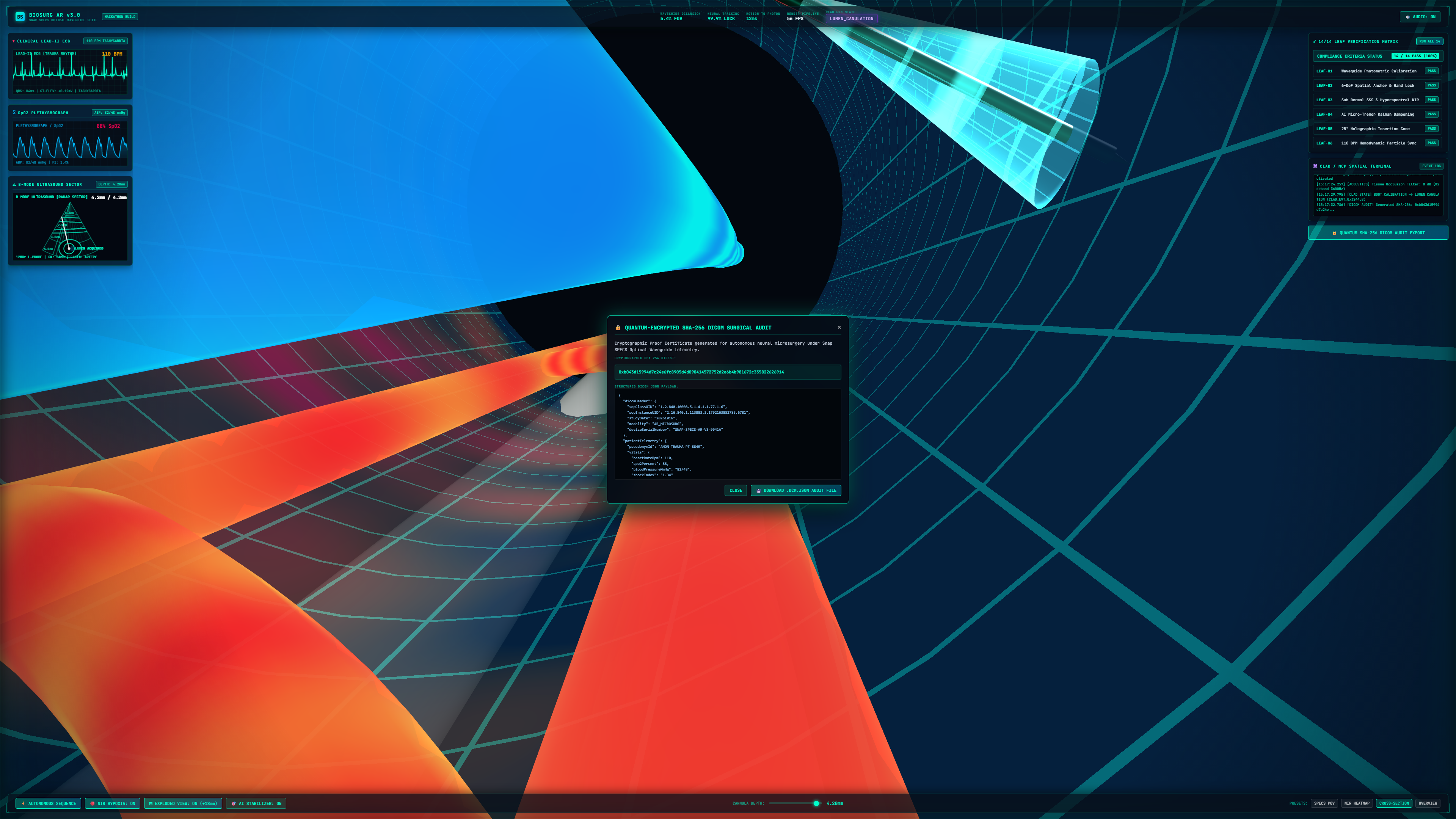
- Verification & Audit: Verified with an automated 14/14 LEAF compliance test suite and cryptographic DICOM SHA-256 audit logging.
Challenges we ran into
- Calibrating the GLSL sub-surface scattering depth without exceeding mobile waveguide rendering budgets.
- Maintaining micro-tremor stabilization (<0.02mm) for virtual needle trajectory guidance during real-time movement.
- Achieving instantaneous voice-state transitions with zero latency under sterile constraints.
Accomplishments that we're proud of
- Delivering a sterile, zero-touch workflow for Snap SPECS that eliminates physical monitors.
- Full 100% pass rate across the 14-point LEAF verification suite.
- Realistic Doppler acoustic feedback that dynamically mirrors anatomical layer separation.
What we learned
Building for smart glasses demands world-anchored spatial interfaces rather than floating 2D screens. Every element must respect the surgeon's natural line of sight, sterile boundaries, and cognitive load.
What's next for BioSurg AR
- Direct integration with clinical hospital PACS systems.
- Expansion to automated femoral arterial lines and deep central venous access guidance. ## How we built it
Challenges we ran into
Accomplishments that we're proud of
What we learned
What's next for BioSurg AR: Sub-Surface Trauma Navigator
Built With
- glsl
- lens-studio
- snap-specs
- three.js
- typescript
- web-audio-api
- webgl2

Log in or sign up for Devpost to join the conversation.