-
-
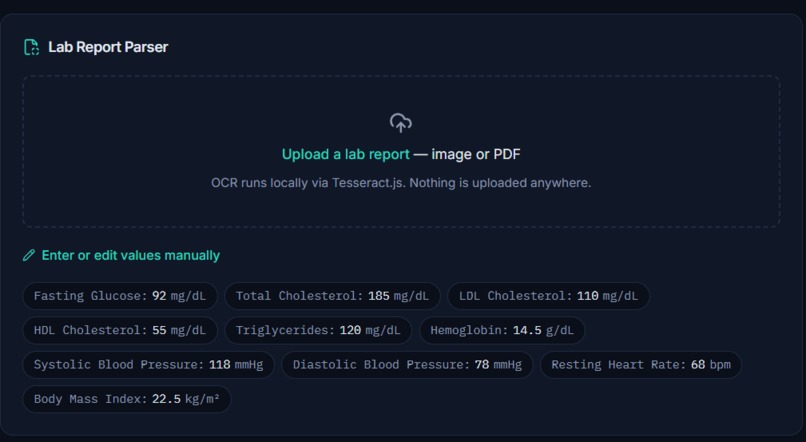
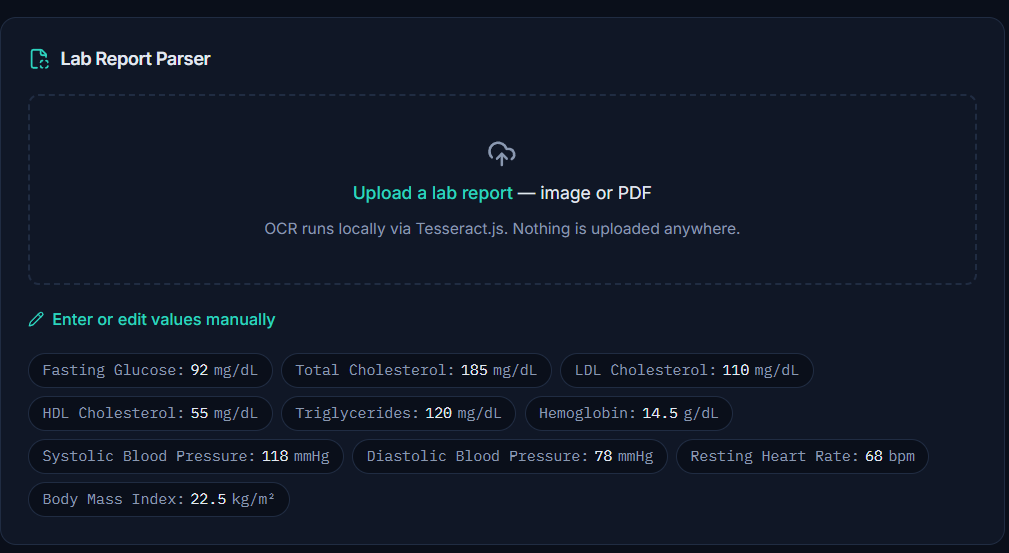
Lab Report Parser
-
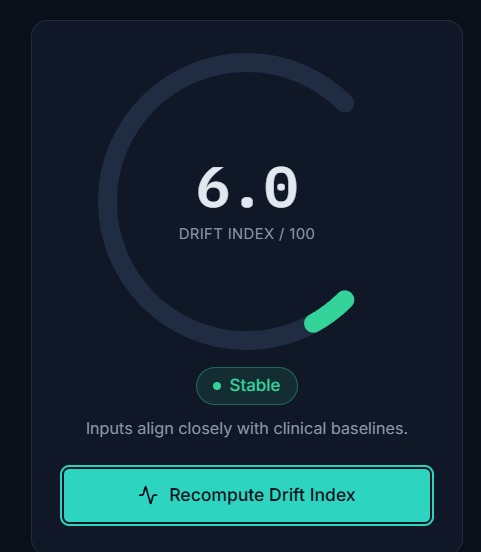
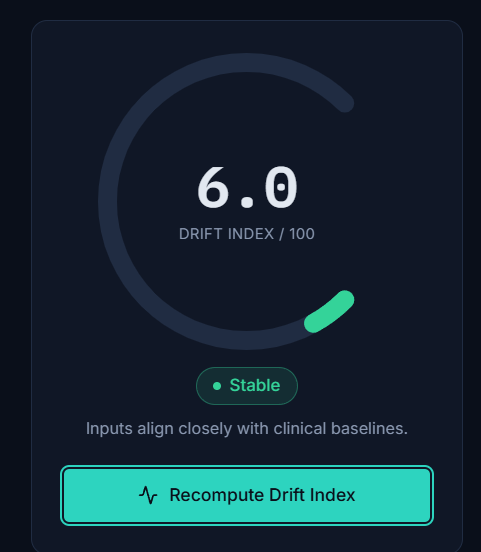
Drift Index
-
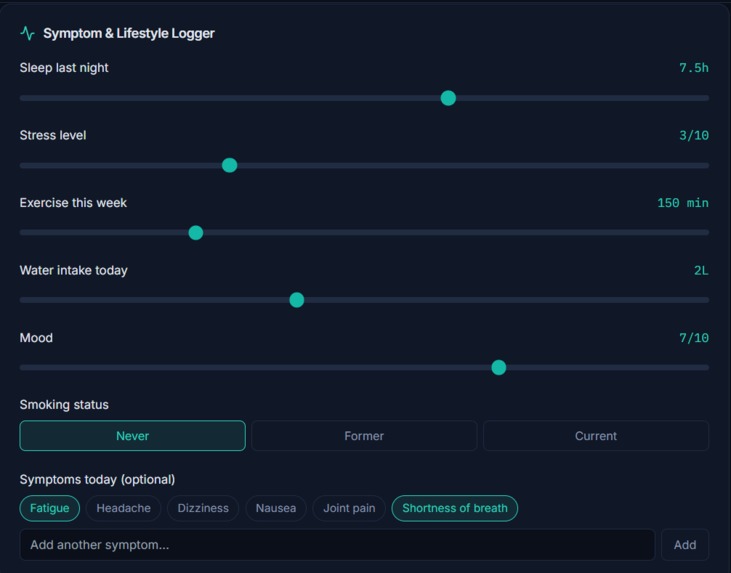
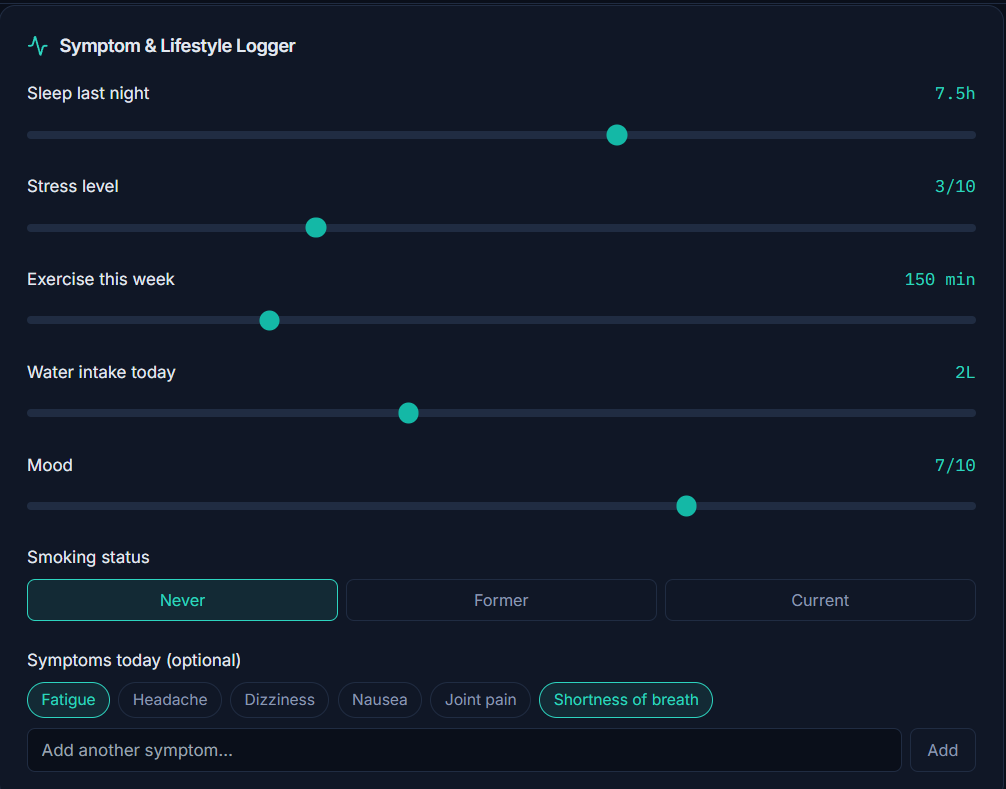
Symptoms and Lifestyle Logger
-
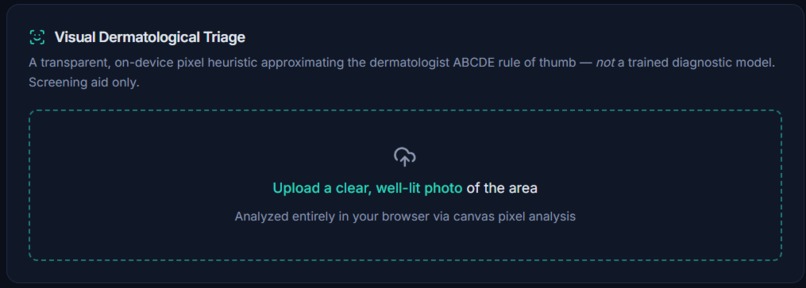
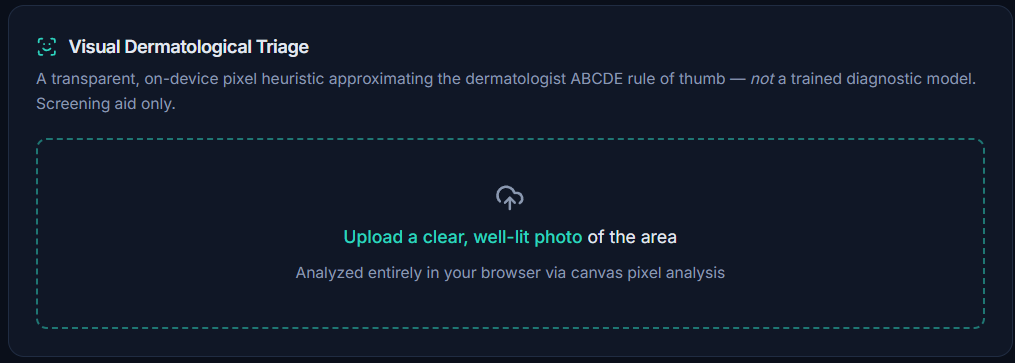
Visual Dermatological Triage
-
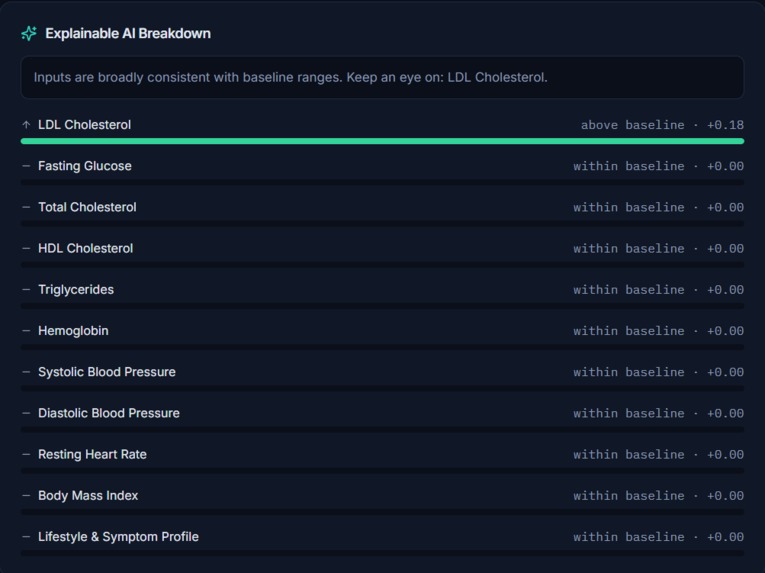
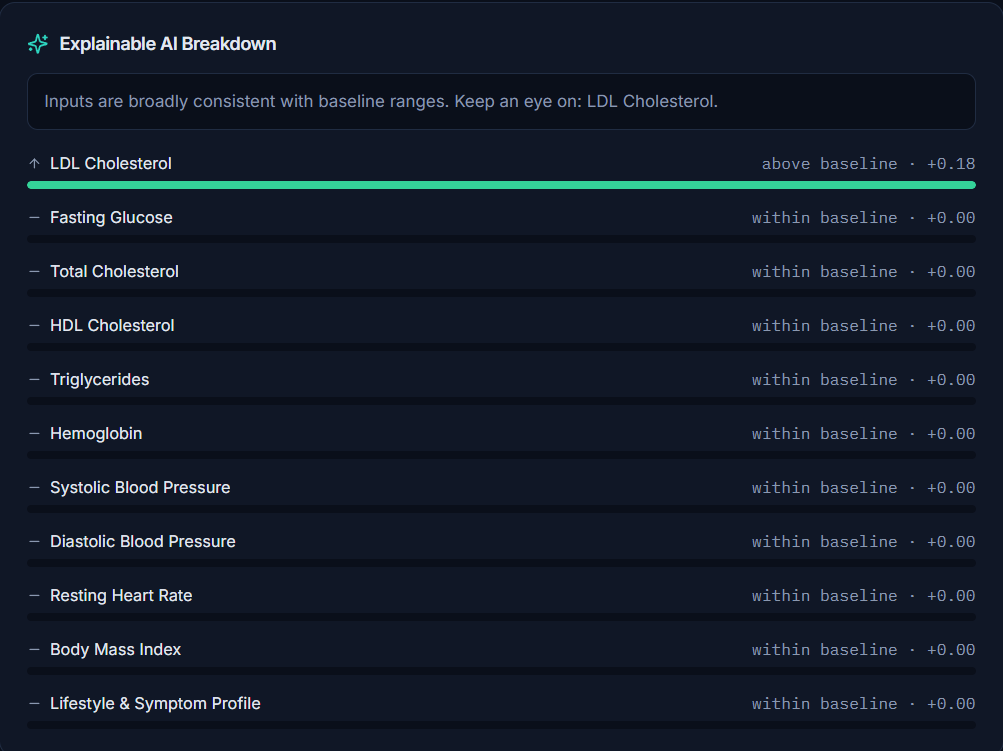
Explainable AI Breakdown
-
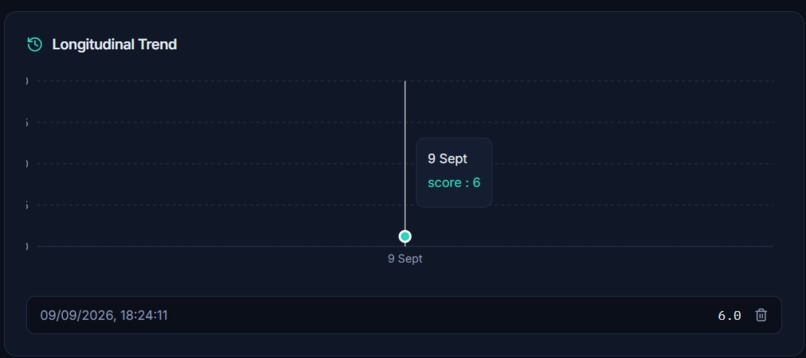
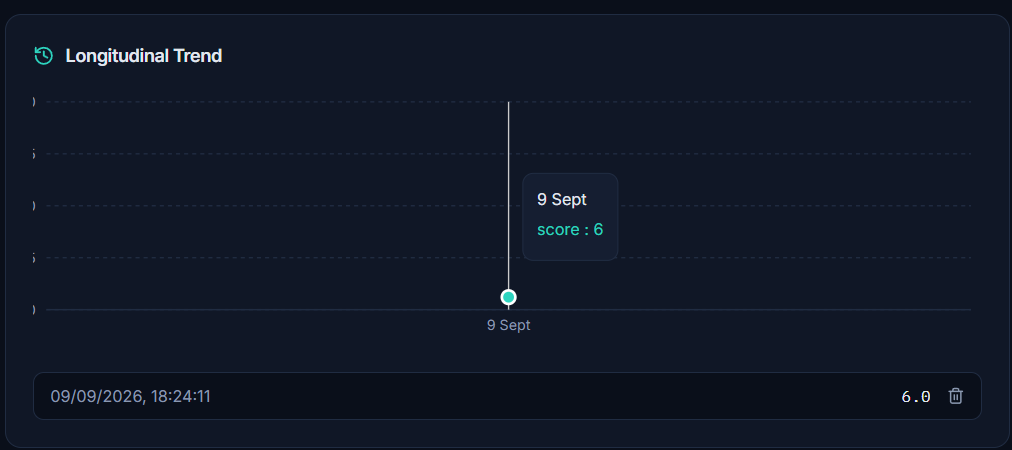
Longitudinal Trend
-
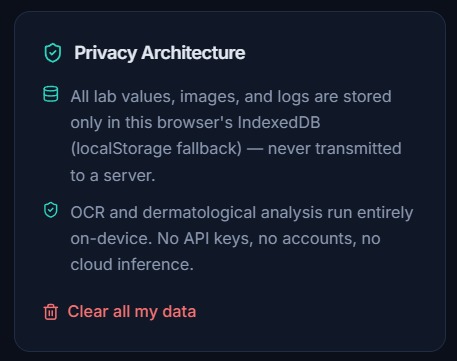
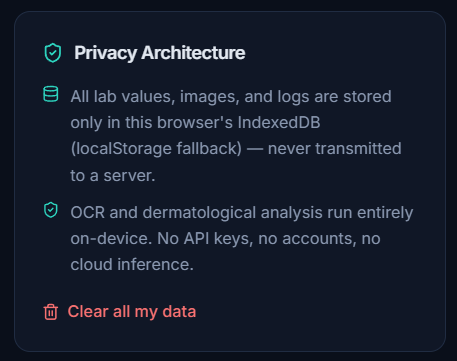
Privacy Architecture
-
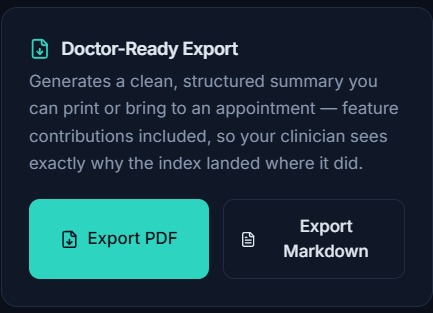
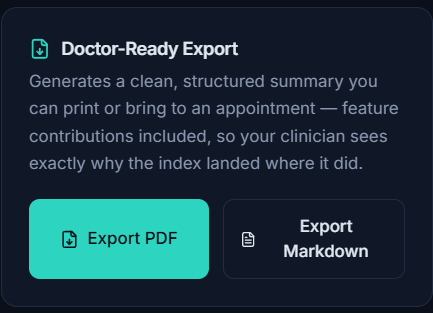
Doctor-Ready Export
-
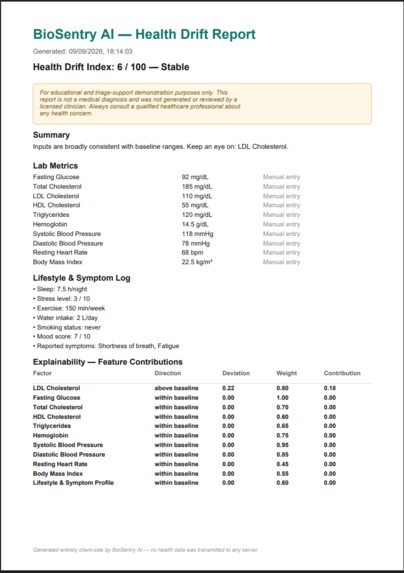
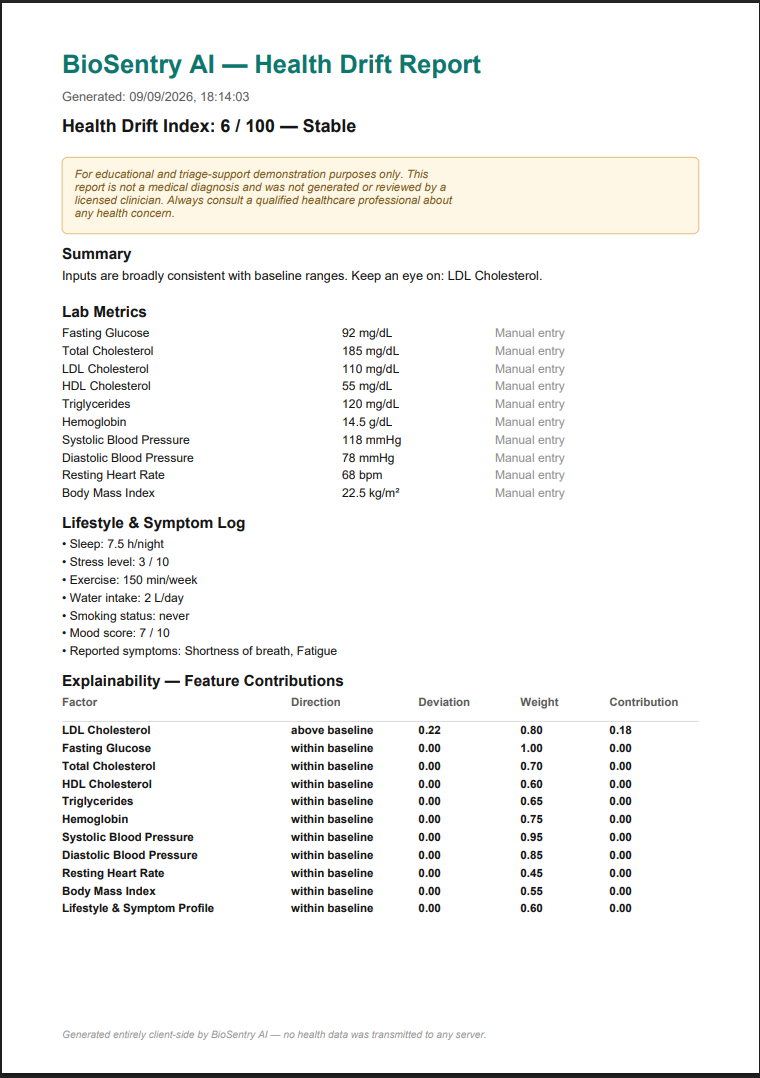
Health Drift Report
Inspiration
Traditional healthcare is overwhelmingly reactive—it waits for symptoms to become severe, leaving patients in the dark until it's too late. Furthermore, modern digital health tools often require uploading deeply sensitive medical records, blood tests, and personal logs to unknown cloud servers, creating massive privacy vulnerabilities. I was inspired to build BioSentry AI to flip this model: empowering individuals with a proactive, early-triage health intelligence tool that runs 100% locally in the browser.
What it does
BioSentry AI is a multi-modal early triage engine that unifies routine lab blood panels, lifestyle logs, and visual health indicators into a single dashboard. It computes a longitudinal "Health Drift Index" using deterministic algorithms to catch subtle biochemical and physiological deviations early. It also features a client-side OCR lab parser (powered by Tesseract.js) and an explainable markdown export designed to bridge the communication gap between patients and clinicians.
How I built it
I built BioSentry as a modern progressive web application using Next.js, React, Tailwind CSS, and TypeScript for a clean, clinical-grade user experience. To ensure total zero-knowledge privacy and eliminate server costs or paid API keys, all data processing, OCR extraction, and risk heuristic calculations happen entirely client-side on the user's device.
Challenges I ran into
Balancing heavy tasks like client-side OCR parsing and local metrics processing while maintaining a lightning-fast, responsive UI was a significant challenge. I solved this by optimizing state management and utilizing asynchronous workers to keep the interface smooth and fluid.
Accomplishments that I'm proud of
I successfully engineered a zero-dependency, zero-key diagnostic precursor that runs completely offline in any web browser, ensuring that absolute patient data privacy is maintained without sacrificing analytical depth or visual polish.
What I learned
I deepened my understanding of clinical data structuring, client-side browser performance optimization, and how to design explainable AI interfaces that translate complex physiological indicators into actionable, human-readable insights.
What's next for BioSentry AI
I plan to expand local machine learning pipelines to support a broader array of diagnostic biomarkers, integrate multi-language localization, and partner with clinical advisors to validate the Health Drift algorithms for real-world pilot testing.
Built With
- css
- html5
- next.js
- react
- tailwind
- tesseract.js
- typescript


Log in or sign up for Devpost to join the conversation.