-
-
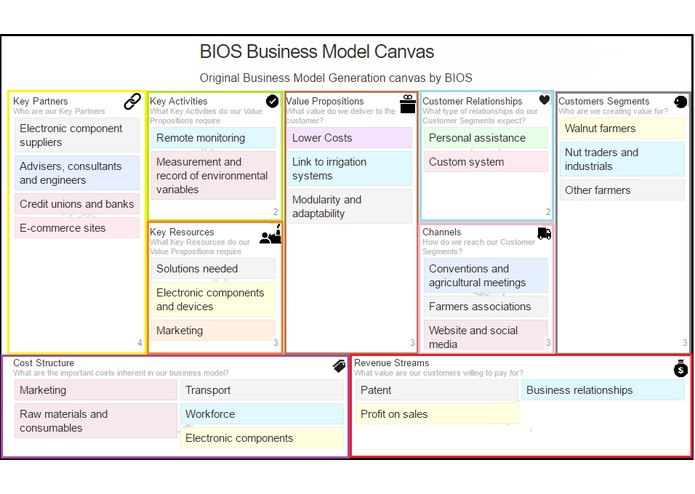
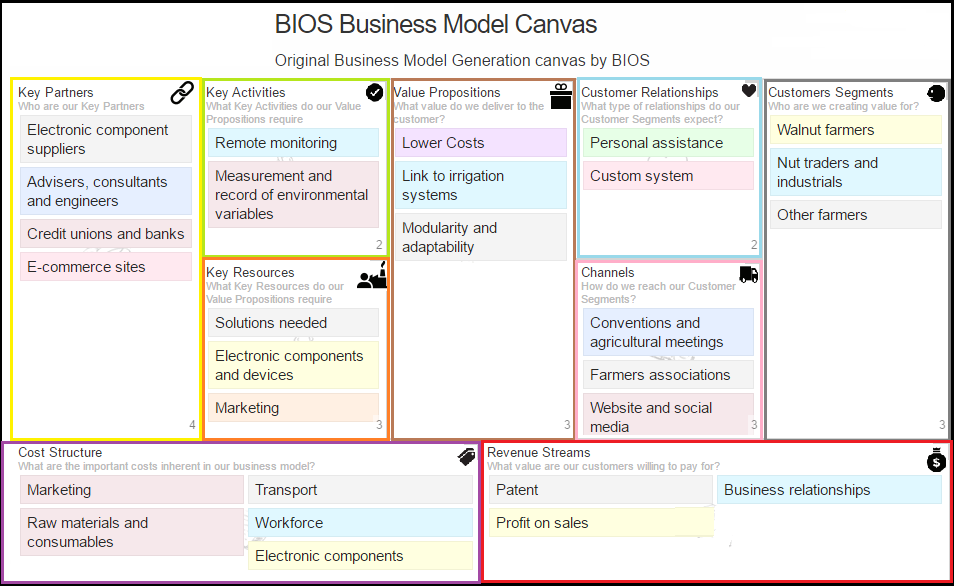
Canvas business model for BIOS
-
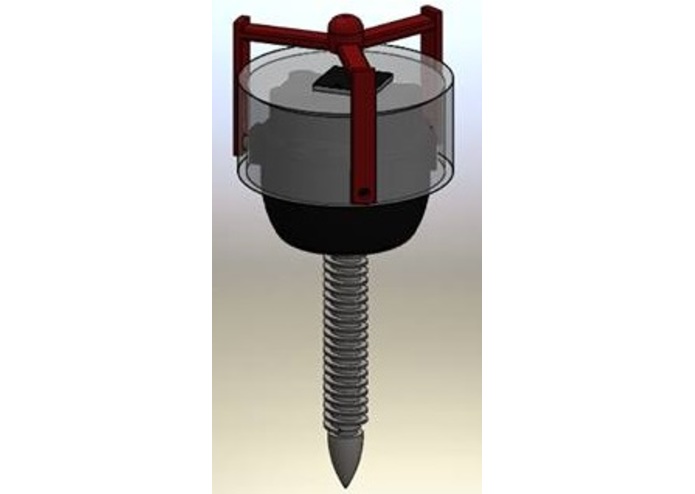
Monitoring module
-
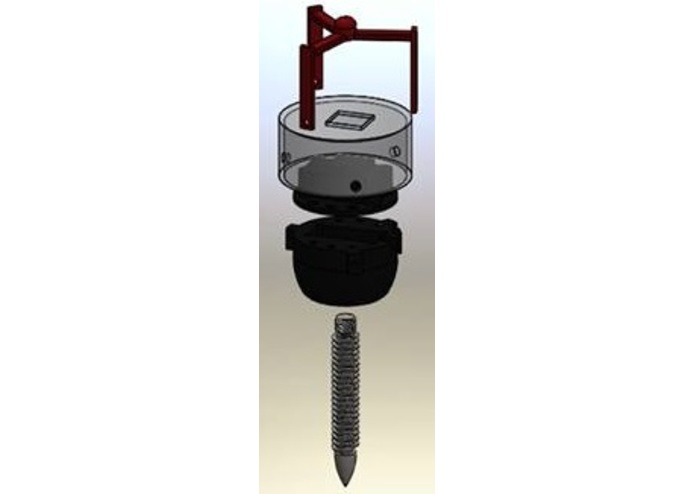
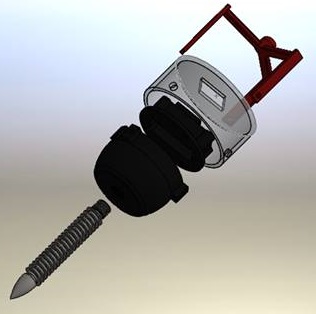
Exploded isometric view of the monitoring module
-
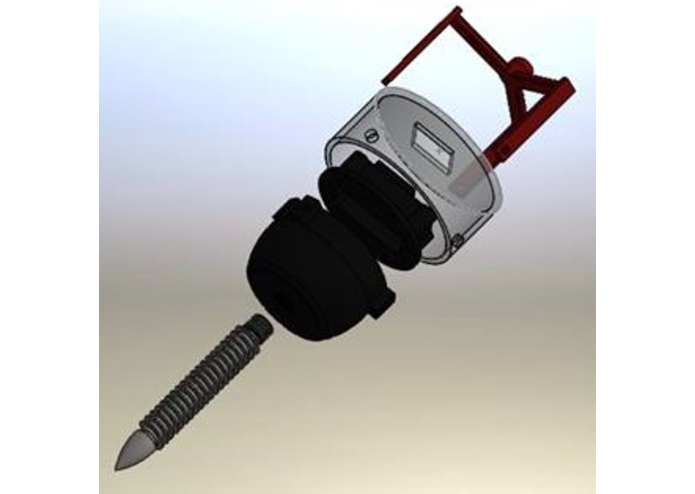
Exploded view of the monitoring module
-
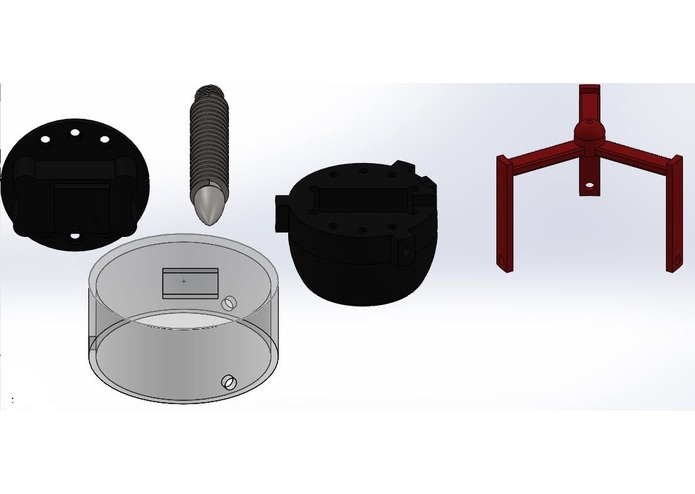
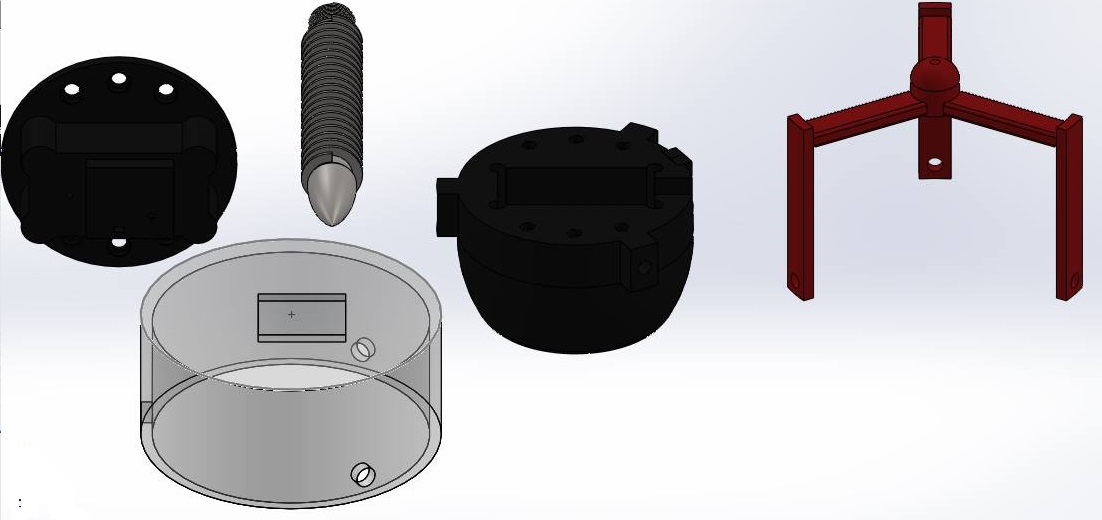
Pieces of the monitoring module
-
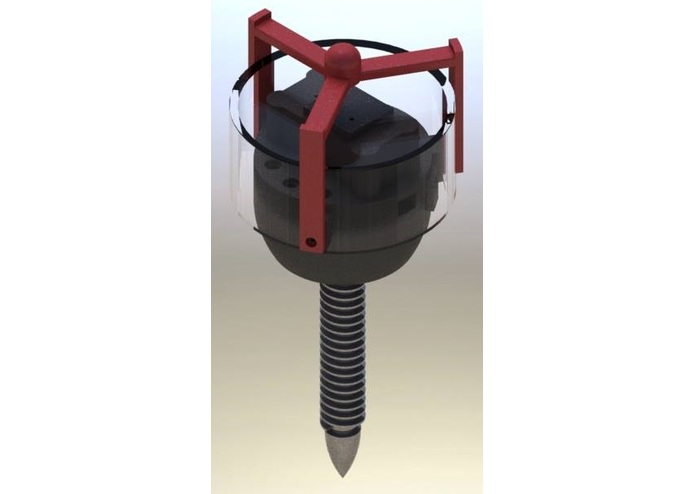
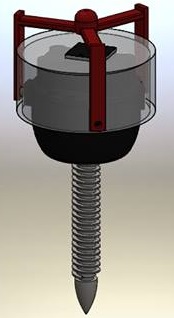
Final version monitoring module
-


Inspiration
Walnut trees are appreciated appreciated for the quality of its wood as the nutritional properties of the nut. Over 65% of the total nut production in Mexico belongs to Chihuahua State where walnut industry generates profits of millions of dollars per year but also, maintenance of the orchards requires a great investment for planting, fertilization, protection from temperature variation, pests and especially water is huge; it is required about 8,000 cubic meters per irrigation season, usin different techniques such as aspersion, sprinkler, drip or hoses without a real control of the amount of water used. We design a system to measure, record and draw conclusions from the water requirements needed by walnut trees. There are several tools like sphygmomanometers or capacitance probes but they are very expensive and often require specialized people to handle it. The idea came from an interview with a consultant who is responsible for managing walnut orchards so we think it is a viable and very useful project
What it does
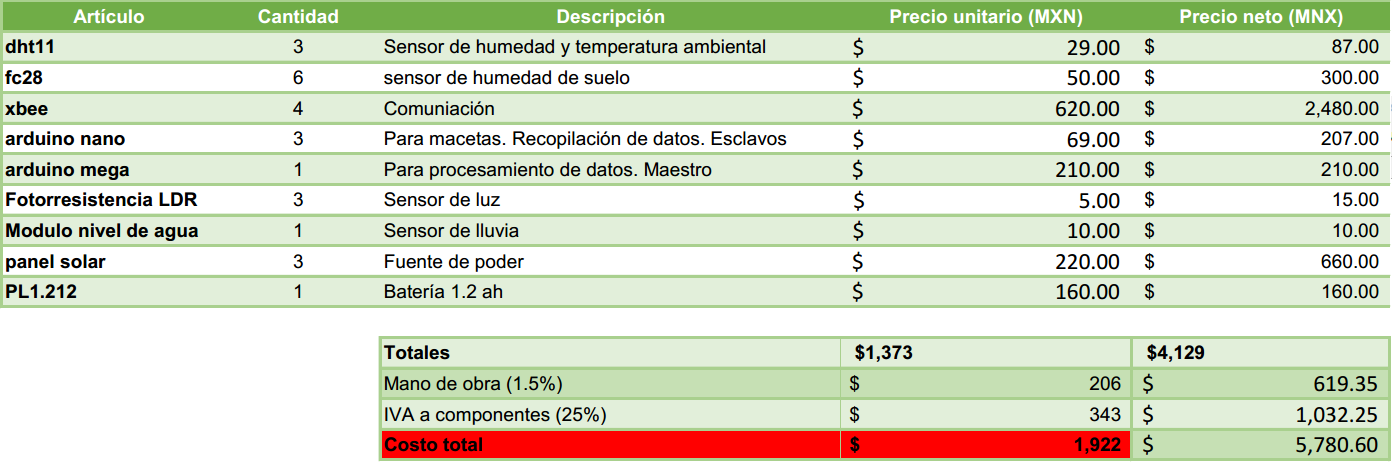
It consists in several wireless communication nodes with a friendly interface for remote monitoring to determine water levels in soil. Our prototype may be able to monitoring soil moisture, light, rain / water, environmental humidity and ambient temperature.
How we built it
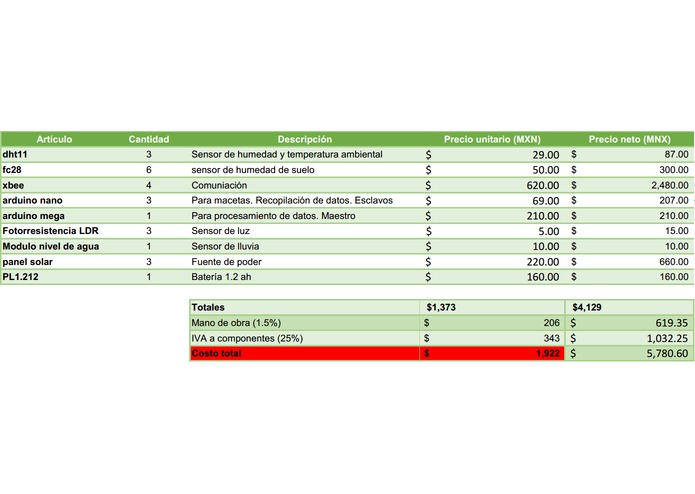
Using arduino mega as master node, and using a connection with xbee. This way we develop a communication network with two nodes, each one with two humidity sensors, one light sensor and a temperature sensor. The number of nodes are adaptable to the area of the farmer and could even be scaled to other crops such as apple trees
Challenges we ran into
Communication between team members and the lack of time (and sleep) to develop the system.
Accomplishments that we're proud of
The cost is 50% reduced compared to existing systems. Favors the production of walnut and water conservation. The monitoring system shows an Excel file who is easy to read and analyze.
What we learned
Experiences like agrohack allow us to acquire a different perspective of the problems facing agriculture today and imagine the solutions we can provide. Also, collaborate with people from different areas enriches our training and education; combining the strengths of each person make us able to create a better job.
What's next for BIOS
After the project is validated in a orchard we will make the necessary improvements to improve the communication system between multiple sensors to cover large areas of land.
Built With
- arduino
- code

Log in or sign up for Devpost to join the conversation.