Inspiration
In an increasingly digital world, it's easy to become glued to our screens, losing touch with the natural world around us. Today’s children, in particular, seem to prefer the glow of screens to the wonders of outdoor play. However, adventure awaits us in every corner of nature – from the familiar creatures we encounter daily to the rare and elusive species that spark our curiosity. We are driven by a desire to bridge the gap between technology and the natural world, rekindling our connection with the environment and igniting a sense of wonder and curiosity within us all. Our aim is simple yet profound: to inspire everyone to step outside, explore, and discover the incredible diversity of life on our planet – all in a way that's engaging, educational, and above all, fun!
What it does
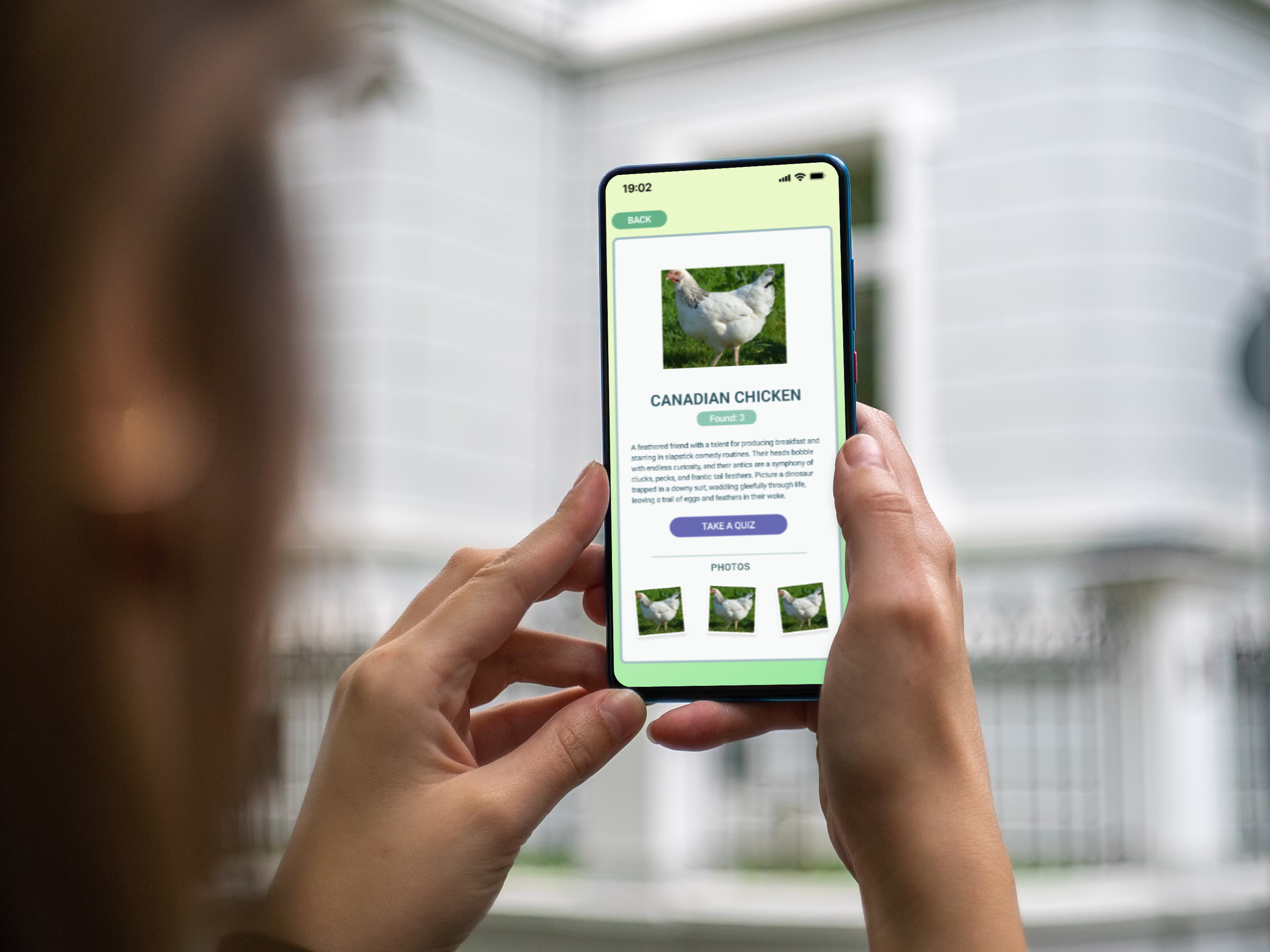
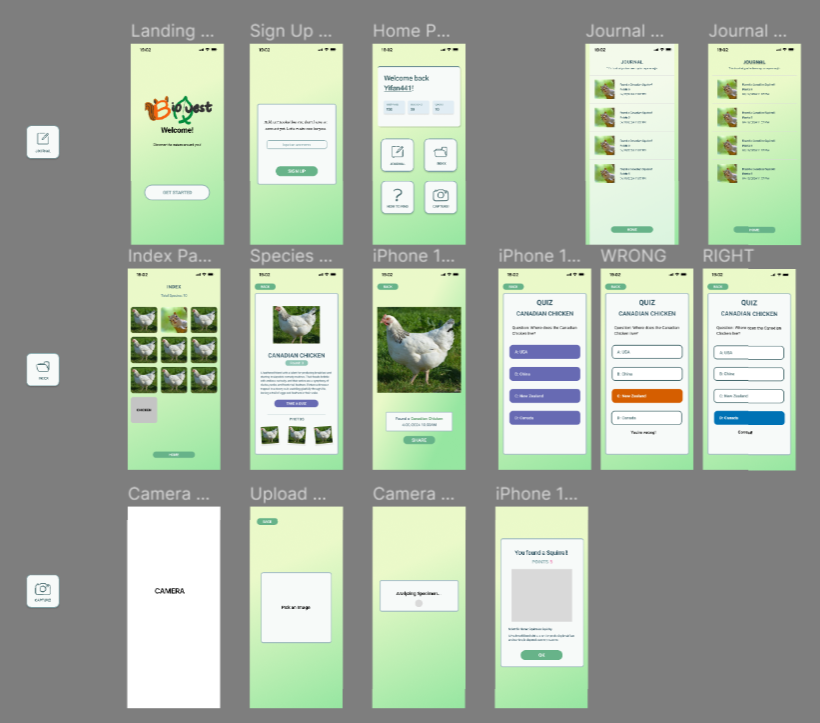
BioQuest is a mobile app available for iOS and Android that revolutionizes outdoor exploration. Simply snap a picture of any animal or plant, and our advanced model instantly identifies the species for you. Dive deeper with detailed information about each species and build your own digital journal of encounters. Engage in fun quizzes to test your knowledge and compete with friends, earning points and tracking your progress as you discover and document new species.
How we built it
Our mobile app consists of three interconnected parts. Our backend model harnesses the power of Intel Developer Cloud, Tensorflow, Python, and OpenCV to accurately identify species from user-submitted images. The backend infrastructure is supported by MongoDB and the Gemini API, with Flask handling the server-side logic. The Gemini model enriches user experiences by generating quiz questions, crafting engaging descriptions, and providing additional species information. These change often, keeping users constantly engaged. On the frontend, we utilized React Native for the mobile app development, while Figma served as our design tool, ensuring a seamless and visually appealing user interface.
Challenges we ran into
Throughout the development process, we encountered several challenges that tested our problem-solving skills and resilience. Accessing Intel Developer Cloud to host our image classification model proved to be a hurdle, particularly as it was our first time utilizing the platform. Additionally, finding a suitable model and optimizing its efficiency, particularly in terms of GPU usage and runtime, presented significant obstacles. We initially encountered issues with running sample code and spent considerable time troubleshooting before resorting to writing personalized scripts to ensure smooth model execution. Furthermore, Expo Go's slow connectivity as we developed with React Native added delays to our development workflow, requiring patience and workarounds to maintain productivity.
Accomplishments that we're proud of
We take pride in achieving a fully functional platform, integrating frontend, backend, and our machine learning model. Moreover, the collaborative joy of working on a project we all enjoy adds to our sense of accomplishment.
What we learned
We delved into the intricacies of optimizing deep learning models for mobile devices, gaining valuable insights into enhancing efficiency. Exploring React Native revealed nuances in compatibility compared to traditional web React apps, broadening our understanding of mobile development.
What's next for BioQuest
As we chart the future of BioQuest, we're excited about the possibilities for expanding our platform. We aim to introduce a leaderboard feature, fostering healthy competition and engagement among users. Additionally, we're eager to implement community-driven discovery, allowing users to contribute new species to our ever-growing database. Enhancements to the app's user experience and further optimizations for efficiency remain key priorities as we strive to continually improve BioQuest and deliver an exciting user experience.

Log in or sign up for Devpost to join the conversation.