-
-
Space Week Hackathon 2025 Intro Slide
-
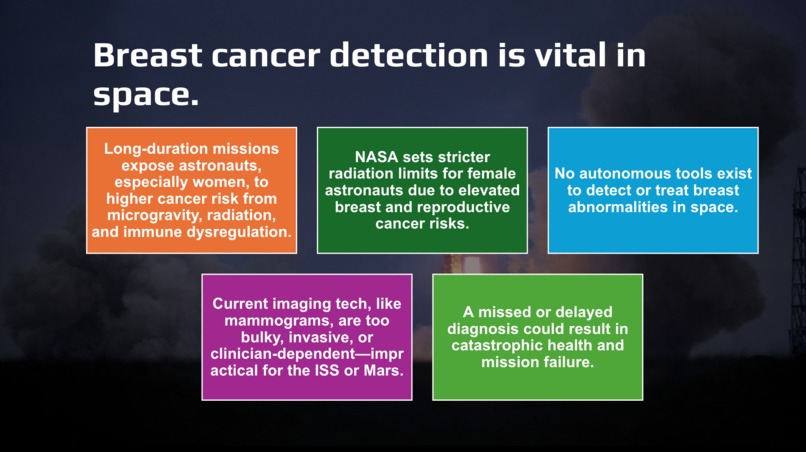
Breast Cancer Detection Is Vital in Space
-
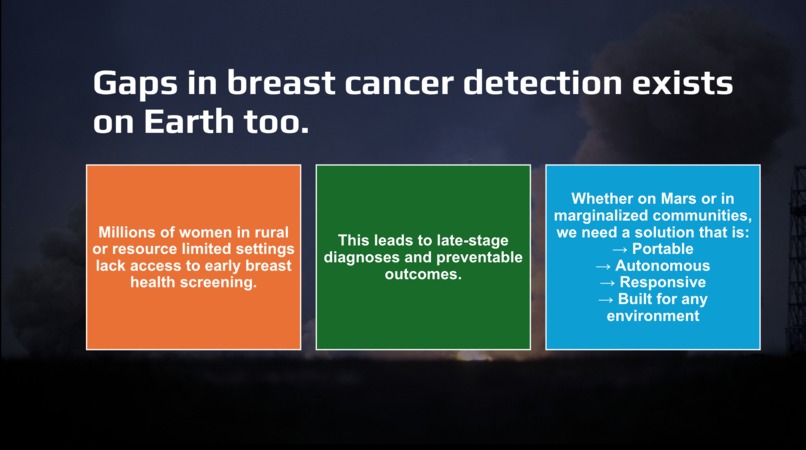
Gaps in Breast Cancer Detection Exists On Earth Too
-
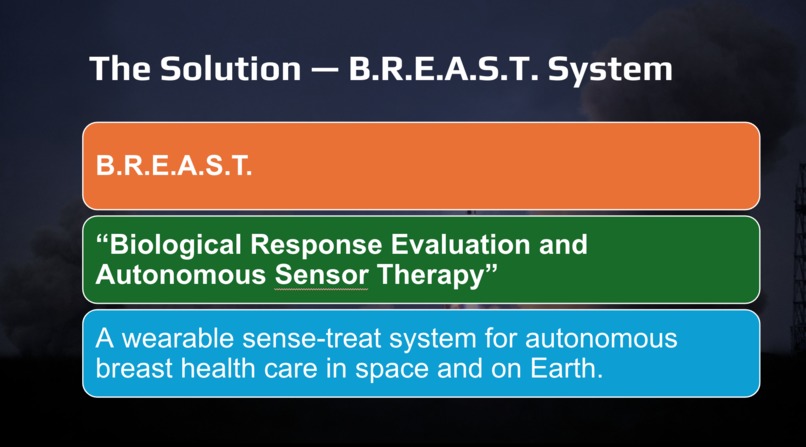
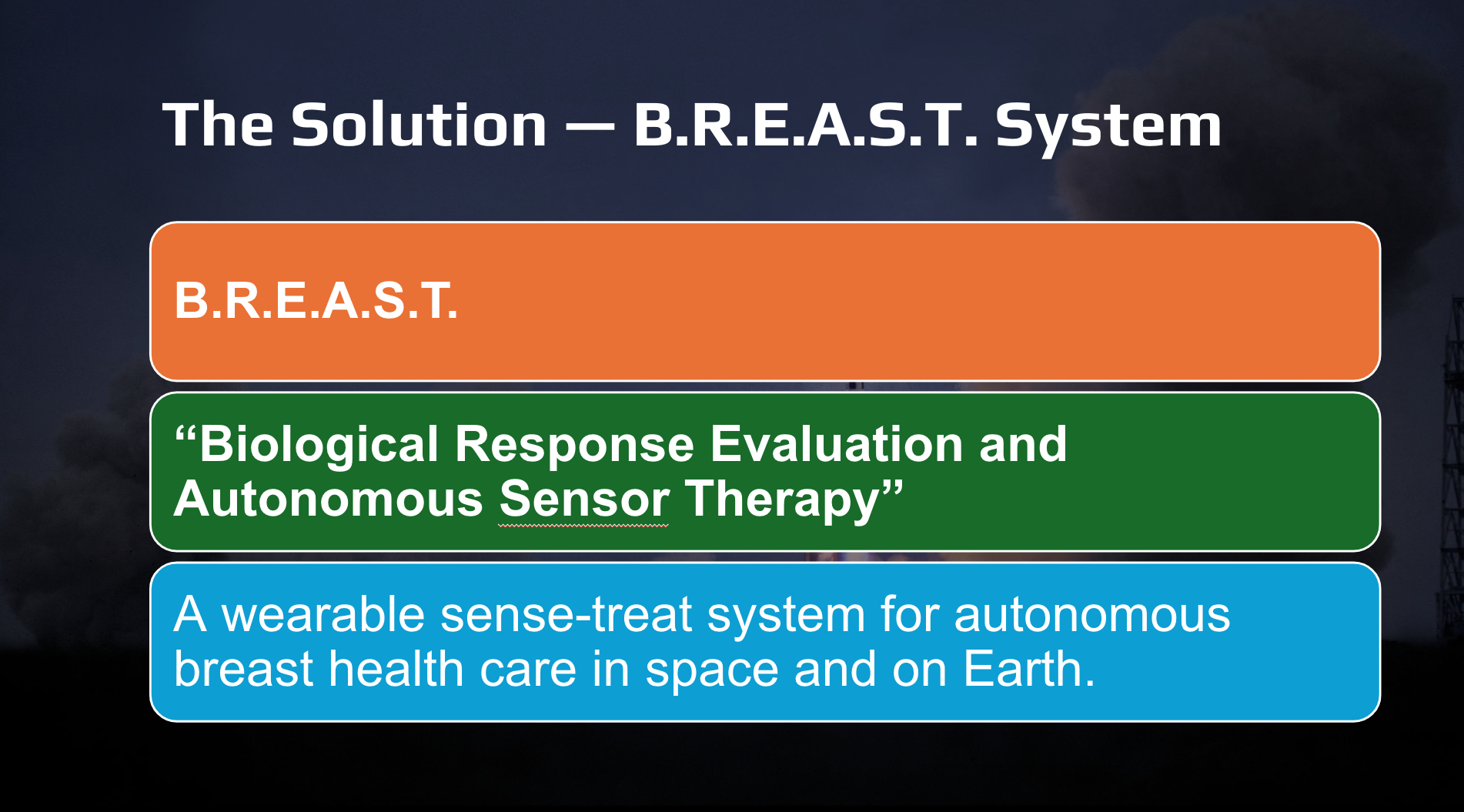
The Solution - B.R.E.A.S.T System
-
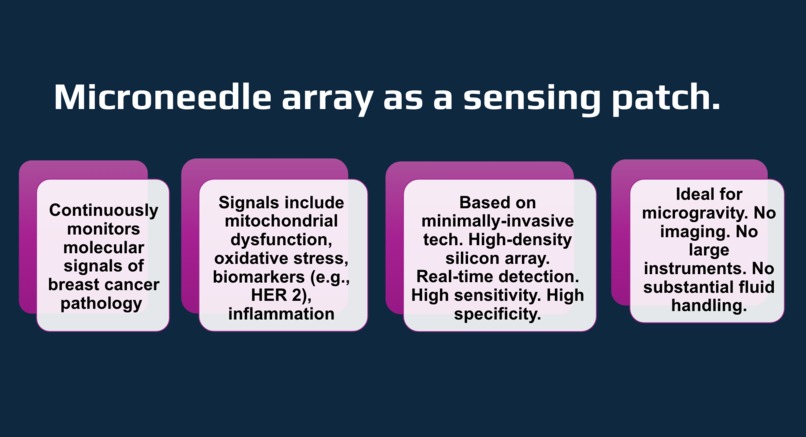
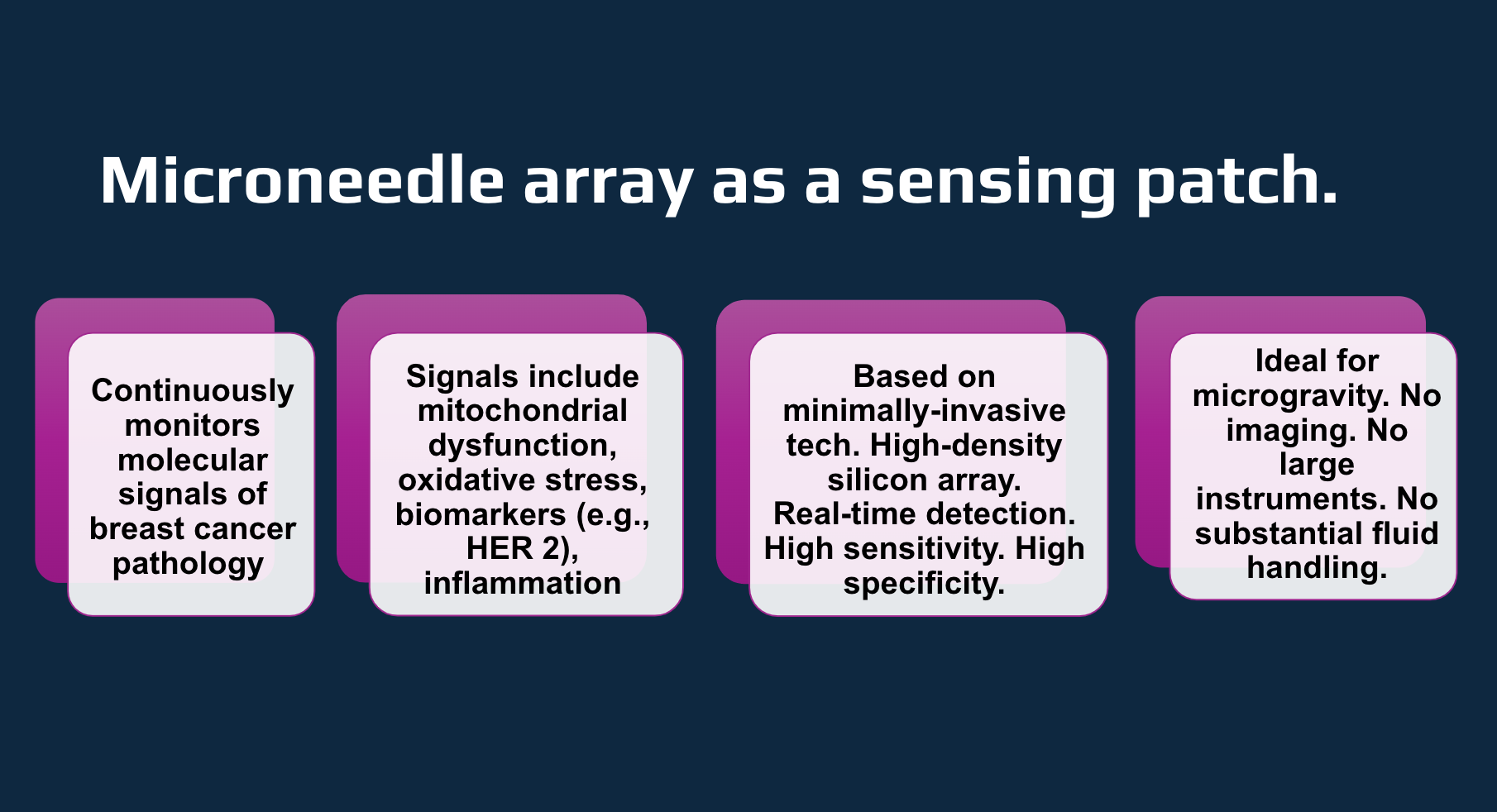
Microneedle Array as a Sensing Patch
-
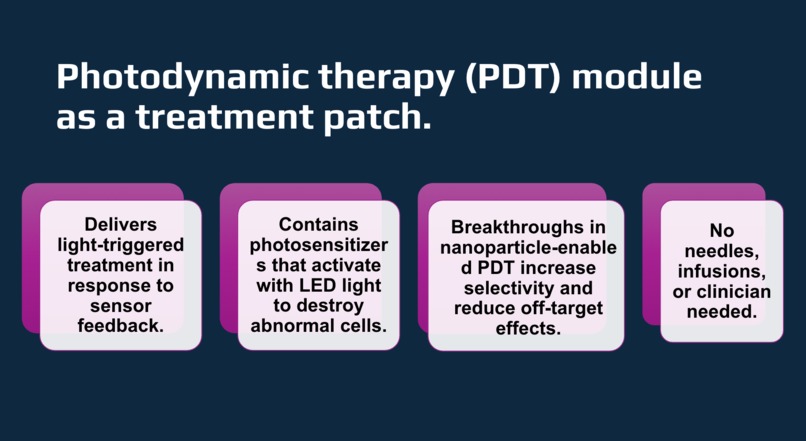
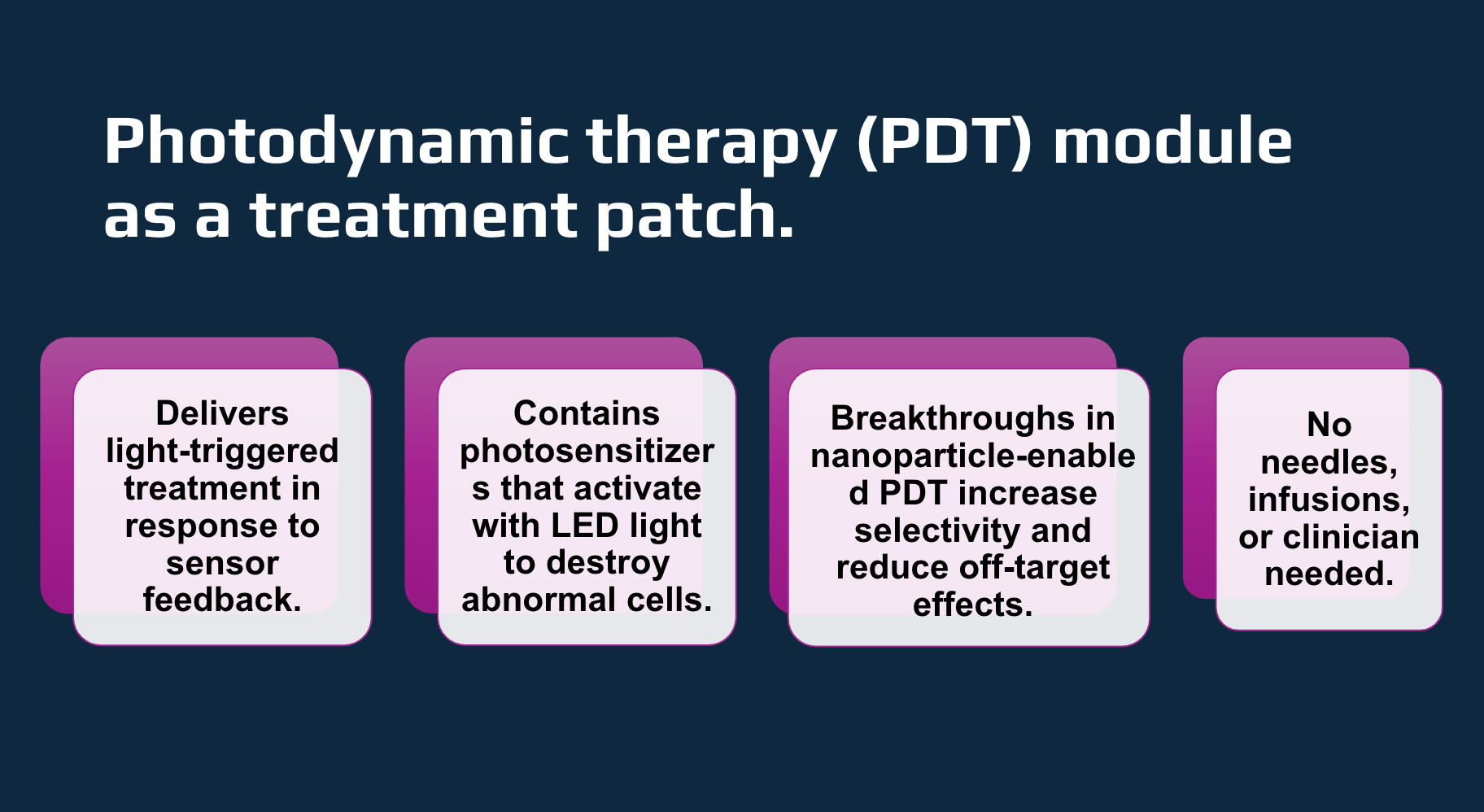
Photodynamic Therapy (PDT) Module as a Treatment Patch
-
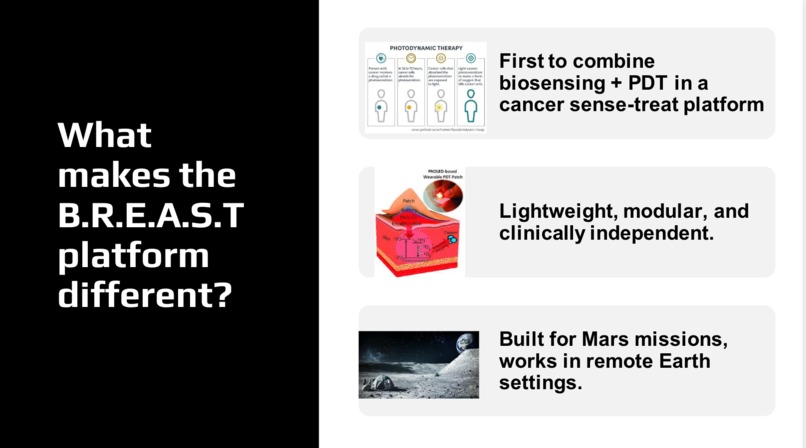
Our Platform Overview
-
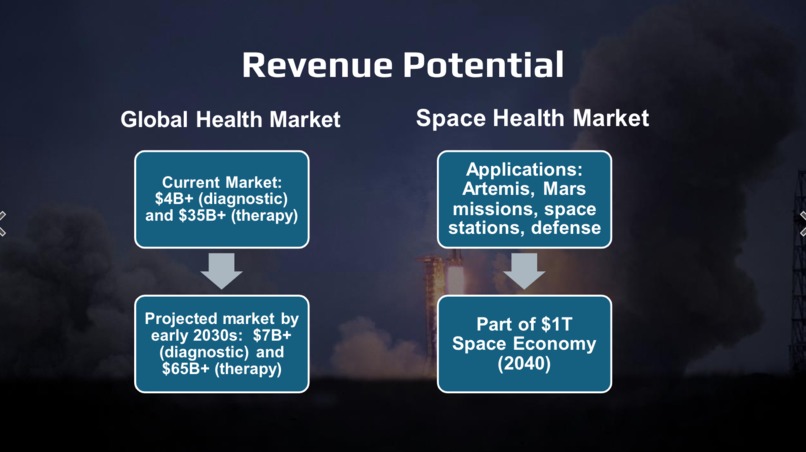
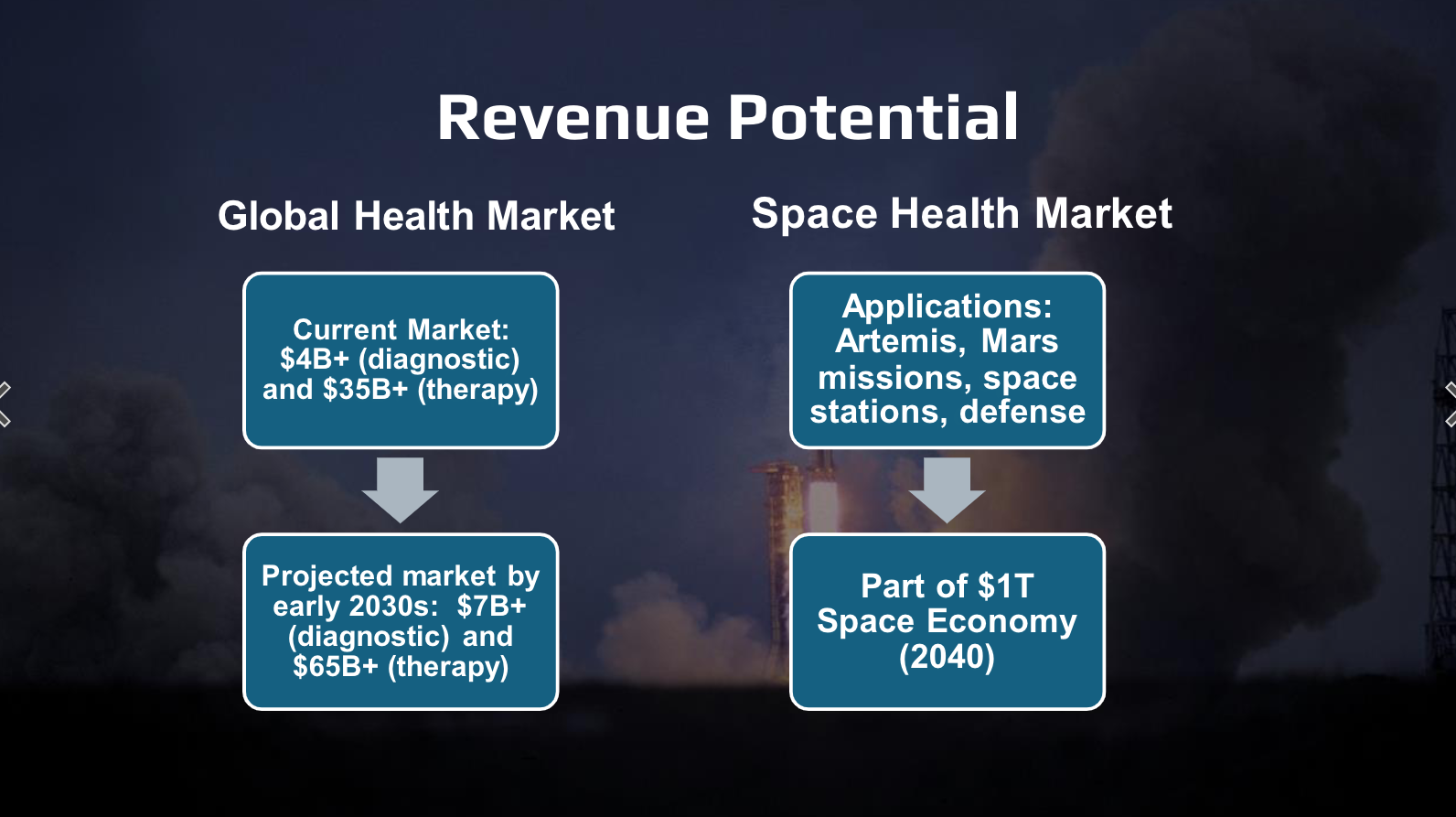
Revenue Potential
-
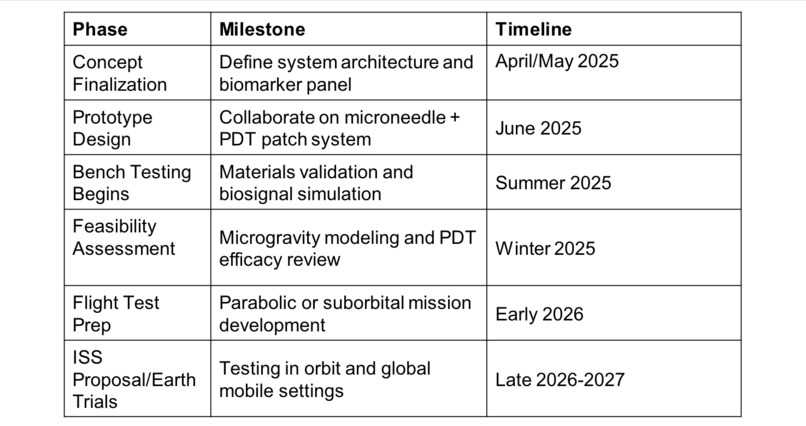
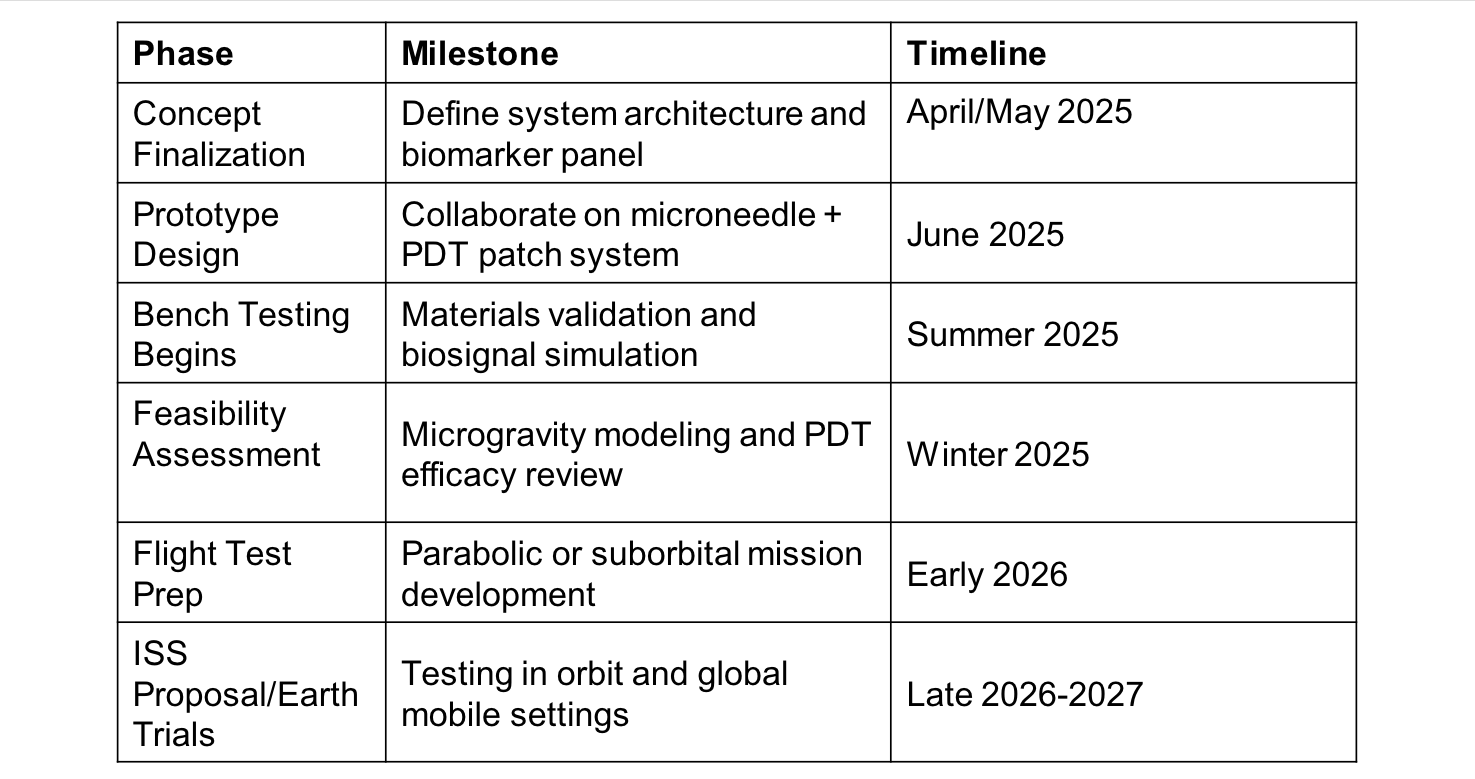
Research/Project Milestones & Timeline
-
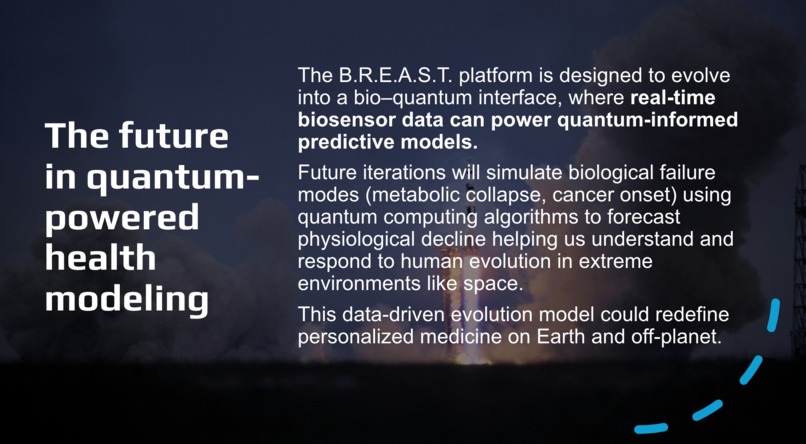
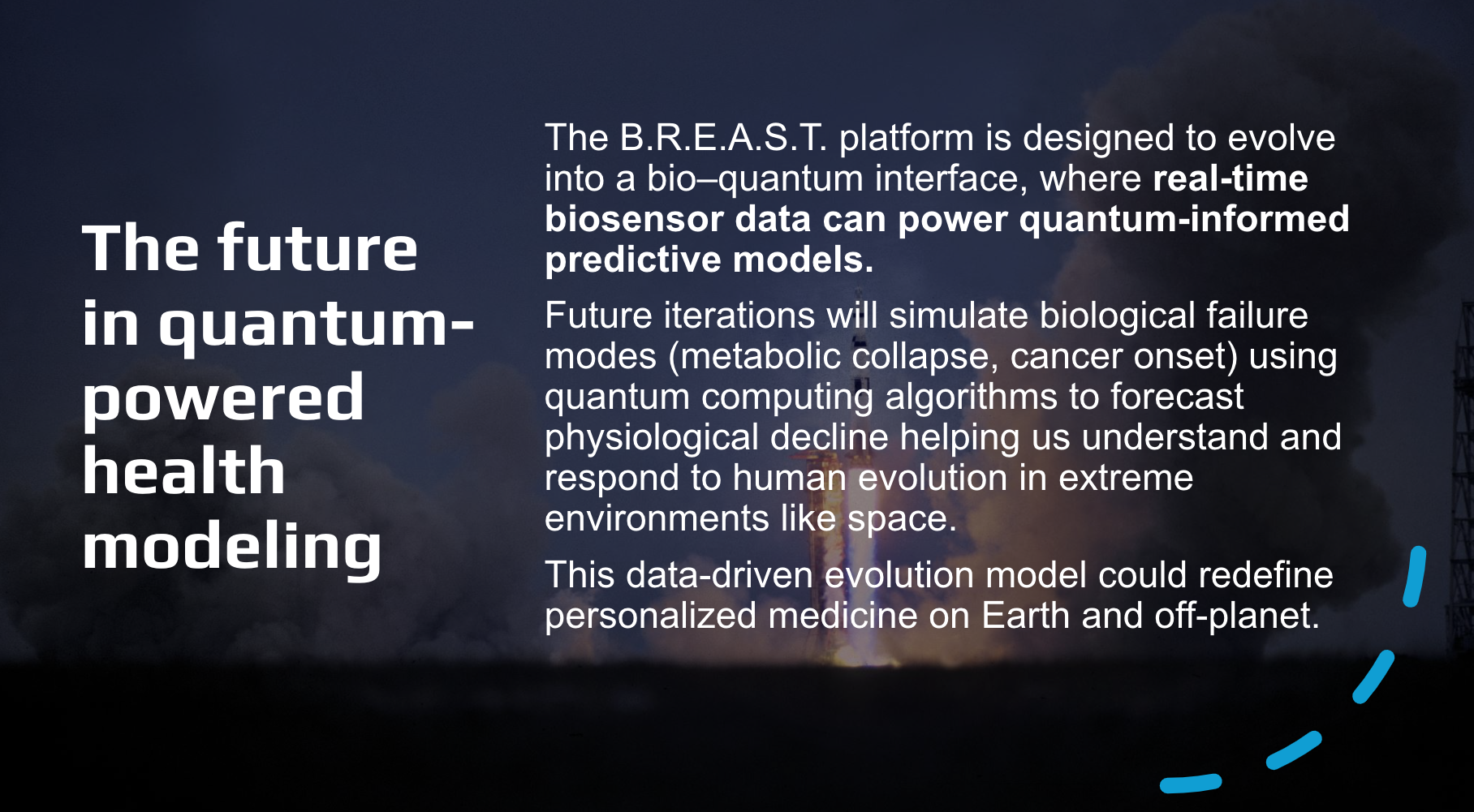
The Future in Quantum-Powered Health Modeling
-
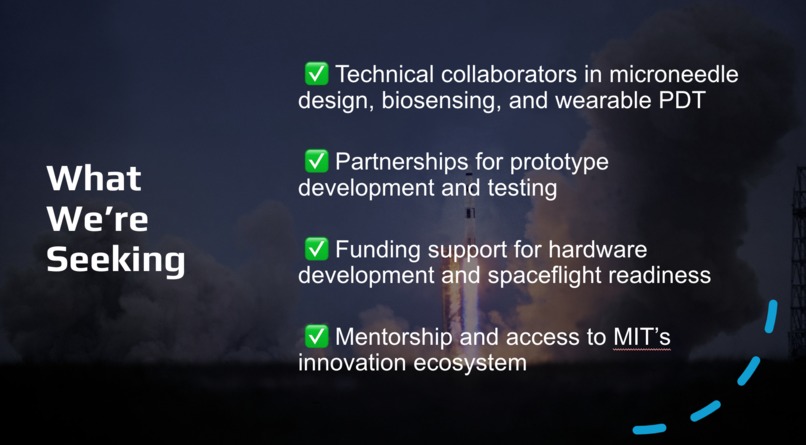
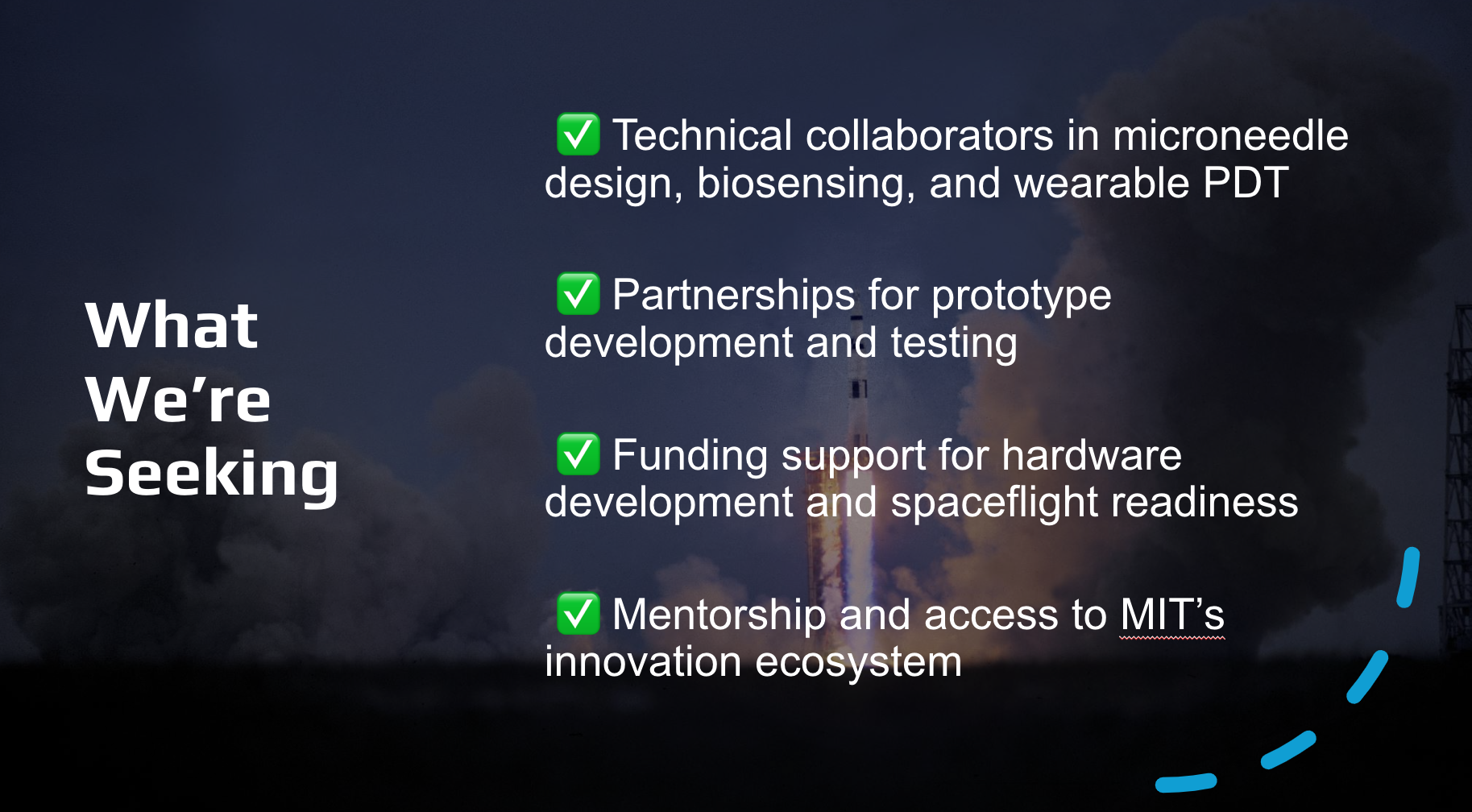
What We're Seeking
-
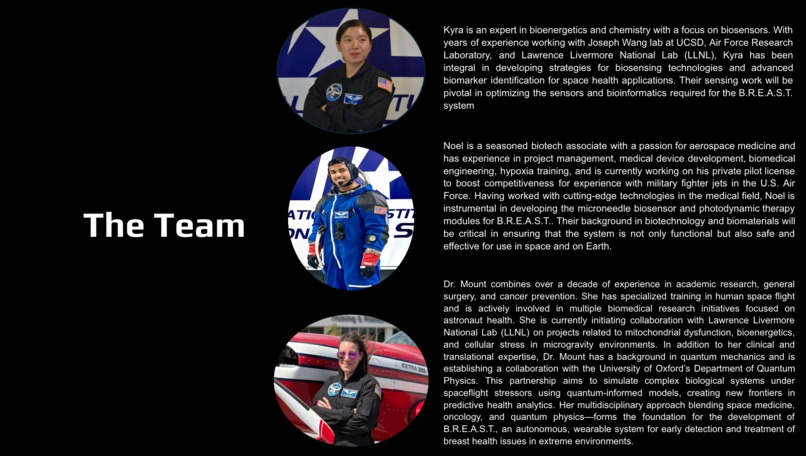
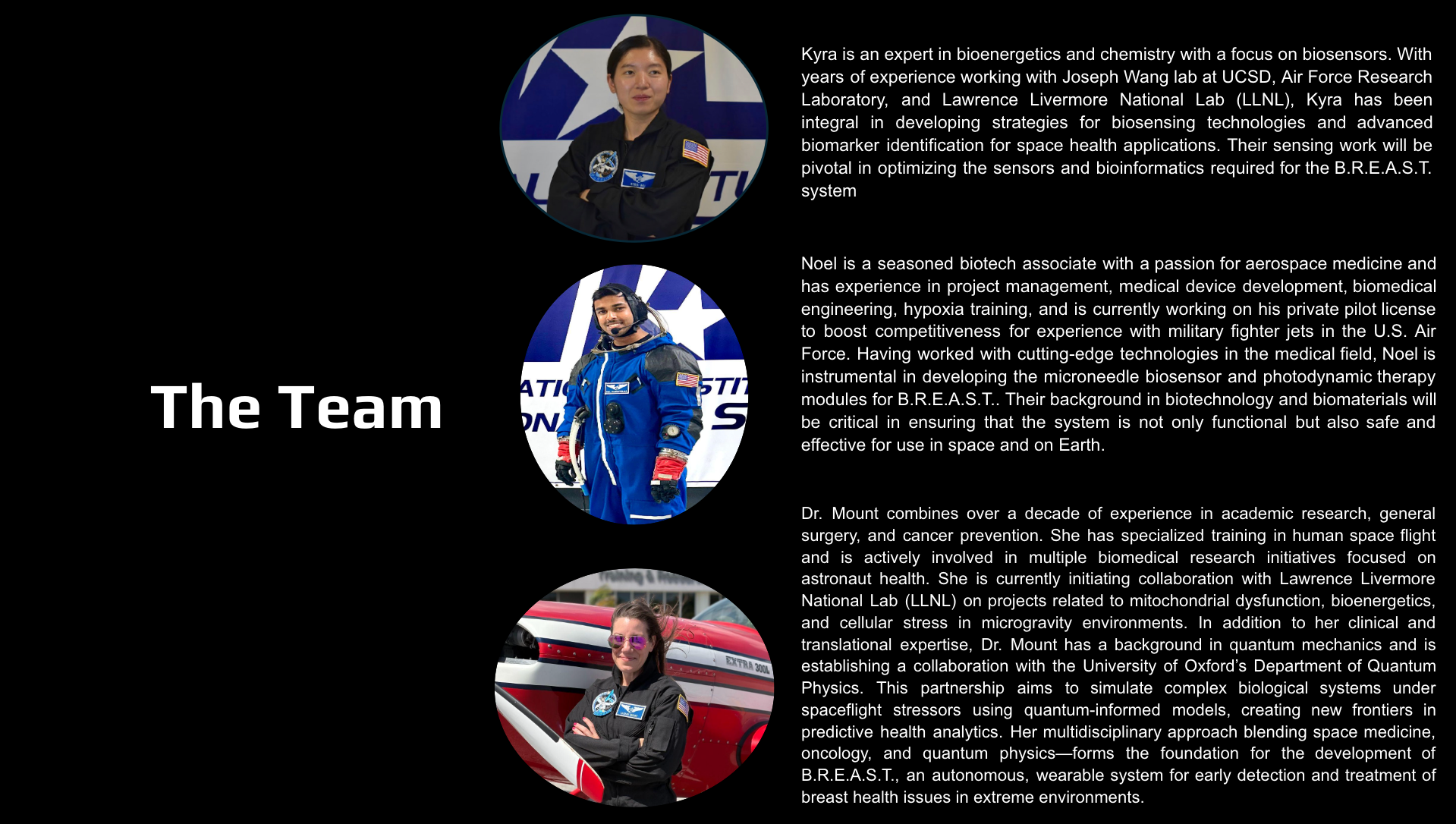
The Team
-
The Vision
Inspiration
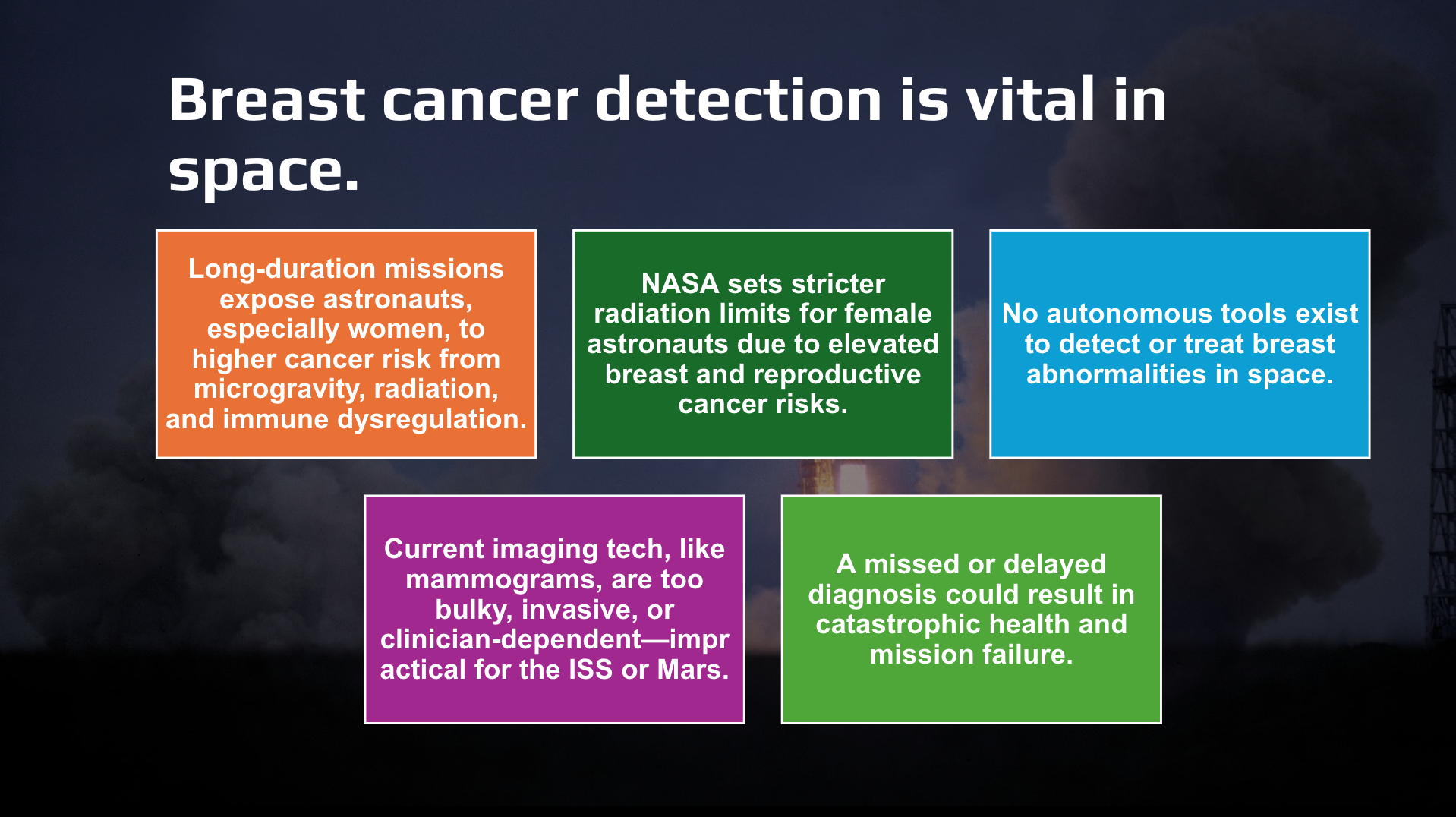
As humanity embarks on a new era of space exploration, and plans for long-duration missions to the Moon, Mars, and beyond, the health and safety of astronauts remains a concern. Among the many risks faced by the scientists and astronauts venturing to space, is the threat of cancer from space radiation. Unlike Earth, where our stratosphere and magnetic field offer protection from harmful cosmic rays and solar radiation, space exposes astronauts to high levels of radiation that can lead to changes at the cellular and atomic level, resulting in DNA damage and increase the risk of cancer. Early breast cancer detection is crucial for astronauts during long-duration space missions, like to Mars. On Earth, current breast cancer screening methods like mammograms are not only invasive but require specialized equipment and medical professionals. For astronauts, having to rely on Earth-based healthcare isn’t feasible during space missions.
What it does
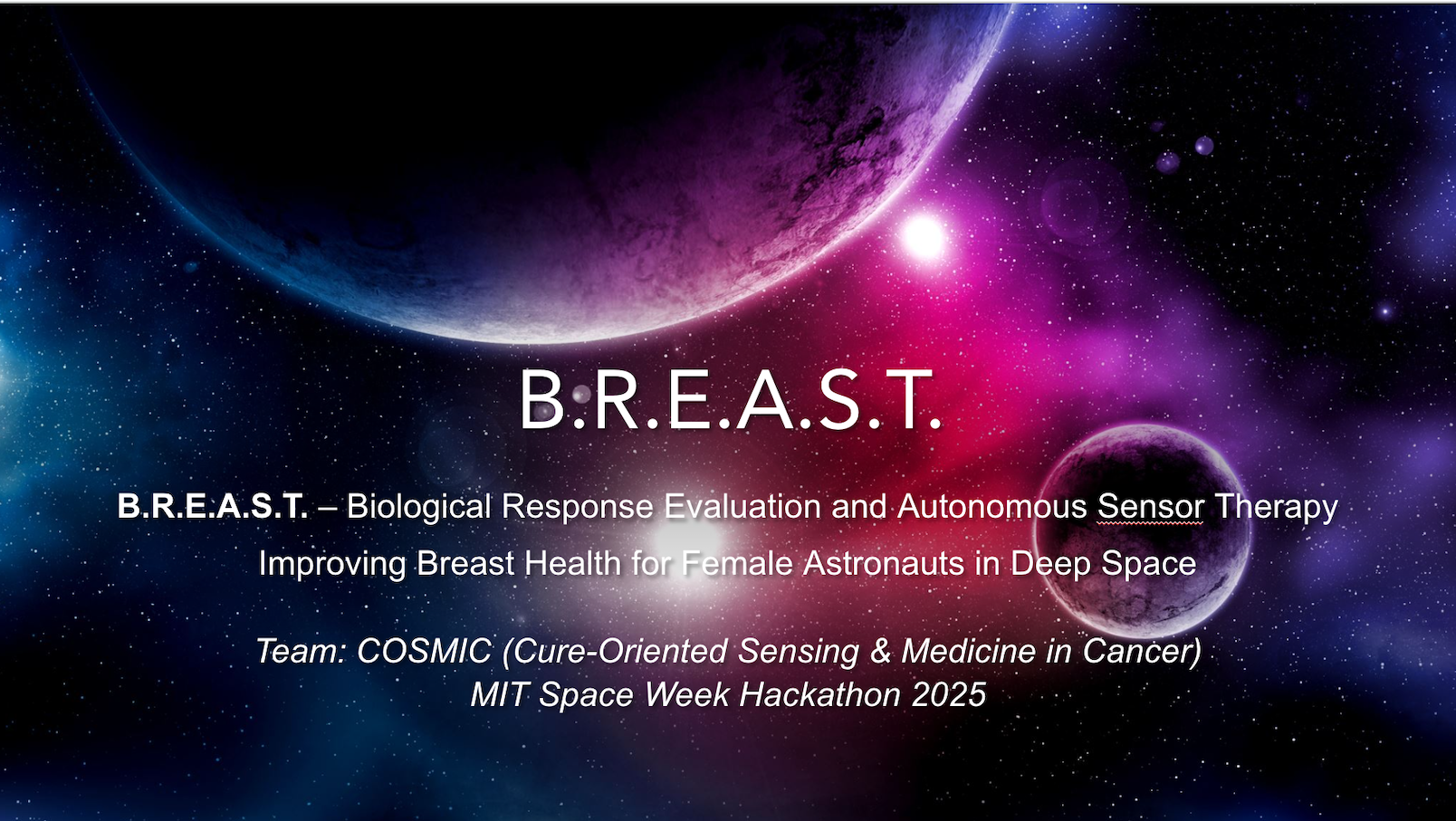
B.R.E.A.S.T (Biological Response Evaluation and Autonomous Sensor Therapy) is a wearable biosensing patch that can detect early biomarkers related to breast health (such as oxidative stress, metabolic changes, and select breast biomarkers). This patch can continuously monitor breast health, providing astronauts with real-time feedback. Once a potential issue is detected, the system uses a treatment patch that delivers photodynamic therapy (PDT). PDT uses light to activate a photosensitizer that targets and treats early-stage breast cancer and precancerous lesions.
How we built it
Biosensor Patch: What it does: Detects biomarkers related to breast health, such as oxidative stress, ROS (reactive oxygen species), and metabolic shifts. How it works: The patch contains microneedles that sample biomarkers from the skin, which then connect to a small sensor (potentially through Bluetooth to a mobile app). Outcome: Detects early signs of breast health issues like inflammation, oxidative damage, or metabolic irregularities. Treatment Patch for PDT: What it does: When the biosensor detects abnormalities, the treatment patch uses light therapy (PDT) to activate a photosensitizer, which targets abnormal cells in the breast. How it works: The patch contains miniaturized LEDs emitting the right wavelength of light to activate the photosensitizer that has been delivered via the microneedle patch. Outcome: Early-stage tumor treatment or pre-cancerous cell treatment before it becomes a significant issue, providing autonomous care for astronauts.
Challenges we ran into
Astronauts' exposure to space radiation is measured using dosimeters (citation), which track the amount of radiation absorbed by the body during a mission. Understanding the actual levels of radiation astronauts are exposed to in space is critical for evaluating cancer risks and developing effective countermeasures. However, the fluctuating nature of space radiation, especially during solar particle events, makes it challenging to predict and manage exposure accurately.
Accomplishments that we're proud of
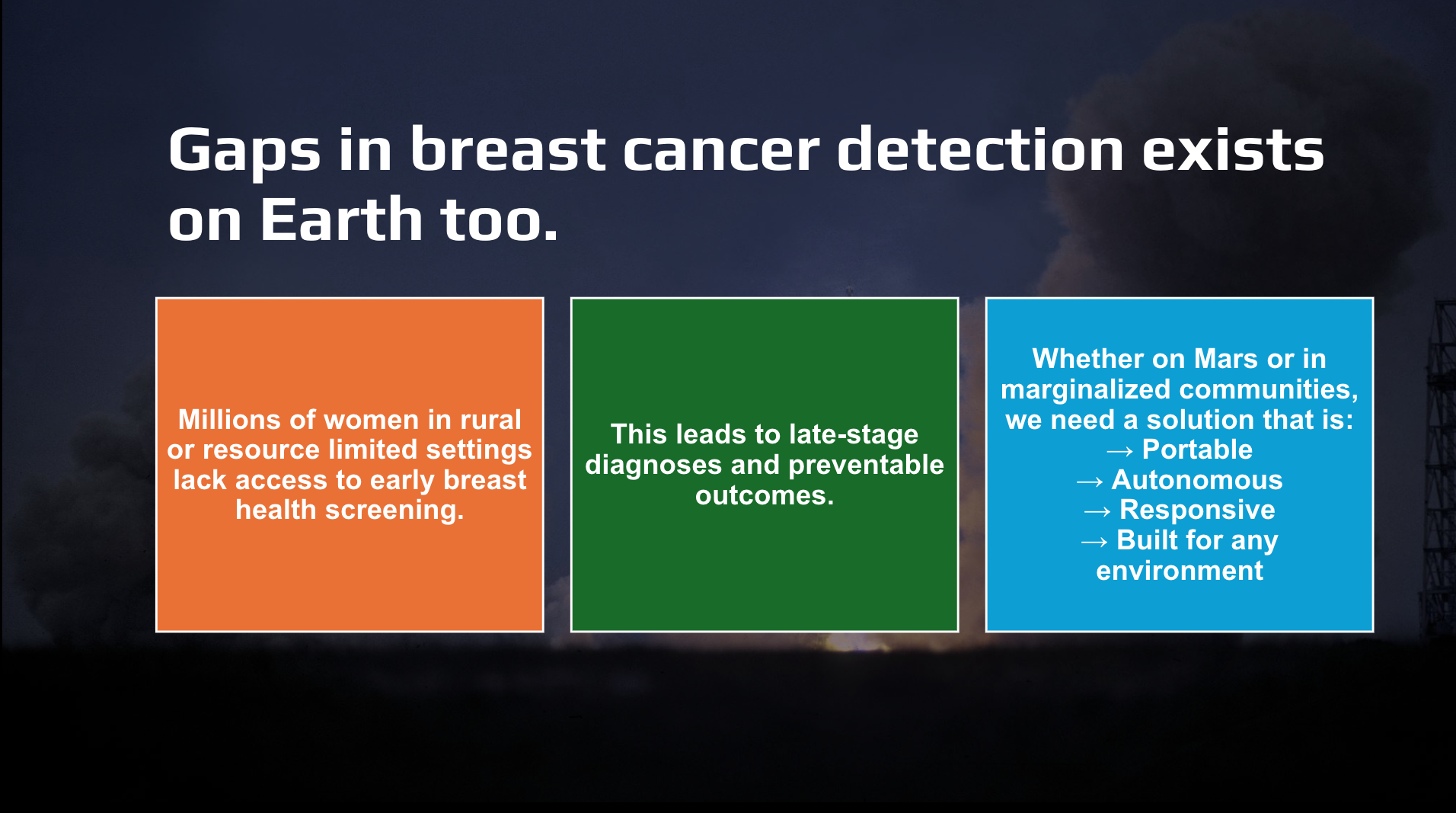
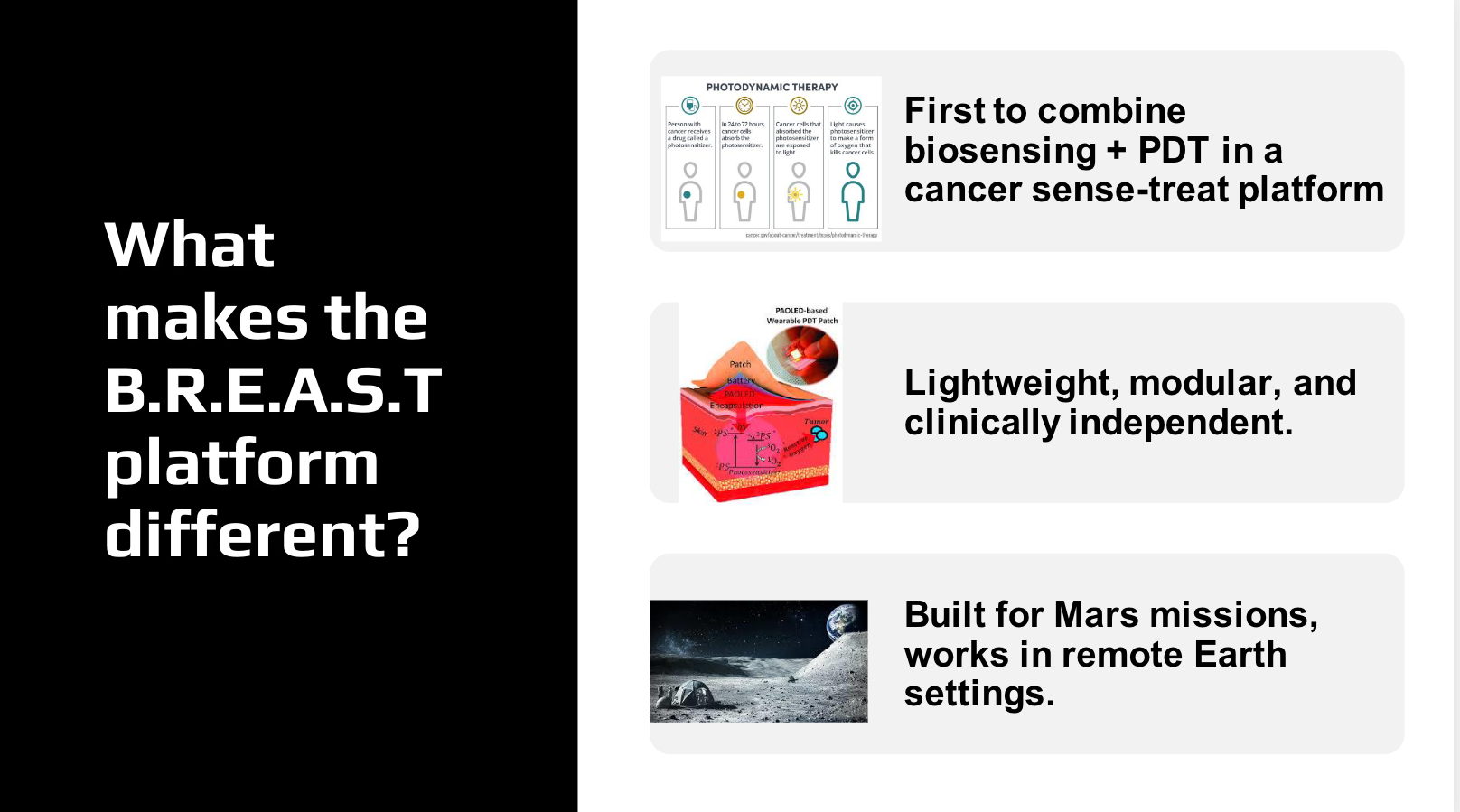
This is the first combined system for breast health detection and treatment that works autonomously and remotely. It’s the only system designed for space health, providing astronauts with the tools they need to monitor and address breast cancer risk while on long-duration missions to Mars or the Moon. The biomarker detection and light therapy are non-invasive, offering a simpler, less painful alternative to current breast health diagnostics like mammograms and biopsies.
What we learned
The brain is highly sensitive to radiation, and the lack of effective shielding in space could put astronauts at increased risk of developing cancers of the central nervous system, particularly given the long-term exposure during deep space missions.
What's next for Biological Response Evaluation and Autonomous Sensor Therapy
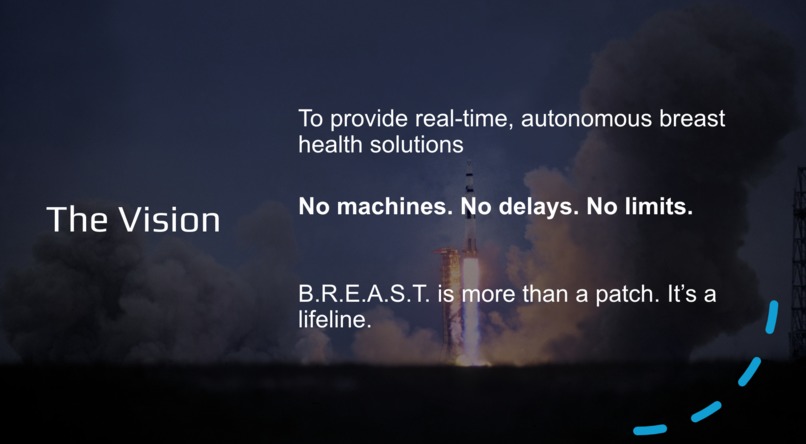
Our goal is to bring non-invasive, real-time breast health care to the frontiers of space medicine, while creating a dual-use solution for early detection and intervention on Earth. B.R.E.A.S.T. is not just a patch. It’s a leap toward independent, responsive, and intelligent care for women in space and beyond.
Built With
- astrobiology
- biotechnology
- cancer
- cornell
- google-slides
- iss
- mars
- medicine
- microgravity
- microneedles
- moon
- space


Log in or sign up for Devpost to join the conversation.