Inspiration
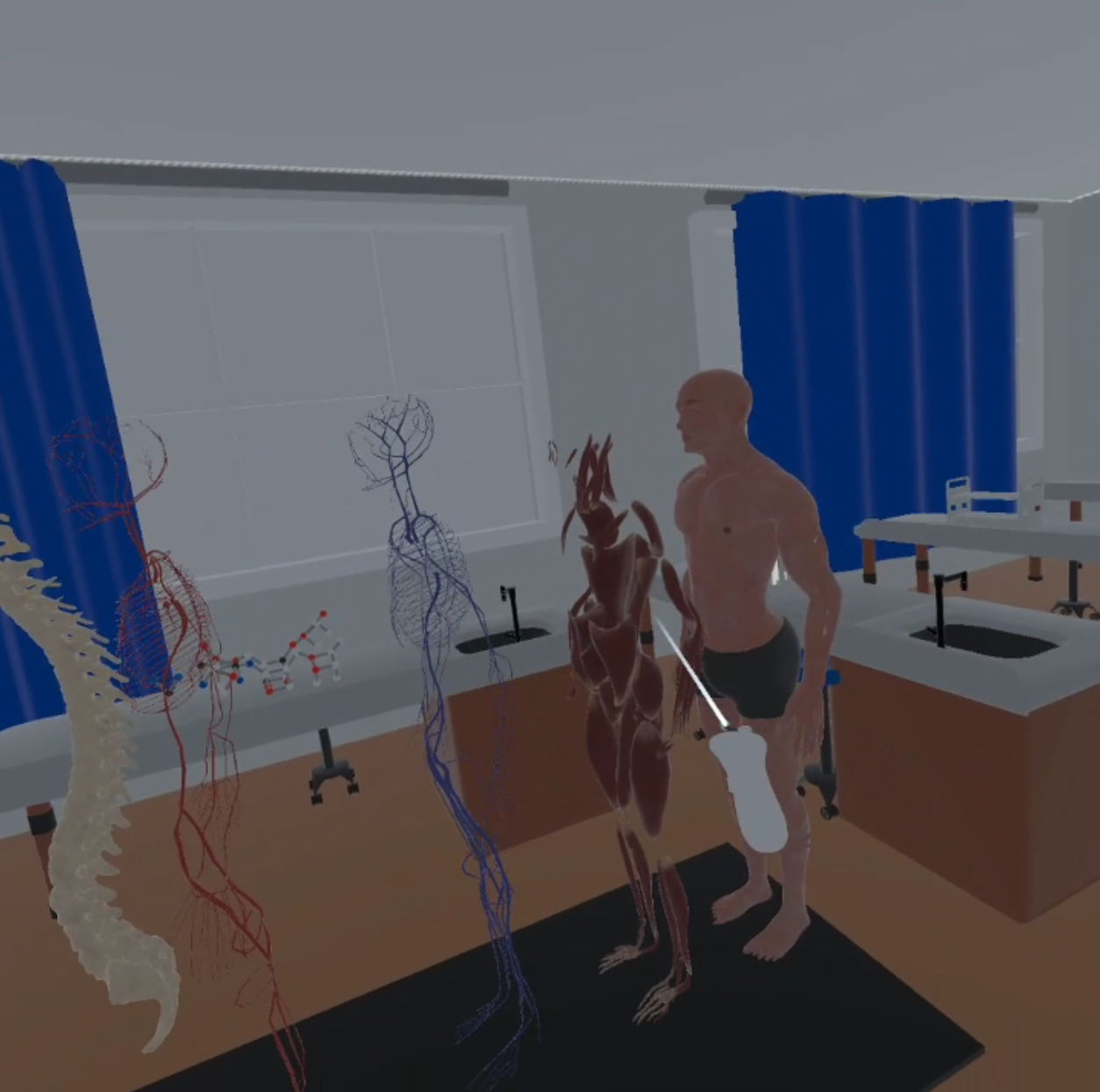
The inspiration for Biolab-V1 stems from a desire to make learning human anatomy more accessible and engaging. Traditional methods can be limiting, especially for visual and hands-on learners. Biolab-V1 leverages the power of virtual reality to bring anatomy lessons to life, allowing users to explore and interact with 3D models of the human body in a way that feels both natural and immersive.
What it Does
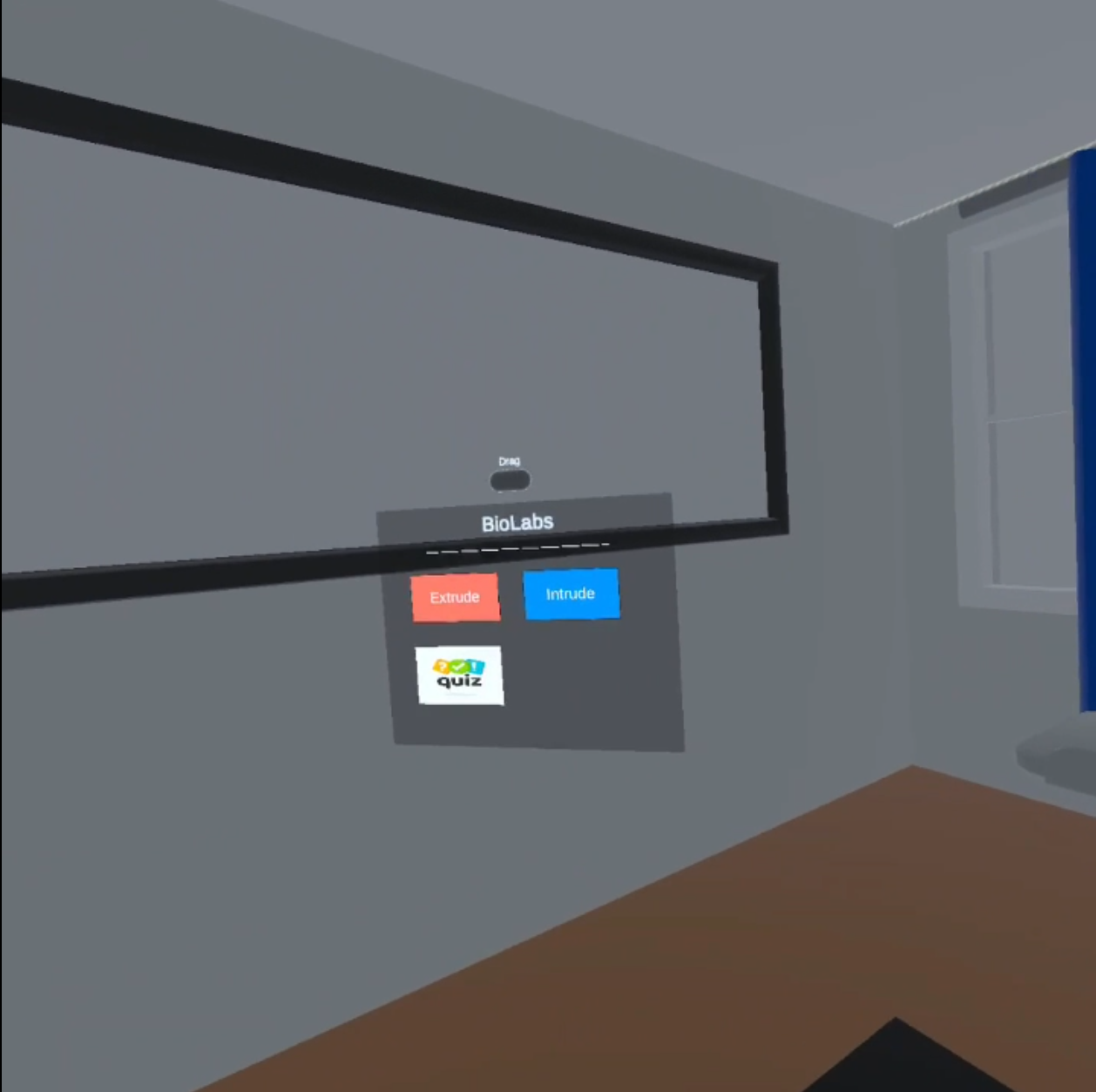
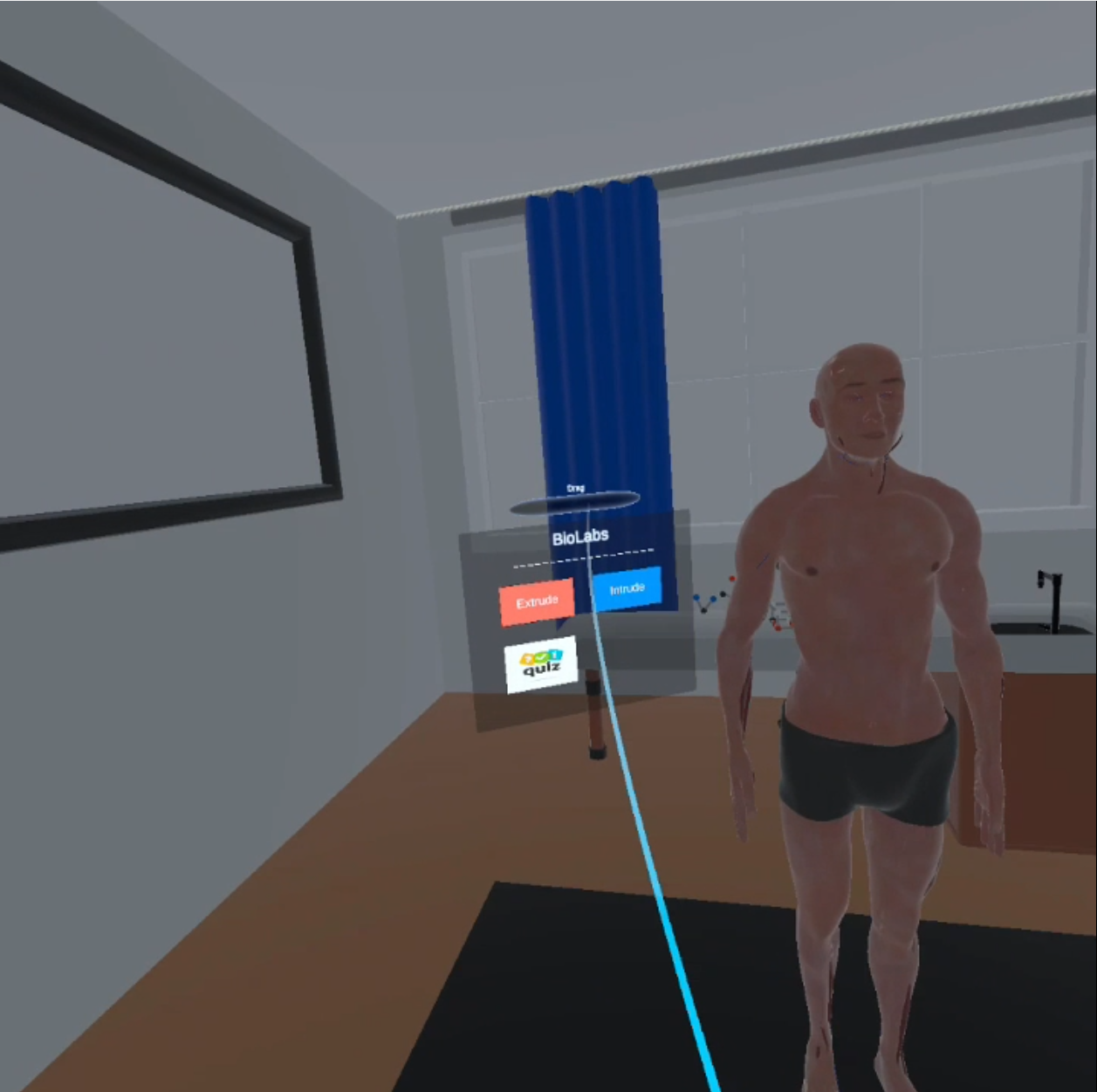
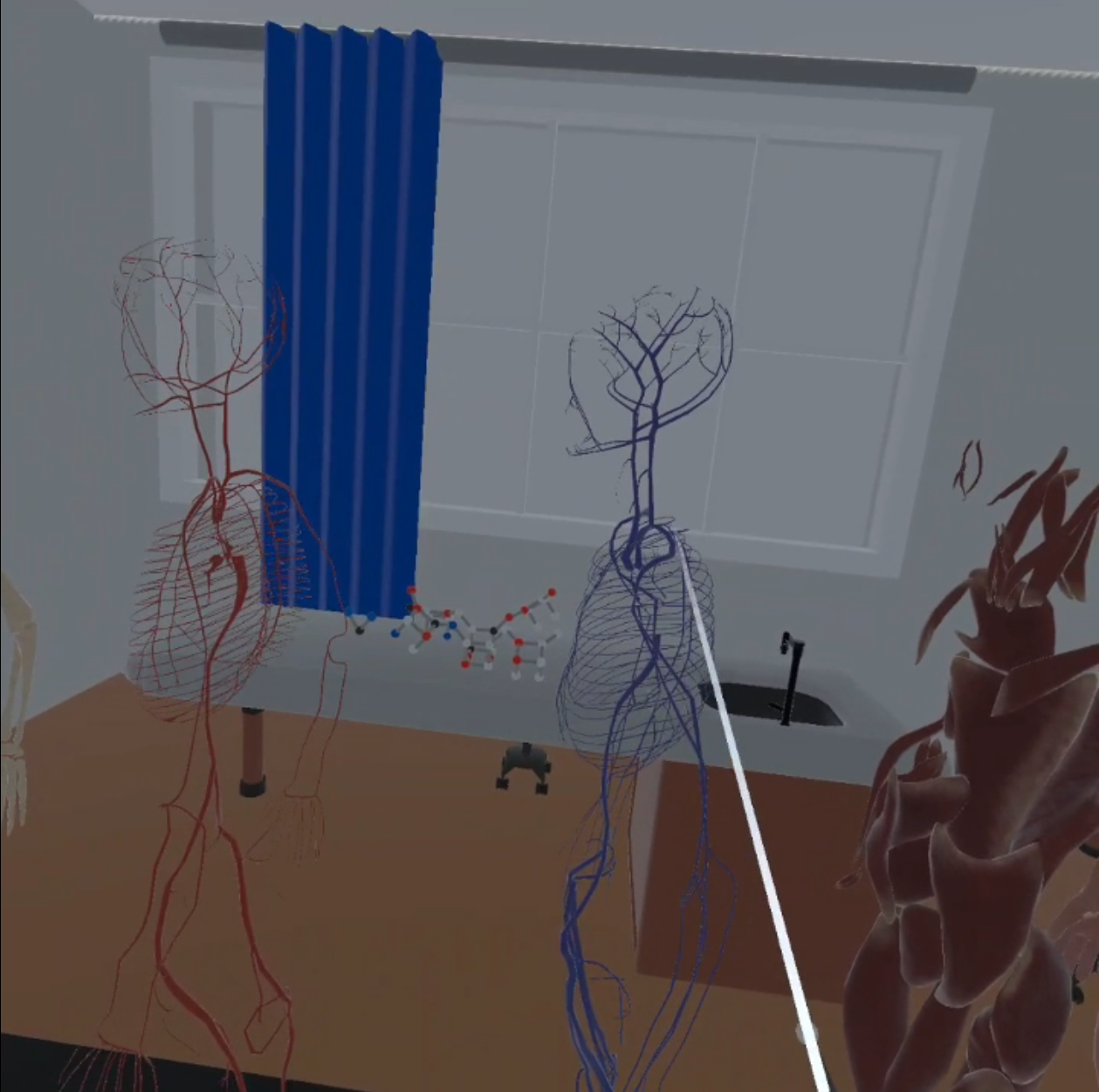
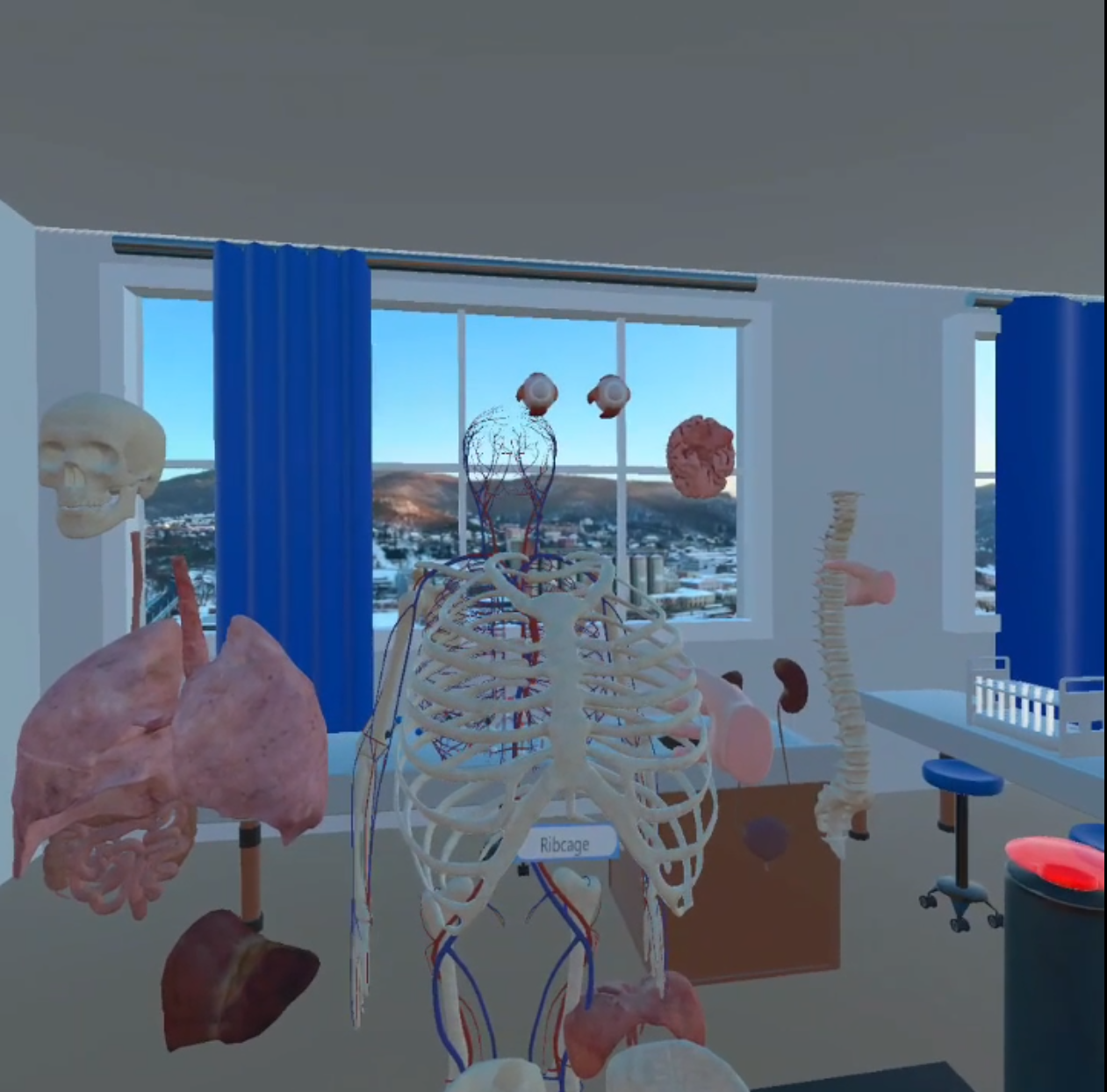
Biolab-V1 is a virtual reality app that offers an interactive 3D experience of the human anatomy. Users can take apart and examine individual organs, bones, and muscles, as well as understand the connections within various bodily systems. Each system can be explored in detail, and users can test their knowledge through quizzes that reinforce learning in a fun and engaging way.
How We Built It
Biolab-V1 was built using Unity 3D, coupled with the Hurricane VR SDK to enable intuitive interactions within the virtual environment. The app features a VR-friendly UI and interactive elements that allow users to seamlessly manipulate 3D models of the human body. We meticulously designed each anatomical component to be both accurate and visually appealing, making sure that it aligns with educational standards while remaining accessible to users of all backgrounds.
Challenges We Ran Into
One of the main challenges was ensuring accurate anatomical detail while maintaining VR performance. Balancing realism with interactivity required significant optimization. We also faced challenges in designing intuitive controls that would allow users to interact with complex 3D models in a way that felt natural and immersive, especially given the diverse range of VR devices.
Accomplishments That We're Proud Of
We’re proud of creating a highly detailed and interactive learning experience that can be used by anyone, regardless of their background in anatomy. The VR experience successfully bridges the gap between theoretical learning and hands-on exploration, making complex anatomy concepts more understandable. Additionally, we’ve integrated quizzes that allow users to test their knowledge, reinforcing learning in a highly interactive way.
What We Learned
Developing Biolab-V1 taught us a lot about optimizing for VR environments and the importance of user-centered design. We gained valuable insights into creating VR interfaces that facilitate learning, as well as balancing visual detail with performance. It also deepened our understanding of human anatomy, as we collaborated with educators to ensure accuracy and educational value.
What's Next for Biolab-V1
Looking ahead, we plan to expand Biolab-V1 with additional features such as multi-user capabilities, where learners can interact in a shared VR space. We also aim to integrate more advanced quizzes and interactive modules, covering even more systems of the human body. Further down the line, we’re exploring the possibility of incorporating augmented reality (AR) elements, allowing users to take their learning outside of VR and into the real world.
Log in or sign up for Devpost to join the conversation.