-
-
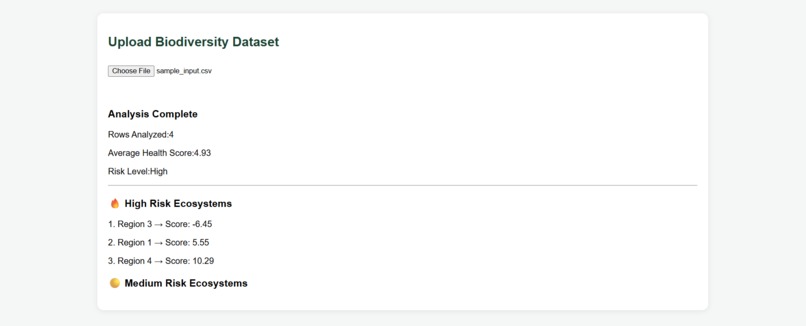
Real-Time Biodiversity Intelligence Platform
-
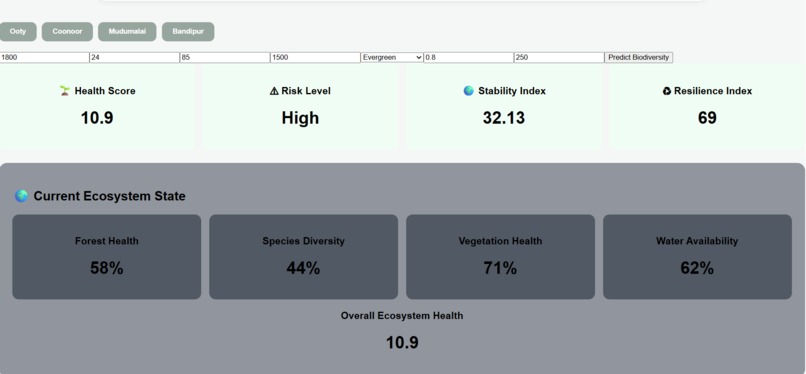
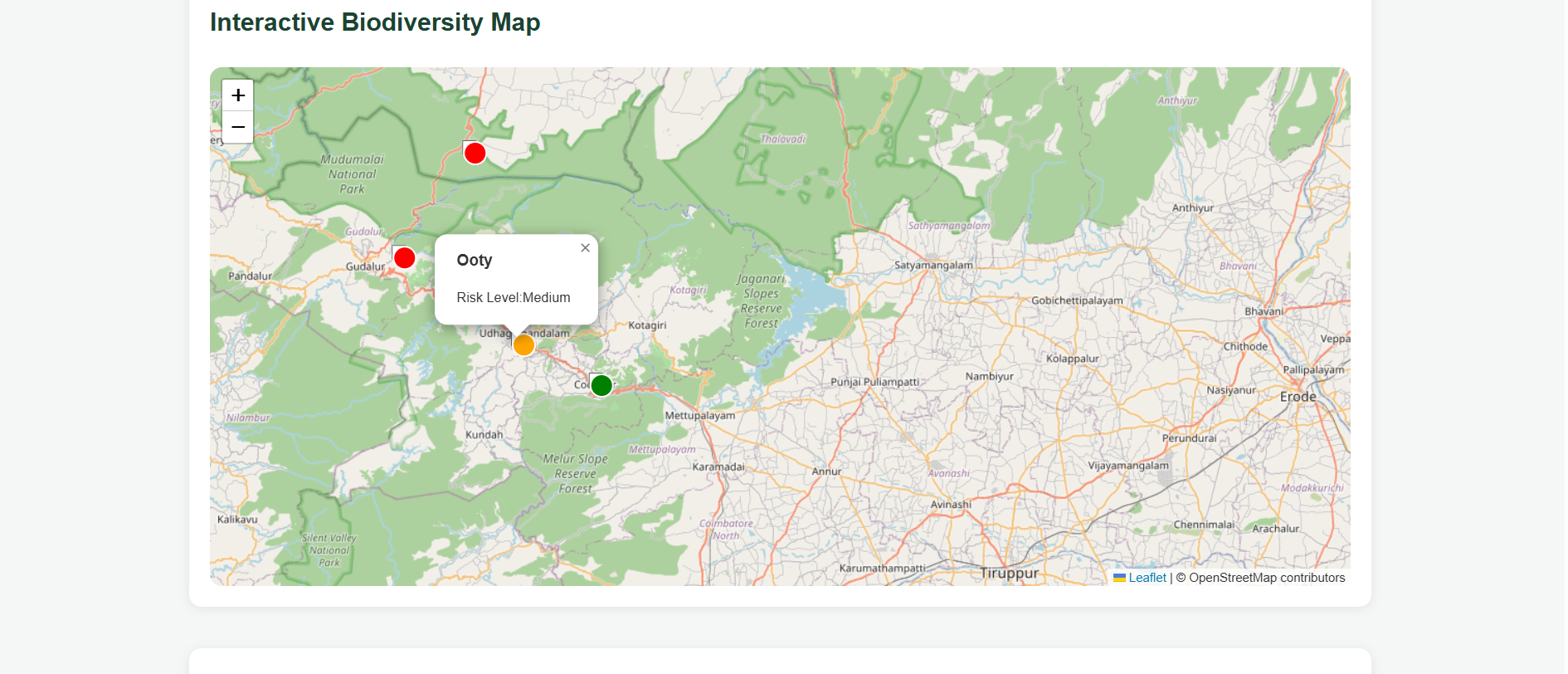
Interactive Biodiversity Insights Dashboard
-
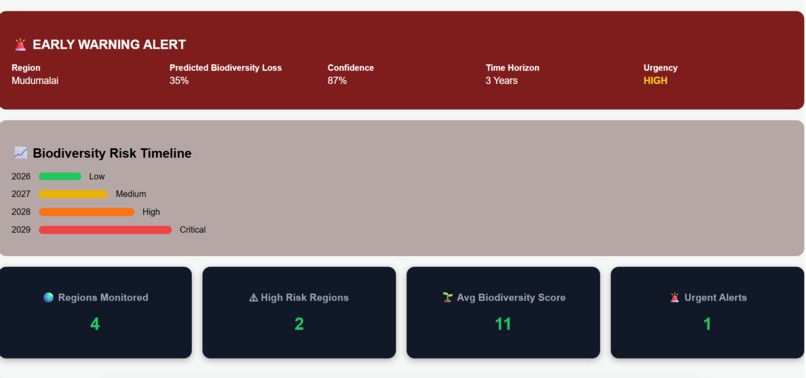
Risk Prediction and analysis
-
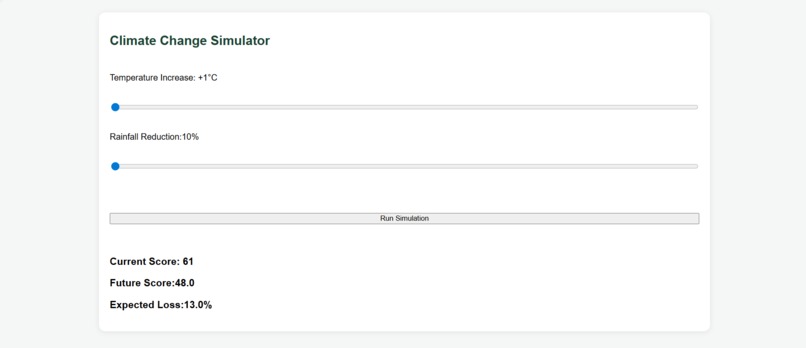
Climate simulator dashboard
-

Logo of my bioguard ai project
-
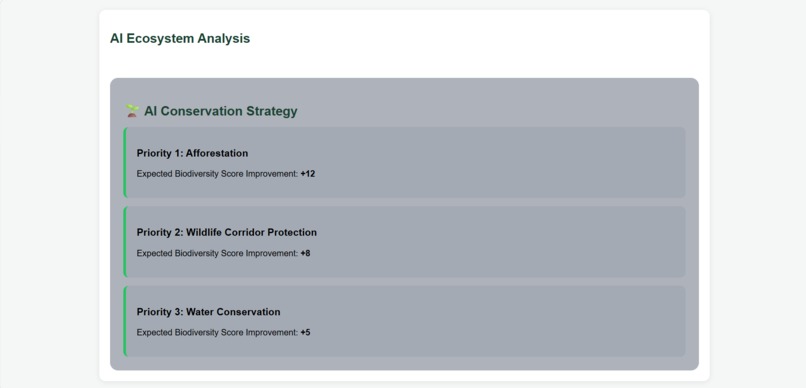
Environmental Data Visualization Module
-
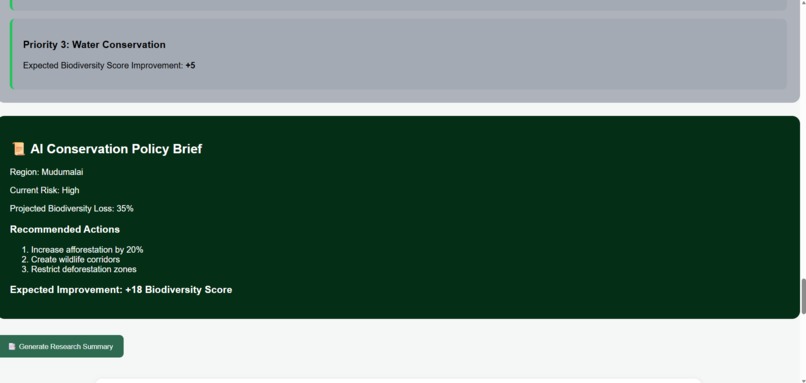
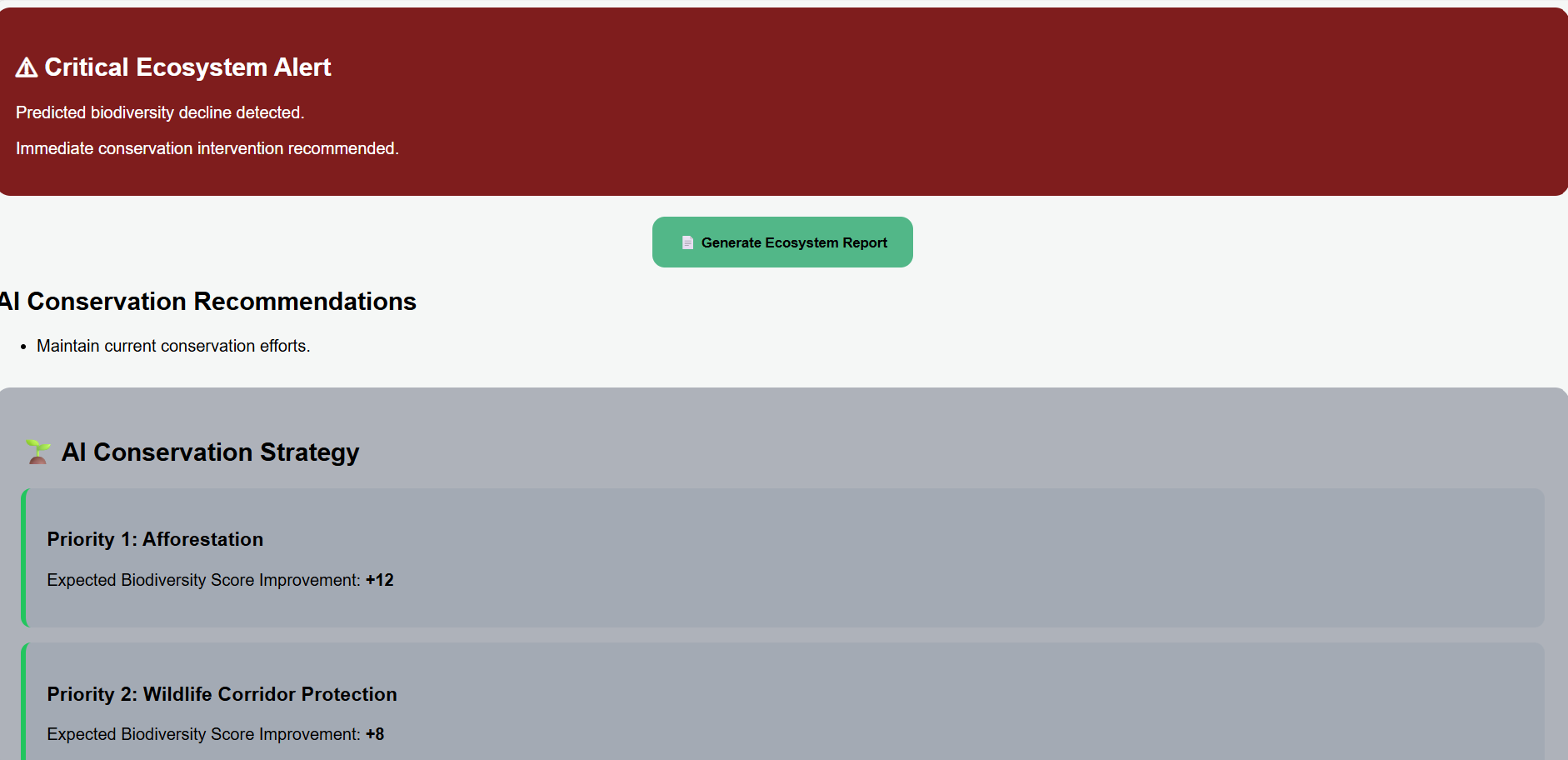
Report generation feature
-
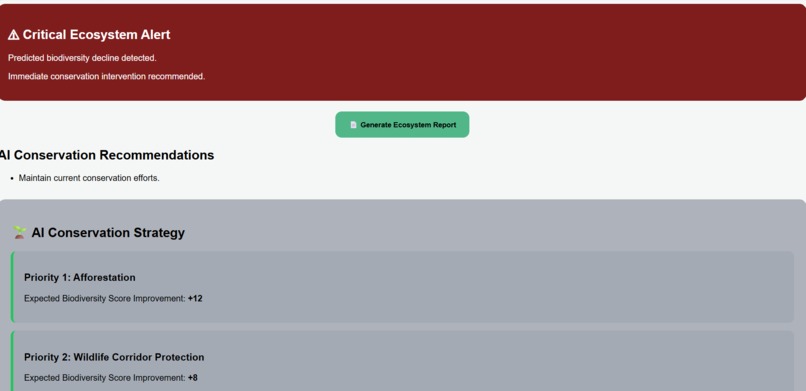
Feature Generation feature
-
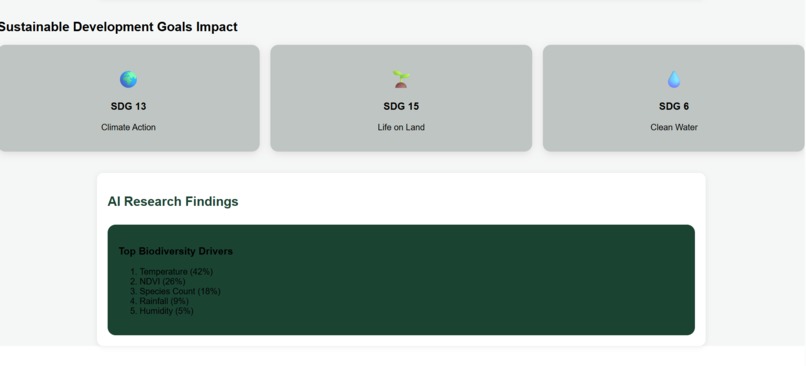
User-Friendly Research and Conservation Workspace
-
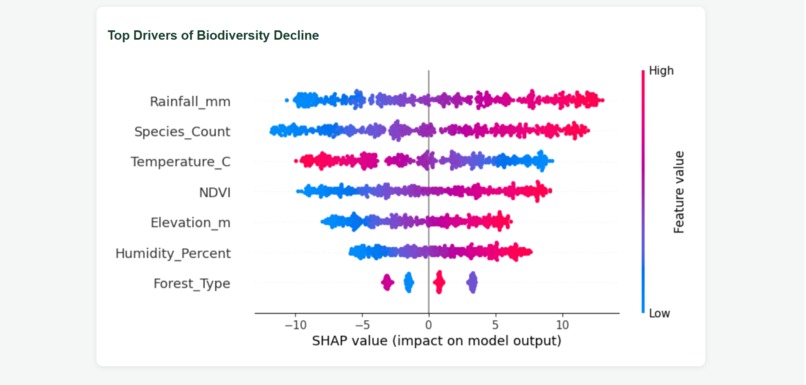
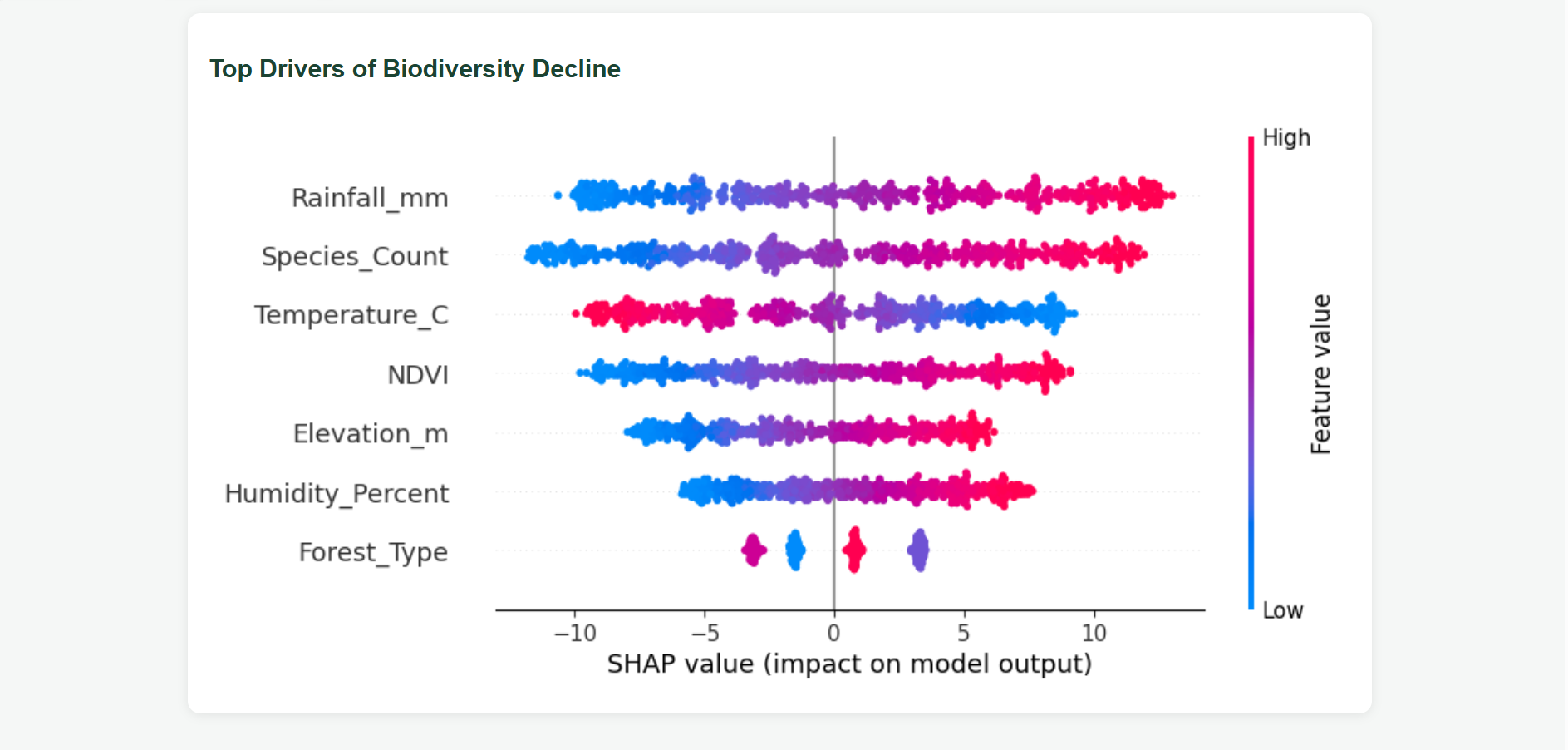
SHAP_value feature
-
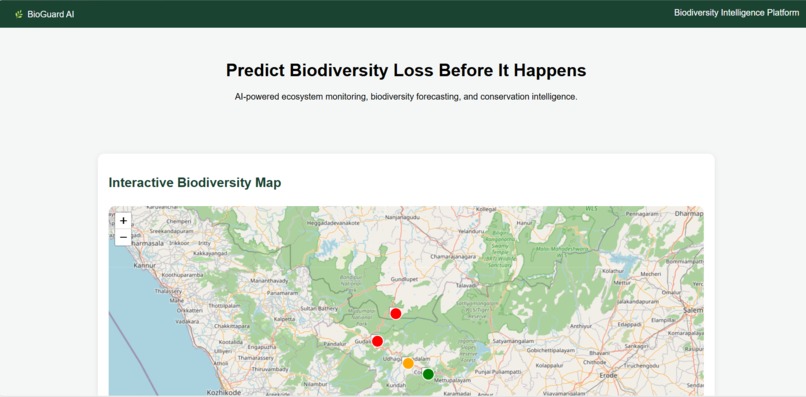
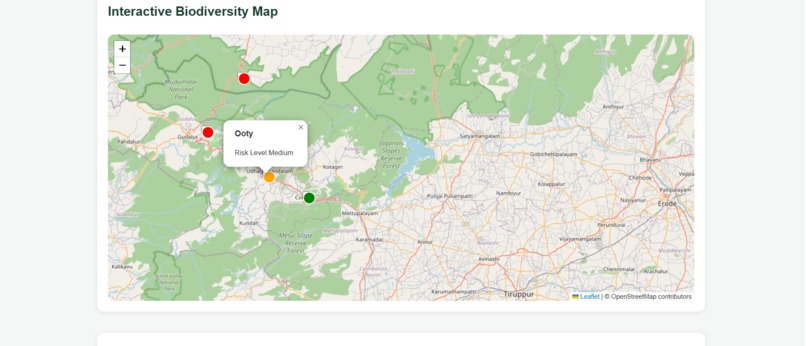
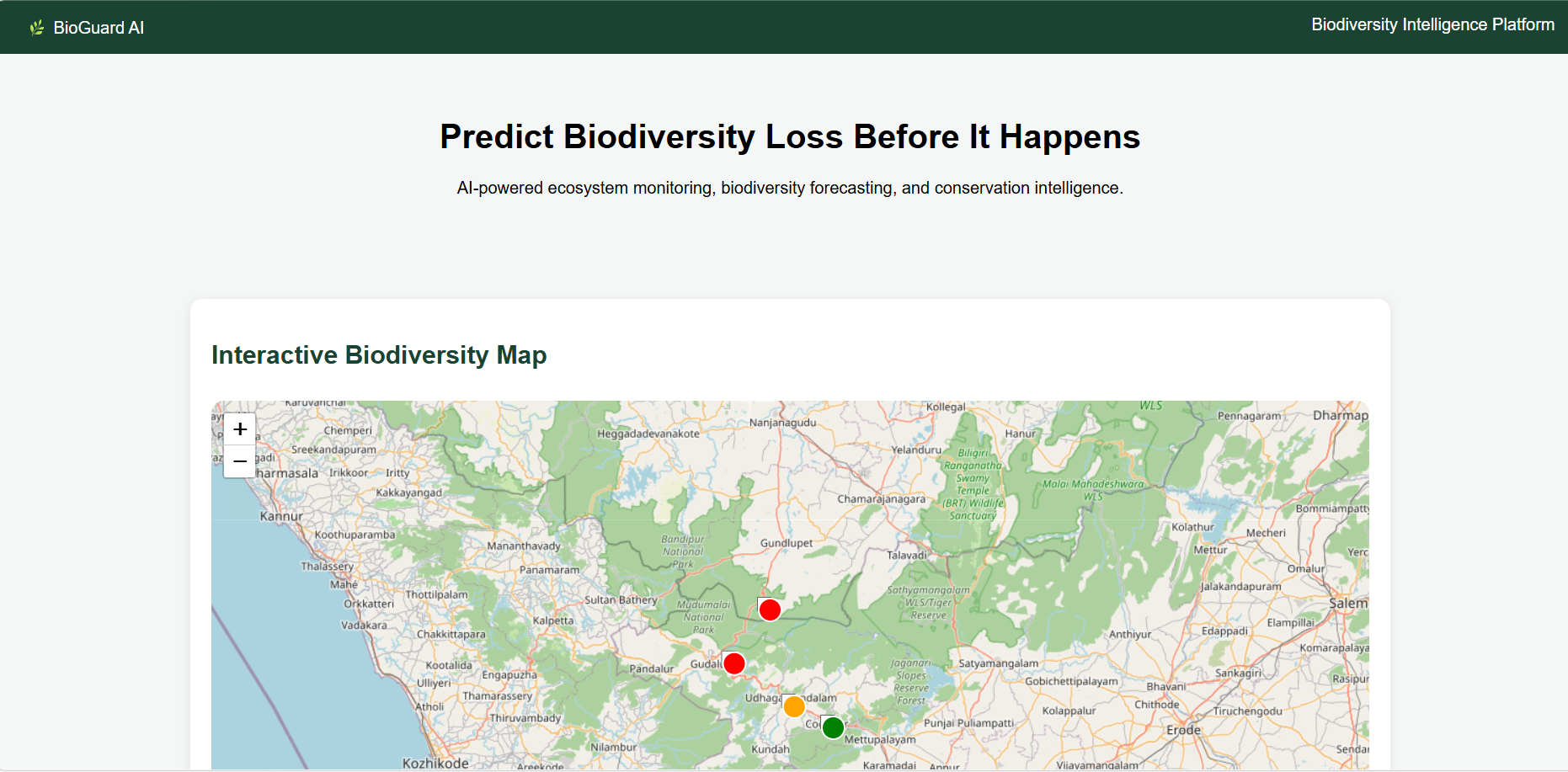
Conservation Intelligence Map Dashboard
-
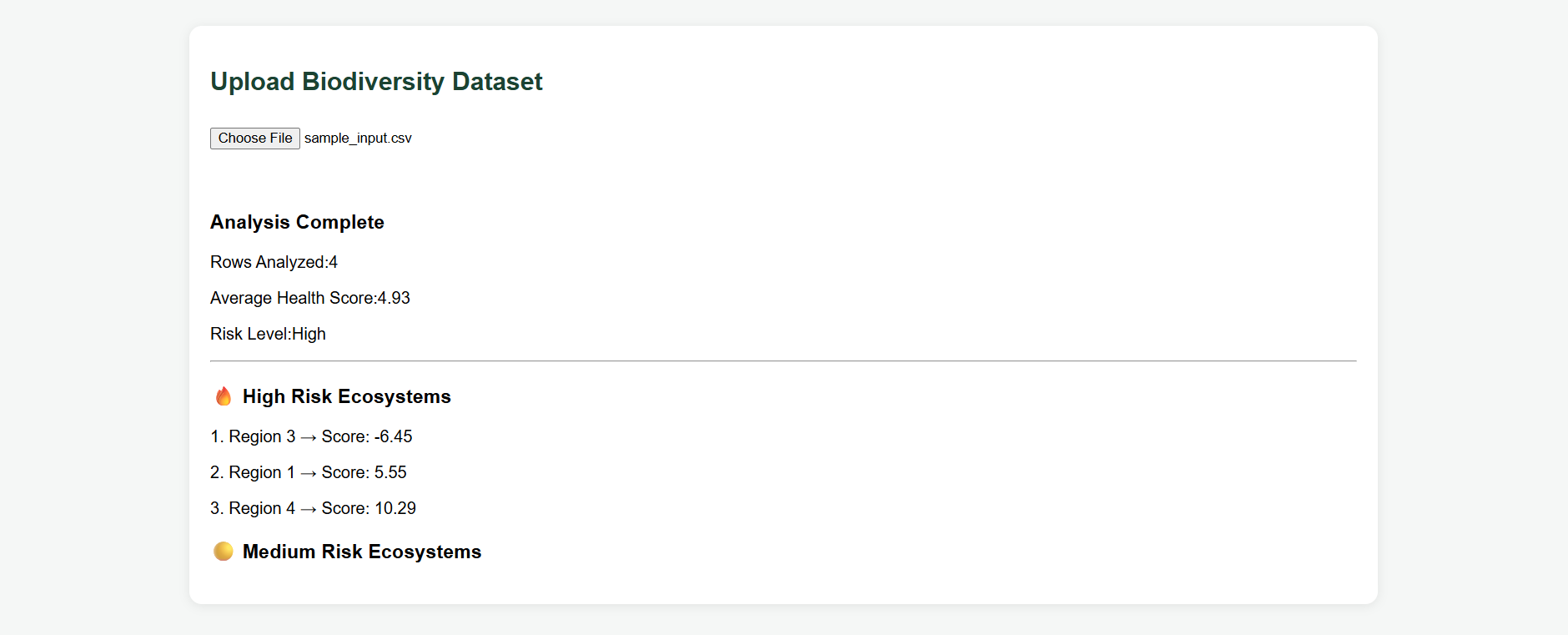
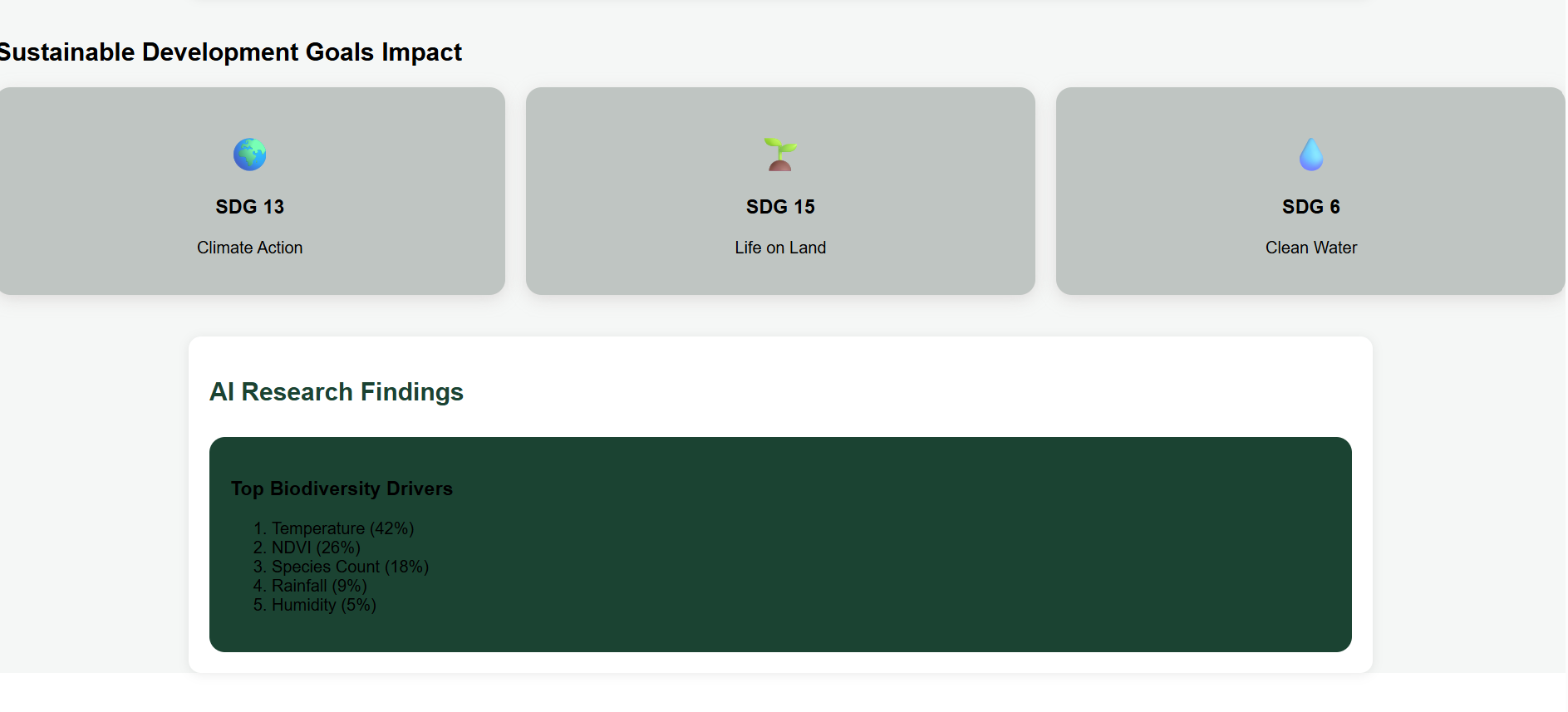
Conservation Intelligence Results Dashboard
-

AI-Powered Biodiversity Analysis Interface
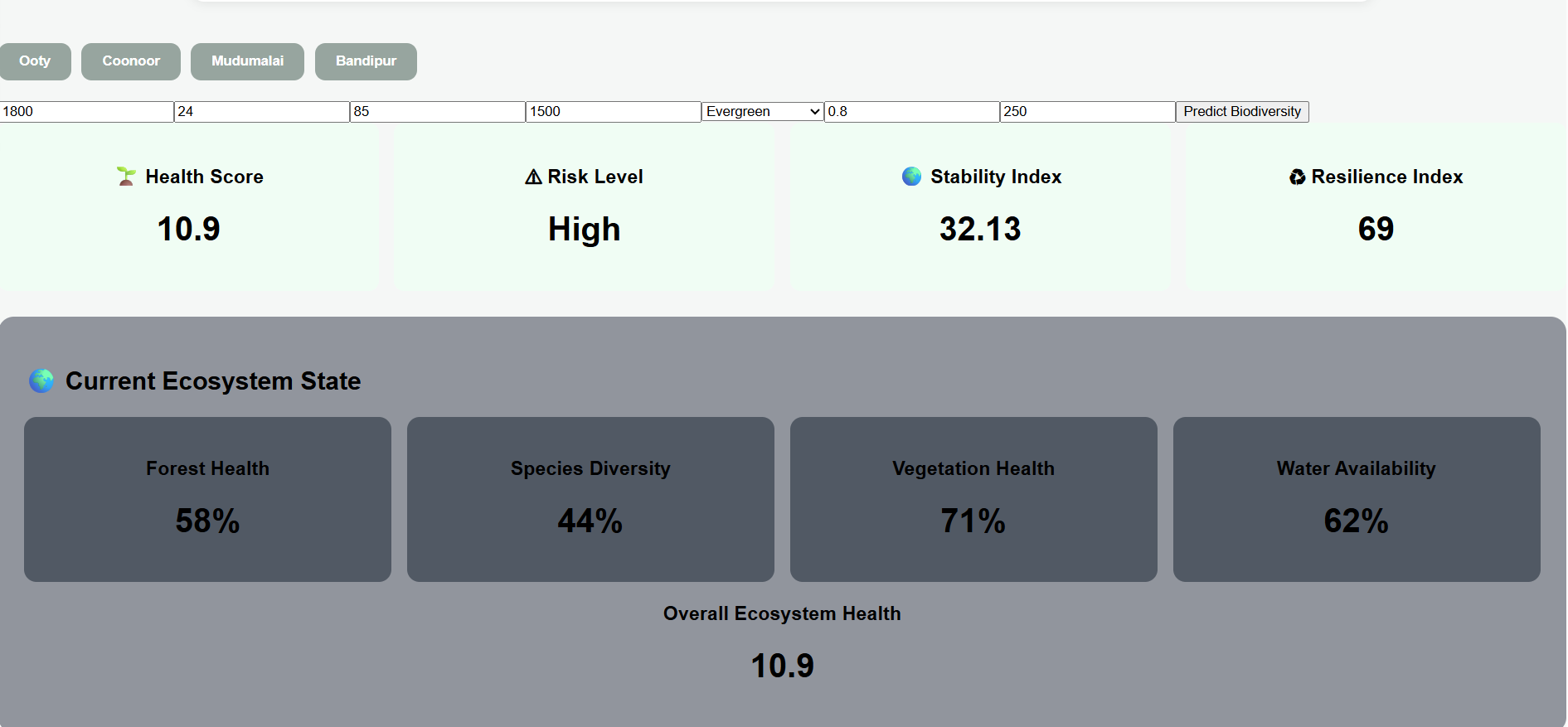
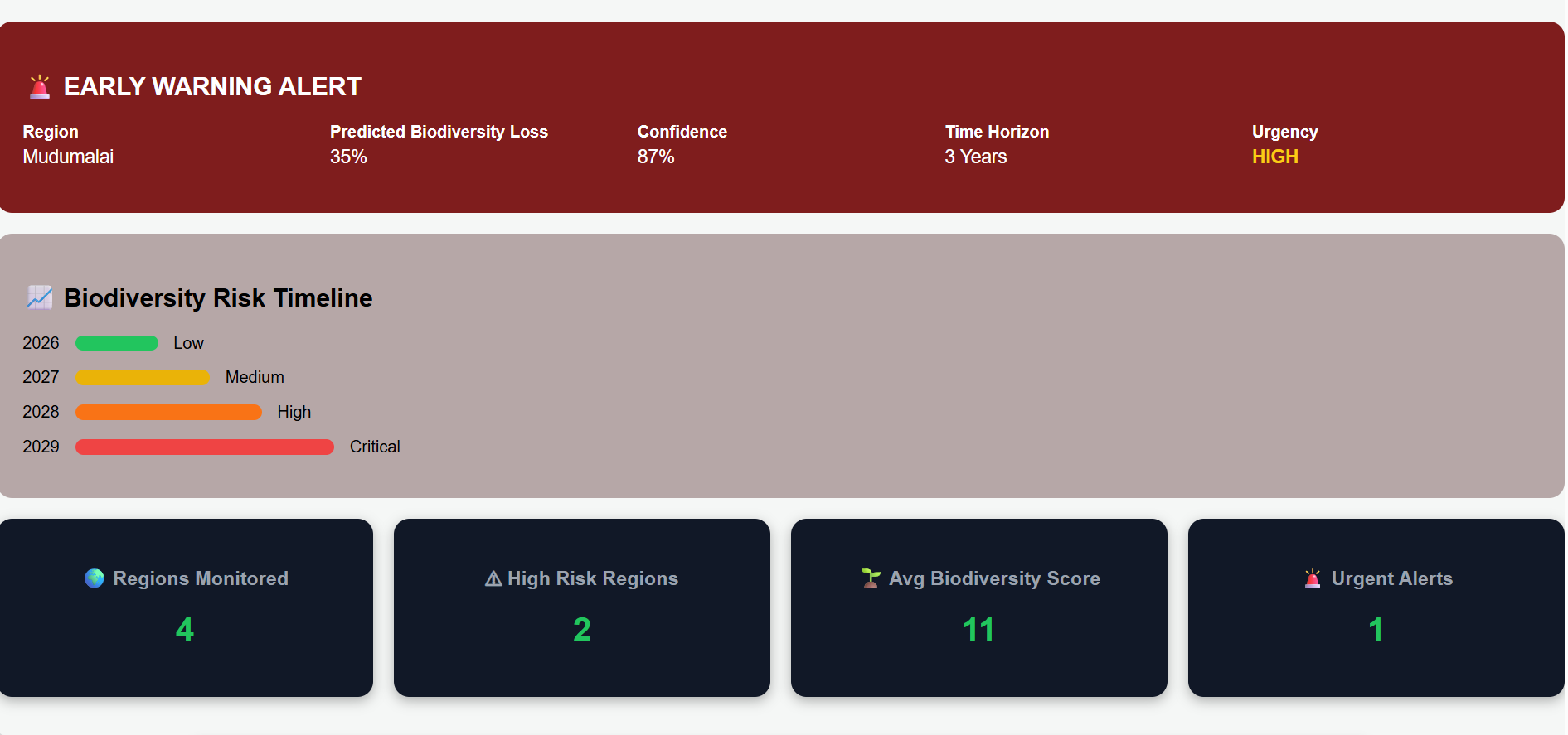
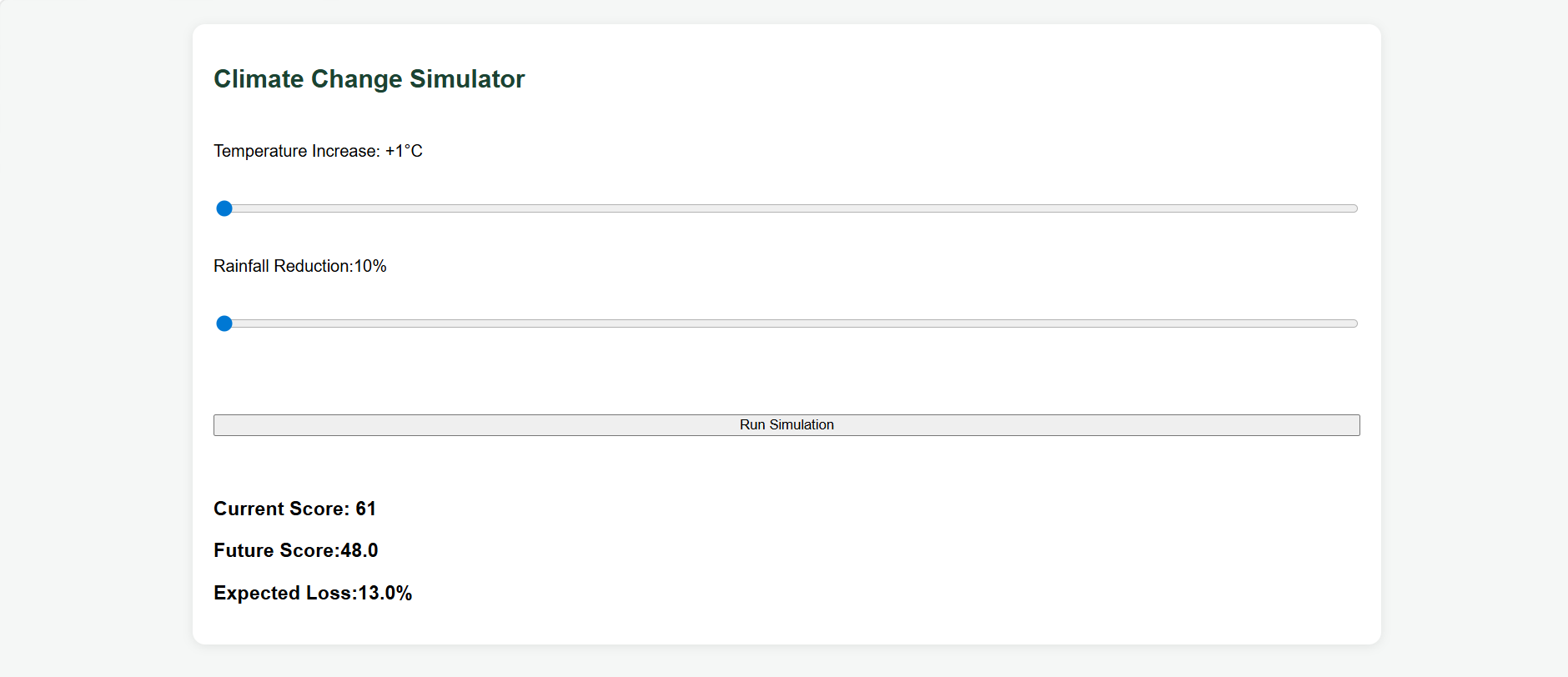

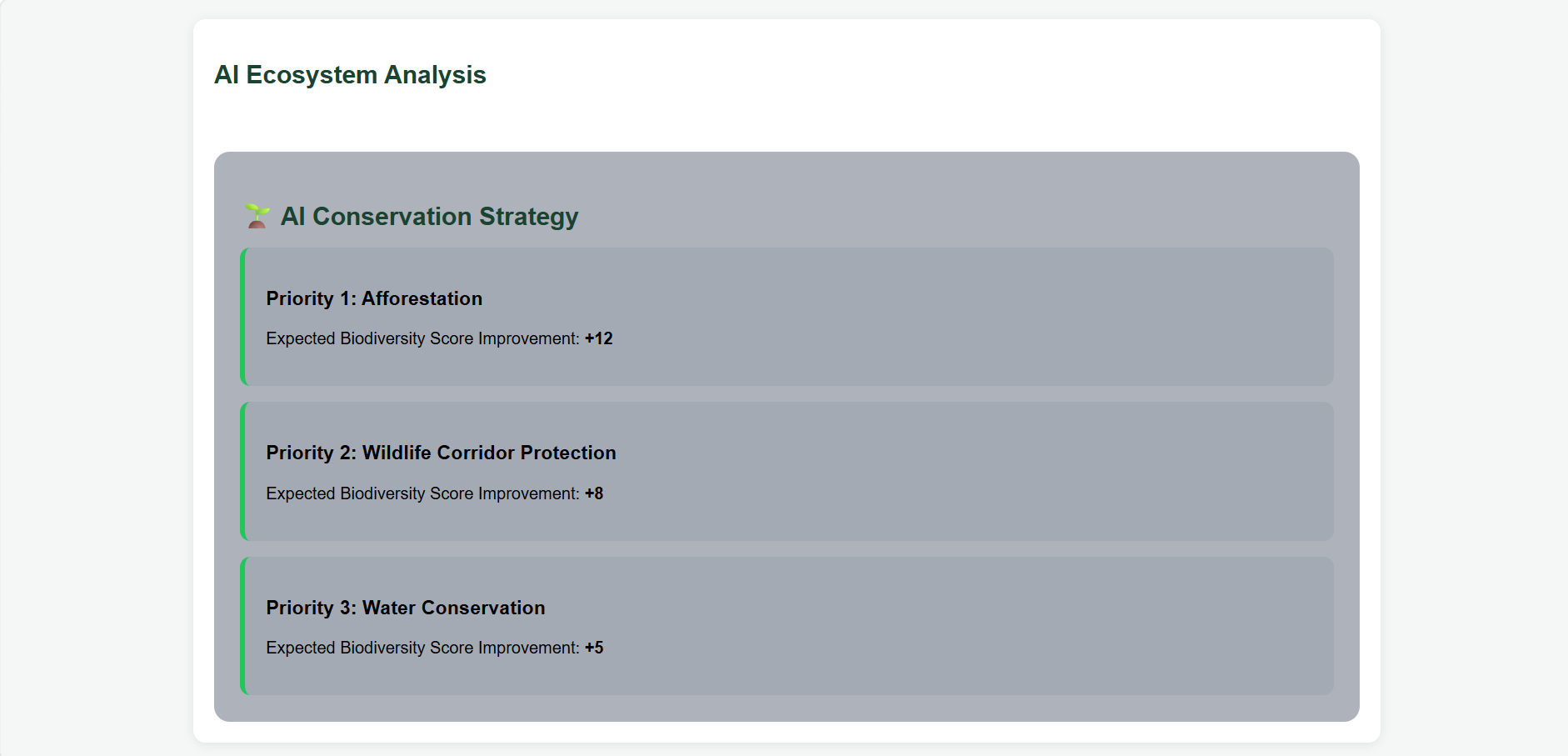


BioGuard AI – AI-Powered Biodiversity Monitoring & Conservation Intelligence Platform
Inspiration
Biodiversity loss is one of the most pressing environmental challenges facing our planet. Researchers, conservationists, and local communities often struggle to access intelligent tools that can help monitor ecosystems, identify species, and make informed conservation decisions.
We were inspired to build BioGuard AI to bridge the gap between artificial intelligence and environmental conservation. Our goal was to create a platform that transforms biodiversity data into actionable insights, making conservation efforts more efficient, accessible, and data-driven.
What it does
BioGuard AI is an AI-powered biodiversity intelligence platform designed to support ecosystem monitoring and conservation efforts.
The platform enables users to:
- Analyze biodiversity data
- Generate ecosystem insights
- Support species identification workflows
- Visualize environmental information
- Assist researchers and conservation enthusiasts in understanding biodiversity trends
By combining artificial intelligence with environmental data, BioGuard AI helps users make informed decisions that contribute to biodiversity preservation.
How we built it
BioGuard AI was developed using modern web technologies and AI-powered services.
Frontend
- React.js
- Responsive user interface
- Interactive dashboards and visualizations
Backend
- Python
- FastAPI
- REST APIs
Artificial Intelligence
- Machine Learning and Generative AI techniques
- Intelligent analysis and recommendation workflows
Deployment
- Vercel (Frontend)
- Render (Backend)
The platform was designed to be scalable, accessible, and easy to use for a wide range of users interested in biodiversity and conservation.
Challenges we ran into
One of the major challenges was integrating AI-driven analysis with real-world biodiversity data while maintaining a smooth user experience.
Additional challenges included:
- Designing an intuitive interface
- Handling data processing efficiently
- Deploying a reliable cloud-based architecture
- Ensuring scalability for future growth
Overcoming these challenges helped us improve both our technical and problem-solving skills.
Accomplishments that we're proud of
- Successfully developed and deployed a fully functional AI-powered biodiversity platform
- Created a real-world solution addressing environmental conservation challenges
- Integrated AI capabilities into an accessible web application
- Built a scalable cloud-based architecture
- Demonstrated the practical application of AI for sustainability and biodiversity protection
What we learned
Through this project, we gained valuable experience in:
- Artificial Intelligence
- Machine Learning
- Full-stack web development
- Cloud deployment
- API integration
- Environmental data analysis
- Building user-focused AI applications
We also learned how technology can be leveraged to create meaningful social and environmental impact.
What's next for BioGuard AI
Future enhancements include:
- Advanced species recognition
- Satellite and remote sensing integration
- Biodiversity risk assessment
- Real-time environmental monitoring
- Conservation recommendation systems
- Expanded datasets and global ecosystem coverage
Our vision is to evolve BioGuard AI into a comprehensive biodiversity intelligence platform that empowers conservation efforts worldwide.
Built With
- api
- artificial
- data
- environmental
- fastapi
- intelligence
- javascript
- learning
- machine
- python
- react.js
- render
- rest
- science
- technology
- vercel


Log in or sign up for Devpost to join the conversation.